-1920x1280.jpg)
Ibrahim Rifath / Unsplash
Traveling alone offers a level of freedom that group trips simply can't match. You decide where to go, how long to stay, and what experiences are worth your time without having to compromise with anyone else. Whether you're exploring a new city, taking a bucket-list international vacation, or enjoying a weekend getaway, solo travel can be incredibly rewarding. But it also requires a little more planning and awareness, since you're responsible for your own safety every step of the way.
Reader's Digest highlighted practical advice from travel-security experts on how solo travelers can reduce risks without sacrificing the adventure. Many of the recommendations focus on simple habits that are easy to overlook, such as researching a destination before arrival, staying aware of your surroundings, and preparing for emergencies before they happen. Small decisions can make a significant difference when you're navigating unfamiliar places on your own.
The good news is that staying safe doesn't mean avoiding solo travel altogether. Instead, it means building habits that help you stay prepared, confident, and flexible if something unexpected occurs. From protecting your valuables to trusting your instincts, experienced travelers and security professionals agree that prevention is often the best defense.
Here are five tips for staying safe and enjoying your next solo adventure.
1 / 5

Photo by Christin Hume on Unsplash
Reader's Digest recommends learning as much as possible about your destination before leaving home. Knowing which neighborhoods are safest, how local transportation works, and where hospitals or police stations are located can help you make smarter decisions once you arrive.
Planning your arrival is equally important. Booking official transportation ahead of time or locating authorized taxi stands can help you avoid scams and unsafe situations immediately after landing. Familiarizing yourself with nearby hotels, restaurants, or public places also gives you safe locations to head toward if you ever feel uncomfortable.
Preparing in advance allows you to spend less time looking lost and more time enjoying your trip. According to Reader's Digest, understanding your surroundings before you arrive can reduce unnecessary stress and make it easier to react confidently if your plans suddenly change.
2 / 5
-1920x1280.jpg)
Photo by Kit (formerly ConvertKit) on Unsplash
Reader's Digest advises against carrying all of your important belongings in one place. Keeping your passport, cash, and credit cards together may seem convenient, but losing a single bag could leave you without identification or access to money.
Instead, store valuables in multiple locations. Carry one payment method with you while leaving another secured in your hotel, and keep emergency cash somewhere separate from your wallet. Having backups ensures that one theft or misplaced bag doesn't completely derail your trip.
Making copies of important travel documents is another smart precaution. Reader's Digest recommends storing digital copies securely and leaving printed copies in a safe place so replacing lost documents becomes much easier if necessary.
3 / 5
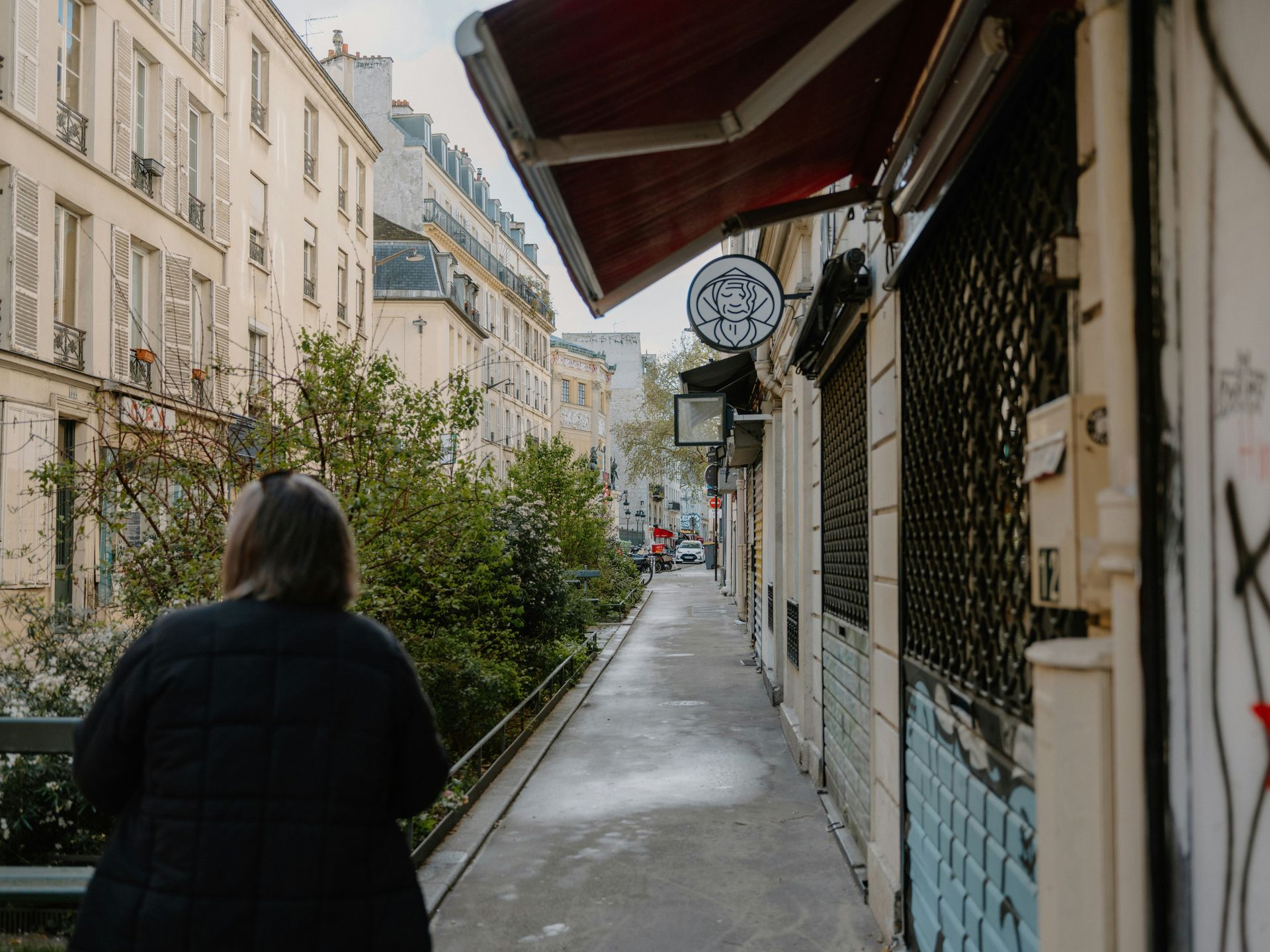
Photo by Annie Spratt on Unsplash
Reader's Digest emphasizes that situational awareness is one of the most effective safety tools for solo travelers. Criminals often look for distracted visitors who appear unfamiliar with their surroundings or are focused on their phones instead of what's happening around them.
Walking confidently, limiting phone use in crowded areas, and paying attention to who is nearby can help reduce your chances of becoming a target. Busy tourist attractions, transportation hubs, and popular landmarks are often where pickpockets operate, sometimes working together to create distractions while someone else steals valuables.
Trusting your instincts also plays an important role. If something feels off, Reader's Digest recommends changing direction, entering a busy public place, or removing yourself from the situation rather than waiting to see what happens.
4 / 5
-1920x1280.jpg)
Photo by Proxyclick Visitor Management System on Unsplash
According to Reader's Digest, your accommodations should make you feel secure from the moment you arrive. During hotel check-in, experts recommend asking staff to write your room number down instead of saying it aloud so others in the lobby don't overhear where you're staying.
Once inside your room, take time to confirm that doors and windows lock properly and use any additional security features available. Some travelers even carry a small door wedge for added protection while sleeping.
Most importantly, trust your instincts. Reader's Digest notes that if a hotel or rental doesn't feel safe for any reason, it's better to leave and find another place than ignore your concerns. Losing money on a reservation is far preferable to remaining somewhere that makes you feel vulnerable.
5 / 5
-1920x1280.jpg)
Photo by Erik Odiin on Unsplash
Reader's Digest recommends thinking through potential emergencies before your trip begins. Packing a basic first-aid kit, bringing necessary medications, and researching nearby medical facilities can save valuable time if you become ill or injured while traveling.
Experts also suggest registering international trips with your country's embassy when possible so you'll receive important alerts during natural disasters, political unrest, or other emergencies. Carrying your hotel's address on paper and saving emergency contact information offline can also help if your phone loses service or runs out of battery.
Preparing for situations you hope never happen gives you more confidence to handle them if they do. According to Reader's Digest, a little preparation before departure can make solo travel significantly safer and far less stressful.
