
Space-focused exchange-traded funds are drawing record inflows as anticipation builds around SpaceX's planned public market debut, according to Reuters.
Seven space-focused ETFs have collectively attracted $1.3 billion in new cash over the past month, pushing total assets in the sector to $3.3 billion
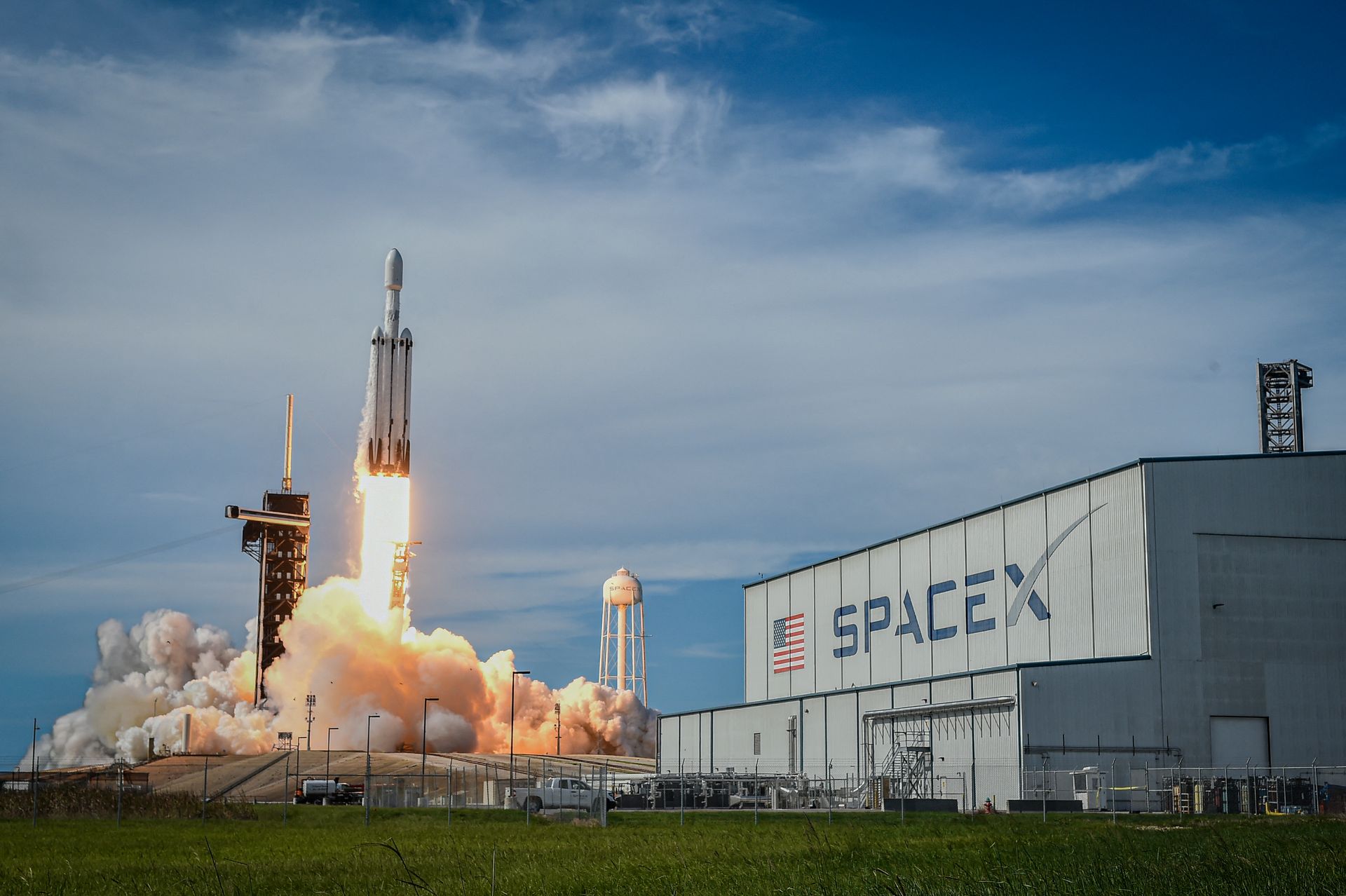
MIGUEL J. RODRIGUEZ CARRILLO / Getty Images
Space-focused exchange-traded funds are drawing record inflows as anticipation builds around SpaceX's planned public market debut, according to Reuters.
Data from Morningstar Direct, as cited by Reuters, shows the sector pulled in $1.3 billion over the past month, bringing cumulative assets across space-themed ETFs to $3.3 billion. Before 2026, the Procure Space ETF — launched in 2019 — was the sole fund available to investors wanting dedicated exposure to the space economy rather than the broader aerospace and defense sector. That changed as SpaceX's IPO plans solidified, with six rival funds entering the market over the past three months.
The Tema Space Innovators ETF, ticker NASA, reached $1.27 billion in assets within roughly seven weeks of its launch — a milestone that took the Procure Space ETF the better part of a decade to reach. The Procure Space ETF now holds nearly $900 million in assets under management and has posted a 49% year-to-date return, according to Benzinga.
The VanEck Space ETF and the Corgi Space and Satellite Communications ETF, which entered the market within a day of each other at the start of May, have combined to draw $13.6 million in assets, Reuters reported. The pipeline of new products is still growing: SEC filings point to at least two more space-focused funds set to debut around SpaceX's expected mid-June listing, alongside leveraged and enhanced income vehicles tied directly to the company's stock.
SpaceX filed its S-1 registration statement with the Securities and Exchange Commission on May 20, 2026, formally beginning the process of listing on the Nasdaq $NDAQ under the ticker SPCX. The company generated $18.67 billion in revenue in 2025, with its Starlink satellite internet unit contributing $11.39 billion of that total. SpaceX reported a consolidated loss from operations of $2.59 billion for the year, weighed down by its AI segment, which posted a $6.36 billion operating loss.
The underlying stocks tell a story that predates SpaceX's IPO plans: Rocket Lab and AST SpaceMobile have posted 12-month gains of 393% and 258%, respectively, signaling investor enthusiasm for the sector that runs deeper than anticipation of a single listing. Bespoke Investment Group data cited by Benzinga shows a basket of 26 space stocks has gained an average of 81.8% year-to-date.
Analysts have flagged concentration risk in the proliferating funds. When Reuters examined the holdings of all seven pure-play space ETFs, it found the same four stocks appearing in each fund's top 10, with total portfolio overlap of at least 50% across every pair of funds.
"I start to worry when everybody is thinking the same way; it just makes it hard for any single manager or fund to differentiate themselves except through marketing," Todd Sohn, ETF strategist at Strategas, told Reuters.
Join 500,000+ readers who start their day with Quartz.
By subscribing, you agree to our Terms of Service and Privacy Policy.