SpaceX might finally be ready for liftoff. Not another Starlink batch or Starship test — an actual debut on the public markets, with a timeline and a sticker price attached.

Elon Musk's space company is sketching out a late-2026 IPO — while also testing an $800 billion valuation, according to The Information
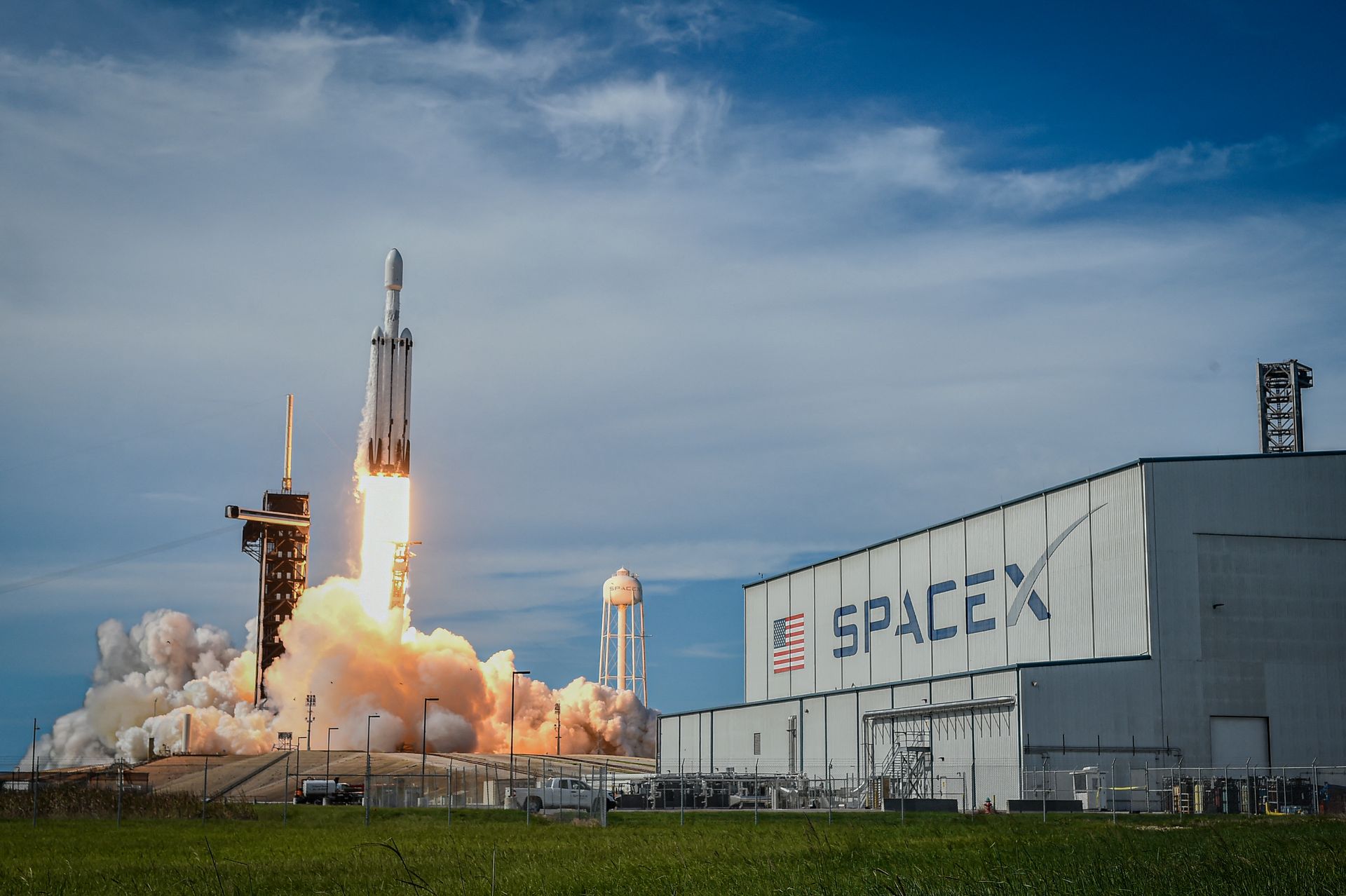
Photo by Miguel J. Rodriguez Carrillo/AFP via Getty Images
SpaceX might finally be ready for liftoff. Not another Starlink batch or Starship test — an actual debut on the public markets, with a timeline and a sticker price attached.
Elon Musk’s company has, according to The Information, been telling investors to circle the second half of 2026 for a potential IPO — all while chief financial officer Bret Johnsen says the company is lining up a secondary share sale that values the business at about $800 billion, roughly double the price tag buyers agreed to in a tender earlier this year, per the Wall Street Journal. Bloomberg, however, says that some of those insider sales may actually clear at about $300 a share, which pencils out closer to $560 billion, making this as much about negotiating posture as it is about a done deal.
The scenario was discussed at a board meeting at Starbase in Texas, but this is still term-sheet territory, not prospectus territory, and the final plans will depend on how many sellers and buyers actually show up.
SpaceX has made a habit of semi-regular tenders so that employees and early backers can turn paper wealth into actual money without waiting for a listing. The company has been running some version of these insider sales roughly every six months, a kind of pressure valve for a cap table that keeps inflating in private.
An $800 billion target rips SpaceX out of the $250 billion–$400 billion band where it’s been trading in private deals and drops it into mega-cap territory, shoulder to shoulder with companies that are legally required to publish audited financials every quarter. This move would also nudge SpaceX past OpenAI’s recent $500 billion valuation and have it reclaim the (unofficial) crown for the world’s most valuable startup — taking the title away from Musk’s rival, OpenAI CEO Sam Altman.
The IPO sketch wrapped around that purported $800-billion number is ambitious. For years, the working assumption in banker decks — largely via hints from Musk himself — was that Starlink would go out first, offering a neat satellite-internet story, while the rocket business stayed private. The latest plan being shown to investors points the other way: a combined listing that folds rockets, Starlink, government contracts, and all the rest into a single “space infrastructure” pitch and asks public markets to price the bundle at SpaceX-scale multiples.
Musk has said the space business would list when its growth was “smooth and predictable.” Starlink is about as close as the company gets to that description; analysts now peg its annual run rate around $12 billion from millions of subscribers paying for broadband in war zones, farm fields, cruise ships, and places terrestrial telecoms never bothered to reach. Internally and on his social media site, X $TWTR, Musk has been bragging that SpaceX’s commercial space revenue now rivals or exceeds what NASA spends on comparable launch and services — Musk has claimed his company will have about $15.5 billion in revenue in 2025 — and the launch cadence already makes national space programs look part-time.
At Tesla $TSLA’s annual meeting last month, Musk told shareholders that “at some point, SpaceX should become a public company” and said he’s looking for a way for Tesla holders to own SpaceX stock. Between that line, the $800 billion dress rehearsal, and the late-2026 target, investors now have more than rumor to hang their models on — even if there’s still no S-1, no exchange picked, and plenty of regulatory and political gauntlets ahead for a rocket-and-telecom hybrid that also happens to be a key U.S. defense contractor. A lot can happen in the markets between now and late 2026. Given SpaceX's persistent secondary sales, this could be about liquidity as much as it is about planting a flag on the $800 billion hill.
Now, SpaceX is effectively asking late-stage investors to swallow another double in less than six months — pricing in a future where Starship works, Starlink mints telecom-level cash, and governments keep writing very large checks for launch and space infrastructure. The company might finally be ready for liftoff as a stock; the real question is whether public investors are ready to board at this altitude.
Join 500,000+ readers who start their day with Quartz.
By subscribing, you agree to our Terms of Service and Privacy Policy.