
Three Starbucks $SBUX customers have filed a lawsuit against the coffee chain giant, alleging that its extra charges for non-dairy alternatives are discriminating against people with lactose intolerance.
The lawsuit closely mirrors similar complaints against Dunkin' in a different complaint
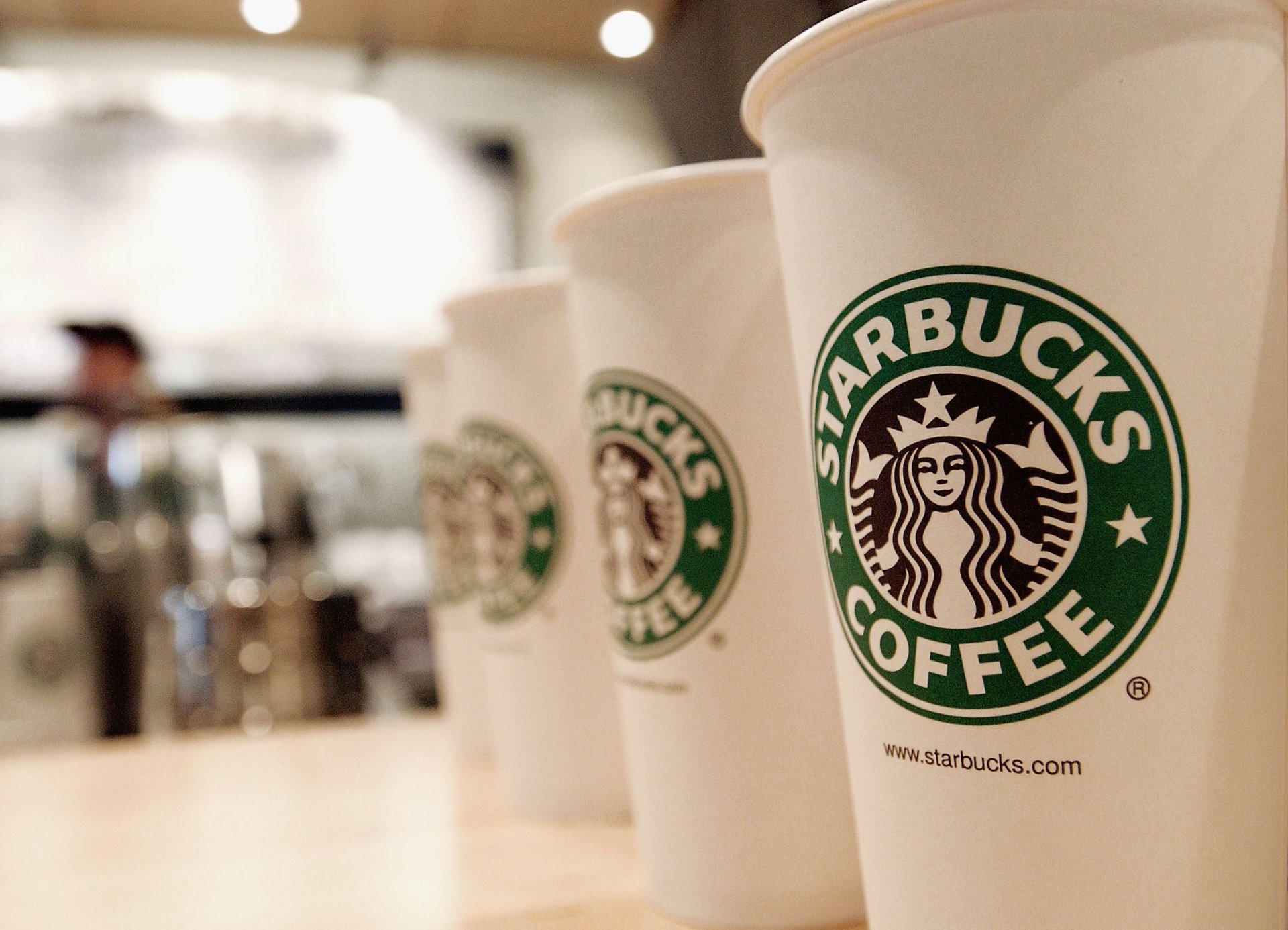
Three Starbucks $SBUX customers have filed a lawsuit against the coffee chain giant, alleging that its extra charges for non-dairy alternatives are discriminating against people with lactose intolerance.
The lawsuit, filed in the District Court in Eastern California, is seeking class-action status and is asking for $5 million in damages. The plaintiffs have lactose intolerance and milk allergies and have ordered coffee-based, tea-based, and other drinks at Starbucks retail coffee shops in California since 2018.
When they made their orders, they were charged between 50 cents and 80 cents extra to account for the cost of their requests for an alternative “milk”; such as soy milk or oat milk. The surcharges, according to the lawsuit, are designed only to profit from customers with allergies or lactose intolerance.
“Starbucks charges customers with lactose intolerance and milk allergies an excessively high surcharge to substitute non-dairy alternatives in its drinks,” the lawsuit alleges. “In this way, defendant’s conduct violates the Americans with Disabilities Act, California Unruh Civil Rights Act, and constitutes common law Unjust Enrichment.”
This may sound familiar to avid-readers of coffee shop news. The plaintiffs are represented by Keith Gibson Law, the same firm representing a group of 10 Dunkin’ customers suing the coffee chain under similar allegations.
“Being able to drink milk is a choice for some people, but it’s not for others. Lactose intolerance is a disability under the Americans with Disabilities Act, as amended,” Bogdan Enica, an attorney representing the Dunkin’ plaintiffs, told NBC News in January.
This isn’t the first time Starbucks has come under fire for its non-dairy milk practices.
In 2020, the company was scrutinized for charging people extra over for using non-dairy milk alternatives. The animal rights group PETA and vegans launched protests against the surcharges across the US. Enica’s firm also filed a class-action lawsuit against Starbucks in 2022 over similar issues.
“We cannot comment on pending litigation,” a Starbucks spokesperson told Quartz. “In U.S. Starbucks stores, at no additional cost, customers can add up to four ounces of non-dairy milk” to beverages, they added.
Join 500,000+ readers who start their day with Quartz.
By subscribing, you agree to our Terms of Service and Privacy Policy.