A mortgage stretches further in some states than others. WalletHub ranked all 50 by housing and energy costs to identify the priciest and cheapest

Sarah Stier / Getty Images
Housing is the largest line item in most household budgets, and the gap between what homeowners pay in expensive states and what they pay in affordable ones is wider than people expect. A homeowner in a high-cost state can face monthly payments that exceed the total rent of a comparable household in a cheaper one. Mortgage payments are only part of the equation: home energy costs compound the burden, and both keep climbing faster than wages in the places where prices are highest. The result is a squeeze that reaches well above the bottom of the earnings distribution and affects households at a wide range of income levels.
What makes that burden particularly hard to escape is that earnings alone do not solve it. The states where homeowners spend the largest share of their earnings on housing are not low-income places. Several rank among the top five or top ten states for median household income in the country. High wages attract elevated prices, and in the most costly housing markets, those figures have outrun even strong salaries. The assumption that earning more protects against housing strain breaks down in states where both home prices and energy costs have reached their highest levels.
WalletHub measured mortgage payments and home energy costs across all 50 states and adjusted the combined figure to each state's median household income. The result is a ranking of how much of a typical household paycheck goes to keeping a roof overhead. The states at the top of the list devote close to half of median household income to housing. The states at the bottom spend less than one-fifth. The six states examined here represent both ends of that range.
AaronP / Bauer-Griffin / GC Images
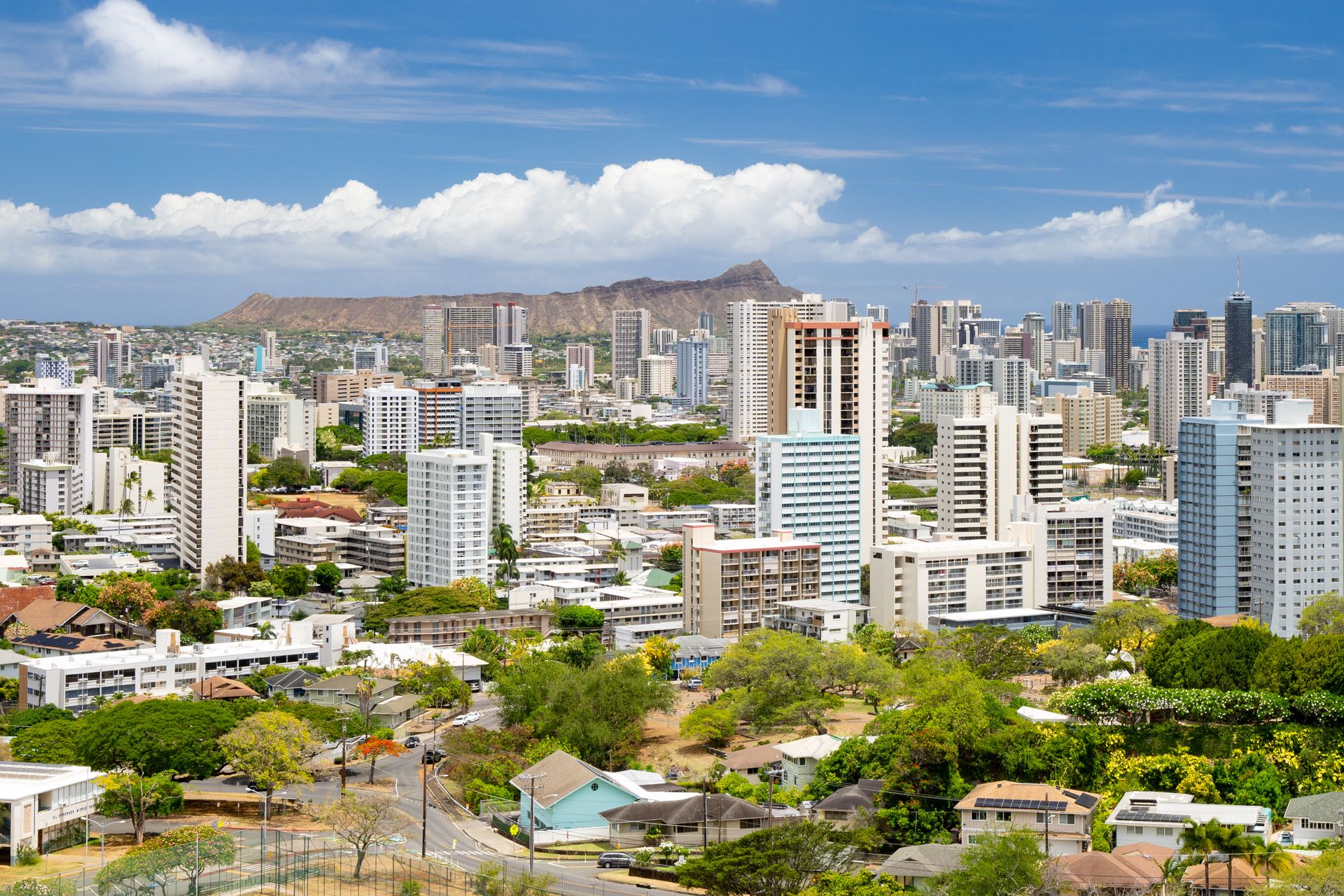
Hawaii holds both the highest mortgage payments and the steepest energy costs in the U.S., driving its housing burden to 50.02% of median income and ranking first overall. The average Hawaiian homeowner directs roughly half of every dollar earned toward mortgage payments and home energy. A burden at that level leaves an unusually thin margin for every other expense a household carries.
The dual source of that burden sets Hawaii apart. Hawaii has both the most expensive mortgage payments in the country and the highest home energy costs nationwide. No other state holds both records at once. Mortgage costs alone are severe enough to place Hawaii at the top of any housing-affordability comparison, but energy expenses — driven by the state's near-total dependence on imported fuel — add a second layer that compounds the pressure each month. A homeowner managing a large mortgage also faces utility bills that, in most other states, would register as a significant expense on their own.
Hawaii's position is especially notable because it is not a poor state. Hawaii's median household income is $100,389 per year, placing the state among the top five nationally. The income is real and substantial, but the cost of homeownership in Hawaii so far outpaces it that even a top-tier salary cannot prevent housing from consuming half the paycheck.
Iowa homeowners, at the opposite end of the WalletHub ranking, spend about 17% of income on housing. The gap between the two states is roughly 33 percentage points. A Hawaiian homeowner earning the same salary as an Iowa counterpart would still spend about three times as much of those wages on housing, purely as a function of geography.
Hawaii's renters face an even steeper position. On the renters' side of the WalletHub ranking, Hawaii also holds first place, with those costs consuming 62.52% of median household income. Whether owning or renting, Hawaiians carry the highest housing cost-to-income ratio in the country by a wide margin.
Geographic isolation shapes every part of Hawaii's housing market. Construction materials must be shipped in, raising building costs and keeping supply tight. Energy cannot be imported cheaply. Land is scarce on every island. Each of those conditions reinforces the others, and together they produce a housing market where costs at every level — purchase price, monthly mortgage, and utility bill — run higher than anywhere else in the U.S.
Jason Henry / Bloomberg via Getty Images
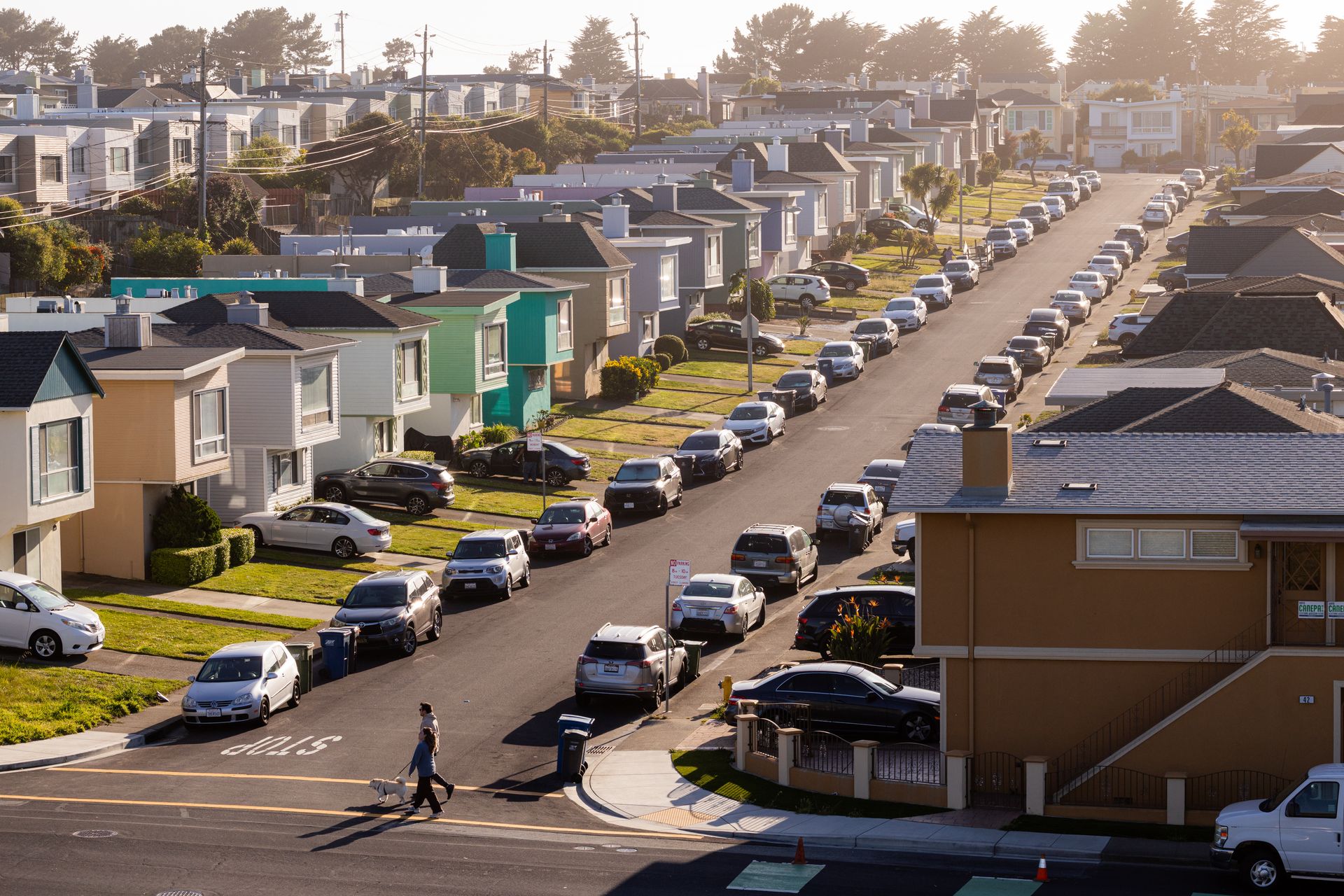
California places second, with homeowners paying 43% of median income on housing driven by mortgage payments that trail only Hawaii's. California's median household income is $99,122 per year, fifth highest in the country, and it still is not enough to offset what homeowners pay.
Homeowners in the state carry the second-highest mortgage payments in the country, behind only Hawaii. The position reflects decades of constrained supply in the state's most populated coastal markets. Construction has consistently lagged behind population growth and job creation in the San Francisco Bay Area, Los Angeles, and San Diego. The result is a mortgage burden that, for many California homeowners, is larger in absolute dollars than the total monthly ownership costs in most other states.
Energy costs add to the pressure. California homeowners face the sixth-highest home energy costs in the country. The state's electricity rates rank among the highest in the nation, a product of its complex power infrastructure, renewable energy mandates, and spending tied to wildfire prevention and grid hardening. For a homeowner already carrying a large mortgage, a substantial utility bill is not a minor inconvenience: it is a meaningful addition to a budget already stretched thin.
The burden puts California well above the pattern seen in other high-income states. Many states with comparable or lower incomes keep housing below 25% of median earnings. California's pairing of elevated prices and steep costs means that households earning well above the national median are still spending a disproportionate share of their money on housing. The dynamic helps explain why the state consistently records among the highest rates of out-migration to lower-cost places — Nevada, Arizona, and Texas — where homeownership is significantly more accessible.
California's renters face a somewhat different position. On the renters' ranking, California falls to eighth in the country, with those costs consuming 39.84% of median household income. That is still a heavy burden, but it is notably lower than the ownership share, partly because home prices in California have escalated faster than rents in recent years, widening the gap between owning and leasing more than in most states.
Erin Clark / The Boston Globe via Getty Images
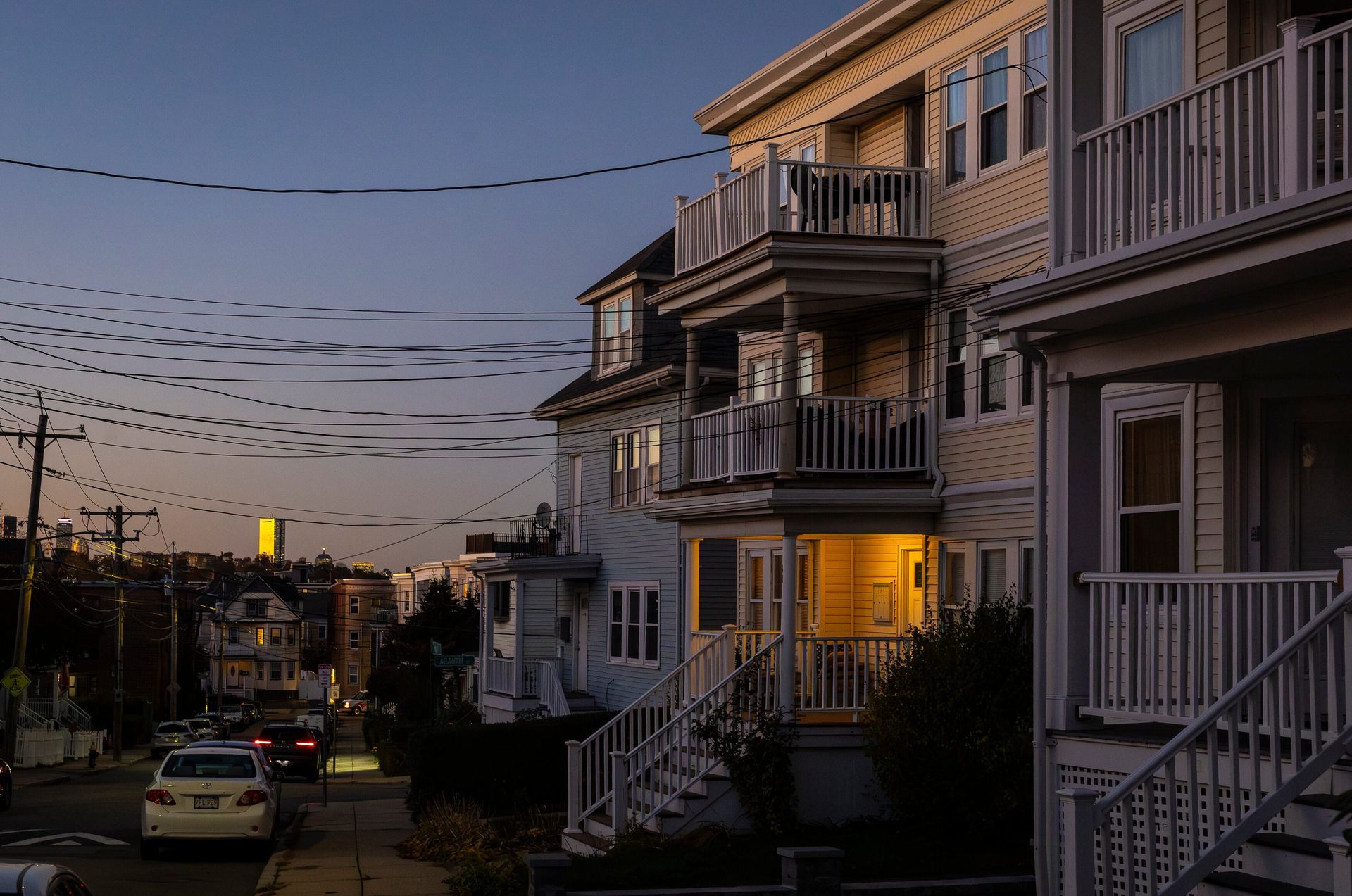
Massachusetts ranks third in housing burden at 33.67% of median income, despite having the highest household earnings of any state at the top of this list. The percentage is meaningfully lower than Hawaii and California, but the significance of Massachusetts' position is less about how high the number is and more about why earnings alone cannot reduce it.
The state has the highest median household income of the three states at the top of this list, at $103,960 per year. It earns more per household than Hawaii or California. Yet it still ranks third in the country for how much of that income goes to housing. The reason is that costs in Massachusetts are high enough to absorb the benefit of elevated earnings.
Home energy costs are a major factor. Massachusetts carries the second-highest home energy costs in the U.S. Heating a home through a New England winter is expensive regardless of house size, and energy prices in the region have stayed elevated. A homeowner in Massachusetts faces utility bills that, by themselves, would count as above-average ownership costs in most Midwestern or Southern states.
Mortgage costs compound the strain. Massachusetts has the third-highest mortgage costs in the country. The Boston metropolitan area is one of the most expensive housing markets on the East Coast, with home prices that have climbed steeply over the past decade as the region's technology and life sciences sectors drew high-earning workers. Boston's demand has kept prices elevated and pushed buyers further from city centers to find anything accessible, adding distance costs on top of housing ones.
The broader signal from Massachusetts' position is that income and affordability do not move together. A household earning $103,960 in Massachusetts is not in a comfortable market: it is in one of the most costly in the country, offset only partially by wages that happen to be high for reasons disconnected from home prices. The figure means that even a household at the median income level parts with one of every three dollars earned before addressing any expense beyond housing and energy.
Scott Olson / Getty Images
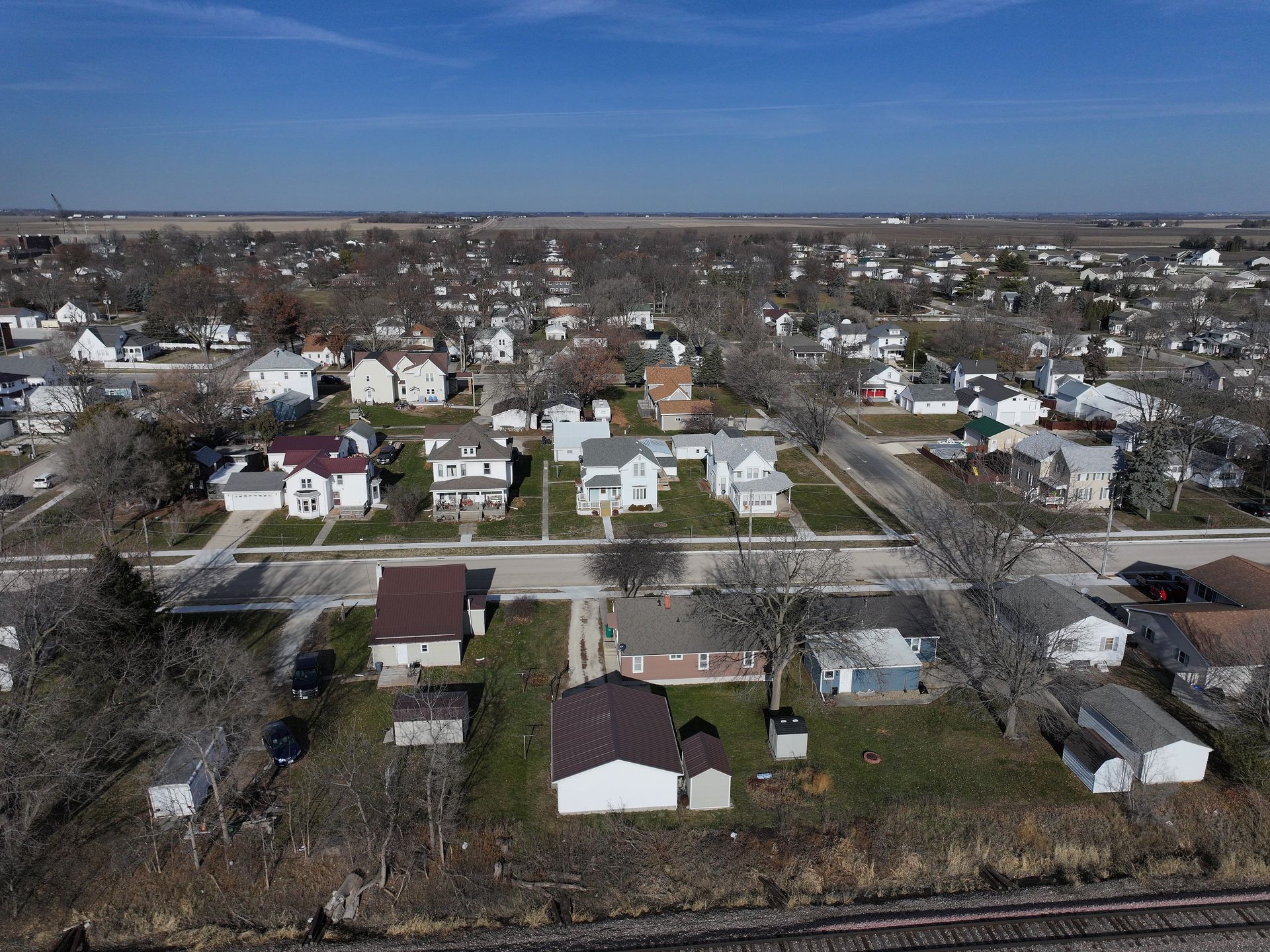
Iowa finishes with the smallest ownership outlay of any state, with home values well below the national figure that keep the share to just 17.26% of median income. No state in the WalletHub ranking comes close to that figure. The conditions behind it are rooted in a housing market where prices have stayed well below the national norm.
The median home value in Iowa is $227,300, according to 2024 American Community Survey data. The national median is $360,600. Iowa's median is roughly three-fifths of that national figure. A gap of that size directly suppresses mortgage payments and keeps monthly ownership costs low across the state. A homeowner in Iowa with a mortgage pays a median of $1,538 per month in total owner costs. A homeowner without a mortgage pays a median of just $615 per month.
Iowa's median household income is $75,501 per year. That is a solid middle-income figure — neither exceptionally high nor low — and it sits comfortably above what Iowa homeowners pay for housing. That ratio is the product of alignment between income and ownership costs that are genuinely low.
The rate of cost burden confirms the picture. Only 17.3% of Iowa homeowners spend 30% or more of income on housing, a threshold economists use to define when cost strain becomes significant. The rate is among the lowest in the country and reflects a market where the large majority of homeowners are operating well below the point at which housing consumes an unhealthy share of the budget.
Iowa's homeownership rate is 71.3%, well above the national average. When ownership is accessible relative to income, more households can buy instead of rent, and the ACS data shows that pattern clearly in Iowa. Tenants in the state also face low costs, with median gross rent at $981 per month. For both owners and renters, Iowa presents a housing market where the fundamentals are aligned toward affordability in a way that is rare among states with a comparable economic base.
Robert Knopes / UCG / Universal Images Group via Getty Images
West Virginia sits just above Iowa, where property values near half the U.S. median hold costs to 18.39% of monthly income. West Virginia's position reflects home values that are the lowest of any place in this group, and among the most depressed in the country.
The median home value in West Virginia is $170,800, according to 2024 ACS data. That is roughly half the national median of $360,600. West Virginia's figure is also more than $56,000 below the Iowa median, despite that state's own ranking near the bottom of the housing burden list. West Virginia homeowners with a mortgage pay a median of $1,272 per month in total owner costs. Those without a mortgage pay a median of just $412 per month, reflecting a stock of older, paid-off homes where ongoing ownership costs beyond taxes and maintenance are minimal.
West Virginia's median household income is $60,798 per year, the lowest of the three least-expensive states in this group. West Virginia's income is well below Iowa's and Kansas's, and it means the state's affordability stems less from elevated earnings than from a housing market priced in line with what the local economy produces. The cost burden figure supports that reading: just 15.1% of West Virginia homeowners spend 30% or more of income on housing. The 15.1% figure is the lowest rate among all six states examined here.
At 75.5%, West Virginia has the highest homeownership rate of the three affordable states, and one of the elevated rates seen nationwide. Low ownership costs make it possible for a larger share of households to buy, even at income levels that would put homebuying out of reach in more expensive markets. Median gross rent is $883 per month, the lowest of the three affordable states, pointing to a rental market that is similarly restrained.
Low home values in West Virginia are in part a product of long-term population decline and limited in-migration. Markets that are not drawing new residents do not face the same upward pressure on prices that growing areas do. Low prices keep ownership accessible for those who remain, even as they reflect broader economic conditions the state continues to work through.
Tammy Ljungblad / The Kansas City Star / Tribune News Service via Getty Images
Kansas enters the affordable group from the top, carrying the priciest properties among the three low-burden states while keeping its cost share to 18.64% of median income.
The median home value in Kansas is $238,700, according to 2024 ACS data. That is about two-thirds of the national median of $360,600, and it exceeds both Iowa ($227,300) and West Virginia ($170,800). Kansas homeowners with a mortgage pay a median of $1,749 per month in total owner costs, the highest figure of that kind among the three affordable states in this group. Despite those higher costs, the burden share stays below 19% because household income in Kansas is comparable to Iowa's. Kansas's median household income is $75,514 per year, nearly identical to Iowa's $75,501.
Cost burden in Kansas is 18.5%, meaning fewer than one in five homeowners there spends 30% or more of income on housing. The Kansas rate is slightly above Iowa's 17.3% and notably above West Virginia's 15.1%, consistent with the modestly higher monthly costs Kansas homeowners carry. Kansas's homeownership rate is 68.1%, lower than both Iowa and West Virginia, though still above the national average.
Median gross rent in Kansas is $1,079 per month, higher than Iowa's $981 and West Virginia's $883. The rental market in Kansas, while affordable by national standards, costs more than either of its neighbors at the bottom of the WalletHub list.
Kansas does not match the rock-bottom prices found in Iowa and West Virginia, but its home values are still well below the national median and its income is solid enough to keep the burden manageable for most households. Even renters face costs that are modest by national standards, and the state's homeownership rate remains above the national average despite being the priciest market of the three. For a state at the higher end of the affordable group, the overall position is stronger than the price gap with Iowa and West Virginia might suggest.
