
20 things strength training after 40 does to your body
The research on what specifically happens to older bodies that lift weights is more specific, more surprising, and more urgent than most people realize
Kampus Production / Pexels
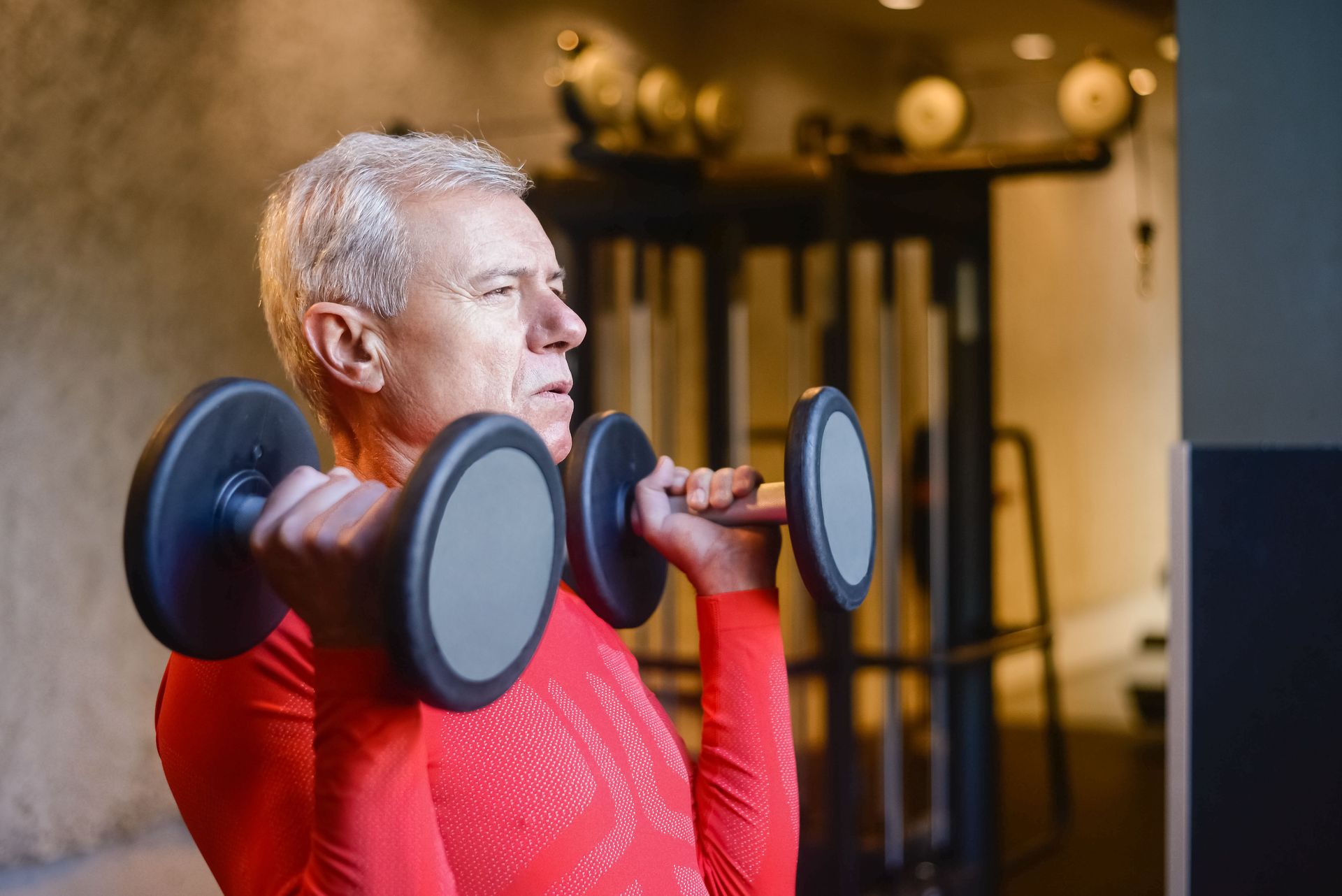
Somewhere around the age of 30, the human body begins a slow but measurable decline in muscle mass. Without intervention, the average adult loses three to five percent of their muscle mass per decade after 30, accelerating after 60. By 80, most sedentary people have lost approximately 30 to 40 percent of the muscle they had at their peak. This process — sarcopenia — is not an inevitable consequence of aging so much as it is a consequence of aging without resistance training, and the distinction matters enormously because the outcomes are dramatically different.
The research on strength training in people over 40 has expanded significantly in the past two decades, and what it shows is not merely that lifting weights maintains muscle. It shows that resistance training at this stage of life produces adaptations across nearly every body system — hormonal, cardiovascular, skeletal, neurological, cognitive, and metabolic — that collectively amount to a reversal or significant slowing of many of the most consequential aspects of biological aging. Studies have found that the muscles of 70-year-olds who have been lifting weights for decades are biologically closer to those of 25-year-olds than to those of sedentary 70-year-olds. The mitochondrial density, the fiber composition, and the metabolic function of trained older muscle are categorically different from untrained older muscle.
The urgency of starting — or restarting — strength training after 40 comes from the compounding nature of the losses it prevents. Muscle loss accelerates cardiovascular disease risk, metabolic dysfunction, bone density loss, and cognitive decline through mechanisms that are interrelated. Preventing or reversing one tends to ameliorate the others. And the body's capacity to respond to resistance training does not disappear with age: multiple studies have found that people in their 60s, 70s, and 80s who begin resistance training programs show muscle gains comparable in percentage terms to younger adults beginning the same programs.
Each of the 20 entries in this list covers a specific physiological effect of regular resistance training in people over 40, the mechanism through which it occurs, the strength of the evidence, and the approximate timeline over which the effect becomes measurable. A medical disclaimer applies throughout: people with existing health conditions should consult a physician before beginning a new exercise program.
1 / 20
Muscle loss slows and reverses
Alena Darmel / Pexels
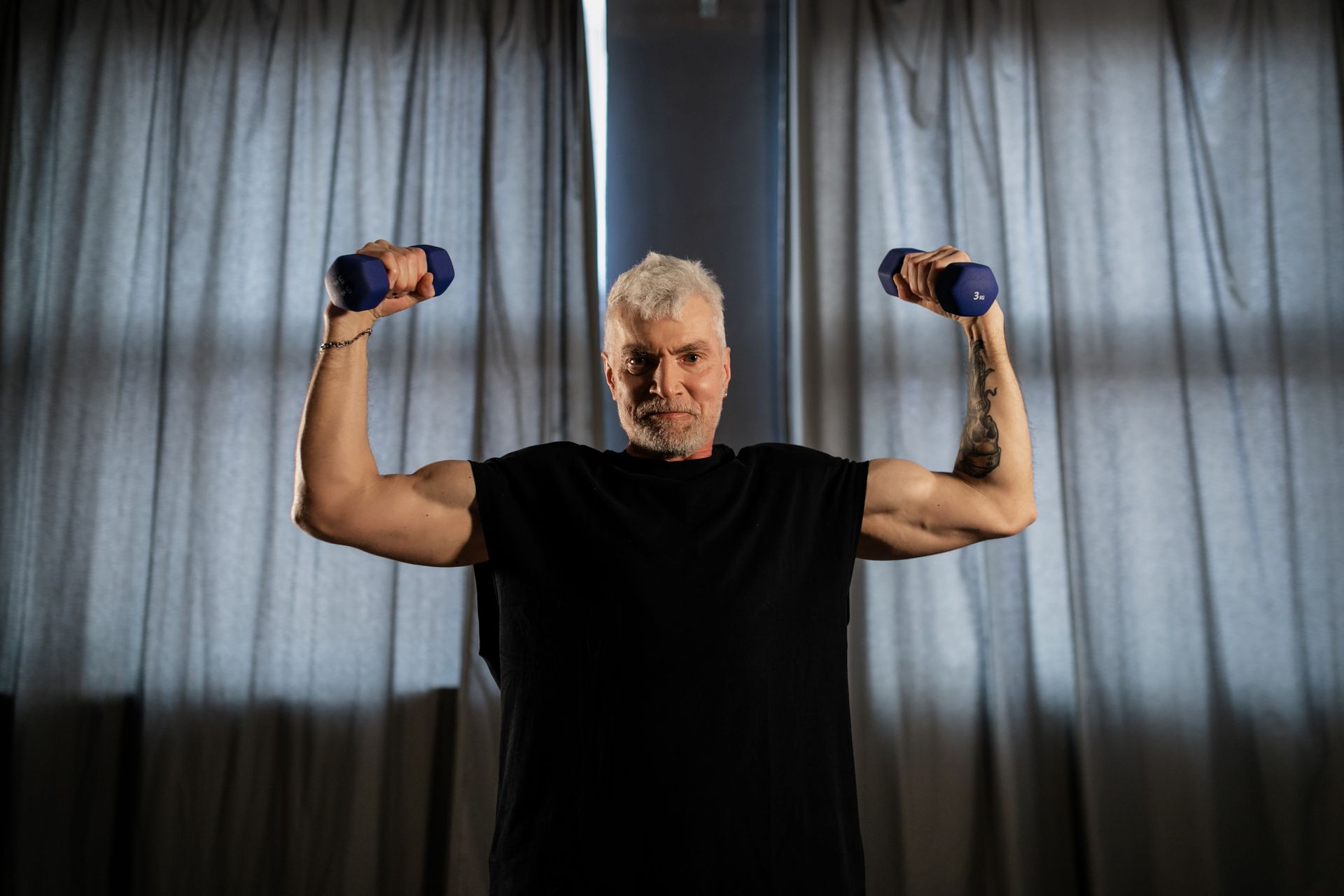
Sarcopenia — the age-related loss of muscle mass — is the most direct and most documented effect of aging on the body's physical capacity, and resistance training is the most effective intervention for preventing and reversing it. After 40, without resistance training, the average adult loses muscle at a rate that compounds: a 45-year-old who has not been lifting weights has already lost a meaningful proportion of their peak muscle mass and is entering the decade in which the loss accelerates most noticeably.
The mechanism of resistance training's anti-sarcopenic effect is the activation of satellite cells — the muscle stem cells that respond to the mechanical stress of resistance training by fusing with existing muscle fibers and increasing their size and contractile capacity. This process, called muscle protein synthesis, is stimulated by resistance exercise and by adequate dietary protein, and it occurs in response to training at every age studied, including in people in their 80s and 90s.
The specific finding that most surprises people: older adults who begin resistance training programs show muscle gains that are comparable in percentage terms to younger adults beginning the same programs. The absolute starting point is lower, but the capacity for adaptation is preserved. A 65-year-old who begins a consistent resistance training program can gain several kilograms of muscle over six to twelve months — a change that is visible, measurable, and functionally significant.
Timeline: measurable muscle protein synthesis increases within the first training session; noticeable muscle gain within six to twelve weeks of consistent training; significant functional improvement within three to six months.
2 / 20
Resting metabolic rate increases
Pexels LATAM / Pexels
Muscle is metabolically active tissue — it consumes calories at rest at a rate significantly higher than fat tissue. A kilogram of muscle burns approximately 13 calories per day at rest; a kilogram of fat burns approximately 4.5 calories per day. As muscle mass declines with age, resting metabolic rate falls, and the caloric deficit required to maintain weight at a given intake level narrows — which is the biological basis for the common experience of weight gain in middle age despite no change in eating habits.
Resistance training reverses this metabolic decline by rebuilding the muscle mass that drives resting metabolic rate. Each kilogram of muscle added through training increases resting caloric expenditure by approximately 13 calories per day — a modest amount per kilogram, but significant across the several kilograms of muscle that a consistent training program can add or restore.
The metabolic effect of resistance training also extends beyond resting metabolism: the excess post-exercise oxygen consumption (EPOC) following strength training sessions — the elevated metabolic rate that persists for hours after training as the body repairs and adapts — adds additional caloric expenditure that aerobic exercise of comparable duration does not produce to the same degree.
Timeline: resting metabolic rate increases measurably within eight to twelve weeks of consistent training as muscle mass accumulates.
3 / 20
Bone density improves

SHVETS production / Pexels
Osteoporosis — the loss of bone mineral density that increases fracture risk — affects approximately 54 million Americans over 50, with women disproportionately affected due to the accelerated bone loss that follows menopause. Hip fractures in people over 65 are associated with a one-year mortality rate of approximately 20 to 30 percent in some studies, making bone density one of the most consequential health parameters for older adults.
Resistance training improves bone density through the mechanical loading of the skeleton that it produces: the forces transmitted through bones during resistance exercise stimulate osteoblast activity (the cells that build new bone), increasing bone mineral density over time. The effect is site-specific — the bones that are loaded during training are the ones that respond — and is most pronounced in the hip and spine, the sites where osteoporotic fractures are most dangerous.
The evidence base is strong: multiple meta-analyses have found that resistance training programs in postmenopausal women produce significant increases in lumbar spine and femoral neck bone mineral density, with effect sizes that are clinically meaningful. The combination of resistance training and adequate calcium and vitamin D intake produces larger effects than either intervention alone.
Timeline: bone density changes are slower than muscle changes; measurable improvements in bone mineral density typically require 12 to 24 months of consistent training, with studies showing continued improvement over multi-year programs.
4 / 20
Blood sugar regulation improves

Mart Production / Pexels
Skeletal muscle is the primary site of glucose disposal in the body — it accounts for approximately 70 to 80 percent of insulin-stimulated glucose uptake. As muscle mass declines with age, the body's capacity to clear glucose from the bloodstream after meals diminishes, and insulin resistance — the precursor to type 2 diabetes — becomes increasingly common. By their 50s, a significant proportion of adults have measurable insulin resistance even without a diabetes diagnosis.
Resistance training improves blood sugar regulation through two mechanisms: the acute effect of muscle contraction, which increases glucose uptake independent of insulin (through the translocation of GLUT4 transporters to the muscle cell surface), and the chronic effect of increased muscle mass, which expands the body's glucose disposal capacity permanently. Both mechanisms are relevant and both improve with consistent training.
The clinical significance: multiple randomized controlled trials have found that resistance training programs in middle-aged and older adults produce reductions in fasting blood glucose and hemoglobin A1c (the measure of average blood sugar over three months) comparable to those produced by first-line diabetes medications in people with pre-diabetes and early type 2 diabetes. Resistance training is an evidence-based intervention for metabolic health that is significantly underutilized in standard medical care.
Timeline: acute improvements in blood sugar regulation occur with each training session; chronic improvements in insulin sensitivity and HbA1c develop over eight to twelve weeks of consistent training.
5 / 20
Cardiovascular health improves

Wellness Gallery Catalyst Foundation / Pexels
Resistance training's cardiovascular benefits are less well-known than those of aerobic exercise but are real and significant. Regular strength training reduces resting blood pressure, improves arterial compliance (the flexibility of arterial walls, which stiffens with age and contributes to hypertension), reduces LDL cholesterol, and improves the heart's efficiency as a pump — though through different mechanisms than aerobic training.
The blood pressure effect is particularly well-documented: a meta-analysis of 33 randomized controlled trials found that resistance training reduced resting systolic blood pressure by an average of 4.1 mmHg — a reduction comparable to the effect of first-line antihypertensive medications for people with mild hypertension. The mechanism is primarily the reduction in peripheral vascular resistance that follows improved arterial compliance rather than the cardiac volume adaptations that aerobic training produces.
The combination of resistance and aerobic training produces larger cardiovascular benefits than either alone for most cardiovascular risk markers — suggesting that the two modes of exercise address different components of cardiovascular health and are complementary rather than substitutable.
Timeline: blood pressure improvements are measurable within four to eight weeks of consistent training; arterial compliance improvements develop over three to six months.
6 / 20
Joint health and pain reduction
Anna Shvets / Pexels
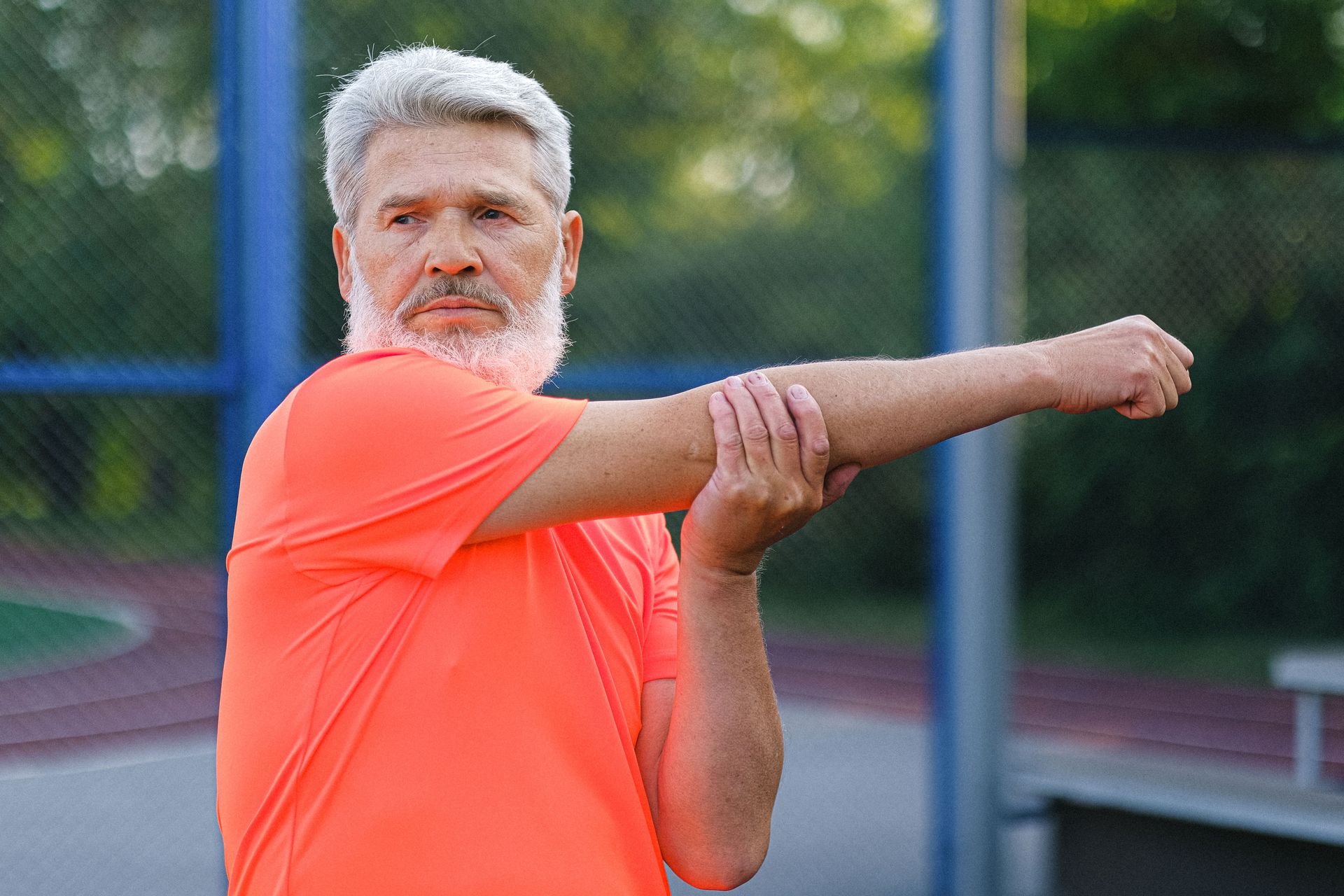
The relationship between strength training and joint health is counterintuitive to many people who avoid strength training because of joint pain: the muscles surrounding a joint are its primary stabilizers and shock absorbers, and weak muscles load the joint surfaces unevenly, accelerating cartilage wear and increasing pain. Strengthening the muscles around arthritic or painful joints is among the most evidence-based non-pharmacological interventions for osteoarthritis pain.
For knee osteoarthritis — the most common joint condition in adults over 50 — systematic reviews consistently find that resistance training programs targeting the quadriceps and hip muscles produce significant reductions in knee pain and improvements in physical function, with effect sizes comparable to non-steroidal anti-inflammatory medications for pain reduction without the gastrointestinal side effects.
The mechanism is the distribution of load across the joint surface: stronger muscles absorb more of the force of movement before it reaches the cartilage, reducing the peak loads that cause pain and cartilage breakdown. The fear that resistance training will "wear out" arthritic joints faster is not supported by the evidence; the evidence consistently points in the opposite direction.
Timeline: pain reduction is measurable within four to eight weeks of consistent training; functional improvement continues with ongoing training.
7 / 20
Posture and balance improve

Yan Krukau / Pexels
The postural muscles — the deep spinal stabilizers, the hip abductors, the shoulder girdle muscles — weaken with age and with the sedentary postures of desk work in ways that produce the characteristic postural changes of middle and older age: the forward head, the rounded shoulders, the increased thoracic kyphosis. These postural changes are not merely aesthetic; they impair breathing capacity, increase the risk of falls, and contribute to chronic neck, shoulder, and back pain.
Resistance training that specifically addresses these muscles — deadlifts and rows for the posterior chain, overhead pressing for the shoulder girdle, core stability exercises for the deep spinal stabilizers — reverses these postural changes by rebalancing the strength relationships between muscles that are chronically overloaded and those that are underused.
Fall prevention is among the most consequential outcomes of improved balance and postural control in older adults. Falls are the leading cause of injury death in people over 65 in the United States. Resistance training programs that include balance and proprioceptive challenges reduce fall frequency in older adults by approximately 20 to 30 percent in randomized controlled trials — a significant reduction in one of the most dangerous risks of aging.
Timeline: postural improvements are gradual, developing over months of consistent training; measurable improvements in balance are documented within eight to twelve weeks.
8 / 20
Testosterone and growth hormone respond
Rafael Bertacini / Pexels
Acute bouts of resistance training produce significant increases in anabolic hormones — testosterone, growth hormone, and insulin-like growth factor 1 (IGF-1) — in the hours following training. This hormonal response supports the muscle protein synthesis and tissue repair that follow training, and it occurs in both men and women, though the absolute levels differ by sex.
After 40, basal testosterone levels decline in men at approximately one to two percent per year — a process called andropause or late-onset hypogonadism — and growth hormone secretion also declines. This hormonal environment makes muscle maintenance more difficult and recovery from exercise slower. Resistance training does not fully reverse this hormonal decline, but it does produce acute hormonal responses that are larger in trained individuals than in untrained ones, and it maintains the hormonal environment's anabolic sensitivity better than sedentary aging does.
The specific finding that most clearly demonstrates the hormonal relevance of resistance training: studies comparing the hormonal profiles of older trained athletes with sedentary age-matched controls find significantly higher basal testosterone and growth hormone levels in the trained group — not because training elevated their hormones above normal range, but because training preserved them from the decline that sedentary aging produces.
Timeline: acute hormonal responses occur with each training session; preservation of basal hormone levels requires years of consistent training.
9 / 20
Sleep quality improves

SHVETS production / Pexels
The relationship between resistance training and sleep quality in people over 40 is among the more consistently reported subjective effects of starting a training program and has supporting evidence from several randomized controlled trials. A 2017 meta-analysis found that resistance training programs in middle-aged and older adults produced significant improvements in self-reported sleep quality, sleep duration, and sleep efficiency (the ratio of time asleep to time in bed).
The mechanisms are multiple: the physical fatigue produced by resistance training increases the homeostatic sleep pressure that drives sleep onset; the reduction in chronic pain achieved through training removes a major source of sleep disruption; and the improvements in anxiety and depression that training produces (described in subsequent entries) reduce the rumination and hyperarousal that impair sleep quality in middle-aged adults.
The specific finding most relevant to people over 40: sleep architecture changes with age in predictable and problematic ways — slow-wave (deep) sleep declines, nighttime awakenings increase, and overall sleep efficiency falls. Resistance training has been found to specifically improve slow-wave sleep duration, addressing the most age-specific component of sleep deterioration.
Timeline: subjective sleep improvements are often reported within the first two to four weeks of consistent training; measurable changes in sleep architecture require longer observation periods.
10 / 20
Depression and anxiety reduce

Nino Sanger / Pexels
The mental health benefits of resistance training are less well-known than those of aerobic exercise but are documented in a growing body of randomized controlled trials. A 2018 meta-analysis of 33 randomized controlled trials — the most comprehensive to that date — found that resistance training produced significant reductions in depressive symptoms across all age groups, with effect sizes comparable to those of antidepressant medications for mild to moderate depression.
The mechanisms are multiple and partially distinct from those of aerobic exercise: resistance training increases brain-derived neurotrophic factor (BDNF), which promotes neuroplasticity and is reduced in depression; it reduces inflammatory cytokines that contribute to depression's biological substrate; and it produces the self-efficacy improvements — the specific experience of getting measurably stronger over time — that are particularly valuable for people whose depression involves feelings of helplessness.
For people over 40, the depression-relevant benefit of resistance training includes the specific effect on body image and physical capability that aerobic exercise provides less directly: the experience of being able to lift more weight than you could six weeks ago, of having visible muscle where there was none, of moving through the world in a body that feels more capable — these are experiences with specific relevance to the body-related components of depression and anxiety that commonly emerge in middle age.
Timeline: measurable reductions in depression and anxiety scores are documented within four to eight weeks of consistent training in most trials.
11 / 20
Cognitive function and memory improve

Kaboom Pics / Pexels
The evidence that resistance training improves cognitive function — specifically executive function, memory, and attention — in middle-aged and older adults has strengthened significantly in the past decade and is now considered well-established in the exercise neuroscience literature. A 2017 systematic review of 25 randomized controlled trials found that resistance training produced significant improvements in cognitive function in adults over 50, with the largest effects for executive function and memory.
The mechanism is primarily BDNF — brain-derived neurotrophic factor — which is increased by muscle contraction (through a signaling pathway involving the myokine irisin) and which promotes the formation of new synaptic connections, the survival of existing neurons, and the neuroplasticity that underlies learning and memory. Resistance training's effect on BDNF is distinct from aerobic exercise's effect on the same pathway, and the two types of exercise may produce additive cognitive benefits.
The specific cognitive finding most relevant to aging: resistance training has been found in multiple studies to slow the progression of mild cognitive impairment (MCI) — the stage between normal cognitive aging and dementia — with some studies finding improvements in cognitive test scores that move participants from the MCI range back into the normal range. The evidence does not support the claim that resistance training prevents dementia, but the evidence for cognitive protection is substantial.
Timeline: cognitive improvements are measurable within eight to twelve weeks of consistent training in most studies.
12 / 20
Visceral fat decreases

Matilda Wormwood / Pexels
Visceral fat — the fat deposited around the internal organs in the abdominal cavity — is metabolically active in ways that subcutaneous fat (the fat under the skin) is not, secreting inflammatory cytokines and free fatty acids that contribute to insulin resistance, cardiovascular disease, and systemic inflammation. Visceral fat accumulation is a normal feature of aging, particularly in the decade around menopause for women and as testosterone levels decline in men, and it is a key driver of the metabolic deterioration that accelerates chronic disease risk after 40.
Resistance training reduces visceral fat through multiple mechanisms: the increase in resting metabolic rate (described earlier) increases caloric expenditure at rest; the improvements in insulin sensitivity reduce the hormonal environment that promotes fat storage; and the direct caloric expenditure of training sessions contributes to a negative energy balance when diet is held constant.
The specific finding that distinguishes resistance training from aerobic exercise for visceral fat reduction: both are effective, but resistance training's effect on resting metabolism produces a more sustained reduction in visceral fat over time, because the metabolic effect of increased muscle mass persists 24 hours a day rather than only during the exercise session. Studies comparing resistance training to aerobic training of equivalent caloric expenditure find comparable visceral fat reductions over 12 to 24 weeks.
Timeline: measurable reductions in visceral fat are documented within eight to twelve weeks of consistent training combined with diet maintenance.
13 / 20
Inflammation markers decline

Kaboom Pics / Pexels
Chronic low-grade inflammation — elevated circulating levels of inflammatory markers including C-reactive protein (CRP), interleukin-6 (IL-6), and tumor necrosis factor-alpha (TNF-α) — is one of the most significant physiological changes associated with aging and a major driver of virtually every chronic disease that increases in incidence with age, including cardiovascular disease, type 2 diabetes, Alzheimer's disease, and several cancers.
Resistance training reduces chronic inflammation through multiple mechanisms: the reduction in visceral fat (which is a primary source of inflammatory cytokines), the improvements in insulin sensitivity (which reduce the inflammatory consequences of glucose dysregulation), and the direct anti-inflammatory signaling of muscle contractions themselves — contracting muscle releases anti-inflammatory myokines including IL-6, IL-10, and IL-15 that counteract systemic inflammatory signals.
The clinical significance: multiple studies find that resistance training programs in middle-aged and older adults produce significant reductions in CRP and other inflammatory markers — reductions that are associated with reduced risk of the chronic diseases that these markers predict. The anti-inflammatory effect of resistance training is one of the primary mechanisms through which it reduces all-cause mortality risk in long-term observational studies.
Timeline: inflammatory marker reductions are measurable within eight to twelve weeks of consistent training, with larger reductions in people with higher baseline inflammation.
14 / 20
Grip strength and functional capacity improve

Ketut Subiyanto / Pexels
Grip strength — the maximum force that the hand can exert — is one of the most powerful predictors of overall health, functional capacity, and mortality risk in adults over 40 identified in the epidemiological literature. A 2015 prospective study of 139,691 adults across 17 countries published in The Lancet found that grip strength was a stronger predictor of cardiovascular mortality than systolic blood pressure. This is not because grip strength per se is biologically relevant to cardiac function but because grip strength is a reliable proxy for overall muscle mass, physical function, and the downstream health consequences of both.
Resistance training improves grip strength directly through the loading of the forearm and hand musculature and indirectly through the full-body improvements in muscle mass and neural drive that general strength training produces. The functional relevance extends far beyond the gym: grip strength predicts the ability to perform activities of daily living (opening jars, carrying groceries, climbing stairs with a railing), the speed of recovery from surgery and illness, and the ability to maintain independence in older age.
The broader concept of functional capacity — the ability to perform the physical tasks of daily life without assistance — is the most consequential outcome of strength training for most people over 40, and it is the outcome that compounds most significantly with age: the person who is strong at 60 is more likely to be functional at 80 than the person who was sedentary at 60.
Timeline: grip strength improvements are measurable within six to eight weeks of consistent training; functional capacity improvements develop in parallel with muscle gain.
15 / 20
Hormonal balance in women improves around menopause

Soc Nang Dong / Pexels
For women in their 40s and 50s, the hormonal transition of perimenopause and menopause produces a specific constellation of physical changes — accelerated bone loss, redistribution of body fat from peripheral to visceral, loss of muscle mass, changes in sleep architecture, mood changes, and vasomotor symptoms (hot flashes) — that resistance training addresses more specifically than any other single intervention.
The bone density effect is the most documented and most urgent: estrogen's protective effect on bone is lost at menopause, accelerating the bone loss that produces osteoporosis in postmenopausal women. Resistance training is the most effective behavioral intervention for preserving bone density in this transition period, and its effects on hip and spine bone mineral density are clinically meaningful in the context of menopausal bone loss rates.
The body composition effect is also significant: the estrogen loss of menopause is associated with a shift of fat distribution from the hips and thighs (subcutaneous) to the abdomen (visceral), which increases metabolic and cardiovascular disease risk. Resistance training partially counteracts this redistribution by maintaining the muscle mass that supports metabolic rate and the insulin sensitivity that regulates fat storage patterns.
Timeline: bone density benefits require 12 to 24 months of consistent training; body composition benefits develop over six to twelve months.
16 / 20
Skin and connective tissue quality improves

Mikhail Nilov / Pexels
Resistance training produces improvements in skin quality and connective tissue integrity that are driven primarily by the hormonal and circulatory effects of training rather than by any direct effect of exercise on skin cells. The increase in growth hormone following training sessions stimulates collagen synthesis — the production of the structural protein that gives skin its firmness and connective tissue its tensile strength — and the improved circulation from training increases the delivery of nutrients and oxygen to skin and connective tissue.
The collagen synthesis effect is particularly relevant in the context of aging: collagen production declines at approximately one percent per year after 30, producing the loss of skin firmness and joint connective tissue quality that are characteristic features of middle-aged and older skin. Growth hormone-stimulated collagen synthesis from resistance training partially offsets this decline, not by producing dramatic anti-aging effects but by maintaining collagen turnover at a rate closer to younger levels.
The connective tissue relevance extends to tendons and ligaments: resistance training progressively increases the tensile strength and stiffness of tendons and ligaments, reducing the risk of connective tissue injuries that become more common after 40 as collagen quality declines and the tolerance of connective tissue for rapid loading is reduced.
Timeline: collagen synthesis increases measurably in the 24 to 72 hours following training sessions; cumulative skin and connective tissue improvements develop over months of consistent training.
17 / 20
Longevity and all-cause mortality risk improve

Anastasia Shuraeva / Pexels
The relationship between resistance training and longevity is among the most robust findings in the epidemiology of exercise. Multiple large prospective studies — including a 2022 study of 99,713 adults published in the British Journal of Sports Medicine — have found that regular muscle-strengthening exercise reduces all-cause mortality risk by 10 to 20 percent compared to no muscle-strengthening exercise, independent of aerobic exercise participation.
The mechanism is not a single physiological effect but the aggregate of the multiple system-wide improvements described throughout this list: reduced cardiovascular disease risk, improved metabolic function, preserved bone density, reduced inflammation, maintained cognitive function, and the preservation of the functional capacity that enables recovery from illness and surgery. Each of these individually reduces mortality risk; in combination, the effect is larger than any single component.
The finding most specific to people over 40: the mortality benefit of resistance training does not diminish with age — it increases. The absolute risk reduction from resistance training is larger in older adults than in younger ones, because the baseline risk against which it operates is higher. The person who begins strength training at 45 and maintains it through 75 receives compounding benefits from 30 years of accumulated physiological protection.
Timeline: measurable improvements in risk markers within three to six months; long-term mortality benefit is a cumulative effect of years of consistent training.
18 / 20
Neurological function and muscle coordination improve

Kampus Production / Pexels
The strength gains produced by resistance training in the first several weeks of a new program are not primarily driven by muscle growth — muscle hypertrophy requires more time to develop than the rapid strength improvements that new lifters experience in their first four to eight weeks. Early strength gains are primarily neurological: the nervous system becomes more efficient at recruiting motor units (the functional units of muscle contraction) and at coordinating their activation timing.
This neurological adaptation is particularly significant for people over 40 because neural drive to muscle — the nervous system's ability to fully activate the muscle fibers it controls — declines with age independently of muscle mass loss. An older untrained person not only has less muscle than they did at 25; they are also less capable of fully activating the muscle they have. Resistance training reverses this neurological decline through the specific demands it places on motor unit recruitment.
The coordination improvements from resistance training — the improvements in movement quality, in the smooth sequencing of muscle activations during complex movements — have practical relevance beyond the gym: they improve the quality and safety of everyday movements including stair climbing, rising from chairs, carrying loads, and the reactive movements required to prevent falls.
Timeline: neurological adaptations are the earliest training effect, measurable within two to four weeks; motor coordination improvements develop in parallel with skill acquisition in the specific movements trained.
19 / 20
Recovery from illness and surgery improves

Kampus Production / Pexels
The functional reserve that strength training builds — the excess physical capacity above what daily life requires — is the biological basis for improved recovery from the acute physical challenges that become more common after 40: illness, surgery, hospitalization, and injury. A person who enters a surgery with above-average muscle mass for their age, good cardiovascular function, low inflammation, and high functional capacity recovers faster and more completely than a person who enters the same surgery with the average physical profile for a sedentary middle-aged adult.
The concept of prehabilitation — building physical fitness specifically in preparation for planned surgery — is an established component of enhanced recovery protocols for major surgeries including hip replacement, knee replacement, cardiac surgery, and cancer surgery. Multiple studies have found that prehabilitation programs that include resistance training reduce post-surgical complications, shorten hospital stays, and improve functional outcomes at three and six months post-surgery.
The mechanism is the physiological reserve that training creates: better cardiovascular function reduces the risk of post-surgical cardiac complications; better muscle function accelerates the physical rehabilitation that follows surgery; lower inflammation reduces post-surgical infection risk; and the improved insulin sensitivity of trained muscle reduces post-surgical glucose dysregulation, a significant risk factor for complications in both diabetic and non-diabetic patients.
Timeline: measurable improvements in surgical recovery outcomes require several months of consistent pre-surgical training; the principle applies to ongoing fitness maintenance as well.
20 / 20
Sexual health and libido improve

Guillermo Berlin / Pexels
Resistance training's effects on sexual health — libido, sexual function, and body image — are among the least discussed but most consistently reported benefits of middle-age exercise programs, and they have a biological basis in the hormonal and vascular effects of training. The testosterone preservation described earlier is directly relevant: testosterone is the primary driver of libido in both men and women, and the decline in testosterone that resistance training slows has direct consequences for sexual desire and function.
The vascular mechanism is equally important: erectile function in men depends on the same endothelial health and nitric oxide signaling that determines cardiovascular function generally, and the improvements in arterial compliance and endothelial function from resistance training improve erectile quality through the same mechanism by which they reduce cardiovascular disease risk. Multiple studies have found that resistance training programs in middle-aged men improve self-reported erectile function, with effect sizes that are clinically meaningful.
For women, the body image and self-efficacy improvements from resistance training — the specific experience of inhabiting a stronger, more capable body — have been consistently associated with improvements in sexual satisfaction and libido in research on middle-aged and older women. The hormonal, vascular, and psychological mechanisms all point in the same direction, making this one of the more multiply-determined benefits of strength training after 40.
Timeline: hormonal and vascular improvements develop over eight to twelve weeks of consistent training; body image improvements are often reported within the first four to six weeks.