
Summer travel scams target distracted tourists in crowded destinations, from rigged taxi meters to fake QR codes at restaurants and attractions
Credit: Gustavo Fring / Pexels
Rome, Barcelona, Bangkok and Paris all pull in the same kind of visitor every summer: someone unfamiliar with the currency, the streets and the going rate for a taxi. That gap between local knowledge and visitor confusion is the entire business model behind summer travel scams. The playbook barely changes from one decade to the next. Only the backdrop changes, from one famous plaza to another.
The methods are old. A taxi meter stops working the moment a fare gets in. A stranger ties a bracelet onto a wrist and then demands payment. A spilled condiment turns into a pickpocketing opportunity a few seconds later. What has changed is the setting. Tourist-heavy destinations have layered a newer generation of scams, built around QR codes and contactless payments, on top of these older tricks. Both categories rely on the same moment of hesitation from a visitor who does not yet know the local rules.
None of these scams require a criminal mastermind. Most rely on a predictable set of conditions: thick crowds, a language barrier that makes arguing difficult, and a traveler distracted by a landmark, a menu or a phone camera. A traveler who has just landed after a long flight, or who is checking a map on a phone, is often the easiest target of all. Scammers return to the same squares, train stations and monument entrances every summer. The volume of new arrivals guarantees a fresh set of targets who have not yet heard the warnings.
This list breaks down eight of the most persistent summer travel scams reported in tourist-heavy cities worldwide. It covers rigged taxi meters in southern Europe, counterfeit ticket sellers outside major landmarks and fraudulent QR codes on parking meters and restaurant tables. Each one follows a recognizable pattern once a traveler knows what the setup looks like. None of it requires paranoia. It requires knowing what the opening move looks like, and having a plan ready before it happens.
Credit: Laukik Lodh / Pexels
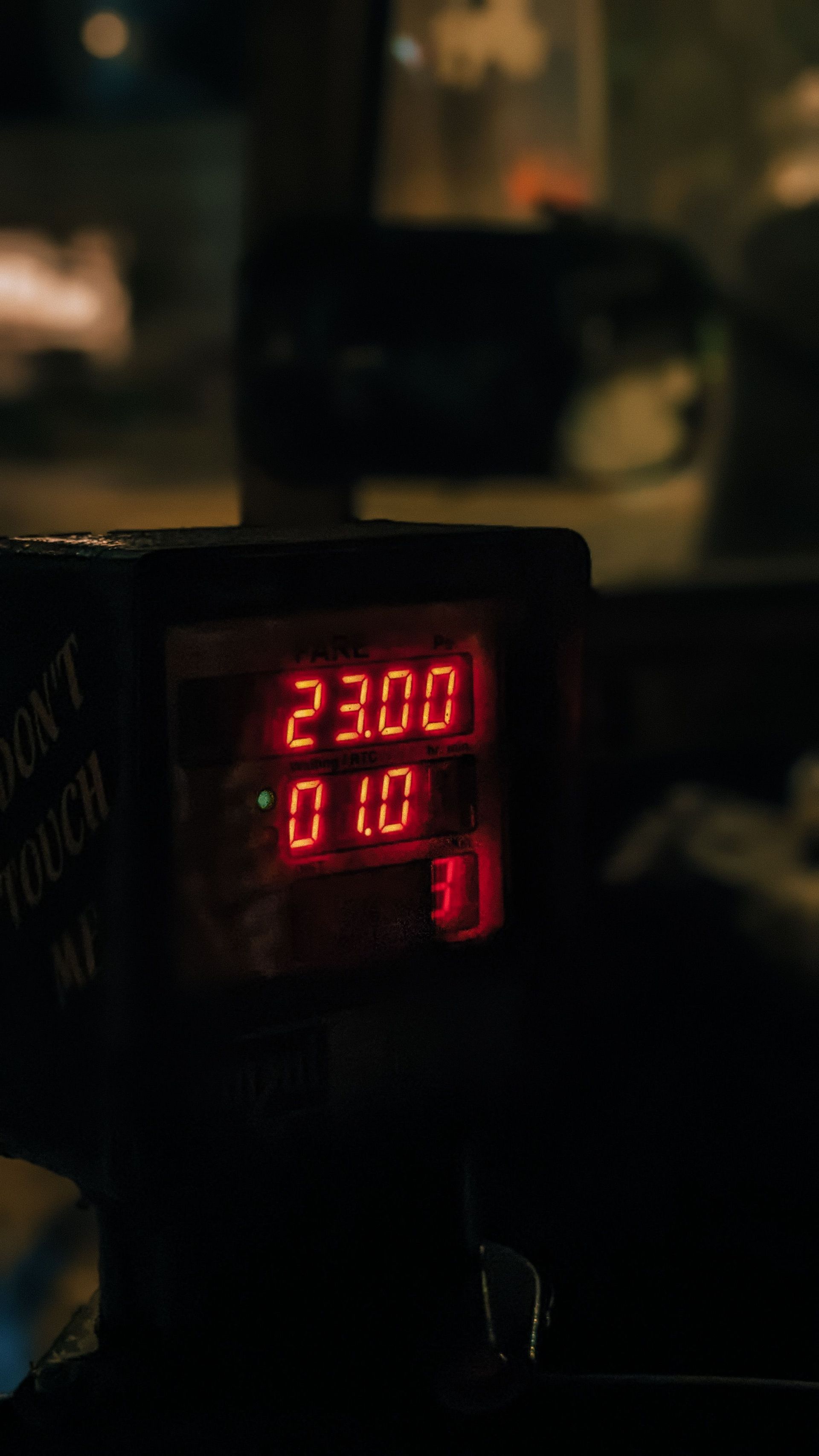
A taxi driver who claims the meter is broken, or refuses to start it, is running one of the oldest overcharging tricks in tourist travel. The fare gets negotiated after the ride instead of before it. By then, the passenger has no leverage and no idea what a fair price looks like in local currency.
This scam shows up most often at airports, train stations and outside major attractions. A steady flow of first-time visitors makes it easy for a driver to spot someone unfamiliar with the going rate. In cities including Rome, Athens, Cairo and Bangkok, unlicensed drivers sometimes wait just outside the official taxi line. They offer a ride before a traveler reaches the legitimate queue. Once inside the vehicle, the traveler is told the meter is broken, that a flat fee applies, or that the destination is farther than it actually is.
The fix starts before getting in the car. Licensed taxis in most tourist-heavy destinations display a company name, a license number and a visible meter. The driver should start that meter without being asked. If a driver refuses, the safest response is to get out and find another car. Ride-hailing apps such as Uber $UBER, Bolt or Grab, where available, remove the negotiation entirely. They lock in a price before the trip starts, along with a driver name and license plate that can be checked against the app.
Airports and train stations in cities with a known meter-scam problem usually post official taxi stand signage near the exit. Checking that signage, or asking a hotel concierge for the approximate cost in advance, gives a traveler a number to compare against whatever the driver quotes. Paying with a card instead of cash, where accepted, also creates a paper trail for disputing an inflated charge later. The habit that defeats this scam is simple: agree on the fare, or confirm the meter is running, before the car pulls away from the curb.

Credit: RIshikesh Yoga Valley School / Pexels
A stranger who ties a string or bracelet onto a wrist, without being asked, is setting up a scam that ends with a demand for payment. The knot goes on first. The price negotiation comes after, once refusing feels awkward because something is already tied to the body.
This scam is well documented around the steps of Sacré-Coeur in Paris, along Las Ramblas in Barcelona and near the Colosseum in Rome. Sellers approach individually or in small groups. A common opening line involves asking to see a hand, or offering to show a trick with the thread. That is really just a way to loop the string around a wrist before any conversation about price happens. Once several sellers are involved, a traveler can end up with multiple bracelets tied on, each one billed separately. A traveler can lose track of how many sellers have approached within a single block near a busy monument.
Avoiding it starts with treating any stranger reaching for a hand or wrist near a tourist site as a signal to step back. A firm no, said while continuing to walk, works better than stopping to explain or argue. Stopping is often the exact moment a small crowd gathers around the traveler. Keeping hands in pockets, or a hand on a bag strap, while passing through known hotspots removes the physical opening the seller needs.
If a bracelet does end up tied on, it can be cut or slipped off without payment, since no transaction was ever agreed to. Reacting calmly rather than defensively is worth remembering. The surrounding crowd is sometimes part of the setup, and a raised voice can bring more pressure to pay rather than less. Local police in cities with a known bracelet-scam problem generally will not treat a refusal to pay as an offense. A traveler who removes the bracelet and walks away has not broken any rule.
Credit: Alexandre Canteiro / Pexels
Someone spills mustard, ketchup or a similar substance on a traveler's clothing, seemingly by accident, then immediately offers to help clean it up. The spill is deliberate. The offer to help is the setup, and the actual theft happens during the few seconds a traveler is distracted wiping down a jacket or bag.
Variations of this scam use fake bird droppings, a ring found on the ground, or a sudden bump that knocks something out of a traveler's hand. All of them share the same structure. A staged incident draws attention downward or toward a stranger's hands, while a second person goes for a wallet, phone or unzipped bag pocket. This pattern has been reported for years in Paris, Barcelona and Rome, particularly around train stations, metro entrances and crowded pedestrian streets, where a brief stop does not look unusual.
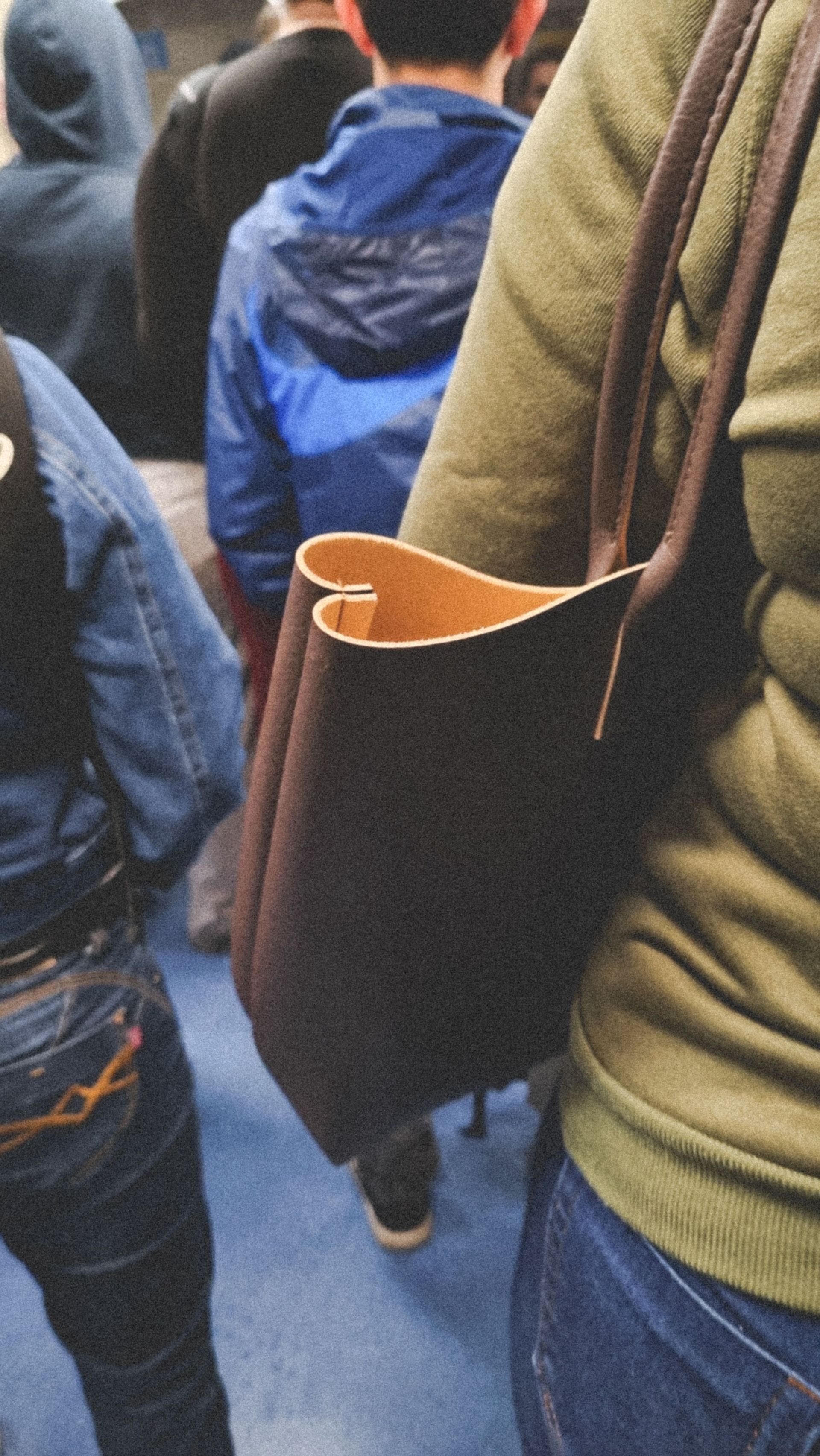
The most effective response is to keep moving rather than stop to deal with the mess on the spot. Politely declining help and continuing toward a shop or hotel lobby removes the opportunity the scam depends on, since the person setting it up needs a stationary target. Checking a bag or pocket immediately after any unexpected contact is a good habit in crowded tourist areas. This applies whether the contact is a spill, a bump or a dropped item nearby.
Carrying a bag that closes securely, worn across the body rather than over one shoulder, limits how much a distraction can accomplish even if it succeeds. Keeping a phone in a front pocket, rather than a back pocket or an open tote bag, removes the single most commonly targeted item in these scams. None of this requires assuming bad intent from every stranger on a busy street. But treating an offer to help clean up a sudden mess with polite refusal, rather than gratitude, is a reasonable default in destinations where this scam is common.

Credit: Kwami Fattah Al Sissi / Unsplash
A group approaching with a clipboard, asking for a signature on a petition, is a setup that ends with a demand for a cash donation. The cause named, often deaf awareness or a children's charity, is usually meaningless. Signing it is simply the moment a traveler stops walking and starts engaging, which is what the scam actually needs. The petition is simply a prop designed to make refusing feel rude.
This approach is common near the Eiffel Tower, the Louvre and other major monuments in Paris, as well as at high-traffic tourist sites across Western Europe. The people running it often work in pairs or small groups. Some gesture as though they cannot speak, which discourages a traveler from asking direct questions. This makes the interaction feel awkward to end without paying something. Once the traveler has signed and a donation is requested, the group sometimes surrounds the person, using the crowd itself as pressure to pay quickly.
The most reliable defense is to decline before any contact happens. Signing anything handed over by a stranger at a tourist site carries no benefit and considerable risk. A clear no thank you, said while continuing to walk, ends the interaction faster than trying to explain a refusal. Groups running this scam typically move on to the next visitor rather than pursue someone who keeps walking. Stopping to argue, or to explain a refusal, only gives the scam more time to work.
Because this scam frequently doubles as a pickpocketing opportunity, keeping a hand on a bag or pocket while walking through known hotspots adds a layer of protection. This holds even if the petition itself is ignored entirely. Genuine charitable organizations soliciting donations in public spaces in most European cities operate from a registered stand or booth. That is a useful distinction for telling a legitimate collection effort apart from this scam.
Credit: Yan Krukau / Pexels
A restaurant that hands over a bill with extra items, an unlisted cover charge, or a mismatched total is running a scam built on tourist unfamiliarity. Visitors are less likely to challenge pricing in a language they do not speak well. This shows up most often in restaurants directly facing a major landmark or town square, where the customer base turns over daily and repeat business does not matter.
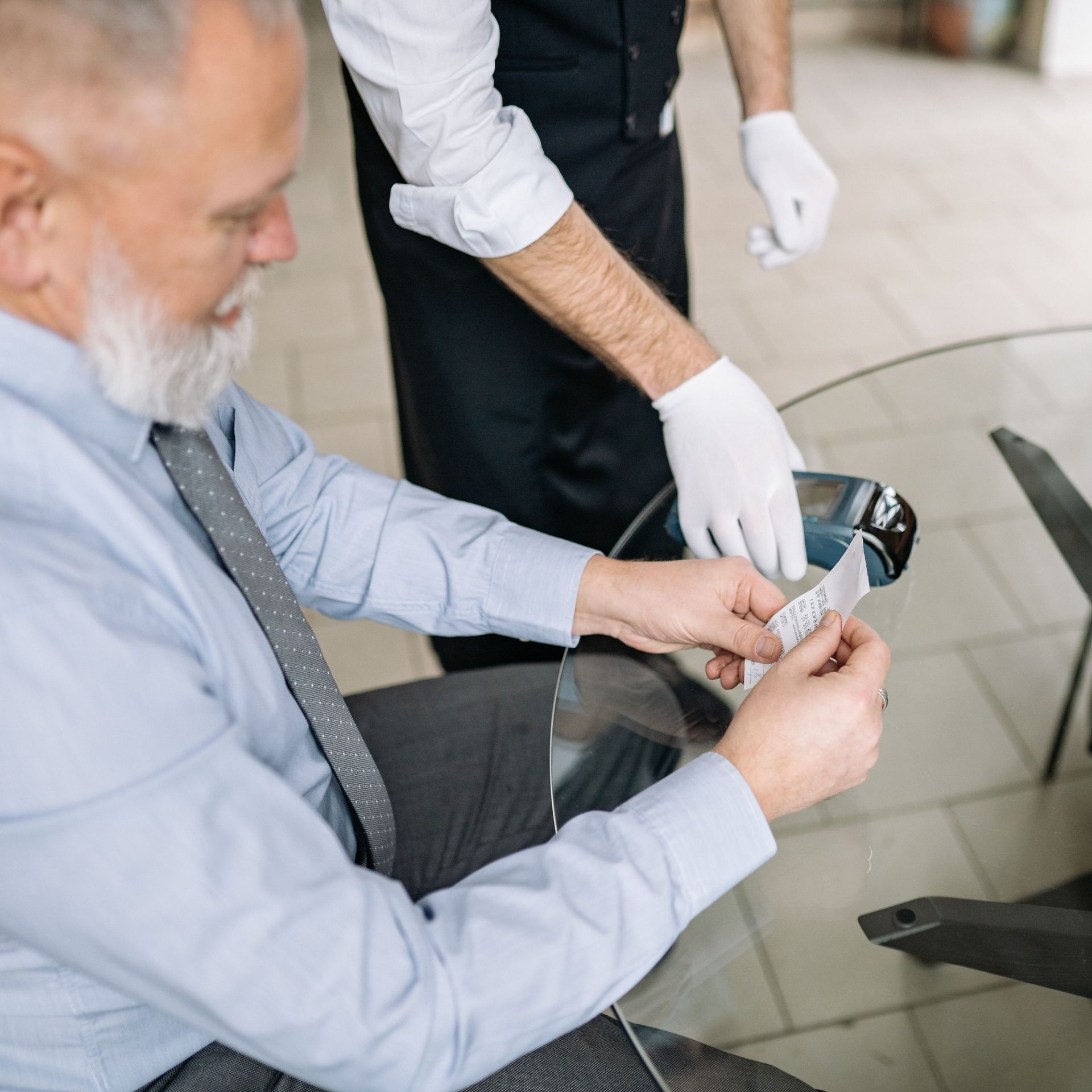
Common versions include adding a bottle of water or bread basket that was never ordered, or charging a tourist menu price higher than the price posted outside. Some restaurants in heavily touristed areas of Italy, Spain and Greece present a menu without prices at all, leaving the final number up to the server. In cities where card payment is common, a padded tip can get added onto a slip after the customer has already left. This usually happens when the original slip was left blank instead of filled in.
Checking that a menu displays prices before sitting down is the single most useful habit for avoiding this scam. A restaurant unwilling to post prices has already signaled how the rest of the meal is likely to go. Asking for an itemized bill at the end of a meal, rather than accepting a single total, makes it far easier to spot an added item. Filling in the tip line on a card slip, rather than leaving it blank, removes the opportunity for a server to add an amount later.
Restaurants that station a host outside actively waving down passersby, particularly near famous landmarks, deserve more scrutiny than a restaurant a local resident might choose. A short walk one or two streets away from a major tourist site, toward restaurants with a menu in the local language, generally means lower prices. It also means a smaller chance of a padded bill.
Credit: Виктор Соломоник / Pexels
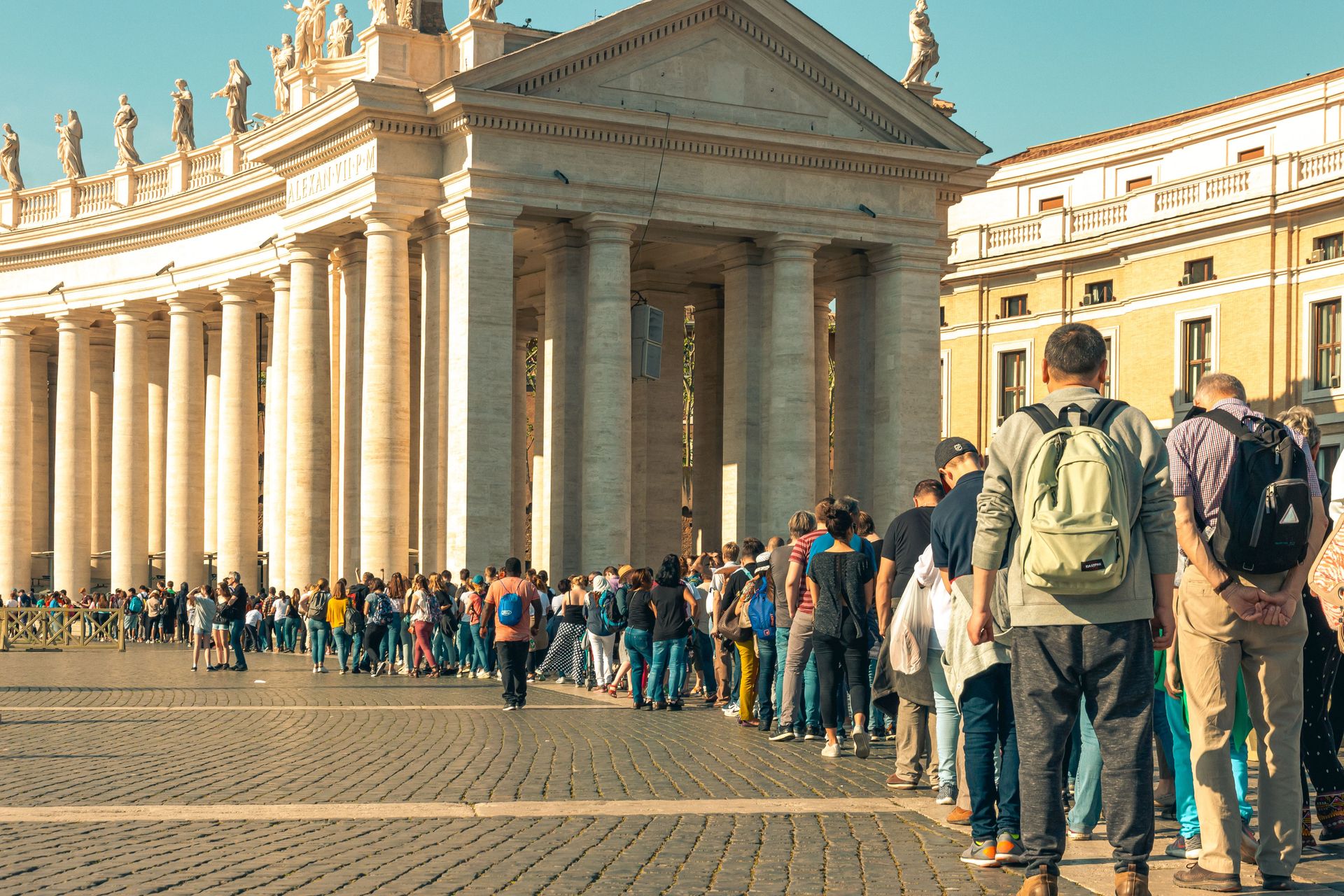
A street seller offering a skip-the-line ticket to a major attraction, often below the official box office price, is frequently selling something worthless. The ticket may already have been used, may never have been valid, or may not include the entry time it claims to guarantee. This scam clusters around the entrances to the busiest sites in the world, including the Colosseum in Rome, the Sagrada Familia in Barcelona and the Louvre in Paris. Long official lines make an unofficial shortcut tempting.
Sellers sometimes work the crowd well before the ticket booth itself, approaching travelers who are still deciding where the official entrance is. Some present laminated badges or vests designed to look official, when they are actually independent resellers with no connection to the site. A ticket bought this way may be a duplicate already scanned earlier in the day. It may also be a generic pass that does not cover the specific exhibit a traveler wants to see.
The safest way to avoid this entirely is to buy tickets directly from an attraction's official website or app before arriving. This is also usually the cheapest option once an unofficial markup is factored out. Most major museums and landmarks now sell timed-entry tickets online weeks in advance. A printed or digital confirmation from that official source is the only version worth trusting at the gate. Authorized resellers do exist for some attractions, but they are identifiable through partnerships listed on the attraction's own website, not through a street approach.
If a ticket is purchased anywhere other than an official source, checking the entry time and the specific exhibits included before handing over payment reduces the risk considerably. A seller who pressures a quick decision, or discourages checking the official price online, is a strong signal to walk toward the official ticket line instead.
Credit: Erik Mclean / Pexels
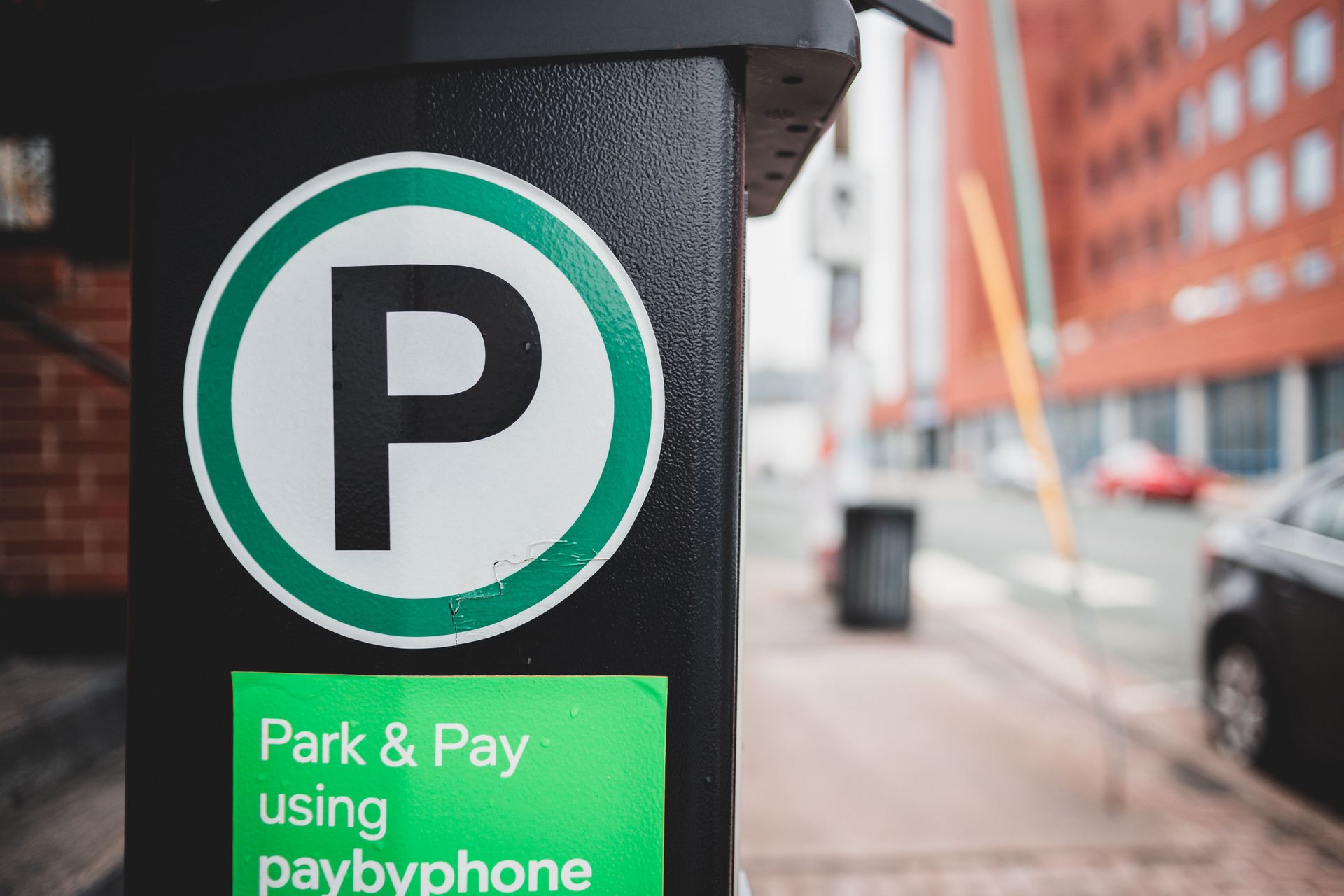
A QR code sticker placed over a legitimate one on a parking meter, restaurant table or museum sign can redirect a phone to a fake payment page. That page is built to collect a card number instead of processing an actual transaction. This scam, sometimes called quishing, has spread quickly because QR codes became a normal part of daily travel. People use them to pay for parking, view a restaurant menu or buy a museum ticket, and most scan without a second thought. A traveler standing at a parking meter rarely questions a sticker that looks official at first glance.
The sticker itself is the tell. A legitimate QR code is usually printed directly onto official signage, a menu or a ticket machine. A fraudulent one is added afterward as a separate sticker, sometimes slightly crooked or raised at the edges. Parking meters and public information boards in tourist-heavy areas are common targets, since they sit outdoors and unmonitored for long stretches.
Before scanning any QR code in public, check whether it looks like an added sticker rather than a printed part of the original sign. If the resulting page immediately asks for a card number or personal details, close it and find the official app or website instead. Most cities with paid street parking have an official app that can be downloaded ahead of a trip, removing the need to scan an unfamiliar code at all. Downloading it before departure, while still connected to reliable wifi, avoids fumbling with an app store in an unfamiliar country.
Paying attention to the web address that loads after scanning also helps. A fraudulent page often uses a URL that only loosely resembles the real company or city agency it is imitating. A traveler who has already entered card details on a suspicious page should contact their card issuer immediately to flag the charge and request a replacement card. Acting quickly limits how much a stolen number can be used before it gets canceled.
Credit: Sóc Năng Động / Pexels
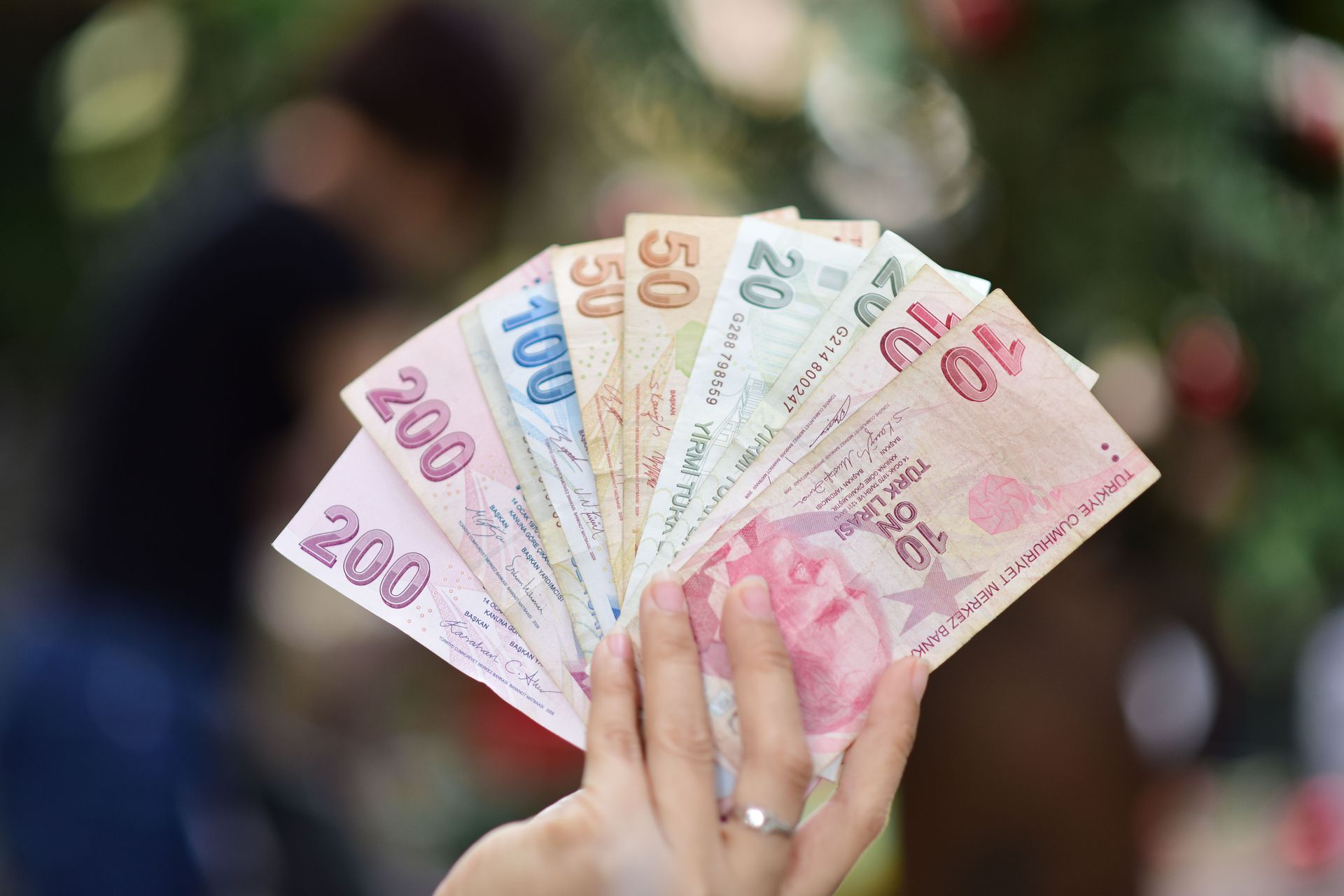
An exchange counter or cashier who counts change quickly, hands back folded bills, or gives change in an unfamiliar denomination is relying on a traveler's confusion. A visitor who does not yet recognize a country's coins and bills by size or color is far less likely to notice a shortfall than a local would be. This is especially true with coins, which rarely get double-checked even by attentive travelers.
It shows up most often at informal currency exchange kiosks in airports, train stations and tourist districts. Banks and ATMs see it far less, since those transactions are recorded and more heavily regulated. A cashier might count out a stack of bills quickly while talking, or hand over folded notes that hide a missing bill inside the fold. In countries where several denominations share a similar color, a cashier can hand back the wrong bill entirely, expecting the traveler to focus on color rather than the printed number.
Using an ATM connected to a major bank, rather than a street-level exchange booth, generally provides a more accurate rate and a printed receipt showing exactly how much was withdrawn. When a currency exchange counter is the only option, count the returned cash slowly and out loud, on the counter rather than in a pocket. A cashier attempting this scam in front of an attentive customer has little to gain.
Knowing the approximate exchange rate before arriving, through a currency conversion app checked the same day, gives a traveler a number to measure any transaction against. A sign advertising no commission at a currency exchange booth is frequently a signal that the rate itself has been adjusted to build in a hidden fee. That is worth checking against the actual market rate before exchanging a large amount of cash. A small test exchange of a modest amount first can reveal whether a kiosk's math can be trusted with more.