Tool use, problem-solving, self-recognition, deception, and long-term memory — intelligence takes more forms in the animal kingdom than most of us were taught, and it keeps turning up in unexpected places
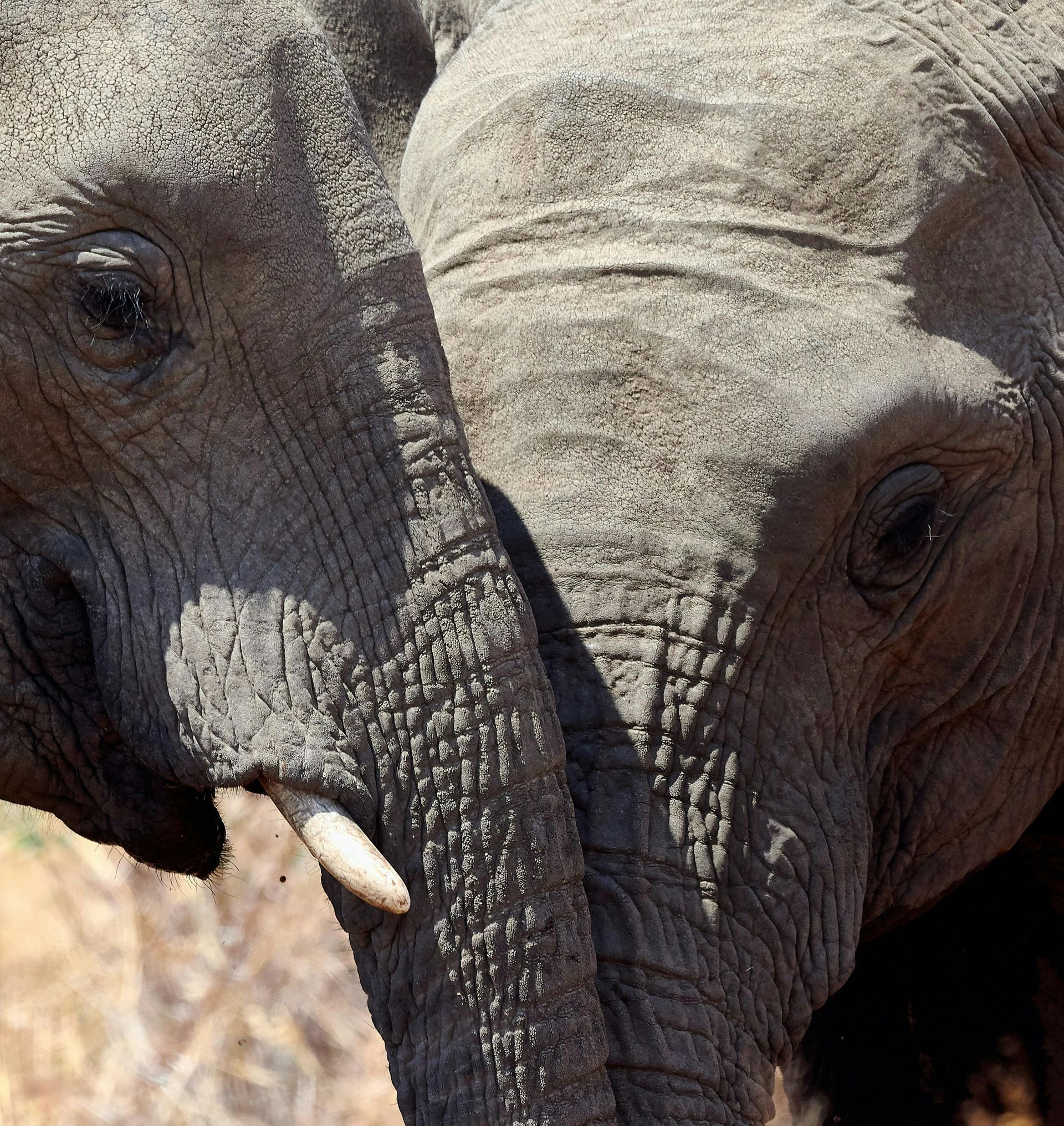
Charl Durand / Pexels
Intelligence is harder to define than it appears. For most of the 20th century, animal cognition research operated under a framework that treated intelligence as a single capacity, distributed along a linear scale with humans at the top and everything else arranged below in rough proportion to its similarity to us. Under that framework, great apes were intelligent, dogs were moderately intelligent, fish were essentially not intelligent, and everything in between was ranked accordingly. The framework was convenient, human-centric, and substantially wrong.
What the past four decades of animal cognition research have established is that intelligence is not a single thing but a collection of specific capacities — problem-solving, tool use, social reasoning, long-term memory, self-recognition, causal understanding, numerical sense, deception, planning, and many others — and that these capacities are distributed across the animal kingdom in ways that do not track evolutionary proximity to humans. Crows solve multi-step problems that young children cannot. Octopuses, whose last common ancestor with vertebrates lived 750 million years ago, use tools, recognize individual human faces, and demonstrate what appears to be play behavior. Pigs outperform dogs on some cognitive tests. Cleaner wrasse, a small reef fish, pass the mirror self-recognition test that has long been used as a marker of higher cognition.
The revisions keep coming because the research methods keep improving. Early animal cognition research used methods designed to test human-like intelligence and found only human-like intelligence in human-like animals. As researchers developed species-appropriate tests — presenting problems in forms that animals can engage with using their natural sensory and motor capacities — the range of animals demonstrating sophisticated cognition expanded dramatically.
This list covers 20 animals whose intelligence surprised researchers, challenged assumptions, or demonstrated specific cognitive capacities that most people do not associate with animals of their type. The animals here are not ranked — intelligence in the animal kingdom is too multidimensional and too context-specific to rank meaningfully — but each one is a case study in a specific cognitive capacity and an argument for taking animal minds more seriously than most people do.
Jacob Moseholt / Pexels
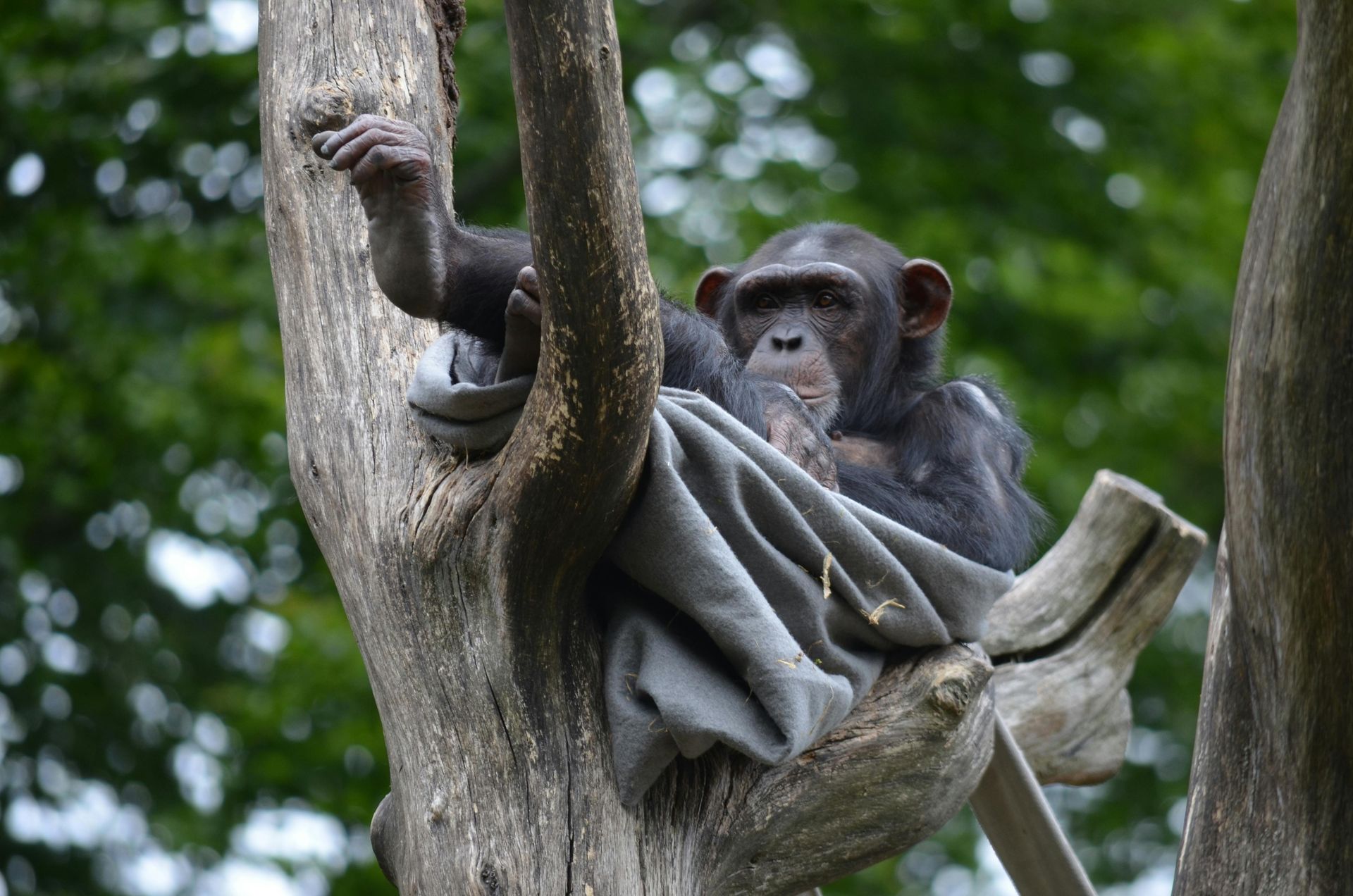
Chimpanzees are our closest living relatives, sharing approximately 98.7% of their DNA with humans, and their cognitive abilities are both the most studied and the most illuminating of any non-human animal. They do not merely demonstrate intelligence — they demonstrate specific human-like cognitive capacities whose existence in our closest relatives makes them directly relevant to understanding the evolutionary origins of human intelligence.
Chimpanzee tool use is the most extensively documented example of non-human material culture. Different chimpanzee communities across Africa have developed distinct tool-use traditions — specific techniques for using sticks to extract termites from mounds, stones to crack nuts, leaves to collect water, and bark to scoop ants — that are transmitted socially across generations rather than being genetically encoded. Young chimpanzees learn tool use by observing and imitating experienced adults, a process of cultural transmission that was previously thought to be uniquely human.
The cognitive research is equally striking. Chimpanzees in studies by primatologist Tetsuro Matsuzawa have demonstrated numerical memory abilities that exceed those of adult humans in at least one specific task: briefly presented displays of numbers in random positions on a screen, which must be recalled in order after the display disappears. Chimpanzees who have trained on this task outperform human adults consistently, suggesting that the human evolutionary trajectory toward language may have involved trading certain non-verbal memory capacities for enhanced verbal ones.
Chimpanzees also demonstrate theory of mind — the ability to attribute mental states to others and to use that attribution to predict and explain behavior — though the extent and sophistication of this capacity is actively debated. They understand what other individuals can and cannot see, they deceive other chimpanzees by withholding information, and they engage in tactical deception — behaving in ways designed to create false beliefs in the minds of competitors.
Magda Ehlers / Pexels
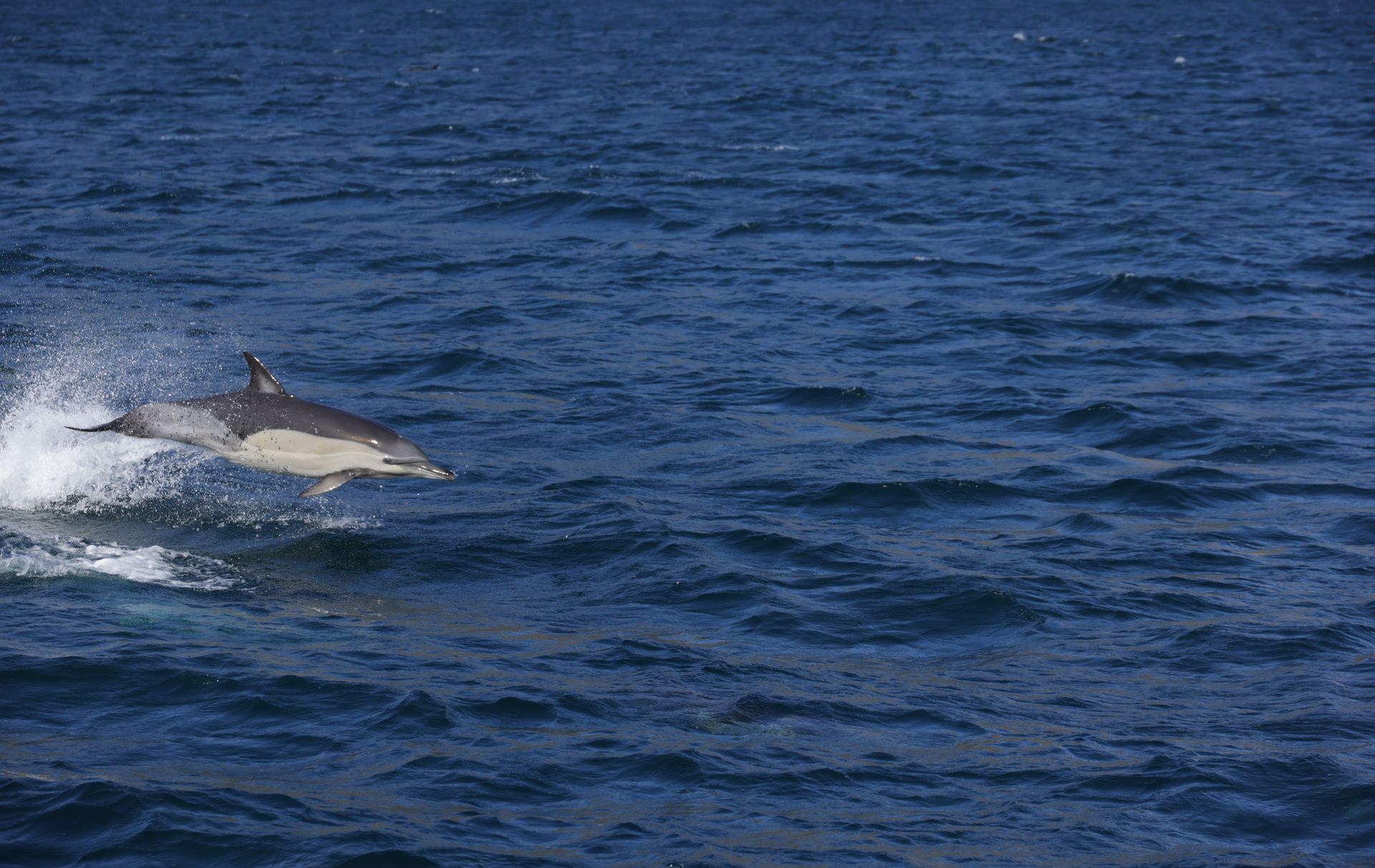
Dolphins demonstrate a range of cognitive abilities — social complexity, tool use, self-recognition, cultural transmission, and what appears to be a sophisticated communication system — that place them among the most cognitively advanced non-human animals. They are also among the animals whose intelligence is most consistently underestimated by people who think of them primarily as charismatic performers in marine parks.
Bottlenose dolphins in Shark Bay, Australia, have developed a sponging behavior — carrying marine sponges on their beaks while foraging on the seafloor — that appears to protect the beak from abrasion while disturbing sediment to expose prey. The behavior is practiced primarily by females and is transmitted from mother to daughter — a specific cultural tradition maintained within a social group through observational learning, with no genetic explanation.
Dolphin social cognition is particularly sophisticated. They form complex alliances — including third-order alliances in which groups of alliances cooperate against other groups — a level of social complexity that was previously thought to exist only in humans and great apes. They maintain long-term memories of individual relationships, recognizing signature whistles — the individualized calls that function as names — of individuals they have not encountered for over 20 years.
Mirror self-recognition in dolphins — demonstrated in a 2001 study by Diana Reiss and Lori Marino — placed them in a small group of animals, including great apes, elephants, and magpies, that pass the standard test for self-awareness. Dolphins marked with temporary ink markings on their bodies spent significantly more time in front of a mirror when marked than when not marked, investigating the marks — behavior interpreted as recognition that the mirror image represents themselves.
Alex Ning / Pexels
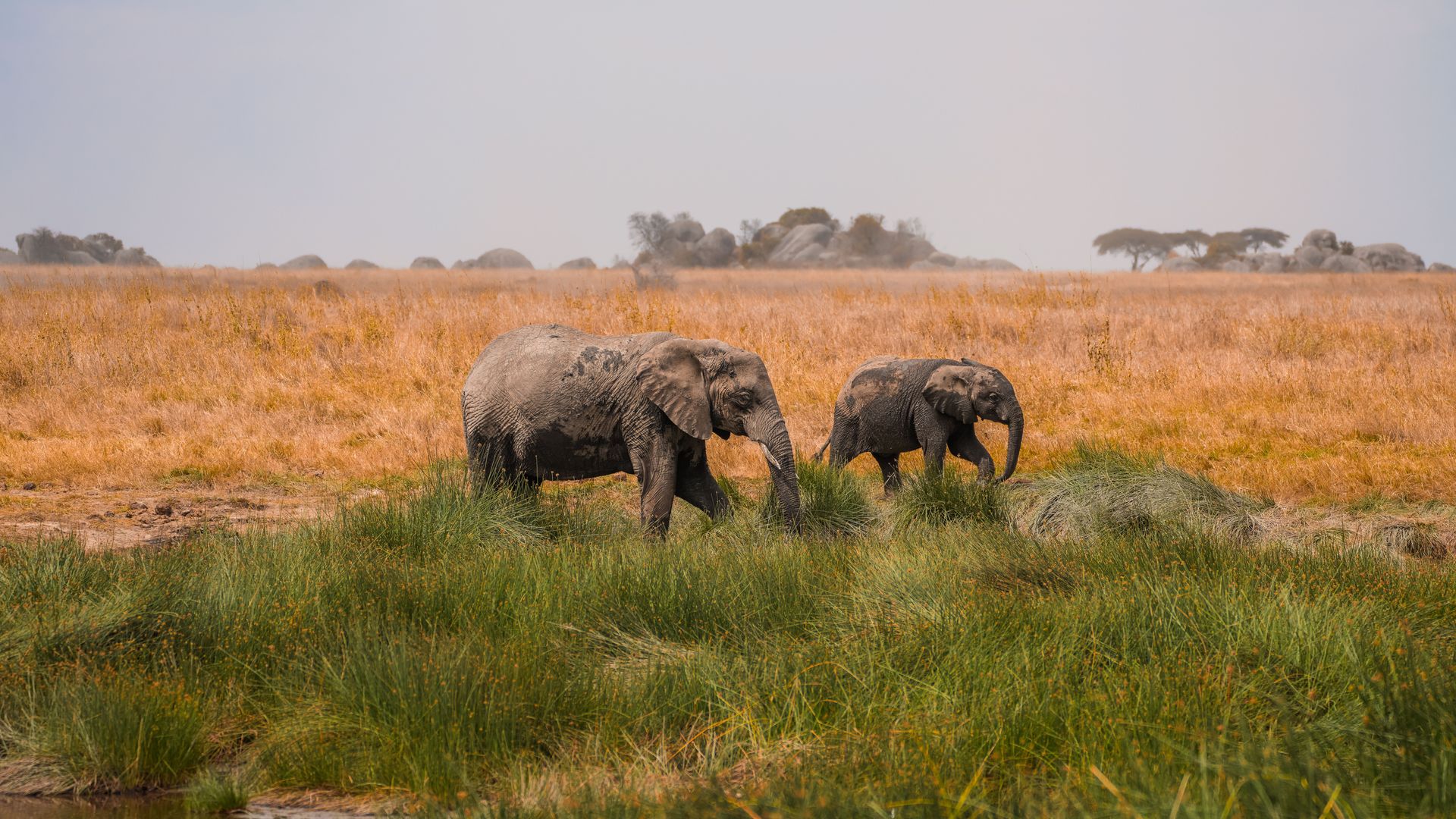
Elephants have the largest brain of any land animal, and the cognitive evidence suggests that the brain size is doing significant work. They demonstrate a range of capacities — long-term individual recognition, empathy, grief, cooperation, tool use, self-recognition, numerical sense, and what appears to be an understanding of death — that collectively represent one of the richest cognitive profiles in the animal kingdom.
Elephant memory is not mythology. Studies of wild elephant populations in Africa have documented recognition of the calls of over 100 individual elephants and responses to the calls of individuals not encountered for over twelve years. The matriarchs of elephant herds carry and apply knowledge of water sources, migration routes, and predator threats accumulated over decades, and herds led by older matriarchs with larger experience bases show measurably better survival outcomes during environmental stress.
Elephant empathy is documented in both observational studies and experimental research. Elephants respond to distress signals from other elephants — including unfamiliar individuals — with consoling behavior: approaching, touching, vocalizing in soft tones associated with reassurance. They demonstrate what appears to be grief, standing over dead conspecifics for extended periods, touching the bones of deceased individuals with their trunks, and revisiting the remains of family members years after death.
Mirror self-recognition in Asian elephants was demonstrated in a 2006 study in which an elephant named Happy repeatedly touched a mark painted on her forehead while looking in a mirror — behavior indicating recognition that the mirror image was herself. The study was notable because previous mirror tests with elephants had used mirrors too small for the animals to see their full reflection, producing false negatives that had been interpreted as evidence of limited self-awareness.
Michaela St / Pexels
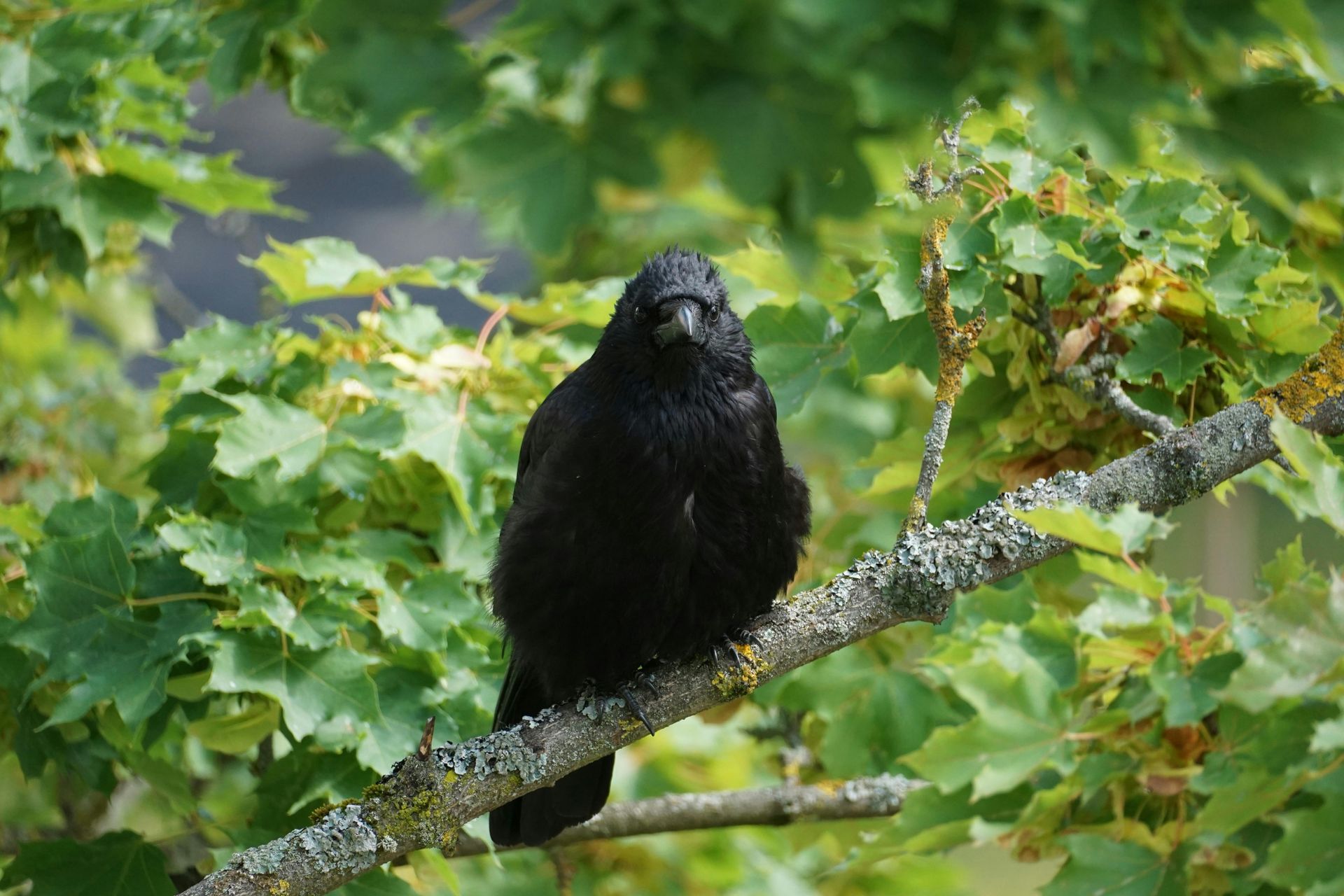
Crows are the most cognitively sophisticated birds known, and their intelligence rivals that of great apes on many specific measures despite a brain architecture fundamentally different from that of mammals. The crow's pallium — the region of the avian brain that handles higher cognitive functions — is organized differently from the mammalian neocortex but achieves comparable computational results, making crows the strongest argument in animal cognition research for the independence of intelligence from specific brain structures.
New Caledonian crows are the best-known tool users in the bird world. They manufacture and use hook tools — bent sticks or strips of vegetation shaped to extract grubs from holes in wood — and select and transport tools to locations where they will be needed. In laboratory experiments, they have solved multi-step causality problems — pulling a short stick from one location to reach a longer stick, then using the longer stick to reach food — that require planning rather than trial and error. The same birds will spontaneously bend wire into hooks to retrieve food from tubes, demonstrating the ability to produce a novel solution without prior experience.
American crows demonstrate sophisticated social intelligence, including the ability to recognize and remember individual human faces. Crows in a Washington state study that were captured, banded, and released by researchers wearing specific masks subsequently scolded those masked faces on campus for years — recruiting other crows to mob the perceived threat and transmitting the aversion to offspring who had never been captured. The behavior persisted for at least a decade across the crow population, representing cultural transmission of specific information about dangerous individuals.
Carrion crows and other crow species demonstrate causal reasoning, numerical sense, and what appears to be an understanding of probability — choosing containers that were shown to contain more food items over those containing fewer in experiments requiring tracking of multiple hidden objects. Ravens, the crows' larger corvid relatives, extend this cognitive profile with particularly strong evidence for planning and theory of mind: they cache food strategically, guard their caches from observers, and appear to model the knowledge states of potential thieves when deciding whether to relocate a cache.
Pia B / Pexels
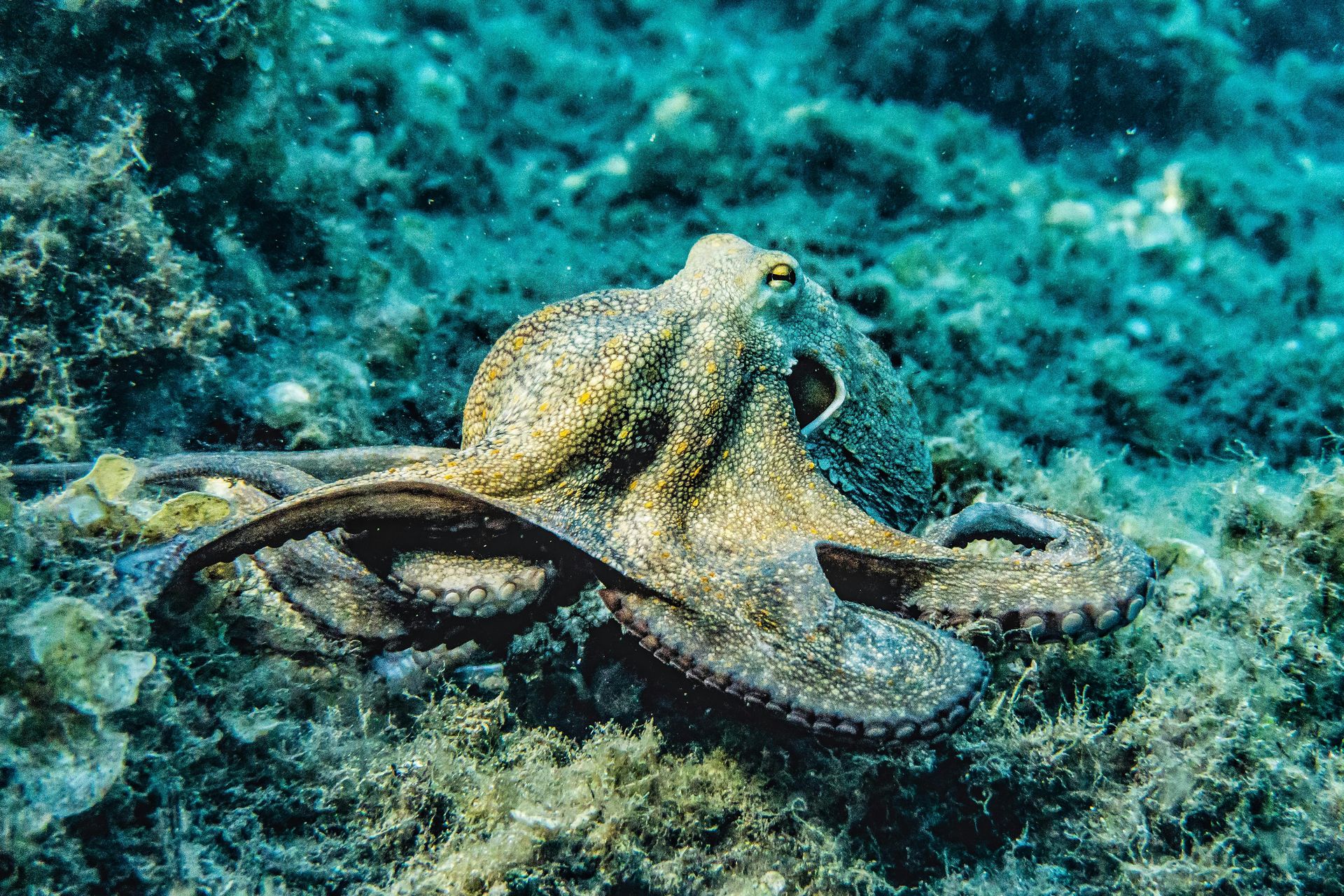
Octopuses represent the most extreme case of the independence of intelligence from evolutionary proximity to humans. Their last common ancestor with vertebrates lived approximately 750 million years ago, and yet they demonstrate tool use, problem-solving, individual learning, what appears to be play behavior, and a form of distributed cognition — two-thirds of their neurons are in their arms rather than their central brain — that has no parallel in any other known animal.
The most discussed evidence of octopus tool use comes from observations of veined octopuses in Indonesia, documented in a 2009 study in Current Biology, using coconut shell halves as portable shelters. The behavior meets the standard definition of tool use: the octopuses carry the shells under their bodies, inconveniencing themselves during transport, for later use as shelter — a form of planning for future needs that the researchers described as the first documented case of tool use by an invertebrate.
Octopus problem-solving has been demonstrated in a range of laboratory and field contexts. They open childproof pill containers, navigate mazes, learn to operate lever systems, and — in observations from aquariums — have been documented climbing out of their tanks at night, traveling to adjacent tanks to catch fish, and returning to their own tanks before morning. Whether these observations are accurate is debated, but the documented laboratory evidence of their problem-solving ability is unambiguous.
The distributed intelligence of octopuses is genuinely unusual. Each arm has a degree of autonomous processing — capable of reflexive responses without central control — that means the octopus's intelligence is not localized in a brain in the way that vertebrate intelligence is. The implications for understanding what intelligence is and where it can reside are significant and still being worked through by cognitive scientists and neuroscientists.
Susanne Jutzeler, suju-foto / Pexels
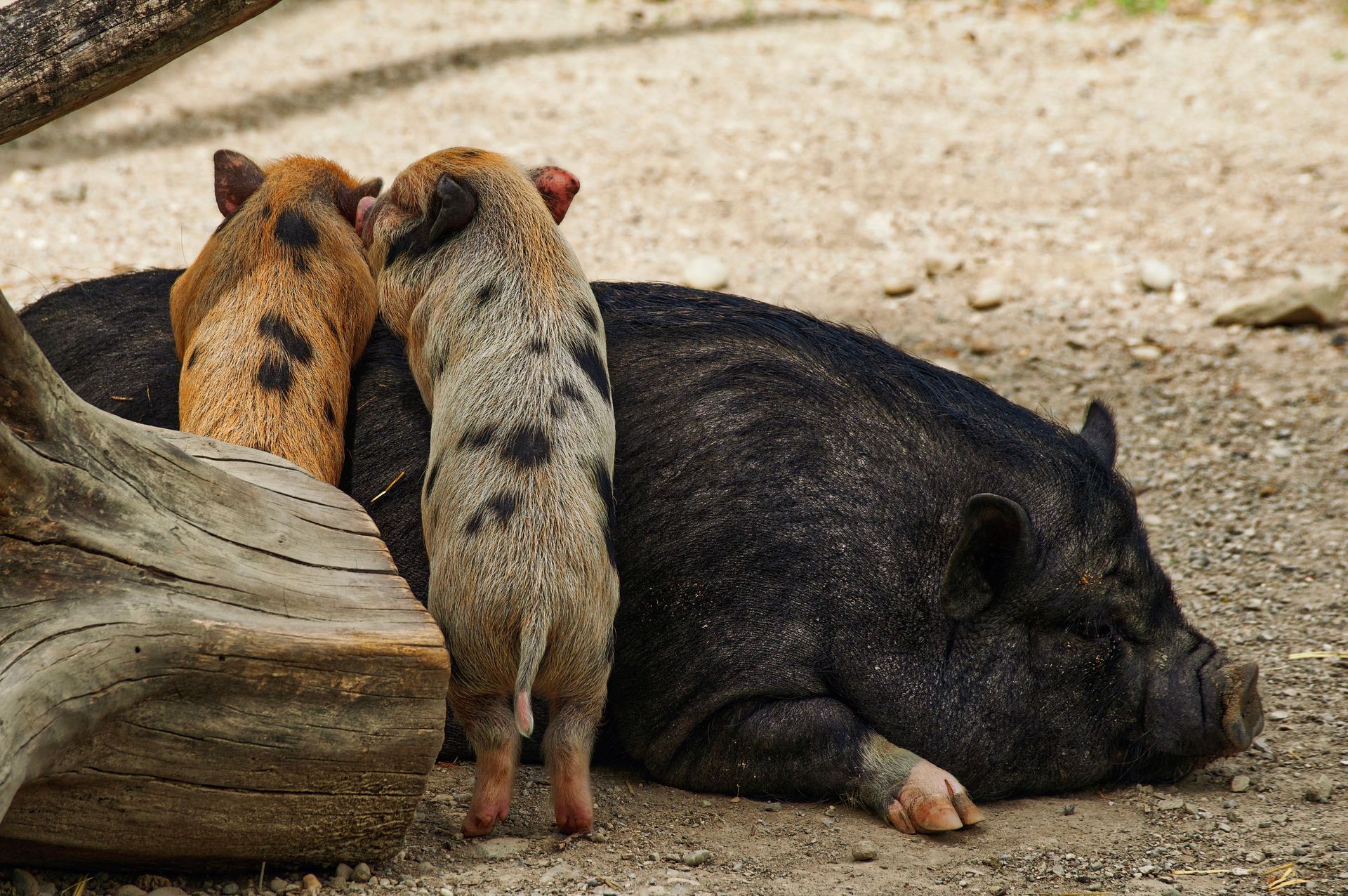
Pigs are among the most cognitively underestimated domestic animals — widely assumed to be unintelligent on the basis of their association with dirt and their role as food animals — and among the most thoroughly studied in terms of their actual cognitive capacities. The research consistently places their cognitive performance above that of dogs on many measures and at a level comparable to three-year-old children in some specific tasks.
Pigs demonstrate episodic-like memory, self-recognition in mirrors under some experimental conditions, an understanding of symbolic language, and the ability to learn from observing conspecifics — social learning that allows them to identify the most productive food sources or the correct solutions to novel problems by watching other pigs. They have been trained to operate joysticks to move a cursor on a screen to targets, a task that requires understanding the abstract relationship between the joystick movement and the screen response — a form of symbolic representation that goes beyond simple conditioning.
Research by Candace Croney and Stanley Curtis demonstrated that pigs can learn to navigate complex environments based on symbolic representations, understand the concept of a mirror as a reflective surface, and use the mirror to find food — not by treating the image as another pig, but by understanding its representational function. The last is a particularly significant result: using a mirror instrumentally, to find an object not directly visible, has been proposed as an indicator of a sophisticated spatial understanding of the self in relation to the environment.
The cognitive complexity of pigs has direct implications for their welfare in industrial farming systems, and animal welfare scientists have argued that the evidence of pig cognition requires a significant revision of the conditions under which they are kept. A species capable of episodic memory and social learning experiences the deprivations of intensive farming in ways that a cognitively simpler species would not.
Matheus Lara / Pexels
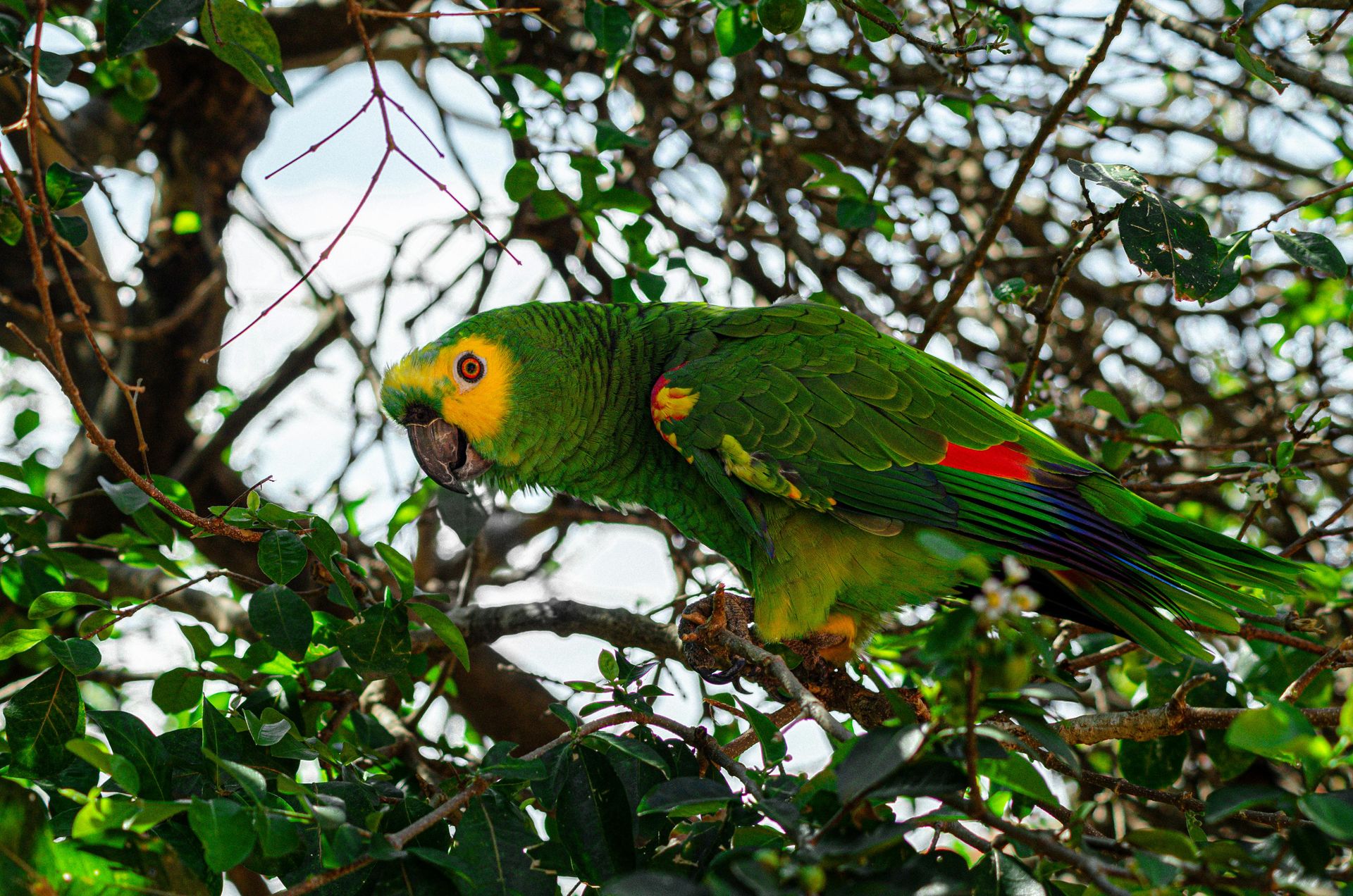
Parrots have demonstrated language-like abilities — the ability to use referential labels for objects, colors, shapes, and quantities in ways that go beyond rote imitation — that have made them some of the most studied animals in comparative cognition research. The most famous parrot subject in cognitive science history, an African grey named Alex studied by Irene Pepperberg from 1977 until his death in 2007, produced a body of research that remains controversial but substantially changed the field's understanding of what non-human animals can do with language-like symbols.
Alex could correctly label approximately 50 objects, seven colors, five shapes, and quantities up to six. He could answer questions about the color, shape, and material of objects he was shown. He understood the concept of "same" and "different" and could answer questions comparing objects on those dimensions. He spontaneously generated novel combinations of known labels to describe new objects — calling an apple a "banerry" (combining banana and cherry, two fruits he knew) when he did not have a label for it. On the day before his death, his last words to Pepperberg were "You be good. I love you."
African grey parrots have also demonstrated causal reasoning and probabilistic inference in experiments that tested whether they could predict which of two covered containers held food based on the sound it made when shaken — choosing correctly above chance and adjusting their choices based on the acoustic information in a way consistent with understanding the causal relationship between the sound and the presence of food.
Kea, the alpine parrot of New Zealand, demonstrates problem-solving of a different kind — destructive curiosity applied to any object in its environment, including cars, backpacks, and scientific equipment left unattended. Their tool use in the wild is less documented than their laboratory performance, but their innovative problem-solving has made them subjects of research into the relationship between behavioral flexibility and intelligence.
Siegfried Poepperl / Pexels
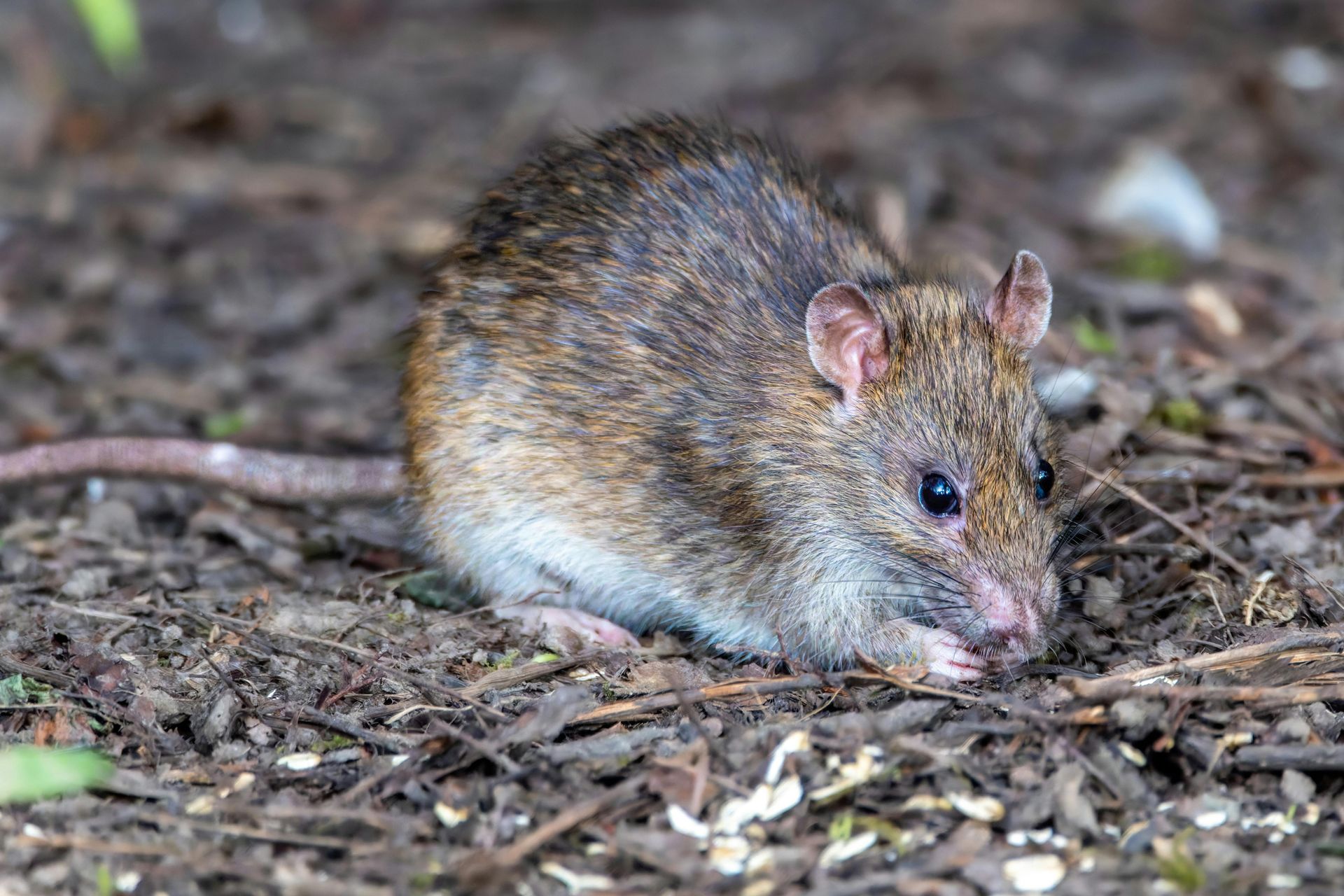
Rats are the most experimentally studied non-human animals in cognitive research — the decades of behavioral psychology research that established operant conditioning, reinforcement schedules, and spatial learning used rats as their primary subjects — and their cognitive abilities are substantially more sophisticated than their reputation as disease-carrying urban pests suggests. They demonstrate metacognition, empathy, and what appears to be a sense of fairness that makes them useful models for understanding the evolutionary basis of social behavior.
Metacognition — the ability to monitor and evaluate one's own knowledge — was demonstrated in rats by Jonathan Crystal and colleagues in a paradigm where rats could choose whether to take a test or decline it. Rats given the option consistently chose to decline tests on which they would perform poorly and take tests on which they would perform well, indicating that they had some form of access to their own state of knowledge — an ability that had previously been thought to be limited to humans and great apes.
Rat empathy is documented in experiments by Inbal Ben-Ami Bartal and colleagues, who showed that rats would free a trapped conspecific even when doing so required learning a novel task, even when no reward was available, and even when doing so required sharing their chocolate reward — a food rats find highly desirable. The behavior was interpreted as driven by an emotional state caused by the other rat's distress, representing a form of empathy that has implications for the evolutionary origins of prosocial behavior.
The sense of fairness — or more precisely, the response to unequal treatment — has been demonstrated in rats offered a lower-quality reward when a conspecific receives a higher-quality reward for the same task, who refuse to perform the task in response. The finding parallels results from capuchin monkeys and dogs and suggests that sensitivity to reward inequality has deep evolutionary roots.
,_mar_Rojo,_Egipto,_2023-04-17,_DD_90-1920x1280.jpg)
Credit: Diego Delso (CC BY-SA 4.0)
Cleaner wrasse — small reef fish of the genus Labroides, best known for their role in removing parasites from larger fish at "cleaning stations" on coral reefs — are the animal whose intelligence has most recently and most dramatically upended established assumptions about where in the animal kingdom sophisticated cognition occurs. Their 2019 performance on the mirror self-recognition test was not anticipated by any established model of animal cognition and forced a reexamination of what the test measures and what it means.
The mirror self-recognition test, developed by Gordon Gallup Jr. in 1970, involves placing a mark on an animal's body that it can only see in a mirror, then assessing whether the animal touches or investigates the mark on its own body rather than treating the mirror image as another individual. Passing the test has been interpreted as evidence of self-awareness and has been documented in chimpanzees, orangutans, gorillas, dolphins, elephants, magpies, and humans typically from around 18 months of age.
When Masanori Kohda and colleagues at Osaka City University tested cleaner wrasse on the mirror test, the fish passed. They initially showed aggressive responses to the mirror image — consistent with treating it as a rival — then progressively modified their behavior in ways consistent with self-recognition, and ultimately touched and scraped their own bodies at the location of marks that were only visible in the mirror. The result was published in PLOS Biology in 2019 and immediately contested.
Critics argued that the behavior could be explained without invoking self-awareness, and the debate about what the mirror test actually measures — and whether it is a valid test of self-awareness in fish — has been productive for the field regardless of the resolution. What the cleaner wrasse result clearly demonstrates is that even within the category of fish, cognitive complexity is not as limited as standard frameworks assumed.

Blue Bird / Pexels
Dogs are widely understood to be intelligent, but the specific nature of canine intelligence and the capacities that distinguish dogs from other domesticated animals is less commonly appreciated. Dogs have co-evolved with humans for approximately 15,000 years, and that co-evolution has produced specific social cognitive abilities — particularly the ability to read and respond to human communicative cues — that are unusually well-developed even compared to other highly social mammals.
Border collies represent the extreme end of the domestic dog cognitive range. Chaser, a border collie studied by John Pilley and Alliston Reid at Wofford College, learned the names of more than 1,000 individual objects — a vocabulary larger than that demonstrated by any non-human animal through any other method — and demonstrated the ability to learn new object names by exclusion: shown a novel object among familiar ones and told to "find the dax," Chaser correctly identified the novel object, inferring that the unknown name referred to the unfamiliar object.
The social cognition of dogs is specifically calibrated to human communication. Dogs follow the direction of human gaze, respond to pointing gestures, and use human communicative signals in ways that wolves raised identically do not, suggesting that domestication involved specific selection for social cognition rather than simply general intelligence. Dogs spontaneously seek help from humans when faced with an unsolvable problem, returning their gaze to the human in a way that wolves do not — a behavior that represents a specific adaptation to cooperation with humans.
The extent to which dogs understand the content of human language versus learning conditioned responses to specific acoustic patterns is actively debated. The exclusion learning demonstrated by Chaser is difficult to explain by conditioning alone and suggests at least a form of fast mapping — the rapid association of novel labels with novel objects — that was previously thought to be a human-specific component of language acquisition.
Marc Nesen / Pexels
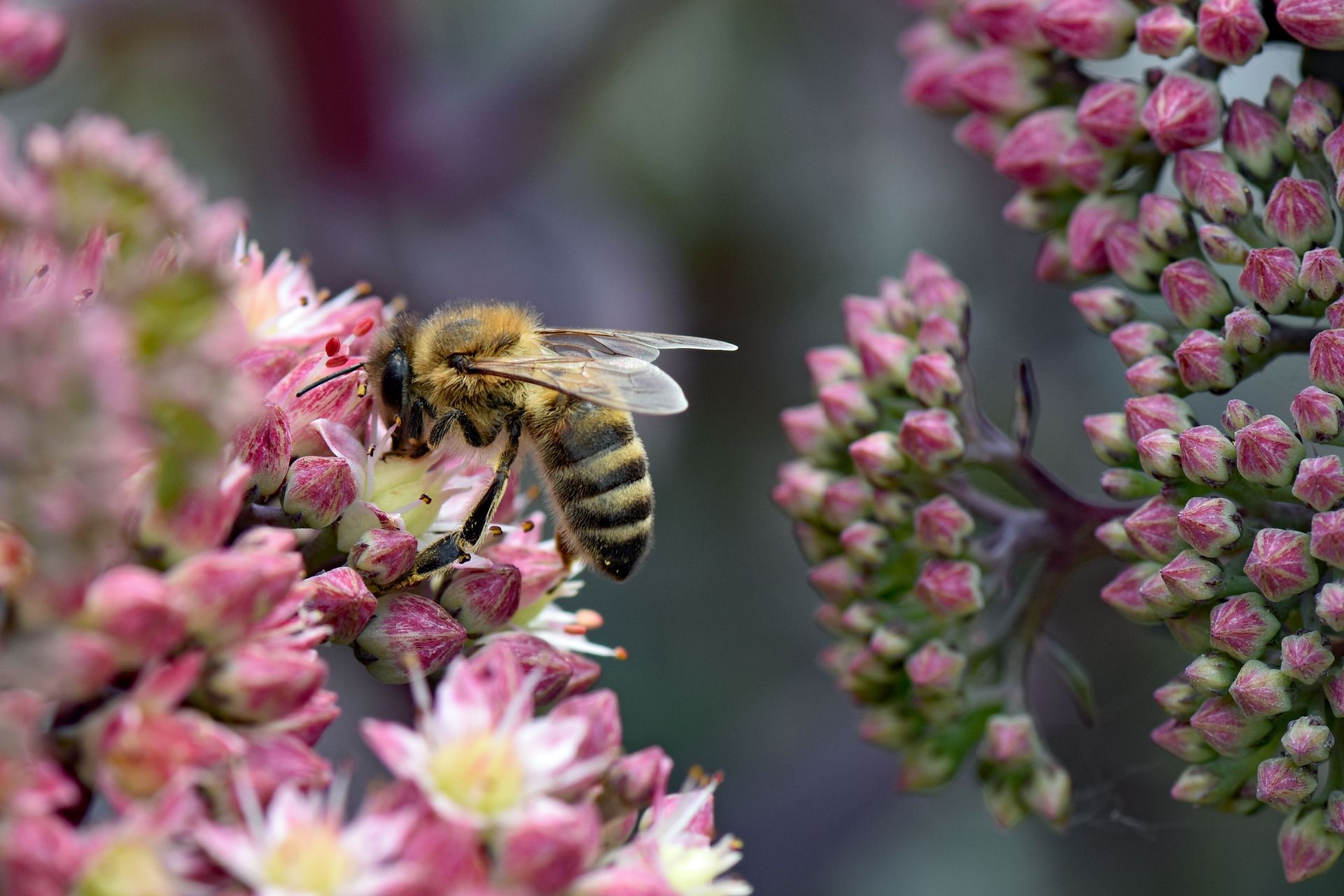
Bees demonstrate cognitive abilities that challenge the assumption that intelligence requires a large brain. Their nervous system contains approximately one million neurons — compared to the 86 billion in a human brain — and yet the cognitive feats it enables include symbolic communication, abstract concept learning, number sense, and what appear to be forms of play and pessimistic cognitive bias under conditions of stress.
The waggle dance — the figure-eight movement used by honeybee foragers to communicate the direction and distance of food sources to hive-mates — is the most sophisticated non-human communication system known to science after cetacean and primate communication. The dance encodes direction relative to the sun, distance proportional to the duration of the waggle phase, and quality proportional to the vigor of the dance, allowing the recruiting bee to transmit information about an abstract referent — a location that the dancer has visited but the audience has not — with a precision that allows receivers to navigate directly to food sources several kilometers away.
Bumblebees have demonstrated the ability to learn to solve novel problems by observing conspecifics — a form of social learning not previously documented in insects. In experiments by Lars Chittka and colleagues, bumblebees learned to open a novel puzzle box by watching a trained demonstrator bee, transmitted the behavior to naive bees who watched them, and the behavior spread through the colony in a pattern consistent with cultural transmission.
Number sense in bees — the ability to discriminate between quantities — has been documented for quantities up to five and includes an understanding of the concept of zero as a quantity smaller than one, which is a cognitive achievement that human children typically reach at around age four.
Chris Spain / Pexels
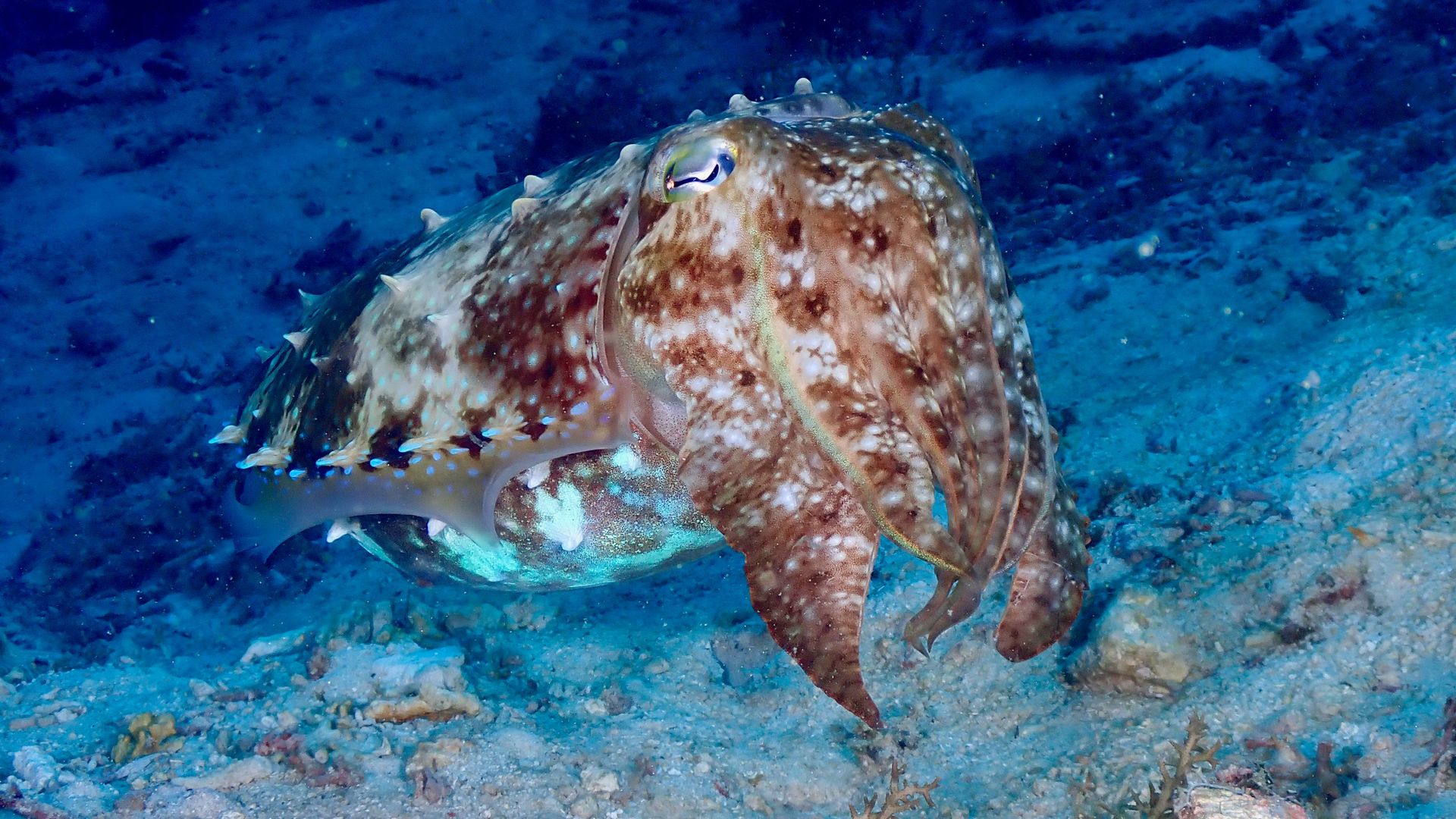
Cuttlefish belong to the same cephalopod class as octopuses and demonstrate comparable cognitive complexity despite their separate evolutionary trajectory within the group. Their most notable cognitive achievement is self-control — demonstrated in a marshmallow test analog that showed cuttlefish capable of delaying immediate gratification in anticipation of a larger future reward, a capacity previously documented only in vertebrates with large brains.
The marshmallow test, originally developed for children by Walter Mischel at Stanford, presents subjects with the choice between an immediate smaller reward and a delayed larger one. Performance on the test in children has been associated with better outcomes in academic performance, social relationships, and health in later life. The version adapted for cuttlefish by Alexandra Schnell and colleagues at Cambridge presented the animals with a choice between an immediately available lower-preference food and a delayed higher-preference food, using visual signals to indicate when the delayed reward would become available.
Cuttlefish that waited longer for the better food were those that performed better on a separate learning task, suggesting that self-control and learning ability are linked by an underlying cognitive capacity — a correlation also found in great apes and human children. The result places cuttlefish among the small number of non-human animals that demonstrate executive function — the cognitive capacity for planning, impulse control, and working memory — that underpins complex behavior.
Cuttlefish also demonstrate sophisticated camouflage that goes beyond simple background matching. They adjust not only their color and pattern but also the texture of their skin — from smooth to bumpy — to match the substrate, and they do so at millisecond timescales in response to changing visual environments. Whether this represents intelligence or sophisticated sensory-motor integration is debated, but the behavioral flexibility involved is remarkable for an animal with a lifespan of approximately two years.
Thomas Quinten / Pexels
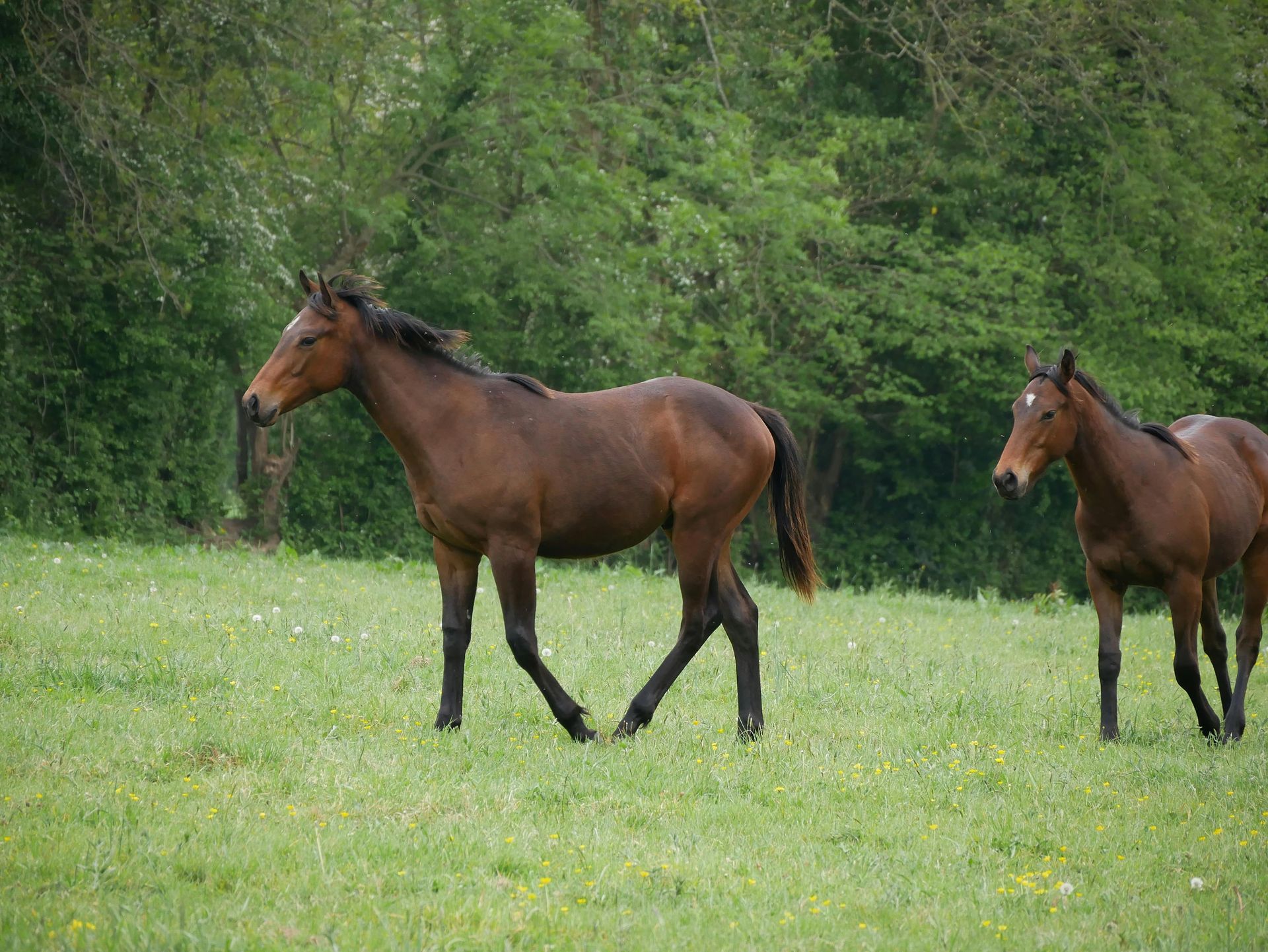
Horses demonstrate cognitive abilities that most people who interact with them daily recognize intuitively but that formal research has been slower to document — partly because horses are large, expensive experimental subjects and partly because equestrian culture has historically interpreted their behavior through anthropomorphic frameworks rather than scientific ones. The research that has been done reveals a more sophisticated cognitive profile than most non-equestrian people assume.
Horses demonstrate long-term memory — recognizing familiar humans by face and voice after separations of years — and show differential responses to familiar and unfamiliar humans that are consistent with episodic-like memory rather than simple habituation. They read human emotional expressions, showing a tendency to approach human faces expressing positive emotions and to avoid those expressing negative ones, and their heart rates increase in response to angry human faces even when the expression is shown in a photograph rather than in person.
The most striking recent research involves horses' use of pointing and symbol boards to communicate with their handlers. In a 2016 study published in Animal Cognition, horses at Norwegian riding schools were trained to communicate preferences for wearing or not wearing a blanket by touching one of three symbols — "blanket on," "blanket off," or "no change" — on a board. They learned the system within 14 days and their choices correlated with weather conditions, choosing blanket on on cold and rainy days and blanket off on warm and sunny ones. The consistent correlation with environmental conditions suggests the behavior reflected genuine preferences rather than conditioned responses to irrelevant cues.
Horses also demonstrate what researchers interpret as referential communication — pointing with the head or gaze to direct human attention to hidden or inaccessible objects — a capacity that indicates understanding of the human as an intentional agent whose attention can be directed.
Emma Li / Pexels
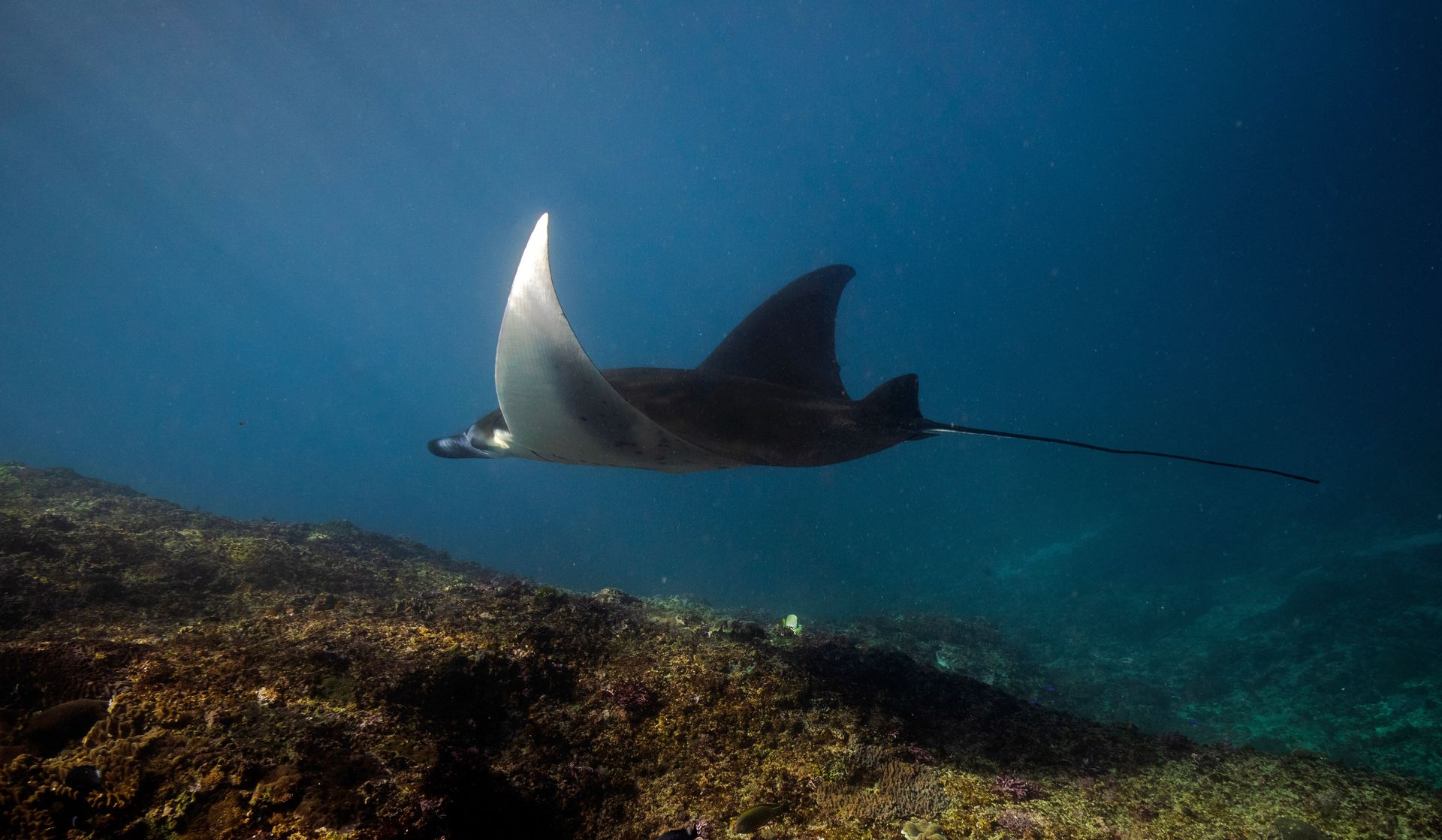
Manta rays — the largest rays, with wingspans reaching up to seven meters — are perhaps the most unexpected entry on this list, and their inclusion reflects a specific research result that is both recent and striking. In 2016, Csilla Horvath and colleagues tested giant manta rays on the mirror self-recognition test — the same test passed by great apes, dolphins, elephants, and, controversially, cleaner wrasse — and found behavioral responses consistent with self-directed behavior rather than social behavior toward the mirror image.
The manta rays did not demonstrate unambiguous passing of the full test — they were not marked with ink in the standard protocol — but their responses to mirrors included repetitive circular swimming movements in front of mirrors, examination of their own bodies while looking at the mirror, and blowing bubbles — none of which were observed in the absence of mirrors. The behavior was interpreted as potentially consistent with self-recognition, though the researchers noted that it fell short of the standard evidence required to make that claim definitively.
The cognitive significance of manta rays extends beyond the mirror study. They have among the largest brain-to-body size ratios of any fish species, with brains that have a highly folded structure — gyrification — previously associated with higher mammalian intelligence. They demonstrate complex social behavior, including cooperative foraging and long-distance coordinated movements, that implies social cognitive capacity beyond simple stimulus-response.
The manta ray's position on this list reflects its role as a representative of the broader phenomenon this piece documents: animals whose cognitive capacity was systematically underestimated because their evolutionary distance from humans made it seem unlikely, and whose more recent study has revealed abilities that the prevailing framework did not predict.
David Kanigan / Pexels
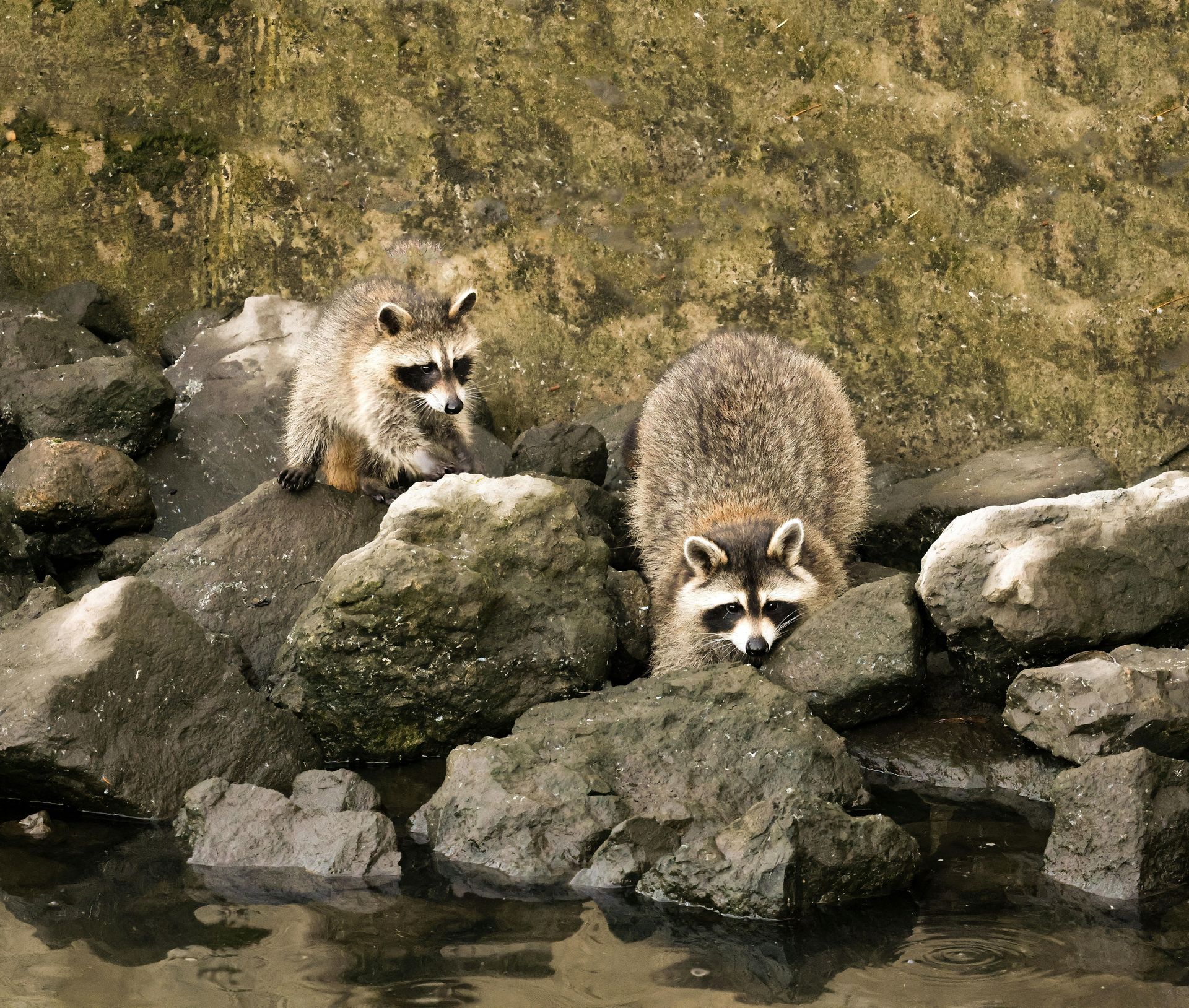
Raccoons are most familiar as resourceful urban scavengers — animals that open bins, negotiate latches, and consistently defeat the containment measures designed to exclude them — and it is precisely this real-world problem-solving that first attracted cognitive researchers to them as subjects. Their manual dexterity, combined with a curiosity that is described by researchers as qualitatively different from the neophilia of other species — more persistent, more systematic, more suggestive of genuine interest — makes them unusually suitable for cognitive testing.
Early raccoon research by Ethel Harrold and Lawrence Cole in the 1910s found that raccoons could solve complex lockbox puzzles — manipulating a sequence of up to 13 latches of different types to open a box — at a rate that surprised researchers familiar with the performance of other mammals on the same tasks. More recent research has found that raccoons solve Aesop's Fable tasks — dropping stones into a cylinder of water to raise the water level and access a floating marshmallow — though they solve them in characteristically raccoon ways, often standing in the water rather than dropping stones, or tipping the cylinder over rather than engaging with the designed mechanism.
The tendency of raccoons to solve problems by methods other than those intended — finding shortcuts, exploiting structural weaknesses, applying their manual dexterity to disassemble rather than solve puzzle apparatus — has made them frustrating experimental subjects and instructive ones simultaneously. Their solutions often reveal assumptions in the experimental design rather than limitations in their cognition, and the consistent finding that they outperform the experimental setup has been interpreted as evidence of cognitive flexibility rather than trained response to familiar stimuli.
William Chen / Pexels
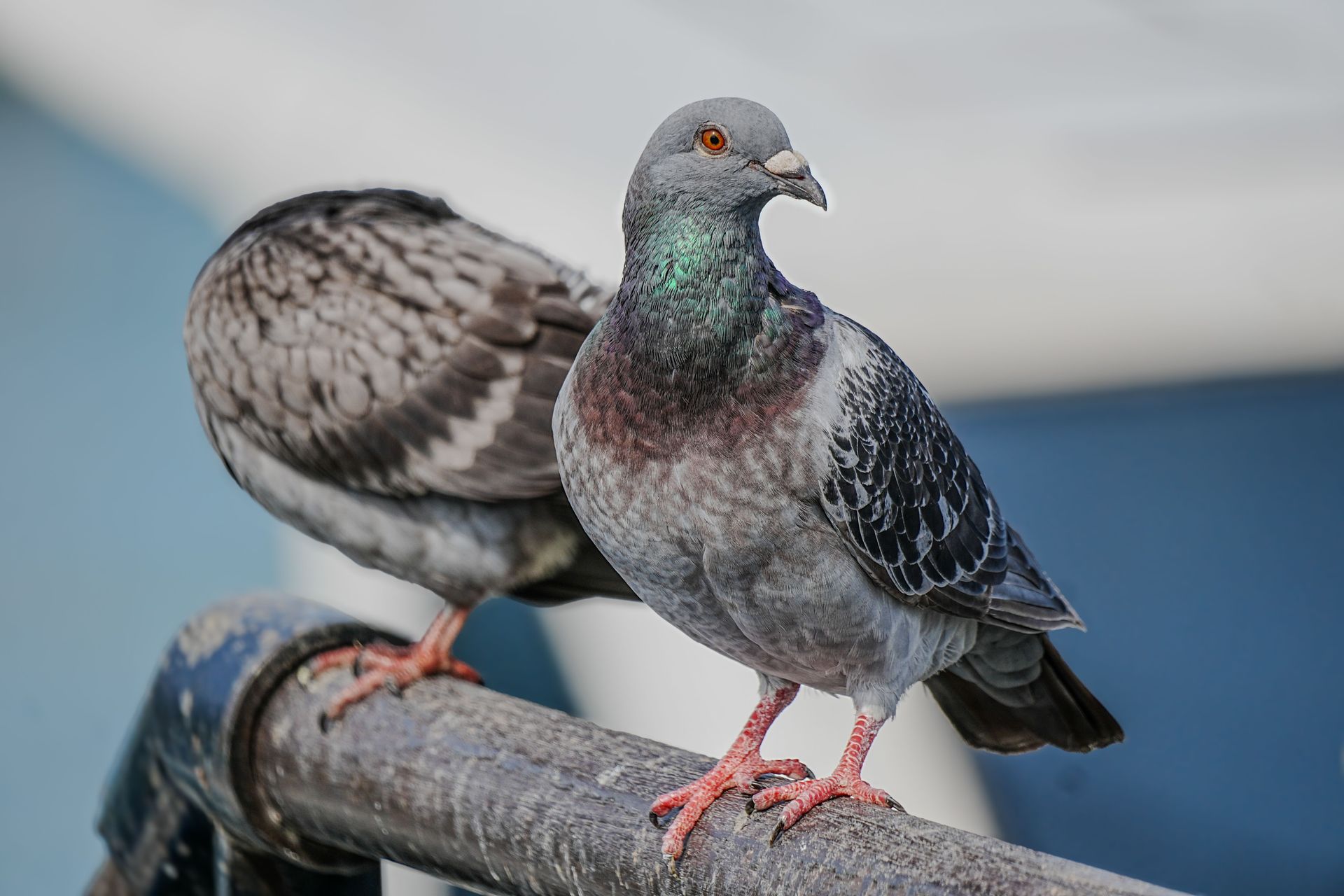
Pigeons have been used as experimental subjects in behavioral psychology for over a century, and the accumulated evidence of their cognitive abilities is considerably more impressive than their reputation as unremarkable urban birds suggests. They demonstrate navigational abilities of extraordinary precision, visual discrimination abilities that exceed those of humans in specific contexts, and numerical abilities that place them in the same cognitive category as several primate species.
Pigeon navigation — the ability to return to a home loft from unfamiliar locations hundreds of kilometers away — involves the integration of multiple navigational systems: magnetic sensing, olfactory navigation using learned odor maps, sun compass navigation corrected for time of day, and visual landmark recognition. The precision of the navigation and the flexibility with which different systems are combined and prioritized depending on conditions represent a level of cognitive complexity that is not reducible to simple instinct.
Pigeon visual cognition includes the ability to categorize objects at a level of abstraction — distinguishing photographs of trees from non-trees, of water from non-water — that corresponds to the kind of categorical perception previously thought to require linguistic scaffolding. They can learn to recognize individual human faces in photographs and maintain those recognitions across changes in lighting, angle, and expression — abilities that make them useful models for face recognition research.
Numerical abilities in pigeons, demonstrated in research by Damian Scarf and colleagues, showed that pigeons can learn an abstract numerical rule — ordering stimuli from smallest to largest — and transfer that rule to novel stimuli, a form of abstract numerical reasoning that the same research group demonstrated in rhesus monkeys. The finding placed pigeons in cognitive territory that had previously been associated only with primates.
Ben Phillips / Pexels
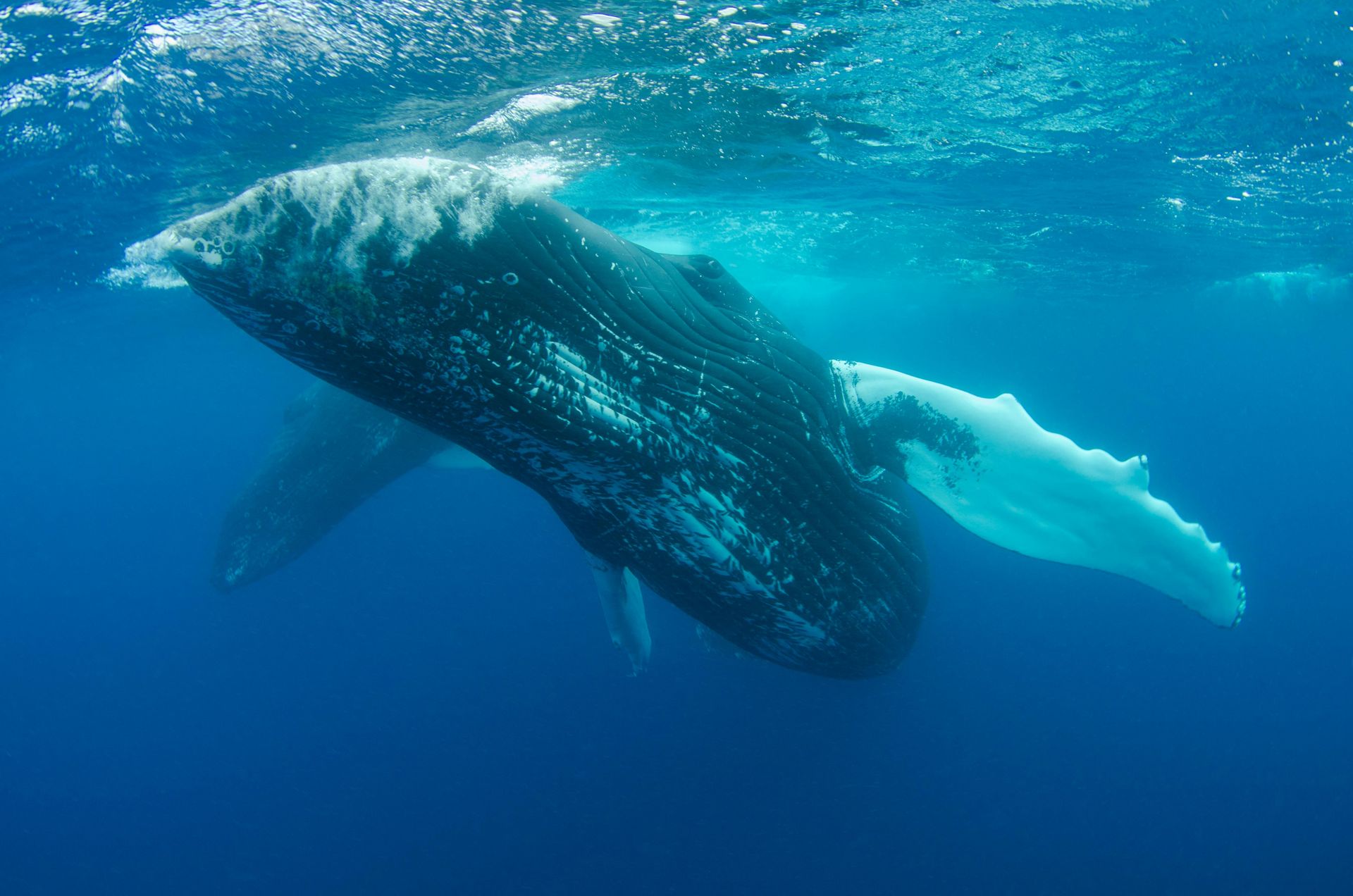
Sperm whales have the largest brains of any animal that has ever lived — a brain averaging about eight kilograms, compared to the human average of about 1.4 kilograms — and the cognitive and social complexity their brains support is becoming increasingly legible to researchers as hydrophone technology and long-term behavioral studies have accumulated data on their communication, culture, and social organization.
Sperm whale communication is organized around clicks — specifically patterns of clicks called codas — that vary systematically between social groups in ways that parallel the regional dialects of human language. Different family groups in different ocean regions use distinct coda repertoires, and calves learn the codas of their family group through a process that researchers interpret as cultural transmission. The specificity and consistency of group-level coda use, and the evidence that it is learned rather than genetically encoded, represents one of the strongest cases for non-human culture in the animal kingdom.
Sperm whale social organization is matrilineal and involves multi-generational female family groups within which cooperative behavior — including collective defense against predators, cooperative foraging, and allomaternal care in which females nurse the calves of other females — is organized around long-term social bonds. The maintenance of those bonds over years and decades implies a form of social memory and social intelligence whose depth is beginning to be documented through long-term behavioral studies.
A 2024 study by Project CETI — the Cetacean Translation Initiative — using machine learning to analyze thousands of sperm whale vocalizations found a level of combinatorial structure in sperm whale communication — the ability to generate a large number of distinct signals from a small set of elements in rule-governed combinations — that had not previously been documented in non-human communication systems. Whether this structure constitutes a language in any meaningful sense is not yet established, but the finding is the most significant result in cetacean communication research in decades.
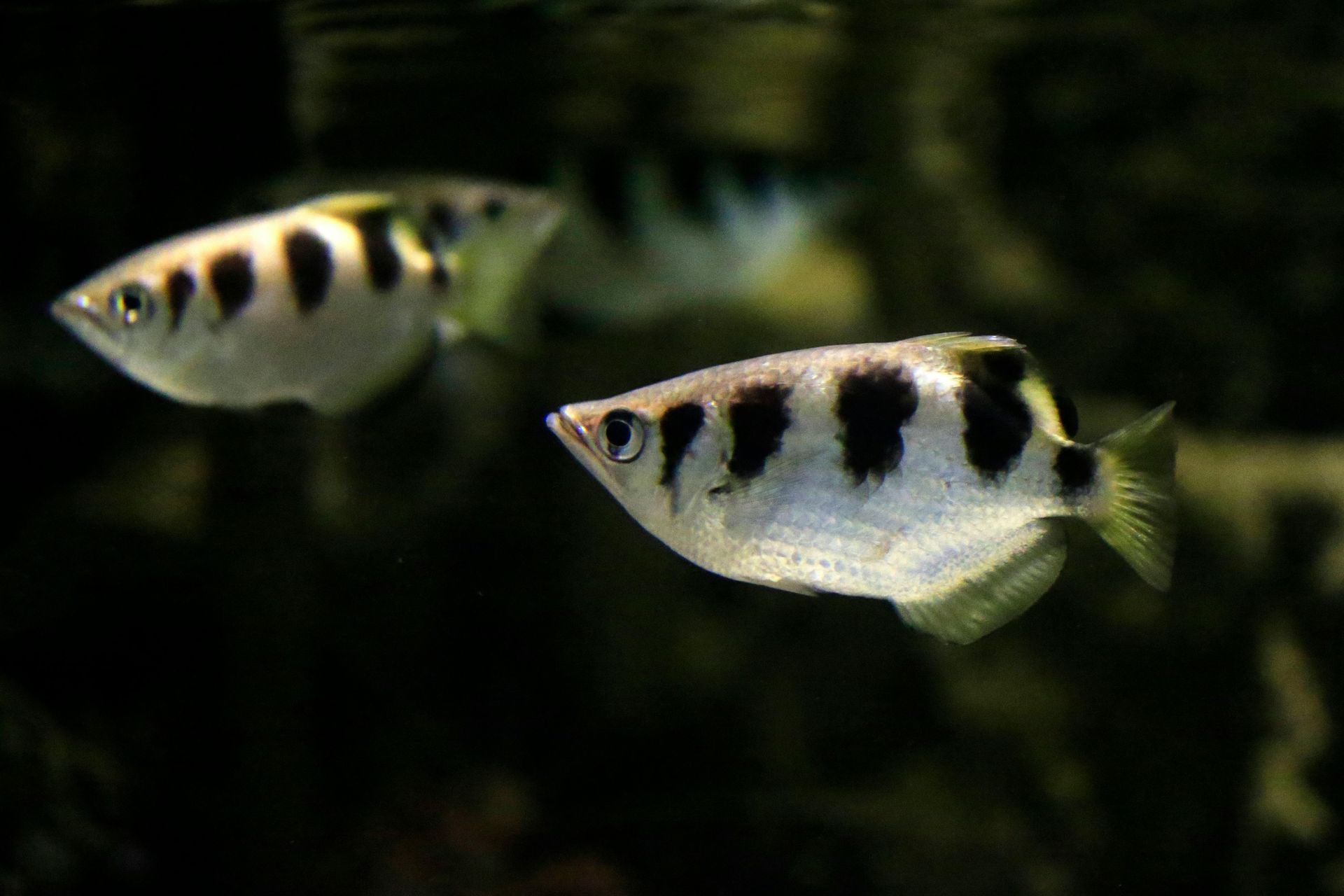
Jeffry Surianto / Pexels
Archerfish — small tropical fish that hunt insects by spitting precisely aimed jets of water to knock them from vegetation above the water surface — have demonstrated a specific cognitive ability that was unexpected for fish and that has significant implications for understanding the neural basis of visual cognition: the ability to recognize individual human faces from photographs, demonstrated at accuracy levels comparable to those achieved by humans in the same task.
Face recognition is considered cognitively demanding because faces are a class of visually similar objects — all consisting of two eyes, a nose, and a mouth in roughly the same spatial configuration — that must be distinguished by detecting subtle differences in the spatial relationships between features. Humans have specialized neural machinery for face recognition — the fusiform face area — and perform the task automatically and with high accuracy.
Archerfish, trained in a 2016 study by Cait Newport and colleagues at the University of Oxford, learned to spit at a target face among a set of four photographs and maintained that preference when the target was shown among 44 novel faces, at an accuracy of approximately 81%. The result was not expected because archerfish have no neocortex — the brain structure associated with higher cognition in mammals — demonstrating that sophisticated face recognition can be achieved by neural architectures fundamentally different from the mammalian one.
The archerfish result is particularly significant for what it reveals about the brain's capacity for visual cognition: the specific neural structures long associated with certain cognitive abilities in mammals may be less necessary than their consistent association with those abilities in mammalian species implied.
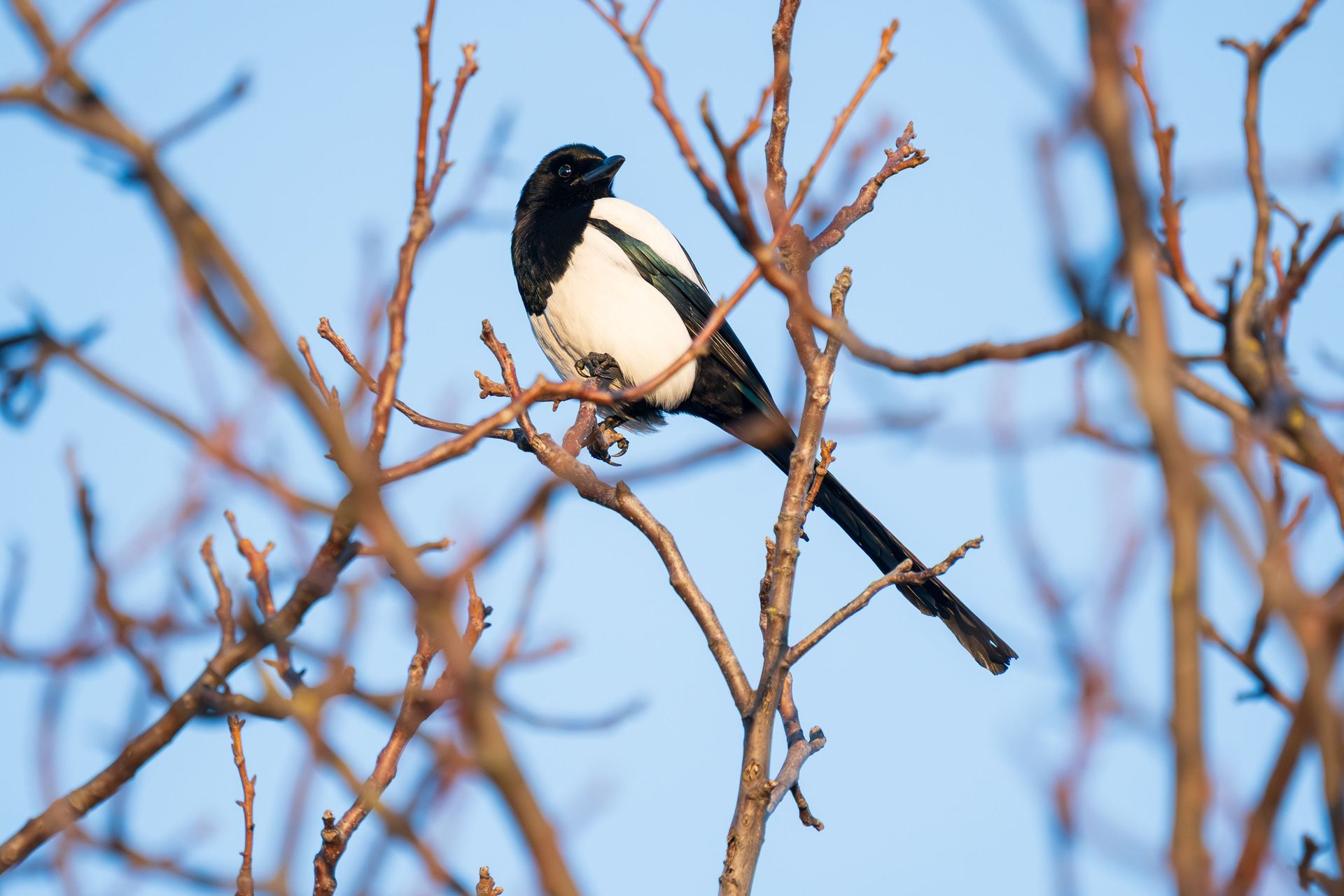
Bejan Adrian / Pexels
Magpies are the only non-mammal to have passed the mirror self-recognition test — the behavioral benchmark that has been used as a marker of self-awareness since Gordon Gallup Jr. developed it in 1970. The result, published in PLOS Biology in 2008 by Helmut Prior and colleagues at Goethe University Frankfurt, placed magpies alongside chimpanzees, orangutans, gorillas, dolphins, and elephants in the small group of animals that had passed the test — and made them the first and so far only bird species to do so.
The test involved placing a colored mark on the throat of magpies in a position they could only see in a mirror. Marked birds spent significantly more time in front of the mirror than unmarked ones, and — critically — directed scratching and rubbing behavior at the mark on their own throat rather than at the mirror or at another individual, indicating that they recognized the reflection as an image of themselves rather than as another bird. The behavior was most pronounced with brightly colored marks and absent with black marks that would be difficult to distinguish from the bird's natural plumage.
The significance of the magpie result extends beyond the specific test. Magpies diverged from the lineage that produced crows and ravens approximately 40 million years ago, and their neural architecture — like that of all birds — is organized differently from the mammalian brain. The independent evolution of self-recognition-related behavior in a bird whose brain lacks a neocortex demonstrates that whatever cognitive capacity the mirror test is measuring arose multiple times in evolution through different neural implementations.
Magpies also demonstrate social intelligence that complements the self-recognition result. They recognize individual humans, respond differently to humans who have behaved threateningly toward them in the past, and — in observations from corvid research groups — engage in what appears to be play behavior with other magpies, including games of object exchange and chase that have no obvious survival function but that reflect the behavioral flexibility associated with high cognitive capacity.
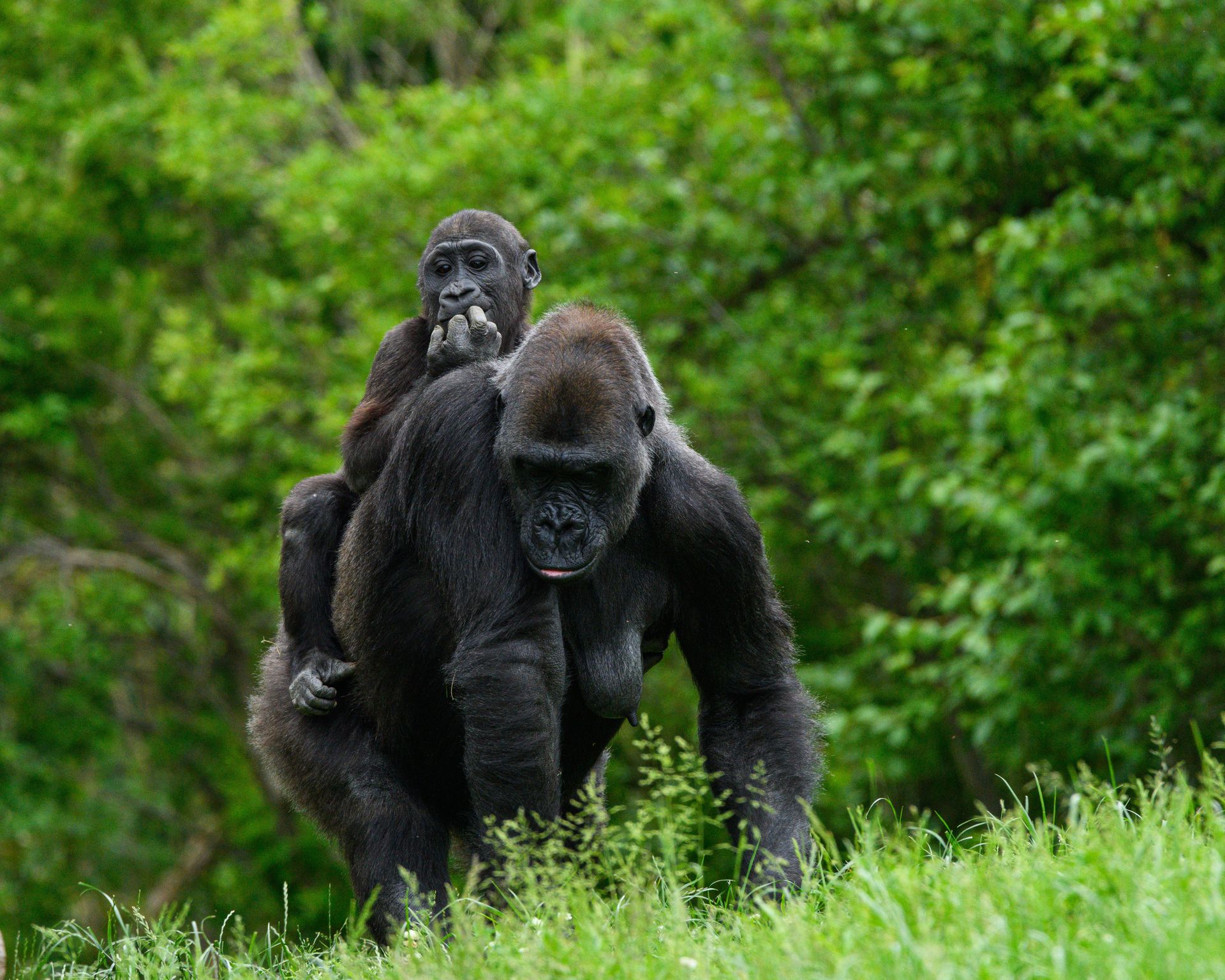
Jay Brand / Pexels
Gorillas are the largest living primates and, as great apes, share cognitive capacities with chimpanzees and humans that place them firmly in the highest tier of non-human animal intelligence. They are also among the animals most consistently underestimated in popular culture — perceived as powerful but not particularly thoughtful — despite decades of research that documents their emotional depth, social sophistication, and symbolic communication abilities.
Koko, a western lowland gorilla studied by Francine Patterson at Stanford from 1972 until Koko's death in 2018, learned a modified form of American Sign Language and was reported to use over 1,000 signs and to understand approximately 2,000 words of spoken English. She was reported to combine signs in novel ways to describe new objects — calling a ring a "finger bracelet" — and to communicate about past and future events. The methodology of the research has been criticized by some cognitive scientists, and the claims made for Koko's language use remain contested, but the basic evidence of her communicative abilities is not seriously disputed.
Wild gorilla social cognition is documented in field studies of mountain gorilla populations in Rwanda and Uganda that have continued for over 50 years. Gorillas maintain long-term social bonds within stable family groups led by a silverback male, demonstrate reciprocal altruism — helping individuals who have helped them in the past — and show what appears to be reconciliation behavior after conflicts. They have been documented using tools in the wild — branches as walking sticks in water, tree stumps as bridges — though less extensively than chimpanzees.
Gorilla emotional complexity is one of the most discussed aspects of their cognition. Documented responses to the death of group members — including mothers carrying deceased infants for extended periods — parallel similar behaviors in chimpanzees and elephants. The consistency of these behaviors across great ape species suggests that the emotional responses associated with grief have deep evolutionary roots, predating the divergence of gorilla, chimpanzee, and human lineages.
