The 10 SUVs with the highest ground clearance on the market
From a Rivian R1S that fords 43 inches of water on electric power to a Ford Expedition Tremor with a Rock Crawl mode for technical descents
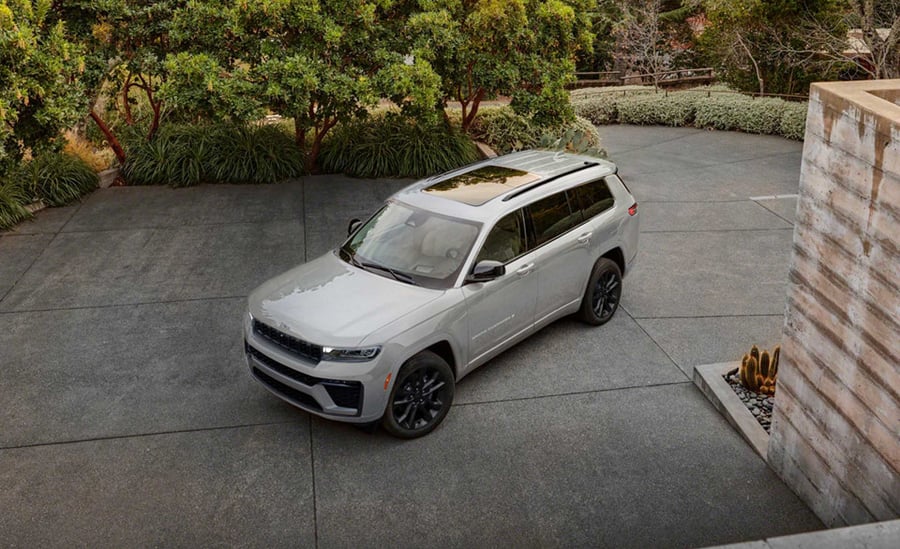
Credit: Jeep
Sitting higher off the pavement gives an SUV two genuine advantages over a typical passenger car, since extra height improves visibility down the road and makes it considerably easier to drive over obstacles such as rocks, curbs, or fallen tree branches without scraping the undercarriage on impact. This same height advantage becomes essential rather than merely convenient once a driver leaves paved roads entirely, since ample ground clearance is a genuine prerequisite for any SUV that wants to call itself a capable off-roader rather than simply a tall-riding commuter vehicle.
Ground clearance numbers shift as manufacturers update trims, suspension packages, and model years, so the figures below reflect current specifications at the time of publication instead of a permanent, unchanging ranking that will hold true indefinitely. Even the SUVs sitting toward the bottom of this particular list still offer considerably more clearance than the average SUV on the market today, and several vehicles here rely on adjustable air suspension systems that let drivers raise or lower ride height depending on whether they’re cruising on the highway or crawling over rocks on a weekend trail somewhere far from pavement. Reviewing each entry’s specific hardware, from suspension type to tire size to water fording depth, helps buyers understand exactly what separates a genuinely trail-ready SUV from one that merely looks the part. This closer look matters most for buyers planning to use the trail in genuinely demanding conditions rather than simply wanting a taller, tougher-looking vehicle for everyday driving.
The 10 SUVs below appear in U.S. News & World Report, ranked from the most ground clearance to the least among current SUV models. Each entry includes its maximum documented clearance figure, along with broader context on the SUV’s overall off-road credibility. Prices, availability, and specific trim details may shift after publication.
1 / 10
1. Rivian R1S lifts to 14.9 inches of clearance
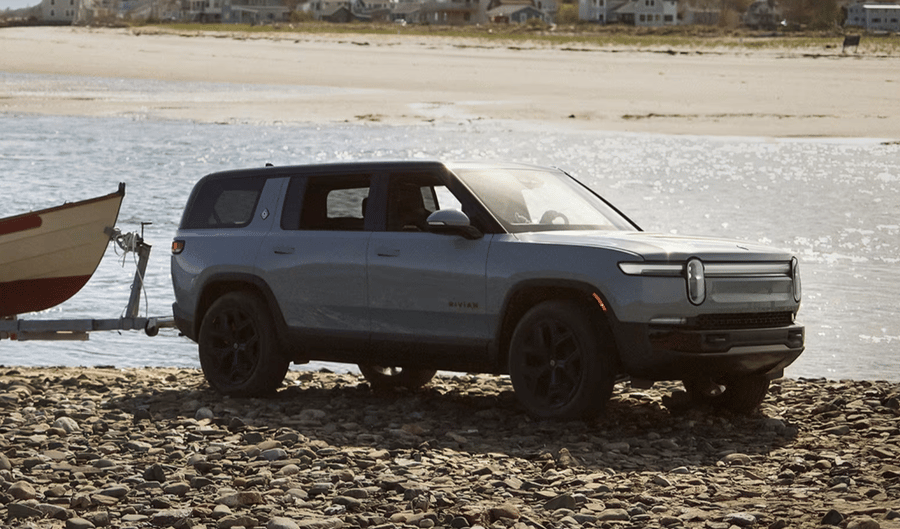
Credit: Rivan
The Rivian $RIVN R1S tops this list with a maximum ground clearance of 14.9 inches, made possible by an adjustable air suspension system that lets the SUV raise its ride height for off-road driving. All-wheel drive comes standard across the lineup, and the R1S can ford through as much as 43.0 inches of standing water, giving it genuinely serious capability well beyond what most luxury electric SUVs typically offer.
Beyond its off-road credentials, the R1S has earned a strong reputation as one of the top choices among luxury electric SUVs currently on the market. Major suspension updates have given the ride comfort a genuinely refined feel that rivals that of some traditional luxury cars, even as the SUV maintains off-road capability comparable to dedicated trail vehicles such as the Jeep Wrangler.
Upscale accommodations for seven passengers and a genuinely generous amount of cargo room round out the R1S’s practical appeal for families who still want serious off-road capability. Buyers can choose from four distinct powertrain options, and even the base setup delivers brisk, confident acceleration that feels appropriate for a vehicle wearing a luxury badge.
Driving range adds another point in the R1S’s favor, since the SUV can travel up to 410 miles on a single fully charged battery. Combining that range with the vehicle’s class-leading ground clearance and water-fording ability gives the R1S a genuinely rare mix of everyday livability and serious off-road ambition on the same electric platform. Few electric SUVs currently on sale manage to pair this much genuine off-road hardware with the kind of everyday comfort most luxury buyers expect from a daily driver. Shoppers cross-shopping traditional gas-powered off-roaders against the R1S often come away surprised by just how little capability the electric SUV actually sacrifices. Availability continues to expand as Rivian scales production, though certain configurations may still carry longer waiting periods depending on the region. Charging infrastructure along popular off-road routes continues to improve as well.
2 / 10
2. Ford Bronco embraces raw off-road capability
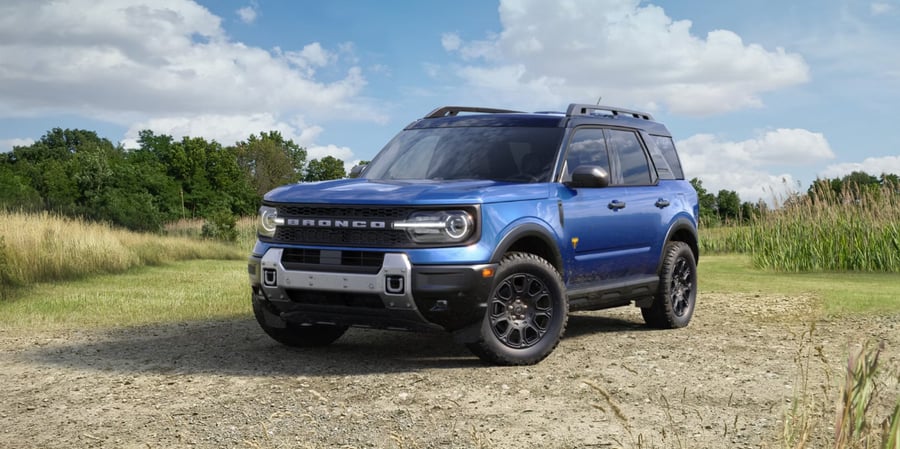
Credit: Ford
The Ford $F Bronco makes no attempt to hide its priorities, and if genuine off-road capability comes at some cost to on-road refinement, the Bronco simply accepts that trade-off without apology. The ride quality remains smooth enough for daily driving, but whether a buyer chooses the two-door or four-door body style, the Bronco clearly wants to spend its weekends off-pavement entirely, ideally with its doors and roof removed for the full experience.
Most Bronco trims offer up to 11.5 inches of ground clearance, though reaching that height generally requires adding one or more option packages rather than relying on the base configuration alone. Standard features across the lineup include hill-start assist, hill descent control, and a two-speed transfer case offering both high- and low-range gearing for genuinely technical terrain.
Buyers specifically chasing maximum ground clearance should look toward the Raptor trim, which delivers 13.1 inches of space between the dirt and the SUV’s undercarriage. This top trim adds serious hardware, including 37-inch tires, steel bash plates, and heavy-duty tow hooks, transforming the already capable Bronco into something closer to a purpose-built desert racer.
Choosing between the standard Bronco trims and the Raptor ultimately comes down to how seriously a buyer takes their off-road ambitions. Drivers planning genuinely demanding trail use should strongly consider the Raptor’s additional clearance and hardware, while those seeking a more casual weekend off-roader will likely find the standard trims perfectly capable for typical use. Few midsize SUVs on the market commit fully to an off-road identity, even when that focus means accepting a rougher edge in everyday driving. Shoppers cross-shopping the Bronco against more road-focused midsize SUVs should expect a noticeably firmer, busier ride during everyday commuting. Dealer inventory for the most desirable trims can run thin, so shoppers with a specific configuration in mind should plan to order ahead. Insurance costs also tend to run slightly higher on the more off-road-focused trims.
3 / 10
3. Land Rover Defender pairs luxury with rugged capability
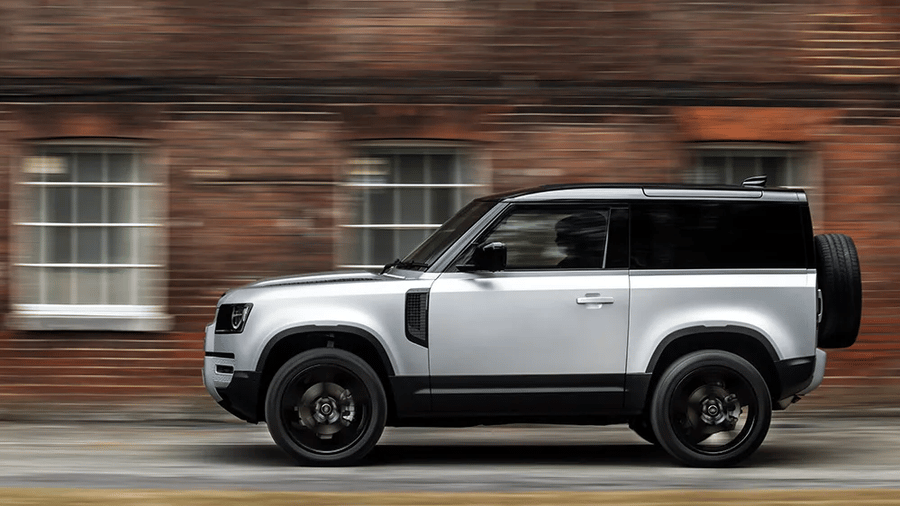
Credit: Land Rover
The Land Rover Defender seats up to eight passengers in its roomiest available configuration, and all three rows offer genuinely adult-friendly seating rather than the cramped third row common on many competing SUVs. A plush cabin throughout gives the Defender a genuinely upscale feel that belies just how capable this SUV actually becomes once pavement disappears.
Off-road capability remains world-class throughout the Defender lineup, and the current generation has layered genuine luxury, comfort, and civilized on-road manners atop that foundational trail ability, rather than sacrificing one for the other. Four-wheel drive, a two-speed transfer case, wade sensing, and hill descent control all come standard, giving every Defender trim serious baseline off-road hardware.
An air suspension system remains optional across most of the lineup, and adding it unlocks the Defender’s maximum ground clearance of 12.7 inches, though that figure applies only to the range-topping Octa trim. As the most off-road-focused model in the entire lineup, the Octa pairs its suspension upgrade with a twin-turbo V8 engine and genuinely beefy 33-inch tires built for serious trail use.
Despite all this off-road hardware, the Defender’s smooth on-pavement ride quality makes it a genuinely comfortable choice for everyday commuting. This dual identity, equally capable of crawling over rocks or cruising down a highway, gives the Defender a rare kind of versatility among SUVs built primarily around off-road performance. Few luxury SUVs manage to blend genuine trail capability with this level of interior comfort and passenger space across three full rows of seating. Shoppers weighing the Defender against other three-row luxury SUVs should factor in the added cost of the air suspension option before finalizing a build. Maintenance costs on the Octa trim’s more complex hardware also tend to run higher than on simpler, less off-road-focused configurations. Warranty coverage remains competitive within the luxury SUV segment overall. Buyers should budget accordingly when comparing total long-term ownership costs against rival luxury SUVs.
4 / 10
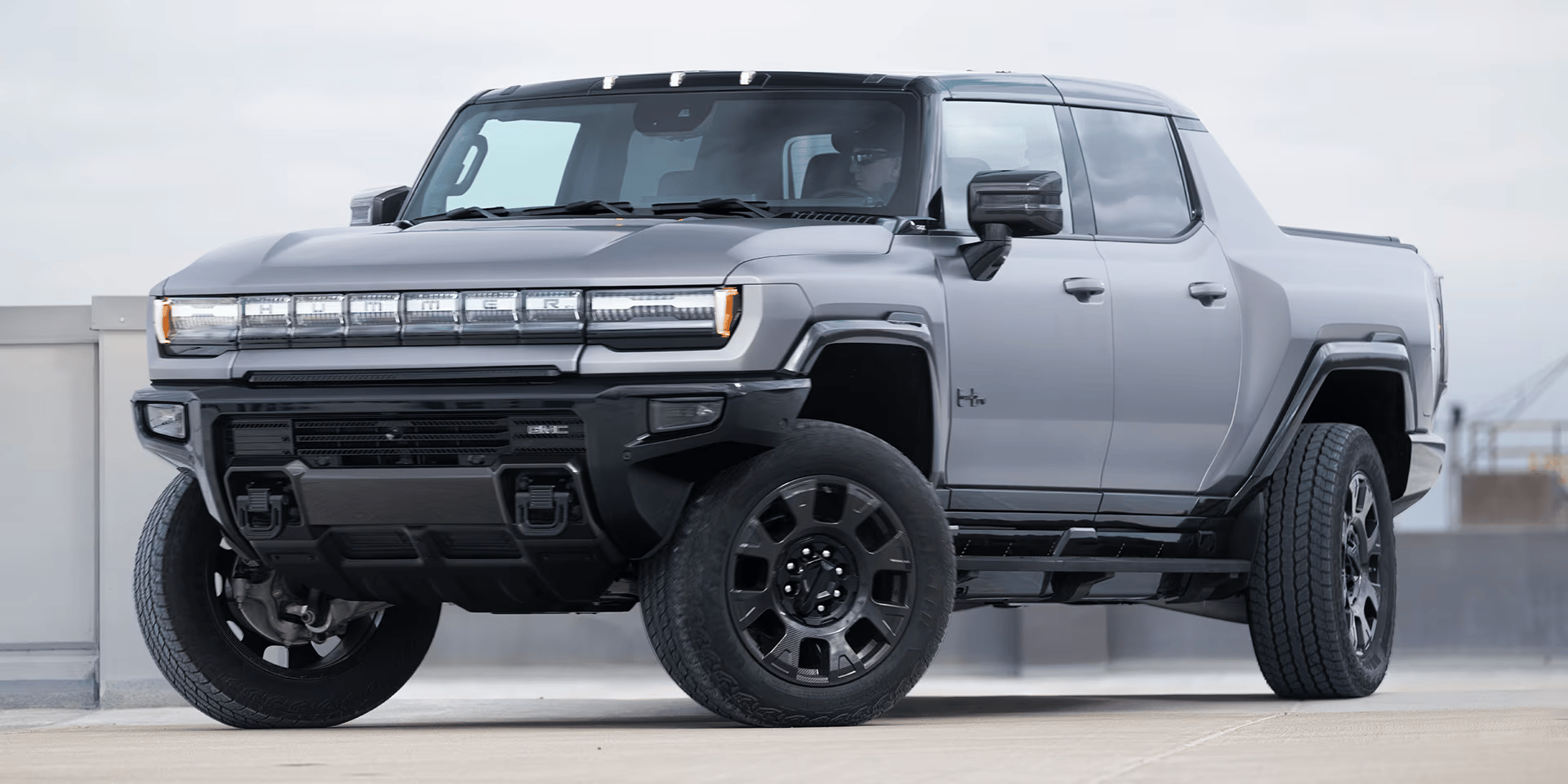
4. GMC Hummer EV SUV wades through deep water crossings
Credit: GMC
The GMC Hummer EV SUV carries a name that spells out exactly what it is, essentially standing for Hummer Electric Vehicle Sport Utility Vehicle, and it ranks among the most expensive electric SUVs currently on the market, with a starting price sitting only a few ticks below six figures. Efficiency numbers are surprisingly poor by electric-vehicle standards, to the point that certain gas-powered vehicles actually post better efficiency ratings, though the Hummer EV SUV still makes a genuinely excellent choice for buyers specifically seeking a spacious, comfortable off-roader.
A modern, stylish cabin provides ample room for five passengers, and cargo capacity is noticeably higher than that of several rival electric SUVs. Standard features such as all-wheel drive, an adaptable air suspension, and four-wheel steering all work together to make this electric SUV feel genuinely at home once it leaves paved roads behind.
An Extract Mode gives the Hummer EV SUV a temporary boost well beyond its typical ground clearance, raising ride height to a full 16 inches and allowing the vehicle to ford through up to 32 inches of standing water. This mode stays limited to low speeds and short durations, which is why the SUV’s typical, everyday ground clearance of 12 inches better reflects the figure most buyers should expect during normal driving.
Combining serious water-fording capability with genuinely comfortable everyday accommodations gives the Hummer EV SUV a distinct identity among electric off-roaders, even if its efficiency numbers disappoint buyers primarily focused on range per charge. The SUV travels up to 315 miles on a full charge, a figure that trails some competitors but still supports a genuinely capable weekend adventure vehicle. Few electric SUVs currently offer this level of water fording capability, even accounting for the temporary nature of the vehicle’s extended-height Extract Mode. Shoppers specifically focused on efficiency numbers should look elsewhere, since the Hummer EV SUV prioritizes capability and comfort well ahead of range per charge.
5 / 10
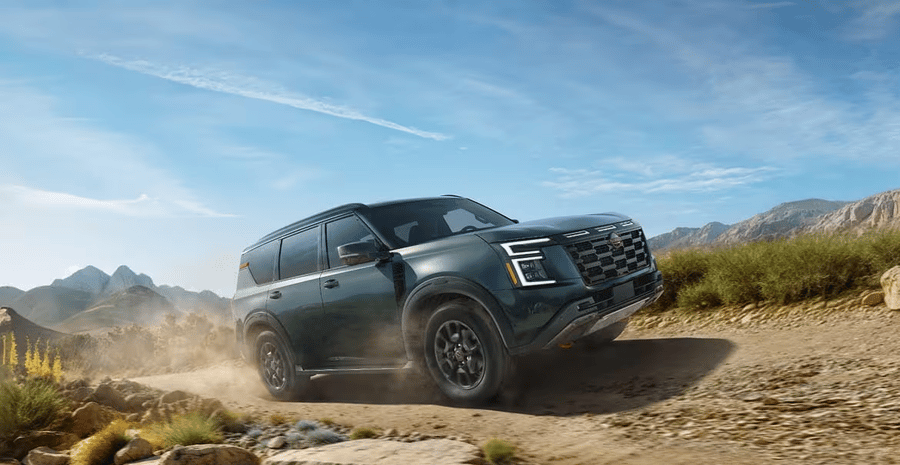
5. Nissan Armada tackles rutted trails with ease
Credit: Nissan
Few buyers would have expected the Nissan Armada to appear anywhere near a list like this one just a couple of years ago, but a full redesign for the 2025 model year changed that perception considerably. This redesign introduced the genuinely rugged Pro-4X trim, which pairs four-wheel drive with all-terrain tires, an adaptive air suspension, a locking rear differential, and 11.6 inches of ground clearance.
A restyled front bumper on the Pro-4X trim increases the SUV’s approach angle for tackling steep inclines, while a full underbody skid plate protects vulnerable components from rocks and other trail hazards. Tow hooks round out the trim’s off-road hardware, giving the Armada genuinely serious capability that few would have predicted from this traditionally road-focused large SUV.
On bumpy dirt roads, the Pro-4X’s suspension soaks up sizable ruts with genuine composure, and on more challenging obstacles, the pairing of elevated ride height and all-terrain tires pays real dividends for drivers pushing the SUV toward its limits off-road. This capability extends well beyond what buyers typically expect from a vehicle built primarily for family duty and highway comfort.
Regardless of trim, the Armada delivers plenty of power and decent overall handling, though the ride quality is somewhat firmer than that of some rivals. Some competitors offer roomier cabins overall, but the Armada still offers ample space throughout its first two rows of seating, and its interior quality holds up reasonably well compared with other large SUVs in its class. Few large SUVs built primarily around family duty have managed this kind of genuine off-road transformation within a single model generation. Shoppers considering the Pro-4X specifically for weekend trail use should still test the standard trims, since the price difference between them remains considerable. Resale values for the Pro-4X have held up reasonably well so far, reflecting steady demand among buyers specifically seeking this trim. Fuel economy on the Pro-4X trim is slightly lower than that of other Armada configurations. Buyers should factor this into their overall ownership budget when comparing trims.
6 / 10
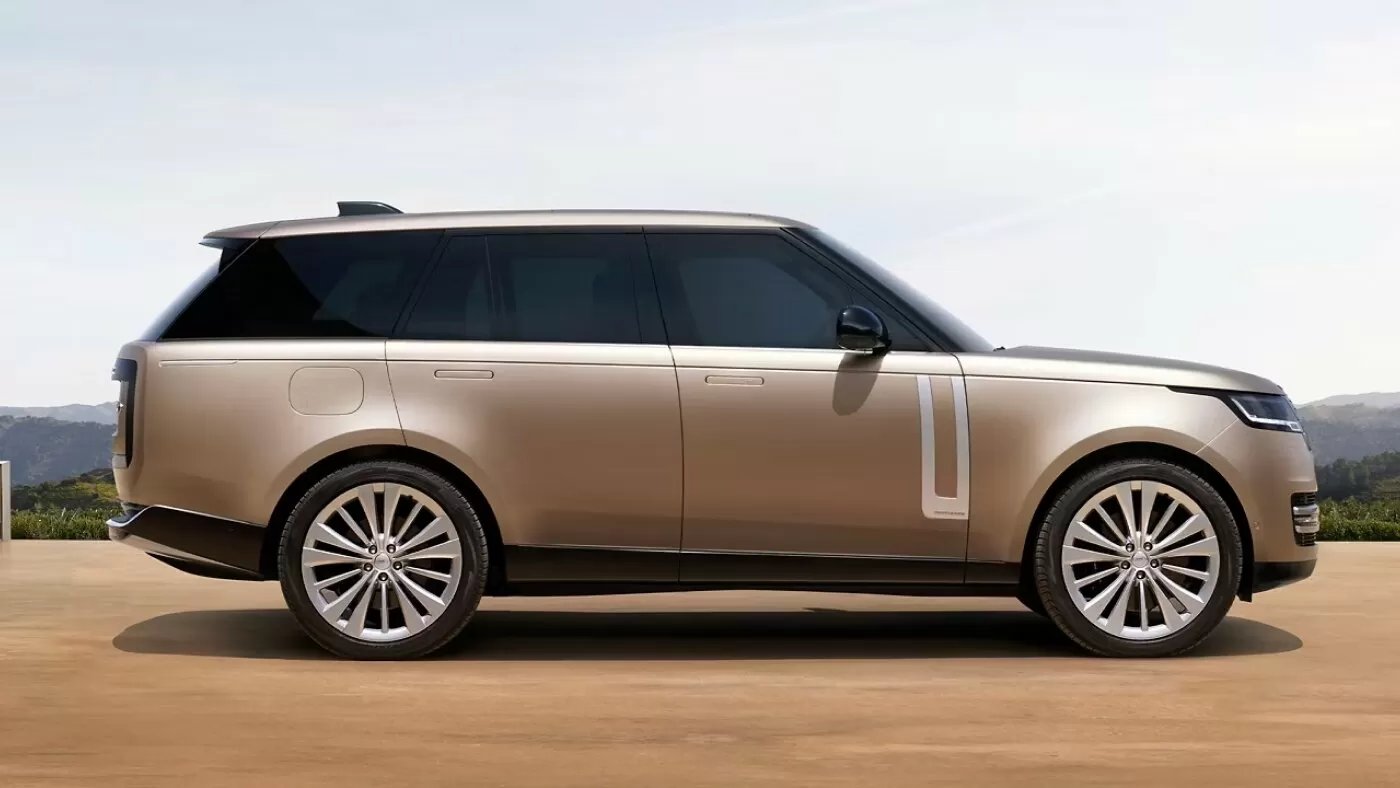
6. Land Rover Range Rover adjusts its stance for the dirt
Credit: Land Rover
The Land Rover Range Rover has long stood as a byword for automotive luxury, and its price tag reflects that reputation, yet the SUV also serves as the current benchmark in the luxury large SUV class thanks to genuine off-road talent hidden beneath its stately exterior. Despite its polished demeanor, the Range Rover can genuinely get down in the dirt alongside far less refined dedicated off-roaders.
The available powertrain lineup spans six-cylinder, V8, and plug-in hybrid options, giving buyers genuine flexibility depending on their priorities around performance, efficiency, or towing capability. Ride quality stays smooth on paved roads throughout, and every model includes amenities such as all-wheel steering, leather upholstery, heated front and rear seats, and wireless smartphone integration as standard equipment.
An air suspension system comes standard across the entire Range Rover lineup and can raise or lower the vehicle’s ride height depending on driving conditions and terrain. In its default, everyday setting, this suspension provides 8.6 inches of ground clearance, while adjusting specifically for off-road driving unlocks the SUV’s maximum figure of 11.5 inches.
This ability to shift between a lower, more efficient highway stance and a raised, trail-ready configuration gives the Range Rover genuine dual-purpose credibility rarely found in vehicles built primarily around luxury appointments. Buyers drawn to the brand’s prestige get genuine off-road capability as a meaningful bonus instead of a mere marketing claim. Few luxury SUVs manage to justify their considerable price tags with this much genuine mechanical substance hiding beneath a polished, prestigious exterior. Shoppers considering the Range Rover primarily for status should still take a test drive off-road, since the SUV’s trail manners genuinely surprise most first-time buyers. Maintenance and repair costs also run considerably higher than average, a genuine consideration for buyers weighing long-term ownership costs. Insurance premiums also tend to reflect the vehicle’s premium positioning within the market. Buyers should weigh these costs carefully against the SUV’s undeniable prestige and capability.
7 / 10
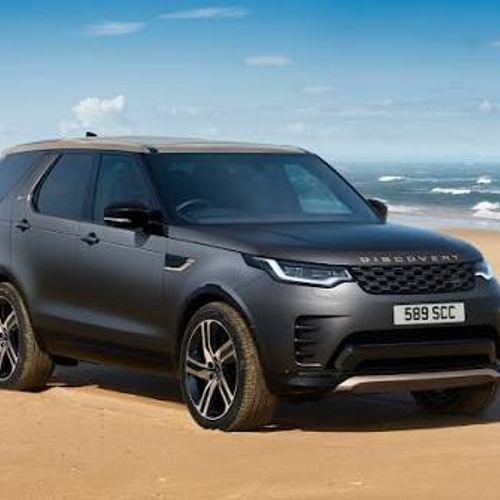
7. Land Rover Discovery expands its off-road clearance
Credit: Land Rover
The Land Rover Discovery presents a genuinely mixed picture depending on which specific attribute a buyer prioritizes most. Its premium interior impresses throughout the first two rows, which offer plush, supportive seating, though the third row runs noticeably cramped for taller passengers. Maximum cargo capacity is above average for the class, yet the SUV offers almost no usable space directly behind that third row of seats.
Off-road ability, however, stands as the Discovery’s clearest strength, and the SUV comes equipped with a genuine array of trail-centric performance features, along with standard four-wheel drive across the entire lineup. These features combine to make the Discovery a genuine class leader, specifically when the pavement ends and the trail begins in earnest.
The base engine handles most everyday scenarios adequately, but starts to feel overwhelmed when faced with hilly terrain or a full load of passengers and cargo that presses against its output. An optional turbo-six delivers noticeably livelier performance, providing the extra power needed to scoot confidently up mountain trails without straining the drivetrain.
An air suspension and hill-descent control both come standard throughout the lineup, and the Discovery’s default ground clearance of 8.1 inches expands to more than 11.2 inches once a driver engages the SUV’s dedicated off-road drive mode. This expanded clearance, combined with the vehicle’s trail-focused feature set, gives the Discovery genuine credibility as a serious off-roader despite its mixed showing in terms of cabin practicality. Few SUVs in this class manage to combine this much adjustable ground clearance with such a genuinely capable, standard four-wheel-drive system. Shoppers prioritizing third-row space or maximum cargo room might want to cross-shop other three-row SUVs before settling on the Discovery specifically. Buyers cross-shopping against the smaller Defender should note the Discovery’s different priorities around cargo layout and third-row usability. Fuel economy across the lineup runs about average for a vehicle of this size and capability. Buyers prioritizing efficiency above all else might want to consider other options first.
8 / 10
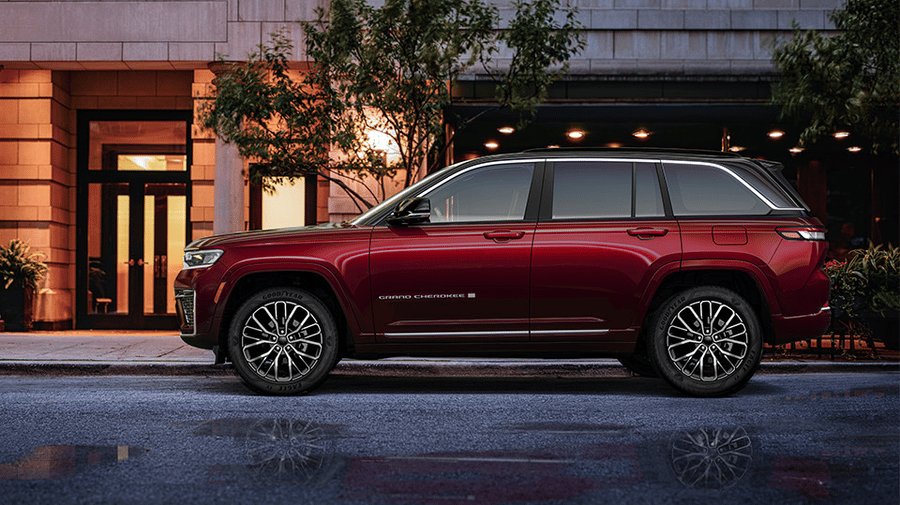
8. Jeep Grand Cherokee climbs into the off-road conversation
Credit: Jeep
A Jeep appearing somewhere on a list built around off-road capability comes as no genuine surprise, since few brands besides perhaps Land Rover have cultivated a stronger reputation for building vehicles with genuine off-road prowess baked directly into their design. The Grand Cherokee specifically ranks among the most recognizable models in Jeep’s entire lineup, familiar even to buyers who have never considered taking an SUV off pavement.
The standard Grand Cherokee seats five passengers comfortably, while the extended-wheelbase Grand Cherokee L accommodates up to seven people for buyers who need the additional third-row space. With the optional Quadra-Lift air suspension fitted, both versions provide up to 10.9 inches of ground clearance, giving the Grand Cherokee genuinely serious capability alongside its family-friendly seating flexibility.
Beyond the numbers, the Grand Cherokee has earned a reputation for looking genuinely upscale while still remaining willing to mix it up in the dirt when the situation calls for it. This balance between everyday polish and genuine trail capability helps explain why the Grand Cherokee has remained one of Jeep’s most consistently popular models across successive generations.
Buyers weighing the Grand Cherokee against other midsize SUVs on this list should note just how much flexibility the lineup offers between seating capacity and off-road hardware, since the choice between the standard model and the extended Grand Cherokee L doesn’t require sacrificing the available suspension upgrade either way. Few midsize SUVs manage to balance genuine seating flexibility with this level of adjustable off-road capability across both standard and extended-length versions. Shoppers deciding between the standard Grand Cherokee and the extended L version should weigh their typical passenger count before committing to either configuration. Resale values across the Grand Cherokee lineup have generally held steady, reflecting the model’s broad, ongoing popularity among SUV buyers. Fuel economy remains reasonably competitive within the broader midsize SUV segment. Buyers should still compare real-world figures with those of similarly sized rivals before deciding.
9 / 10
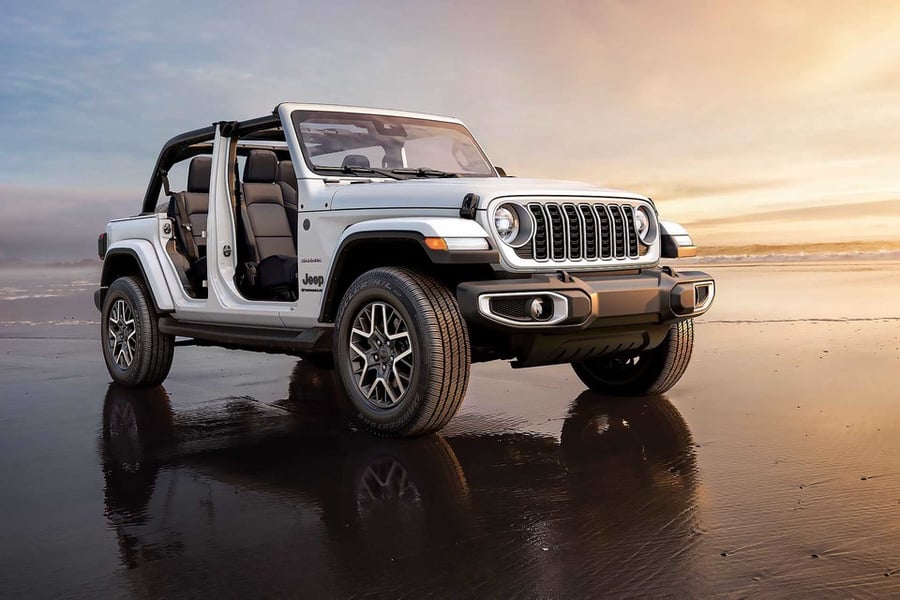
9. Jeep Wrangler powers through nearly any terrain
Credit: Jeep
The Jeep Wrangler carries a genuinely famous name, an instantly recognizable style, and a storied history stretching back decades, and it lives up to that considerable reputation by ranking among the very best off-roaders currently available on the market. Neither snow, rain, mud bogs, nor rocky trails tend to stop a well-equipped Wrangler from completing its intended route, and the SUV manages to make even genuinely difficult terrain feel like part of the fun instead of an obstacle to endure.
Buyers can choose between two-door and four-door body styles, and the Wrangler seats up to five passengers while coming standard with four-wheel drive across every trim level. Three distinct engines are available throughout the lineup, and while the base engine performs adequately at best, the two optional powertrains deliver considerably peppier real-world performance for buyers willing to pay for the upgrade.
The trade-off for all this off-road capability is relatively poor fuel economy and a notably coarse ride quality once the Wrangler returns to paved streets. Buyers specifically prioritizing genuine trail capability tend to accept these compromises readily, since few other SUVs on the market match the Wrangler’s specific blend of capability and character.
The Xtreme 35-inch Tire package pushes the Wrangler’s ground clearance to its maximum available figure of 10.8 inches, and these larger tires come standard on the Moab 392 and Willys 392 trims while remaining available as an option across several other models in the lineup. This flexibility lets buyers dial in exactly how much off-road hardware their specific Wrangler actually needs. Few compact SUVs anywhere on the market accept this many everyday compromises, specifically in exchange for this level of proven off-road capability. Shoppers cross-shopping the Wrangler against more road-focused compact SUVs should test-drive both before deciding, since the difference in everyday comfort proves considerable. Insurance costs also tend to run higher than average, given the model’s off-road orientation. Buyers should factor this into their overall budget before committing to a purchase.
10 / 10
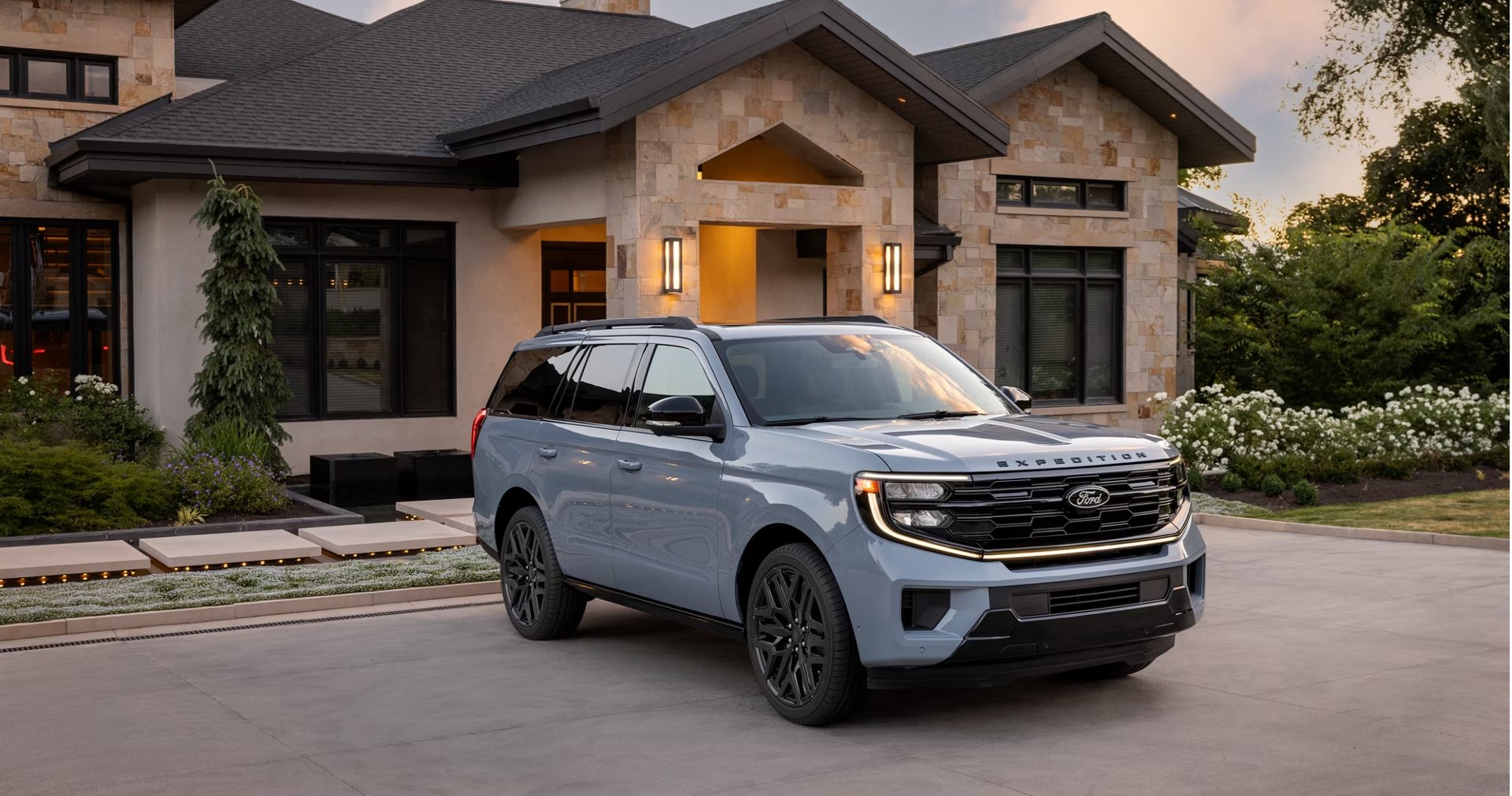
10. Ford Expedition handles mud, gravel, and heavy loads
Credit: Ford
A year removed from a full redesign, the Ford $F Expedition might not immediately come to mind when a buyer thinks about trail-running SUVs, yet it holds its own quite capably once the pavement actually ends. This body-on-frame SUV handles an impressively wide range of tasks well, from towing a trailer weighing up to 9,600 pounds to off-roading toward a favorite campsite to simply shuttling a youth soccer team and all of its gear across town.
The Tremor trim specifically delivers 10.6 inches of space between the dirt and the Expedition’s undercarriage, giving it noticeably more ground clearance than other trims within the same model lineup. Buyers planning to use their Expedition for genuine mud and gravel adventures should strongly consider this trim in particular, since the added clearance makes a meaningful, practical difference when conditions turn genuinely messy.
Rugged amenities round out the Tremor’s off-road credentials, including all-terrain tires and a dedicated front skid plate designed to protect vulnerable components from rocks and other trail debris. These additions give the already capable Expedition platform a genuine boost in off-road confidence without sacrificing the third-row seating and cargo space that make it a practical choice for larger families.
A dedicated Rock Crawl driving mode assists specifically with technical off-road maneuvers, while a specialized cruise control system helps maintain a constant, controlled speed during genuinely perilous descents on steep or loose terrain. Together, these features give the Expedition Tremor a level of off-road sophistication that few buyers would expect from a vehicle primarily marketed for family hauling. Few full-size SUVs manage to balance genuine towing capacity with this much dedicated off-road hardware within a single well-rounded trim level. Shoppers specifically cross-shopping the Tremor against standard Expedition trims should weigh the added off-road hardware against its effect on everyday ride comfort and price. Fuel economy on the Tremor trim runs slightly below other Expedition configurations overall. Buyers should weigh this trade-off against how often they’ll actually use the added capability.
