Taiwan prosecutors detained an Nvidia $NVDA employee on Tuesday as part of an investigation into the alleged smuggling of AI servers equipped with restricted Nvidia chips to China, expanding a probe that has now ensnared seven people.

The detention marks the first known instance of authorities taking legal action against an Nvidia employee in a chip smuggling case
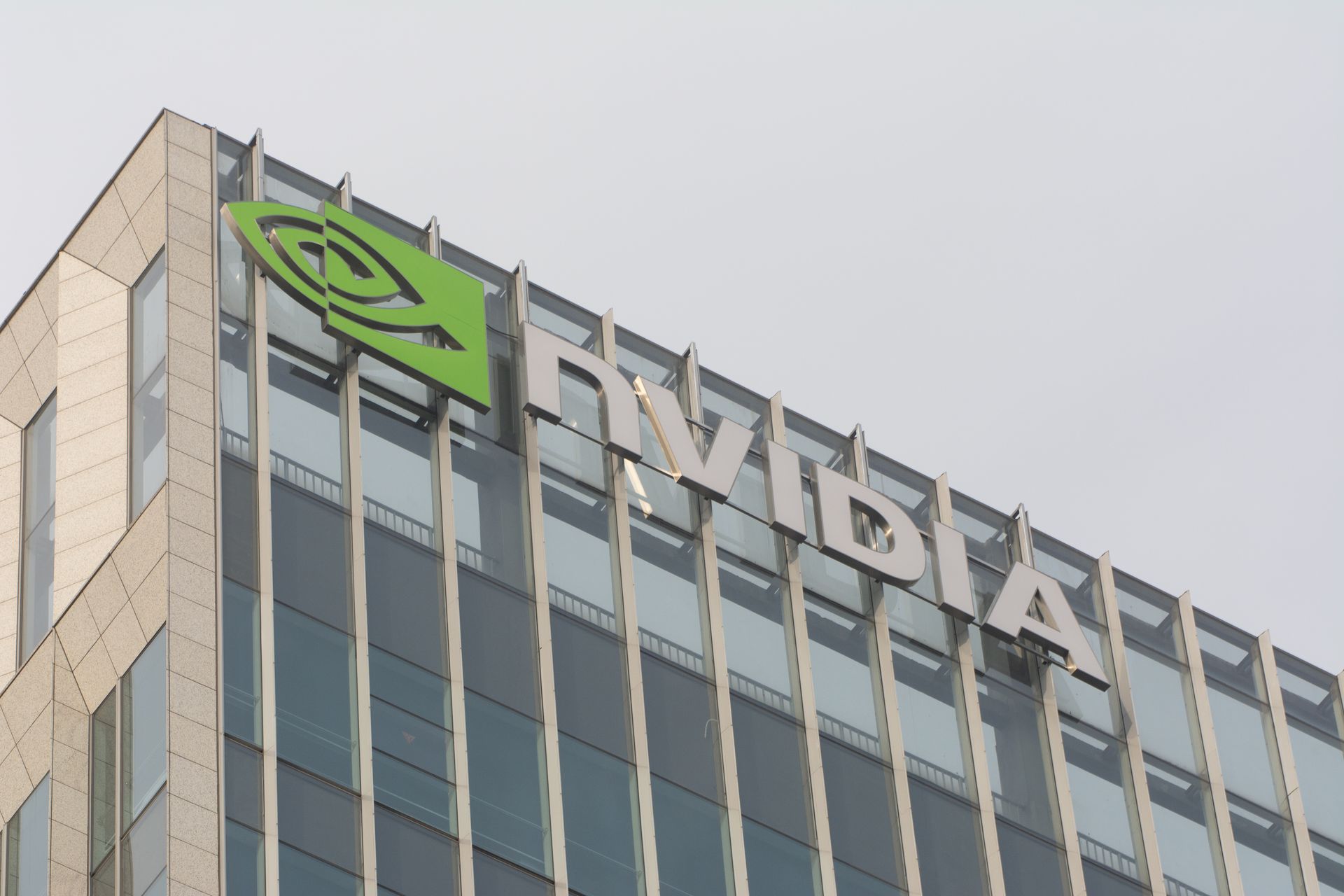
Ying Tang/NurPhoto via Getty Images
Taiwan prosecutors detained an Nvidia $NVDA employee on Tuesday as part of an investigation into the alleged smuggling of AI servers equipped with restricted Nvidia chips to China, expanding a probe that has now ensnared seven people.
The Keelung District Prosecutors Office said investigators searched the home and workplace of a suspect identified only by the surname Chang on July 24. Prosecutors successfully sought Chang's detention, telling the court he could flee the country, tamper with evidence, or coordinate with others involved in the case, according to the prosecutors office. Taiwan's Mirror Media identified the suspect as an Nvidia employee, according to Reuters. Nvidia did not confirm whether Chang is its employee.
As far as is publicly known, no government had previously moved against an Nvidia employee over chip smuggling, making the detention potentially unprecedented, according to Bloomberg. Investigators searched Chang's desk at Nvidia's Taipei office, Bloomberg added, citing unnamed sources. Chang now sits in custody after a court approved the detention request, with forgery and breach of trust among the allegations cited.
Chang came to investigators' attention through material collected in prior operations focused on Super Micro, a source familiar with the case told AFP. According to prosecutors, the defendants falsified paperwork to facilitate the export of around 50 Super Micro servers to China, and an official told AFP that a portion of those units passed through Taiwan customs before continuing on through Japan.
In a statement, Nvidia said: "Smuggling is a nonstarter. We primarily sell our products to well-known partners, including OEMs, who help us ensure that all sales comply with U.S. export control rules. Even relatively small exporters and shipments are subject to thorough review and scrutiny on both sides of the globe, and any diverted products would have no service, support, or updates."
The Taiwan investigation, covering three rounds of raids and detentions, began in May when prosecutors announced they were looking into exports of high-end AI servers to China, Macau, and Hong Kong in violation of U.S. export controls. A second round in late June swept up two Super Micro workers at its Taiwan unit. Tuesday's action marks the third round. Seven people are now in custody, including two Super Micro employees and one employee of Taiwan-listed Albatron Technology.
The Taiwan probe runs alongside a separate U.S. case. Federal authorities charged Super Micro co-founder Yih-Shyan "Wally" Liaw and two others in March with diverting roughly $2.5 billion in Nvidia-equipped servers to China. Prosecutors in Taiwan have said it is too early to determine whether the two investigations are connected.
The United States has barred Nvidia's advanced AI chips from reaching China since 2022, citing fears that the technology could strengthen Beijing's armed forces. Taiwan does not currently have its own restrictions on AI chip sales to China, though President Lai Ching-te's administration is weighing tighter policies.
Join 500,000+ readers who start their day with Quartz.
By subscribing, you agree to our Terms of Service and Privacy Policy.