
25 technology predictions from 30 years ago and how accurate they were
From Bill Gates' wallet PC to Clifford Stoll's internet skepticism, the tech forecasts of the mid-1990s reveal as much about human nature as about technology itself
Credit: cottonbro studio / Pexels
The mid-1990s were an odd, electric moment for thinking about the future. The internet had just escaped academic obscurity and entered public life. Personal computers were arriving in homes. Mobile phones existed but weighed as much as bricks and cost a fortune to use. Against this backdrop, a wave of writers, engineers, economists, and technologists took their shot at describing what the next few decades would look like — and what they produced remains one of the more instructive bodies of literature in the history of forecasting.
Some of these predictions hold up with eerie precision. Bill Gates, writing in 1995, described a pocket-sized device that would store photographs, receive messages, display maps, and connect to a global network — essentially a modern smartphone, more than a decade before the iPhone existed. Nicholas Negroponte, founder of the MIT Media Lab, envisioned personalized news feeds tailored to individual interests, a concept he called the "Daily Me" that now describes the algorithmic feeds of billions of people on social media. Ray Kurzweil predicted that a computer would defeat the world chess champion by 2000. Deep Blue beat Garry Kasparov in 1997.
But the record is far from clean. Confident voices in the same period declared that e-commerce was a fantasy, that no serious person would buy products online without touching them first, and that the internet would never displace the daily newspaper. One prominent technologist, writing in Newsweek in 1995, dismissed the entire promise of the web in terms that are still quoted today as a monument to overconfidence in one's own skepticism. Meanwhile, other forecasters promised flying cars by 2010, robots doing household chores by 2000, and a paperless office by the turn of the millennium — none of which materialized.
What's most useful about revisiting these predictions isn't the scorecard. It's the pattern. The forecasters who got the big things right shared a common quality: they understood the underlying technology well enough to reason from first principles about what it would enable. The ones who got the most spectacularly wrong tended to anchor their judgment on the current state of things — on what technology could and couldn't do in 1994 or 1995 — and extrapolated forward without accounting for how quickly the constraints would change.
The 25 predictions that follow span the years roughly 1993 to 1997, drawn from books, articles, ad campaigns, and speeches that tried to chart the future from that strange, pivotal moment. Some of the forecasters are famous; others have been largely forgotten. Taken together, they offer a detailed map of what the future looked like to some of the sharpest minds of that era — and a clear-eyed accounting of how the territory actually turned out.
The smartphone, called a 'wallet PC'
Credit: Nic Wood / Pexels
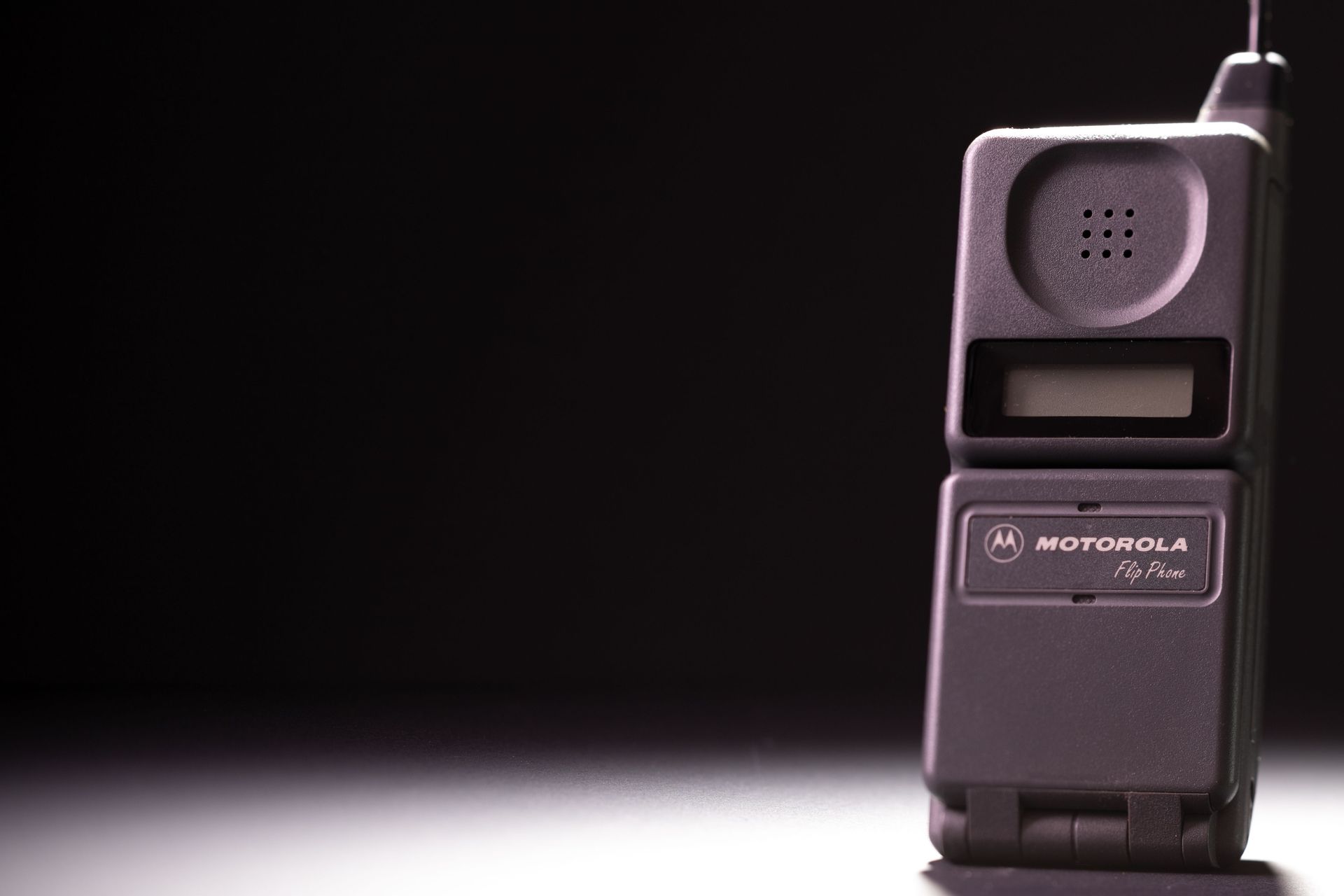
Bill Gates published his book "The Road Ahead" in November 1995, co-written with Microsoft $MSFT executives Nathan Myhrvold and Peter Rinearson. In it, he described a device he called the "wallet PC" — a pocket-sized computer that would replace nearly everything a person carried day to day.
His description was specific. The device would be "about the same size as a wallet," meaning it could fit in a pocket or purse. It would display messages and schedules, allow users to send and receive electronic mail and faxes, monitor weather and stock reports, and play games. It would store hundreds of photographs. It would contain a GPS receiver, allowing it to tell a user exactly where they were on the surface of the earth and to navigate while traveling. It would connect wirelessly to the global information network.
That is, in almost every meaningful respect, a modern smartphone. Apple $AAPL introduced the iPhone in 2007 — 12 years after Gates wrote those words. Android followed in 2008. The devices that emerged were not called wallet PCs, and Gates missed some specific details: he predicted that video streaming to mobile devices would remain expensive and unusual for some time, which proved wrong relatively quickly. He also thought phones of the future would look "more or less like today's phones," which underestimated how radically industrial design would shift toward large glass screens.
But the core concept — a pocket computer that consolidated communication, navigation, photography, scheduling, and internet access into a single device small enough to carry everywhere — was accurate in a way that almost no other prediction from that era matched. Gates later acknowledged the wallet PC prediction as one of his more successful forecasts, noting that the transformation happened faster and more dramatically than even he had anticipated in some respects.
What made this prediction land was that Gates was reasoning from the trajectory of hardware rather than from the limitations of the moment. In 1995, portable computers were large and heavy. He looked at how processing power was shrinking relative to cost and concluded that the physics of miniaturization pointed in a clear direction. The name was wrong. The timing was somewhat off. The concept was right.
The wallet PC prediction is often cited as an example of what good technological forecasting looks like — not magical intuition, but disciplined reasoning about where existing trajectories were heading. The specific product that emerged was shaped by forces Gates didn't fully anticipate, including Apple's emphasis on design and the explosion of mobile broadband. But the destination he identified was essentially correct.
E-commerce: the prediction that shopping would move online
Credit: Sidde / Pexels
The idea that people would one day buy goods over the internet was, in the mid-1990s, treated by many serious observers as the kind of techno-optimism that deserved to be punctured. Clifford Stoll, an astrophysicist and computer security expert who had become a well-known technology commentator, made this dismissal explicit in a 1995 Newsweek article and his book "Silicon Snake Oil."
Stoll argued that e-commerce was not merely impractical but fundamentally misconceived. He contended that buyers needed to touch products, that secure payment systems didn't exist in any reliable form, and that the social rituals of physical shopping — browsing, comparing, interacting with salespeople — were irreplaceable. "Do our computer pundits lack all common sense?" he wrote. His argument was that commerce required personal contact, and that the internet, as a communication medium, could not substitute for physical presence.
Amazon $AMZN launched as an online bookstore in July 1995, the same year Stoll was writing. By 2000, it had expanded into music, electronics, and toys, and was processing millions of transactions monthly. Within a decade, online retail had permanently altered the economics of brick-and-mortar stores across the U.S., the U.K., and much of the developed world. The disruption Stoll considered impossible had, in fact, accelerated beyond what even the optimists had projected.
The irony of Stoll's prediction is that some of his underlying concerns proved to have merit — just not in the way he anticipated. Fraud and security problems did plague early e-commerce. Trust was a genuine obstacle. The transition took time. But the direction was unmistakably toward online commerce, not away from it. His error was treating the 1995 version of the internet as a fixed state rather than a starting point.
Stoll later acknowledged the failure with considerable grace. "Of my many mistakes, flubs, and howlers, few have been as public as my 1995 howler," he wrote in a comment that circulated widely after the original article resurfaced online years later. It became one of the most-quoted admissions of wrongness in the history of technology writing — a small monument to the hazards of confident skepticism about things that are new.
The e-commerce miss illustrates a pattern that recurs throughout the history of tech forecasting: predictions that rely on the current state of human behavior tend to underestimate how quickly that behavior changes when the price and friction of a new option drops far enough.
Video on demand and the death of scheduled TV
Credit: Harrison Haines / Pexels
One of the clearer hits in Gates' 1995 book was his prediction that video on demand would become standard. He pointed out that people were already recording TV programs on VCRs or renting movies from video stores, and argued that this behavior revealed a demand for controlling when and what one watched. His conclusion was direct: scheduled broadcast television, in which a network decided what appeared at 9 p.m. on a Tuesday, would give way to systems where viewers simply chose whatever they wanted, whenever they wanted it.
"Video-on-demand is an obvious development," Gates wrote. "There won't be any intermediary VCR. You'll simply select what you want from countless available programs."
Netflix $NFLX launched its DVD-by-mail service in 1998, moved toward streaming video in 2007, and by the mid-2010s had helped trigger a restructuring of the entire global television industry. Hulu, Amazon $AMZN Prime Video, Disney $DIS+, HBO Max, and dozens of other platforms followed. By the early 2020s, traditional linear TV viewership in the U.S. had fallen below streaming for the first time, a crossover that analysts had been projecting for years.
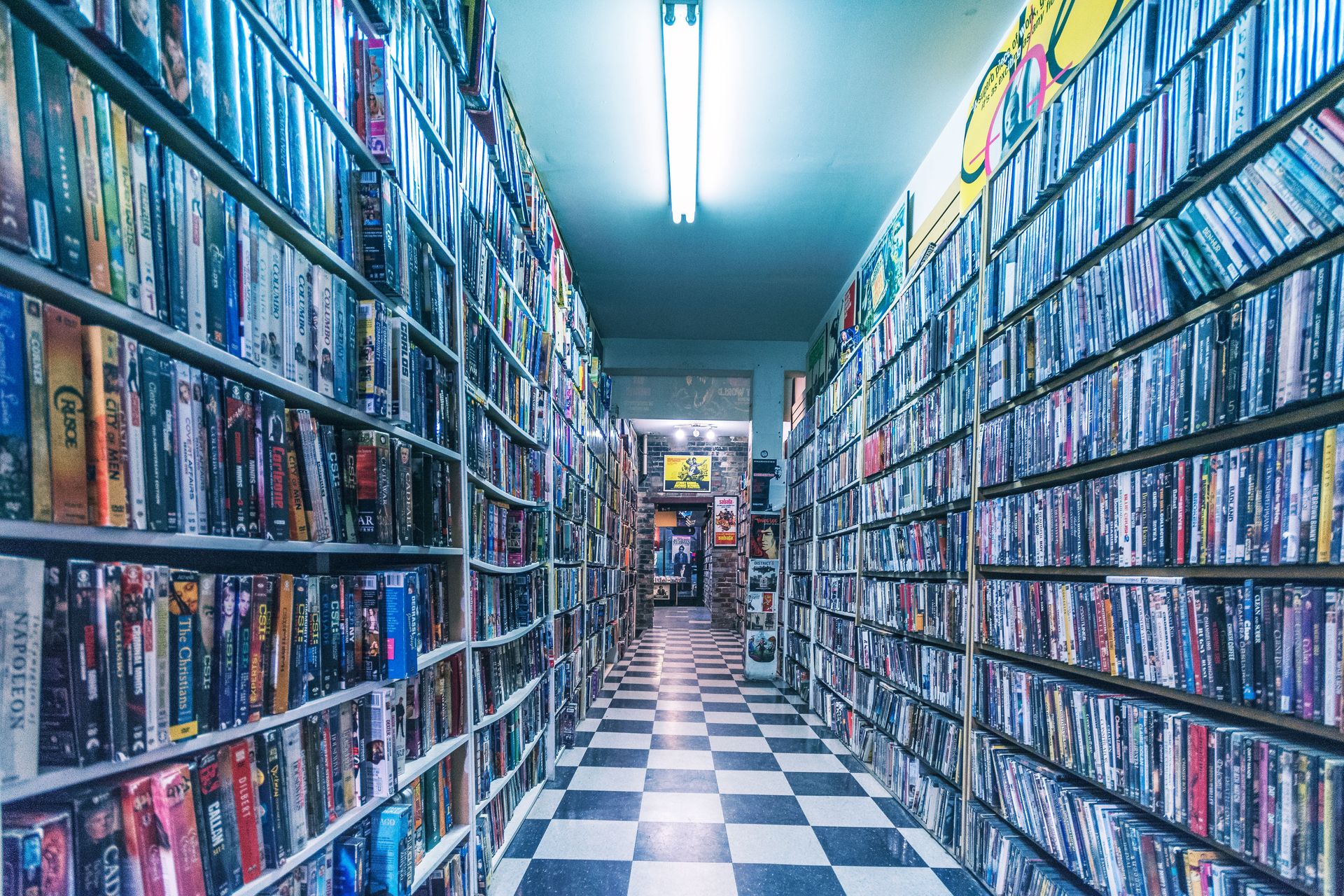
The transformation also hit video rental stores with particular force. Blockbuster Video, which had more than 9,000 locations at its peak in the early 2000s, filed for bankruptcy in 2010. The specific cause of its failure was exactly the shift Gates had described in 1995: people wanted to watch what they wanted when they wanted it, without driving to a store.
Where the prediction was less precise was in the timeline and the economics. Gates envisioned that the transition would be driven primarily by cable and telephone companies delivering content over wired networks — and while that infrastructure did matter, the actual disruption was led by an internet-based company most people in 1995 had never imagined. The mechanism was different from what Gates outlined, even if the outcome matched his forecast closely.
The video-on-demand prediction also illustrates how behavior-based forecasting, when done well, can be quite reliable. Gates wasn't predicting a specific technology — he was observing that viewers were already expressing a preference for control, and arguing that technology would eventually satisfy that preference. That kind of demand-side reasoning tends to hold up better than predictions tied to specific technical approaches.
The internet would fail and die
Credit: Ruben Boekeloo / Pexels
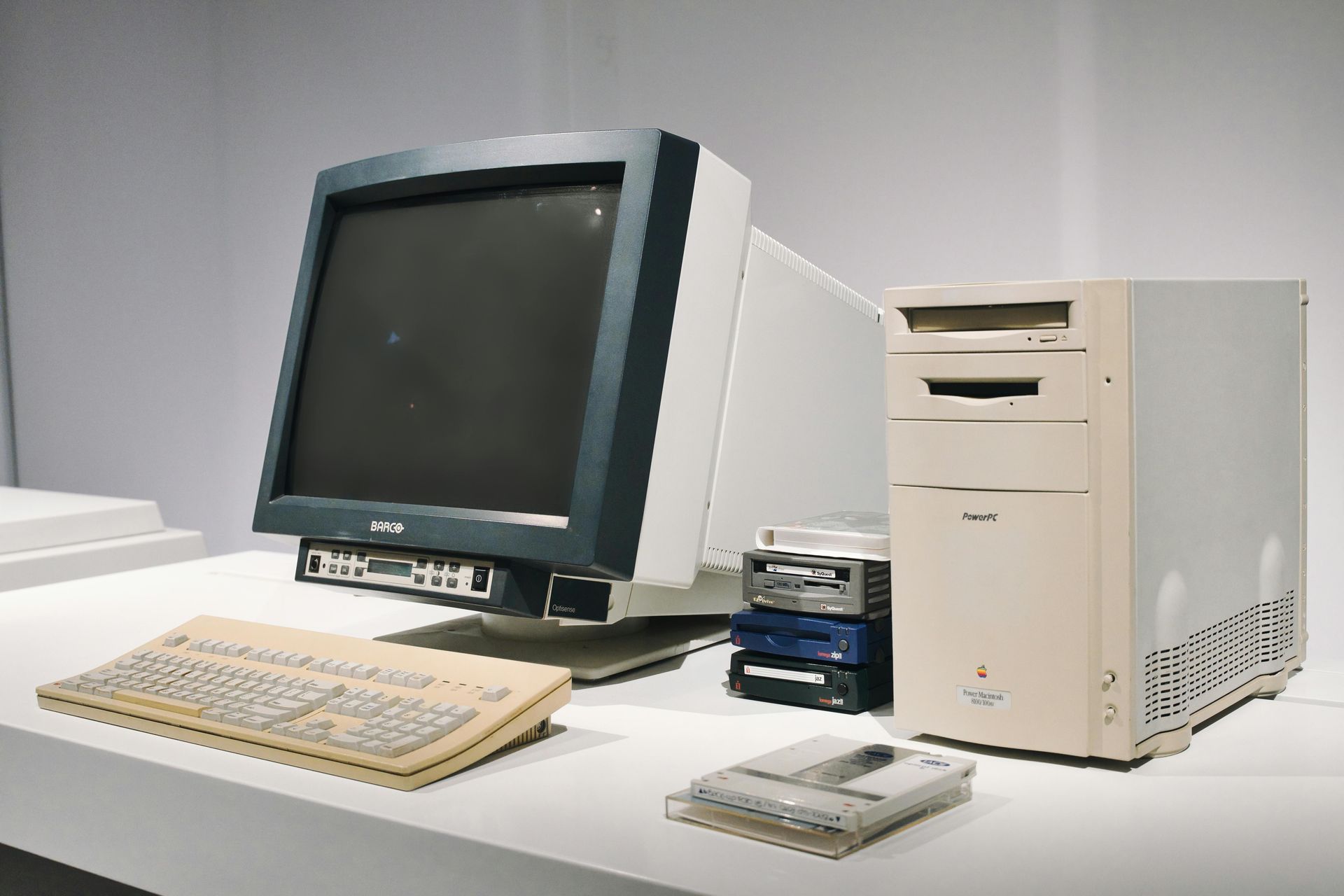
Perhaps no single document from the mid-1990s tech forecasting era has aged more poorly than Clifford Stoll's 1995 Newsweek article, titled "The Internet? Bah!" Stoll was not a fringe figure — he was a credentialed technologist with a genuine understanding of how networks worked. His 1989 book about catching a hacker had made him one of the most recognized science writers in America. When he declared that the internet would fail, people took him seriously.
His argument rested on a series of interlocking claims. The internet had no quality control, so information on it was unreliable. It had no business model, so serious companies wouldn't invest in it. It couldn't replace the newspaper because reading on screens was uncomfortable and impractical. Online communities were pale substitutes for real human contact. And the technology would plateau in the mid-1990s, leaving the internet permanently clunky and difficult to use.
"No online database will replace your daily newspaper," he wrote. "No CD-ROM can take the place of a competent teacher and no computer network will change the way government works."
Each of those claims was wrong. Online databases — Wikipedia, news sites, search engines — have fundamentally changed how people access information, to a degree that has reduced the circulation of daily newspapers in most developed countries by more than half since 2000. Online learning did not replace classrooms, but it scaled access to education in ways that physical institutions could not. And the internet changed the mechanics of political organizing, government communication, and public debate in ways that are still unfolding.
What makes Stoll's piece historically interesting is that some of his underlying anxieties proved prescient even as his conclusions failed. He was right that online communities would be different from face-to-face ones — and not always better. He was right that the internet would be full of unreliable information. He was right that something important would be lost in the shift from physical to digital. His error was translating those accurate observations into a conclusion that the internet would therefore fail, rather than recognizing that it would succeed with those problems intact.
Computers beating humans at chess
Credit: Pavel Danilyuk / Pexels
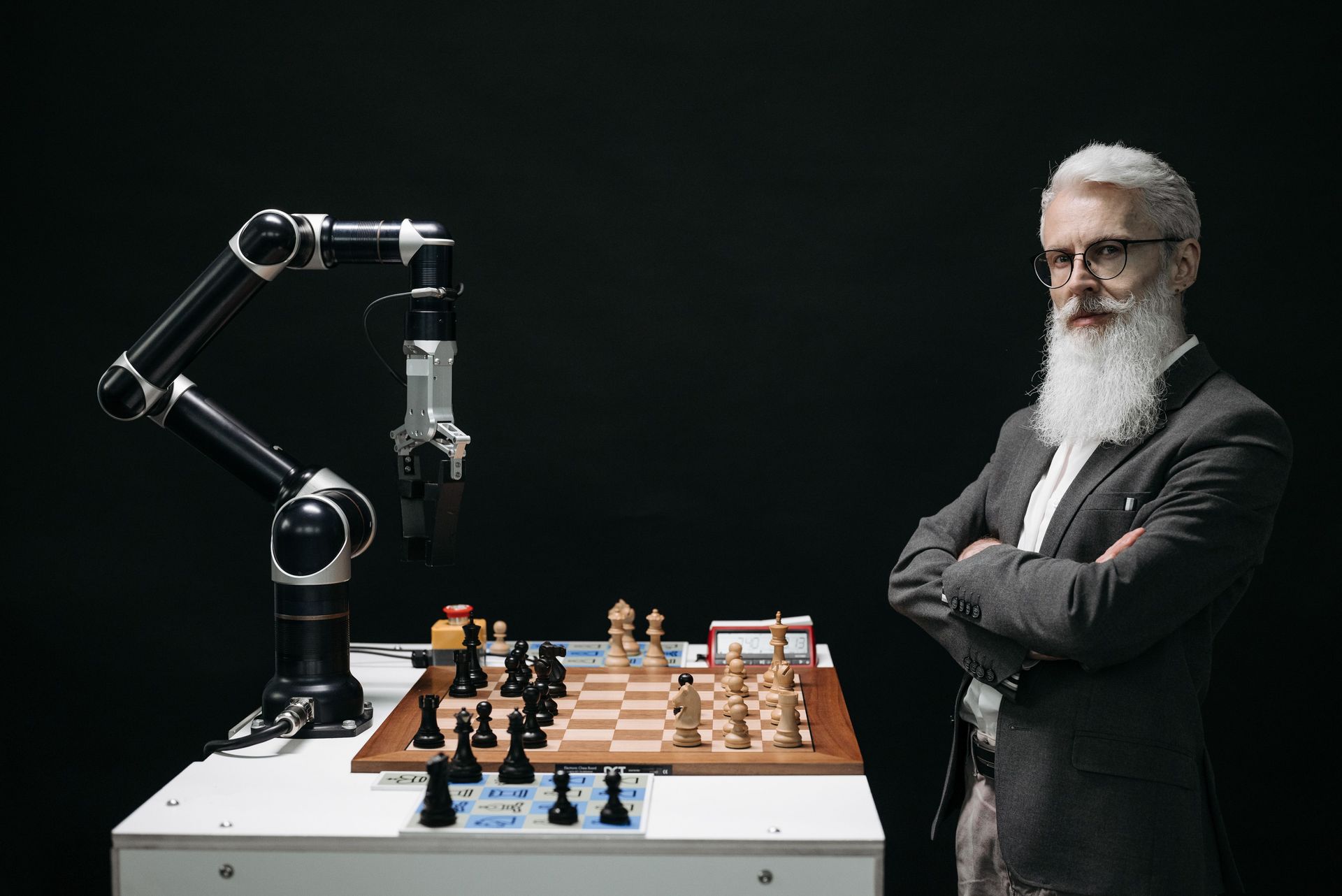
Ray Kurzweil, writing in 1990 in his book "The Age of Intelligent Machines," predicted that a computer would defeat the world chess champion by 2000. He was specific about the timeframe and confident about the outcome, at a time when most observers considered the idea remote.
IBM $IBM's Deep Blue defeated world chess champion Garry Kasparov in May 1997, three years ahead of Kurzweil's already-optimistic deadline. The match, held in New York over six games, produced one of the more iconic moments in the history of artificial intelligence. Kasparov won the first match in 1996, but IBM upgraded Deep Blue substantially before the 1997 rematch. The computer won the second match two games to one, with three draws.
The victory generated enormous attention and considerable anxiety. Chess had long been treated as a proxy for human intelligence — a game so demanding that mastery of it was considered a mark of exceptional cognitive ability. The idea that a machine could outperform the best human player in the world seemed to many like a meaningful threshold, even if chess was a finite, rule-bound game rather than a demonstration of general intelligence.
Kurzweil's prediction was accurate not just in its outcome but in its reasoning. He was not simply guessing. He was applying what he called the "law of accelerating returns" — his observation that computing power was increasing at an exponential rate, and that if you projected forward from where machines were in 1990, they would reach chess-level performance within a decade. The projection turned out to be correct.
What is notable about the chess prediction, in retrospect, is that it marked a turning point in public attitudes toward machine intelligence. Before Deep Blue, many people believed that human pattern recognition and strategic intuition were beyond what computers could replicate. After Deep Blue, that belief was harder to sustain. The prediction correctly identified that a boundary was about to be crossed — even if the exact nature and implications of that crossing were debated for years afterward.
By 2017, DeepMind's AlphaZero had gone further: it taught itself chess from scratch in four hours and then defeated Stockfish, the strongest conventional chess engine, decisively. Kurzweil's 1990 prediction about defeating a human champion turned out to be a very early step in a much longer progression.
The paperless office

Credit: David Yao / Unsplash
The paperless office was one of the most widely circulated technology predictions of the late 20th century. The concept had actually originated in a 1975 article in BusinessWeek, which suggested that the rise of computers would eliminate paper from the modern office within a decade. The prediction was recycled throughout the 1980s and 1990s as successive waves of technology — personal computers, email, the internet, document management software — arrived and promised to finally deliver on the premise.
By the mid-1990s, the paperless office had become a fixture of futurist thinking about the workplace. The logic was straightforward: if information could be stored, transmitted, and displayed digitally, why would anyone continue to generate physical paper documents? Office printers, fax machines, filing cabinets, and stationery would all become obsolete.
What happened instead was that paper consumption in offices actually increased through much of the 1990s and into the early 2000s. Printers became cheaper and faster. Email made it easier to produce and distribute documents, which many people immediately printed. The fax machine, predicted to disappear, became more common before eventually fading. The transition, when it came, was driven by the rise of mobile devices and cloud storage — technologies that weren't fully realized until the 2010s — rather than by desktop computing alone.
By the 2020s, paper use in offices had declined substantially relative to its peak, and many organizations had moved to genuinely digital workflows for most document types. In that sense, the prediction eventually proved directionally correct. But it missed the timeline by several decades and failed to anticipate the intermediate phase in which new technology increased rather than decreased paper use.
The paperless office prediction is a case study in the mistake of assuming that because a new technology makes something possible, the old behavior will disappear quickly. People's relationship with paper — the tactile experience, the ease of annotation, the physical permanence — turned out to be more durable than the forecasters had assumed.
Virtual reality would transform entertainment and work
Credit: freepik / Magnific
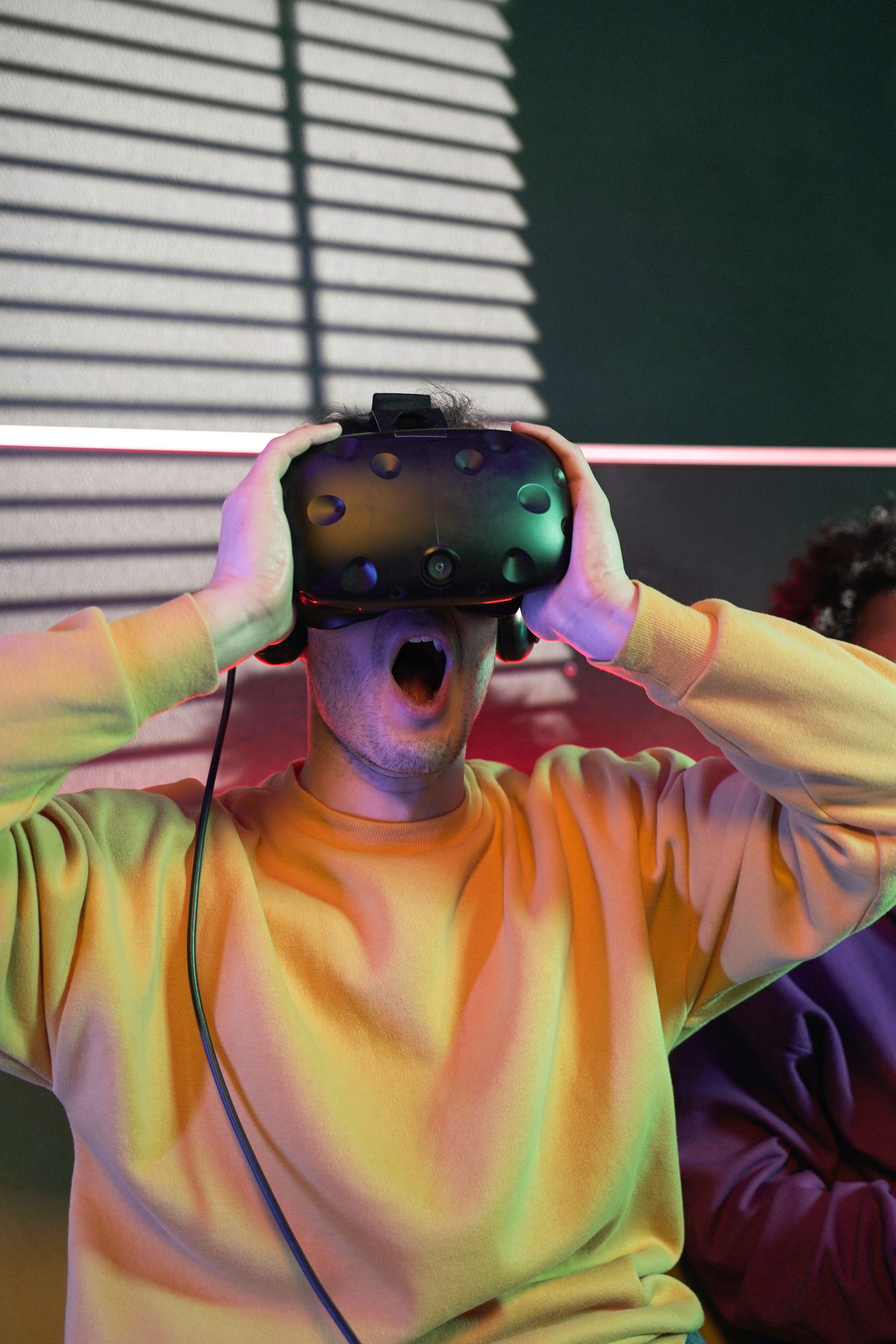
Virtual reality was one of the most talked-about emerging technologies of the early 1990s. Jaron Lanier, who had founded a VR company called VPL Research in the mid-1980s, had popularized the term and made the technology famous through media coverage and demonstrations. By 1993 and 1994, VR was widely expected to become a mainstream medium within a few years, transforming how people played games, trained for jobs, and experienced entertainment.
The specific claims varied, but the general forecast was that affordable VR headsets would be commonplace by the late 1990s or early 2000s. Arcades and entertainment centers would offer immersive experiences. Home gaming would transition to fully three-dimensional virtual environments. Training applications in medicine, the military, and manufacturing would become routine. Some forecasters predicted that VR would eventually replace physical travel for meetings and social interactions.
The first wave of VR, represented by products like the Sega VR headset (announced 1991, never commercially released), the Nintendo Virtual Boy (1995), and various arcade machines, arrived and largely failed. The technology was primitive: low-resolution displays, processing speeds insufficient to prevent motion sickness, and headsets that were heavy and expensive. Consumer VR effectively went dormant through most of the late 1990s and 2000s.
The second wave, led by the Oculus Rift after its 2012 Kickstarter campaign, delivered on some of what the early forecasters had promised. Meta $META (formerly Facebook) acquired Oculus in 2014 for approximately two billion dollars and eventually released consumer headsets. By the mid-2020s, VR and mixed-reality headsets were used in gaming, industrial training, architectural visualization, and medical simulation — but the mass-market transformation the 1990s forecasters had anticipated had not arrived. The technology worked; adoption remained narrower than predicted.
The VR prediction was right about the direction of the technology but wrong about the pace and the scale. It assumed that once functional VR existed, adoption would be rapid and widespread. It didn't account for the persistent gap between what enthusiasts and early adopters would tolerate and what a general consumer would find appealing enough to justify the cost and friction.
The internet would stay a niche tool for academics
Credit: MART PRODUCTION / Pexels
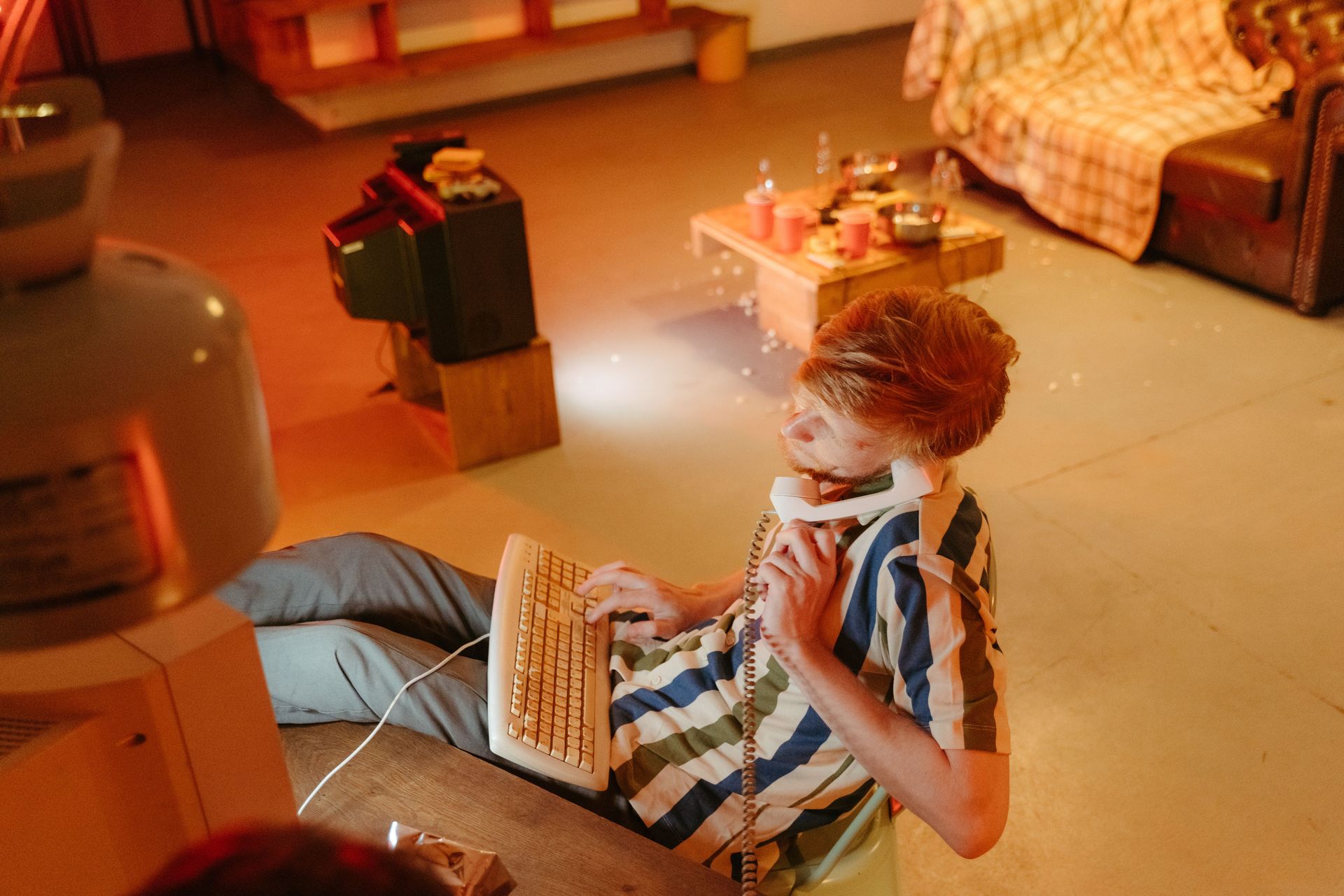
It is easy to forget, from the vantage point of the 2020s, how many technically informed people in the early 1990s believed the internet would remain a specialized tool for researchers and computer professionals. This was not a fringe position. Through much of 1993 and into 1994, the network was genuinely difficult to use: access required a university affiliation or a technical background, and the tools for navigating it were arcane.
The introduction of Mosaic, the first web browser designed for ordinary users, in 1993, and Netscape Navigator in 1994, changed the technical picture significantly. But even after these tools arrived, skepticism about mass adoption was common. Critics pointed out that internet access was expensive, that most people had no reason to use the network in their daily lives, and that the content available was thin and often unreliable.
The forecast that the internet would remain niche collapsed quickly. In 1993, the internet had roughly 14 million users worldwide, most of them in universities and research institutions. By 2000, that number had grown to approximately 361 million. By 2010, nearly two billion people were online. By the mid-2020s, the number exceeded five billion — more than 60 percent of the world's population.
The speed of that growth was not predicted even by most of the internet's advocates. The combination of dropping access costs, improving browser technology, the arrival of compelling commercial content, and eventually the smartphone created a curve of adoption that exceeded most projections. The prediction that the internet would stay niche underestimated how quickly the barriers to access would fall and how powerful the incentives to join the network would become once a critical mass of people were already on it.
This case also illustrates how predictions about technology adoption often founder on the network effect. A technology's value grows with the number of people using it, which means that adoption tends to accelerate in ways that linear projections miss. The internet in 1993 was indeed a niche tool. It did not stay that way because the value of being connected grew faster than the cost of getting connected fell.
Wearable computers
Credit: Ingo Joseph / Pexels
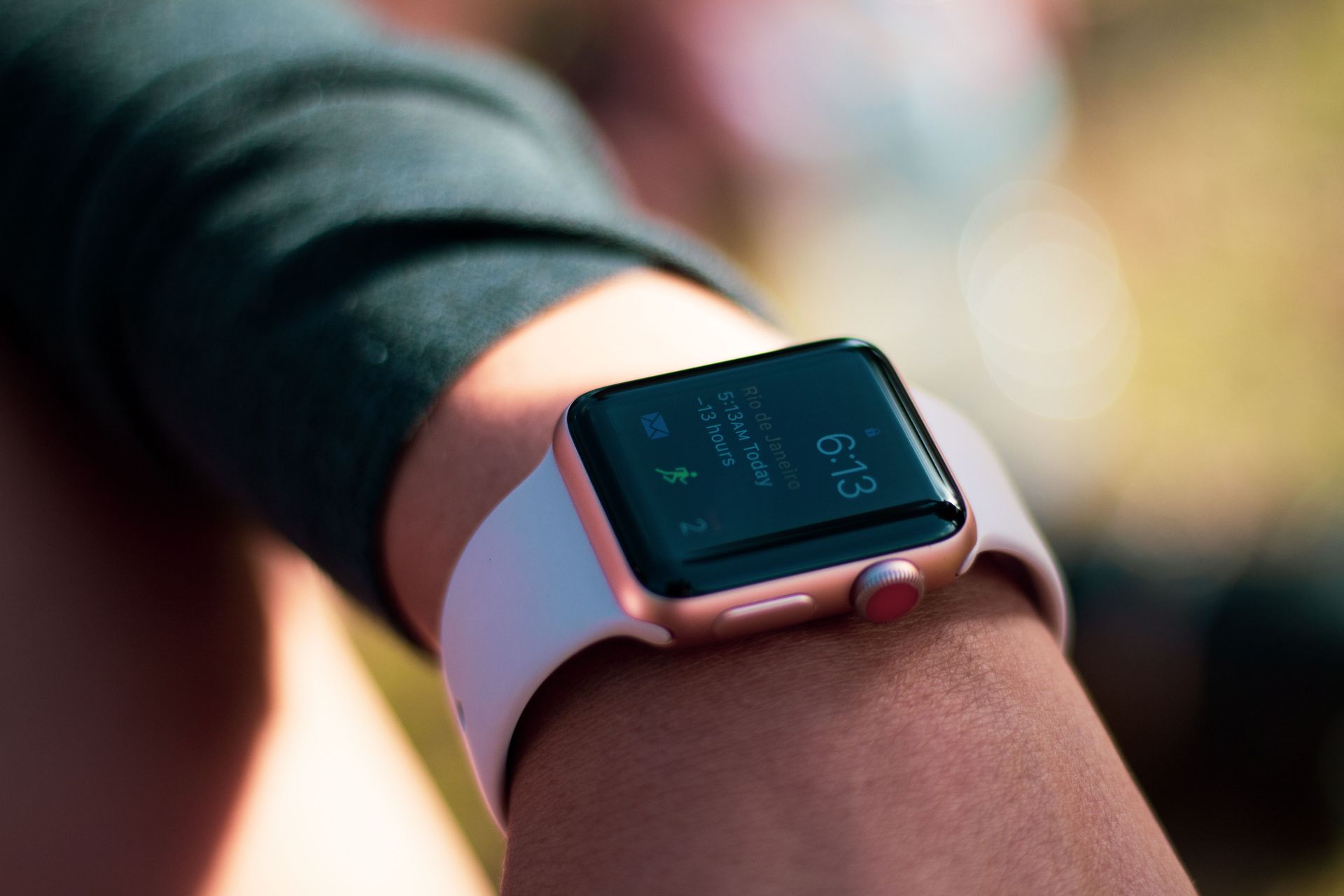
The idea of computers worn on the body was taken seriously in academic circles during the mid-1990s, primarily through work being done at the MIT Media Lab under Steve Mann and others. The basic concept was that computing would become personal in a literal sense — integrated into clothing or accessories, providing ambient information and capabilities without requiring a person to sit at a desk.
Specific predictions included glasses that would display information in the wearer's field of view, wristwatch computers with communication capabilities, and garments embedded with sensors that monitored health metrics. These ideas were demonstrated in laboratory settings during the 1990s, and a small community of researchers genuinely wore prototype computing devices as a way of life.
The consumer reality took considerably longer to arrive than the early researchers anticipated. The first mainstream smartwatch products launched around 2013 and 2014, with the Apple $AAPL Watch released in 2015. Fitness trackers like the Fitbit, which monitored steps and heart rate, became popular in the early 2010s. Smart glasses remained an elusive product: Google $GOOGL Glass launched in limited form in 2013 and generated significant media attention but failed to achieve consumer acceptance before being pulled from the market.
By the mid-2020s, smartwatches and fitness trackers had become genuinely mainstream, with hundreds of millions of units sold annually. Apple Watch had become one of the best-selling wearable devices in history. The health monitoring functions that 1990s researchers had imagined — heart rate, blood oxygen, sleep tracking, electrocardiogram readings — were built into consumer products worn by tens of millions of people.
Kurzweil had included wearable computing in his own forecasts during the 1990s. Looking back at those predictions a decade later, he noted that portable computers had shrunk from devices carried under the arm to items worn on the wrist or clipped to a belt — and identified this as a confirmation of the general trajectory he had described. The prediction was correct; the timeline was stretched by about a decade from the most optimistic estimates.
Flying cars and personal air travel

Credit: Amr Taha™ / Unsplash
Flying cars were among the most persistent unfulfilled promises in the history of technological forecasting. The prediction had deep roots — the 1960s Jetsons cartoon was itself drawing on a tradition of flying-car optimism that stretched back to the 1920s — but by the 1990s it had been recycled through so many cycles of forecasting that it had acquired the status of a cliché.
Popular science publications and futurists in the early-to-mid 1990s continued to predict that personal air vehicles would be commonplace by the early 2000s or 2010s. The reasoning was that advances in materials, computing, and propulsion would eventually make vertical takeoff vehicles affordable and safe enough for widespread ownership. Several companies were working on prototype designs, and some earnest forecasters pointed to these efforts as evidence that the flying car was finally imminent.
None of the designs reached mass production. The Moller Skycar, one of the most publicized prototypes of the era, spent decades in development without delivering a commercially viable product. The Terrafugia Transition, a roadable airplane rather than a true flying car, reached limited production but remained a niche product with a price tag of hundreds of thousands of dollars.
The obstacles were not primarily technological in the narrow sense. The physics of vertical flight required far more power than horizontal travel, making fuel costs prohibitive for everyday use. Airspace regulation would have required fundamental redesign to accommodate millions of individually piloted aircraft. The training requirements for safe operation were far more demanding than a driver's license. And the consequences of mechanical failure at altitude were categorically different from a car breaking down on a highway.
By the 2020s, electric vertical takeoff and landing vehicles — eVTOLs — had attracted significant investment from aviation companies and startups, and a small number were entering limited commercial service as air taxis in specific urban corridors. These are closer to the flying-car vision than anything that existed in the 1990s, but they are shared vehicles operated by professionals in regulated airspace, not personal aircraft owned by ordinary households. The dream of the flying car remains largely unfulfilled.
The 'Daily Me' and personalized media
Credit: cottonbro studio / Pexels
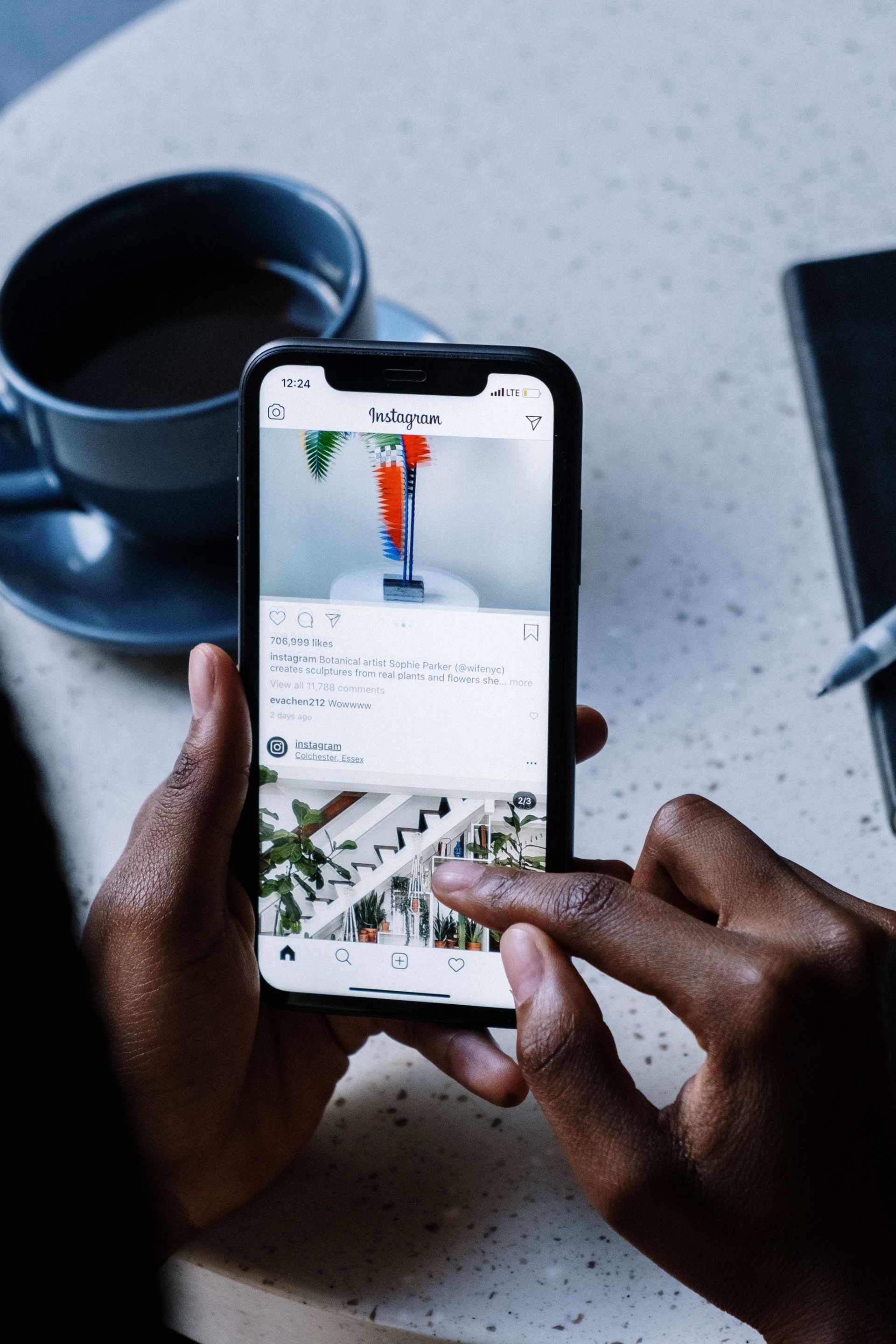
Nicholas Negroponte, writing in "Being Digital" in 1995, introduced a concept he called the "Daily Me" — a personalized information feed tailored specifically to an individual's interests, reading habits, location, and preferences. Rather than a newspaper selected by editors for a mass audience, the "Daily Me" would be assembled by software that knew what each reader cared about and delivered only that.
The prediction was prescient in a literal sense. The algorithmic feeds that power Facebook $META, TikTok, YouTube, Twitter $TWTR, and virtually every major content platform are essentially implementations of the "Daily Me" concept. Each user's feed is constructed by software that learns from their behavior and attempts to surface content they are likely to engage with. The personalization Negroponte described in 1995 is now a foundational feature of the information environment experienced by billions of people.
But Negroponte was optimistic about the consequences in ways that subsequent events challenged. He presented personalization as a way to give people more of what they wanted and less of what they didn't — a reasonable description of the user experience. What he did not fully model was what happens to public discourse when individuals are increasingly exposed only to information that confirms their existing views, and what incentives platforms would have to optimize for engagement rather than accuracy or depth.
Cass Sunstein, the legal scholar, later criticized Negroponte's concept precisely on these grounds, arguing that the "Daily Me" — realized as the algorithmic filter bubble — contributed to political polarization and the erosion of the shared informational commons that democratic societies depend on. Negroponte's technological prediction was accurate; his social prediction was more complicated.
The "Daily Me" case is a useful illustration of a recurrent problem in technology forecasting: accurately predicting a technology's features while underestimating its systemic effects. The personalized feed arrived largely as Negroponte described. Its consequences for public life were different from what he anticipated.
GPS navigation for consumers
Credit: Dithira Hettiarachchi / Unsplash
The Global Positioning System — a network of satellites operated by the U.S. Department of Defense — had been under development since the 1970s and became fully operational for military use in 1993. In the early-to-mid 1990s, several forecasters and technology writers predicted that GPS would eventually move from military and professional applications to consumer use, transforming navigation for ordinary drivers and travelers.
Bill Gates was among those who anticipated this shift. His 1995 description of the wallet PC included the prediction that GPS receivers would be built into such devices, allowing them to "tell you where you are anyplace on the face of the Earth" and to navigate while traveling on real roads.
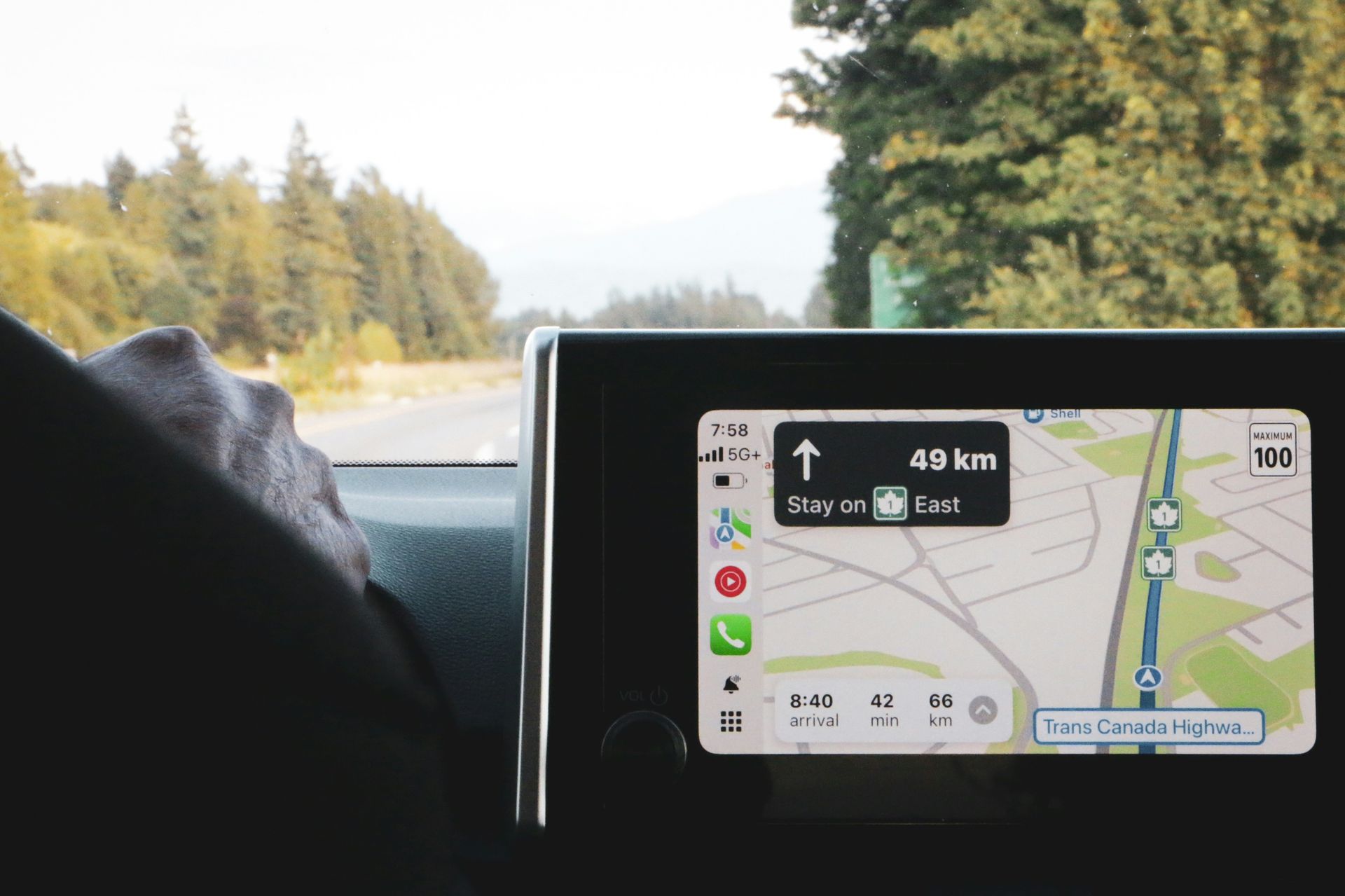
The transition happened faster than some predicted. Consumer GPS devices from companies like Garmin and TomTom became popular in the early 2000s. The U.S. government turned off "Selective Availability" — the deliberate degradation of GPS signals for civilian use — in May 2000, which immediately improved the accuracy available to consumer devices. Google $GOOGL Maps launched in 2005 and became one of the most widely used applications on the internet. When GPS became a standard feature in smartphones, starting around 2007 and 2008, navigation moved from standalone devices to the pocket computer that billions of people already carried.
By the mid-2010s, turn-by-turn navigation from a smartphone had become so ubiquitous that dedicated GPS devices had largely disappeared from consumer electronics stores. The prediction that GPS would transform everyday navigation was entirely correct. What the forecasters of the mid-1990s could not have anticipated was how completely navigation would merge with broader smartphone usage rather than remaining a standalone device category.
The GPS case is interesting because it shows accurate prediction driven by knowledge of existing infrastructure. The satellite network already existed; the question was purely about when civilian access would become cheap and accurate enough for mass adoption. Forecasters who understood the military system correctly identified that the consumer transition was a matter of policy and cost rather than fundamental technology.
Telecommuting would become mainstream

Credit: Anna Shvets / Pexels
The prediction that employees would work from home using communication technologies — what was then called telecommuting — was widespread in the technology literature of the mid-1990s. Wired magazine ran articles on the subject in 1995. The Futurist magazine treated remote work as an inevitable development. The basic logic was sound: if digital networks could carry information anywhere, why did knowledge workers need to be physically present in offices?
The prediction was accurate but arrived on a very different timeline than most forecasters assumed. Through the late 1990s and 2000s, remote work remained a minority arrangement, practiced by some workers in specific industries but far from mainstream. Employers resisted it, citing concerns about supervision, collaboration, and culture. The tools existed — email, video conferencing, file sharing — but adoption was limited.
The COVID-19 pandemic, which began in 2020, forced a global experiment in remote work that the 1990s forecasters had imagined but could not have predicted the specific mechanism for. Within weeks of lockdowns beginning in March 2020, a substantial share of the knowledge-worker workforce in developed economies had shifted to working from home. The tools that had existed for years but seen limited use — Zoom $ZM, Slack $WORK, Microsoft $MSFT Teams — suddenly became essential infrastructure.
By 2022 and beyond, hybrid work arrangements — some days in the office, some days remote — had become the norm in many sectors, exactly the kind of partial adoption that the most measured 1990s forecasters had described. The prediction that communication technology would enable remote work was correct. The timeline was off by about two decades, and it ultimately required a global health crisis rather than gradual adoption to trigger the shift at scale.
This case suggests that technology predictions sometimes miss not because they're wrong about what's possible but because they fail to model the social and organizational inertia that slows adoption.
Robots doing household chores
Credit: Kindel Media / Pexels
Domestic robots — machines that would vacuum, cook, do laundry, and generally manage the physical maintenance of a home — were a staple of 1990s technology forecasting. The specific predictions varied, but the broad expectation was that by the early 2000s or 2010s, robots capable of performing routine household tasks would be commercially available and relatively affordable.
The reasoning drew on two observable trends: computing power was increasing exponentially, and robotic hardware was becoming cheaper. If those trends continued, the argument went, it was only a matter of time before machines could handle the physical tasks that consumed hours of household labor each week.
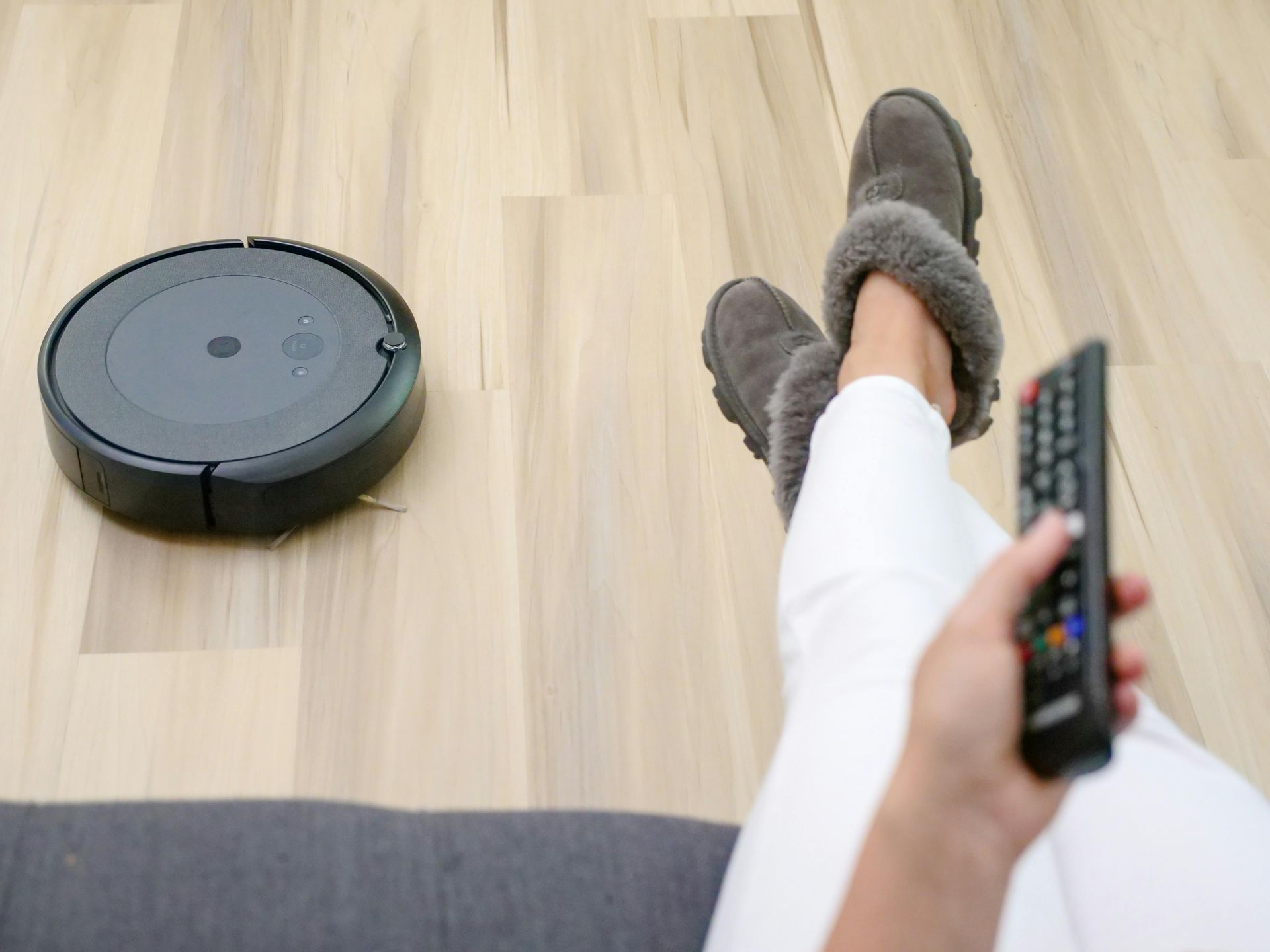
The Roomba, introduced by iRobot in 2002, was the most commercially successful product to emerge from this vision — a disc-shaped robot that navigated floors autonomously and vacuumed without human guidance. It was a genuine consumer product at a consumer price, and it sold in the tens of millions over the following two decades. But it operated in two dimensions, on flat floors, doing one specific task. It was not the general-purpose domestic robot that 1990s forecasters had imagined.
By the mid-2020s, robotic systems had become sophisticated enough to perform individual household tasks in laboratory conditions. Boston Dynamics had produced robots capable of impressive physical feats. A range of companies were working on household robot assistants. But a genuinely useful general-purpose home robot — one that could load a dishwasher, fold laundry, and clean a bathroom — remained largely out of reach for ordinary consumers.
The household robot prediction underestimated the extraordinary difficulty of what is sometimes called "Moravec's paradox" — the observation that tasks requiring high-level reasoning are often easier for machines than tasks that seem simple to humans, like picking up a glass without breaking it or navigating a cluttered living room. The physical world is messier, more variable, and harder to model than the forecasters of the 1990s assumed.
The music industry would be destroyed by digital distribution
Credit: Mari M / Pexels
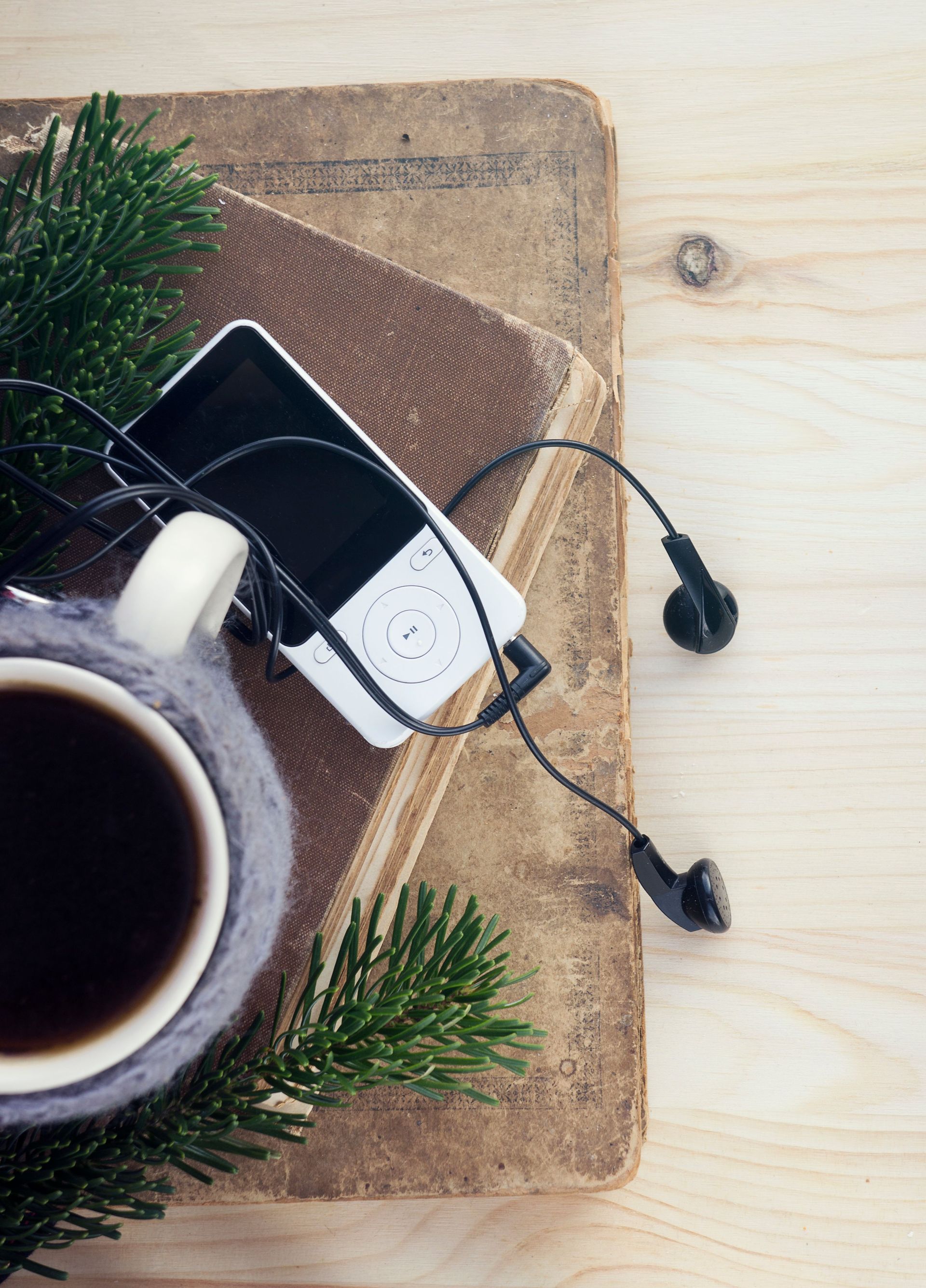
The disruption of the music industry by digital distribution was anticipated in general terms by several technology writers in the mid-1990s. The core prediction was that the ability to distribute music digitally — first through downloads, then through streaming — would destroy the economics of the traditional record industry, which depended on selling physical media at high margins.
The MP3 format, developed by a team at the Fraunhofer Society in Germany, was released in 1993. Its significance was not immediately obvious to the music industry, but a small number of observers correctly identified that a format capable of compressing audio files to a fraction of their original size would eventually change how music was distributed and sold.
Napster launched in June 1999 and made the disruption visible in a way that could not be ignored. The file-sharing platform allowed users to share MP3 files directly with each other, circumventing the record labels entirely. At its peak, Napster had approximately 80 million registered users before it was shut down following legal action by the Recording Industry Association of America in 2001.
The broader prediction — that digital distribution would transform music economics — proved accurate in almost every particular. CD sales, which reached their peak in the late 1990s, collapsed through the 2000s. Physical music retail largely disappeared. iTunes, launched by Apple $AAPL in 2003, demonstrated that people would pay for digital downloads if the price and convenience were right. Streaming services, led by Spotify $SPOT (launched in 2008) and later Apple Music, shifted the model again, from ownership to access.
The forecasters who predicted digital disruption were right about the direction but varied in their predictions about what would replace the old model. Many assumed that the elimination of physical distribution costs would simply make music cheaper and more accessible; fewer anticipated that streaming would settle into a model where artists received a small fraction of a cent per stream and the economics of the music business would concentrate in live performance and licensing rather than recording.
The internet would change how governments communicate

Credit: Life Matters / Pexels
The prediction that the internet would change government communication was widespread in the mid-1990s, though it took several distinct forms. The optimistic version held that digital communication would make governments more transparent, more responsive, and more directly accountable to citizens. A somewhat different version predicted that the internet would enable new forms of political organizing that would shift the balance of power between citizens and institutions.
Clifford Stoll, notably, dismissed the more optimistic version of this prediction outright. "No computer network will change the way government works," he wrote in 1995 — a claim that now reads as one of his more striking miscalculations.
The transformation of government communication by the internet has been both deeper and stranger than either the optimists or the pessimists of the 1990s anticipated. U.S. government websites proliferated through the late 1990s and 2000s, making a vast amount of previously inaccessible information available to the public. The Howard Dean presidential campaign in 2003 and 2004 demonstrated that the internet could be used for political fundraising and organizing at a scale that changed how campaigns worked. Barack Obama's 2008 campaign built on Dean's model and became the first major example of a campaign that used digital organizing as a primary strategic tool.
By the 2010s, social media had given political figures direct access to the public that bypassed traditional media entirely. The Arab Spring of 2010 and 2011 demonstrated that social platforms could enable political organizing at a speed and scale that existing governments struggled to counter. The 2016 U.S. presidential election showed that social media could also be weaponized for disinformation in ways that had not been fully anticipated.
The prediction that the internet would change government communication was correct. The manner in which it changed — encompassing both genuine increases in transparency and new vectors for manipulation and polarization — exceeded what most 1990s forecasters had mapped.
The decline of newspapers and print media

Credit: Digital Buggu / Pexels
The prediction that the internet would displace newspapers and print journalism was advanced with varying degrees of confidence in the mid-1990s. Negroponte argued that the personalized "Daily Me" would make the general-interest newspaper obsolete. Other forecasters pointed to the economics: if news could be distributed digitally at near-zero marginal cost, the expensive infrastructure of printing and distribution would become a competitive liability.
Clifford Stoll, again, took the opposite position. He argued that no online database would replace the daily newspaper and that the tactile, portable, serendipitous experience of reading a paper edition was irreplaceable.
The record shows a complex partial confirmation. Daily newspaper circulation in the U.S. peaked around 1984 and declined slowly through the 1990s before falling precipitously in the 2000s as digital advertising migrated to internet platforms. Classified advertising, which had been a major revenue source for local newspapers, moved almost entirely to sites like Craigslist and later to various vertical platforms. Print newspaper revenues in the U.S. fell from approximately $49 billion in 2005 to under $15 billion by the early 2020s, a collapse that eliminated thousands of journalism jobs and left large portions of the country with significantly reduced local news coverage.
But newspapers did not disappear. The largest national papers — the New York Times, the Washington Post, the Wall Street Journal — transitioned successfully to digital subscription models and reached larger audiences online than they had ever had in print. Investigative journalism continued. The prediction that print would be displaced was correct; the prediction that journalism itself would be replaced by personalized information feeds proved more complicated.
The experience of the newspaper industry illustrates how predictions about technology-driven disruption often correctly identify the direction of change but underestimate the resilience of existing institutions that successfully adapt.
The smart home
Credit: Jonathan Borba / Pexels
The idea that networked technology would eventually manage homes — controlling temperature, security, lighting, and appliances through digital systems — appeared in technology writing throughout the mid-1990s. Gates devoted significant space to this vision in "The Road Ahead," describing a home in which digital systems tracked occupants' preferences and adjusted the environment accordingly. As a guest entered a room, the lighting and temperature would shift to that person's recorded preferences. Music would follow them from room to room.
Gates was actually building such a house at the time of writing — the construction of what became known as "Xanadu 2.0," his home outside Seattle, began in the early 1990s and incorporated numerous networked systems. The house was widely covered in the press and treated as a preview of what technology would eventually make possible for ordinary consumers.
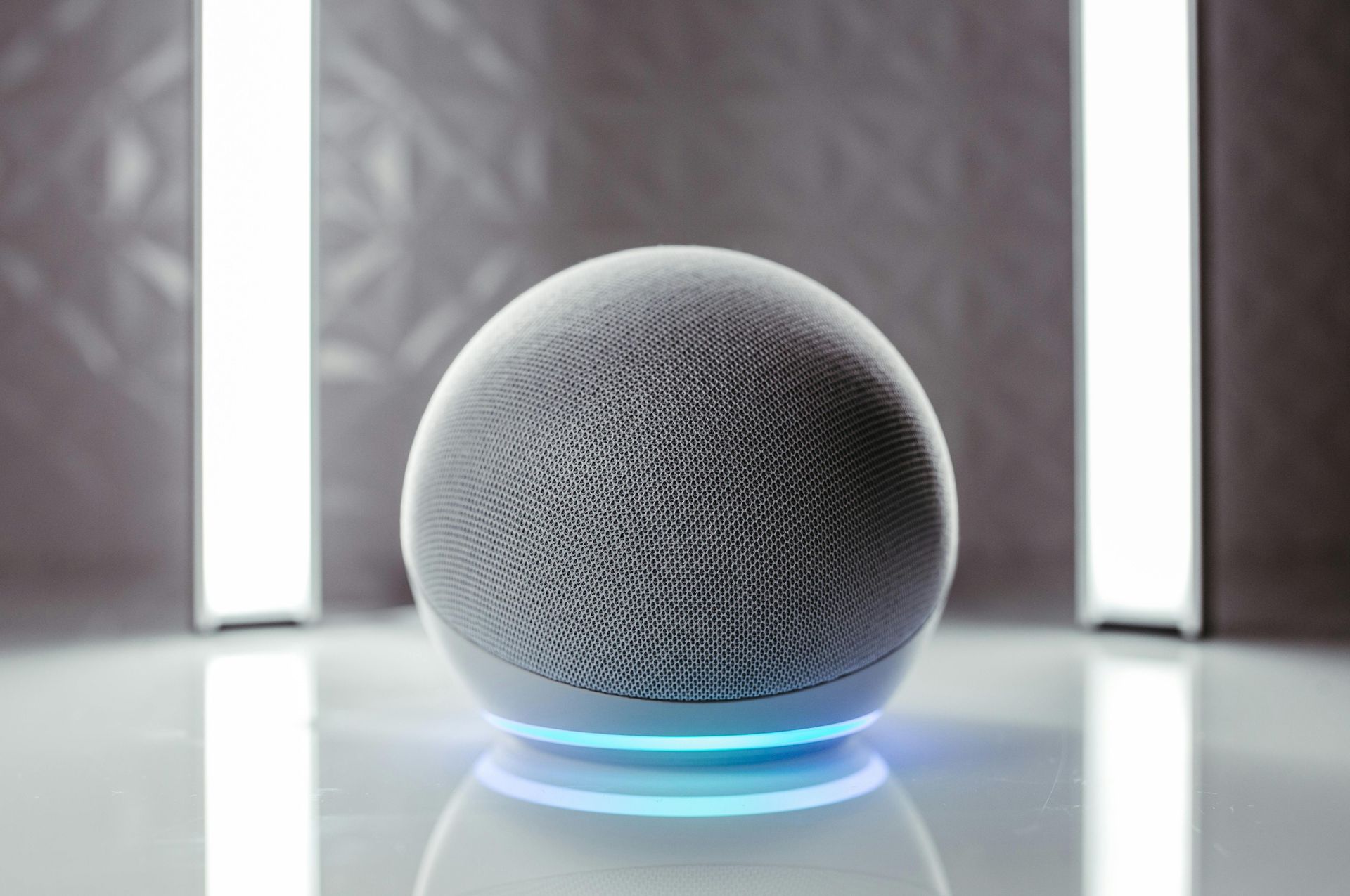
The smart home did arrive, but on a slower timeline than the mid-1990s optimists anticipated, and its popular form was somewhat different from what Gates described. Amazon $AMZN's Echo, introduced in 2014, and the subsequent proliferation of smart speakers made voice-activated home control familiar to tens of millions of households. Nest, acquired by Google $GOOGL in 2014, brought networked thermostats to consumers. Smart lighting systems, video doorbells, and connected security cameras became consumer products in the 2010s.
By the mid-2020s, a smart home setup was affordable and available to any consumer willing to spend a moderate amount. But the seamless, anticipatory system Gates described — one that proactively adjusted to individual preferences without user input — remained more of an aspiration than a standard consumer experience. Most smart home devices still required deliberate commands rather than inferring preferences automatically.
The smart home prediction was directionally accurate but optimistic about the sophistication of the consumer experience that would result from the technology's deployment.
Nanotechnology would transform medicine

Credit: Google DeepMind / Pexels
Nanotechnology — the manipulation of matter at the scale of individual molecules and atoms — was one of the more speculative predictions circulating in technology circles during the 1990s. The concept had been popularized by K. Eric Drexler's 1986 book "Engines of Creation," and by the early 1990s it had attracted genuine scientific attention as well as a great deal of futurist speculation.
The most ambitious version of the prediction held that by the early 2000s or 2010s, molecular machines would be capable of performing medical procedures at the cellular level — targeting cancer cells, repairing damaged tissue, clearing arterial blockages. Kurzweil included nanotech medicine in his own forecasts from the 1990s, predicting that nanobots circulating in the bloodstream would become a medical reality within a few decades.
What emerged from the nanotechnology research of the following decades was genuinely significant but quite different from the most dramatic predictions. Nanoscale drug delivery systems — particles engineered to carry therapeutics directly to specific cells — became a real and important field of medicine. Nanoparticle-based formulations were used in cancer treatment. The lipid nanoparticles used to deliver mRNA in the COVID-19 vaccines developed by Pfizer $PFE-BioNTech and Moderna $MRNA represented a significant application of nano-scale engineering to medicine.
But the self-replicating molecular machines and freely circulating nanobots of the most enthusiastic forecasts had not arrived by the mid-2020s. The field had moved more slowly than predicted, and some of Drexler's original theoretical claims about molecular assembly had been challenged by other scientists. The prediction that nanotechnology would transform medicine was correct in the modest sense that nanoscale engineering had entered clinical applications; it was incorrect in the grander sense of molecular machines performing autonomous repairs inside the body.
Artificial intelligence would handle language
Credit: Matheus Bertelli / Pexels
Predictions about artificial intelligence in the mid-1990s varied enormously in their scope and specificity. One category of prediction that tracked with events fairly well was the forecast that computers would eventually handle natural language — understanding speech, generating text, and translating between languages — at levels of fluency that would make them practically useful tools.
Kurzweil predicted in the early 1990s that computers would be capable of passing the Turing Test — convincingly imitating human conversation to the point where a human judge could not reliably tell the difference — by 2029. He was specific about the decade and publicly maintained the prediction through subsequent years.
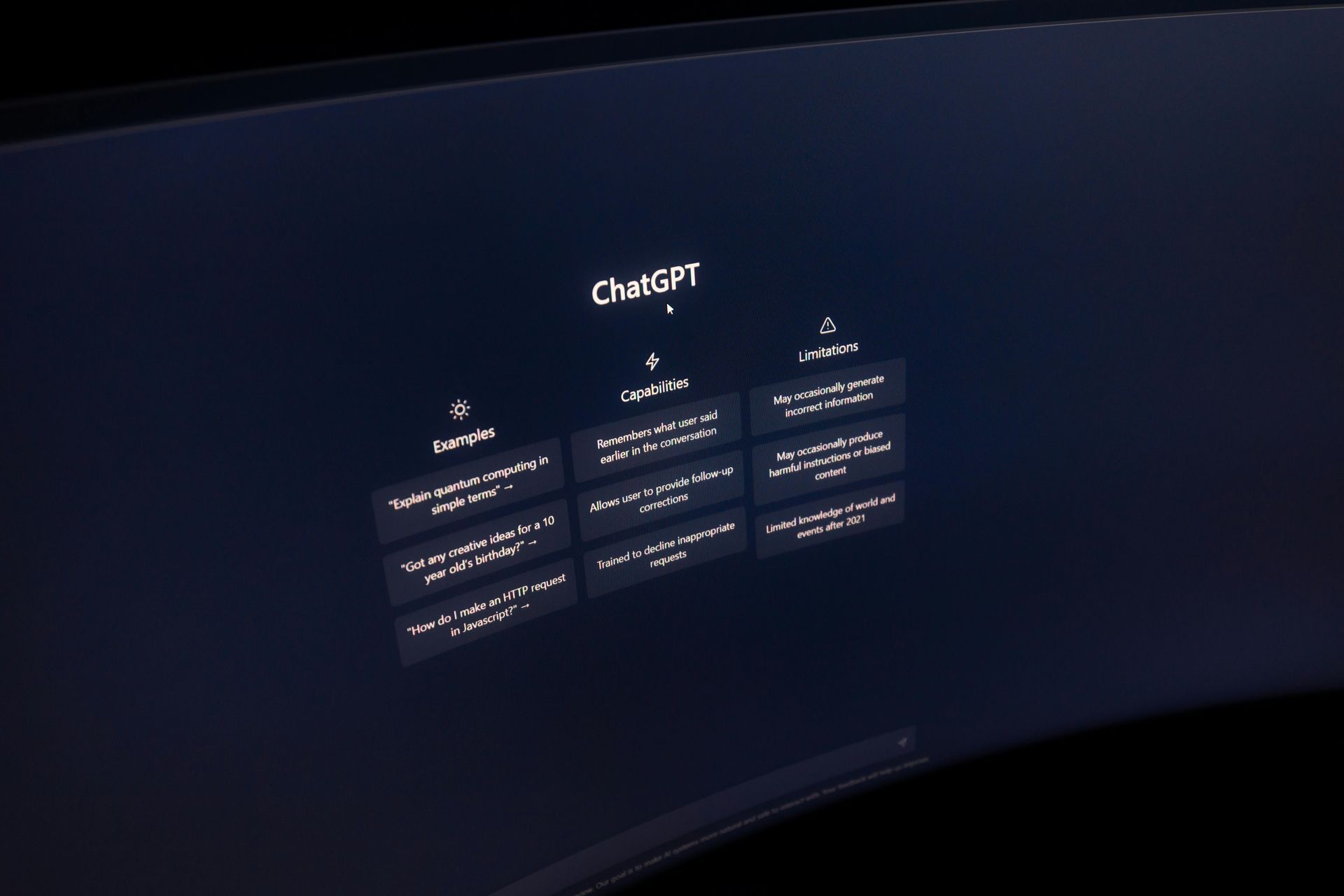
The actual development of language AI proceeded along a path that the 1990s forecasters had not mapped precisely. Early systems — voice recognition software, machine translation tools — improved steadily through the 2000s and 2010s but remained limited in ways that were easy to identify. The arrival of large language models, beginning with the GPT series from OpenAI and accelerating sharply with GPT-3 in 2020 and GPT-4 in 2023, changed the picture dramatically. These systems could generate fluent text, answer questions, summarize documents, and carry on extended conversations in ways that would have seemed implausible even to optimistic forecasters of the mid-1990s.
Whether systems like GPT-4, Claude, and Gemini constituted "passing the Turing Test" in the sense Kurzweil meant was debated. They could produce text that was often indistinguishable from human writing. They could also make systematic errors that revealed their nature. The broad prediction — that AI would become genuinely useful for language tasks — proved correct. The specific benchmark of the Turing Test, and what "passing" it would mean, remained contested.
Digital cash and the end of physical wallets
Credit: www.kaboompics.com / Pexels
The prediction that digital money would replace physical cash and credit cards was widely circulated in the mid-1990s, driven partly by the obvious logic of a networked economy and partly by specific technical efforts to create digital currency systems. Gates devoted attention to digital cash in "The Road Ahead," describing systems that would allow financial transactions to flow across the network as easily as information.
The early attempts at internet-based digital currency — DigiCash, founded by cryptographer David Chaum, was the most notable — failed to achieve mass adoption in the 1990s. DigiCash filed for bankruptcy in 1998 after failing to secure enough partnerships with banks and retailers.
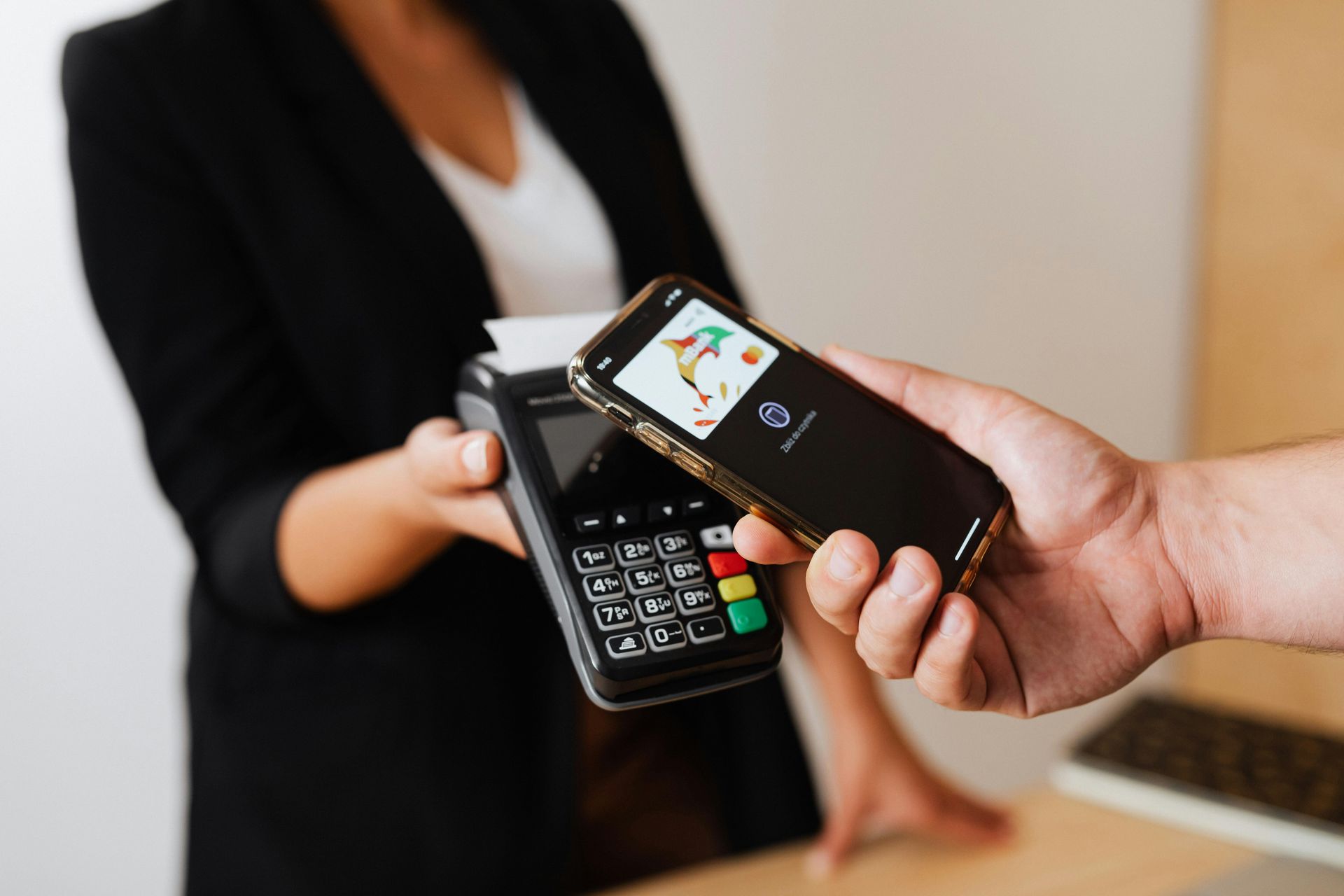
What eventually replaced physical payment methods was not quite what the mid-1990s forecasters had in mind. PayPal $PYPL, founded in 1998, created a widely adopted system for internet payments that worked by connecting to existing bank accounts and credit cards rather than replacing them. Contactless payment systems — NFC chips in smartphones and cards — proliferated in the 2010s and made physical point-of-sale transactions nearly as frictionless as the forecasters had imagined. Apple $AAPL Pay and Google $GOOGL Pay enabled smartphones to serve as payment devices.
Bitcoin, introduced in 2009, was a direct attempt to create the kind of decentralized digital currency that some 1990s forecasters had described — money that existed only as information on a network, not backed by any government or institution. By the mid-2020s, cryptocurrencies had achieved significant speculative interest and some commercial adoption, but had not replaced conventional currencies or payment systems.
The prediction that physical wallets would become obsolete proved partially correct: in many countries, a substantial share of payments were made digitally by the early 2020s. But physical cash remained in use globally, and the total elimination of physical payment methods had not occurred.
Space tourism would be accessible by 2010

Credit: SpaceX / Pexels
The commercialization of space — and specifically the idea that ordinary, wealthy individuals (as opposed to government-trained astronauts) would be able to pay for trips to orbit — was a prediction circulating in some technology and aerospace circles during the 1990s. The specific timelines varied, but a common version held that commercial space tourism would be available by the early 2000s and moderately accessible (to the very wealthy) by 2010.
The prediction eventually proved correct, but the timeline was off. Dennis Tito became the first paying space tourist in April 2001, purchasing a ride to the International Space Station through the Russian space program for a reported $20 million. A small number of other paying passengers followed in subsequent years, but the market remained vanishingly small.
The more significant commercial space development came in the 2010s with the rise of SpaceX, founded by Elon Musk in 2002, and Blue Origin, founded by Jeff Bezos in 2000. SpaceX began launching NASA astronauts to the International Space Station in 2020 and had plans for civilian orbital missions. Blue Origin began carrying paying customers on suborbital flights in 2021. Virgin Galactic, founded by Richard Branson, offered suborbital spaceflights at a price of several hundred thousand dollars per seat.
By the mid-2020s, commercial space tourism existed as a real, if extremely expensive, market. The 1990s prediction that it would happen was correct; the prediction that it would be accessible to more than a tiny number of extraordinarily wealthy individuals by 2010 was too optimistic. The economics of getting to orbit had not fallen as fast as some forecasters assumed.
The surveillance society
Credit: DC Studio / Magnific
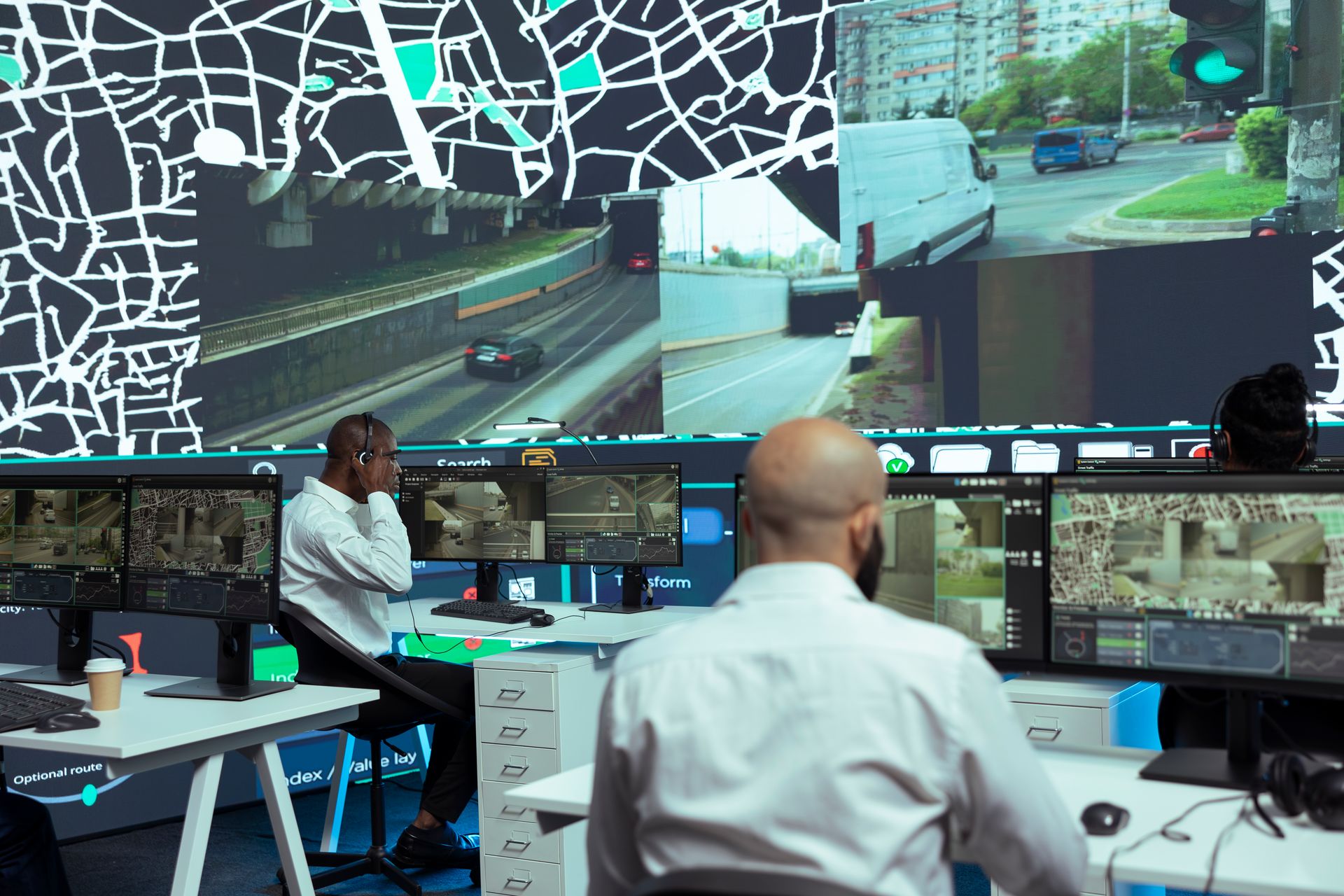
Among the more prescient warnings from 1990s technology writing was the prediction that networked digital systems would enable unprecedented surveillance — of individuals by governments, by corporations, and by each other. This was not a mainstream prediction in the sense of being widely celebrated; it was more often a concern raised by civil liberties advocates and technology critics.
The specific concern was that as more of life moved online and as more devices collected data about individual behavior, the information generated would inevitably be captured, stored, and used for purposes beyond the individual's control or awareness. Some forecasters pointed to the emerging architecture of internet commerce — which required collecting personal information to function — as a foundation for commercial surveillance. Others focused on government uses, pointing to the expanded capacity for monitoring that digital communications provided.
What emerged in the following decades exceeded even the more pessimistic forecasts in some respects. Edward Snowden's 2013 disclosures revealed that the U.S. National Security Agency had built surveillance systems capable of capturing metadata from hundreds of millions of phone calls and substantial amounts of internet traffic. Commercial surveillance — the collection and monetization of personal data by technology companies — became the dominant business model of the internet, underwriting free services for billions of users.
Facial recognition technology, which existed only in primitive forms in the 1990s, developed into a commercially deployed surveillance tool used by governments and retailers. China's social credit system, operational in various forms from the 2010s onward, represented the most extensive national deployment of algorithmic social monitoring to date.
The prediction that digital technology would enable mass surveillance was accurate. The scale and the specific mechanisms — including the way commercial companies became the primary collectors of personal data — were not fully anticipated by most of the 1990s forecasters who raised the concern.
AI would transform healthcare diagnosis
Credit: Tima Miroshnichenko / Pexels
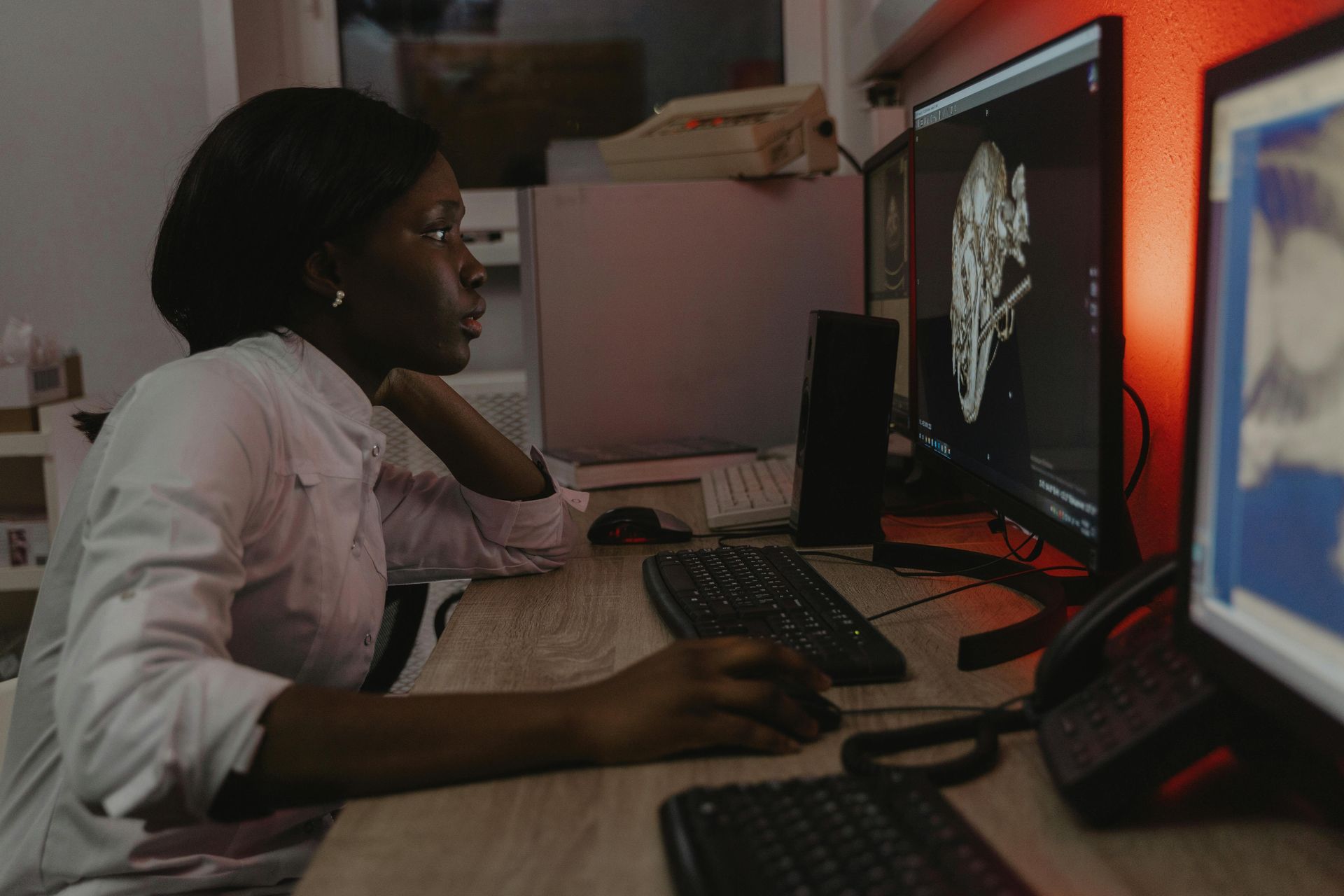
The prediction that artificial intelligence would eventually match or exceed human physicians in specific diagnostic tasks was circulating in AI research communities during the 1990s. The logic drew on two well-established findings: first, that diagnosis in many specialties relied on pattern recognition — identifying features in images, test results, or symptom clusters that correlated with specific conditions; and second, that computers were becoming increasingly capable of pattern recognition tasks.
The more specific predictions from the mid-1990s tended to focus on radiology and pathology, the medical specialties most dependent on visual pattern recognition in images. Forecasters suggested that within a decade or two, computer systems would be able to read X $TWTR-rays, CT scans, and pathology slides with accuracy comparable to specialists.
This prediction proved largely correct, though the timeline was longer than some expected and the form the technology took — deep learning systems trained on large image datasets — was not precisely what the 1990s forecasters had envisioned. Studies published in the 2010s and 2020s showed that AI systems could match or exceed radiologists in detecting certain types of cancer from imaging, and could identify diabetic retinopathy from eye images with high accuracy.
In drug discovery, AI systems began identifying candidate molecules for treatment at a pace that human researchers could not match, compressing timelines for early-stage pharmaceutical research. DeepMind's AlphaFold, which predicted the three-dimensional structure of proteins with high accuracy, was described by some researchers as one of the most significant scientific tools to emerge in decades.
The prediction was correct in its direction. What the 1990s forecasters underestimated was how long it would take for the regulatory and adoption processes of healthcare to catch up with the technical capabilities — a pattern familiar from other technology predictions about entrenched institutions.
Social networks connecting billions of people
Credit: cottonbro studio / Pexels
Gates' 1995 book made another prediction that reads, with hindsight, as more accurate than its author probably intended. He noted that technology would allow "unprecedented social networking" — a term he used to describe the way people would use digital tools to find each other, share interests, and build communities across geographic distance.
He did not predict Facebook $META, Twitter $TWTR, or Instagram by name. He was describing a general principle: that the internet would allow people to form connections that would otherwise never exist, and that this would change how communities worked. In his telling, it was mostly a positive development — a way for niche interests to find each other, for isolated individuals to connect with like-minded people, for information to flow across borders.
The social networks that emerged from 2004 onward matched the basic shape of his prediction with striking fidelity. Facebook launched in 2004 and reached one billion monthly active users in 2012. By the mid-2020s, Meta's family of apps — Facebook, Instagram, and WhatsApp — had more than three billion active users. Twitter, TikTok, LinkedIn, YouTube, and dozens of other platforms had transformed how billions of people communicated, consumed news, expressed identity, and organized politically.
Gates acknowledged in a retrospective blog post that he had not foreseen how social networks would amplify division and discord alongside connection. His 1995 prediction was accurate about the technology and the scale of adoption, but optimistic about the social outcomes. The mechanics of connection he described were real. The assumption that more connection would straightforwardly improve society did not hold in the ways he imagined.
This is a common structure in technology forecasting from the 1990s: the technological prediction was broadly correct; the social and political consequences were underestimated in their complexity. The internet did create the social networks Gates envisioned. It also created dynamics that the original forecasters largely failed to model — including the way engagement-maximizing algorithms would reward outrage and tribalism.