Smartphones, mRNA vaccines, reusable rockets, language models — the past 20 years produced technologies that experts said were decades away or simply impossible

Robynne O / Pexels
In 2005, the most powerful consumer device most people owned was a laptop with a single-core processor running Windows XP. The internet was accessed primarily through desktop computers, mostly over DSL connections. The most sophisticated GPS navigation systems were standalone devices the size of paperback books. The Human Genome Project had just completed its first full sequence, at a cost of approximately $3 billion, after 13 years of work by hundreds of scientists at institutions across 20 countries. The idea of reading a genome for $200 in a few hours, let alone editing it with molecular scissors, was not science fiction — it was not even the near-term science fiction. It was beyond the edge of what anyone was seriously projecting.
Twenty years is long enough for the impossible to become routine. The smartphone in most people's pockets today contains more computing power than the world's fastest supercomputer of 1995. The mRNA platform that produced COVID-19 vaccines in under a year was a technology that most pharmaceutical executives in 2005 would have described as experimental and decades from clinical application. The large language models that write emails, answer questions, and generate code were not on any serious technology roadmap in 2005 because the theoretical frameworks and the computational scale required to build them did not yet exist in usable form.
This list covers 15 specific technologies that either did not exist in 2005 or existed in forms so primitive that their current state would have been unrecognizable to an observer from that year. Each entry is chosen because the gap between 2005 and 2025 is particularly stark — because the technology crosses a threshold that marks a genuine qualitative change rather than a linear improvement. A faster car is not on this list. A car that drives itself is.
The list is not a celebration of progress for its own sake. Several of the technologies here raise serious questions — about privacy, about equity of access, about the safety of capabilities that have outpaced the governance frameworks designed to manage them. Those questions are noted where they are most relevant. The goal is accurate astonishment: a clear-eyed account of what has actually changed, accompanied by the appropriate mixture of wonder and concern that genuine change deserves.
Kader Azra Namuslu / Pexels
In 2005, the dominant mobile phone was a Nokia or a Motorola with a small color screen, physical buttons, a camera that produced photographs of approximately 1 megapixel, and the capacity to play Snake. Smartphones existed — BlackBerry had been selling email-capable devices since 2002, and a small number of Windows Mobile devices offered rudimentary internet access — but they were expensive, slow, difficult to use, and used by a small minority of business professionals. The idea of a phone that contained a high-resolution multi-touch screen, a GPS receiver, a gyroscope, a 48-megapixel camera, a music player, a map, a payment system, a language model assistant, and a full internet terminal, all in a device thinner than a pencil and affordable on a middle-income budget, would have required explanation in 2005 before it could be disbelieved.
Apple $AAPL's iPhone, launched in January 2007, is the technology product most often cited as the inflection point of the smartphone era, and the citation is broadly accurate — the iPhone established the form factor and the interaction paradigm that defined the category. But the iPhone was a synthesis of existing technologies — capacitive touchscreens, ARM processors, mobile internet standards, digital cameras, GPS chips — assembled into a form factor and an operating system that made them work together intuitively for the first time. The enabling technologies had been developing for years; the synthesis was the breakthrough.
What was not predictable in 2005 was the speed and depth of adoption. By 2024, approximately 5.6 billion people globally owned a smartphone — roughly 70% of the world's adult population — and the smartphone had restructured commerce, communication, navigation, entertainment, social relationships, and the economics of dozens of industries in the space of less than two decades. The speed of that diffusion — faster than any previous communication technology including the telephone, the radio, and the television — was the genuinely unpredictable element.
The smartphone is the technology that made every other technology on this list more consequential, by distributing access to computing power, connectivity, and sensors at a scale and at a cost that no previous platform had achieved.
Sanket Mishra / Pexels
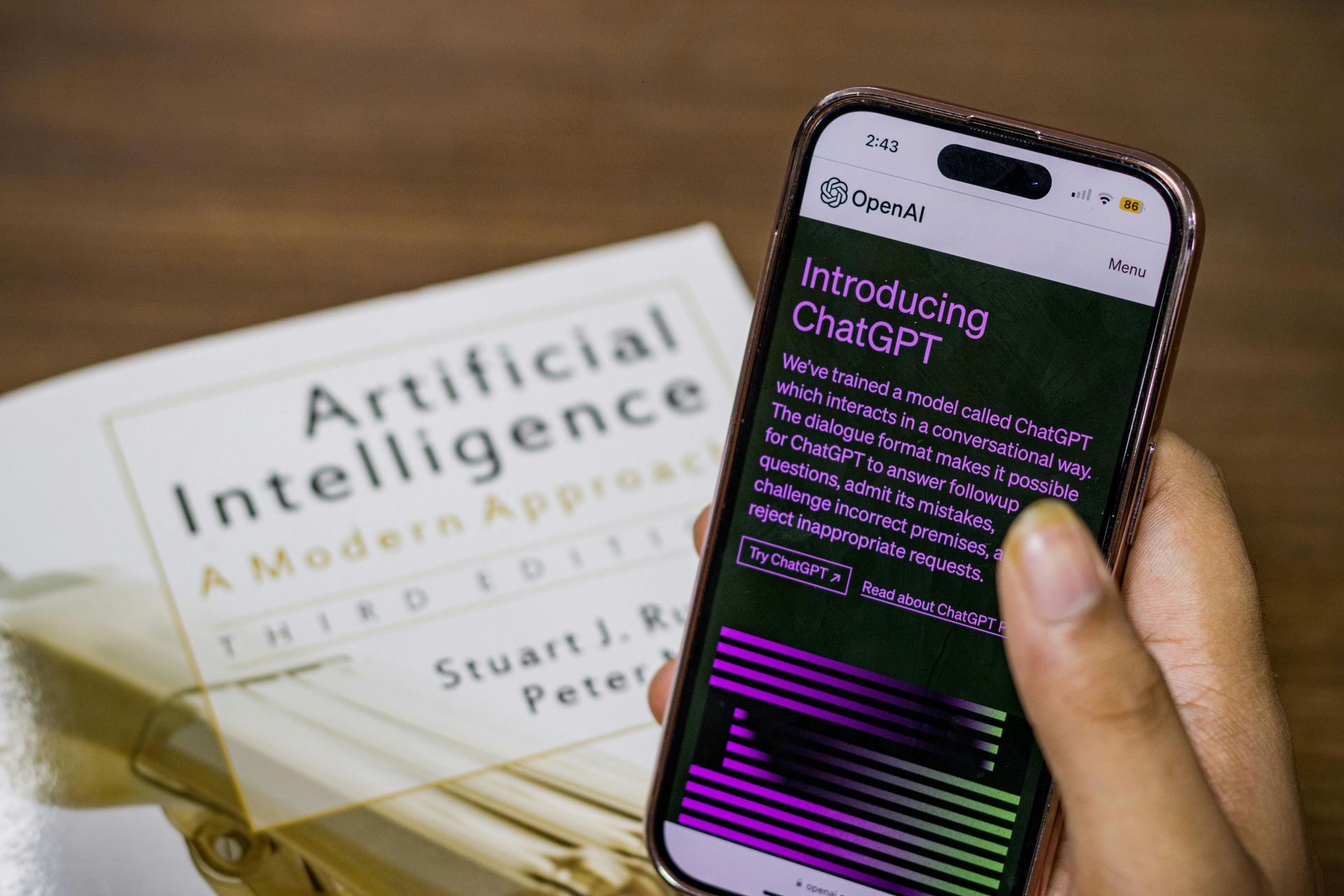
In 2005, the most sophisticated text-processing computer systems were search engines — systems that matched keywords in queries to keywords in documents — and statistical machine translation systems — systems that matched phrases in one language to statistically likely equivalents in another, producing translations that were recognizably about the right subject but grammatically awkward and semantically unreliable. The idea of a computer system that could write a coherent essay, explain a scientific concept, generate working code, translate poetry with sensitivity to connotation, or engage in an extended philosophical discussion with contextual awareness was not a near-term projection. It was the kind of capability attributed to artificial general intelligence, which serious researchers in 2005 estimated was at minimum decades away.
The large language models that became publicly available from 2022 onward — GPT-3, GPT-4, Claude, Gemini, and their competitors — are not artificial general intelligence. They are statistical models trained on extraordinarily large text datasets using transformer architectures developed in 2017, whose outputs sometimes resemble reasoning without constituting it in the philosophical sense. The philosophical debate about what they are is genuine and ongoing. What is not debated is what they can do: generate fluent, contextually appropriate, often accurate text across an extraordinary range of domains and formats, at speeds and scales that no human writer can match.
The capabilities of these systems in 2024 exceed what most AI researchers were projecting for 2025 or 2030 as recently as 2019. The scaling laws that predict model capability as a function of training compute — established empirically by researchers at OpenAI — suggested that capability improvements were predictable from increased scale, but the specific capabilities that emerged at specific scales were not predictable in advance. Language models that passed the bar exam, solved competition mathematics problems, and generated original code were emergent capabilities rather than designed ones.
The implications for knowledge work, education, creativity, and the economics of writing, coding, and analysis are significant, deeply contested, and still unfolding.

Mufid Majnun / Pexels
In 2005, mRNA as a therapeutic platform was a research curiosity with a significant technical problem: messenger RNA injected into the human body was rapidly degraded by the immune system before it could deliver its payload, making it clinically useless. The scientists working on mRNA therapeutics — Katalin Karikó at the University of Pennsylvania most prominently — were pursuing a hypothesis that most of the pharmaceutical industry had written off as insufficiently promising to fund at scale. Karikó was demoted at Penn for her persistence in pursuing it.
The technical breakthrough that made mRNA therapeutics viable was Karikó and Drew Weissman's 2005 discovery that replacing one of the four nucleosides in mRNA with a modified version — pseudouridine — dramatically reduced the immune response to synthetic mRNA, allowing it to persist long enough to be translated into protein. The discovery was published in Immunity in 2005 and won the Nobel Prize in Physiology or Medicine in 2023. At the time of publication, it attracted little attention outside the field.
By 2020, when SARS-CoV-2 required a vaccine at unprecedented speed, BioNTech and Moderna $MRNA had been building the mRNA platform for years, and the modified nucleoside technology was its foundation. The Pfizer $PFE-BioNTech and Moderna COVID-19 vaccines, which received emergency authorization in December 2020 and went on to be administered approximately 13 billion times globally, were the first mRNA vaccines ever approved for human use. The speed of their development — under 12 months from viral sequence to authorized vaccine — was possible only because the platform had been built and tested over the preceding decade.
The mRNA platform has applications far beyond COVID-19. Clinical trials are underway for mRNA vaccines against influenza, RSV, HIV, malaria, and multiple cancer types. Personalized mRNA cancer vaccines — designed specifically for the mutation profile of an individual patient's tumor — are in Phase 2 and Phase 3 trials. The platform that most of the pharmaceutical industry ignored in 2005 is now among the most active areas of therapeutic development in medicine.
Pixabay / Pexels
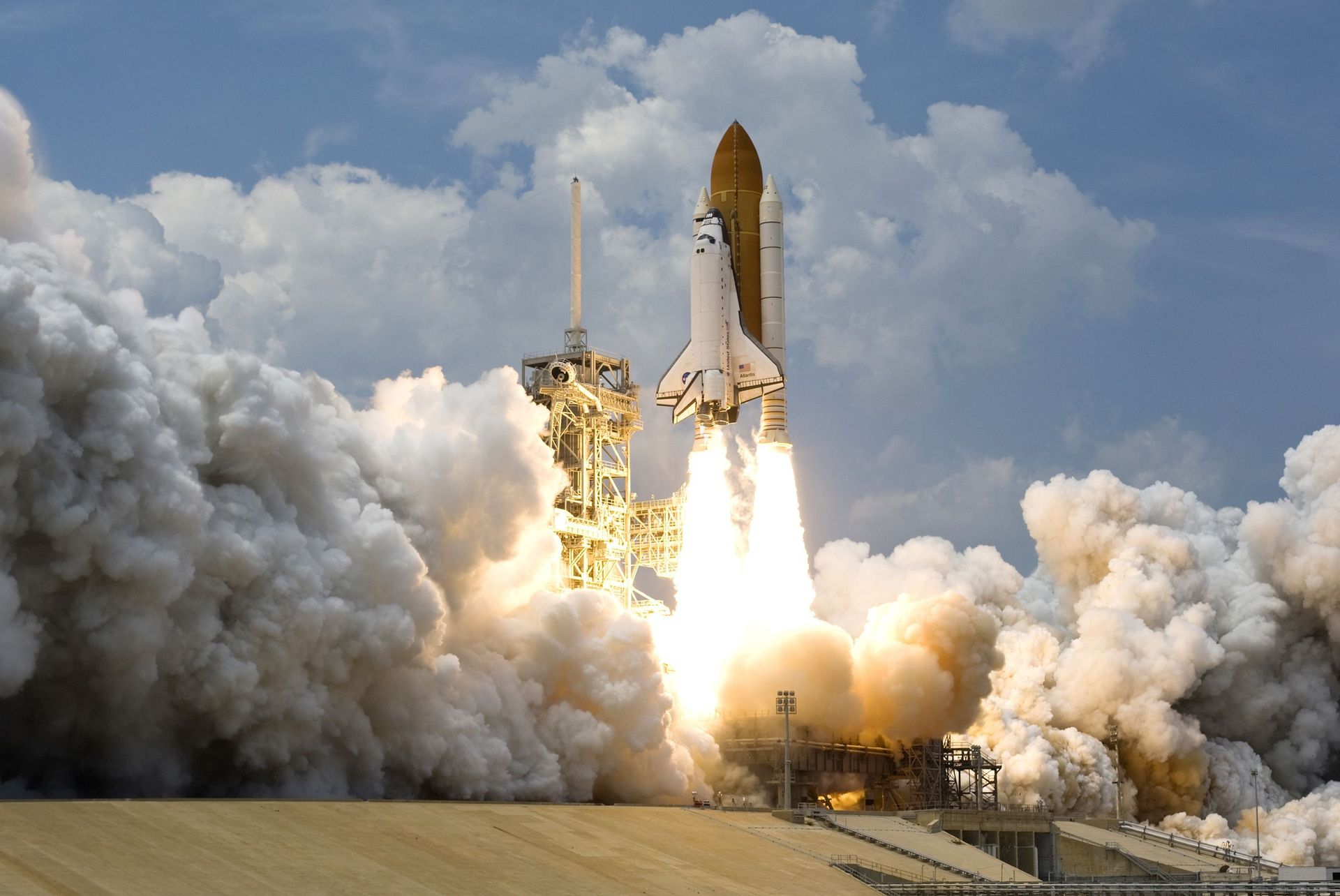
In 2005, every orbital rocket that had ever been launched was, in practical terms, disposable. The Space Shuttle had reusable orbiters and solid rocket boosters, but the main engines were removed and refurbished after each flight, the external tank was discarded, and the total cost per kilogram to orbit — approximately $54,000 — was higher than that of fully expendable rockets. The dominant paradigm in launch vehicle design held that the structural and performance penalties of designing for reuse outweighed the cost savings of not replacing the hardware, a conclusion that NASA, the European Space Agency, and the established aerospace industry had reached independently and maintained for decades.
SpaceX's demonstration of orbital-class first-stage landing — returning the Falcon 9 first stage to a landing pad under powered propulsive descent, touching down on four landing legs, and subsequently reflying the same stage — in December 2015 was the result of a series of engineering decisions that the aerospace establishment had considered either technically intractable or economically unjustifiable. The company made those decisions anyway, failed publicly and repeatedly during the development process, and ultimately demonstrated that the technical barriers were surmountable and the economic case was compelling.
By 2024, SpaceX had reused individual Falcon 9 first stages more than 20 times each, had demonstrated the recovery and reuse of payload fairings — the nose cone that protects satellites during ascent — and had tested Starship, a fully reusable two-stage launch vehicle designed to carry 100 metric tons to orbit. The cost per kilogram to orbit on Falcon 9 is approximately $2,720 — a reduction of 95% from the Shuttle era — and Starship, if it achieves its design specifications, is projected to reduce costs further by an order of magnitude.
The reusable rocket has restructured the commercial launch market, enabled the deployment of satellite constellations at scales previously impossible, and reopened the question of large-scale human spaceflight in ways that the disposable-rocket paradigm had foreclosed.
Satheesh Sankaran / Pexels
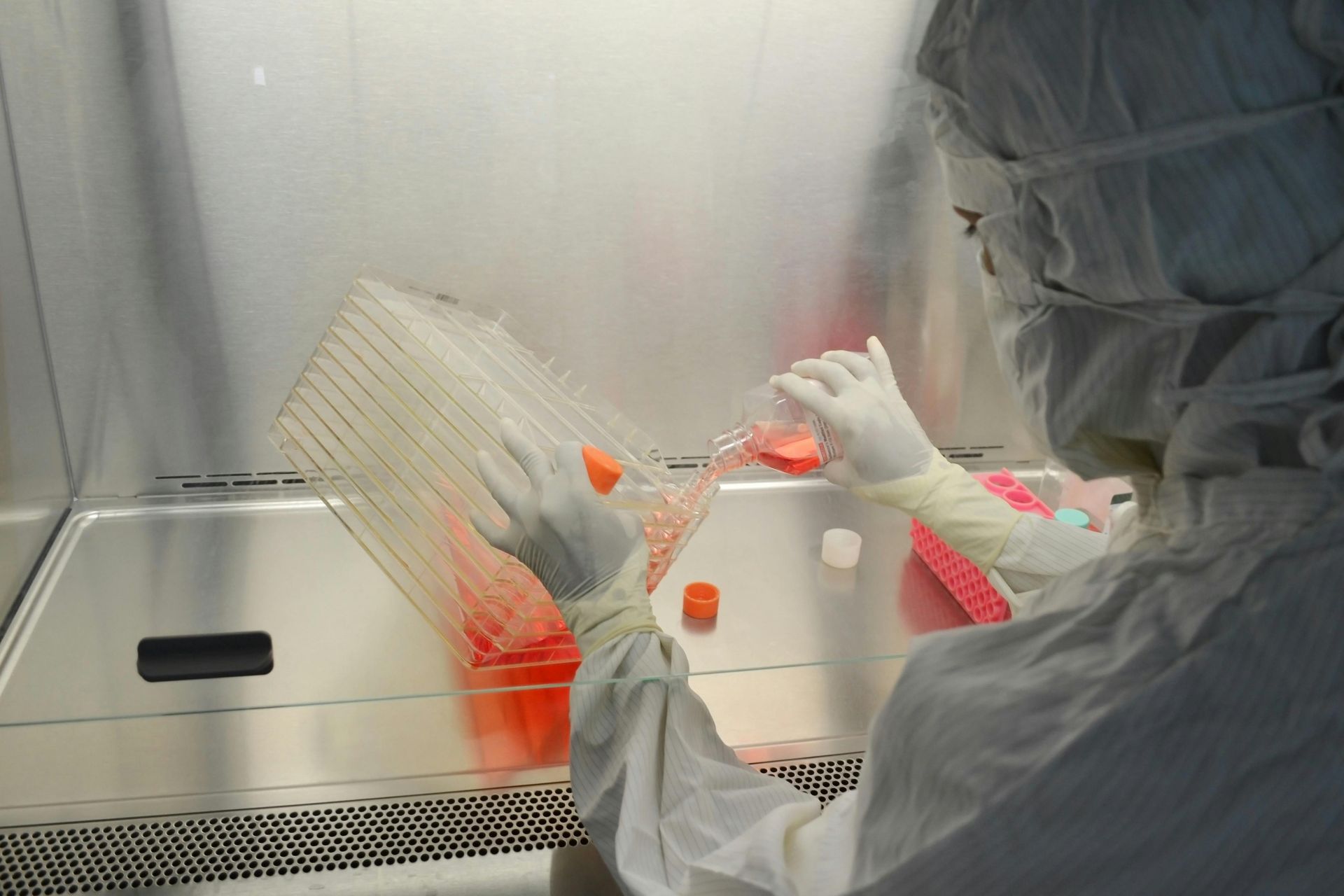
Gene editing — the targeted modification of specific sequences in a genome — existed in 2005 in the form of zinc finger nucleases and, slightly later, TALENs. Both techniques could edit DNA, but both were expensive to design for each specific target, slow to produce, and technically demanding enough that their use was largely confined to well-funded research laboratories working on a small number of model organisms. The idea of editing a human gene in a clinical therapeutic context was real but remote — a future technology that most biologists expected to exist eventually but not soon.
CRISPR-Cas9, described in its current form as a gene editing tool in a 2012 paper by Jennifer Doudna and Emmanuelle Charpentier and adapted for mammalian cells by Feng Zhang and others in 2013, changed the calculus entirely. Where zinc finger nucleases took months and significant expertise to design for each new target, CRISPR required designing a short RNA sequence — a process that could be completed in days using online tools, at a fraction of the cost. The democratization of gene editing technology — the shift from a capability confined to specialist labs to one accessible to any molecular biology laboratory — was immediate and dramatic.
By 2023, the first CRISPR-based medicine — a treatment for sickle cell disease and beta thalassemia — was approved by the FDA and the European Medicines Agency. The therapy, which edits the patient's own stem cells to produce fetal hemoglobin and compensate for the defective adult hemoglobin, produced functional cures in clinical trial participants who had previously required regular blood transfusions. An 11-year-old girl with sickle cell disease who received the treatment in a clinical trial was transfusion-free for more than two years afterward.
The broader applications of CRISPR — in agriculture, in basic research, and in the more speculative domain of germline editing — raise ethical and governance questions that are being worked through by scientists, regulators, and ethicists simultaneously with the technology's development.
Jakub Zerdzicki / Pexels
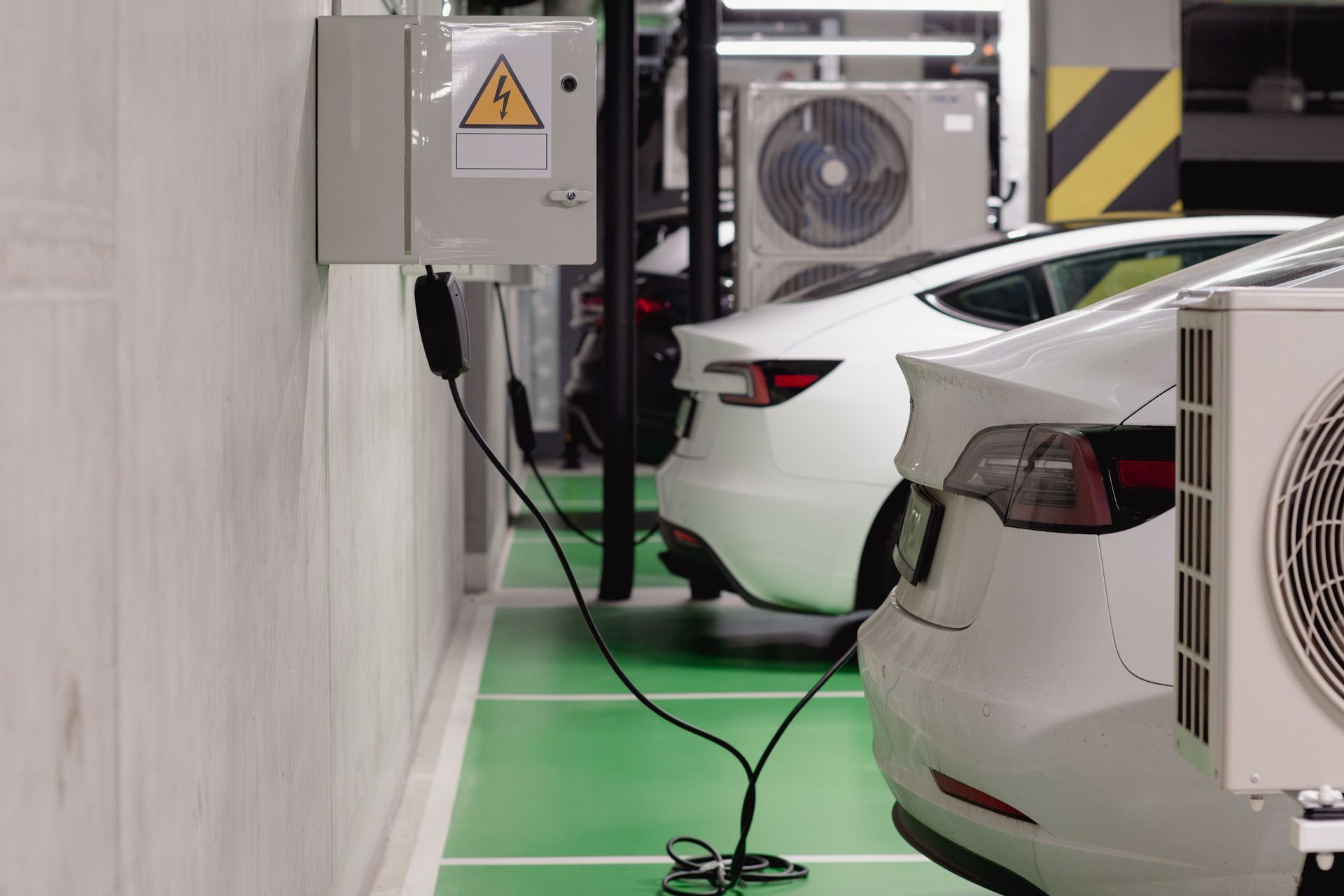
In 2005, electric vehicles existed as niche products — the General Motors $GM EV1 had been produced and then controversially recalled, Toyota $TM's Prius was a commercial success but a hybrid rather than a pure electric — and the battery technology that limited their range and practicality was understood to be the primary barrier to mass adoption. Lithium-ion batteries, commercialized by Sony $SONY in 1991, were the best available chemistry and were improving, but the energy density improvements achievable within the lithium-ion paradigm were expected to be incremental rather than transformative.
What was not anticipated in 2005 was the speed of both the manufacturing scale-up and the cost reduction that the electric vehicle industry would drive over the following two decades. The cost of lithium-ion battery packs fell from approximately $1,200 per kilowatt-hour in 2010 to approximately $115 per kilowatt-hour in 2024 — a reduction of over 90% — driven by manufacturing scale, chemistry improvements, and competition between battery manufacturers primarily in China, South Korea, and Japan.
Tesla $TSLA's Model S, introduced in 2012, demonstrated that an electric vehicle could achieve a range exceeding 400 kilometers, performance exceeding that of comparable internal combustion vehicles, and a user experience — particularly the over-the-air software update capability — that no conventional car manufacturer had offered. The vehicle established that electric vehicles were not a sacrifice but a preference for a growing segment of consumers.
The solid-state battery — which replaces the liquid electrolyte of current lithium-ion batteries with a solid material, enabling higher energy density, faster charging, longer cycle life, and improved safety — is the next threshold technology, with Toyota, Samsung, and several startups at advanced stages of development. Its commercialization, expected in the late 2020s, may produce the step-change in range and charging speed that makes electric vehicles the unambiguous choice for most consumers.

Anirudh / Pexels
In 2005, determining the three-dimensional structure of a protein — the folded shape that determines its biological function — required either X $TWTR-ray crystallography or cryo-electron microscopy, laboratory techniques that took months to years per structure, required specialist equipment, and had collectively produced structures for approximately 100,000 of the estimated 200 million proteins in nature. The problem of predicting protein structure computationally from amino acid sequence alone — the protein folding problem — had been identified as one of biology's grand challenges since the 1960s and had resisted solution despite decades of effort.
DeepMind's AlphaFold2, presented at the Critical Assessment of protein Structure Prediction (CASP14) competition in November 2020, solved the protein folding problem. Its predictions matched experimental structures to a degree of accuracy — measured by the GDT score — that exceeded the performance of previous computational methods by a margin so large that the competition's organizers initially questioned whether a technical error had occurred. The system achieved accuracy comparable to experimental determination for the majority of proteins tested.
In July 2021, DeepMind released AlphaFold2 as open source and published a database of predicted structures for all human proteins and the proteins of 20 model organisms — approximately 350,000 structures, more than had been experimentally determined in the previous six decades of structural biology. By 2022, the database had expanded to over 200 million predicted structures, covering essentially the entire known protein universe.
The impact on drug discovery, structural biology, and molecular medicine is difficult to overstate. Understanding a protein's structure is frequently the rate-limiting step in designing a drug that binds to it; AlphaFold has reduced that step from years to hours for many targets. Researchers have used AlphaFold predictions to accelerate work on antimicrobial resistance, tropical disease treatments, and fundamental questions in cell biology that had been blocked by the absence of structural data.
Vladimir Srajber / Pexels
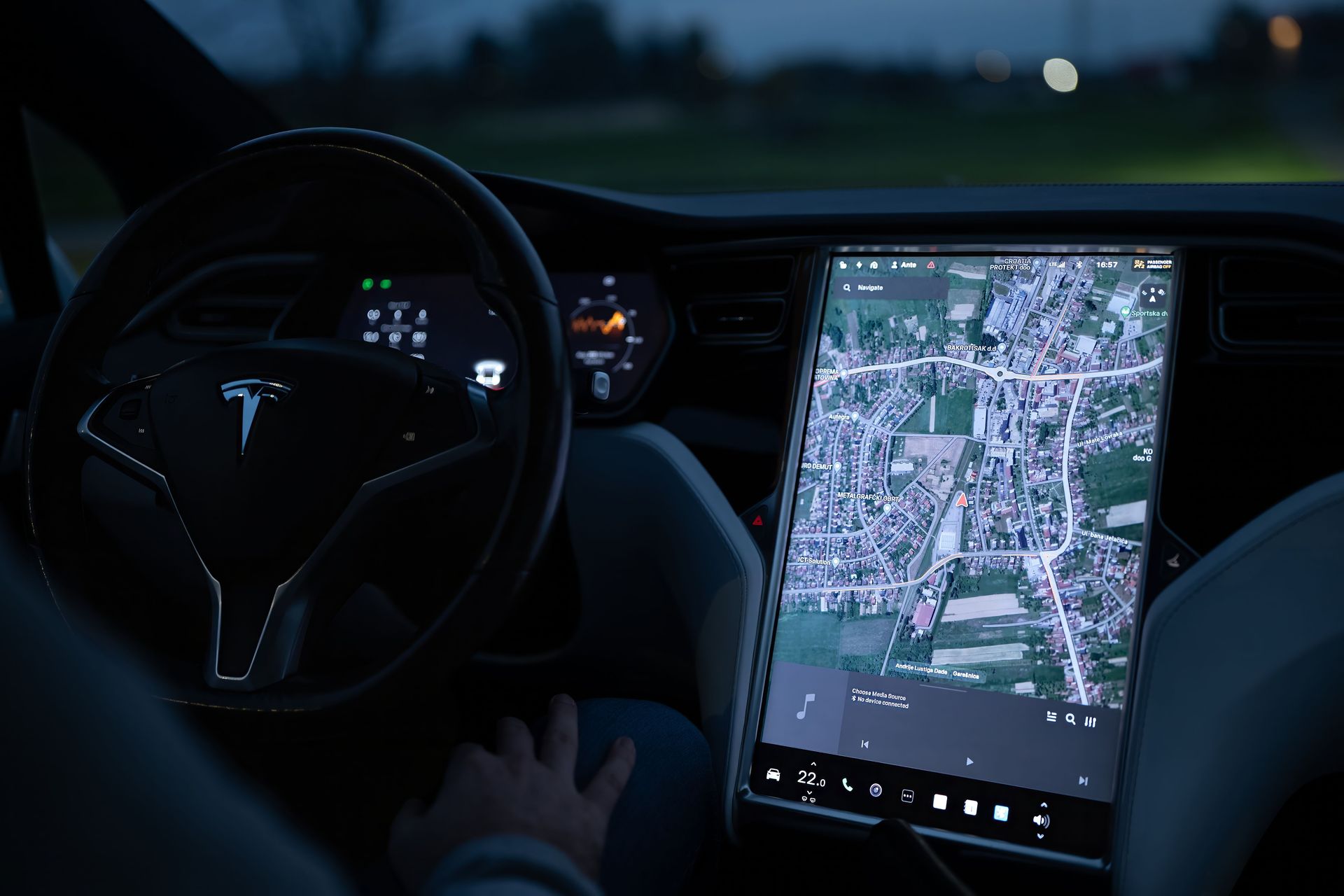
In 2005, the most sophisticated autonomous vehicle demonstration in history had just occurred: the DARPA Grand Challenge, in which five robot vehicles completed a 212-kilometer off-road course in the Mojave Desert without human intervention, for the first time — four previous attempts in 2004 had seen every vehicle fail within 12 kilometers. The achievement was extraordinary within the robotics community and completely inaccessible to the public — the winning vehicle, Stanford's Stanley, averaged 30 kilometers per hour on a closed desert course with no other traffic.
By 2024, Waymo — the autonomous vehicle company spun out of Google $GOOGL's self-driving car project — was operating a commercial robotaxi service in San Francisco and Phoenix, providing approximately 150,000 rides per week to paying passengers in dense urban traffic with no human safety driver. The vehicles had accumulated tens of millions of miles of fully driverless commercial operation. Tesla $TSLA's Full Self-Driving system had been deployed to approximately 400,000 vehicles in supervised form, with a transition to unsupervised operation in limited conditions beginning in 2024.
The gap between the 2005 DARPA Grand Challenge and the 2024 commercial robotaxi service is approximately the same length of time as the gap between the Wright Brothers' first flight and the introduction of scheduled commercial airline service — about 19 years. The comparison is not perfect, but the pace of development has exceeded most expert projections from the 2005 baseline.
The remaining questions about autonomous vehicles — the regulatory framework for unsupervised operation, the liability structure for accidents, the behavior in edge cases that training data does not cover — are genuine and unresolved. The technology exists. Its integration into the broader transportation system is the work in progress.
KOS Chiropractic Integrative Health / Pexels
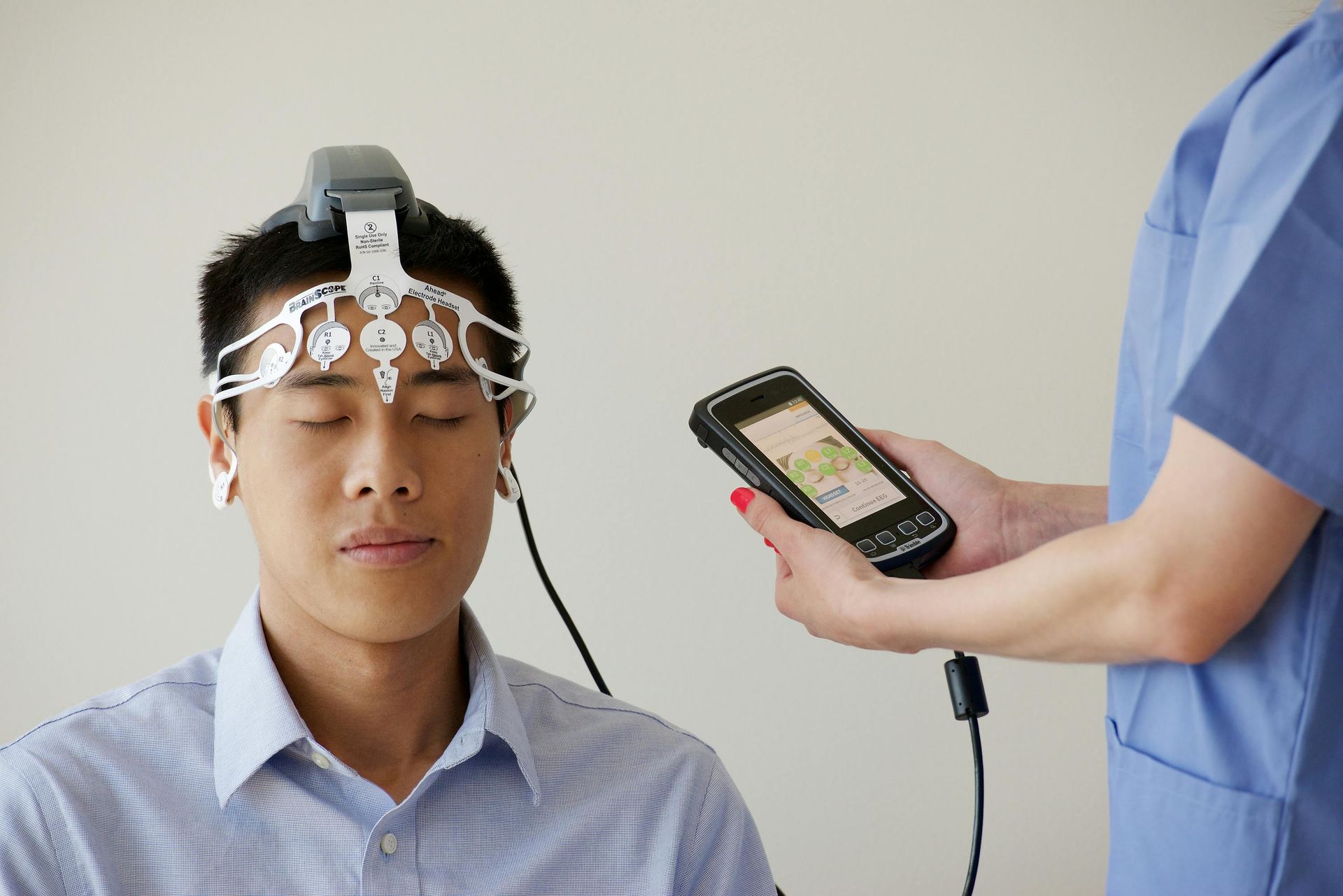
In 2005, brain-computer interfaces existed in research form: the BrainGate consortium had published results in 2004 showing that a tetraplegic patient could control a computer cursor using neural signals recorded from a 96-electrode array implanted in the motor cortex. The achievement was real and scientifically significant. It was also slow — cursor movements requiring deliberate concentration — low-dimensional — controlling a cursor in two dimensions — and dependent on hardware that had significant practical limitations for long-term implantation.
Neuralink's N1 implant, first implanted in a human patient in January 2024, demonstrated significantly higher signal quality — approximately 1,024 electrode channels compared to BrainGate's 96 — and wireless transmission, eliminating the percutaneous wires that had been a source of infection risk in previous implants. The first patient, a quadriplegic named Noland Arbaugh, demonstrated the ability to control a computer cursor and play chess and video games using the implant within two months of surgery, at speeds comparable to those of an able-bodied mouse user.
The more speculative applications — high-bandwidth communication between humans and computers, memory augmentation, sensory restoration beyond motor control — are on much longer development timelines and face both technical and ethical challenges that the current generation of devices does not resolve. The current clinical application — restoring communication and computer control to people with severe motor disabilities — is the narrowest and most clearly justified application, and it is already producing results that would have been remarkable in 2005.
The ethical landscape of brain-computer interfaces — questions about data privacy for neural signals, about the commercialization of neural data by implant manufacturers, about the potential for coercive or involuntary use — is being shaped while the technology develops, and the governance frameworks are significantly behind the technical capabilities.
Solen Feyissa / Pexels
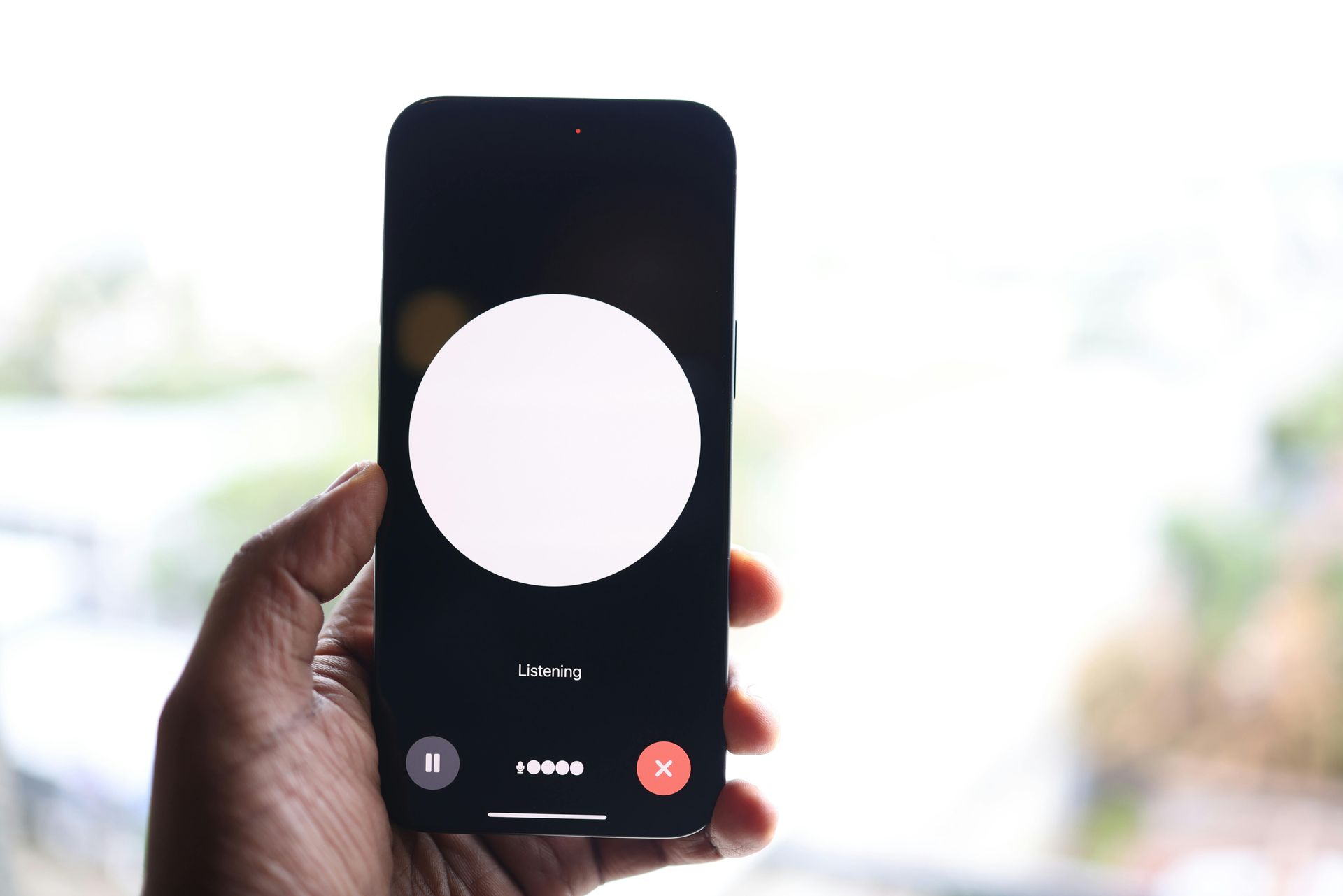
In 2005, interacting with a computer required physical input — a keyboard and mouse for most applications, a stylus for handheld devices. Voice recognition existed in limited forms — Dragon NaturallySpeaking could transcribe dictation with reasonable accuracy in controlled conditions — but it was single-speaker, required training, and was completely incapable of understanding natural language commands. The idea of speaking naturally to a device in any ambient condition, asking it a question in plain English, and receiving a relevant answer spoken back was the interaction model of science fiction assistants and the far future of interface design.
Siri, launched by Apple $AAPL in 2011, was the first voice assistant to achieve significant consumer adoption, though its capabilities were limited and its error rate high by current standards. Amazon $AMZN's Echo, introduced in 2014 with the Alexa voice assistant, established the always-on ambient device — a speaker in the home that could respond to natural language commands for music, timers, shopping lists, smart home control, and question answering — and drove the category to tens of millions of units sold within a few years.
The integration of large language models into voice assistants from 2023 onward produced a qualitative improvement in conversational capability — the shift from a system that matched commands to a small set of recognized patterns to one that could engage with genuinely novel natural language in arbitrary domains — that represents a further threshold crossing from the 2005 baseline.
The ambient computing trend — extending voice and natural language interaction to cars, televisions, appliances, earbuds, and eventually glasses — continues to diffuse the interaction model that seemed science-fictional in 2005 into everyday objects at a rate that normalizes it faster than most people's conceptual frameworks update.
Anirudh / Pexels
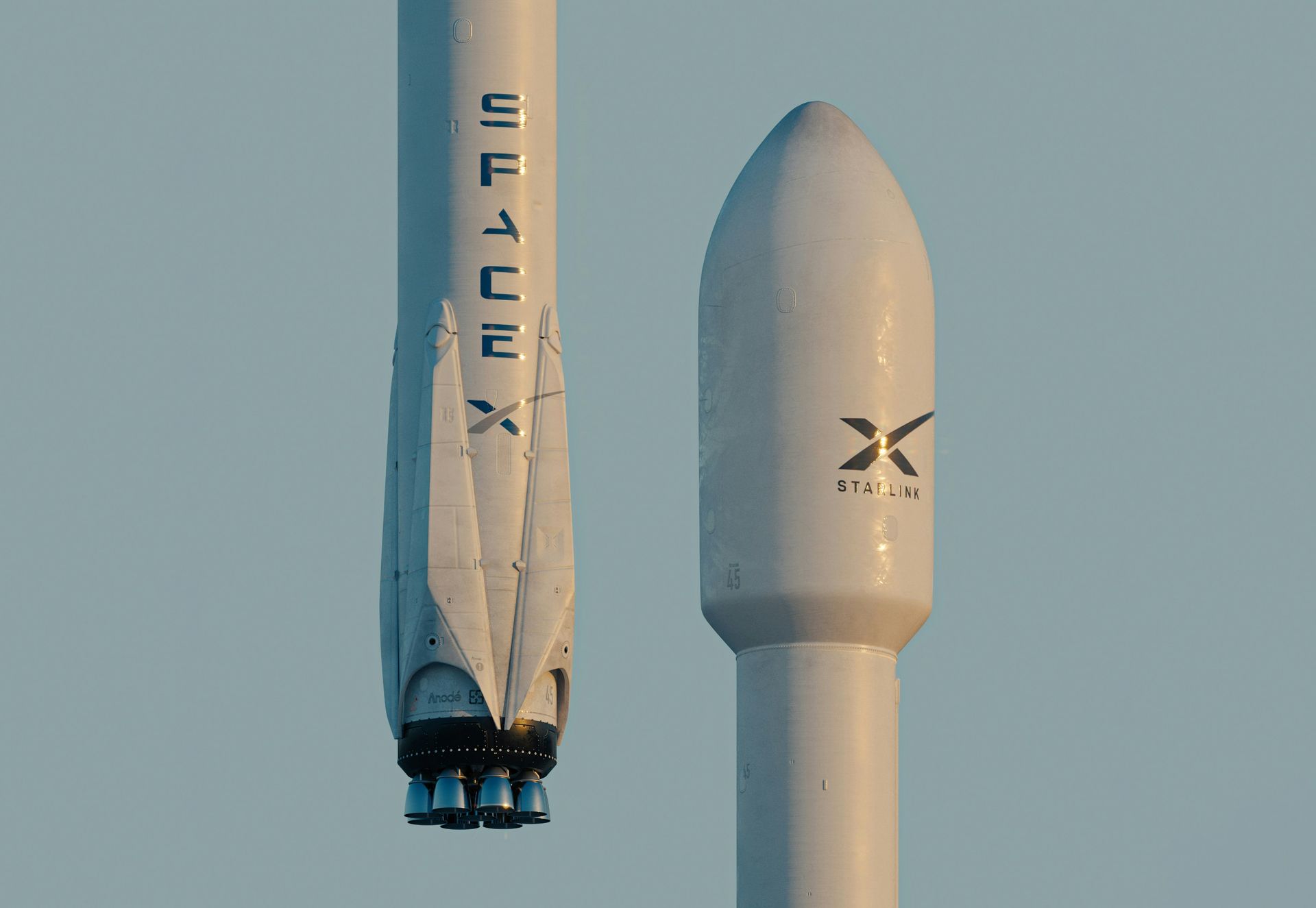
In 2005, broadband internet access required either a cable or telephone company's physical infrastructure — fiber or copper wires running to the building — or a satellite service using geostationary satellites positioned 35,786 kilometers above the equator, whose signal latency of approximately 600 milliseconds made real-time applications including video calls, online gaming, and interactive web browsing effectively unusable. Rural areas and developing countries without terrestrial infrastructure were limited to slow, expensive, high-latency satellite services or no broadband access at all.
SpaceX's Starlink constellation, which began beta service in late 2020 and reached global coverage in 2023, operates at low Earth orbit — approximately 550 kilometers altitude, compared to the 35,786 kilometers of geostationary satellites — reducing signal latency to approximately 20 to 40 milliseconds, comparable to terrestrial broadband. By mid-2024, Starlink had approximately 3 million subscribers globally and was providing internet access in remote areas — Arctic research stations, ships at sea, rural farms, disaster response zones — where no alternative existed.
The scale of the constellation required is large: Starlink operated over 6,000 satellites in 2024, with approval for tens of thousands more. The number of satellites in low Earth orbit has roughly tripled since 2019, primarily driven by Starlink, and the implications for astronomy — the bright trails of Starlink satellites appear in long-exposure astronomical images — are a genuine concern that is being addressed through satellite design modifications and observing time management.
The competitive implications for telecommunications are significant. Several governments and traditional satellite operators have launched or announced competing constellations — Amazon $AMZN's Project Kuiper, OneWeb, and others — and the resulting competition may continue to drive down the cost of broadband access in areas that terrestrial networks will never reach economically.
Osman Özavcı / Pexels
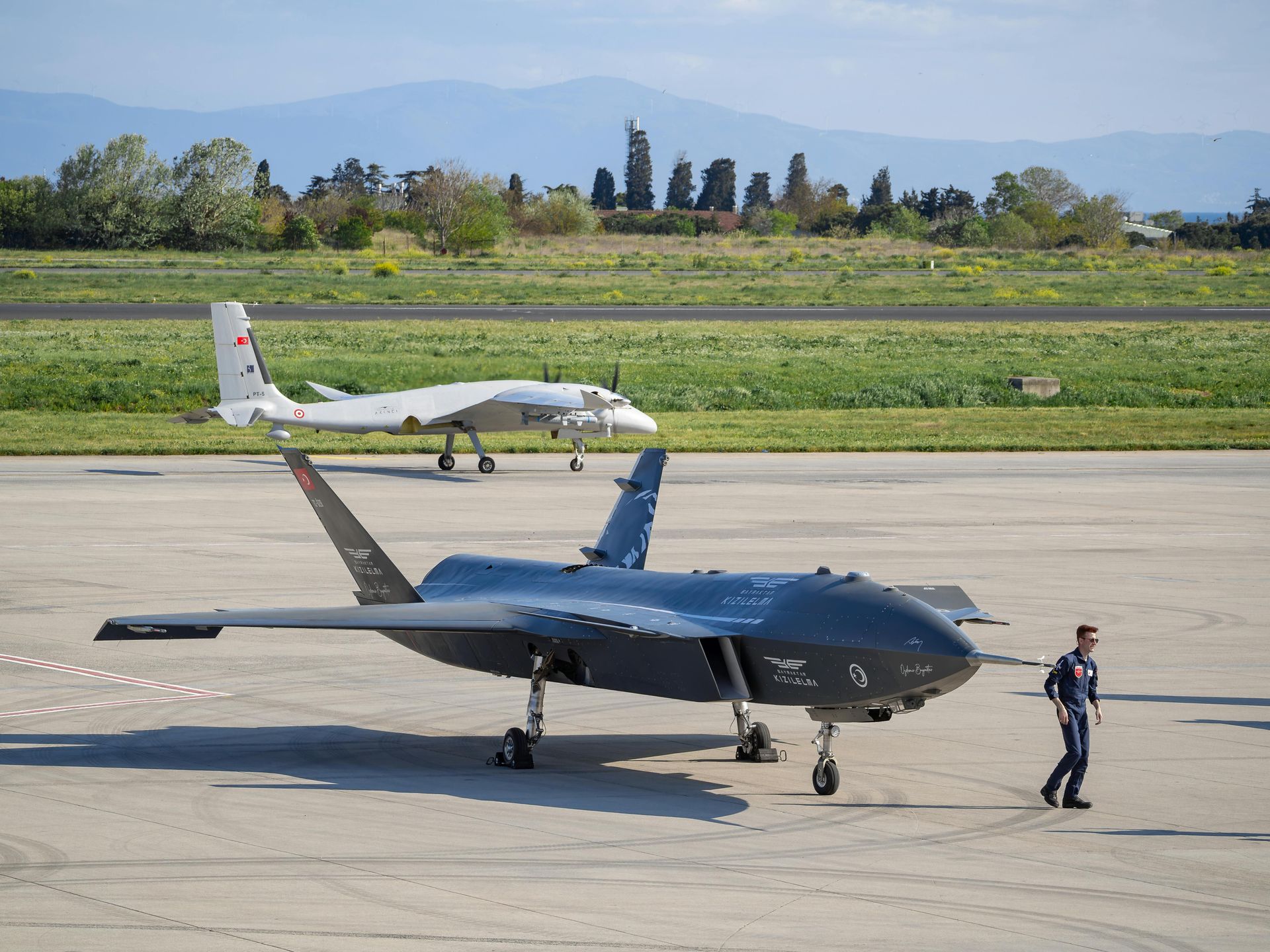
In 2005, directed energy weapons — systems that project a beam of electromagnetic radiation or particles to damage or destroy a target — had been in development by the U.S. military and several other nations for decades, with limited success. The chemical oxygen iodine laser (COIL) system tested on the Airborne Laser program — a modified Boeing $BA 747 carrying a megawatt-class laser intended to destroy ballistic missiles in boost phase — had demonstrated limited capability but consumed liquid chemicals, required a large aircraft platform, and was not practically deployable.
The U.S. Navy's deployment of the Laser Weapon System (LaWS) aboard the USS Ponce in 2014, and the subsequent deployment of the more capable HELIOS system aboard the USS Preble from 2022, demonstrated operationally deployable directed energy weapons using solid-state fiber lasers — technology that had improved in output power and efficiency by orders of magnitude since 2005, driven partly by industrial and commercial fiber laser development. The systems are used primarily for counter-drone and counter-small-boat applications, where the approximately $1 per shot cost compares favorably with the cost of kinetic interceptors.
The drone warfare context — the proliferation of small commercial drones adapted for military use in conflicts including Ukraine and the Middle East — has accelerated the development and deployment of directed energy systems by creating a threat category for which traditional kinetic defenses are economically unsustainable. Shooting down a $500 drone with a $100,000 missile is not an indefinitely viable defense strategy.
The strategic implications of directed energy weapons at higher power levels — for missile defense, for anti-satellite applications, and for area denial — are significant and are being studied by military establishments globally, with the pace of capability development suggesting that systems that seemed like speculative future technology in 2005 are approaching operational relevance.

Ketut Subiyanto / Pexels
In 2005, continuous health monitoring outside a clinical setting required either hospitalization or the use of specialized medical devices — Holter monitors for cardiac rhythm, continuous glucose monitors for diabetics — that were bulky, expensive, and confined to specific high-risk patient populations. The idea of a consumer device worn on the wrist that continuously monitored heart rate, blood oxygen saturation, sleep stages, cardiac rhythm, skin temperature, and galvanic skin response, transmitted that data to a smartphone, detected atrial fibrillation with clinical-grade accuracy, and called emergency services if the wearer fell — all in a device thinner than a watch and available for a few hundred dollars — was not a product roadmap item at any consumer electronics company in 2005.
The Apple $AAPL Watch Series 4, introduced in 2018, was the first consumer wearable to include an FDA-cleared electrocardiogram feature — the ability to record a single-lead ECG by touching the digital crown for 30 seconds — alongside optical heart rate monitoring, fall detection, and emergency SOS. By 2024, the Apple Watch had been credited in thousands of documented cases with detecting previously undiagnosed atrial fibrillation, prompting medical visits that led to treatment of a condition associated with significant stroke risk.
Continuous glucose monitors — originally a medical device for type 1 diabetics — have been adopted by non-diabetic individuals as metabolic monitoring tools, and Apple, Samsung, and several medical device manufacturers are developing non-invasive optical glucose monitoring for future watch platforms. The trajectory from specialized medical device to mainstream consumer wearable has compressed what would previously have been 20-year clinical development timelines to five-to-seven-year product cycles.
The data produced by widespread wearable adoption has implications for population health research — Apple and research institutions have conducted studies enrolling millions of Apple Watch users to study atrial fibrillation, menstrual health, and other conditions — that were not possible with smaller, more expensive clinical monitoring devices.
Planet Volumes / Unsplash
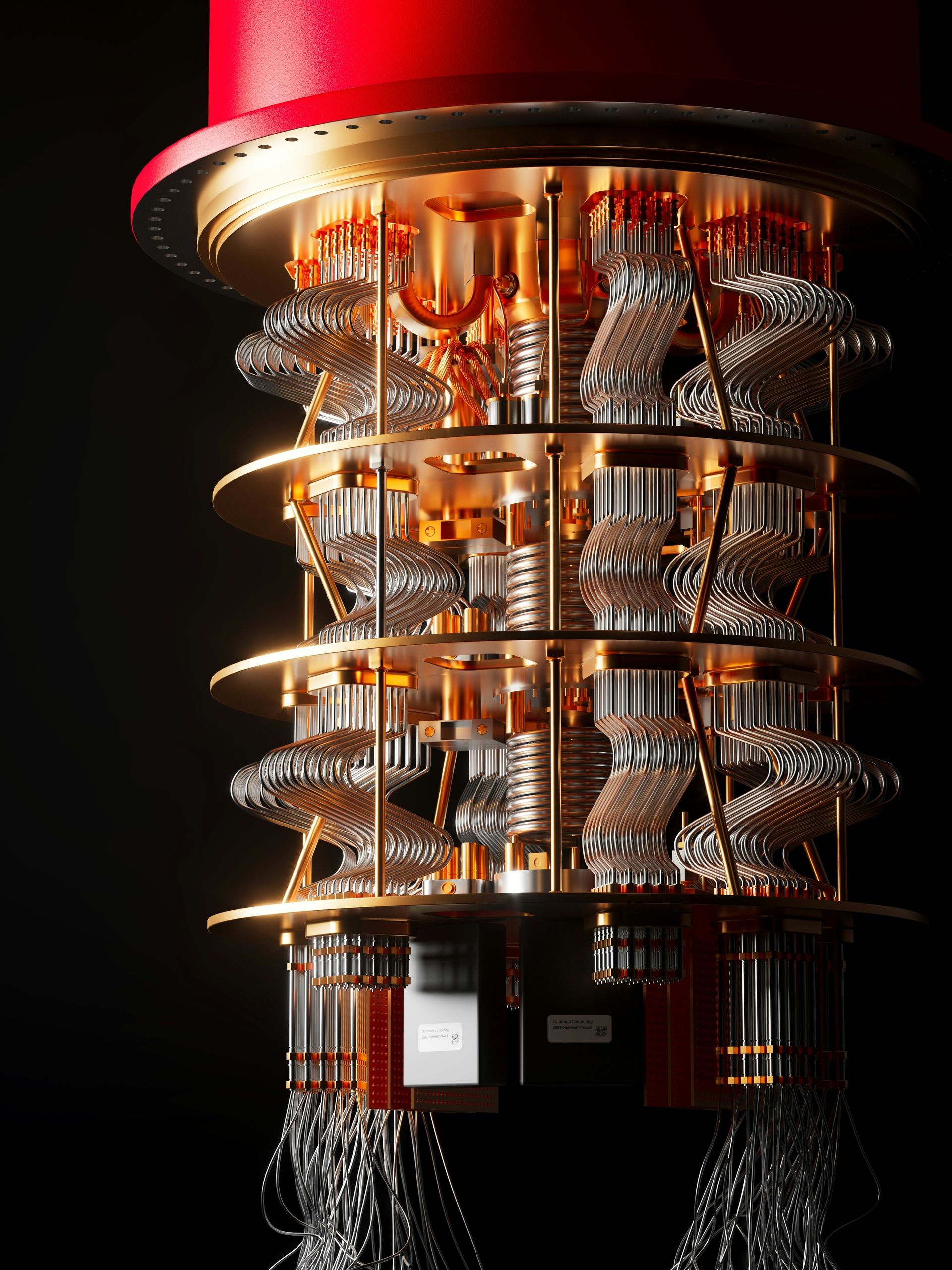
In 2005, quantum computing was a theoretical framework with limited experimental demonstrations — researchers had factored the number 15 using a 7-qubit quantum processor, and the field's leading figure, Peter Shor, had proved that a sufficiently large quantum computer could break RSA encryption in polynomial time. The gap between those demonstrations and anything approaching practical quantum computation was understood to be enormous, and most physicists placed commercially useful quantum computers decades in the future, if they were achievable at all.
The specific barrier was decoherence — the tendency of quantum systems to lose their quantum state through interaction with the environment, rendering the computation unreliable before it could be completed. Building quantum processors with enough qubits, with high enough fidelity, and with error correction capable of overcoming decoherence had resisted every engineering approach attempted.
By 2024, Google $GOOGL, IBM $IBM, and several startups including IonQ and Quantinuum had built processors in the range of 50 to 1,000 qubits, with error rates low enough to run short algorithms reliably. Google's 2019 demonstration of quantum supremacy — performing a specific computation in 200 seconds that the company claimed would take the world's fastest classical supercomputer 10,000 years — was contested by IBM on the grounds that the classical computation was not as slow as claimed, but the underlying result of demonstrating a quantum processor performing a task faster than any classical alternative was accepted as genuine.
The practical applications of quantum computing — breaking current encryption standards, simulating molecular systems for drug discovery, optimizing logistics at scales classical computers cannot manage — remain on a development timeline that most researchers currently place in the 2030s. But the distance between 2005 and 2024 in quantum hardware capability is measured in orders of magnitude, and the trajectory is one that the 2005 research community did not project with anything like this speed.
SAUL LOEB / Getty Images
In 2005, augmented reality — the overlay of digital information on the physical world, visible through a transparent display — existed primarily as a research concept. Academic demonstrations used bulky headsets weighing several kilograms, connected to external computers, with limited field of view, poor tracking accuracy, and visual quality comparable to a low-resolution television viewed at the edge of the screen. The technology was a demonstration category, not a product category.
Google $GOOGL Glass, launched as an Explorer Edition in 2013 and discontinued for consumers in 2015, was the first serious consumer attempt at an augmented reality wearable — a lightweight frame with a small prism display visible in the upper right of the field of view. Its failure was partly technological, partly social: the display was limited to simple overlays, the battery life was short, and the camera-equipped glasses produced significant public discomfort about surveillance in social settings. The product revealed both the potential and the obstacles of the category.
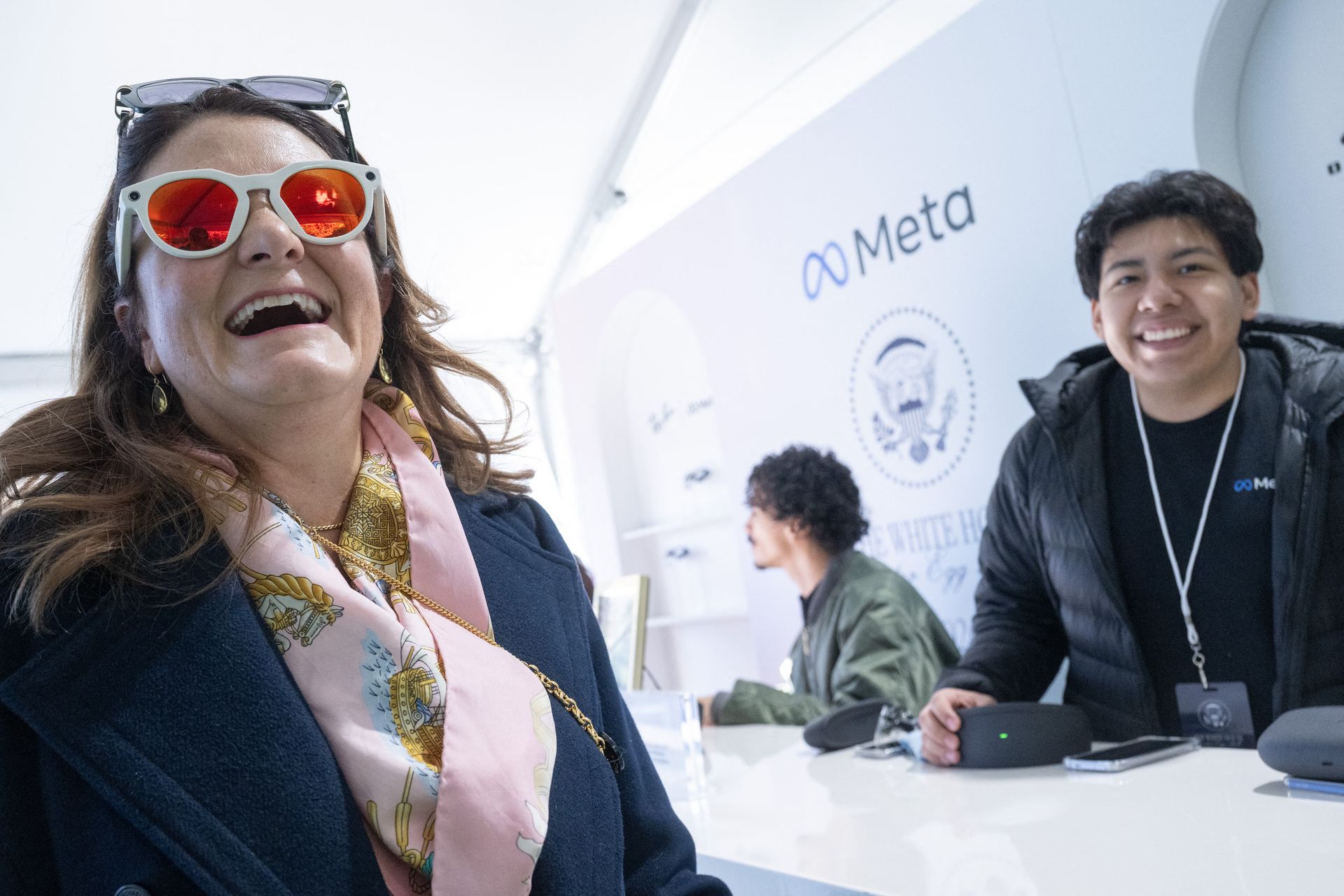
Meta $META's Ray-Ban smart glasses, launched in 2023 and updated with an integrated AI assistant in 2024, took a different approach — prioritizing the form factor of conventional sunglasses over the display capability, offering a camera, microphone, speakers, and AI integration without a visual overlay. Apple $AAPL's Vision Pro, introduced in 2024, went in the opposite direction — a high-quality mixed reality headset with a full visual overlay capability, designed primarily for productivity and entertainment rather than constant wear.
The convergence point — lightweight glasses with a high-quality transparent display, always-on AI integration, and social acceptability — remains a development target for every major technology company, and the investment in the category suggests that the 2005 research concept will reach mainstream consumer form within the next five to ten years in ways that 2005 observers could not have predicted from the available prototypes.
