
10 technologies that exist because gamers demanded better
GPUs, motion controls, online matchmaking, VR — the technologies developed to solve gaming problems that ended up reshaping computing far beyond games
Kaboom Pics / Pexels
The video game industry is rarely credited as a driver of computing technology in the way that military research, academic institutions, and enterprise software are, despite having generated some of the most consequential hardware and software innovations of the past four decades. This is partly a framing problem: gaming technology tends to be discussed as an application of existing computing advances rather than a source of them, when the historical record shows the relationship running at least as often in the opposite direction.
The specific mechanism behind this pattern is consistent across most of the entries in this list: gaming created a commercial market with an unusually intense and specific technical demand — real-time 3D graphics rendering, low-latency networking, precise motion tracking, immersive audio — that was large enough to fund serious research and development investment, and that demand pulled forward technologies that existing computing markets (business software, scientific computing) had not prioritized to the same degree because their performance requirements were different or less extreme.
Each entry in this list covers a specific technology, the gaming problem that drove its development, and how it subsequently proved useful in domains well beyond games. Several of these technologies are now so embedded in general computing that their gaming origin is genuinely surprising to people encountering the history for the first time.
The modern graphics processing unit (GPU)
Nana Dua / Pexels
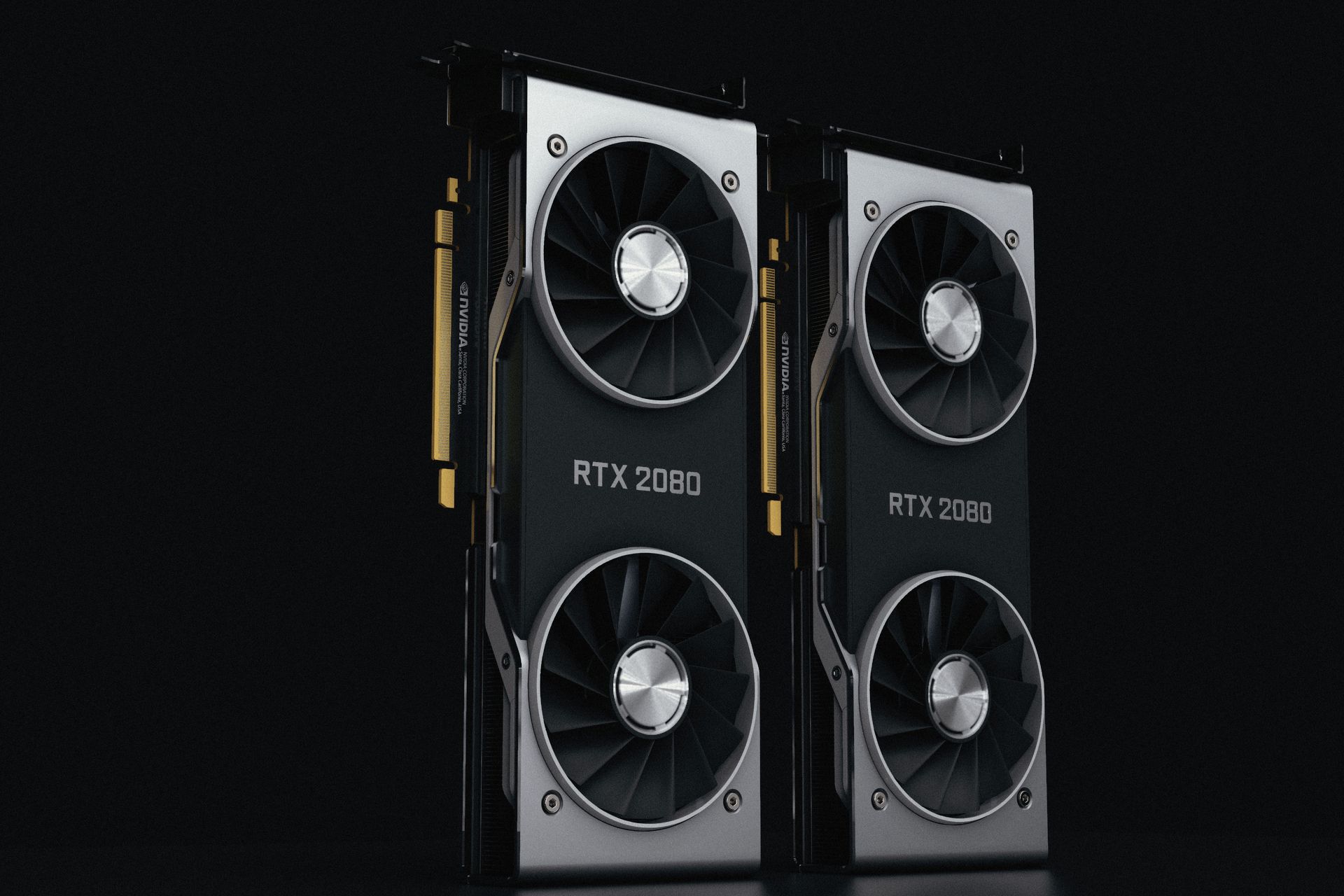
The GPU as a distinct computing component — a specialized processor optimized for the parallel mathematical calculations required to render 3D graphics in real time — was developed specifically to solve the rendering performance problem that PC and console gaming created in the 1990s: rendering complex 3D scenes at a playable frame rate required a volume of matrix and vector calculations that general-purpose CPUs of the era could not handle fast enough, and companies including NVIDIA (founded in 1993) built their entire business around solving this specific gaming performance problem.
NVIDIA's 1999 release of the GeForce 256, marketed as the first true "GPU," established the architecture — a processor with a very large number of simple parallel processing cores optimized for the repetitive matrix math of 3D graphics — that has since become the foundation of an entirely separate computing revolution: the same massively parallel architecture that renders game graphics turned out to be extremely well-suited to the matrix multiplication operations that underlie machine learning and artificial intelligence training.
The specific technology that made this transition possible was CUDA, NVIDIA's programming platform released in 2007 that allowed developers to use gaming GPU hardware for general-purpose parallel computing rather than graphics alone, and this platform has become the foundational infrastructure of the current AI boom: the large language models, image generation systems, and other AI technologies that dominate current technology discourse are trained and run predominantly on GPU architecture that was originally engineered to render video game graphics faster.
Motion tracking and gesture control
SHVETS production / Pexels
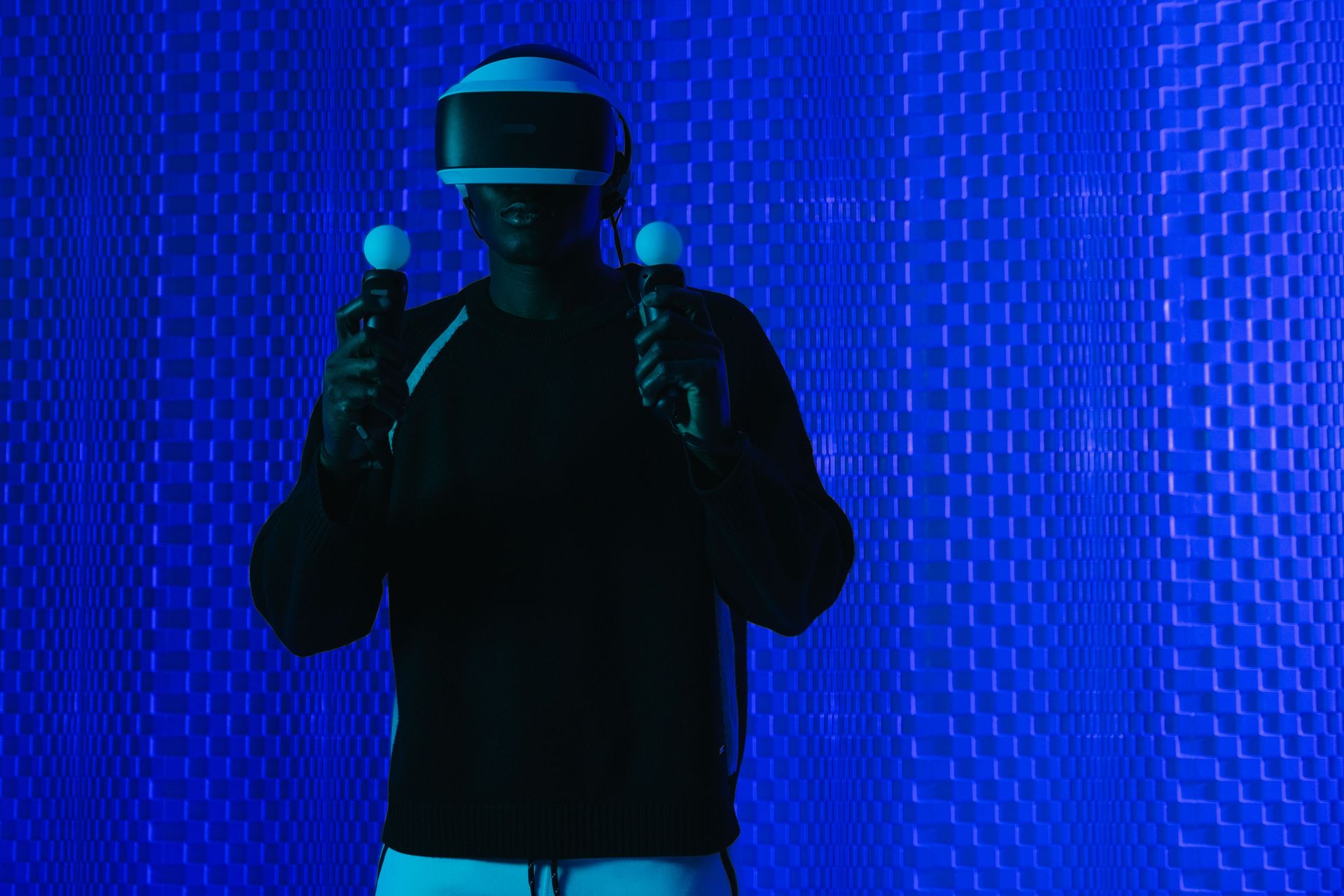
The Nintendo Wii, released in 2006, incorporated accelerometer-based motion controls into its Wii Remote controller specifically to solve a gaming design problem: making video games more physically intuitive and accessible to a broader demographic than the traditional button-and-joystick interface allowed, and the commercial success of this approach (the Wii sold over 100 million units) drove significant subsequent investment in consumer-accessible motion sensing technology.
Microsoft $MSFT's Kinect, released in 2010 as an accessory for the Xbox 360, extended this trend significantly further, incorporating a depth-sensing camera system capable of tracking full-body movement and skeletal position without any handheld controller at all — a genuinely novel consumer technology at the time, whose underlying depth-sensing and computer vision techniques were subsequently adapted for applications entirely unrelated to gaming, including medical rehabilitation systems that track patient movement during physical therapy, robotics research (Kinect sensors were widely adopted by robotics researchers as an inexpensive depth-sensing solution before purpose-built alternatives existed), and retail analytics systems that track customer movement patterns in stores.
The broader gesture and motion control research that gaming companies funded during this period also contributed directly to the underlying computer vision and sensor fusion techniques that smartphone manufacturers subsequently incorporated into mobile device motion sensing, augmented reality applications, and the gesture-based interfaces that have become standard in numerous consumer electronics categories.
Online matchmaking and networking infrastructure
Yan Krukau / Pexels
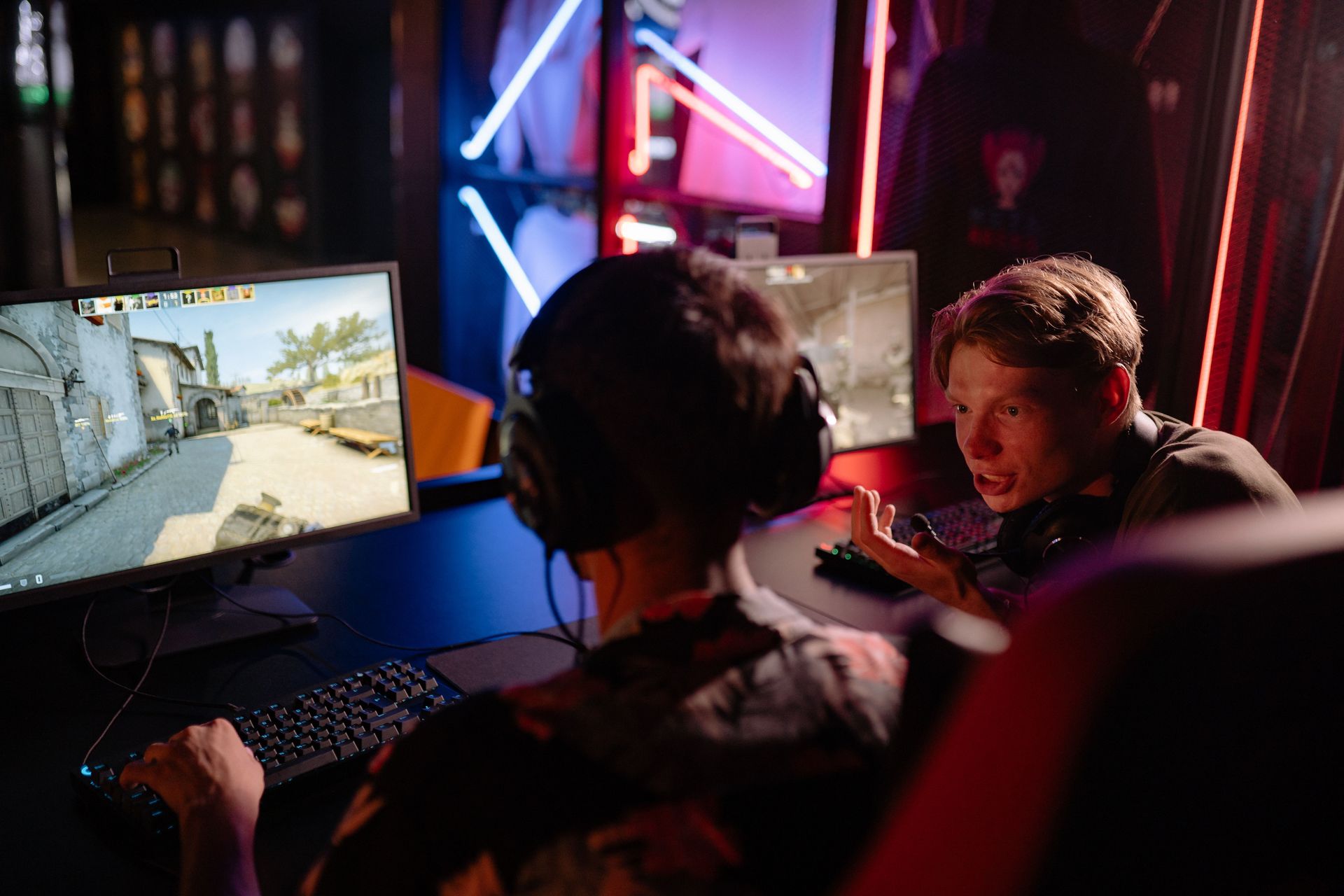
The specific technical challenge of connecting large numbers of players in real-time competitive gameplay — with latency low enough that split-second reactions remain fair and meaningful — drove significant innovation in networking protocols, server architecture, and matchmaking algorithms that predates and, in several specific respects, exceeded the networking sophistication that non-gaming internet applications were developing at the same time.
Massively multiplayer online games (MMOs) including Ultima Online (1997) and World of Warcraft (2004) had to solve server architecture problems — supporting tens of thousands of simultaneous users interacting in a shared persistent world with consistent state — that were significantly more demanding than the networking requirements of most business or consumer internet applications of the same era, requiring innovations in distributed server architecture, load balancing, and state synchronization that influenced subsequent cloud computing infrastructure design more broadly.
The matchmaking algorithms developed to pair competitive players of similar skill level — systems like the Elo rating system adapted from chess and subsequently refined into more sophisticated systems like TrueSkill (developed by Microsoft $MSFT Research specifically for Xbox Live) — have found applications well beyond gaming, including in academic and corporate contexts requiring fair pairing or ranking systems based on incomplete and evolving performance data.
Real-time ray tracing
Nana Dua / Pexels
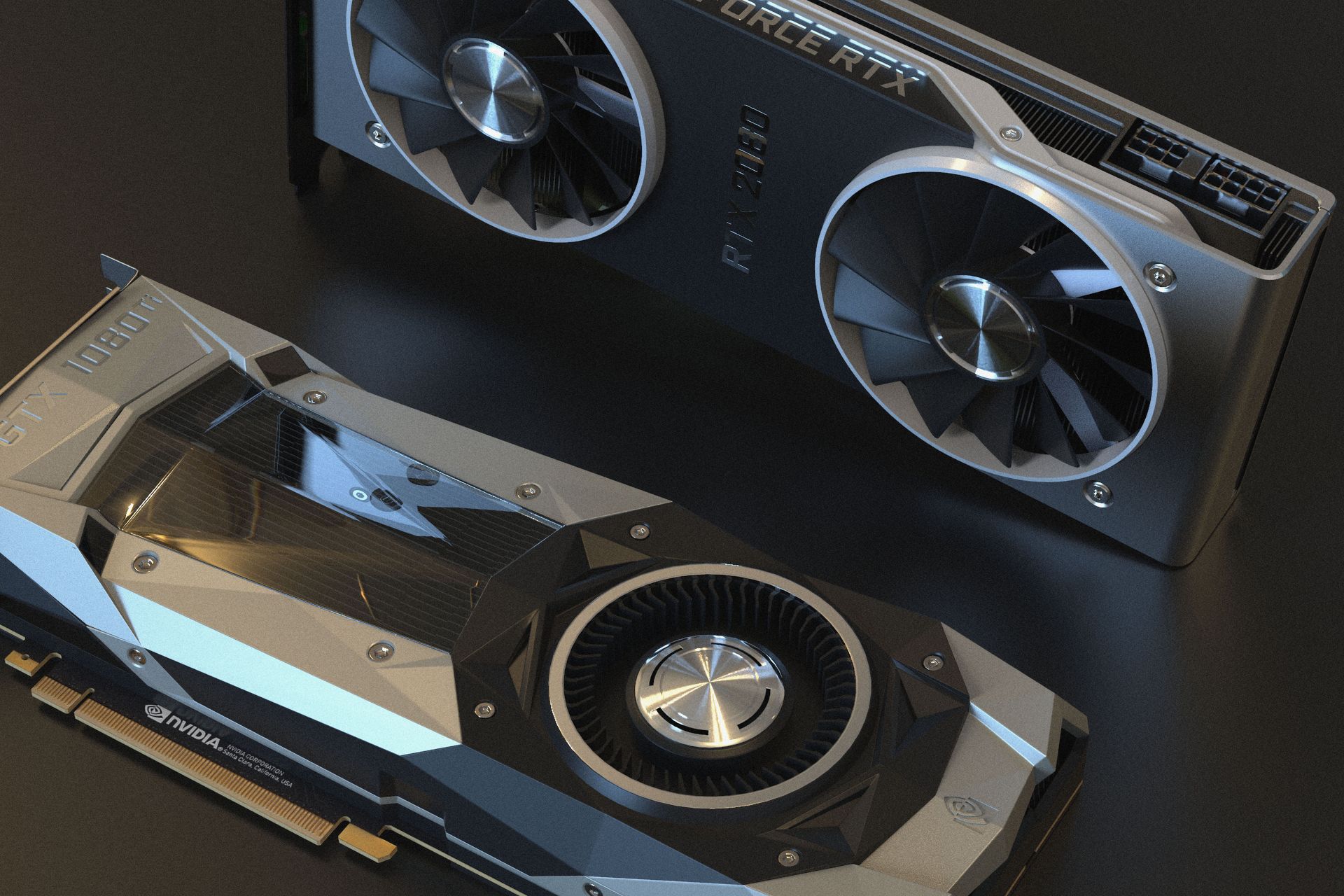
Ray tracing — a rendering technique that simulates the physical behavior of individual light rays to produce highly realistic lighting, reflections, and shadows — has been used in film production for decades but was, until relatively recently, far too computationally expensive to render in real time, requiring hours of processing per frame in film production contexts where real-time performance was not required.
NVIDIA's 2018 release of the RTX series of gaming GPUs, incorporating dedicated ray-tracing hardware cores, represented the first consumer-accessible technology capable of rendering ray-traced graphics in real time at frame rates suitable for interactive gameplay — a specific engineering achievement driven entirely by gaming market demand for more realistic graphics, requiring the development of new hardware architectures (dedicated RT cores) and software techniques (AI-based denoising to compensate for the reduced ray sampling that real-time constraints require) that did not previously exist in accessible consumer hardware.
The resulting technology has subsequently found applications in architectural visualization (allowing architects and clients to walk through photorealistic renderings of buildings in real time rather than waiting for pre-rendered walkthroughs), automotive design visualization, and film and animation production pipelines that now use real-time ray tracing for pre-visualization and, increasingly, for actual final-quality rendering in specific production contexts — applications that draw directly on the specific hardware architecture that gaming's demand for real-time realistic graphics originally justified developing.
Virtual reality headsets and tracking systems
Tima Miroshnichenko / Pexels
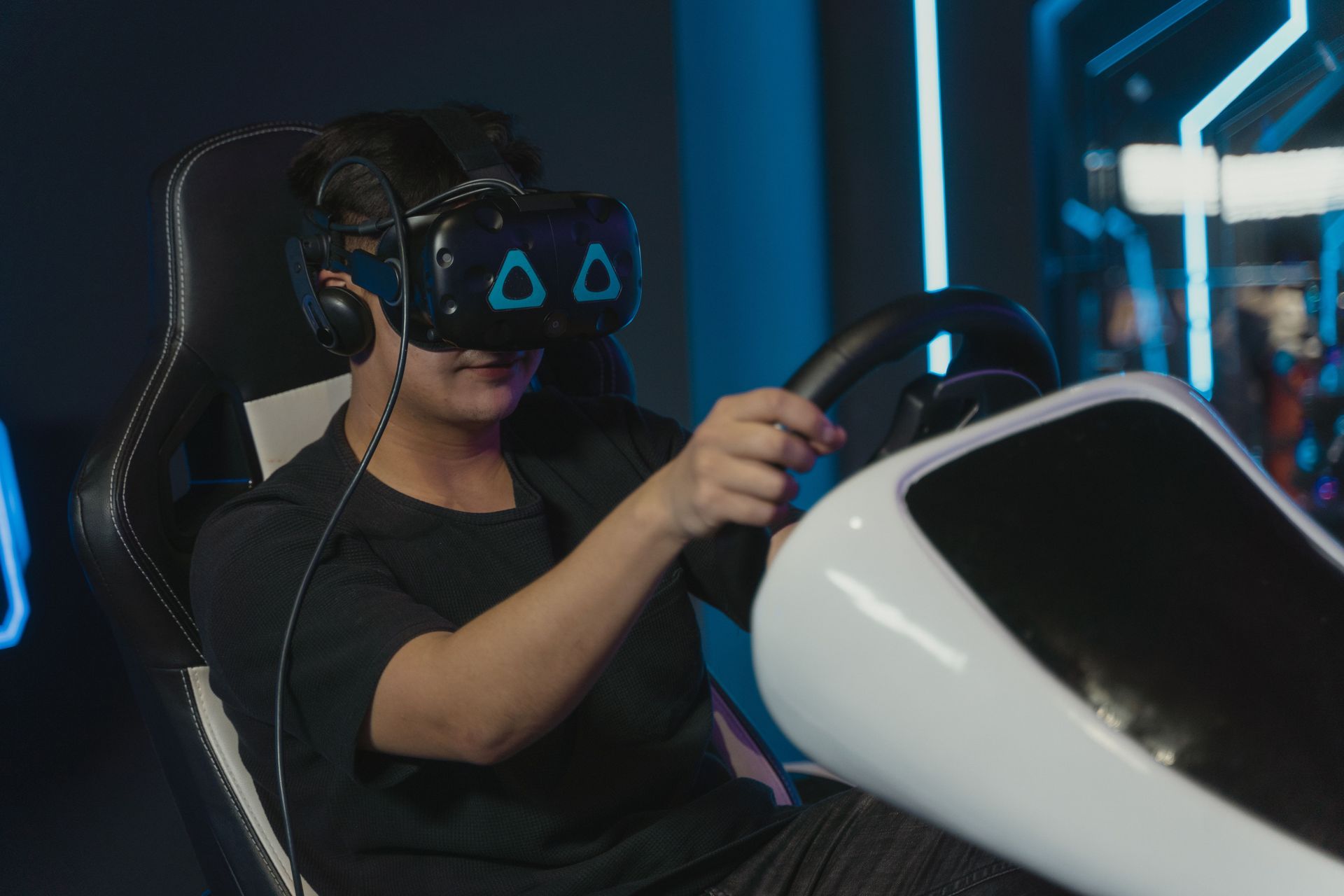
While virtual reality research long predates modern gaming — early VR research dates to the 1960s in academic and military contexts — the technology remained a niche research curiosity, largely inaccessible outside specialized institutional contexts, until gaming provided the commercial market and consumer price point that drove VR hardware into genuine mass production.
The Oculus Rift, funded through a Kickstarter campaign in 2012 and acquired by Facebook $META (Meta) in 2014 for $2 billion specifically because of its gaming-driven consumer VR potential, was the specific product that catalyzed the contemporary consumer VR industry, driving the development of the low-latency head tracking, high-refresh-rate displays, and lens optics required to produce a VR experience comfortable enough for sustained consumer use without the motion sickness that had plagued earlier VR attempts.
The resulting VR hardware and software ecosystem has subsequently found significant application well beyond gaming: medical training simulations that allow surgeons to practice procedures in VR before performing them on patients, architectural and real estate virtual walkthroughs, industrial training simulations for hazardous work environments, and exposure therapy applications in clinical psychology for treating phobias and PTSD — applications that draw on VR hardware and software infrastructure whose consumer viability gaming specifically established.
Voice chat and real-time audio compression

cottonbro studio / Pexels
The specific requirement of low-latency, high-quality voice communication during competitive multiplayer gaming — where delayed or garbled audio directly impairs coordinated team play — drove significant investment in real-time audio compression and transmission technology that predates and, in some specific technical respects, exceeded the audio quality standards of contemporary telephone and early internet voice technology.
Xbox Live's voice chat system, launched in 2002, and the subsequent development of dedicated gaming voice chat platforms including TeamSpeak (2001) and Discord (2015), drove innovations in audio codec efficiency (compressing voice data enough for real-time transmission over limited bandwidth connections without unacceptable quality loss or delay) and in noise suppression and echo cancellation technology needed to produce usable voice communication in the noisy, often poorly-equipped home environments where gamers were communicating.
Discord in particular, which built its initial user base and technical reputation entirely within gaming communities, subsequently expanded into a broader communication platform used extensively outside gaming contexts — for remote work team communication, community organizing, and educational purposes — carrying forward the specific low-latency, high-quality voice infrastructure that gaming's demanding real-time communication requirements originally drove the company to develop and refine.
Cloud gaming and video streaming infrastructure

JESHOOTS.com / Pexels
The technical challenge of streaming a fully interactive, low-latency video game experience from a remote server to a local device — as opposed to streaming pre-recorded video, which tolerates significantly more latency and buffering — drove significant innovation in video compression, network optimization, and edge computing infrastructure that has subsequently informed broader video streaming technology.
Services including Google $GOOGL Stadia (launched 2019, though discontinued in 2023), NVIDIA GeForce Now, and Microsoft $MSFT's Xbox Cloud Gaming required solving a specific and unusually demanding technical problem: transmitting high-resolution video with latency low enough (typically targeting under 100 milliseconds round-trip) that real-time interactive gameplay remained responsive, a stricter requirement than nearly any other video streaming application, including live sports broadcasting, which can tolerate several seconds of latency without materially affecting the viewer experience.
The specific edge computing and adaptive bitrate streaming techniques developed to solve this gaming-specific latency problem have informed the broader video streaming industry's approach to reducing latency in live-streamed content generally, and the underlying infrastructure investments that cloud gaming companies made in distributed data center networks optimized for low-latency delivery have contributed to the broader edge computing infrastructure that other latency-sensitive applications, including video conferencing and real-time collaboration tools, have subsequently benefited from.
Physics engines and simulation software
cottonbro studio / Pexels
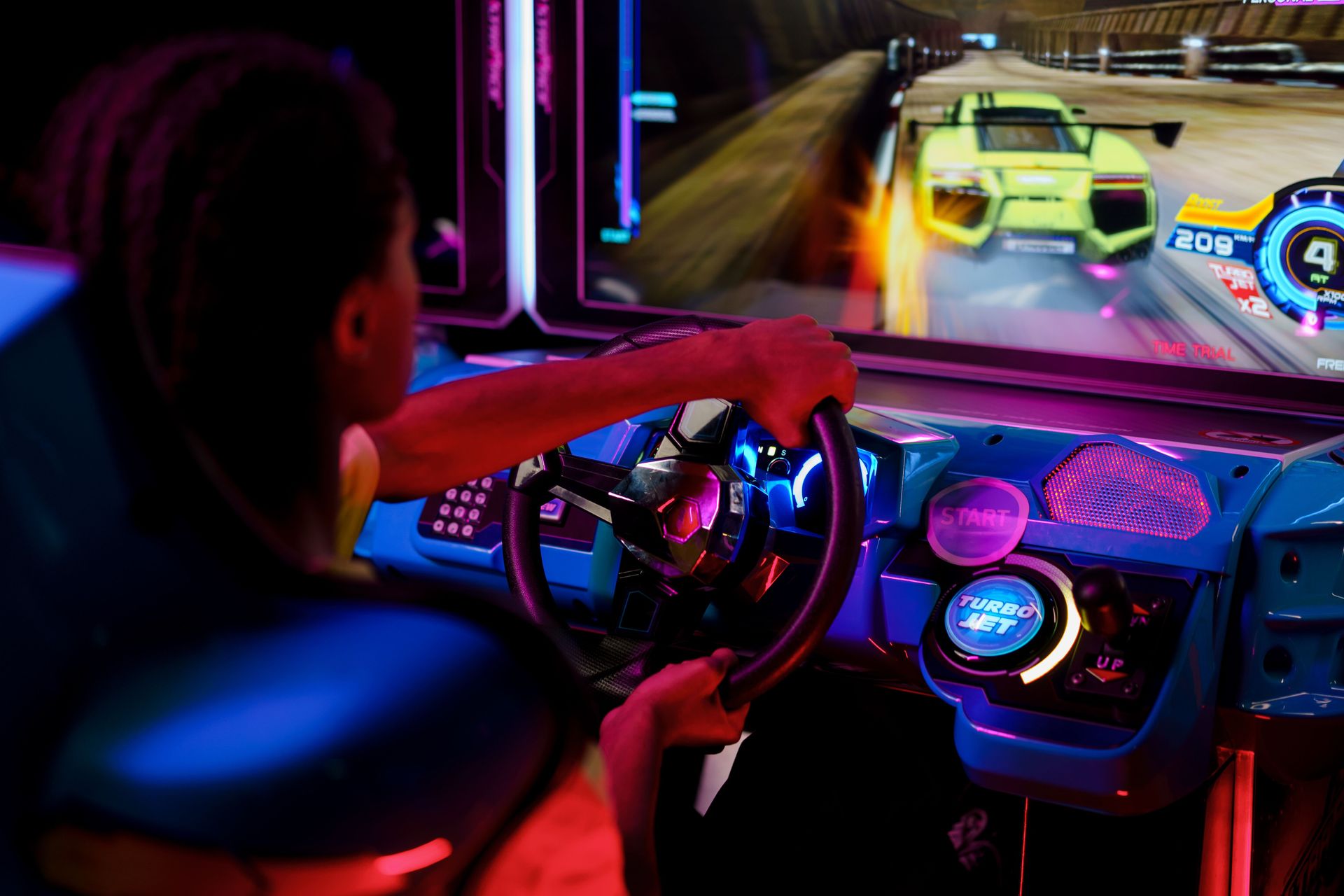
The requirement for realistic, real-time physical simulation in games — objects that fall, collide, and interact with believable momentum and collision response — drove the development of dedicated physics engine software (Havok, founded 1998, and NVIDIA's PhysX, among the most widely licensed) that solved computationally efficient real-time physics simulation years before comparable real-time simulation capability existed in most engineering and scientific computing contexts, which had traditionally used much slower, more computationally intensive simulation methods that did not need to run in real time.
The specific optimization techniques developed for gaming physics engines — simplified collision detection algorithms, approximate but computationally efficient rigid body dynamics, and level-of-detail systems that reduce simulation precision for objects that are less visually important at a given moment — have subsequently informed real-time simulation applications in robotics (where physical simulation is used to train and test robot control systems before deployment on physical hardware), autonomous vehicle development (simulating vehicle dynamics and environmental interaction for testing and training purposes), and industrial digital twin applications that simulate physical systems in real time for monitoring and predictive maintenance purposes.
Anti-cheat and behavioral anomaly detection systems

Tima Miroshnichenko / Pexels
The specific and continuous challenge of detecting cheating in competitive online games — software that gives players an unfair advantage through automated aim assistance, wall-hacking (seeing through solid surfaces), or other forms of manipulation — has driven the development of sophisticated behavioral analysis and anomaly detection systems that identify statistically improbable performance patterns and technical signatures of cheating software, techniques that have subsequently informed fraud detection systems in entirely unrelated industries.
Valve's VAC (Valve Anti-Cheat) system and subsequent, more sophisticated systems including BattlEye and Easy Anti-Cheat have developed detection techniques that combine technical signature detection (identifying known cheating software through its code or memory footprint) with statistical behavioral analysis (identifying performance patterns statistically inconsistent with legitimate human play, such as inhumanly precise aim tracking or reaction times faster than human neurological limits allow), a combined approach that mirrors, and in some cases predates, the fraud detection systems that financial institutions and e-commerce platforms use to identify fraudulent transactions and account takeover attempts.
The specific machine learning techniques used in modern gaming anti-cheat systems — training models on large datasets of both legitimate and confirmed-cheating player behavior to identify statistical patterns that distinguish the two — share significant technical overlap with the anomaly detection systems used in cybersecurity threat detection more broadly, and several gaming anti-cheat engineers have subsequently moved into broader cybersecurity and fraud detection roles, carrying the specific behavioral analysis techniques gaming's adversarial environment forced them to develop into other industries facing similar detection challenges.
Haptic feedback technology

Tima Miroshnichenko / Pexels
Precise, nuanced haptic (touch-based) feedback — the vibration and force feedback that communicates in-game events (an impact, a rumble, a specific texture) to a player through a controller — has been a specific area of continuous gaming hardware innovation since the Nintendo 64's Rumble Pak in 1997, driving increasingly sophisticated haptic technology that has subsequently found applications in mobile device design, automotive interfaces, and assistive technology for visually impaired users.
Sony $SONY's DualSense controller for the PlayStation 5, released in 2020, incorporates significantly more sophisticated haptic feedback than earlier generations, including adaptive triggers that can simulate variable resistance (the specific tension of drawing a bowstring, or the resistance of a vehicle's brakes) and localized haptic feedback that can simulate the specific sensation of different surface textures or environmental conditions, technology that required significant original engineering investment specifically to serve gaming's demand for more immersive, information-rich tactile feedback.
The underlying haptic actuator technology and the software techniques for generating nuanced, information-rich vibration patterns have subsequently informed smartphone haptic feedback systems (which now use similarly sophisticated haptic engines to simulate the sensation of physical buttons and provide nuanced interface feedback), automotive touchscreen interfaces (which use haptic feedback to provide tactile confirmation of touch inputs without requiring the driver to look away from the road), and assistive technology applications that use haptic feedback to convey information to visually impaired users through touch rather than sight.