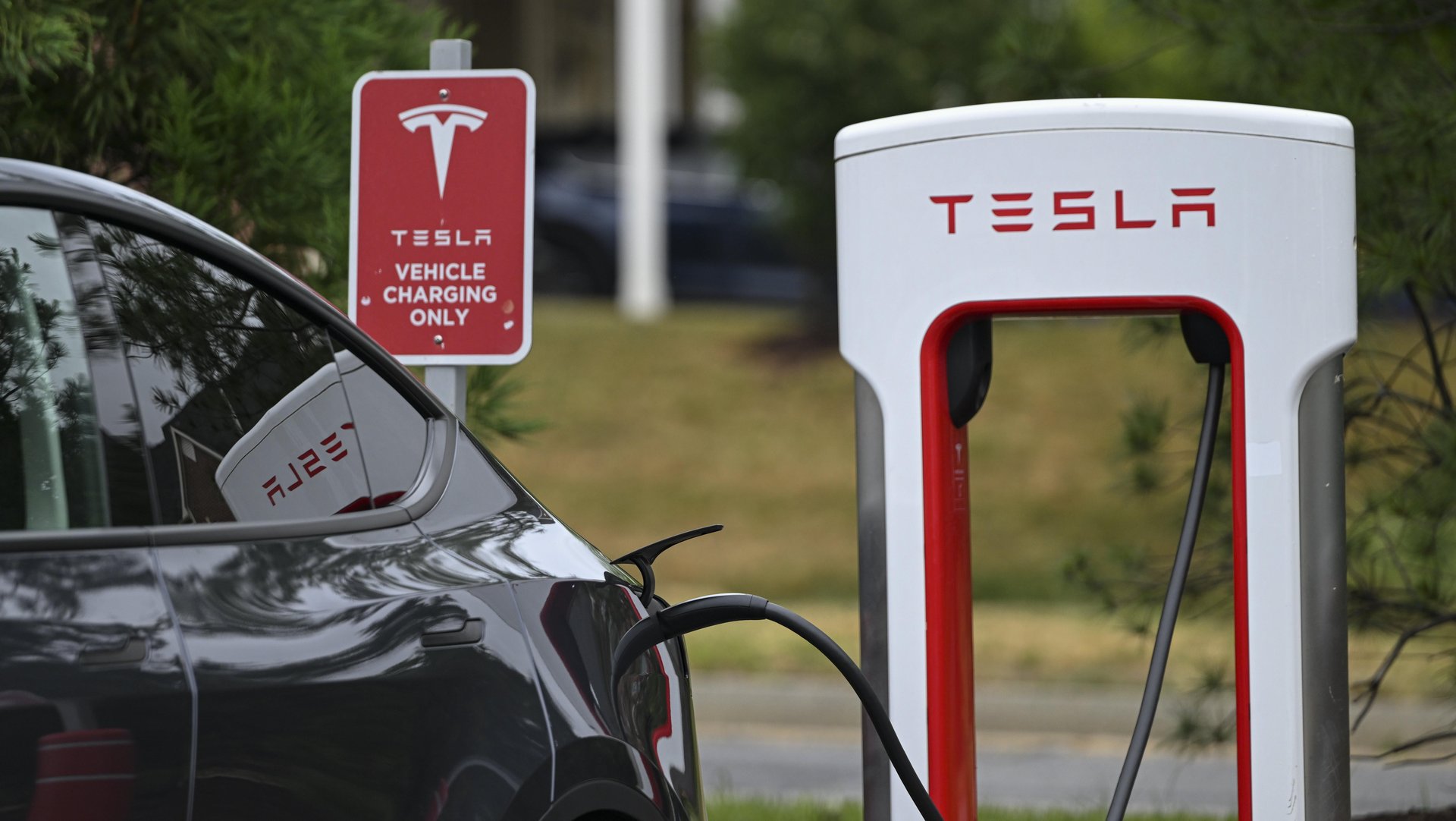
In the event of an over-temperature condition in the Connector, the lack of overtemperature protection creates a safety risk. Testing of high-current simulated charging through the Connector, utilized in conjunction with a Tesla Supercharger cable and Tesla EV charge port, demonstrated that surface temperatures of the Connector may reach as high as 100C, after 30 minutes of charging at 420 ADC. During an over-temperature event, a user of the Connector may be burned during (or following) charging by touching or grabbing the Connector. Additionally, the high temperature present in the Connector poses a risk of fire and ignition of other combustible materials in the charger cable, the vehicle connected to the Connector, and the Supercharger infrastructure.
If the EVject Escape Connector is reaching 212 degrees while charging, it might actually be more dangerous than having your car stolen. Tesla is requesting the court prevent EVject from advertising its product as safe, ban the adapter import into the United States and require the company to pay no less than $75,000 in damages.