
A record share of home shoppers searched outside their own city in Q1. Redfin ranked the 10 destinations that attracted the most new buyers

Sung Jin Cho / Unsplash
Buying a home in the city you already live in has become a financial stretch for a growing number of Americans, and more of them are responding by looking somewhere else entirely. Housing costs remain near record highs across most major metros, pushed there by mortgage rates that have stayed stubbornly above 6% and sale prices that haven't come down enough to compensate. Inflation has amplified the pressure, raising the cost of everyday expenses in ways that make the gap between a paycheck and a monthly mortgage payment harder to close. The result is a steady increase in the share of prospective buyers willing to move across state lines in search of a market where their money goes further.
Warm weather and lower housing costs continue to define where those buyers end up. New York, Seattle, and Los Angeles continue to post the largest outflows of prospective buyers, and the metros absorbing that demand are overwhelmingly in the Sun Belt, where home prices typically run at half the level of the coastal cities shedding residents. Remote work has made these moves possible for a category of buyer that didn't exist at this scale before 2020. Roughly one in four paid U.S. workdays is now performed from home. The migration pattern has settled into a permanent feature of the American housing market.
Redfin analyzed search behavior across more than 100 metro areas to measure which cities gained and lost the most prospective buyers in the first quarter of 2026. The analysis counts a Redfin.com user as a potential migrant if they viewed at least 20 for-sale homes in a metro other than the one they live in during a given month, and it ranks destinations by net inflow, the gap between the number of people looking to move in and the number looking to leave. The headline finding is that 19.1% of house hunters looked to relocate to a different metro, up from 18.9% a year earlier and the highest share since Redfin began publishing migration data in 2021. Florida claimed half of the top 10 destinations, and every metro on the list sits in the Sun Belt. The flows have slowed from their pandemic peak, with Miami's net inflow dropping from more than 28,000 in 2022 to roughly 6,600 in the first quarter of this year, but the direction hasn't reversed.

Mick Haupt / Unsplash
Orlando drew a net inflow of 6,914 prospective buyers in the first quarter of 2026, more than any other metro in the country. Redfin's analysis found that New York was the most common origin for people searching for homes in Orlando, a pattern driven largely by the price gap between the two markets. Homes in Orlando typically sell for just north of $400,000, roughly half the price of an equivalent property in New York, and the math becomes even more favorable once Florida's lack of a state income tax enters the calculation. Buyers coming from the Northeast get more square footage, warmer weather, and a lower effective tax burden in a single move.
The Zillow Home Value Index for Orlando sits at $376,216, down 2.8% year over year, and the metro median sale price hovers around $395,000 as of mid-2026. Those numbers represent a meaningful correction from the pandemic-era highs, when Orlando prices surged alongside the rest of Florida in response to the migration wave that began in 2020. The market has shifted toward buyers, with homes spending an average of 29 days on the market before going pending and roughly two-thirds of listings carrying price reductions. Only about 11% of homes sold above asking price in early 2026, down from the bidding-war levels of 2021 and 2022.
Orlando's economy extends well beyond the tourism sector that defines its national reputation. Healthcare, technology, and defense contracting contribute a substantial share of local employment, and the University of Central Florida, one of the largest universities in the country by enrollment, anchors a research corridor that generates steady job growth. The Orlando Regional Realtor Association reported that overall sales jumped more than 21% from January to February 2026, a sign that transaction volume is recovering even as prices moderate. For buyers relocating from New York, the combination of lower housing costs, no state income tax, and a diversified job market creates an equation that continues to pull more people south than any other metro in the Redfin data.
FilterGrade / Unsplash
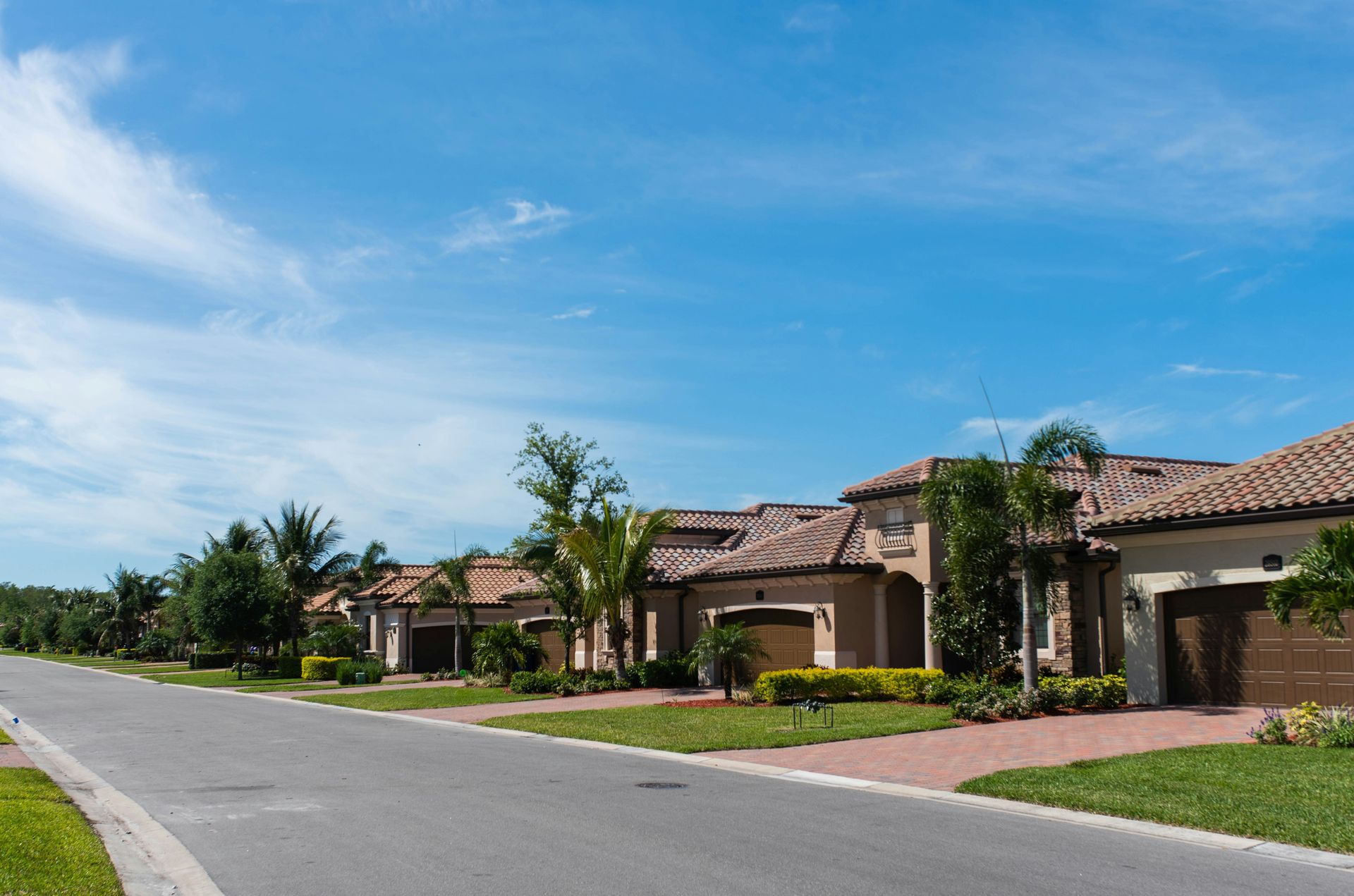
North Port, Fla., ranked second nationally with a net inflow of 6,772 prospective buyers, and the top origin for people searching here wasn't New York but Chicago. Redfin's data shows that Midwestern buyers are drawn to the North Port-Sarasota-Bradenton metro for many of the same reasons northeasterners favor Orlando, with the addition of a Gulf Coast beach lifestyle that the inland metros on this list can't match. The typical home in North Port costs less than half of what a comparable property would run in the Chicago metro, and the combination of waterfront access with Sun Belt affordability has made this stretch of Florida's southwest coast one of the fastest-growing corridors in the state.
The market is, however, in the middle of a pronounced correction. The Zillow Home Value Index for North Port sits at $318,081, down 9.3% year over year, one of the steepest declines of any metro on this list. Redfin data shows a median sale price near $344,000, down roughly 3% from the prior year, with homes averaging 68 days on the market. The correction traces back to a construction boom that produced excess inventory during the pandemic and a subsequent slowdown in demand as mortgage rates climbed. Builders along this corridor had ramped up production aggressively in response to the 2020-2022 migration surge, and the supply overshoot has put downward pressure on prices that hasn't yet fully worked its way through the system.
For buyers arriving from the Midwest, the current conditions represent an entry point that didn't exist two years ago. The combination of falling prices, rising inventory, and a buyer's market that gives newcomers genuine negotiating leverage makes North Port attractive precisely because it's in correction. Insurance costs remain the wildcard for Florida buyers, with homeowner premiums in the state running among the highest in the country, but the per-square-foot cost of housing in North Port still compares favorably to Chicago even after factoring in the insurance premium.
Avi Werde / Unsplash
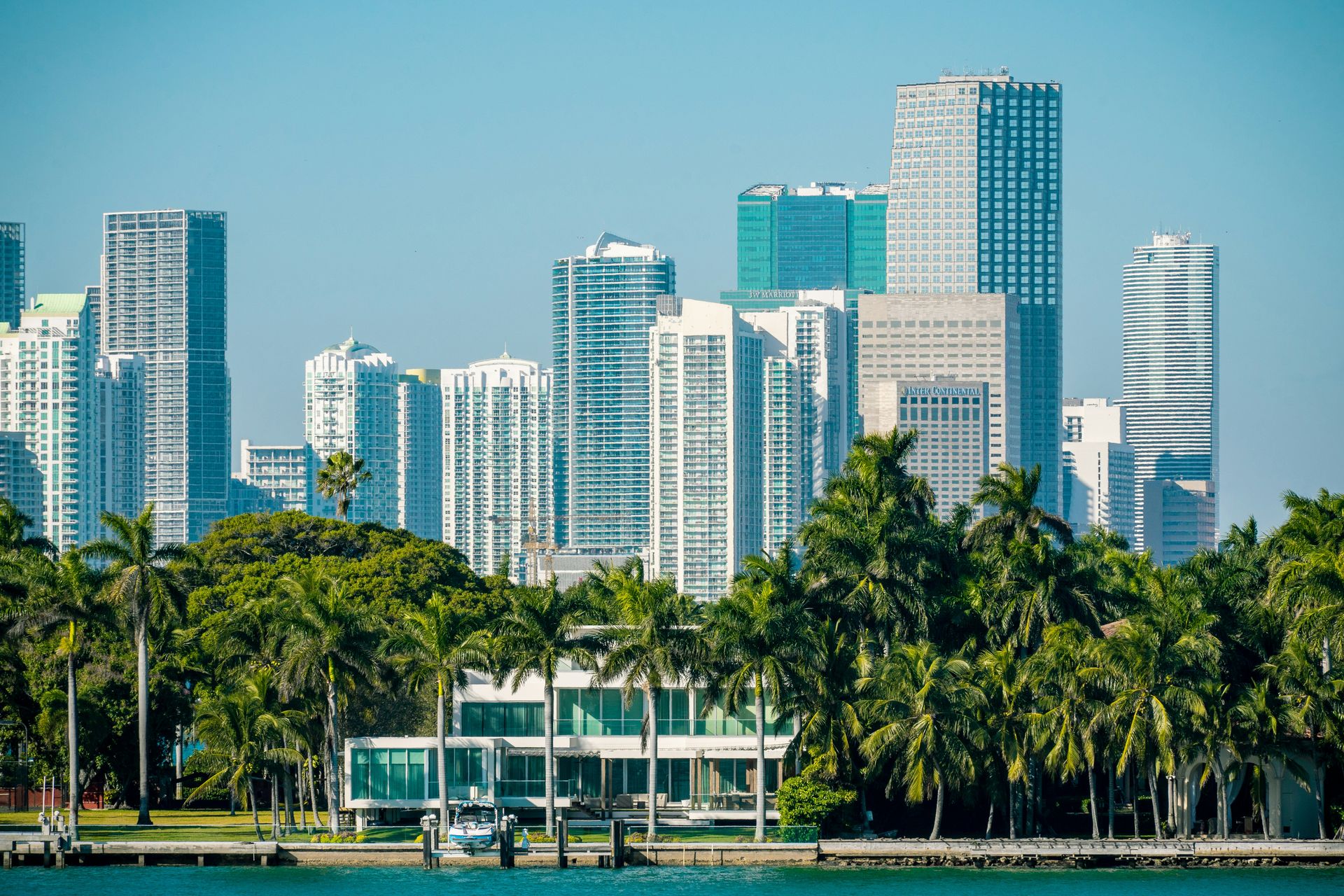
Miami placed third with a net inflow of 6,576, drawing relocating buyers primarily from New York. Redfin's data captures a metro that operates as two distinct markets under one label. The single-family segment remains in appreciation territory, with the Miami Association of Realtors reporting a median single-family sale price of $671,250, up 3.3% year over year. The condo market tells a different story entirely, with a supply glut of more than 12 months of inventory and prices that have been flat to declining for more than a year. The Zillow Home Value Index, which captures both segments, sits at $581,864, down 1.2% year over year.
The appeal of Miami for New York buyers goes beyond pure affordability, since the city isn't cheap by any national standard. Florida's absence of a state income tax creates a savings that can amount to tens of thousands of dollars annually for high-income earners, and that calculation has driven a wave of wealth migration from the Northeast that has reshaped Miami's economy. Financial firms, technology companies, and hedge funds have relocated offices to South Florida in recent years, bringing with them a class of buyer whose housing budget is calibrated to Manhattan prices and who finds Miami's high-end market comparatively accessible. International demand adds another layer, with buyers from Latin America and Europe drawn to a cultural and linguistic environment that few other American cities can replicate.
Despite its third-place ranking, Miami's inflow has slowed dramatically from its pandemic peak. Redfin data shows net inflow at roughly 6,600 in the first quarter of 2026, down from more than 28,000 in 2022. That deceleration reflects both the rising cost of living in South Florida and the insurance crisis that has pushed homeowner premiums to among the highest in the nation. Active listings across Miami-Dade County have climbed past 16,000, homes are averaging more than 90 days on the market, and the sale-to-list price ratio has dropped below 95%, indicating that sellers are cutting prices to attract offers. The market remains a magnet for relocating buyers, but the terms have shifted meaningfully in those buyers' favor.
Debby Hudson / Unsplash
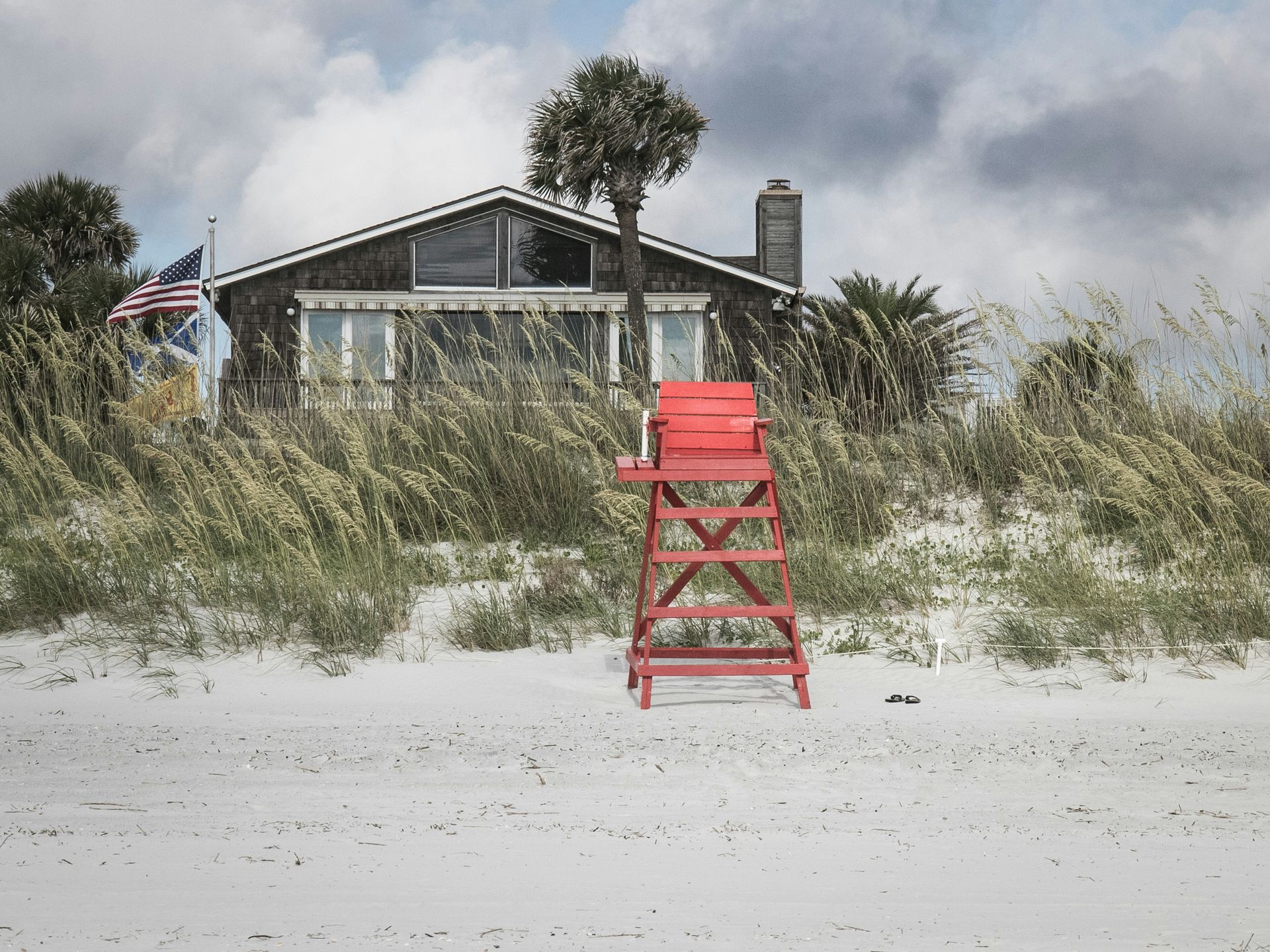
Cape Coral, Fla., drew a net inflow of 6,482 in the first quarter, ranking fourth nationally and pulling its largest share of newcomers from Chicago. Redfin's data places Cape Coral alongside North Port as one of two Southwest Florida metros in the top five, a clustering that reflects the region's particular appeal to Midwestern retirees and remote workers drawn by Gulf Coast waterfront living at prices far below what the same lifestyle would cost on the East Coast. The Zillow Home Value Index for Cape Coral sits at $337,346, down 6.0% year over year, and Redfin shows a median sale price of roughly $360,000, with homes moving in about 60 days.
The correction in Cape Coral mirrors the pattern across much of Florida's Gulf Coast. Home values surged more than 86% between 2019 and 2022, driven by the pandemic migration wave, and the pullback since then has been steady rather than sudden. Inventory has climbed to roughly 5.8 months of supply, well into buyer's market territory, and single-family non-waterfront homes that would have sparked bidding wars in 2022 now sit on the market for weeks with price reductions. Gulf-access waterfront properties still command premiums in the $600,000 to $900,000 range, but the broader market has come back to earth in a way that favors the Chicago and Midwest transplants who make up the largest share of new arrivals.
Cape Coral's canal system is the feature that distinguishes it from every other metro on this list. The city has more than 400 miles of navigable waterways, more than any other city in the world, and that infrastructure gives homeowners direct boat access to the Gulf of Mexico from their backyard in many neighborhoods. For buyers arriving from landlocked Midwestern cities, the canal lifestyle is an amenity that has no equivalent in their origin market, and it helps explain why Cape Coral continues to attract strong inflows even as prices decline and insurance costs remain elevated.

Nils Huenerfuerst / Unsplash
Las Vegas ranked fifth with a net inflow of 5,639, and the top origin for incoming buyers was Los Angeles. Redfin's data reflects a migration dynamic that has been running for years, driven by the dramatic price differential between the two metros. The typical home in Las Vegas sells for roughly $425,000, less than half the price of the typical home in Los Angeles, and the move from California to Nevada brings an immediate tax advantage as well, since Nevada has no state income tax. For California buyers priced out of their home market, Las Vegas represents the nearest accessible alternative that doesn't require a change in climate or time zone.
The Zillow Home Value Index for Las Vegas sits at $425,535, down 3.1% year over year, and the market has shifted from the seller-dominated conditions of 2021-2022 to a more balanced environment where buyers have room to negotiate. The correction has been driven in part by the same affordability ceiling that pushed buyers out of California in the first place. Las Vegas home prices nearly doubled between 2016 and their pandemic peak, and the run-up pushed monthly mortgage payments beyond what local incomes can sustain for many buyers. The result is a market that is cooling from the top while continuing to attract inflows from even more expensive metros.
The Las Vegas economy has diversified substantially since the Great Recession, when the metro's near-total dependence on tourism and hospitality made it one of the hardest-hit housing markets in the country. Healthcare, logistics, and professional services have grown as a share of local employment, and the arrival of the Raiders, the Golden Knights, and the Las Vegas Grand Prix has anchored a sports and entertainment infrastructure that supports year-round tourism rather than the seasonal patterns that once defined the city's economy. Redfin's data captures a metro that continues to function as a release valve for California's housing pressure, attracting buyers who want lower costs without giving up warm weather, proximity to the coast, or access to a major airport.
-1920x1156.jpg)
Edgar Cotto / Unsplash
Tampa placed sixth with a net inflow of 4,819, drawing its largest share of incoming buyers from New York. Redfin's analysis puts Tampa in the middle of this list but near the bottom of the Florida metros represented on it, a position that reflects the significant cooling the market has undergone since its pandemic peak. The Zillow Home Value Index sits at $376,278, down 4.2% year over year, and the broader Tampa-St. Petersburg-Clearwater metro has seen values decline more than 5%. Realtor.com's 2026 forecast projects further price declines of around 3.6% for the metro through the rest of the year, and the market has tilted decisively toward buyers, with active listings at multi-year highs.
The correction in Tampa has been among the sharpest of any Florida metro, driven by a convergence of rising insurance costs, elevated mortgage rates, and the end of the pandemic-era migration surge that had pushed prices to unsustainable levels. Home insurance premiums in Florida have climbed to among the highest in the nation, and for Tampa buyers the typical annual premium represents a carrying cost that didn't exist at this scale five years ago. The median sale price for single-family homes in the metro hovers around $400,000 as of mid-2026, a level that has held roughly steady for more than two years, and the gap between listing prices and sale prices continues to widen as sellers adjust to the new reality.
Despite the correction, Tampa's fundamentals continue to attract relocating buyers from the Northeast. Redfin's top-origin data shows New York as the primary feeder market, and the appeal is straightforward. A buyer moving from the New York metro to Tampa cuts their housing costs roughly in half, eliminates state income tax, and gains access to a coastal metropolitan area with a growing technology sector, a revitalized downtown waterfront, and year-round warm weather. Zillow ranked Tampa among its most buyer-friendly markets for 2026, a designation that signals to prospective movers that the window of negotiating leverage hasn't closed.
Nils Huenerfuerst / Unsplash
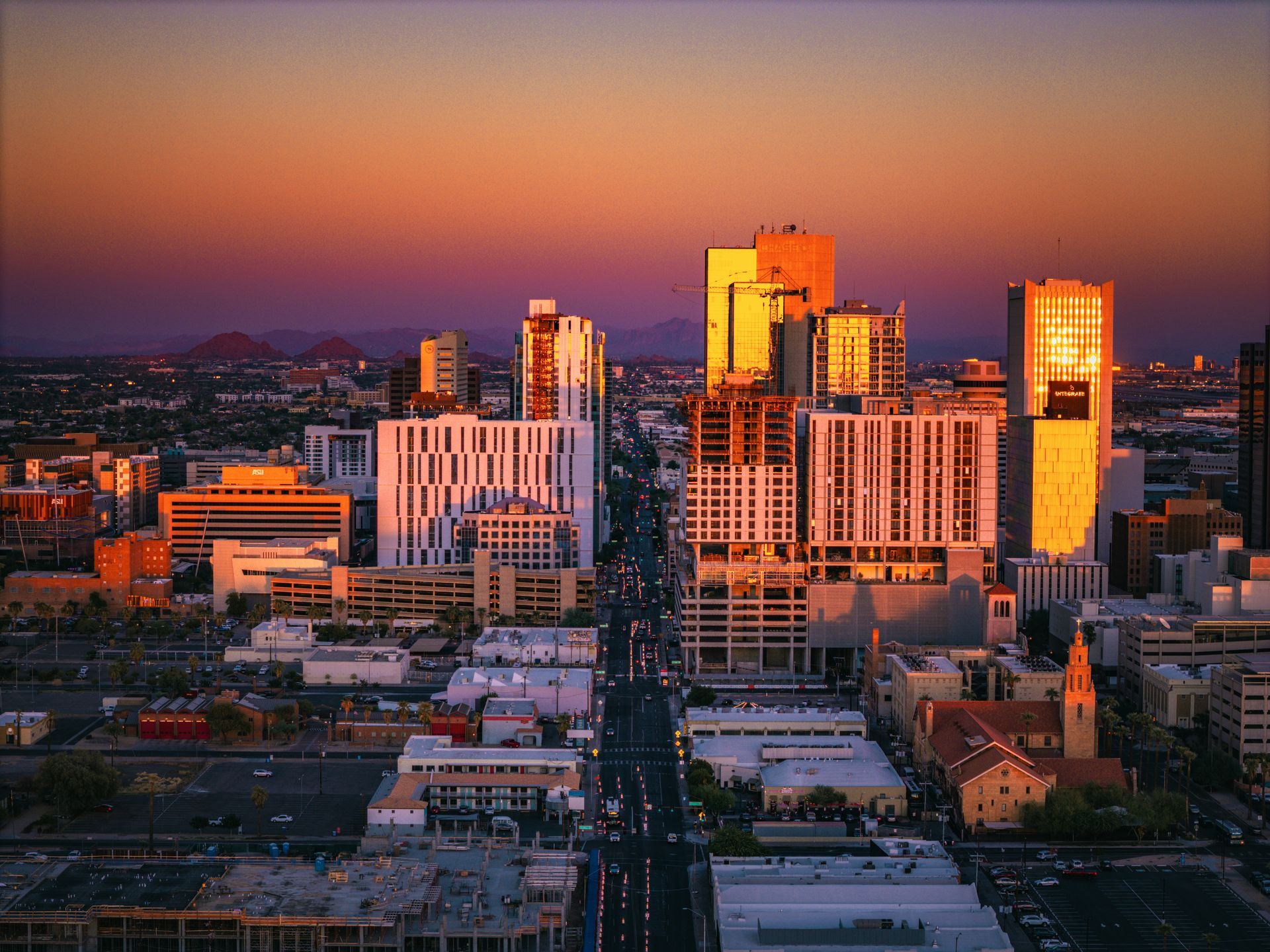
Phoenix ranked seventh with a net inflow of 4,522, and Redfin identified Seattle as the top origin for incoming buyers. That pairing has been one of the most consistent migration corridors in the country for several years, driven by the same basic arithmetic that defines most entries on this list. A typical home in Phoenix costs roughly half what a comparable home in Seattle runs, and the move brings warmer weather, lower overall cost of living, and access to a metropolitan area of more than 5 million people with a diversified economy. The Zillow Home Value Index for Phoenix sits at $410,222, down 2.1% year over year, and the median sale price is roughly $458,000.
The Phoenix housing market entered 2026 in buyer's market territory for the first time since the pandemic. The demand-to-supply index, where 100 represents a balanced market, sat at 80 in early 2026, and active listings had climbed more than 65% over the prior three years. Homes are spending roughly 56 days on the market before going under contract, and the sale-to-list price ratio has dropped to about 97.5%, meaning sellers are accepting offers below their asking price as a matter of course. The moderation has been a gradual process rather than a sudden correction, and most forecasts project flat to mildly positive price movement through the rest of the year.
Phoenix's appeal to Seattle transplants extends beyond the price gap. Arizona has no shortage of sunshine, a lower cost of living across most categories, and a growing technology sector that provides employment opportunities for the remote and hybrid workers relocating from the Pacific Northwest. The metro's sheer physical scale also means the market isn't monolithic. Premium neighborhoods such as Paradise Valley and Camelback East command median prices above $600,000, while entry-level areas on the west side of the city offer homes below $350,000. That internal range gives incoming buyers a wider set of options than they would find in a more uniformly priced metro, and Redfin's data suggests they're taking advantage of it.

Leo_Visions / Unsplash
Sacramento ranked eighth with a net inflow of 4,442, and the migration pattern here is unusual compared to the rest of this list. The top origin is San Jose, and the top out-of-state origin is Seattle, which means Sacramento is functioning primarily as a landing zone for California's own displaced buyers rather than as a destination for cross-country movers. Redfin's data captures a metro that sits close enough to the Bay Area to remain connected to its job market while offering home prices that are dramatically lower. The Zillow Home Value Index for Sacramento sits at $482,968, down 1.9% year over year, and the median home price hovers between $500,000 and $515,000.
Those figures make Sacramento the most expensive metro on this list, but the price point makes sense in the context of its primary feeder market. A typical home in San Jose costs more than $1.5 million, and a move to Sacramento cuts that cost by roughly two-thirds. The Capital Corridor Amtrak line and the commute along Interstate 80 connect the two metros, and the durability of remote work arrangements in the technology sector means that a growing number of Sacramento buyers hold Bay Area salaries while paying Sacramento housing costs. That dynamic has supported steady demand even as the broader California housing market has softened.
Sacramento is also the only California metro among Redfin's top 10 destinations, a position that speaks to the state's broader migration story. California posted a net outflow of nearly 55,000 house hunters in the first quarter, more than twice the outflow of any other state, and most of those buyers went to other Sun Belt destinations on this list. Sacramento's presence among the top inbound metros means it's capturing a meaningful share of the state's internal migration, buyers who want to stay in California but need a market where their income can cover a mortgage. The market remains competitive compared to the Florida and Arizona metros elsewhere on this list, with homes going pending in roughly 30 days, but the year-over-year softening in prices and the increase in available inventory have created conditions that favor buyers arriving from even more expensive parts of the state.
JC Cervantes / Unsplash
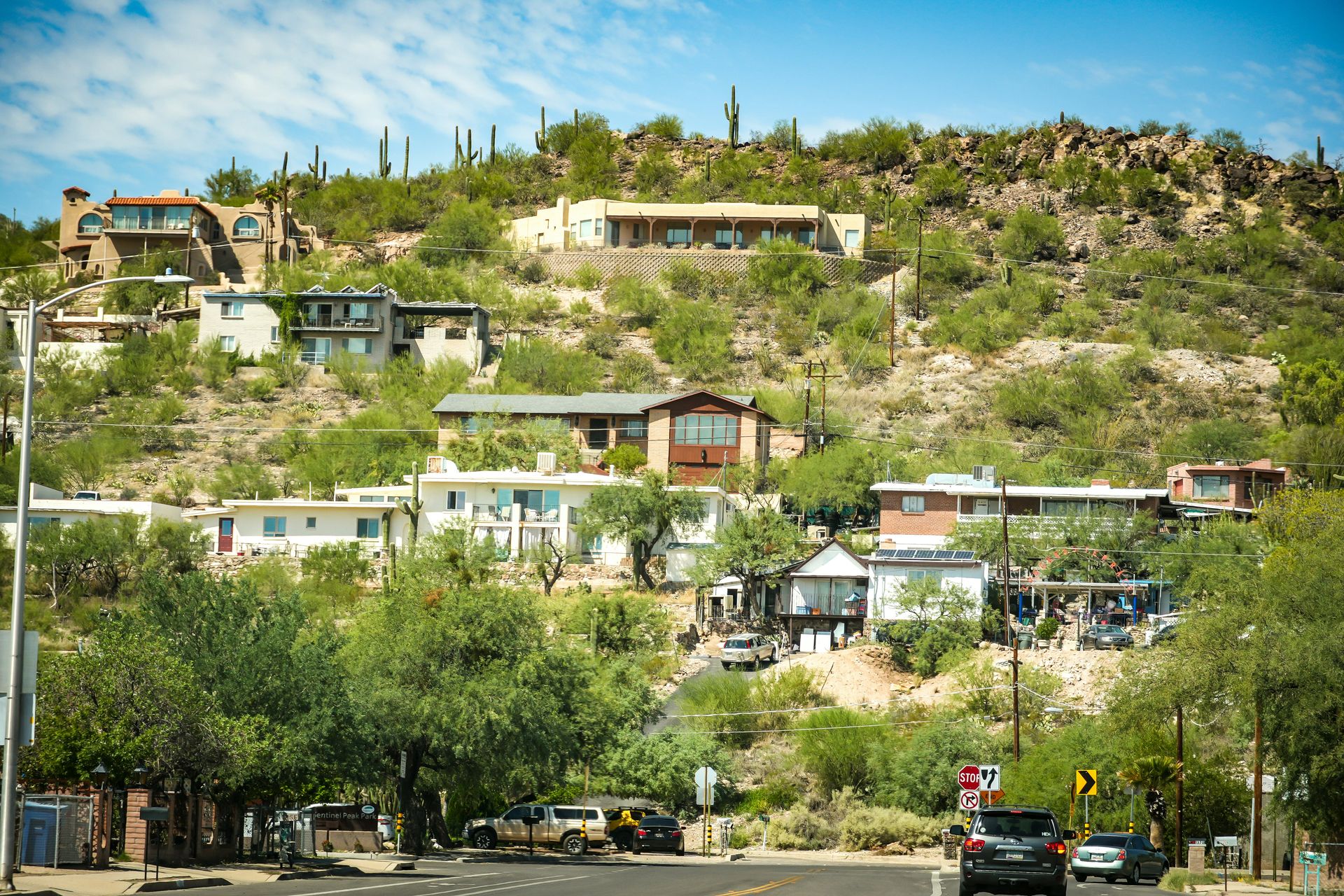
Tucson, Ariz., ranked ninth with a net inflow of 4,241, and the migration picture here has an unusual wrinkle. The top origin for incoming buyers was Phoenix, just 110 miles to the northwest, which means a significant share of Tucson's newcomers are being priced out of their neighboring metro rather than arriving from across the country. The top out-of-state origin, however, is Seattle, which aligns with the broader pattern of Pacific Northwest buyers seeking lower costs in the desert Southwest. Redfin's data captures a metro that serves as both a pressure-release valve for Phoenix's rising costs and a standalone destination for out-of-state buyers drawn to the combination of affordability, weather, and proximity to outdoor recreation.
The housing market in Tucson remains remarkably stable compared to the Florida metros on this list. The Redfin median sale price sits at roughly $320,000, unchanged year over year, and the market carries about four months of supply, placing it in balanced territory rather than the buyer's-market conditions seen in North Port, Cape Coral, or Myrtle Beach. Homes average 65 days on the market, and the sale-to-list ratio holds near 98%, indicating that sellers aren't being forced into steep discounts. The stability reflects a market that didn't overshoot as dramatically during the pandemic as its Southwest Florida counterparts and therefore hasn't needed to correct as sharply.
Tucson's appeal for relocating buyers rests on a different value proposition than the Florida metros that dominate this list. The University of Arizona anchors the local economy and generates a steady pipeline of research and healthcare employment. Raytheon $RTX's missile systems division is the metro's largest private employer. The Sonoran Desert landscape and proximity to Saguaro National Park offer outdoor amenities that draw a specific type of buyer who prioritizes access to hiking, cycling, and open space alongside lower housing costs. At a median sale price roughly $100,000 below Phoenix and more than $200,000 below Sacramento, Tucson offers the cheapest entry point of any metro in Redfin's top 10 outside of Myrtle Beach, and the market's relative stability makes it a lower-risk bet for buyers who are wary of catching a falling knife in one of the more volatile Florida markets.
High Tide Content / Unsplash
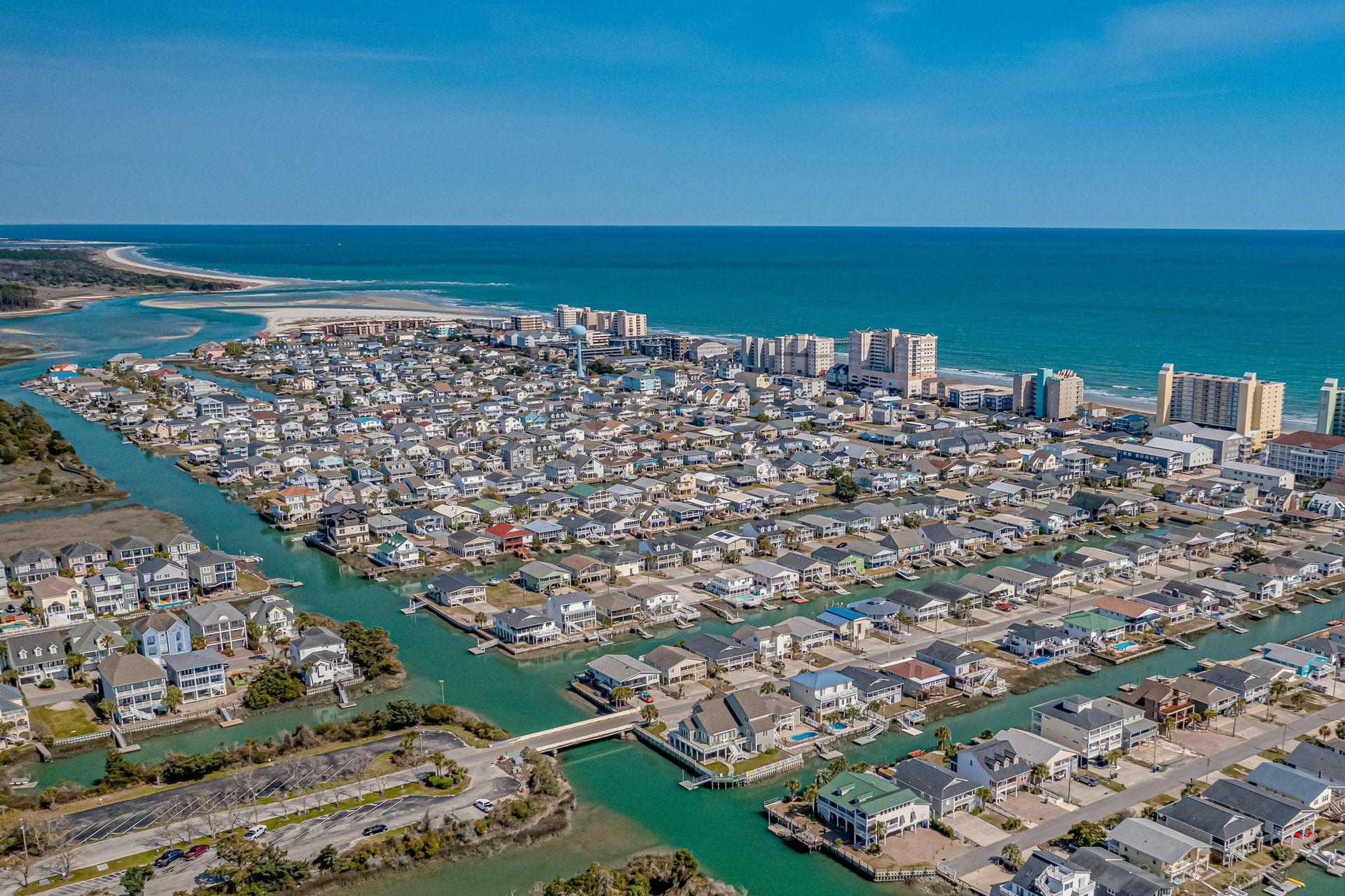
Myrtle Beach, S.C., rounded out the top 10 with a net inflow of 3,813, and the primary origin was Washington, D.C. Redfin's data places this coastal South Carolina metro at the bottom of the list by inflow volume but at the top by the degree of leverage buyers currently hold. Homes in the Myrtle Beach metro average more than 118 days on the market, the longest of any destination in the top 10, and inventory has climbed past seven months of supply, well beyond the level that defines a buyer's market. Only about 4% of homes sold above asking price in early 2026, and the sale-to-list price ratio sits at roughly 96%, meaning the typical buyer is paying substantially less than the listed price.
The Zillow Home Value Index for Myrtle Beach sits at $323,460, essentially flat year over year, and the Redfin median sale price is roughly $266,000. Single-family homes in the metro trade between $328,000 and $385,000, while condos and townhomes start around $228,000 to $240,000, making Myrtle Beach one of the most affordable coastal markets on the East Coast. For buyers arriving from the D.C. metro, where the typical home costs well above $500,000, the price differential is large enough to allow a significant downgrade in monthly payment or a significant upgrade in square footage and proximity to the beach, or some combination of both.
Myrtle Beach is the only metro on this list that isn't in Florida, Arizona, Nevada, or California, and its presence speaks to a broader trend of buyers seeking out affordable coastal alternatives beyond the traditional Sun Belt magnets. South Carolina has no tax on Social Security benefits and offers a relatively low overall tax burden, features that make it particularly attractive to the retirees who represent a substantial share of Myrtle Beach's incoming buyers. Horry County's population has grown more than 12% over the past four years, and the sustained in-migration has kept demand steady even as prices have declined from their pandemic highs. For buyers willing to trade the urban amenities of the D.C. corridor for 60 miles of beach and some of the lowest housing costs on this list, Myrtle Beach represents the clearest example of a market where affordability and lifestyle intersect.