Doctors notice things about your health in nails, skin, posture and voice long before symptoms register, and this list explains what those signs mean

Credit: Canva Images
A physical exam still catches things a blood panel misses. Doctors notice things about your health long before a patient mentions a single symptom. Clinical training points attention at details most people never think to check: the curve of a fingernail, the tint of skin under exam-room light, the rhythm of a walk down a hallway. None of these findings are dramatic on their own. They are small, physical clues, built from years of comparing one patient against thousands of others. Many of them point to conditions that are still simple to treat if they are caught early.
That skill matters more, not less, in an age of home health tests, wearable trackers and online symptom checkers. A wearable can log a heart rate. It cannot spot a faint yellow tint in the eyes. It cannot catch a word that slurs at the start of a sentence, or a fingernail that has started to curve over the fingertip. Those signs still require a trained eye, a set of hands and a few extra seconds of attention. No algorithm currently replicates that.
Some of the 20 signs on this list turn up during a routine checkup. Others surface in a hallway conversation, a handshake or a glance across an exam room. None require special equipment. None are limited to people who already feel sick. A change in gait can appear before a person notices any weakness. A change in voice can appear before a swallow feels different. That is the value of a trained observer: the body often signals a problem before the person carrying it feels anything at all.
This list draws on findings well documented across cardiology, dermatology, endocrinology and neurology, written in language anyone can use to understand their own body better. None of it replaces a diagnosis, and a single sign rarely means a single disease. But knowing what a doctor is trained to look for gives readers a reason to mention a change they might otherwise brush off. It also offers a clearer sense of which physical details are worth raising at the next appointment.
Credit: Canva Images
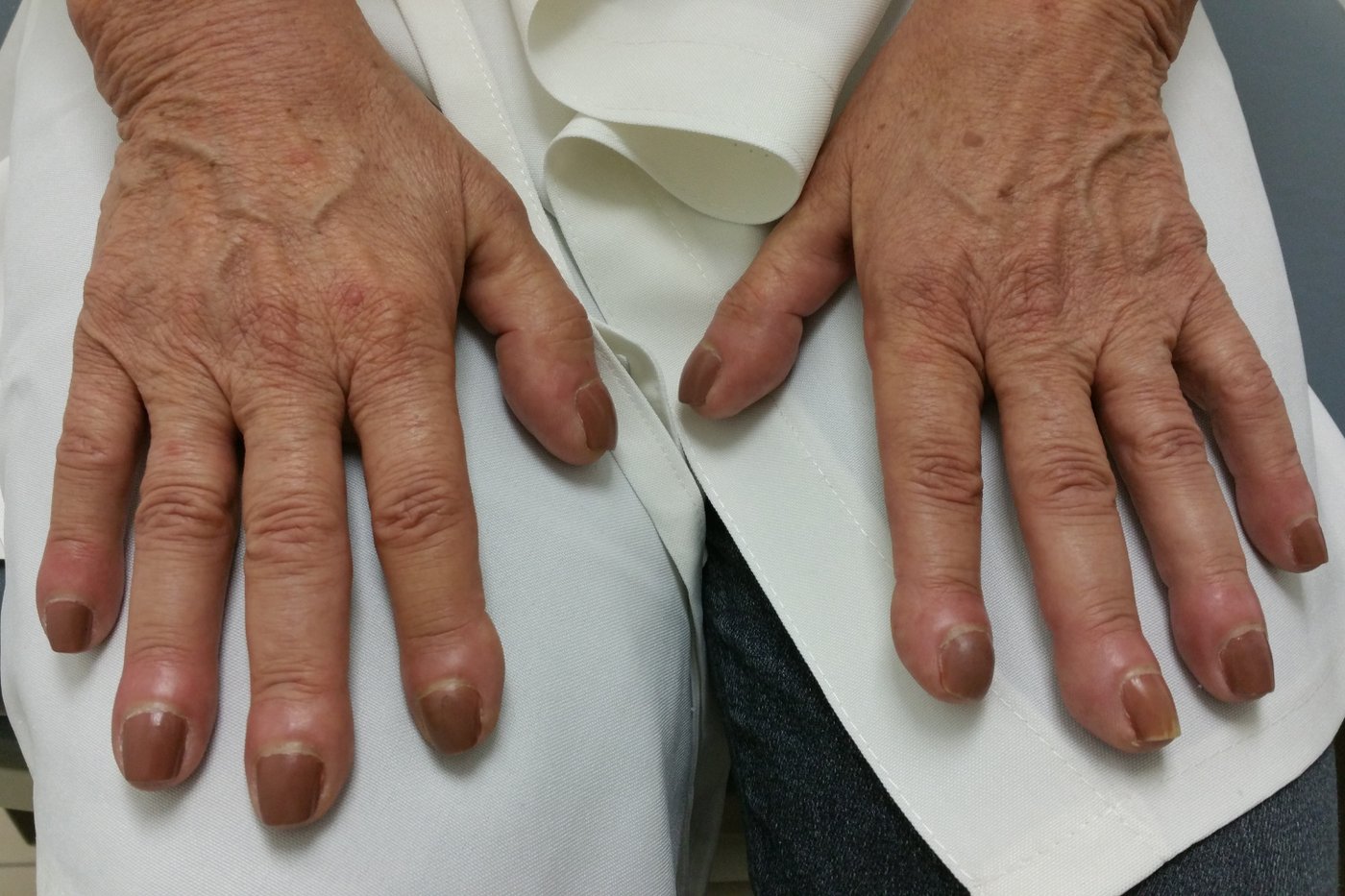
Fingernails that curve down over rounded, bulging fingertips are called clubbing. Doctors read them as a possible sign of chronic lung or heart disease. The change develops gradually, sometimes over months, as the soft tissue beneath the nail bed thickens. The normal angle between the nail and the skin disappears.
Clubbing has been recognized as a clinical sign since Hippocrates first described it in patients with chest infections. It shows up in conditions such as lung cancer, pulmonary fibrosis, bronchiectasis, cystic fibrosis and cyanotic congenital heart disease. All of these can lower oxygen levels in the blood over an extended period. Long-term low oxygen appears to trigger extra blood vessel growth and soft tissue buildup at the fingertips, though the exact biological trigger is still debated.
Not everyone with clubbed nails has a serious illness. The trait can run in families and appear with no underlying disease at all. Some ethnic groups also have a naturally rounded nail shape that can be mistaken for clubbing. A doctor typically checks for clubbing with a simple visual test: looking at the angle where the nail meets the skin from the side. They also check whether pressing two fingertips together, nail to nail, leaves a small diamond-shaped gap, which usually disappears once clubbing sets in.
What makes clubbing useful diagnostically is that patients rarely notice it themselves. The change happens slowly enough that a person sees their own hands every day without registering the shift. A doctor comparing hands across many patients spots it in seconds. It is one of the few exam findings that can point toward a chest X $TWTR-ray or echocardiogram before a patient has reported a single respiratory or cardiac symptom.
Clubbing on its own is not a diagnosis. It is a prompt for further testing, usually starting with a chest imaging study, a blood oxygen check, or a review of digestive symptoms. A smaller share of cases trace back to conditions such as Crohn's disease, ulcerative colitis or cirrhosis. Anyone who notices a new curve in their nails has good reason to mention it at their next appointment. That's especially true alongside a persistent cough, shortness of breath, or unexplained weight loss.
Credit: Canva Images
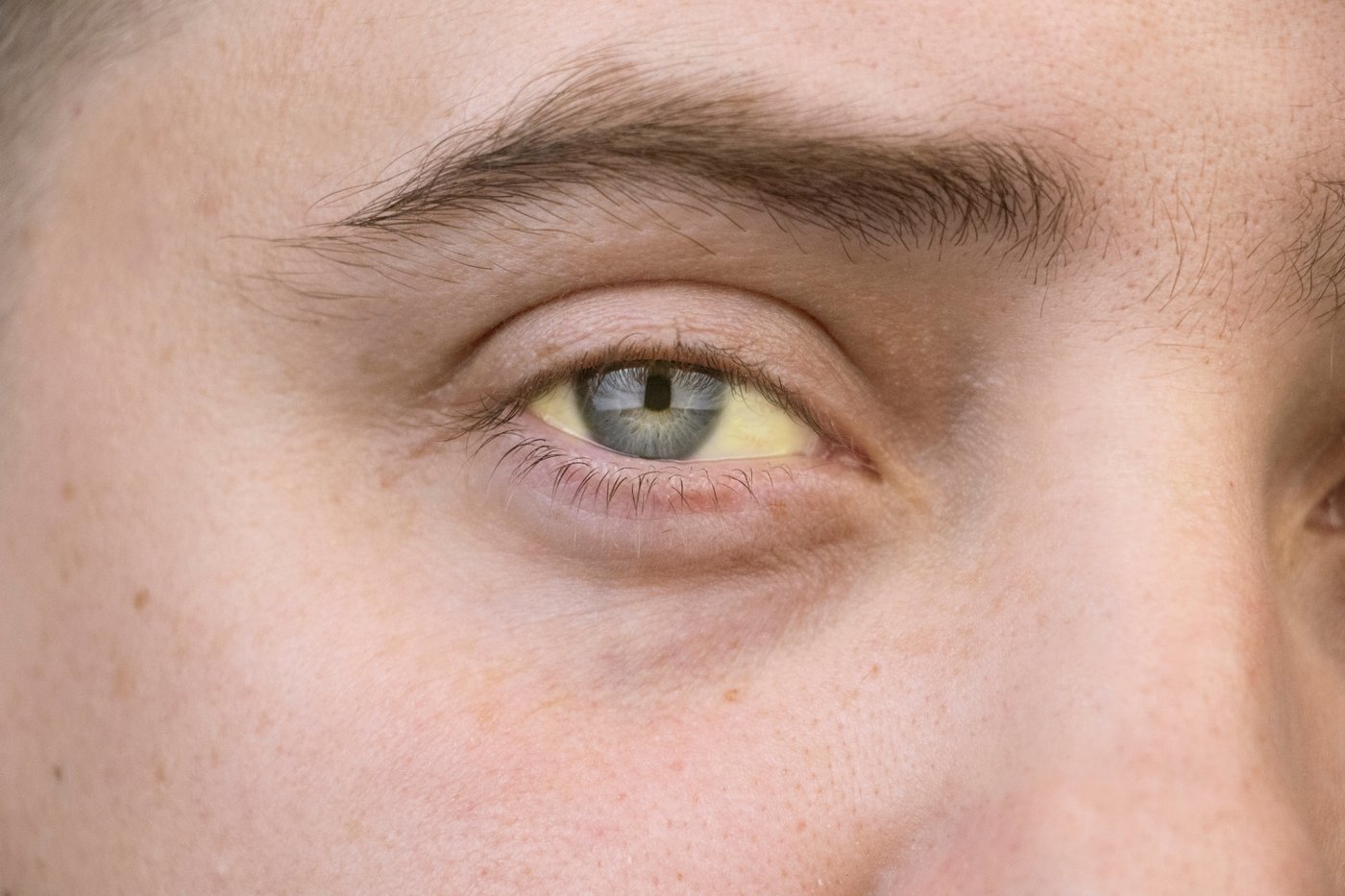
A yellow cast to the skin or the whites of the eyes is called jaundice. It signals a buildup of bilirubin, a pigment produced when the body breaks down old red blood cells. Doctors often spot it first in the sclera, the white part of the eye, because yellow shows up there before it becomes obvious on skin.
The liver normally processes bilirubin and clears it through bile into the digestive system. Jaundice appears when that process breaks down at one of three points. The liver may not be processing bilirubin fast enough, as in hepatitis or cirrhosis. Bile may not drain properly, often because of a gallstone or a blocked duct. Or red blood cells may be breaking down faster than normal, a pattern seen in certain types of anemia. Each cause points doctors toward a different set of blood tests and imaging studies.
Lighting matters more than people expect. Fluorescent light, the kind found in most exam rooms, makes subtle yellow tones easier to see than the warmer light in most homes and bathrooms. That is one reason a mild case can go unnoticed by the person carrying it, while it stands out to a clinician. Skin tone also affects how visible jaundice is, which is why doctors check the eyes and the inside of the mouth first, regardless of a patient's complexion.
Jaundice in an adult is never treated as normal, even when it is mild and the person feels otherwise fine. It usually triggers liver function tests, an abdominal ultrasound, or blood work checking for hemolysis. Dark urine and pale, clay-colored stools often accompany a bile-duct blockage. Itching without a rash can point toward a buildup of bile salts under the skin.
Bilirubin builds up gradually, so many people don't register the change in themselves until a family member, coworker or doctor mentions it. That gap, between how slowly the color shifts and how suddenly someone else notices it, explains a lot. Jaundice is one of the more common findings a doctor catches before a patient has any idea something in their liver or blood is off.

Credit: cottonbro studio / Pexels
Losing more than five percent of body weight over six to 12 months without trying is considered clinically significant. It is one of the fastest signs to prompt a broader workup. Doctors take it seriously even when a patient feels otherwise well, because it can be an early marker of conditions ranging from thyroid disease to diabetes to certain cancers.
An overactive thyroid, or hyperthyroidism, speeds up metabolism enough that weight drops even as appetite stays normal or increases. It is often paired with a faster heart rate, heat intolerance, or shaky hands. Uncontrolled diabetes causes weight loss because the body can't use glucose properly, so it starts breaking down fat and muscle for energy instead. That usually comes alongside increased thirst and urination. Depression and untreated anxiety can also suppress appetite enough to cause measurable weight loss over a period of months. That's why doctors ask about mood and sleep alongside any physical workup.
Cancer accounts for a smaller share of unexplained weight loss cases than most people assume. It is still the possibility doctors are trained not to miss. That's particularly true in adults over 60, or in anyone with weight loss paired with fatigue, night sweats or a change in bowel habits. Cancers of the pancreas, stomach, esophagus and lungs are more likely than others to present this way, sometimes before any localized pain appears.
Clothes fitting looser or a belt notch shifting happens slowly enough to explain away, which is what makes this sign easy for a patient to miss. A doctor comparing weight against a chart from a visit six months or a year earlier sees a trend line. A patient doesn't have that same view day to day. That is often the first concrete signal that something needs investigating.
A basic workup for unexplained weight loss typically starts with blood tests covering thyroid function, blood sugar, kidney and liver function, and a complete blood count. More targeted imaging follows if the initial results point in a specific direction. Anyone who notices their weight dropping without a change in diet or exercise has a reason to get it checked rather than treat it as good news.

Credit: RDNE Stock project / Pexels
A shortened stride, a stooped posture while walking, or one arm that no longer swings naturally can be early signs of a neurological condition such as Parkinson's disease. These signs often appear long before tremor or stiffness becomes obvious. Doctors often notice these patterns from across a waiting room, simply by watching how a patient walks from the chair to the exam table.
Parkinson's disease frequently starts on one side of the body, so early gait changes are often asymmetric. One foot may drag slightly, or one arm may stay closer to the body while the other swings freely. A slower, shuffling walk with smaller steps, sometimes called festinating gait, tends to appear years after the disease has begun affecting the brain's dopamine-producing cells. That's why doctors pay attention to subtler shifts first.
Balance problems can also point toward causes that have nothing to do with the brain's movement centers. An inner ear problem can throw off balance suddenly, often with dizziness or a spinning sensation. Peripheral neuropathy, common in long-standing diabetes, reduces sensation in the feet enough that a person can't feel the ground properly, leading to a wider, more cautious stance. Blood pressure that drops sharply when standing, a condition called orthostatic hypotension, can cause a brief stagger right after getting up from a chair or bed.
Age-related decline explains some gait changes. But doctors are trained to separate normal slowing from patterns that suggest a specific underlying cause, since falls remain a leading cause of serious injury in adults over 65. A single fall, especially one without an obvious trip or stumble, often prompts a closer look at gait, medication side effects, blood pressure, vision and inner ear function together.
Gait changes develop gradually, so family members frequently notice them before the person walking does. Doctors rely on that same outside perspective during a routine visit. A short walk down a hallway, timed and observed, remains one of the simplest and most informative parts of a physical exam. It catches signals that don't show up in blood work or a scan.

Credit: cottonbro studio / Pexels
A mole that changes shape, color or size, or a new spot that looks different from the others on a person's skin, is what dermatologists check first. They use the ABCDE rule: asymmetry, an irregular border, multiple colors, a diameter larger than six millimeters, and evolution over time. Any one of these features can be enough to warrant a biopsy.
Melanoma, the most dangerous form of skin cancer, often starts as a mole that looks slightly off rather than one that is obviously alarming. That's why doctors examine skin systematically during checkups rather than waiting for a patient to point something out. A mole that itches, bleeds, or won't heal after a minor scrape also gets flagged, even if its shape and color otherwise look unremarkable.
The "ugly duckling" sign is one of the more reliable tools dermatologists use. Most people's moles tend to look similar to each other, so a single mole that stands out from the pattern often gets closer attention, even without meeting every ABCDE criterion. This approach catches irregular moles that might otherwise pass a strict checklist.
People rarely track their own moles closely enough to notice gradual change, in part because skin is seen constantly and slow shifts blend into the background. Photographs from a prior visit, or a full-body skin exam performed once a year, give doctors a reference point that patients typically don't have on their own. Areas that are hard to see without help, such as the back, scalp and soles of the feet, account for a disproportionate share of missed melanomas for exactly this reason.
Sun exposure remains the single largest modifiable risk factor. A personal or family history of melanoma raises the baseline risk enough that many doctors recommend annual skin checks well before any suspicious mole appears. Anyone who notices a mole that has changed over the past few months should have it examined rather than waiting for the next scheduled physical. That's particularly true for a mole that has grown, darkened unevenly or started to bleed.
Credit: Canva Images
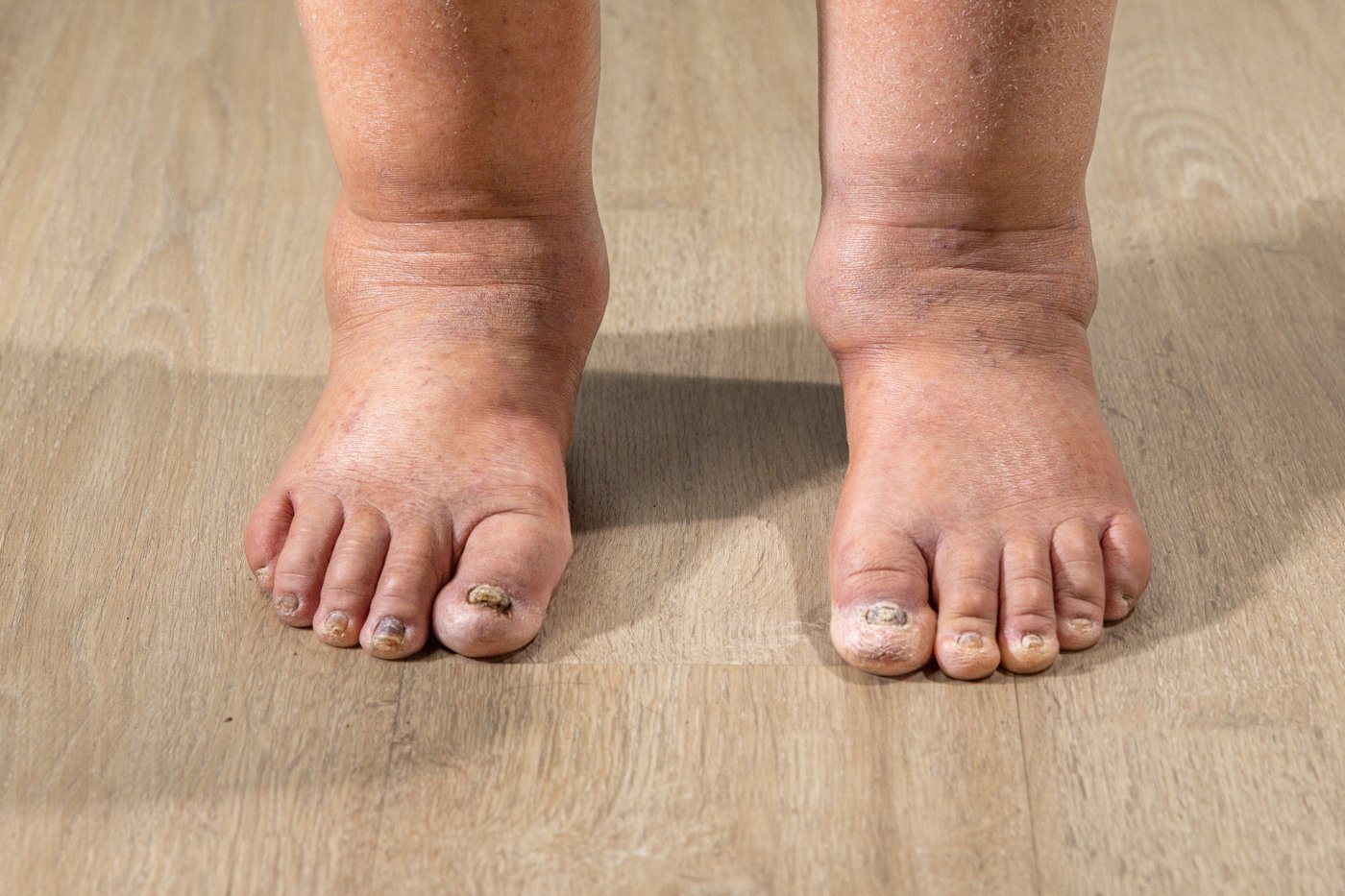
Puckered, puffy skin around the ankles that leaves an indentation when pressed is called pitting edema. It often signals that fluid is backing up somewhere in the circulatory system, most commonly the heart, kidneys or veins in the legs. Doctors check for it by pressing a thumb into the skin above the ankle bone and watching whether a dent lingers.
Heart failure is one of the more serious causes. Swelling from it usually appears in both legs, worsens throughout the day, and comes with shortness of breath, fatigue or a cough that's worse lying flat. Blood backs up in the veins and fluid leaks into surrounding tissue when the heart isn't pumping efficiently enough. Gravity pulls that fluid down toward the lowest point of the body, which is why the ankles and lower legs are usually affected first.
Chronic venous insufficiency, where valves in the leg veins weaken and let blood pool instead of returning efficiently to the heart, produces a similar but typically milder pattern. It sometimes comes with visible varicose veins or skin discoloration around the ankles. Kidney disease can cause swelling for a different reason. When kidneys can't clear excess sodium and fluid properly, that fluid accumulates throughout the body, sometimes showing up first as puffiness around the eyes rather than the ankles.
Swelling limited to one leg is treated differently and more urgently, especially when it comes on quickly and is painful or warm to the touch. It can indicate a blood clot in a deep vein, which requires immediate imaging. Certain medications, including some blood pressure drugs and anti-inflammatory painkillers, can also cause ankle swelling as a side effect unrelated to any organ problem.
Patients often attribute mild ankle swelling to standing too long, hot weather or a long flight, and in isolated cases that explanation holds up. What gets a doctor's attention is a pattern: swelling that persists overnight, comes with weight gain over a few days, or shows up alongside breathlessness. Those combinations point toward the heart or kidneys working harder than they should.
Credit: cottonbro studio / Pexels
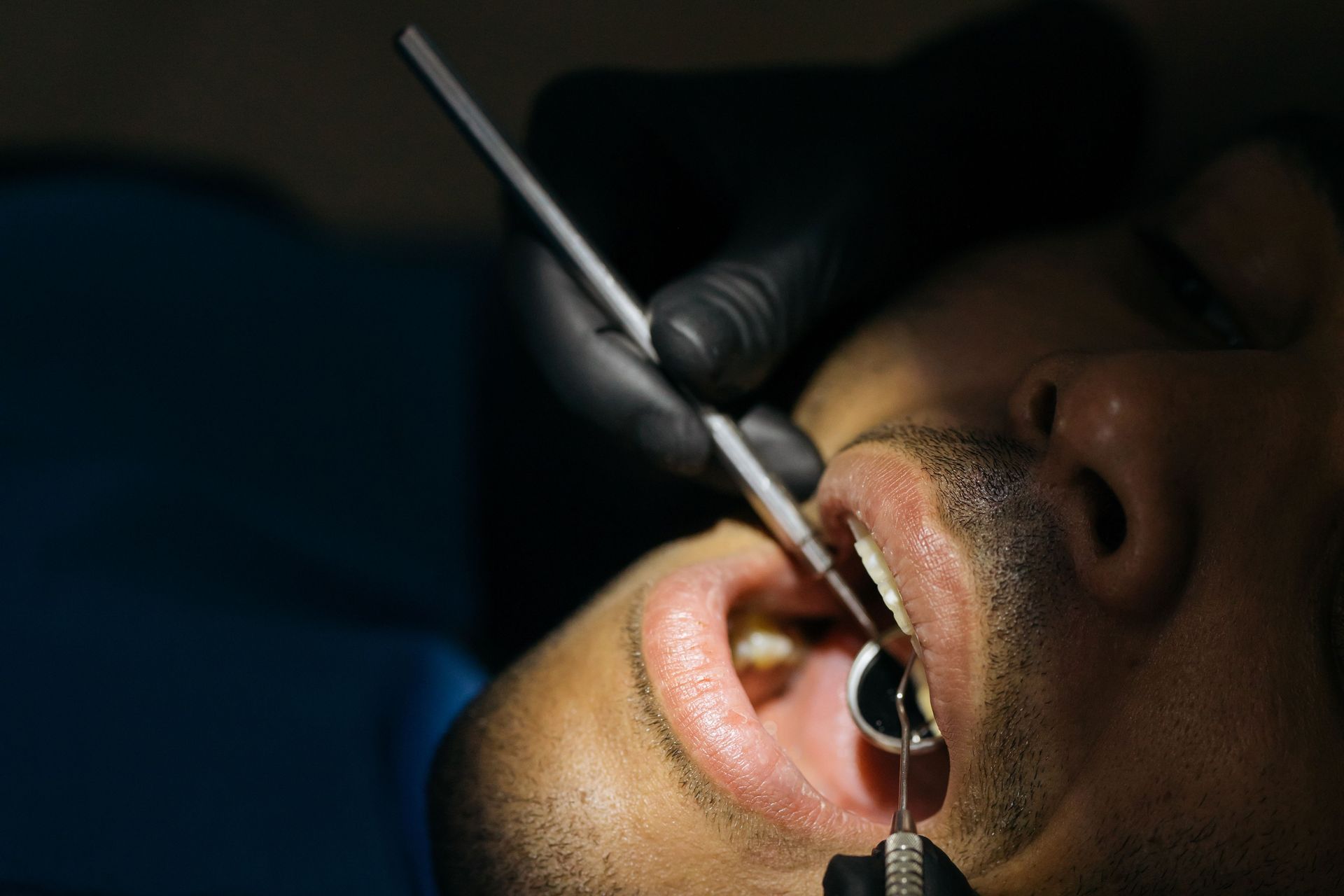
Bad breath that doesn't improve with brushing, flossing or mouthwash often traces back to a source beyond the mouth. Doctors and dentists use its specific smell as a diagnostic clue. A fruity or acetone-like odor can point toward diabetic ketoacidosis, a serious complication of uncontrolled diabetes. It develops when the body starts burning fat for fuel and producing ketones as a byproduct.
Chronic bad breath, or halitosis, most commonly comes from bacteria breaking down food particles and dead cells on the tongue and gums. That's why gum disease and a coated tongue account for the large majority of cases. Sinus infections and postnasal drip can also cause persistent odor, since mucus draining down the back of the throat gives bacteria extra material to break down.
A distinct odor, sometimes described as ammonia-like, can suggest advanced kidney disease. Failing kidneys can't clear waste products like urea as efficiently, and some of that waste ends up exhaled through the lungs instead. Liver failure carries its own recognizable odor, sometimes called fetor hepaticus, a musty, sweet smell tied to compounds the liver would normally filter out of the bloodstream.
Tonsil stones are small calcified deposits that form in the crevices of the tonsils. They're a more benign but common cause of persistent bad breath, particularly in people with naturally larger or more textured tonsils. They can be hard to spot without a direct look into the mouth. That's why dentists and doctors often catch them during a routine exam rather than a patient noticing them directly.
People become accustomed to their own breath. Persistent halitosis is a sign more often flagged by someone else, whether a partner, close friend or clinician, than noticed by the person it belongs to. A doctor or dentist may trace a specific, unusual odor back to diabetes, kidney disease or liver disease, rather than ordinary dental causes. That connection can be the first clue that leads to a diagnosis the patient had no reason to suspect.
Credit: cottonbro studio / Pexels
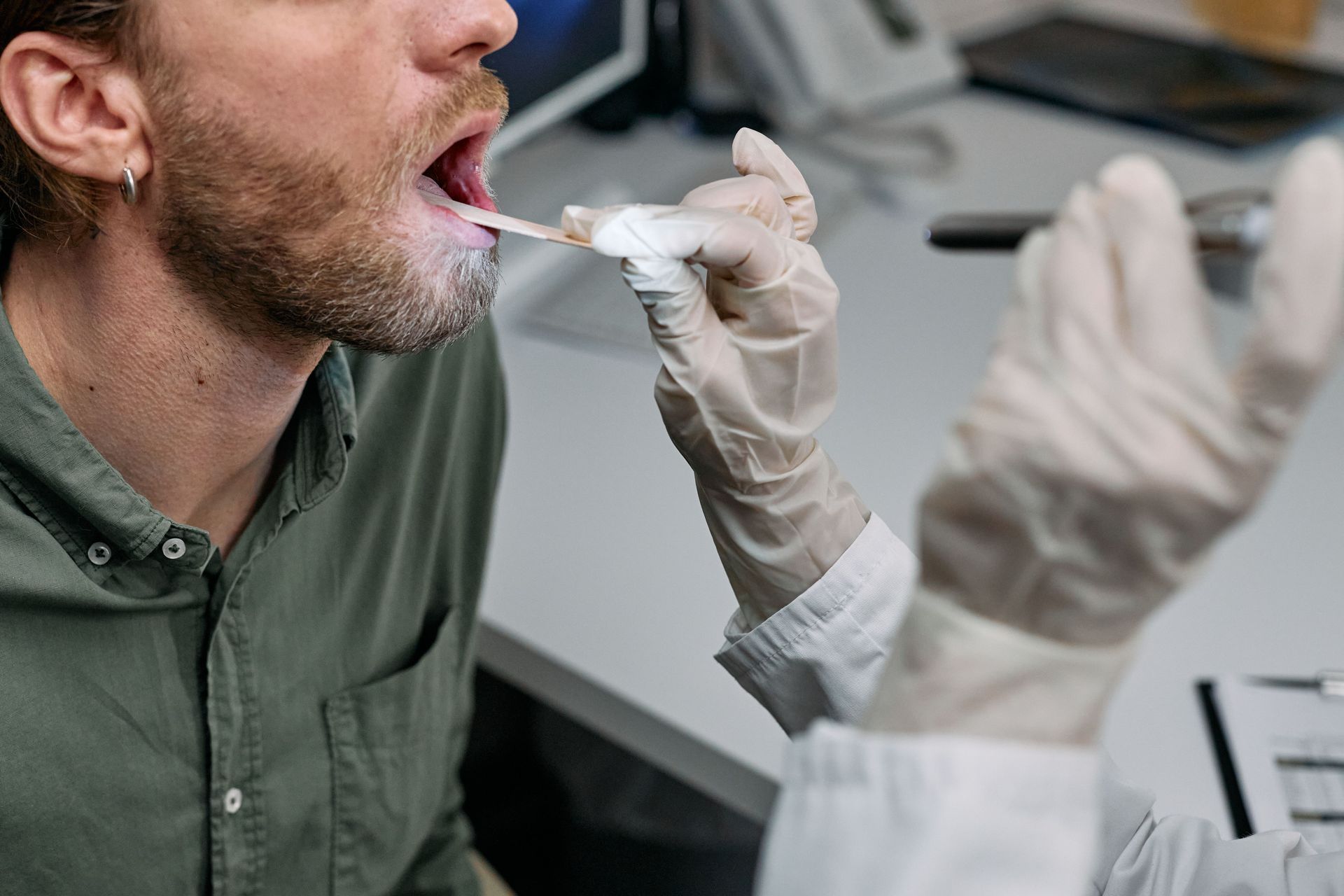
Hoarseness that lasts more than two or three weeks, without a cold or overuse to explain it, is a sign doctors take seriously. It warrants a direct look at the vocal cords. Most hoarseness comes from temporary causes like laryngitis or acid reflux. Persistent voice change, though, can point toward a thyroid nodule, a vocal cord growth or, less commonly, a tumor pressing on the nerve that controls the vocal cords.
The recurrent laryngeal nerve, which controls vocal cord movement, runs close to the thyroid gland on its way from the chest to the throat. That's why an enlarged thyroid or a growth on it can affect voice even when swallowing and breathing feel normal. Doctors examining a hoarse voice that doesn't resolve on its own will often check the neck and thyroid alongside the throat itself.
Acid reflux reaching up into the throat, a pattern called laryngopharyngeal reflux, is one of the more overlooked causes of chronic hoarseness. It often shows up without the classic heartburn most people associate with reflux. A voice that is worse in the morning, paired with a persistent need to clear the throat, often points doctors toward this cause before considering more serious possibilities.
Vocal cord nodules and polyps, small growths that form from repeated strain on the voice, are common in people who speak or sing for a living. They tend to cause a breathy, rough quality rather than complete voice loss. A tumor affecting the larynx or the nerve supplying it is far less common. But it's the possibility a doctor is specifically ruling out when hoarseness persists without an obvious explanation.
People tend to attribute a rough or lower voice to being tired, getting older or simply talking too much the day before, and those explanations often hold up. What prompts a closer look is duration. A voice that hasn't returned to normal after several weeks moves a doctor from reassurance to referral for a direct laryngoscopy. That's especially true alongside difficulty swallowing, a lump in the neck or unexplained weight loss.
Credit: Canva Images
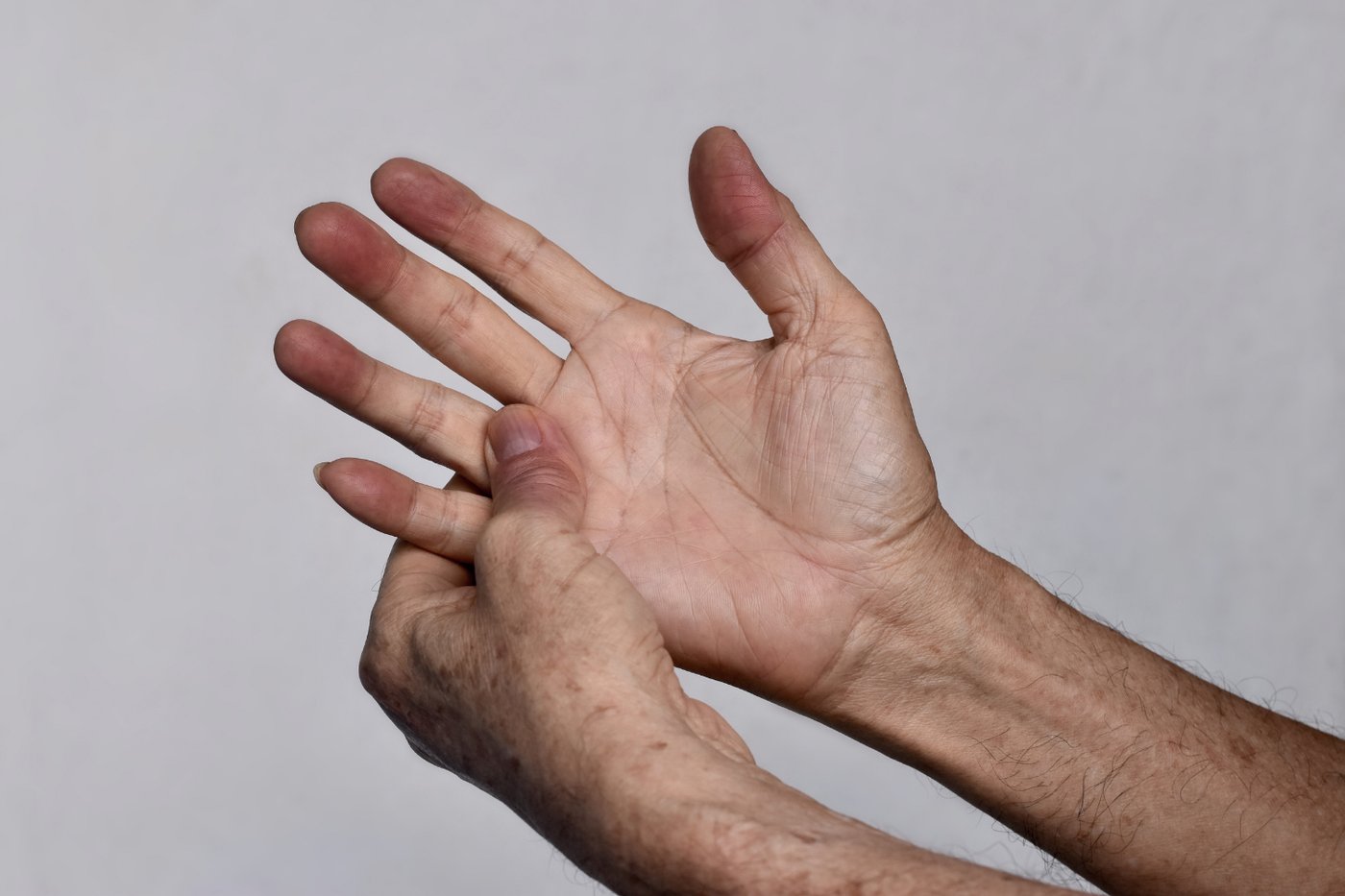
A bluish tint to the lips, fingertips or under the nails is called cyanosis. It signals that blood isn't carrying enough oxygen, and doctors treat it as one of the more urgent physical findings in an exam. The blue color comes from hemoglobin that hasn't picked up oxygen, which has a darker, bluer color than oxygen-rich blood.
Central cyanosis, affecting the lips and tongue, usually points toward a problem getting oxygen into the blood in the first place. That could be a lung condition like severe pneumonia or COPD, or a heart defect that lets oxygen-poor blood bypass the lungs. Peripheral cyanosis, limited to the fingers and toes, more often reflects poor circulation rather than a true drop in blood oxygen. It can show up simply from cold exposure or from conditions like Raynaud's phenomenon that constrict small blood vessels.
Doctors use a pulse oximeter, the small clip-on device placed on a fingertip, to confirm what the color alone suggests. Visible cyanosis usually doesn't appear until oxygen saturation drops meaningfully below normal. That delay matters clinically: by the time cyanosis is visible, oxygen levels have often already fallen enough to require prompt treatment.
Skin tone affects how easily cyanosis is spotted. The bluish tint is more obvious against lighter skin and can be subtler on darker skin. That's why doctors check the lips, tongue and nail beds specifically, rather than relying on overall skin color. Cold hands turning slightly blue in winter is common and usually not a concern. But cyanosis that appears at rest, doesn't improve with warming, or comes with shortness of breath is treated as a possible emergency.
The change can develop gradually in chronic lung or heart disease, so some patients adjust to a slightly duskier color without registering it as abnormal. A doctor comparing it against normal skin tone catches it immediately. That gap is part of why cyanosis is often the finding that prompts an urgent oxygen check rather than a wait-and-see approach.

Credit: Lisa from Pexels / Pexels
Drinking far more water than usual and needing to urinate frequently, including overnight, is one of the clearest early signals of diabetes. Doctors recognize the pattern quickly because it reflects a specific chain reaction. When blood sugar rises too high, the kidneys can't reabsorb all of the glucose passing through them, so it spills into the urine and pulls extra water along with it. That leads to more frequent urination, and in turn, more thirst to replace the lost fluid.
Type 1 diabetes tends to produce this pattern quickly, sometimes over just a few weeks, often in children or younger adults. It usually comes alongside unexplained weight loss and fatigue. Type 2 diabetes usually develops more gradually. The excess thirst and urination can build slowly enough that a person adjusts their habits. They might keep a water bottle nearby or accept more nighttime bathroom trips without registering it as a symptom at all.
Diabetes insipidus, a much less common and unrelated condition involving a hormone called vasopressin, produces a similar combination of extreme thirst and urination. It has no connection to blood sugar and requires a different set of tests to diagnose. Certain medications, including some diuretics and lithium, can also cause increased urination as a side effect.
Doctors distinguish ordinary thirst, from heat, salty food or exercise, from the medical pattern mainly through volume and persistence. Someone urinating every hour or two throughout the day and night fits a different category than someone who is simply dehydrated. The same is true for a person drinking noticeably more water than before and still feeling thirsty afterward. A simple blood sugar test or urinalysis usually settles the question quickly.
The change builds gradually, and each individual day feels normal. Many people don't recognize the shift until a routine blood test comes back with an elevated glucose reading. A doctor asking a few direct questions about thirst and bathroom habits often reveals that the pattern had already been present for weeks or months before diagnosis.
Credit: Canva Images
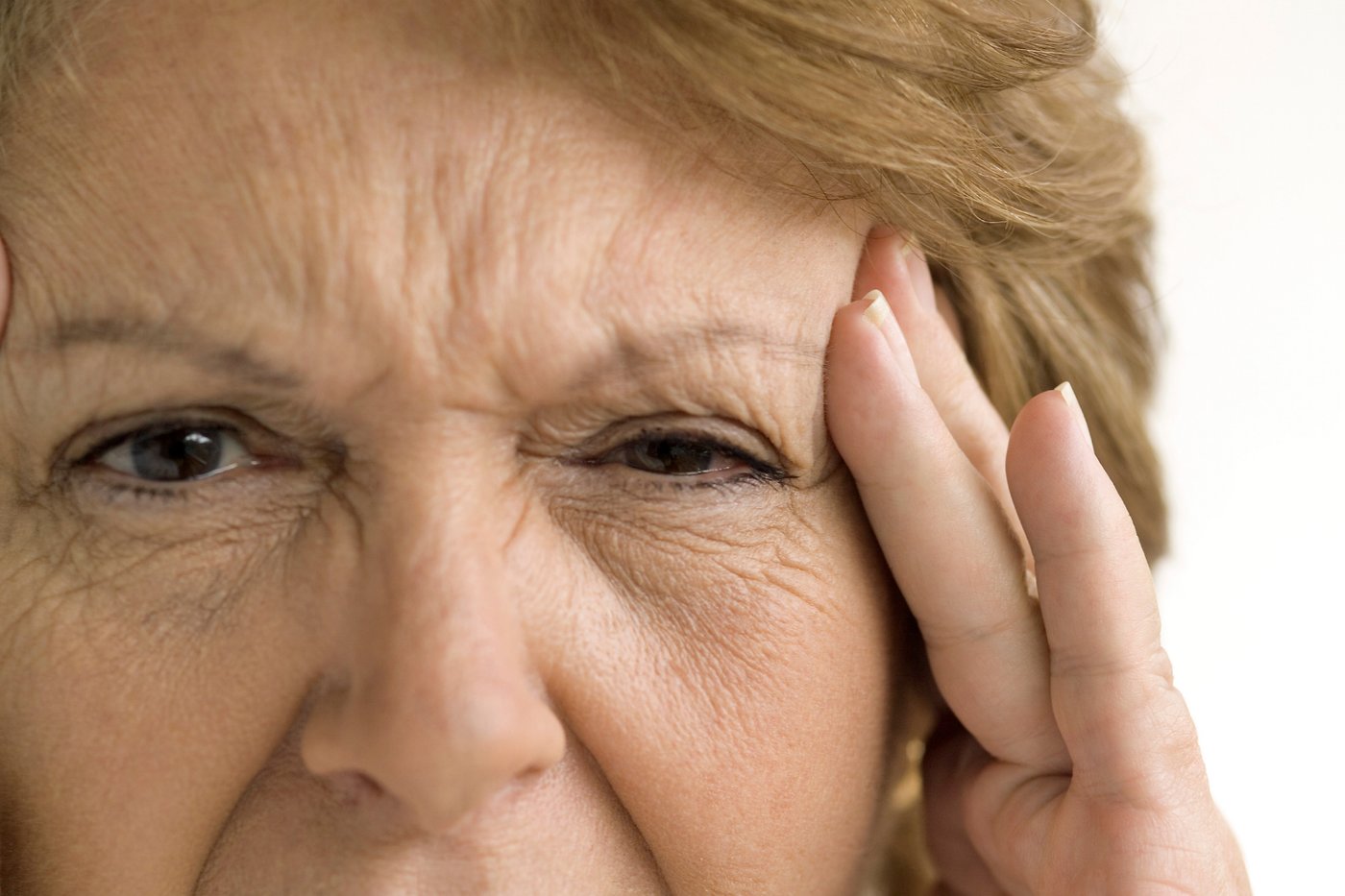
A hollow, sunken appearance at the temples, where muscle and fat once filled out the sides of the forehead, can signal significant unintentional weight loss or muscle wasting. It is a change doctors often notice on a person's face before any other physical sign appears. The temporalis muscle, which runs along the side of the skull, is one of the first areas to thin when the body is breaking down muscle for energy.
This kind of wasting shows up in advanced cancer, where the body's metabolism shifts to break down muscle and fat even when a person is eating normally. That process is called cachexia, and it's distinct from ordinary weight loss. It also appears in severe, prolonged malnutrition, advanced dementia in its later stages, and chronic conditions like long-standing kidney or liver failure. All of these keep the body breaking down more tissue than it rebuilds.
Facial fat and muscle loss happen gradually. A person sees their own face every day in the mirror, so this kind of change is easy to miss from the inside. A doctor who hasn't seen a patient in several months often notices temporal wasting immediately. They may also be comparing a current visit against an old photograph or chart note, in a way the patient and even close family members sometimes don't.
Temporal wasting rarely appears in isolation. Doctors typically look for it alongside other signs of significant weight loss, such as loose-fitting clothing, a more prominent collarbone, or reduced muscle bulk in the arms and legs. They treat the combination as a signal to investigate underlying causes rather than assume normal aging is responsible. Age-related muscle loss, known as sarcopenia, does cause some gradual thinning over decades, but it develops far more slowly and evenly than the wasting seen with serious illness.
Anyone who notices their own temples looking more hollow than they did a year or two earlier has a reasonable basis to raise it with a doctor. That's especially true alongside fatigue, reduced appetite or other weight loss, rather than simply attributing it to getting older.
Credit: Canva Images
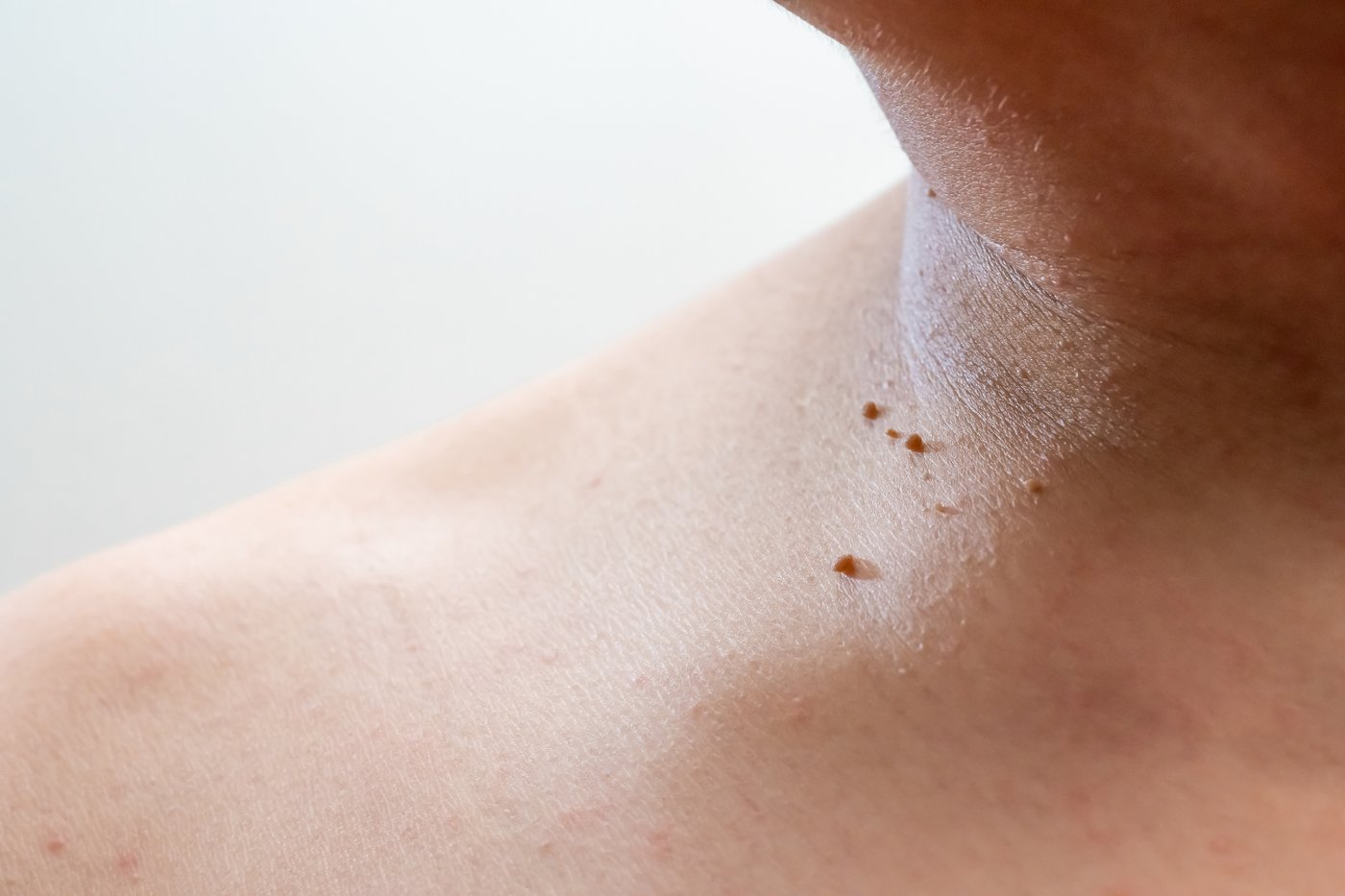
Thickened, darkened patches of skin, often with a soft, velvety texture, can appear on the back of the neck, in the armpits or in skin folds. The condition is called acanthosis nigricans. Doctors read it as one of the more visible signs of insulin resistance. It often shows up before a blood sugar test confirms prediabetes or type 2 diabetes.
The discoloration develops because high insulin levels in the blood stimulate skin cells to multiply faster than usual. That thickens the outer layer of skin in areas where skin naturally folds and rubs. It tends to appear gradually, darkening over months or years rather than showing up suddenly. It is often mistaken for dirt that won't wash off, which is one reason people frequently don't seek care for it on their own.
Insulin resistance is the most common cause, but acanthosis nigricans can also appear with obesity independent of blood sugar levels, with polycystic ovary syndrome, or with certain hormone disorders. Rarely, it can be a marker of an internal cancer when it appears suddenly and spreads quickly in an older adult. Doctors are trained to distinguish that pattern from the far more common, gradual form tied to insulin resistance.
Children and teenagers with this skin change are increasingly showing up in pediatric clinics, reflecting rising rates of childhood obesity and prediabetes. Doctors often use its appearance as a prompt to check blood sugar and cholesterol levels, even in young patients who otherwise show no symptoms. The neck and armpits are checked specifically during physical exams for exactly this reason, even in visits unrelated to weight or diabetes concerns.
The patches are often in areas a person doesn't look at closely, like the back of the neck, and the color change happens slowly. Many people don't notice it themselves until a doctor points it out during an unrelated exam. That combination, a visible sign hiding in a spot people rarely inspect, is exactly why doctors check for it as a routine part of a physical.
Credit: Jeff Yen / Pexels
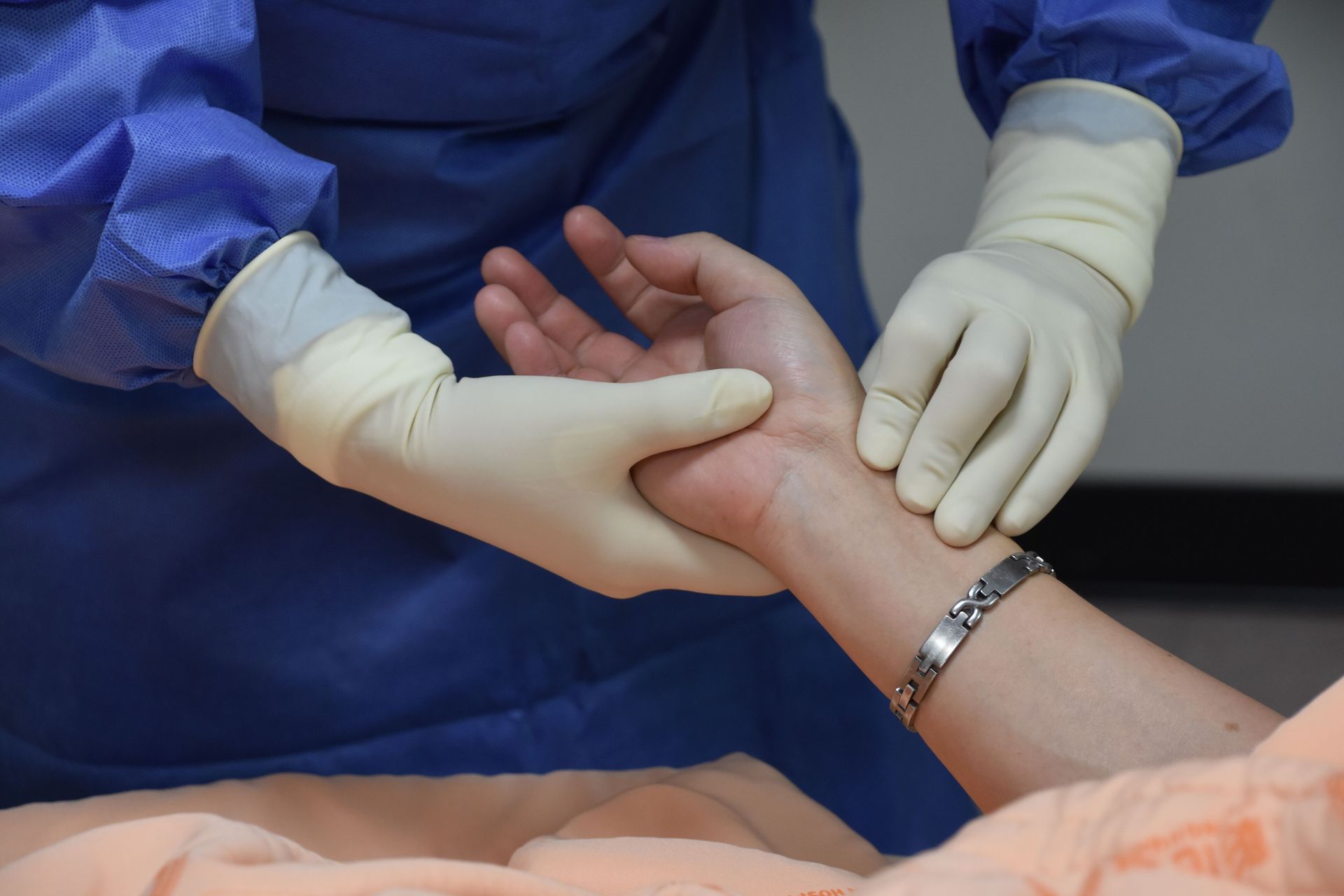
A resting heart rate that has crept upward over months or years, even by just a few beats per minute, can be meaningful. It may signal declining cardiovascular fitness, an overactive thyroid, anemia, or early heart problems. Doctors treat a rising trend as more informative than any single reading. A normal adult resting heart rate falls between 60 and 100 beats per minute. Where a person sits within that range, and how it changes over time, matters more than the number itself.
Doctors who see the same patient year after year build a baseline. A shift from a resting rate in the 60s to consistently sitting in the 80s or 90s stands out immediately. That's true even though every individual reading still falls within the technically normal range. That trend can reflect declining aerobic fitness, since a stronger heart pumps more blood per beat and doesn't need to beat as often at rest. Or it can point toward a developing issue that hasn't caused any symptoms yet.
An overactive thyroid speeds up the heart rate as part of a broader metabolic shift, often alongside weight loss, heat intolerance and shakiness. Anemia forces the heart to beat faster to compensate for blood that's carrying less oxygen than normal. Certain heart rhythm problems, including early atrial fibrillation, can also show up first as a persistently elevated or irregular resting rate, before a person notices palpitations or shortness of breath.
Wearable devices have made resting heart rate data far more accessible to patients themselves. A doctor reviewing years of chart data still has an advantage. They can place a new reading against a much longer personal history, and against patterns seen in other patients with similar findings. That catches a gradual drift that a person checking their own numbers day to day might not register as meaningful.
A single elevated reading, especially after coffee, stress or a poor night's sleep, rarely means anything on its own. A sustained upward trend over 6 to 12 months, without an obvious explanation like new medication or reduced activity, is the pattern that prompts doctors to look further. That workup often starts with basic thyroid and blood count testing.
Credit: Canva Images
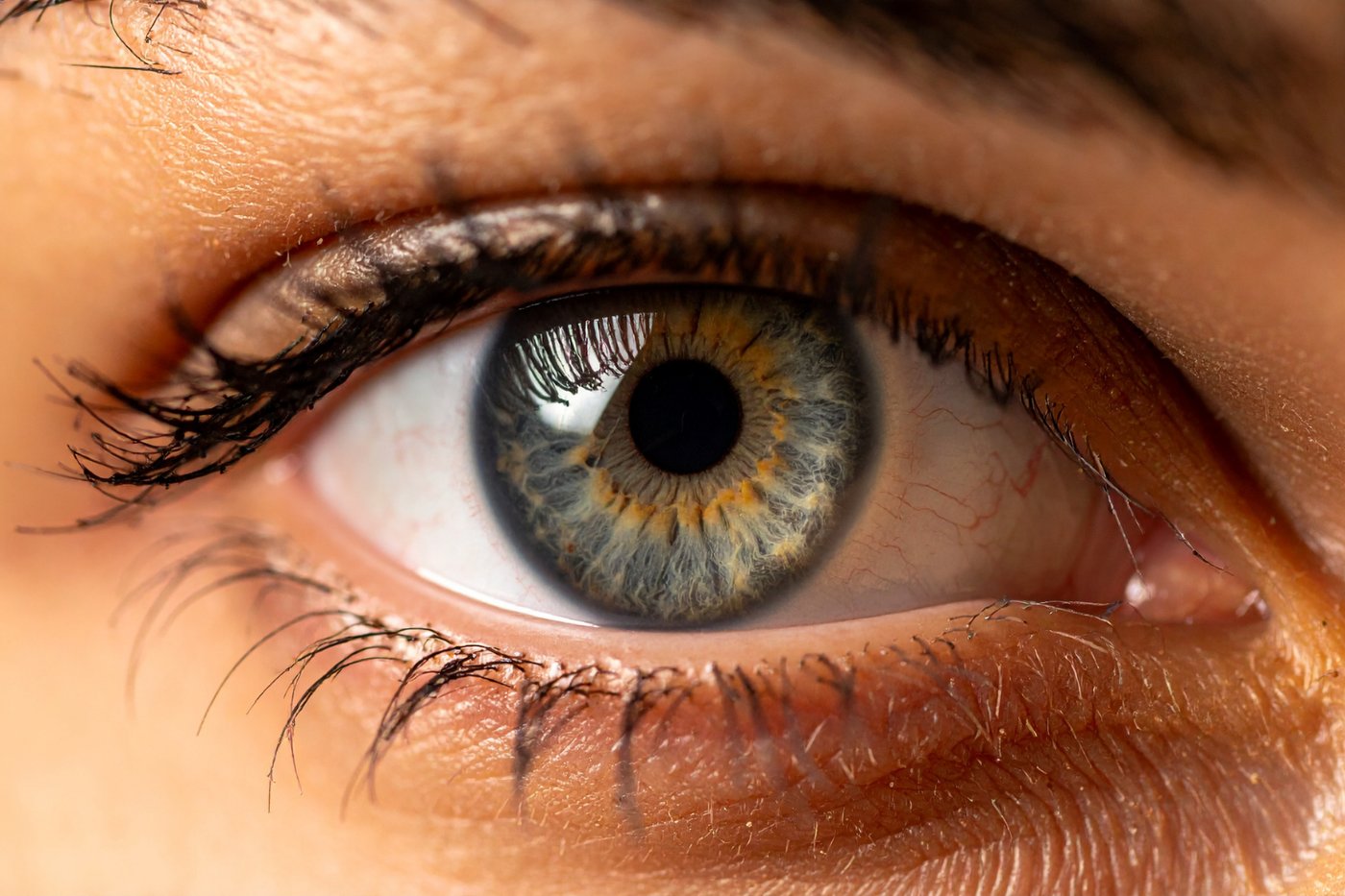
A pale gray or white ring forming around the edge of the colored part of the eye is called corneal arcus. It can be a visible marker of high cholesterol, and doctors weigh it differently depending on a patient's age. In older adults, a thin gray ring around the iris is common and usually not a concern, tied more to normal aging than to any specific health risk.
In adults under 45, the same ring, sometimes called arcus juvenilis, is treated far more seriously. It can indicate a genetic condition called familial hypercholesterolemia, which causes very high cholesterol from a young age and substantially raises the risk of early heart disease. Doctors who spot this ring in a younger patient will often order a lipid panel right away. The eye finding alone can prompt the test before any other symptom does.
A related finding, small yellowish deposits of cholesterol around the eyelids called xanthelasma, is another marker doctors check for during a routine exam. Xanthelasma can appear even in people with normal cholesterol levels, but it shows up more often in those with elevated LDL cholesterol. Its presence, alongside a family history of early heart disease, adds useful information a doctor factors into overall cardiovascular risk.
Both findings develop slowly and painlessly, which is part of why patients rarely bring them up on their own. A ring around the iris is easy to mistake for a natural part of eye color, especially in eyes that are already lighter. Cholesterol deposits around the eyelids can be dismissed as ordinary skin texture or aging.
These are visual clues rather than something a patient feels, so they are almost always caught by someone looking closely at the eyes during an exam. A young adult with a new gray ring around the iris, or anyone with xanthelasma, has good reason to ask specifically about a cholesterol panel. It's better to ask now than to wait for it to come up years later.

Credit: Miikka Luotio / Unsplash
A forward curve developing in the upper back, sometimes called a dowager's hump, often reflects compression fractures in the spine caused by osteoporosis. It's a change doctors frequently notice in a patient's posture before any fracture has been diagnosed on a scan. The curve, known clinically as kyphosis, develops because weakened vertebrae gradually compress under normal body weight, often without a specific injury or fall to explain it.
Osteoporosis causes bone to thin faster than the body can rebuild it. The spine's vertebrae, being relatively soft, weight-bearing bones, are especially vulnerable to this kind of gradual compression. These fractures often happen without significant pain. Many people don't realize a vertebra has compressed until a doctor measures a noticeable loss in height, or notices the spine curving forward during a routine exam.
Height loss is one of the more reliable clues tied to this process. Losing more than an inch and a half in height over a lifetime raises suspicion for vertebral compression. So does losing more than about three-quarters of an inch since a person's last measured height, and either is enough to warrant a bone density scan. Doctors who measure height at every visit are building exactly this kind of comparison over time.
Postmenopausal women face a substantially higher risk due to the drop in estrogen, which normally helps maintain bone density. Doctors often begin screening for osteoporosis with a bone density scan around age 65. Screening can start earlier for those with additional risk factors, like a family history of fractures, long-term steroid use, or a smaller body frame.
The curve develops slowly and rarely causes acute symptoms until a fracture is severe. It is frequently a family member or doctor who notices the posture change before the person experiencing it does. Someone who notices their own posture rounding, or who has lost noticeable height over the past several years, has good reason to ask about a bone density scan. It isn't simply an unavoidable part of aging.

Credit: Canva Images
A tremor that appears when the hands are at rest, rather than while reaching for something or holding a position, is a specific finding. Doctors look for it when evaluating early Parkinson's disease. This resting tremor often starts on one side of the body. It's frequently described as a pill-rolling motion between the thumb and fingers, and it tends to lessen or disappear once the hand is actively being used.
Not all tremors point toward Parkinson's. Doctors distinguish between them based on when the shaking occurs. Essential tremor, a far more common condition, typically shows up during voluntary movement, such as holding a cup or writing, and often improves at rest, the opposite pattern from Parkinson's. Essential tremor also tends to run in families and frequently affects the head and voice in addition to the hands.
An overactive thyroid can cause a fine, rapid tremor in the hands, usually alongside a faster heart rate, weight loss and heat intolerance. It typically resolves once thyroid hormone levels are brought back to normal with treatment. Certain medications, excessive caffeine, low blood sugar and alcohol withdrawal can also produce a noticeable tremor. That's why doctors ask about medication lists and substance use when evaluating any new shaking.
Doctors observe tremor patterns directly during an exam. They watch a patient's hands at rest, then ask the patient to hold their arms outstretched, then to touch a finger to the nose. Each position reveals a different type of tremor. This kind of side-by-side comparison is difficult for a patient to do on themselves in a mirror.
A resting tremor in Parkinson's disease often starts subtly, sometimes only noticeable in one finger or thumb, and only some of the time. It frequently gets attributed to nerves, tiredness or too much coffee before a doctor identifies the specific pattern during a physical exam. Anyone noticing a new tremor has reason to bring it up rather than wait for it to become more pronounced. That's especially true for a tremor that appears at rest and affects one side of the body more than the other.

Credit: Canva Images
Handwriting that gradually shrinks across a single page, getting smaller and more cramped toward the bottom, is called micrographia. It can be one of the earliest visible signs of Parkinson's disease, sometimes appearing before tremor, stiffness or gait changes become noticeable. The change reflects the same loss of dopamine-producing brain cells that affects other fine motor movements throughout the body.
Micrographia differs from ordinary messy handwriting in a specific way. Rather than being uniformly small or sloppy, it tends to start at a fairly normal size and progressively shrink as a person keeps writing. That pattern reflects difficulty sustaining the size and rhythm of small, repetitive movements, rather than a simple lack of care. Doctors sometimes ask patients to write a sentence during an exam specifically to check for it.
Most people don't examine their own handwriting closely, or compare it against samples from years earlier, so micrographia often goes unnoticed by the person producing it. A family member helping fill out forms, a pharmacist reading a signature, or a doctor comparing writing samples is far more likely to notice the shift than the patient themselves.
Other conditions can affect handwriting as well, though usually in different ways. Essential tremor tends to produce shaky, wavy lines rather than progressively shrinking letters. Arthritis in the hands can make writing slower and more effortful without necessarily changing letter size. Nerve damage from long-standing diabetes can reduce fine motor control in ways that show up in handwriting before a person notices numbness elsewhere.
Micrographia can appear years before other, more recognizable Parkinson's symptoms. It is sometimes the detail that prompts a neurological referral well ahead of a formal diagnosis. Anyone who notices their own handwriting getting smaller partway through a page has good reason to mention it rather than dismiss it as sloppy penmanship. That's especially true alongside subtle changes in gait or a new stiffness in one arm.

Credit: Canva Images
A swollen lymph node in the neck, armpit or groin that lasts more than a few weeks without an obvious infection is a finding doctors examine closely. Persistent, painless swelling behaves differently from the temporary swelling that comes with a cold or minor infection. Lymph nodes act as filters for the immune system, and they typically swell briefly in response to nearby infection before returning to normal size within a couple of weeks.
A node that is soft, tender and swells quickly alongside a sore throat or skin infection is almost always reacting normally. It needs no further workup once the infection resolves. A node that is hard, fixed in place rather than moving freely under the skin, and painless, raises more concern. That combination can point toward lymphoma or a cancer that has spread to nearby lymph nodes from elsewhere in the body.
Location offers doctors useful clues as well. A swollen node above the collarbone is treated with particular attention regardless of size. It drains areas of the chest and abdomen, and it's less commonly caused by ordinary infection. Widespread swelling in nodes across multiple areas of the body points toward a systemic cause, such as a viral illness like mononucleosis, an autoimmune condition, or, less commonly, lymphoma.
Many swollen nodes are painless and located in areas a person doesn't routinely touch, such as behind the collarbone or deep in the armpit. They are frequently found during a doctor's physical exam rather than reported by the patient. A thorough exam includes feeling along the neck, under the jaw, in the armpits and in the groin. These are areas a patient can easily overlook on their own.
Any lymph node swelling that persists beyond several weeks, grows larger over time, or comes with night sweats, unexplained weight loss or fatigue is worth raising with a doctor directly. That combination of features is what shifts the workup from routine observation to more targeted testing, including imaging or a biopsy.

Credit: Canva Images
A distinct, unfamiliar change in body odor, separate from ordinary sweat, can signal an underlying medical condition. Doctors are trained to associate specific smells with specific diagnoses. A sweet, fruity odor on the breath and skin can indicate diabetic ketoacidosis, a dangerous complication of uncontrolled diabetes. It develops when the body starts breaking down fat for fuel and producing ketones as a byproduct.
Kidney disease can produce a distinct ammonia-like smell as failing kidneys lose the ability to filter waste products like urea out of the blood. Some of that waste ends up eliminated through sweat and breath instead. Liver failure carries its own recognizable, musty odor, tied to sulfur-containing compounds the liver would normally break down and clear from the bloodstream before they reach the skin.
Certain rare genetic metabolic disorders produce very specific odors as well. One condition causes urine and sweat to smell like maple syrup, caused by the body's inability to properly process certain amino acids. These conditions are typically identified in infancy through newborn screening, but doctors are still trained to recognize the smell in case a case slips through undetected.
Excessive sweating paired with a new, sour or particularly strong odor can also point toward an overactive thyroid, since hyperthyroidism speeds up metabolism and increases sweat production broadly. A sudden, unexplained shift in a person's usual smell is different from the ordinary changes that come from diet, exercise or hygiene products. It's especially notable when a close family member or partner notices it before the person themselves.
People become accustomed to their own smell through constant, low-level exposure. This kind of change is almost always noticed by someone else first, whether a partner, coworker or doctor conducting an exam in a small room. A doctor connecting an unusual, specific odor to a possible underlying cause, rather than assuming it reflects hygiene, takes an important first step. That connection can catch a metabolic or organ-related condition before other symptoms make the diagnosis obvious.
Credit: Addy Mae / Unsplash
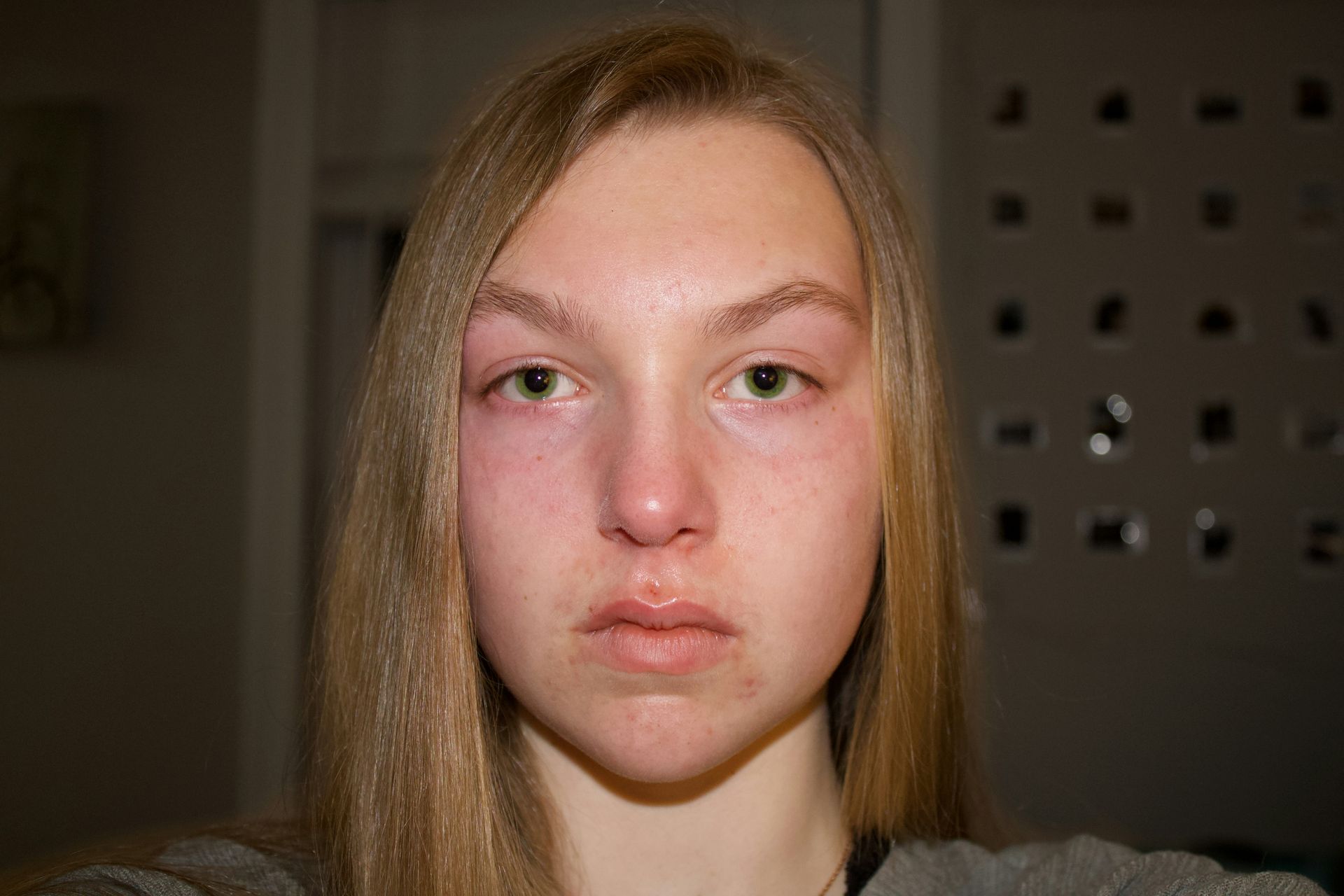
A slight droop on one side of the face, especially around the mouth or eye, that appears suddenly is one of the most urgent signs in medicine. It can indicate a stroke is in progress. Doctors and emergency responders are trained to recognize it within seconds using the FAST checklist: face drooping, arm weakness, speech difficulty and time to call emergency services.
During a stroke, blood flow to part of the brain is interrupted, either by a clot blocking an artery or, less commonly, by bleeding into brain tissue. The facial muscles controlled by the affected area lose function almost immediately. Doctors test for facial drooping by asking a patient to smile, then checking whether one side of the mouth rises as much as the other. That difference can be subtle enough for the person experiencing it to miss entirely.
Bell's palsy, a separate and far more common condition caused by inflammation of the facial nerve, produces a similar-looking droop. But it affects the entire side of the face, including the forehead. A stroke typically spares the forehead, because of how the brain's two hemispheres share control over the upper face. Checking whether a patient can raise both eyebrows evenly is one of the first things doctors do to tell the two conditions apart.
A stroke can develop within minutes and often causes no pain. The person experiencing it may not immediately recognize that anything is wrong, particularly if speech and thinking remain clear at first. A family member, coworker or bystander noticing a lopsided smile or slurred speech is frequently the first person to recognize what's happening. That's exactly why public health campaigns train bystanders to recognize the signs, rather than relying on patients to report their own symptoms.
Every minute that passes during an active stroke without treatment costs a measurable number of brain cells. That's why facial drooping combined with arm weakness or slurred speech is treated as a call for emergency care immediately, not a symptom to monitor or wait out.
