
Here are 10 things every traveler should know before visiting Iceland
From northern lights in winter to naked pre-swim showers at volcanic hot springs, ten things every Iceland visitor should know
-1920x1280.jpg)
Nicolas J Leclercq / Unsplash
The number of people visiting small, ravishingly beautiful Iceland keeps soaring, and with its wealth of natural and cultural attractions, that trend seems genuinely unlikely to change anytime soon. This tiny country is still fairly new as a superstar tourist destination, so a few important things are worth knowing before a visit begins.
In Iceland’s wild landscapes, small errors can lead to genuinely life-threatening situations, and staying informed keeps travelers out of trouble when visiting volcanoes, glaciers, hot springs and frozen wastes. These tips help travelers navigate local etiquette, travel responsibly, and stay safe, freeing up mental space to focus on the island’s rich culture, surprising cuisine, and spectacular landscapes throughout the trip.
The 10 tips below appear in Lonely Planet and cover essential things to know before visiting Iceland. Each one addresses a genuinely practical concern, from seasonal timing to local etiquette to the everyday customs that shape daily life across the island. Iceland’s dramatic landscapes reward genuine respect and preparation far more than a casual, unprepared approach ever could, and small missteps here carry real consequences well beyond simple embarrassment. Reading through these tips before departure, instead of learning them the hard way once already on the ground, genuinely helps travelers focus their energy on enjoying the trip. Iceland’s natural wonders remain genuinely rewarding for anyone willing to plan, dress appropriately and treat both the environment and local culture with real respect throughout a visit. Even travelers who have covered plenty of destinations elsewhere often find Iceland’s specific pairing of volcanic activity, unpredictable weather and considerable distances between towns requires a genuinely different level of preparation than a typical European city break demands. A little extra research upfront genuinely pays off once exploring this singular island firsthand.
1. Iceland rewards visits timed around specific goals
Jonathan Pie / Unsplash
The best time to visit Iceland genuinely depends on what a traveler plans to do once arriving. For mild weather well suited to camping and hiking, visiting from June through August works best, though this window also brings genuine crowds at the sights and considerably higher peak prices throughout the trip.
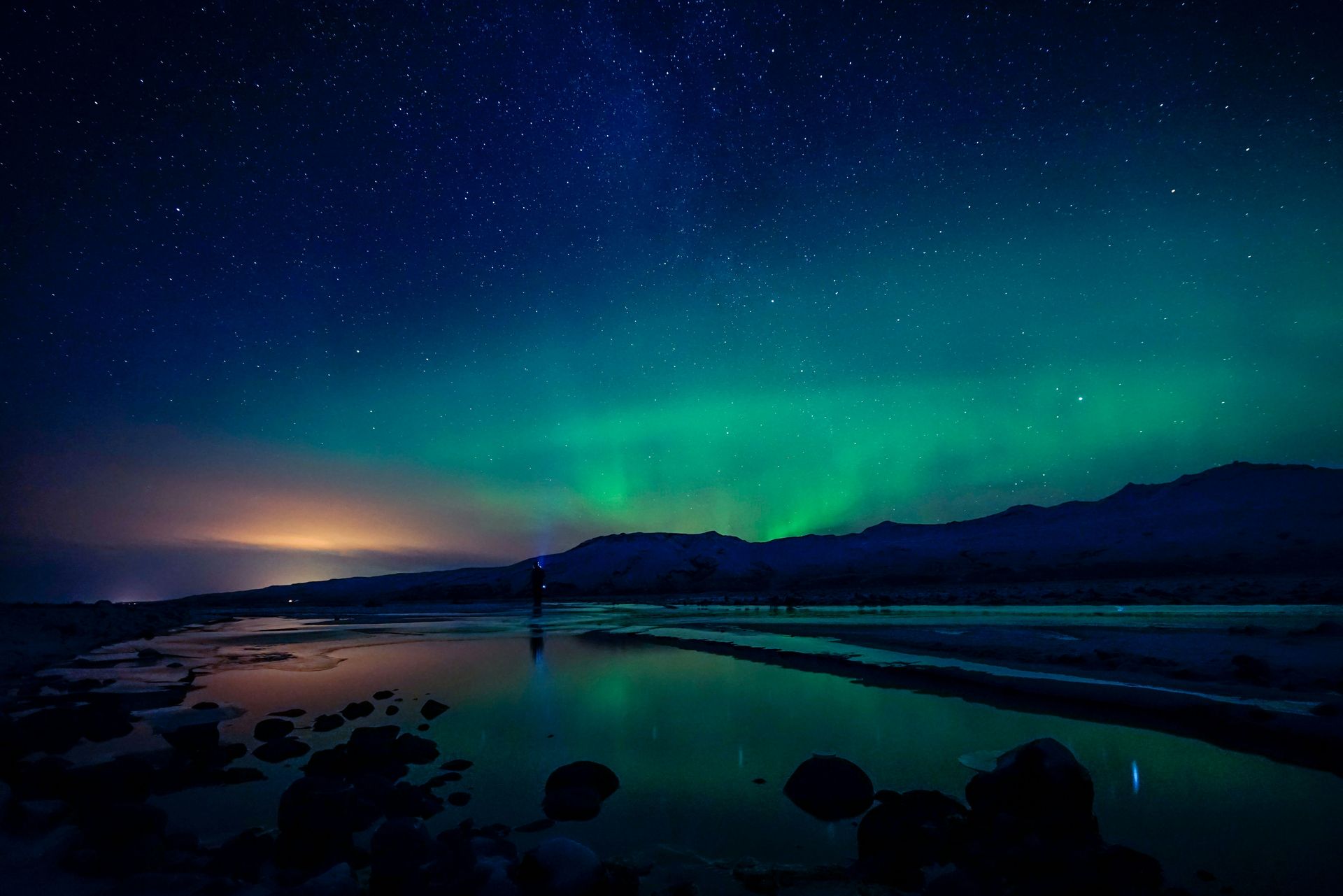
Whale watching stays good from April through September, while December through January ranks as the best time to see the northern lights. However, winter snowstorms can genuinely affect transport routes during this particular window. Travelers $TRV should weigh these seasonal tradeoffs carefully against their specific priorities before locking in travel dates.
The lively culture of Reykjavík and Iceland’s naturally heated geothermal springs can genuinely be enjoyed year-round, giving travelers considerable flexibility even outside the more popular summer and winter windows. This year-round appeal means no single season disqualifies Iceland as a worthwhile destination, though matching specific activities to the right time of year genuinely improves the overall experience.
Travelers hoping to combine multiple priorities, such as hiking and the northern lights, should research shoulder-season timing carefully, since these specific activities rarely align well within the same visit given Iceland’s considerable seasonal variation. Travelers should also check recent aurora forecasts before committing to a winter trip specifically, since northern lights visibility depends heavily on clear skies alongside genuine solar activity. Travelers hoping to combine puffin viewing with warmer weather should target June and July specifically, since these seabirds nest along coastal cliffs only during this narrow summer window. Checking specific regional weather patterns also helps, since conditions along the south coast can differ meaningfully from the north even during the same calendar week. Sunscreen also helps regardless of season, given how long summer daylight actually stretches across the island. A warm hat also helps considerably during longer outdoor days spent hiking. Every extra bit of planning genuinely pays off here. Small details matter. It all adds up considerably in the end.
2. A week lets travelers explore beyond the Golden Circle
Anton B / Unsplash
Iceland functions as a place to soak in the scenery, and genuinely soak in spa-like hot springs, at a relaxed pace, so giving a trip enough time genuinely matters for making the most of a visit. A weekend gives travelers a genuine taste of the island, and this shorter option works well for those stopping over on flights between mainland Europe and America specifically.
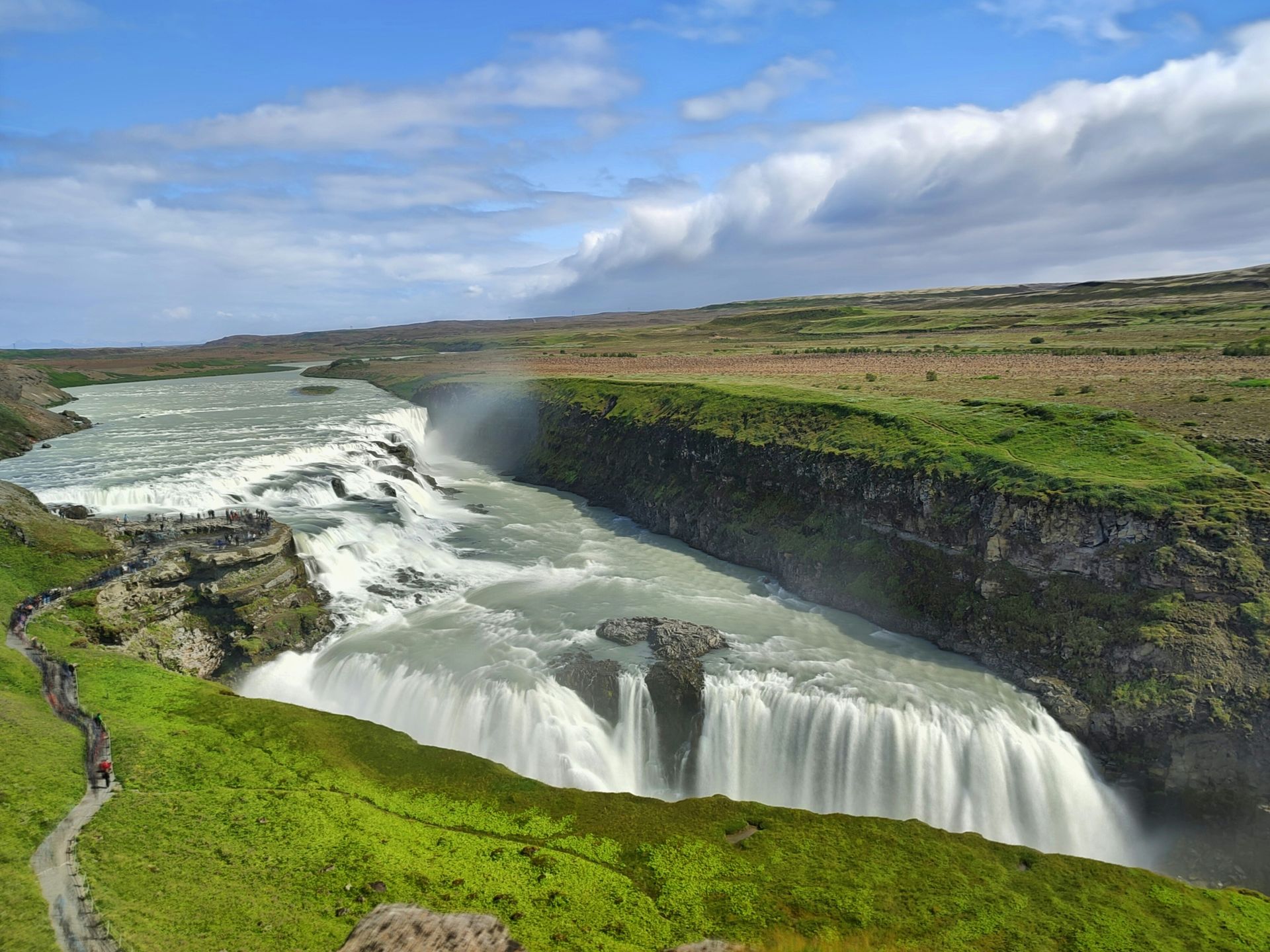
First-time visitors should aim for a week or more, particularly if hoping to see attractions beyond Reykjavík and the Golden Circle. This additional time opens up considerably more of the island’s genuine diversity, from remote fjords to volcanic interior landscapes that a shorter trip can’t accommodate.
Following a week-long itinerary along Iceland’s Ring Road gives travelers a genuinely well-rounded sampler of what the island has to offer, covering considerably more ground than focusing purely on the southwest corner near Reykjavík. This route-based approach rewards travelers willing to commit to a longer, more comprehensive trip.
Travelers $TRV with only a weekend available should prioritize the Golden Circle and immediate Reykjavík surroundings specifically, since attempting to cover the full Ring Road within such a short window would leave genuinely insufficient time at each stop. Travelers should also build in buffer days when planning a longer itinerary, since weather delays can genuinely shift a carefully planned Ring Road schedule. Travelers should also research fuel station locations along the Ring Road before departure, since some rural stretches hold considerably fewer stations than travelers accustomed to denser countries might expect. Booking key accommodations before finalizing the rest of an itinerary also helps, since popular guesthouses along the Ring Road can sell out weeks ahead of a summer visit. A reusable water bottle also helps considerably, since Iceland’s tap water ranks among the cleanest available anywhere. A small cooler bag also helps considerably for road-trip snacks and drinks. Every extra bit of planning genuinely pays off here. Small details matter.
3. Reykjavík anchors trips to every corner of Iceland
-1-1920x1087.jpg)
Einar H. Reynis / Unsplash
Almost everyone starts an Iceland trip in Reykjavík, a city packed with genuinely fun things to do alongside great places to stay, eat and drink. Travelers $TRV can use the capital as a base for easy road trips along the west and south coasts, or head inland to the sights of the Golden Circle, taking in some of Iceland’s genuinely best places to visit within a single day trip.
To explore the northwest of the island, including the remote Westfjords, starting from Akureyri, Iceland’s northern hub, makes considerably more sense than basing an entire trip out of Reykjavík alone. Travelers hoping to take in the sights along the east coast should consider the town of Egilsstaðir as a genuinely convenient regional base instead.
Cozy rural guesthouses, spa hotels and campgrounds remain genuinely easy to find throughout the island, so travelers shouldn’t feel limited to staying purely in bigger towns and cities. This range of accommodation options gives travelers real flexibility in building an itinerary around specific regional interests instead of a single central base.
Travelers planning a multi-region trip should book accommodation in each specific base town well ahead of arrival, since smaller towns throughout Iceland hold considerably less lodging capacity than Reykjavík itself. Travelers should also compare current rental car pickup locations across these regional hubs, since availability and pricing can vary meaningfully depending on the specific base chosen. Travelers basing a trip out of Akureyri specifically should also research current domestic flight schedules, since flying between regional hubs sometimes saves considerable driving time on a tight itinerary. Comparing driving distances between regional bases also helps considerably, since Iceland’s roads can take longer to navigate than map distances alone might suggest. Comfortable walking shoes also help considerably given how much exploring each regional base genuinely rewards. A phone mount for the car also helps considerably for hands-free navigation. Every extra bit of planning genuinely pays off here. Small details matter.
4. Iceland’s weather demands genuinely warm layers
Adam Jang / Unsplash
Getting outdoors ranks as a genuinely important part of the Iceland experience, though travelers need good maps and appropriate gear, especially if planning to hike. Common sense matters just as much as gear, and travelers should ask themselves whether their clothing would keep them warm and dry without access to a car or a nearby building.
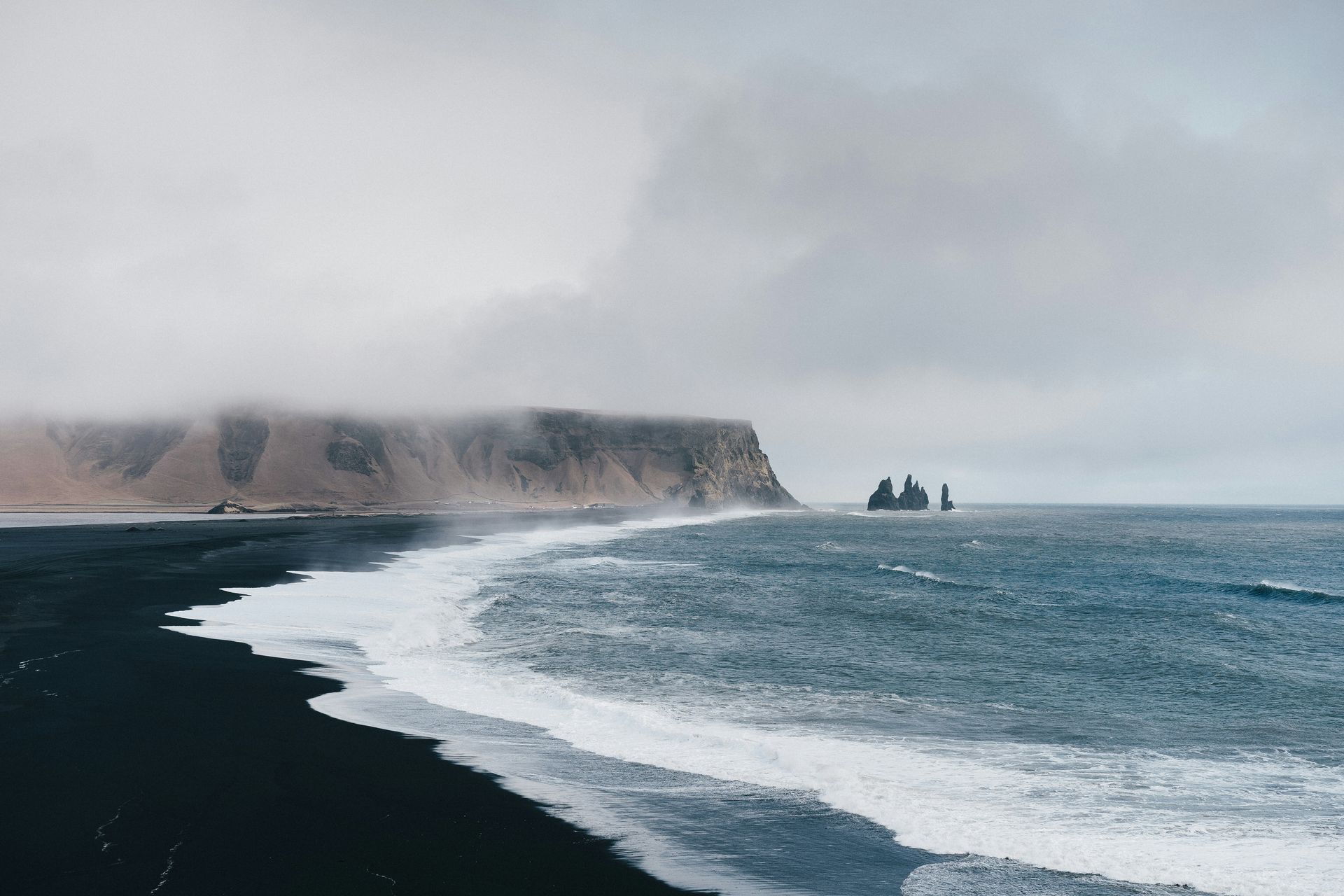
Sturdy hiking footwear, waterproofs and warm layers should stay part of a traveler’s kit regardless of season, since even mid-summer daytime temperatures only reach around 15 degrees Celsius, or 59 degrees Fahrenheit, and climbing Iceland’s peaks and snowcaps genuinely requires additional warm layers beyond typical summer clothing.
Being properly prepared opens up genuine access to great wilderness areas such as the Westfjords’ beautiful Hornstrandir Nature Reserve, known for its Arctic foxes, spectacular birding cliffs and genuinely unspoiled hiking and camping opportunities. Travelers $TRV planning to camp specifically should bring a high-quality waterproof tent, since wild camping stays restricted and sticking to formal campsites remains genuinely necessary throughout most of the island.
Travelers needing additional equipment once already in Iceland can find a bevy of suppliers throughout Reykjavík for gear purchase or rental, giving underprepared travelers a genuine second chance to gear up properly before heading into the wilderness. Travelers should also pack an extra pair of wool socks specifically, since wet feet from unexpected rain or stream crossings genuinely ruin an otherwise well-planned hiking day. Travelers should also research specific trail difficulty ratings before committing to a hike, since Iceland’s terrain can prove considerably more demanding than similar-looking trails elsewhere might suggest. Testing all gear before departure also helps considerably, since discovering a broken zipper or leaky boot mid-trip proves considerably harder to fix than at home. A compact daypack also helps carry extra layers removed throughout a changing day. Extra socks also help considerably given how quickly feet can get wet. Every extra bit of planning genuinely pays off here. Small details matter.
5. A handful of Icelandic phrases wins over locals
Einar H. Reynis / Unsplash
Icelanders tend to speak genuinely excellent English, though they stay considerably proud of their native tongue, so learning a few Icelandic words and phrases will genuinely be well received throughout a visit. This small effort signals real respect for the local culture beyond simply expecting English everywhere.
Even memorizing basic words such as hello, goodbye, yes, no, and thank you will genuinely raise a smile from locals encountered throughout a trip. This modest vocabulary investment pays off considerably more than travelers might initially expect, given how rarely visitors bother learning any Icelandic at all.
Icelandic pronunciation can prove genuinely tricky for English speakers at first, so practicing these basic words a few times before departure helps travelers feel considerably more confident using them in actual conversations. This small preparation step removes much of the hesitation that otherwise keeps travelers from attempting the local language at all.
Travelers $TRV should also learn how to politely ask whether someone speaks English, since this simple courtesy genuinely matters more in Iceland than assuming immediate fluency from every local encountered throughout the trip. Travelers should also download an offline translation app before departure, since rural areas with limited signal can make real-time translation genuinely difficult without one. Travelers should also learn basic numbers in Icelandic specifically, since these come up constantly when shopping, ordering food, or asking about prices throughout a typical day. Practicing pronunciation with an audio guide also helps considerably, since written phonetic spellings alone don’t always capture Icelandic’s genuinely distinct sounds. A small notebook also helps considerably for jotting down new words picked up throughout the trip. A small pocket dictionary also helps considerably as a genuine backup to any translation app in remote areas without a reliable cell phone signal. This small habit genuinely rewards curious travelers well beyond the trip itself. Every extra bit of practice genuinely pays off here. Small details matter. It all adds up considerably in the end.
6. Respecting nature earns genuine Icelandic goodwill
-1920x1280.jpg)
Josh Reid / Unsplash
Respecting local etiquette and avoiding complaints about the weather or how hard it proves to reach the natural wonders is a surefire way to earn a warm welcome from Icelanders. Icelanders stay generally open-minded, and many people care passionately about the environment, so respecting nature the way locals do, including avoiding littering and trampling over slow-growing moss, genuinely matters throughout a visit.
Icelanders tend to speak impeccable English, stay often game for a chat, and remain happy to share their favorite places or hobbies with curious visitors. People tend to use first names throughout everyday interactions, and saying please isn’t the local norm, though thank you gets used considerably more widely throughout daily conversation.
Taking off shoes counts as genuinely normal practice when entering someone’s home or many guesthouses, reflecting a broader cultural emphasis on keeping indoor spaces clean and comfortable. This small habit signals genuine cultural awareness beyond simply following posted rules.
Travelers $TRV should also avoid driving off designated roads regardless of how tempting a shortcut might look, since this specific behavior genuinely damages Iceland’s fragile environment and reflects poorly on visitors as a whole. Travelers should also research which specific moss-covered areas to avoid before hiking, since this slow-growing plant covers considerable ground throughout many of Iceland’s most popular trails. Travelers should also research which specific tour operators hold recognized sustainability certifications, since booking through these companies genuinely supports Iceland’s broader conservation efforts. Staying on marked paths even when a shortcut looks obvious also helps considerably, since erosion from foot traffic damages fragile terrain more than most visitors realize. A trash bag also helps considerably for packing out any litter encountered along popular trails. A good pair of binoculars also helps considerably for observing wildlife from a genuinely respectful distance without disturbing it any further. Every bit helps. Every extra bit of care genuinely pays off here. Small details matter. It all adds up considerably in the end.
7. Icelanders dress practically outside formal nights out

Pavel Danilyuk / Pexels
Icelanders tend to adopt a smart-casual dress code throughout the city, while wearing considerably more practical clothing for outdoor activities out in the countryside. Showy outfits usually stay reserved for formal occasions, big nights out, posh meals and the runtur, Reykjavík’s legendary weekend bar and club crawl that draws considerable local participation.
Travelers $TRV not planning any lavish nights out on the town should genuinely prioritize comfortable, practical clothes over anything purely stylish but impractical. A warm Icelandic wool sweater ranks as a genuinely useful item to buy locally and keep handy from fall through spring, offering both warmth and an authentic local souvenir in one purchase.
This practical approach to dress reflects Iceland’s genuinely unpredictable weather patterns, where comfort and warmth matter considerably more than fashion for the majority of a typical day spent outdoors. Travelers packing primarily stylish clothing without practical alternatives may find themselves genuinely uncomfortable once actual Icelandic weather sets in.
Travelers hoping to experience the runtur specifically should research current venues and timing before arrival, since this particular tradition follows its own distinct rhythm considerably different from typical nightlife in other European capitals. Travelers should also pack a single dressier outfit just in case, since an unexpected invitation to a nicer restaurant or event can catch underprepared visitors genuinely off guard. Travelers should also research current weather forecasts daily throughout a longer trip, since Iceland’s conditions can shift enough within a single week to change what specific layers actually make sense. Packing clothing that layers easily also helps considerably, since temperature swings throughout a single day can require adding or removing layers frequently. A packable rain shell also helps considerably given how quickly Icelandic weather can shift. Thermal base layers also help considerably during shoulder-season visits, specifically throughout both the spring and fall shoulder months. Every bit helps. Every extra bit of preparation genuinely pays off here. Small details matter. It all adds up considerably in the end.
8. Popular sights and tours fill up without early booking
Kuba Regulski / Unsplash
People tend to stay quiet and respectful at museums and other sights throughout Iceland, taking care not to disturb other visitors during a shared experience. Booking ahead makes genuine sense for the biggest attractions and most popular tours, and activities such as whale watching and glacier tours genuinely benefit from booking a week or two in advance.
Iceland’s churches were once left unlocked, though these days, visitors may need to stick to defined opening times or visit during services specifically. Alternatively, asking around to find the resident holding the keys sometimes opens up access outside standard hours. However, visitors arriving during an active service should avoid disturbing people there to pray.
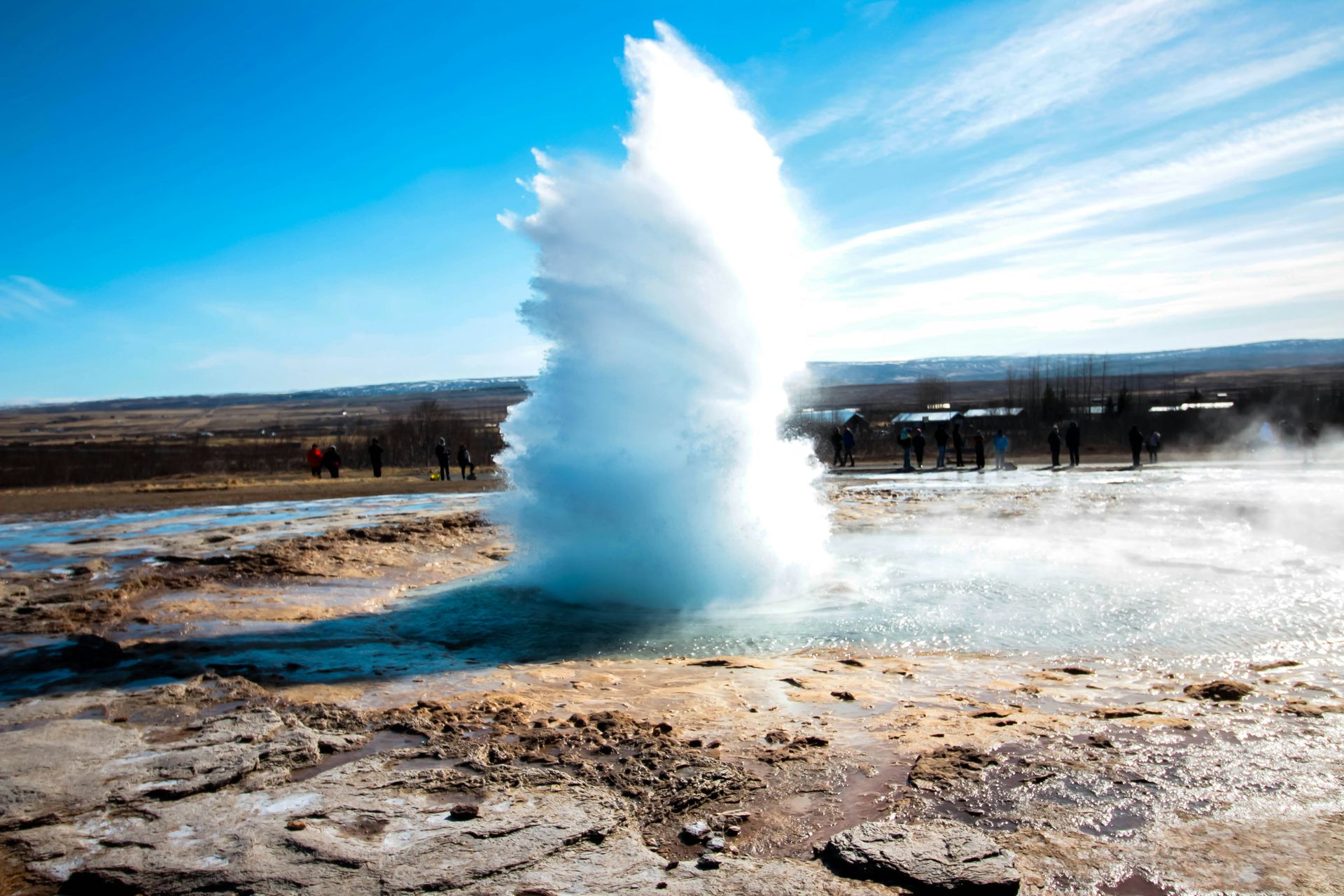
Photography stays welcome at most sights throughout the island. However, a permit becomes necessary to fly a drone within Iceland’s national parks, and drones stay completely banned at some natural attractions, including most of the country’s major waterfalls and the geothermal area at Geysir specifically.
Travelers $TRV should research specific booking windows for their must-see activities well before departure, since popular tours during peak season can sell out considerably faster than travelers accustomed to more flexible destinations might initially expect. Travelers should also check specific drone regulations before packing one, since national park restrictions and outright bans at major sites can result in genuine confiscation if ignored. Travelers should also confirm specific church visiting hours directly with local parishes when possible, since online information doesn’t always reflect genuinely current opening schedules. Setting calendar reminders for booking windows also helps considerably, since some popular tours release availability on a fixed schedule well before the actual travel dates. A portable charger also helps keep booking confirmations accessible throughout the day. A printed backup itinerary also helps considerably as a genuine backup to digital confirmations alone in case of technical issues. Every extra bit of planning genuinely pays off here. Small details matter. It all adds up considerably in the end.
9. Icelanders keep genuinely quiet manners on transit
Juan Encalada / Unsplash
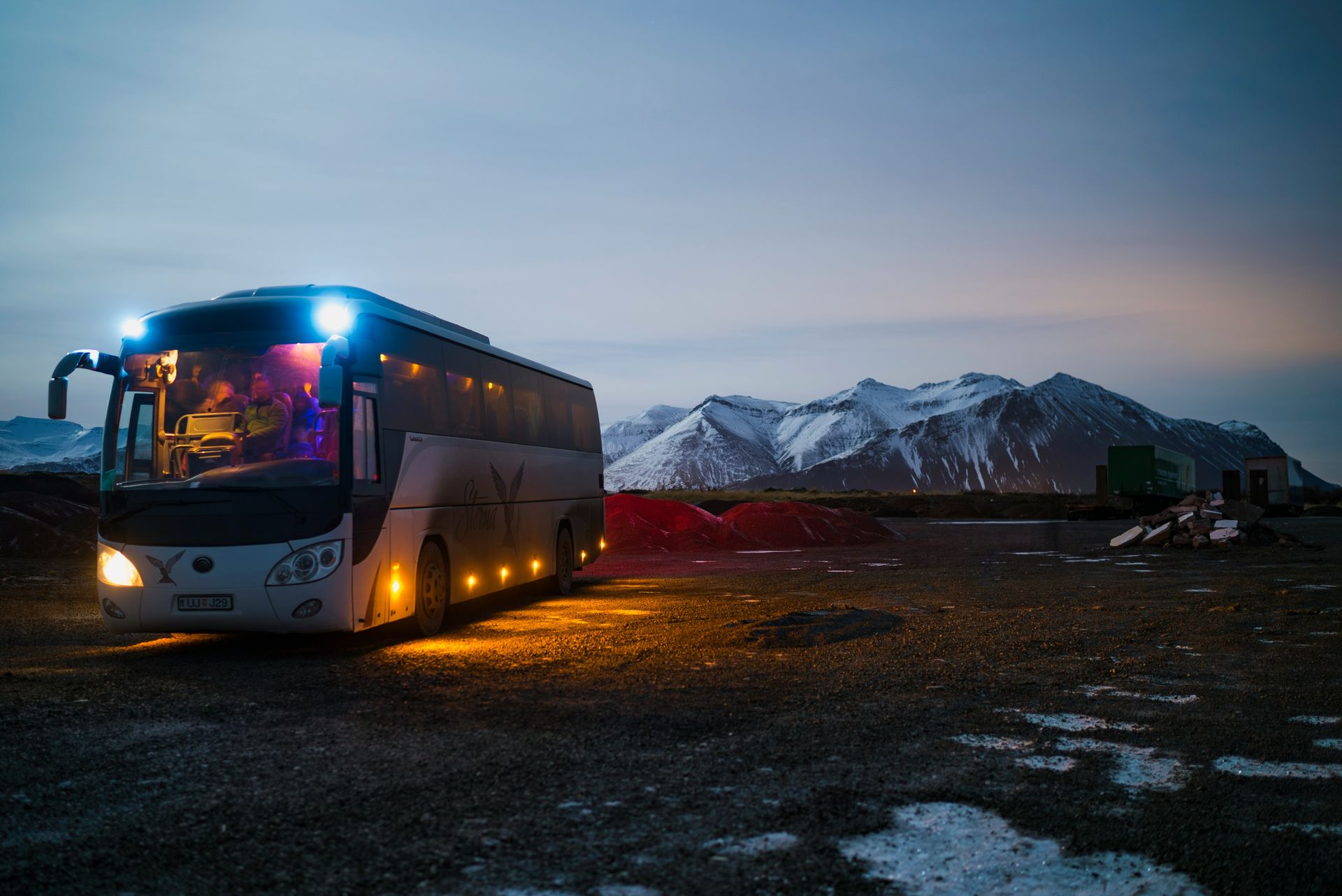
Icelanders genuinely respect each other’s space on public transport, and travelers should put larger bags in the designated luggage compartments on buses while keeping smaller bags or backpacks on their lap throughout the ride. Having cash in exact change or a contactless card ready to pay when boarding buses, while avoiding excessive noise or eating on board, reflects genuine local transit etiquette.
Drivers should keep to posted speed limits and drive on the right, pulling off the road only in designated parking bays, both of which matter considerably for safety and for respecting the surrounding landscape. On narrow lanes, using passing spaces properly matters too, and when meeting an oncoming car, the vehicle closest to a parking bay usually yields the right of way.
Approaching a single-lane bridge specifically means the car closest to the bridge holds right of way, a local convention that catches many first-time drivers genuinely off guard. Tipping taxi drivers isn’t the norm throughout Iceland, unlike in many other countries where this practice stays considerably more expected.
Travelers $TRV renting a car specifically should review these local driving conventions before setting out, since unfamiliar rules around bridges and passing spaces can create genuine confusion on Iceland’s often narrow rural roads. Travelers should also download the country’s specific bus schedule app before relying heavily on public transport, since rural routes run considerably less frequently than city services. Travelers should also carry a printed backup map for rural driving specifically, since phone signal throughout parts of the interior can drop out entirely for considerable stretches. Carrying a portable charger also helps considerably, since navigation apps and translation tools drain battery quickly during a long day of travel. Small bills and coins also help considerably for smaller transit fares throughout a longer trip. Headphones also help considerably for quiet entertainment during longer bus rides. Every extra bit of preparation genuinely pays off here. Small details matter. It all adds up considerably.
10. Hot springs require a shower before entry
Andy Wang / Unsplash
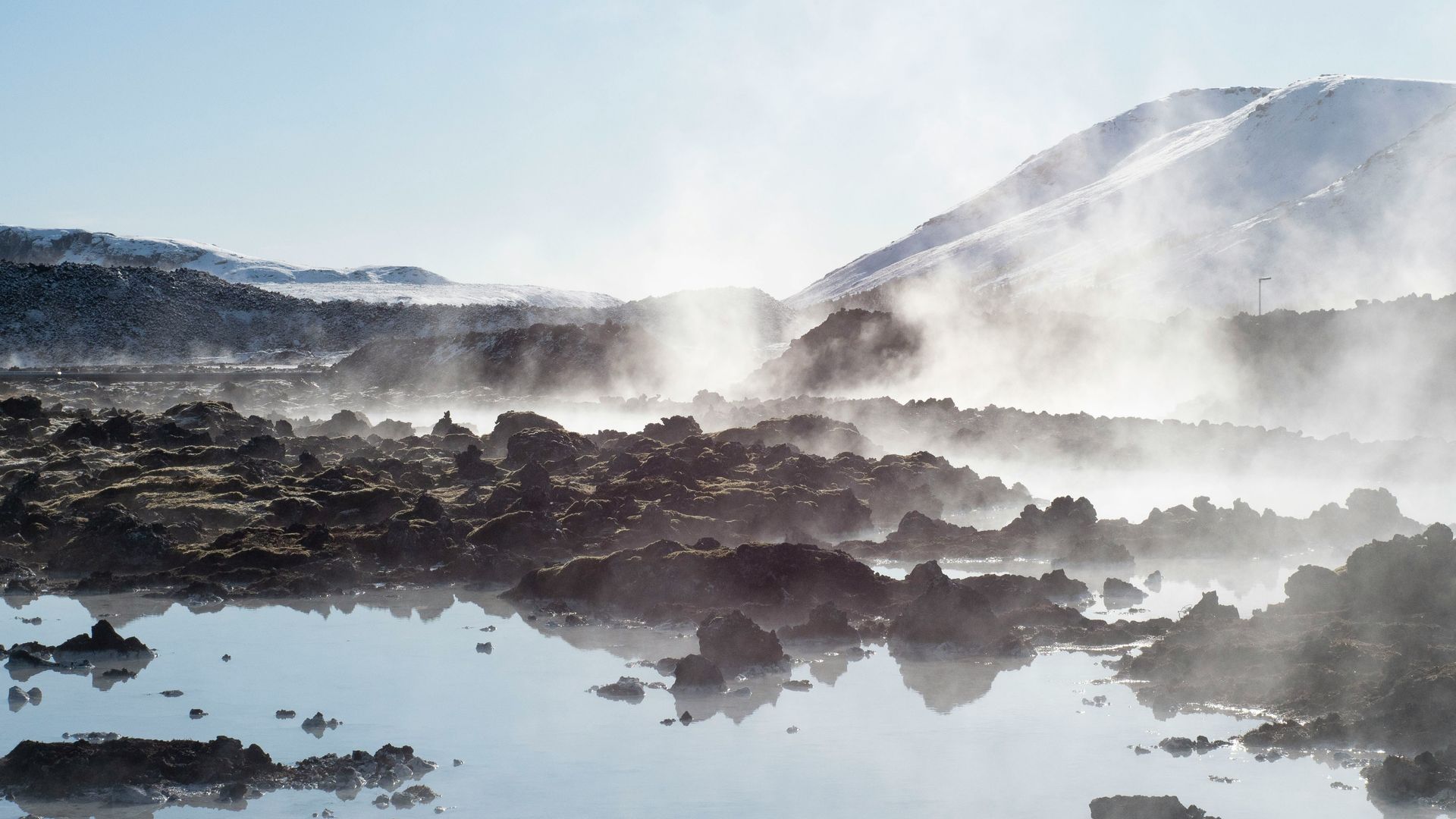
Part of the unique gift of Iceland’s volcanic landscapes, natural hot springs pop up all over the island, ranging from free-to-use natural hot pots to considerably more upmarket bathing and spa complexes. Hitting the local spring to soak and gossip functions as practically a national pastime, giving visitors genuine insight into everyday Icelandic social life beyond typical tourist attractions.
Showering naked and washing thoroughly with soap before donning a swimsuit to enter hot springs and pools is an absolute hygiene and etiquette rule throughout the island. Most pools don’t get treated with chemicals, so cleanliness becomes a genuinely key factor in keeping these shared spaces enjoyable for everyone using them.
Whether visiting the famous Blue Lagoon or the remote outdoor pool at Krossneslaug in the Westfjords, no quicker way exists to genuinely horrify an Icelander than jumping in dirty without properly showering first. Visitors should also take off their shoes and place them on the rack provided upon entering the changing room, following the same broader indoor-shoe custom found throughout much of Icelandic culture.
Travelers $TRV unfamiliar with this custom should arrive at any hot spring or pool expecting mandatory pre-swim showers as standard practice, since skipping this step genuinely draws disapproval regardless of how minor the oversight might seem to a first-time visitor. Travelers should also bring their own towel to smaller, less developed hot springs specifically, since remote locations often lack the rental amenities found at larger commercial spas. Travelers should also check specific opening hours for smaller, less commercial hot springs before visiting, since these locations often keep considerably more limited schedules than major tourist spas. Packing a quick-dry towel specifically also helps considerably, since standard cotton towels take considerably longer to dry between multiple hot spring visits. A waterproof phone pouch also helps considerably for safely carrying essentials near the water. A small toiletry bag also helps carry soap between different springs. Small details matter.