
Here are 10 things every traveler should know before visiting Japan
Prepare for Japan with practical tips on etiquette, seasons, packing, technology, weather, and everyday customs before your visit
-1920x1280.jpg)
David Edelstein / Unsplash
Japan holds a genuine reputation as an etiquette-bound place that can feel intimidating for first-time visitors. Seasoned travelers will insist that the traditions here stay no more formal or constricting than in many other destinations found around the world, and most locals genuinely remain more than willing to help out or give foreign travelers a pass for any perceived faux pas along the way.
As with just about anything in life, managing expectations matters considerably while navigating the unwritten rules of Japan and discovering all this storied country genuinely has to offer. Putting your mind at ease before departure genuinely helps travelers focus on enjoying the trip instead of constantly worrying about missteps throughout their stay.
The 10 tips below appear in Lonely Planet and cover essential things to know before visiting Japan. Each one addresses a genuinely practical concern, from seasonal timing to packing choices to the everyday customs that shape daily life throughout the country. Reading through these tips before departure, instead of learning them through trial and error once already in Japan, genuinely helps travelers focus their energy on enjoying the trip instead of untangling avoidable confusion. Small cultural details, from shoe removal customs to cash-based payment at smaller shops, add up considerably over the course of a longer visit, and understanding them in advance smooths out interactions that might otherwise feel genuinely awkward for a first-time visitor. Genuine curiosity, paired with a willingness to adapt, ultimately matters more than memorizing every single rule perfectly before departure. Most travelers find that Japan’s reputation for strict etiquette softens considerably once they actually arrive, and the vast majority of locals genuinely appreciate visible effort far more than flawless execution of every custom. Traveling with genuine humility and a sense of humor about occasional mistakes ultimately matters more than any single guide could fully capture.
1. Japan rewards visits across every season
-1920x1280.jpg)
Su San Lee / Unsplash
Travelers $TRV can genuinely have the trip of a lifetime in Japan at any time of year, though certain seasons bring an extra layer of magic worth planning around. Cherry blossoms draw travelers from across the globe during spring, while hikers hit the trails of Mount Fuji throughout summer, giving each season its own distinct draw for different types of visitors.
Fall brings genuinely beautiful golden foliage alongside the harvest moon, giving the country a distinctly different visual character than the pink-tinted spring months. Winter brings world-class skiing to the mountains, rewarding travelers specifically seeking snow sports with some of the finest powder found anywhere in Asia.
This range of seasonal highlights means Japan genuinely rewards repeat visits timed around different priorities, since a single trip rarely captures every distinct seasonal experience the country has to offer. Travelers should research which specific season best matches their own interests before finalizing travel dates.
Checking regional bloom or foliage forecasts before booking helps travelers time a visit around the specific natural spectacle they most want to see, since timing can shift somewhat from year to year depending on local weather patterns. Travelers should also research specific regional variation in timing, since cherry blossoms and autumn foliage both progress from south to north across the country over several weeks. Travelers hoping to combine multiple seasonal highlights within one trip should consider late fall or early spring specifically, since shoulder seasons occasionally offer overlapping natural spectacles alongside genuinely thinner crowds. Checking specific regional festival calendars also helps, since many local events tie directly to seasonal changes and add genuine cultural depth to a trip timed around them. Sunscreen also helps regardless of season, given how strong UV exposure stays even during cooler months. A hat also helps considerably during longer outdoor sightseeing days. A light scarf also helps for cooler evening temperatures during shoulder seasons specifically. Every bit of advance preparation genuinely helps quite a bit here.
2. A week covers Japan’s biggest highlights
Kenshi Kingami / Unsplash
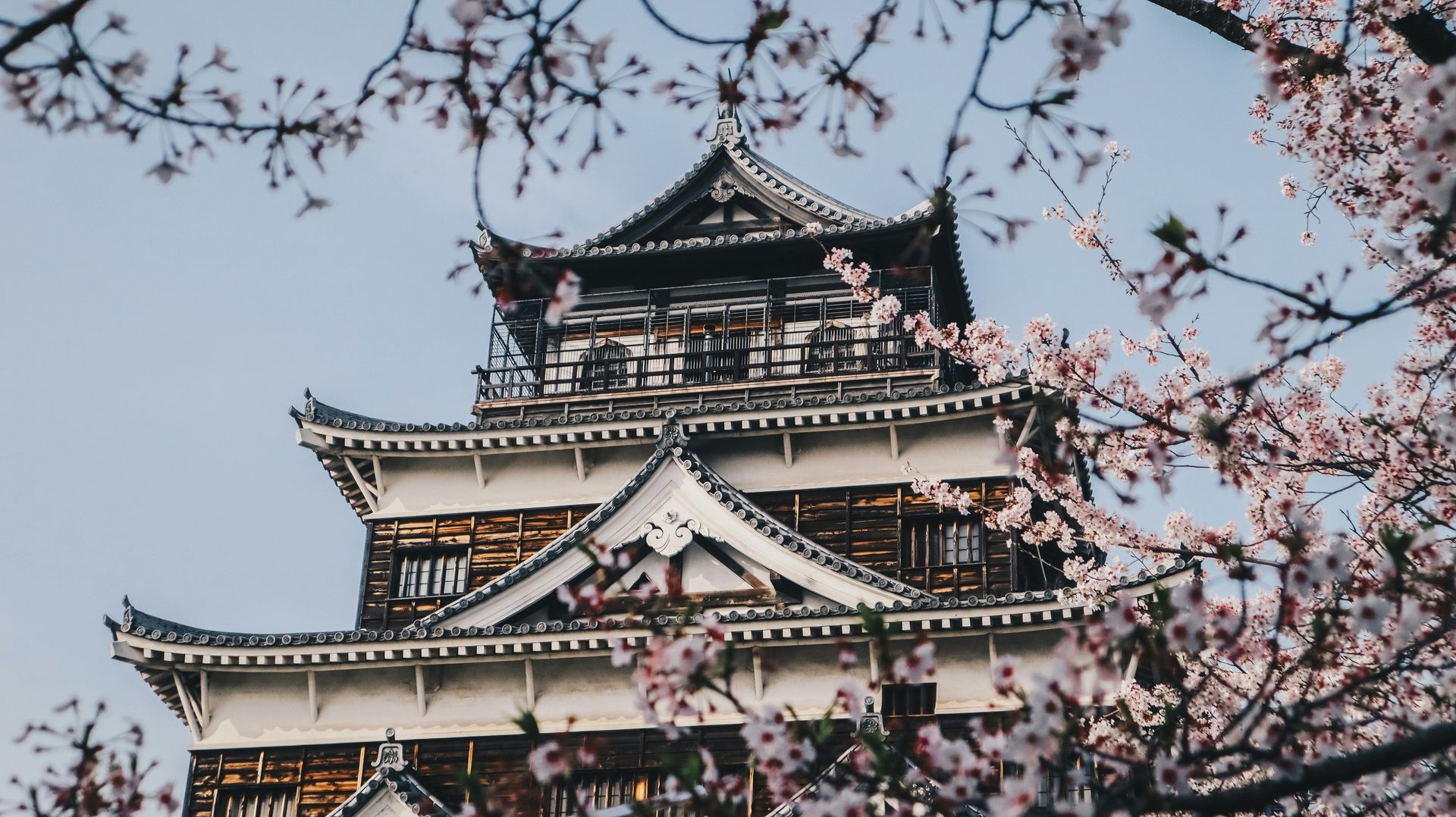
A week allows travelers to see the city highlights across Tokyo, Kyoto and Osaka, giving visitors a genuinely solid introduction to Japan’s most famous urban destinations. Staying at least 10 days also opens up time to see Himeji-jō, one of Japan’s most magnificent castles, alongside Kōbe and Hiroshima.
Travelers $TRV hoping to visit Japan’s northernmost island, Hokkaidō, explore the Seto Inland Sea, or head south to Okinawa and the Southwest Islands should budget considerably longer than a standard weeklong trip, since these regions sit genuinely far from the main Honshu circuit most first-time visitors follow.
This range of possible itineraries gives Japan genuine flexibility depending on how much time a traveler actually has available, from a focused week hitting the major cities to a considerably longer trip covering the country’s more remote regions. Matching trip length to specific interests matters more than trying to see everything within a single visit.
Travelers with limited time should prioritize a smaller number of regions explored thoroughly, since rushing between too many destinations across a short trip risks missing much of what makes each individual location genuinely worth visiting. Travelers should also factor in jet lag recovery time when planning a shorter trip, since arriving exhausted can meaningfully cut into the first day or two of otherwise limited sightseeing time. Travelers building a longer itinerary should also research current internal flight options for reaching Okinawa or Hokkaidō, since these regions sit far enough from the main train network to make flying genuinely worthwhile. Building in at least one rest day helps considerably during a longer trip, since constant sightseeing across multiple cities can genuinely wear travelers down by the second week. Comfortable walking shoes also help considerably given how much ground a typical city-highlights day covers. A light daypack also helps carry essentials between city stops. A small notebook also helps for jotting down highlights worth genuinely revisiting on a future trip.
3. Japan’s cities each specialize in a different vibe
Romeo A. / Unsplash
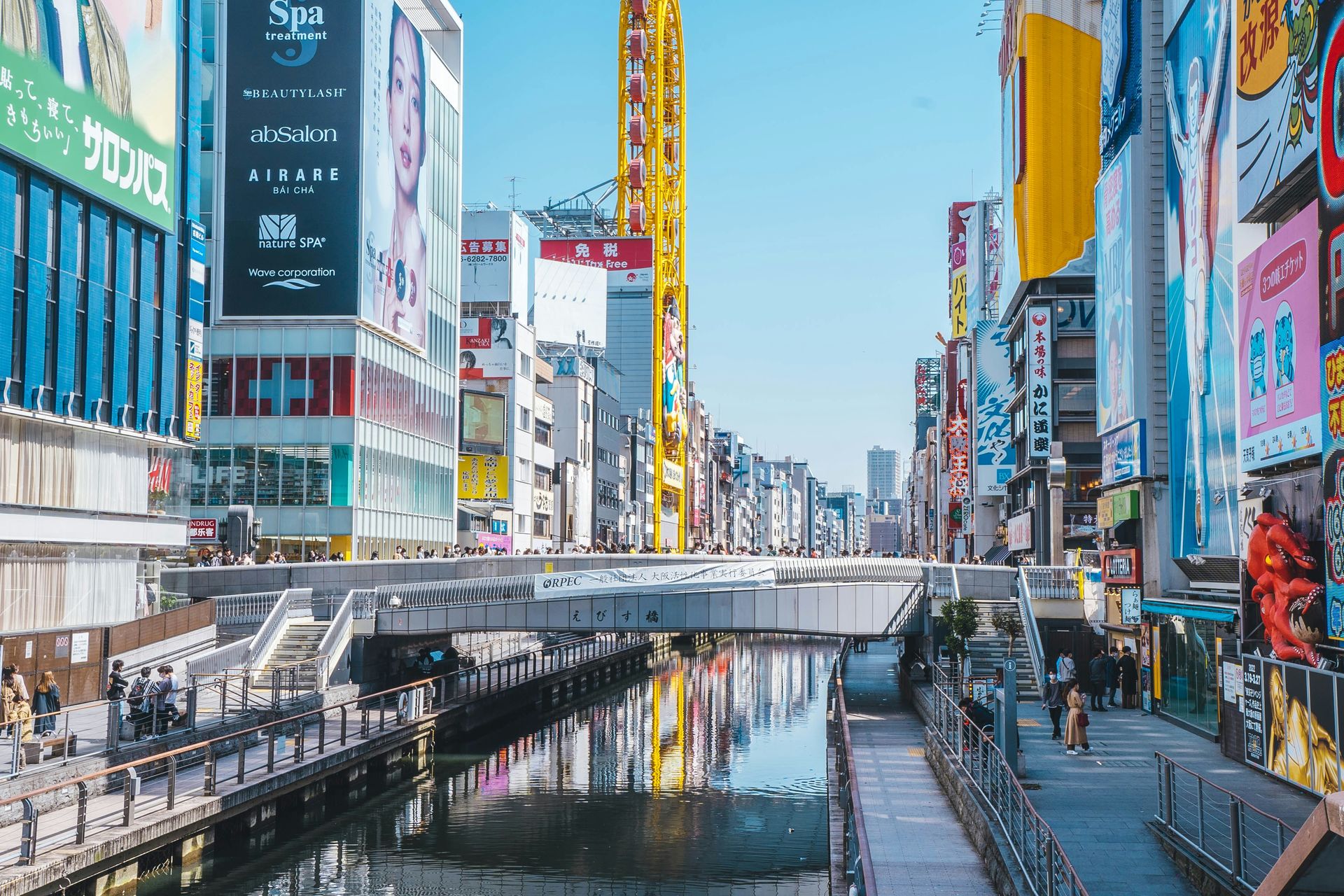
Chances are travelers will stay on the move, exploring different places across the nation instead of settling into a single base for an entire trip. Tokyo rewards visitors interested in contemporary culture, arts and entertainment, while Kyoto offers genuinely traditional Japanese experiences well suited to travelers specifically seeking historic temples and preserved neighborhoods.
Okinawa holds some of the country’s best beaches, giving travelers a genuinely different side of Japan compared with the mainland’s more urban or mountainous destinations. Osaka, meanwhile, draws visitors specifically for street food and nightlife, rewarding travelers who prioritize food culture and evening entertainment over daytime sightseeing alone.
This genuine specialization across different cities gives Japan real range for travelers building a multi-stop itinerary, since each destination rewards a distinctly different set of priorities instead of offering a generic, interchangeable experience. Researching which specific cities match a traveler’s own interests helps prioritize limited time effectively.
Travelers $TRV building a multi-city itinerary should budget realistic travel time between destinations, since Japan’s excellent train network still requires genuine hours to cover the country’s considerable north-to-south length. Travelers should also consider a rail pass, specifically if visiting multiple cities, since the cost savings on high-speed train travel can add up considerably across a longer multi-city itinerary. Travelers specifically interested in food culture should build extra time into an Osaka stop, since the city’s street food scene rewards slow, unhurried exploration across multiple different neighborhoods. Checking specific neighborhood guides for each city also helps, since Tokyo and Osaka in particular span considerable ground with genuinely distinct districts worth exploring individually. A reusable water bottle also helps considerably given how much genuine walking a multi-city itinerary actually involves. A portable phone charger also helps considerably given how much navigation a multi-city trip requires. A rail schedule app also helps considerably for coordinating connections between multiple separate cities throughout a longer overall trip. Every bit of preparation genuinely helps in the end. Small steps genuinely matter. Every little bit genuinely counts here too.
4. Accommodation in Japan books up months ahead
Susann Schuster / Unsplash
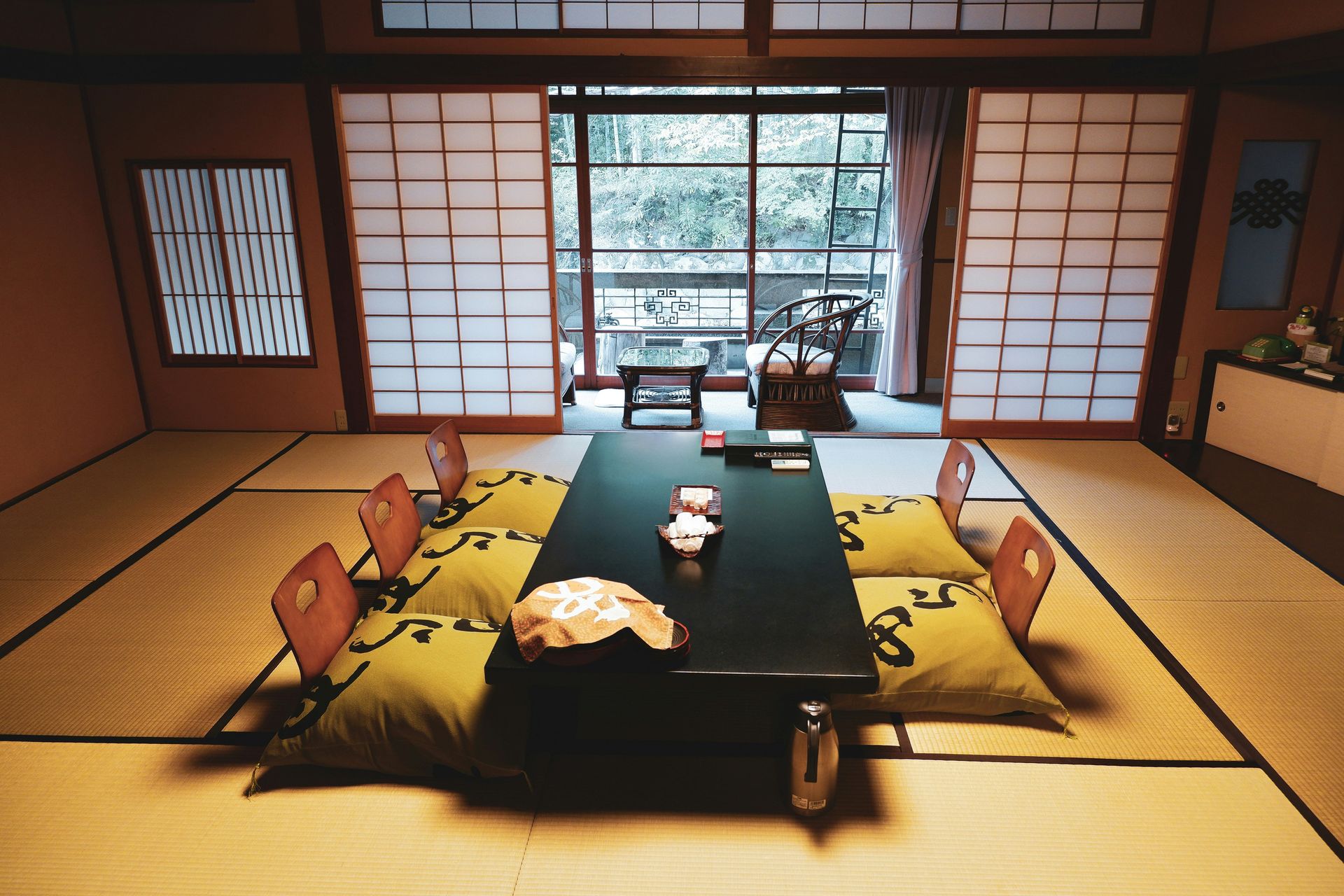
In a pinch, travelers could probably secure a room at a basic business hotel without a reservation, though risking this approach rarely makes sense given how quickly better options disappear. Top accommodations can book up weeks or even months in advance, making it genuinely worthwhile to plan ahead instead of assuming last-minute availability.
Particularly busy travel periods include the first week of January, cherry blossom season (spanning late March through April depending on the destination), Golden Week (running from April 29 through May 5), and August throughout the country. Travelers $TRV visiting during any of these specific windows should book considerably further ahead than they might for a typical trip elsewhere.
This pattern of advance booking reflects genuine domestic demand alongside international tourism, since many Japanese travelers also take vacations during these same peak periods. Competing against both local and international demand simultaneously makes early booking genuinely more important than in destinations with less overlapping seasonal demand.
Travelers with flexible dates should consider shifting a visit slightly outside these specific peak windows, since even a few days’ difference can meaningfully improve both accommodation availability and pricing throughout the trip. Travelers should also check cancellation policies carefully when booking early, since plans can shift and flexible booking terms genuinely help avoid losing money on a nonrefundable reservation. Travelers specifically hoping to stay at a traditional ryokan during peak season should book considerably further ahead than for standard hotels, since these smaller properties offer genuinely limited room counts. Comparing prices across multiple booking platforms also helps, since rates for the same room can vary meaningfully depending on which specific site a traveler uses. A dedicated travel folder also helps considerably for organizing confirmation numbers across multiple separate bookings. A calendar reminder also helps considerably for tracking specific booking deadlines across a longer trip. A backup accommodation list also helps considerably in case a first-choice property genuinely sells out unexpectedly during busy periods.
5. Japan’s hotel rooms demand genuinely light packing
Yanhao Fang / Unsplash
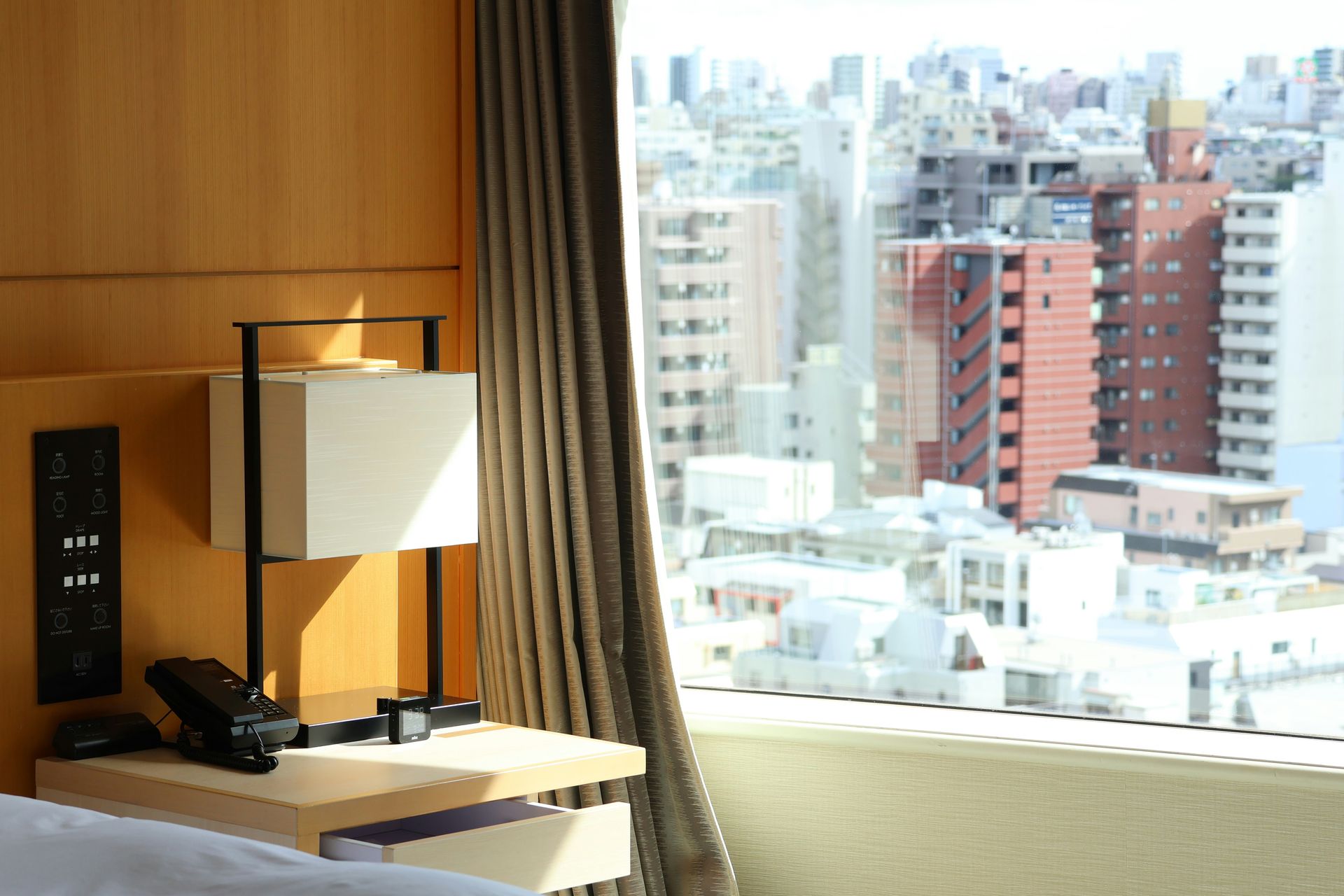
Since hotel rooms in Japan tend to run genuinely small, especially throughout major cities, there's little room for large suitcases in a typical room. These bulky bags can also prove a genuine pain to wrangle on public transport, and some shinkansen, or high-speed trains, actually require reserving space for oversized luggage ahead of time, a service that stays free in advance but carries a genuine penalty if arranged only aboard the train itself.
Packing on the lighter side always makes sense while traveling, though this advice proves especially important specifically for a Japan trip given the country’s compact hotel rooms and crowded trains. Travelers $TRV accustomed to checking large bags elsewhere should genuinely reconsider that approach for this particular destination.
Religious sites such as Buddhist temples and Shintō shrines don’t enforce dress codes, though high-end restaurants, bars and clubs sometimes do, typically meaning no sleeveless shirts or sandals for men specifically. Travelers should also keep in mind that dining out sometimes involves sitting directly on the floor, which can prove genuinely uncomfortable in short or tight clothing.
Packing a few versatile, easily layered pieces genuinely helps travelers navigate both the practical space constraints and the occasional dress code without needing to overpack for every possible scenario. Travelers should also consider Japan’s convenient luggage forwarding services specifically, since shipping bags ahead to a later hotel lets travelers move between cities with just a small daypack. Travelers should also research specific shinkansen luggage rules before their trip, since certain routes and train types enforce genuinely stricter size limits than others throughout the network. Choosing a soft-sided duffel over a rigid suitcase also helps, since flexible bags squeeze into smaller train storage areas considerably more easily than hard-shell luggage. Packing cubes also help maximize space within an already compact suitcase. A luggage scale also helps considerably for avoiding unexpected overweight baggage fees. A compact laundry bag also helps separate worn clothes from clean ones.
6. Slip-on shoes ease Japan’s frequent shoe removal

mahabis footwear / Unsplash
Comfortable walking shoes remain essential for any visit to Japan, and since travelers will likely need to remove their shoes frequently at religious sites, traditional inns and some restaurants, packing shoes that are genuinely easy to slip on and off pays off considerably throughout a trip.
Removing personal shoes typically means wearing a pair of shared slippers instead, so many visitors prefer wearing socks while exploring rather than going barefoot in these shared spaces. This small preparation genuinely helps travelers feel more comfortable during the frequent shoe changes that come up throughout a typical day of sightseeing.
This custom applies considerably more often than many first-time visitors expect, covering everything from temple visits to traditional restaurant dining to overnight stays at a ryokan, or traditional inn. Travelers $TRV unprepared for this frequency may find themselves genuinely frustrated by shoes that require considerable effort to remove and reattach.
Choosing footwear specifically designed for easy removal, such as slip-on sneakers or shoes with simple velcro closures, genuinely simplifies a trip built around this particular custom far more than travelers might initially expect. Travelers should also pack a spare pair of socks specifically for these situations, since walking barefoot in shared slippers can feel genuinely less comfortable than most visitors initially expect. Travelers visiting during colder months should also consider slip-on boots specifically, since standard winter footwear often involves considerably more effort to remove than lighter warm-weather shoes. Testing shoes for genuine comfort without socks also helps before departure, since some styles fit differently once socks come off inside a shared slipper. A small shoe bag also helps considerably for carrying removed shoes through crowded temple grounds. Blister pads also help considerably during the first few days of unfamiliar walking. A small shoehorn also helps considerably for slipping shoes back on genuinely quickly at busy temple entrances. Every single bit of preparation genuinely helps quite a bit here too. Small steps genuinely matter.
7. A data SIM keeps Japan’s tricky addresses navigable
Jezael Melgoza / Unsplash
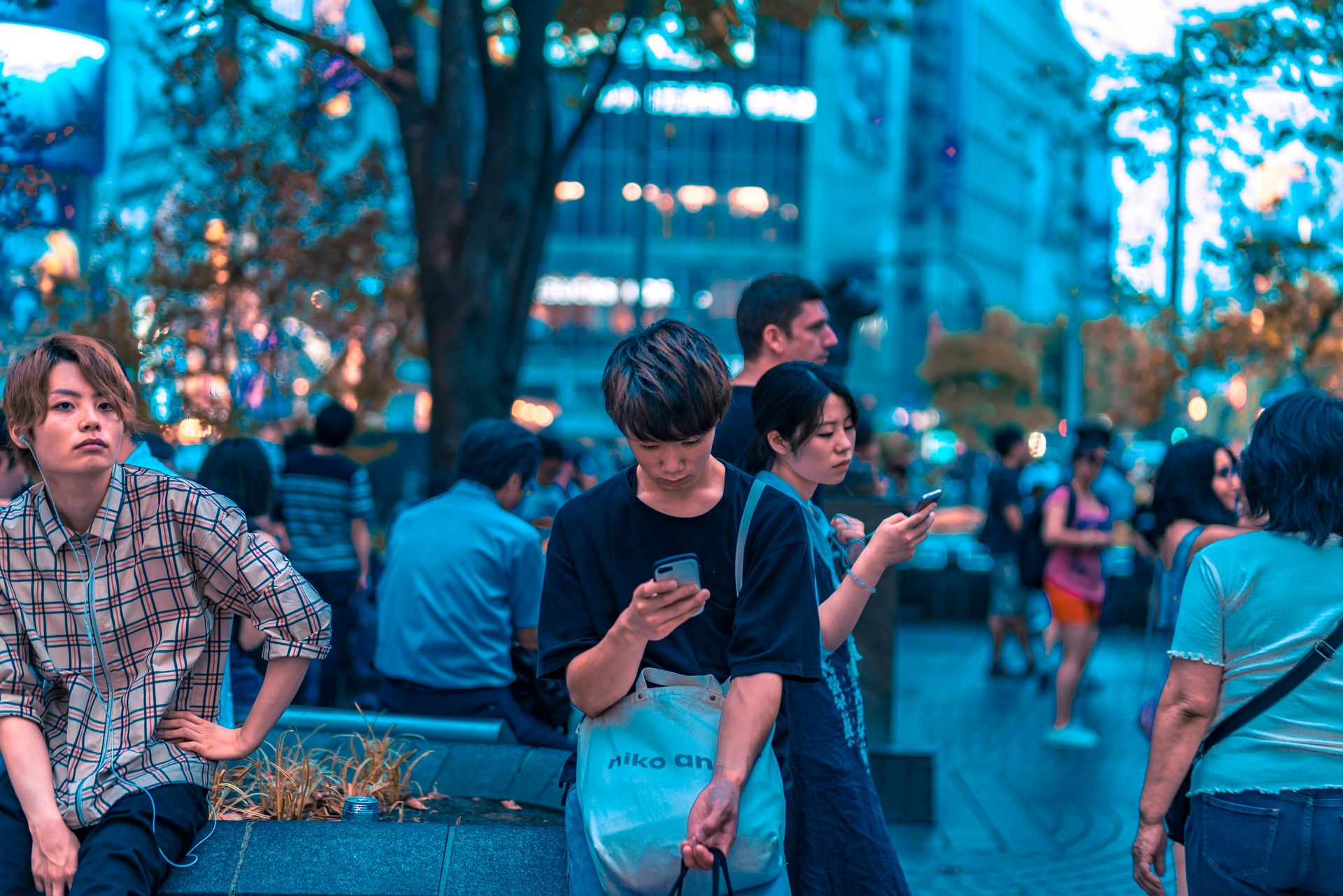
Japan's street-address system stays notoriously difficult to navigate, even for locals, making smartphones with navigation apps a genuine boon for travelers unfamiliar with the local system. These apps tend to use considerable data, so travelers should count on stocking up on a data plan immediately upon arrival.
Getting connected throughout Japan stays genuinely easy, and travelers can buy a data-loaded SIM card directly at the airport or at many shops scattered throughout cities and towns. Alternatively, travelers whose phones support the technology can rely on the genuine ease of an eSIM to find their way around without needing a physical card swap at all.
This reliable connectivity infrastructure gives Japan genuine advantages over destinations where finding a working data plan proves considerably more difficult upon arrival. Travelers $TRV should research which specific option, physical SIM or eSIM, best suits their particular phone before departure.
Setting up connectivity immediately upon arrival, instead of waiting until reaching a hotel, genuinely helps travelers navigate unfamiliar train stations and streets from the very first moment of a trip. Travelers should also download offline maps as a backup, since certain rural or mountainous areas can experience spotty data coverage despite Japan’s generally excellent network infrastructure. Travelers should also compare current data plan pricing between physical SIM cards and eSIM options before departure, since costs and data allowances can vary meaningfully between different providers. Confirming a SIM card’s compatible network bands also helps before purchase, since older or budget phones sometimes struggle to connect to certain carriers’ specific frequencies. A portable charger also helps considerably given how much battery constant navigation use drains throughout the day. A spare charging cable also helps considerably in case the primary one gets misplaced. A phone case with a wrist strap also helps considerably while navigating with a map genuinely open on crowded streets. Every single bit of advance preparation genuinely helps quite a bit overall.
8. Japan’s weather swings from typhoons to snow
Gracia Dharma / Unsplash
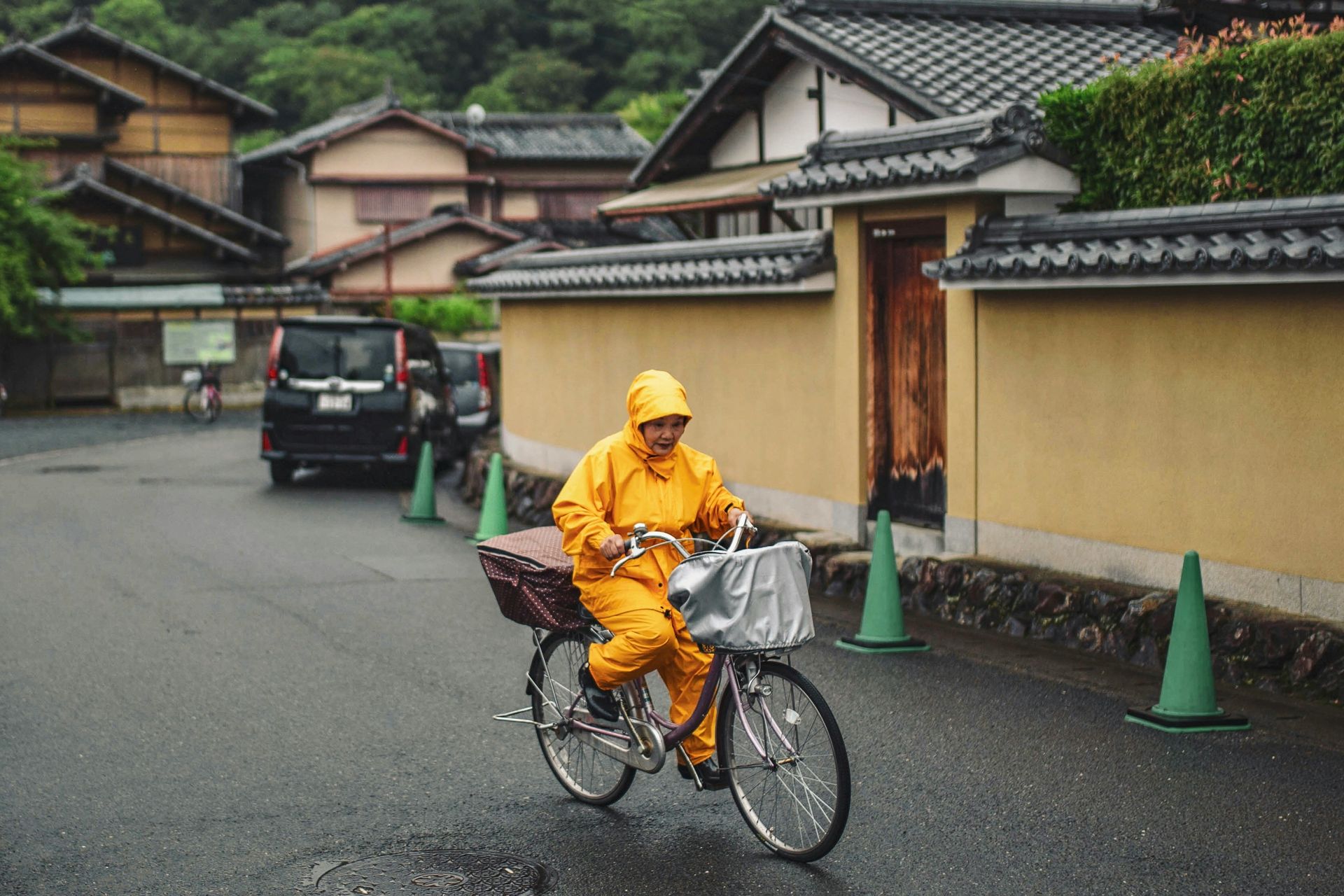
Summers throughout Japan run hot and humid, creating a genuine risk of heatstroke, so travelers should always carry water during the warmest months regardless of how short a given outing might seem. A folding umbrella with UV blocking also proves genuinely useful, doubling as protection against sudden showers throughout the season.
Late June marks the start of the annual rainy season, when rain can fall without end for days at a time, a stretch that can last a few weeks or extend through most of July depending on the specific year. Rains alongside punishing winds also become likely again during typhoon season, running from September through October and starting somewhat earlier in Okinawa specifically.
Typhoons can cause genuinely serious travel disruption, so monitoring any emerging storm situation through the Japan Meteorological Agency’s weather warnings, available in English, helps travelers stay informed and adjust plans accordingly. Winters can turn genuinely chilly, and Tōhoku and Hokkaidō in the north can receive huge dumps of snow throughout the coldest months.
Japan’s ubiquitous convenience stores stay genuinely handy for weather-related necessities such as umbrellas, hats, cooling wipes, and pocket warmers, giving travelers caught unprepared an easy way to adapt on the spot. Travelers $TRV visiting during typhoon season specifically should build flexibility into their itinerary, since train and flight disruptions can genuinely affect travel plans with relatively little advance warning. Travelers should also pack quick-drying clothing specifically for the rainy season, since heavy humidity combined with frequent showers makes standard cotton clothing considerably less comfortable throughout the day. Checking a detailed regional forecast a few days ahead also helps, since conditions can vary considerably between Japan’s different regions even on the same calendar date. A compact rain cover also helps considerably for protecting a daypack during sudden downpours. A change of dry socks also helps considerably during genuinely wet, rainy days. A lightweight poncho also helps considerably as a genuine backup during unexpected downpours.
9. A few Japanese phrases smooth restaurant visits
Alva Platt / Unsplash
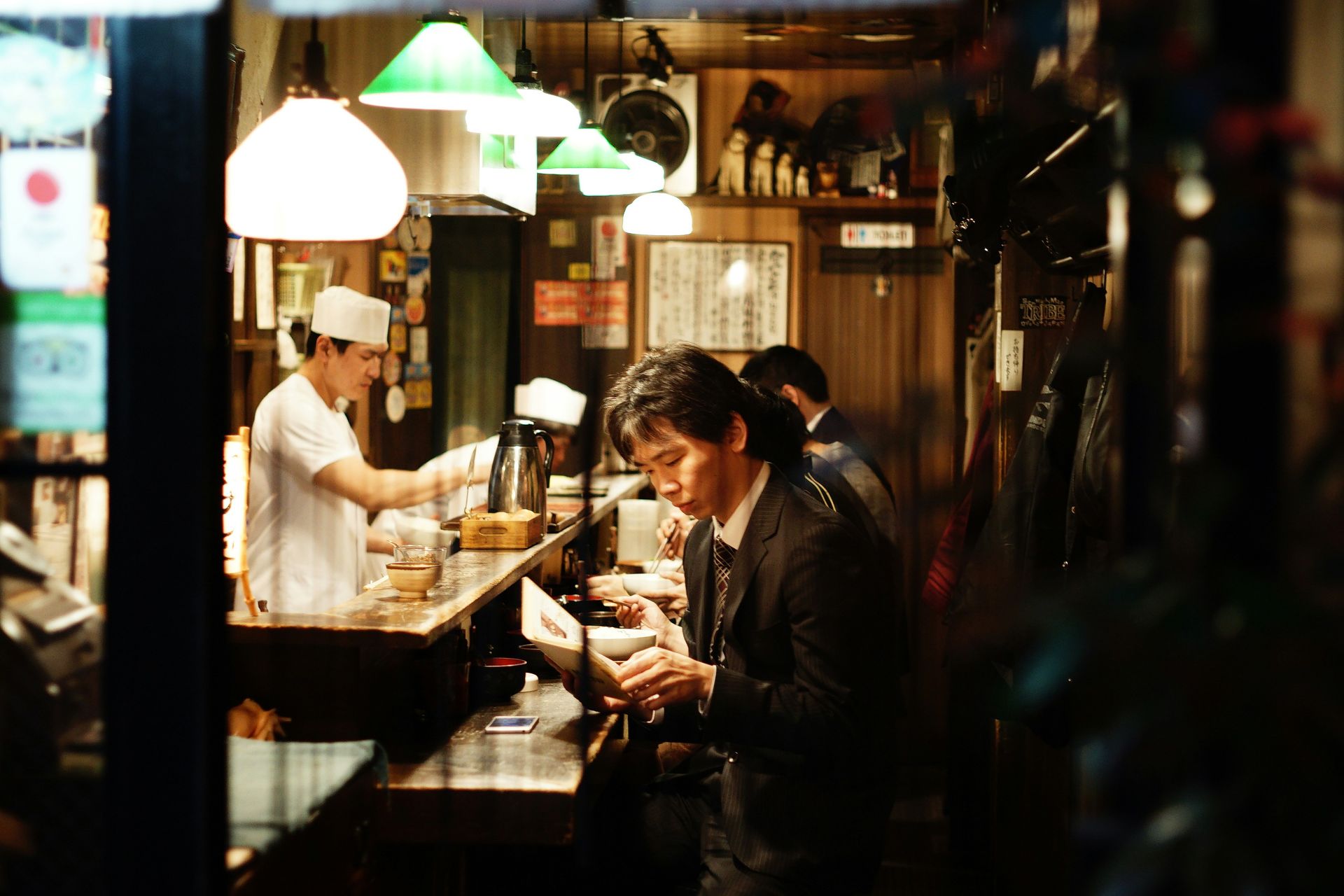
English gets widely spoken throughout cities and around major tourist attractions in Japan, though results in rural areas can run genuinely hit or miss depending on the specific location. Learning a few Japanese words and phrases that come in handy while dining out never hurts and genuinely smooths over many everyday interactions.
Useful terms include ōmori, meaning a large portion often given free at ramen stalls, okawari for a refill, and mochikaeri for takeaway versus tennai de for eating in. Onegai shimasu, meaning please, works well following any order or request, and sumimasen serves as a genuinely versatile way to say excuse me in numerous everyday situations.
Arigatō gozaimasu, meaning thank you, sometimes gets shortened simply to arigatō, though opting for the more polite full phrase generally makes a better impression, similar to the difference between saying thank you and just thanks in English. Toire, pronounced roughly like to-ee-rey, simply means toilet and proves genuinely useful when searching for a restroom.
Learning even this small handful of phrases genuinely helps travelers navigate everyday interactions with considerably more confidence, and locals consistently appreciate the effort even when a traveler’s pronunciation stays far from perfect. Travelers $TRV should also practice these phrases out loud before departure, since pronunciation genuinely matters and locals appreciate the effort even when the accent stays far from perfect. Travelers should also consider a small phrasebook or translation app as backup, since remembering every phrase perfectly proves genuinely difficult during the excitement and fatigue of a busy travel day. Writing key phrases on a small card also helps as a backup, since nervousness in the moment can make even memorized words genuinely harder to recall. A small notebook also helps considerably for jotting down new words picked up throughout the trip. A friendly smile also helps considerably even when the specific words don’t come out perfectly. A pocket-sized phrase card also helps considerably for quick reference during busy meals.
10. Cash still governs many small Japanese businesses
Cullen Cedric / Unsplash
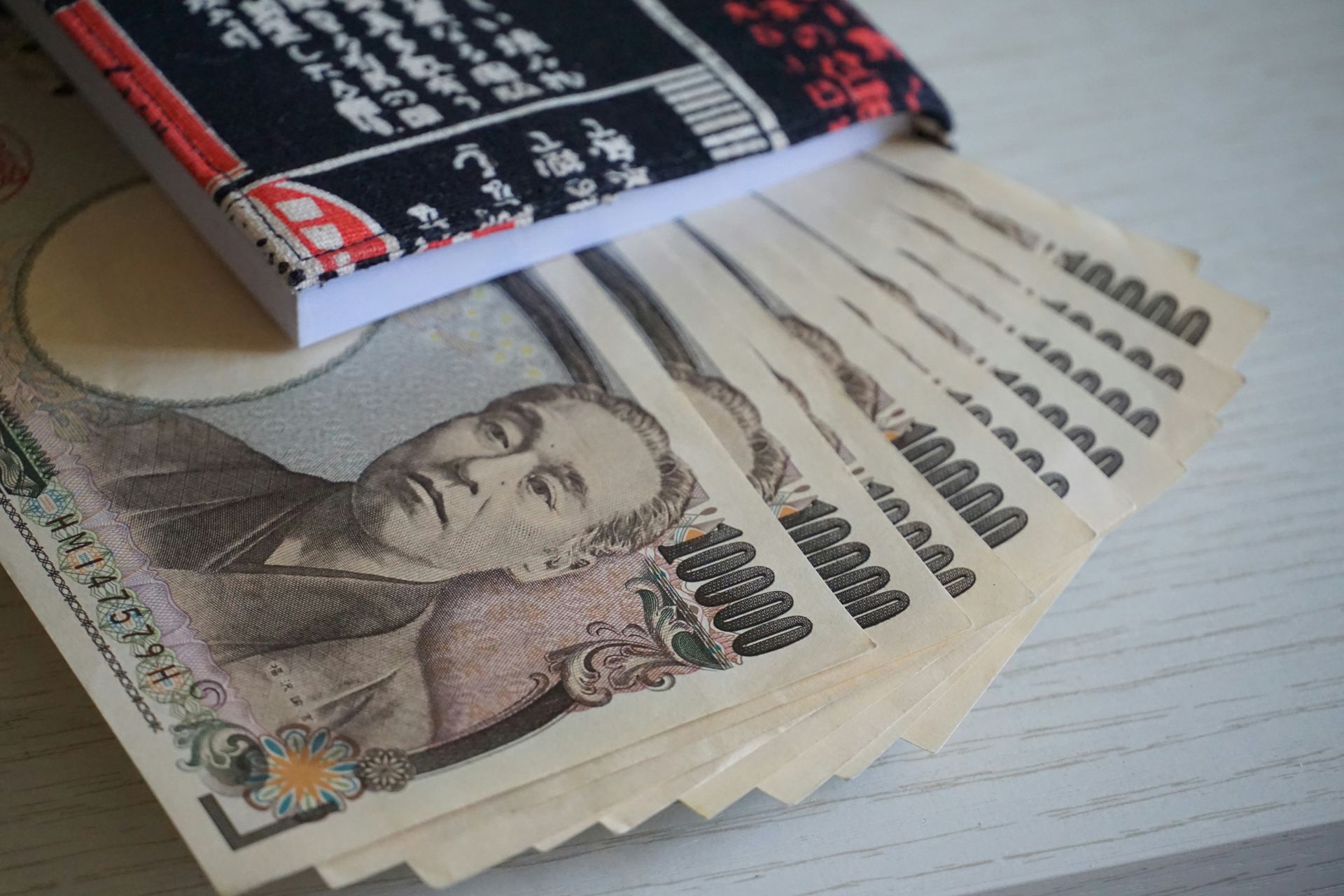
In rural Japan and at older family-run businesses throughout cities, credit cards may not get accepted at all, so it’s genuinely wise to assume cash payment will be necessary at country ryokan alongside smaller restaurants and shops specifically. Branches of the big convenience-store chains do offer ATMs that accept international cards, giving travelers a reliable way to withdraw cash when needed.
Paying the way locals do involves placing cash or a card directly in the small tray provided at the register instead of handing either item directly to the cashier. This small custom reflects broader Japanese preferences around minimizing direct physical contact during everyday transactions.
This uneven acceptance of cards throughout the country means travelers relying purely on digital payment methods risk genuine inconvenience at smaller, more traditional establishments specifically. Carrying a reasonable amount of cash throughout a trip remains genuinely wise regardless of how comprehensively a traveler’s home country has already shifted toward cashless payment.
Travelers $TRV should withdraw cash periodically throughout a trip instead of carrying a single large sum from arrival, since smaller, more frequent withdrawals genuinely reduce the risk and inconvenience of losing a large amount all at once. Travelers should also notify their bank of international travel plans before departure, since unexpected foreign ATM withdrawals can sometimes trigger automatic security holds on a card. Travelers should also keep smaller denomination bills on hand specifically, since many smaller businesses throughout Japan struggle to make change for larger notes during a typical transaction. Keeping a small dedicated coin purse also helps, since Japan’s currency includes several coin denominations that can otherwise clutter a standard wallet. A slim cash wallet also helps considerably for keeping bills organized separately from cards. A small emergency cash reserve also helps considerably for unexpected situations during the trip. A small zippered pouch also helps keep cash genuinely separate from cards during daily transactions. Every bit of advance preparation genuinely helps too.