
Things in your house a professional organizer wouldn’t keep
Discover the everyday items cluttering your home, what the pros toss without hesitation, and why letting go might feel surprisingly good
Photo by Jaclyn Baxter on Unsplash
Every home contains objects that stopped making sense. They linger in drawers, closets, and garages long after their usefulness expired, protected by habit, optimism, or the vague belief that throwing something away might be irresponsible.
Free promotional mugs feel harmless at first, and the extra tote bags seem too practical to refuse. A broken appliance lingers because fixing it still feels possible, even if months have passed. Nothing here feels serious enough to demand attention, so it stays where it is. Over time, small choices stack up. Cabinets grow crowded, and closets lose breathing room. The issue is rarely a single overwhelming mess. It is the slow accumulation of postponed decisions, as everyday objects shift from temporary convenience to permanent clutter.
Professional organizers approach belongings with refreshing bluntness. If something is broken, expired, duplicated, or ignored, it leaves. The goal is not aesthetic minimalism or social-media perfection. Rather, it is efficiency. A functional home reduces friction, saves time, and eliminates the low-level stress created by too many unnecessary choices.
According to Reader’s Digest, clutter has less to do with storage space and more to do with hesitation. Most people already know which items no longer belong in their homes. What they lack is permission to let them go.
Here are five things you can finally let go of for good, or at least until the next time someone hands you a free tote bag full of goodies.
1. Broken outdoor gear
Dan Gold / Unsplash
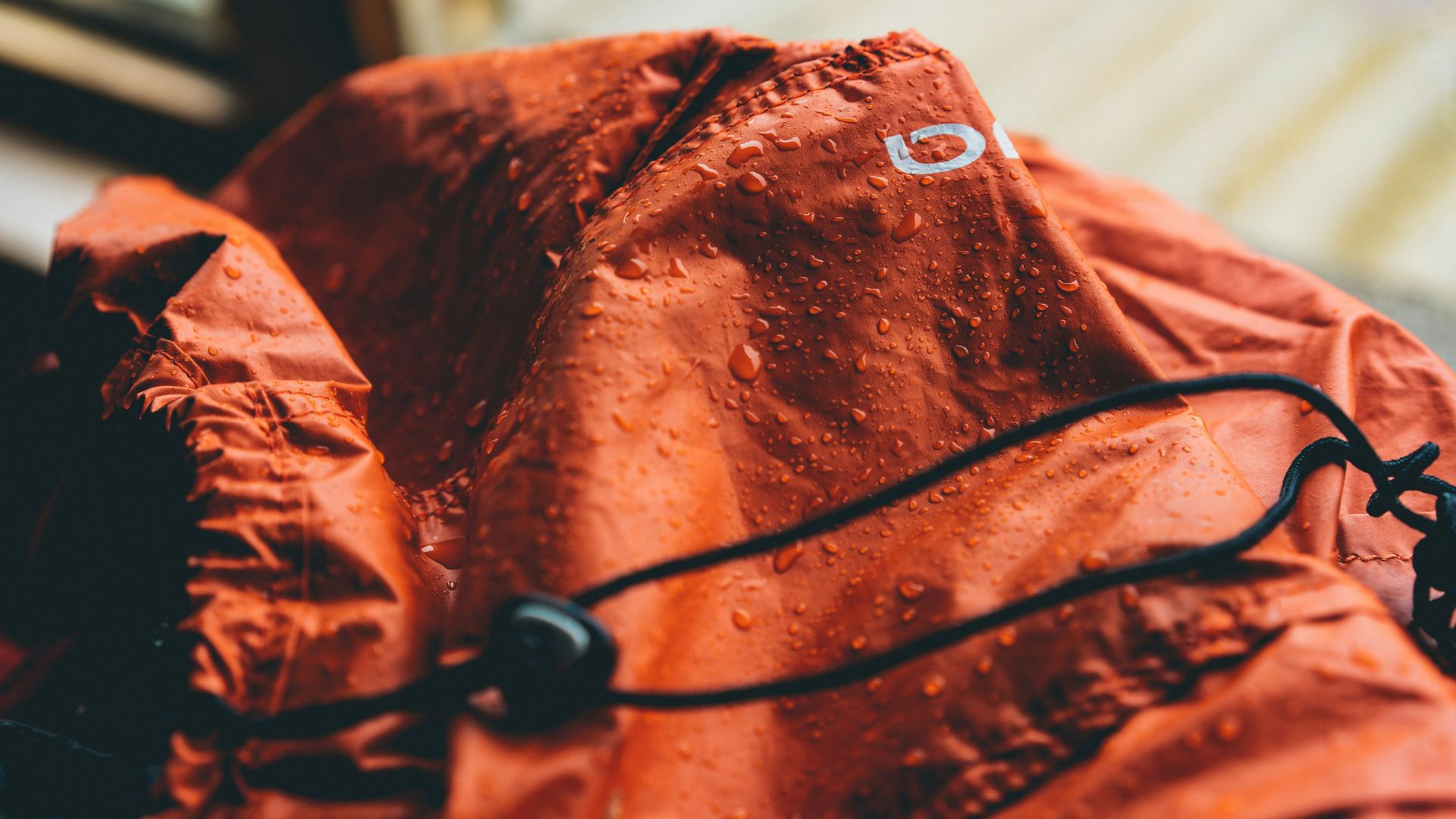
Outdoor spaces attract abandoned intentions. According to Reader’s Digest, worn grilling gadgets, rusted trays, damaged brushes, cracked backyard games, and leaking pool toys are immediate discards.
These items remain because they once represented fun, not because they still function. (Looking at you, bent marshmallow skewer that survived three summers too long.)
Professional organizers evaluate equipment by performance, not memory. If a grill cover no longer protects the grill, it becomes clutter. If a tool sheds bristles or fails its basic task, it leaves.
The organizing mindset treats broken recreation gear as finished chapters rather than pending projects, because repair rarely happens.
2. Clothes you never wear
Priscilla Du Preez / Unsplash
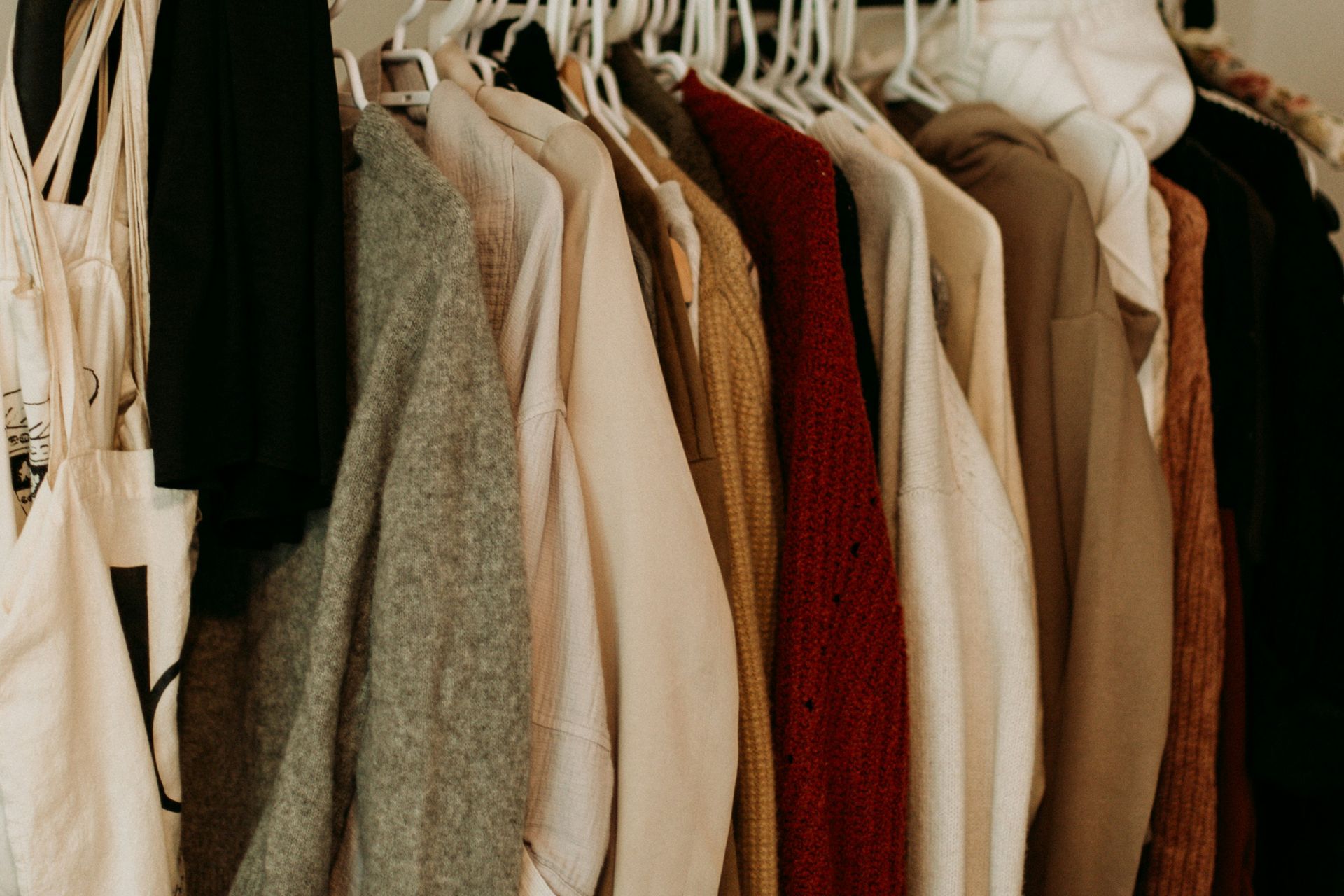
According to Reader’s Digest, closets are especially good at holding onto versions of you that no longer show up in real life. Unworn swimsuits, seasonal novelty shirts, and clothes that never quite fit tend to stay because they represent intention more than actual use. The firework T-shirt is still waiting for its moment. The too-small cover-up is still waiting for a different body or a different year.
Keep it simple: if you never reach for it, it does not belong in regular rotation. Donation bags and textile recycling programs are the practical next step. The idea is not to judge what you kept, but to be honest about what you actually wear.
A closet works best when it reflects daily life, not old plans. What stays should fit, feel comfortable, and get used without hesitation. Everything else is just taking up space while pretending it still has a future.
3. Kitchen clutter
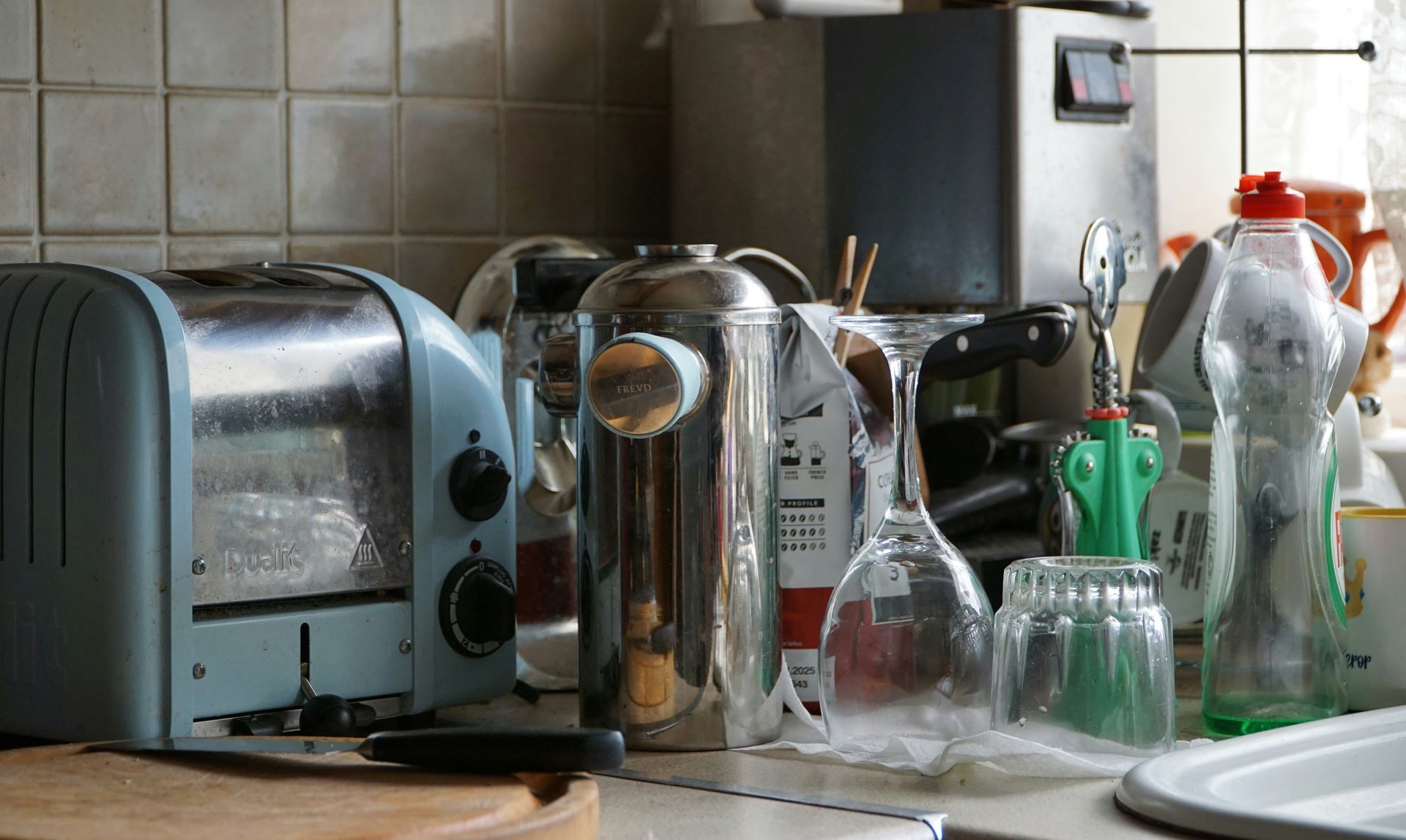
Photo by Nancy Hughes on Unsplash
According to Reader’s Digest, kitchens collect clutter faster than almost anywhere else because everything that enters them is framed as useful. Logo mugs, souvenir glasses, chipped travel tumblers, unused gadgets, and stained containers tend to pile up simply because they were free or once seemed practical.
The problem is that kitchens are supposed to function like workspaces, not storage units. Items that leak, break, or no longer match their lids stop pulling their weight. Reader’s Digest points out that organizers are quick to remove anything that makes cooking harder instead of easier, especially mismatched containers and gadgets that never actually get used.
A lot of the clutter comes from “just in case” thinking. Too many options slow everything down, even simple routines like packing lunch or finding a clean cup. Most households are holding onto far more mugs and containers than they would ever choose if they were starting from scratch.
4. Paper clutter
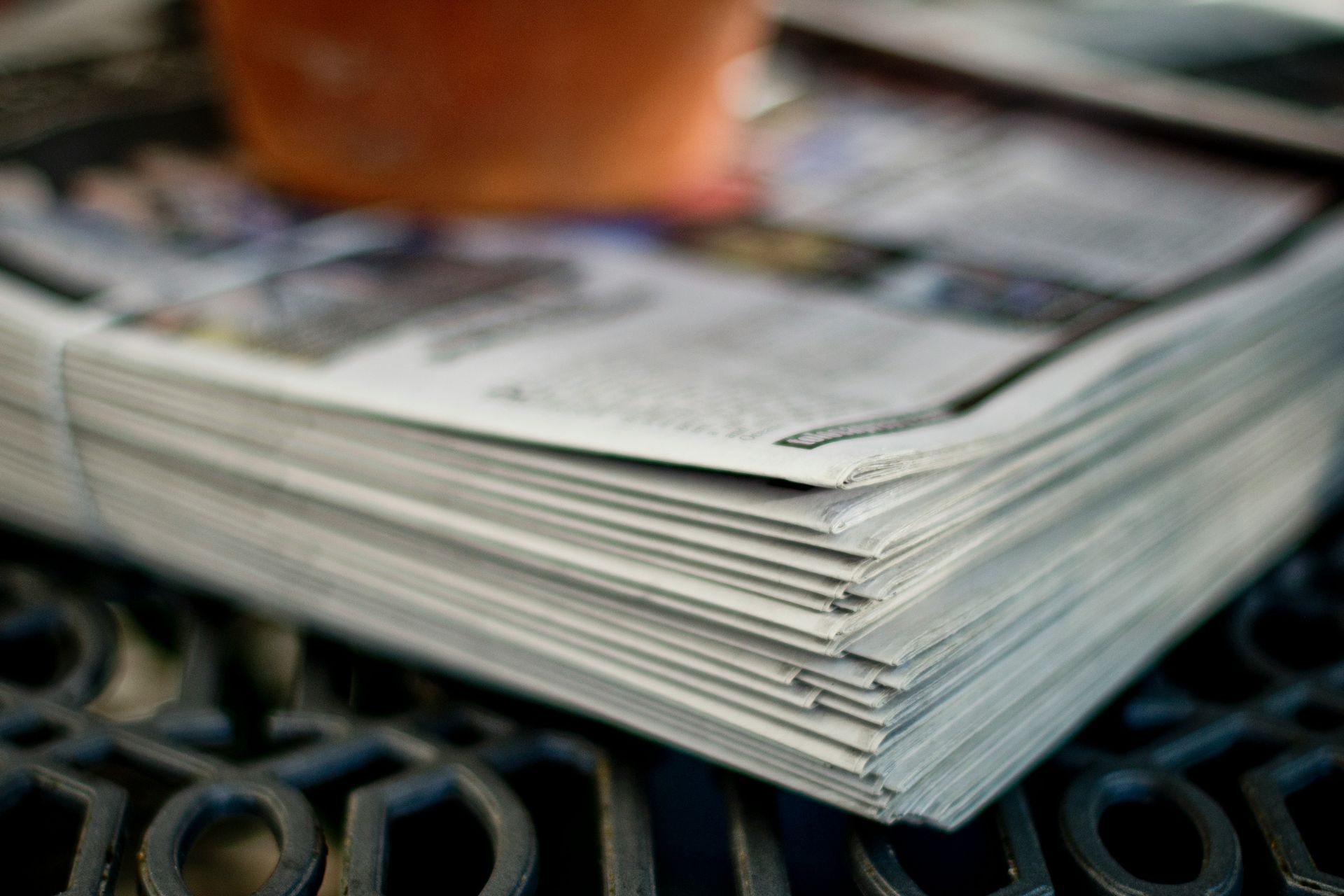
Photo by Tim Mossholder on Unsplash
According to Reader’s Digest, paper has a way of overstaying its usefulness because it keeps looking important even after it is not. Owner’s manuals for appliances you no longer own, expired coupons, outdated maps, old receipts, and reference books tend to stick around simply because they feel like they might matter again someday.
If the information is outdated or already easy to find elsewhere, it does not need to take up space. Manuals sit in drawers long after the product is gone. Coupons survive past their expiration dates. Travel brochures quietly suggest trips that were never really going to happen.
Reader’s Digest treats paper as something meant to move through a home, not live in it. Once it stops serving a clear purpose, it becomes clutter that just looks responsible.
5. The “I’ll fix it later” pile
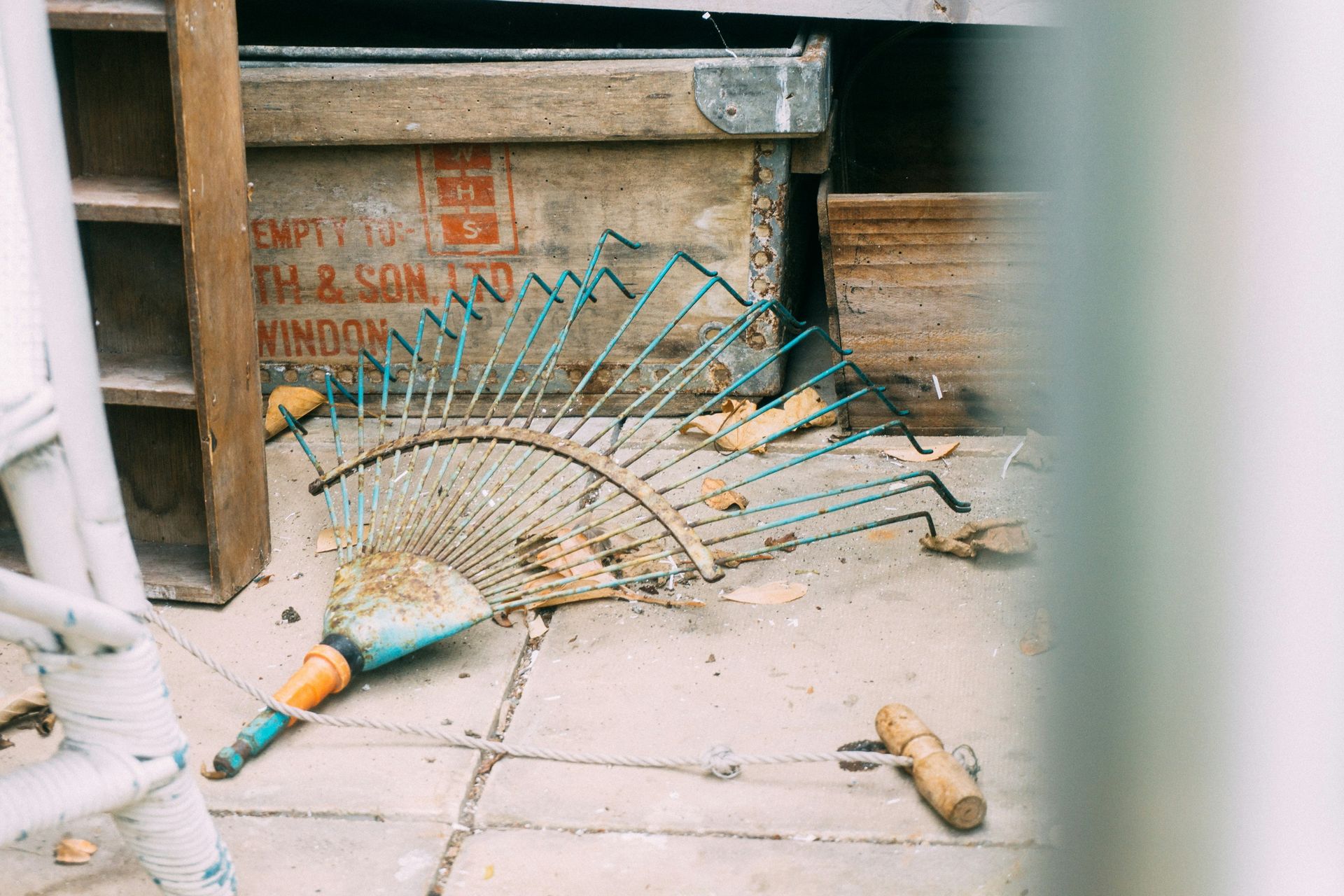
According to Reader’s Digest, every home has a version of the “I’ll fix it later” pile. Broken cleaning tools, cracked laundry baskets, malfunctioning appliances, and items already replaced tend to linger because they feel like unfinished business rather than clutter.
The problem is that “repair someday” becomes permission to keep things indefinitely. Reader’s Digest notes that professional organizers push for a simple standard: fix it soon or let it go. Once something has been ignored for months or replaced already, keeping it usually serves no purpose.
A broom with a loose handle or a bucket that leaks does not just take up space, it makes everyday tasks harder. At that point, the item is no longer waiting to be fixed. It is already in the way.