
25 things that change in your body when you fix your posture
The consequences of chronic postural dysfunction reach further than most people realize, and so do the benefits of correcting it
Yan Krukau / Pexels
Somewhere around the time humans started spending eight hours a day at a desk, posture became a moral category. "Sit up straight" entered the parental vocabulary as instruction and reproach simultaneously, and the consequence of not sitting up straight was framed as personal failing — laziness, inattention, lack of discipline — rather than as the entirely predictable outcome of asking a body designed for movement to hold a single position for hours on end without structural support.
The biology is less judgmental than the cultural framing. Chronic postural dysfunction — the forward head position, the rounded shoulders, the collapsed thoracic curve, the anterior pelvic tilt that together constitute the typical posture of the modern seated worker — is not a character deficiency. It is an adaptation. The body is doing exactly what bodies do: accommodating to the demands placed on them by shortening overloaded muscles, lengthening underloaded ones, and redistributing load along the path of least resistance. The problem is that the adaptation produces secondary consequences that extend far beyond the back pain most people associate with bad posture.
Impaired breathing. Reduced digestive efficiency. Altered mood through the bidirectional relationship between body position and neurochemistry. Headaches driven by suboccipital muscle tension. Jaw pain from the compensatory forward head position that places the temporomandibular joint under load it was not designed to sustain. Reduced confidence produced by the specific postural signals that the brain reads as threat and defeat. Impaired lymphatic drainage. Altered hormone levels.
These are not speculative downstream consequences. They are documented physiological effects of the specific structural distortions that chronic poor posture produces — and they are, to a significant degree, reversible. The body that adapted to a dysfunctional postural pattern over years can adapt again, given the right inputs. The 25 entries in this list cover what those inputs produce: what specifically changes, through what mechanism, on what timeline, and with what strength of evidence.
Breathing capacity increases

Thirdman / Pexels
The thoracic spine's kyphotic curve — the forward rounding of the upper back that characterizes the typical desk posture — mechanically restricts the ribcage's ability to expand during inhalation. The ribs attach to the thoracic vertebrae, and when those vertebrae are chronically flexed forward, the rib cage is held in a partially collapsed position that reduces the range of motion available for breathing. Studies using spirometry (pulmonary function testing) consistently find that subjects in slumped versus upright posture show measurable differences in lung capacity — specifically in forced vital capacity (FVC) and forced expiratory volume (FEV1).
A 2003 study in the Journal of Physical Therapy Science found that subjects with increased thoracic kyphosis had significantly reduced respiratory muscle strength and lung function compared to those with normal spinal curvature. The mechanism is mechanical: the diaphragm, the primary breathing muscle, attaches to the lower ribs and the lumbar vertebrae, and its excursion (the distance it moves during each breath) is reduced when the thoracic and lumbar spine are in flexion.
The improvement in breathing capacity with posture correction is not immediate — the thoracic spine's mobility must be restored through active mobilization before the ribcage can expand fully — but it is measurable within weeks of consistent postural work and has practical consequences for exercise tolerance, energy levels, and the quality of diaphragmatic breathing that is the basis for most breath-based regulation techniques.
Neck and shoulder pain reduces

Kindel Media / Pexels
The most direct mechanical consequence of forward head posture — the position in which the head sits forward of its neutral alignment over the shoulders — is the increased load it places on the cervical spine and the muscles that support the head. The average adult head weighs approximately 5 to 6 kilograms in neutral alignment; for every inch the head moves forward of neutral, the effective load on the cervical spine increases by approximately 4.5 kilograms, because the lever arm through which the head's weight acts on the neck increases.
At a common forward head displacement of 3 to 4 inches — not unusual in people who work at screens — the effective load on the cervical spine approaches 18 to 27 kilograms. The muscles responsible for holding the head up (the suboccipital extensors, the upper trapezius, the levator scapulae) are working continuously against this load, producing the chronic tension, trigger points, and muscle fatigue that manifest as neck and shoulder pain, upper back stiffness, and the specific headache type driven by suboccipital tension.
Correcting forward head posture — returning the head to its neutral position over the shoulders — directly reduces this mechanical load. The muscles that were overworked in the forward position no longer need to generate the same force, and the tension that produced the pain reduces. The timeline for pain reduction varies with the severity and chronicity of the dysfunction, but measurable improvements in self-reported neck pain are documented in multiple randomized controlled trials of postural correction programs within four to eight weeks.
Lower back pain improves

Kindel Media / Pexels
The lumbar spine's relationship to posture is complex and somewhat counterintuitive: both too much lordosis (an exaggerated inward curve, common in people with tight hip flexors and anterior pelvic tilt) and too little lordosis (a flattened lumbar spine, common in chronic sitters whose hip flexors have shortened and whose gluteals have weakened) produce lower back pain through different but overlapping mechanisms.
Anterior pelvic tilt — in which the pelvis tips forward, increasing lumbar lordosis — places the lumbar facet joints under compression and the posterior disc annulus under increased stress, contributing to facet joint irritation and disc pathology. A flattened lumbar spine reduces the spine's shock-absorbing capacity, increases compressive load on the anterior disc, and reduces the mechanical advantage of the erector spinae, requiring them to work harder for the same stabilization outcome.
Postural correction that restores the lumbar spine's neutral curve — through gluteal strengthening, hip flexor stretching, and the proprioceptive retraining that makes neutral position habitual — reduces the specific load patterns that produce lower back pain. A 2017 Cochrane review found that specific exercise programs targeting postural muscles produced significant reductions in chronic low back pain compared to no treatment, with the improvements maintained at 12-month follow-up.
Headache frequency decreases

Pavel Danilyuk / Pexels
Tension-type headaches — the most common headache type, affecting approximately 40% of adults — have a significant postural component in a substantial proportion of cases. The mechanism is the referral of trigger point pain from the suboccipital muscles (the small muscles at the base of the skull that are chronically overloaded in forward head posture) into the head, producing the characteristic band-like or bilateral head pain of the tension headache.
The suboccipital muscles — the rectus capitis posterior major and minor, the obliquus capitis superior and inferior — function as the fine-position controllers of the head's orientation, continuously adjusting the head's angle relative to the neck. In forward head posture, they are chronically lengthened and loaded, developing the trigger points (hypersensitive muscle nodules) that refer pain into the occiput, temporal region, and forehead. This referred pain pattern is clinically identical to many tension headaches.
Physical therapy research on cervicogenic headache (headache originating from the cervical spine and its musculature) consistently finds that postural correction combined with manual therapy for the upper cervical spine reduces headache frequency and intensity. A 2016 systematic review in the Journal of Manipulative and Physiological Therapeutics found that cervical mobilization and postural retraining significantly reduced tension-type headache frequency — an effect attributed to the reduction of the suboccipital muscle tension that was driving the headache pattern.
Digestion improves

Andrea Piacquadio / Pexels
The digestive system — specifically the stomach, small intestine, and large intestine — occupies the abdominal cavity in a specific three-dimensional arrangement that depends on the surrounding musculoskeletal structures maintaining adequate space for the viscera. Chronic slumped posture compresses the abdominal cavity, reducing the space available for digestive organs and mechanically impairing the peristaltic (wavelike) muscle contractions that move food through the digestive system.
A 2003 study published in the Journal of Physiology found that body position significantly affects gastrointestinal motility — the rate of movement through the digestive tract — with upright posture producing faster gastric emptying than slumped posture. The mechanism is primarily gravitational: upright posture allows gravity to assist the movement of food through the digestive system, while slumped posture reduces this gravitational assist and mechanically restricts the space in which peristalsis operates.
The specific digestive symptoms associated with chronic slumped posture — bloating, slowed gastric emptying, increased acid reflux (the diaphragm's crural fibers, which contribute to lower esophageal sphincter function, are compromised in flexed posture) — improve with postural correction that restores the thoracolumbar alignment and abdominal space. The improvement is gradual and is most pronounced in people whose digestive symptoms are positional rather than primarily chemical.
Mood and emotional state shift

Miriam Alonso / Pexels
The bidirectional relationship between body posture and psychological state — in which posture influences mood as well as reflects it — has been documented in social psychology research since the 1980s and has a neurobiological basis that makes it more than a motivational cliche. Slumped, collapsed posture activates a physiological state associated with defeat, submission, and low mood; upright, expansive posture activates the physiological state associated with confidence, alertness, and positive affect.
Amy Cuddy and colleagues' research on power posing — the most widely publicized version of this finding — has been the subject of significant replication debate since the original 2010 paper. The hormone change findings (that expansive posture increases testosterone and decreases cortisol) were not reliably replicated, but the subjective mood and confidence effects have been more consistently replicated: multiple studies find that upright posture produces more positive affect and higher pain tolerance than slumped posture, independent of any hormone change.
The mechanism that is better supported than the hormone version: upright posture activates the autonomic nervous system's sympathetic branch to a lesser degree than collapsed posture, which is associated with defensive and submissive behavioral states. The proprioceptive feedback from an upright spine literally changes the input the brain receives about its own state — the brain reads the upright body as a body that is not under threat, and adjusts its affective output accordingly.
Core muscle activation improves
Pavel Danilyuk / Pexels
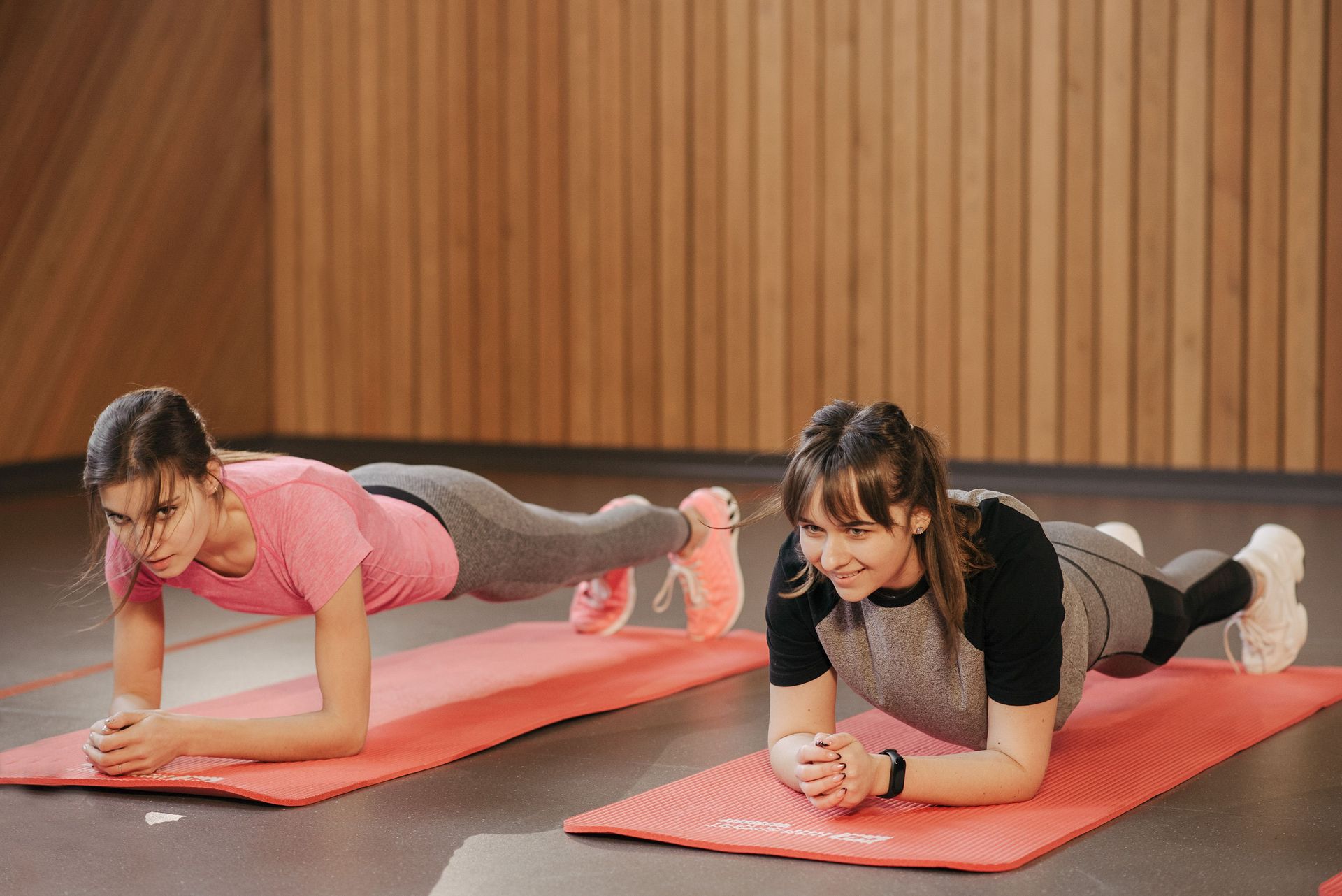
Maintaining correct spinal alignment — particularly the lumbar spine's neutral curve — requires the continuous, low-level activation of the deep core muscles: the transversus abdominis, the multifidus, the pelvic floor, and the diaphragm. These muscles are not the superficial "six-pack" muscles of the rectus abdominis but the deep stabilizers that maintain the spine's segmental stability and whose activation is largely automatic in a body with normal postural patterns.
In chronically poor posture, the automatic activation of these deep stabilizers is impaired: the muscles become inhibited (a phenomenon called arthrogenic inhibition, or in this context, positional inhibition), and their role in spinal stability is taken over by the more superficial muscles — the erector spinae, the external obliques, the hip flexors — that are less efficient as stabilizers and more prone to fatigue and overload.
Postural correction that restores neutral spinal alignment triggers the reactivation of the deep stabilizers through the normal proprioceptive feedback loops that their function depends on. This reactivation is a process that takes weeks to months and requires not only the postural correction itself but often specific rehabilitation exercises (the motor control exercises of the McGill approach, for example) that target the deep stabilizers directly. The outcome is a spine that is stabilized by the right muscles working at the right times rather than by chronic bracing of the wrong muscles.
Confidence and self-perception change

Pavel Danilyuk / Pexels
The specific relationship between upright posture and self-perceived confidence — beyond the mood effect described in an earlier entry — operates through a different mechanism: the proprioceptive feedback from an upright spine changes the quality of the person's own internal experience of their physical presence, which affects their behavioral outputs in social situations independently of what others perceive.
Research using real-time posture feedback (through wearable sensors that alert the wearer when their posture deviates from upright) consistently finds that people who maintain upright posture in social and professional interactions report higher confidence, more fluent verbal performance, and more positive self-evaluation than those who do not, after controlling for baseline confidence levels. The effect is mediated by the internal experience of physical uprightness rather than by others' responses to the posture.
The clinical significance: people who struggle with social anxiety often adopt collapsed, protective postures that activate the physiological states associated with threat and submission, which compounds the anxiety rather than alleviating it. The deliberate adoption of upright posture — even when it feels effortful or artificial initially — begins to break this feedback loop by changing the proprioceptive input to the brain, reducing the physiological state that drives the anxious behavior.
Circulation improves in the extremities

Andrea Piacquadio / Pexels
Chronic postural dysfunction — specifically the forward head and rounded shoulder position — compresses the thoracic outlet: the space between the clavicle, the first rib, and the anterior scalene muscle through which the subclavian artery and vein and the brachial plexus pass on their way to the arm. When this space is chronically narrowed by the postural changes that draw the shoulder forward and the clavicle down and forward, the neurovascular structures passing through it are intermittently compressed.
Thoracic outlet syndrome — the clinical condition produced by this compression — presents as arm pain, hand numbness and tingling, arm weakness, and in severe cases reduced circulation to the hand. Milder degrees of thoracic outlet compression produce the less specific symptoms of intermittent hand numbness, arm fatigue with overhead work, and the specific pattern of nocturnal hand tingling that many desk workers experience without a clear diagnosis.
Postural correction that restores the shoulder girdle to a neutral position — specifically, the retraction and depression of the scapulae that reverses the rounded shoulder position — opens the thoracic outlet and reduces the compression on the neurovascular structures. The improvement in arm and hand circulation and sensation is one of the more immediate postural change benefits, often noticeable within weeks of consistent postural correction.
Sleep quality improves

Kampus Production / Pexels
Sleep position and sleeping posture — the alignment of the spine during the six to eight hours of sleep — is as important as waking posture for spinal health, and the improvements in spinal alignment from daytime postural work carry over into sleep through two mechanisms: reduced pain (which is one of the primary causes of sleep fragmentation) and the gradual correction of structural patterns that affect comfortable sleeping positions.
People with chronic forward head posture often find that lying flat on the back — which should allow the cervical spine to decompress and rest — is uncomfortable because the structural shortening of the suboccipital extensors and the thoracic kyphosis prevent the head from resting comfortably in neutral. As postural correction lengthens the shortened structures, the supine position becomes more accessible and more comfortable, and the cervical decompression that sleep is supposed to provide actually occurs.
The specific sleep improvement from postural correction is most reliably documented in people whose sleep disruption is driven by musculoskeletal pain: neck pain, lower back pain, and shoulder pain that disturbs sleep improve as posture improves, removing the pain-driven arousal that fragments sleep architecture. The improvement in slow-wave sleep that follows from better sleep continuity produces the full cascade of sleep-dependent restoration described in other entries in this series.
Jaw pain and TMJ symptoms reduce
cottonbro studio / Pexels
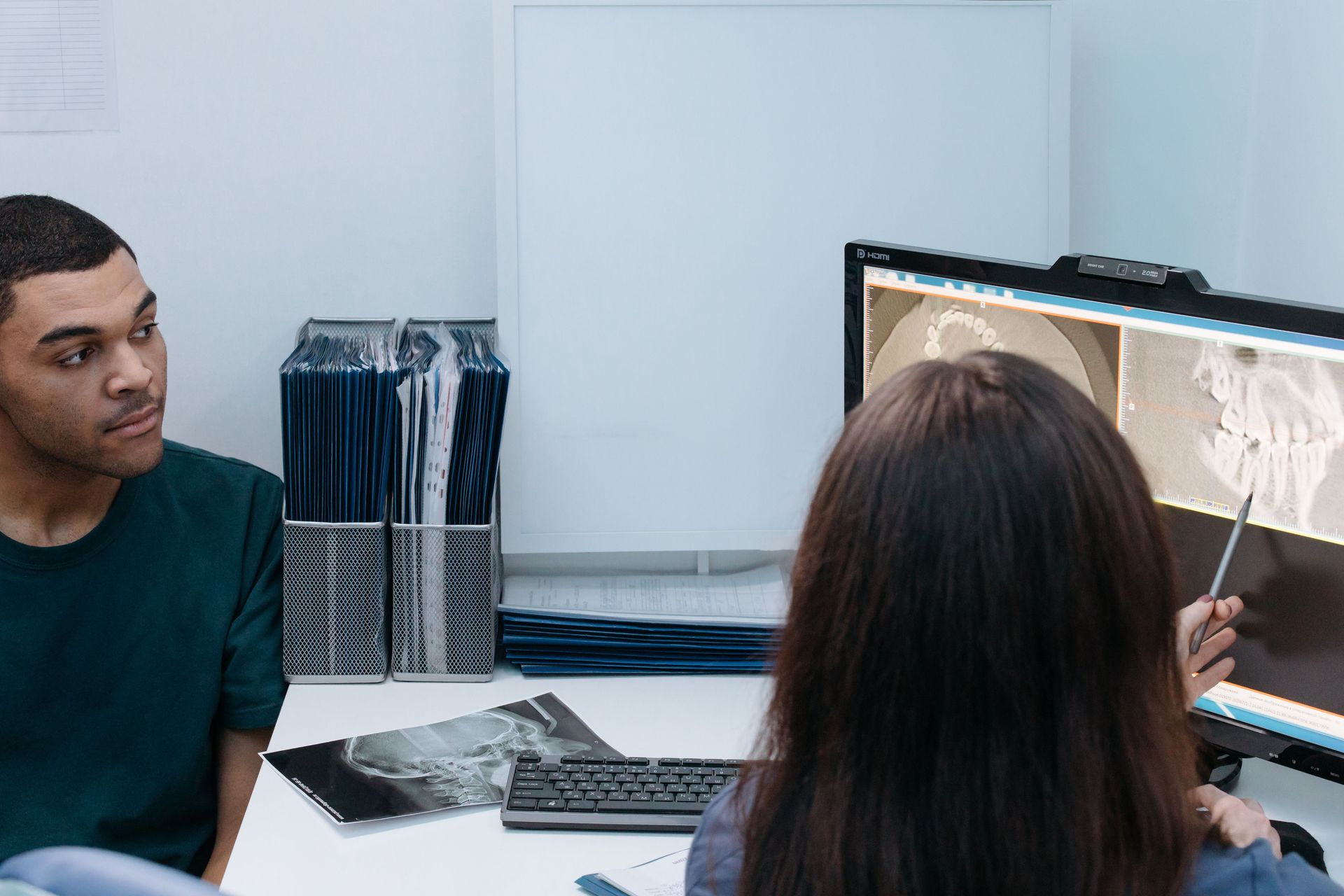
The temporomandibular joint — the jaw joint — is mechanically connected to the cervical spine through the suprahyoid and infrahyoid muscles, and the position of the head relative to the neck directly affects the resting position of the mandible and the load on the TMJ. Forward head posture places the head in a position that the mandible responds to by dropping slightly — the mouth opens slightly in forward head posture compared to neutral alignment — which the jaw muscles then chronically compensate for by maintaining a lower jaw elevation that loads the TMJ.
The clinical consequence: a significant proportion of TMJ disorder (pain, clicking, limited jaw opening, jaw muscle tension) has a cervical postural component. Multiple clinical studies find that patients with TMJ disorder have higher rates of forward head posture than controls, and that treatment of the cervical posture — through postural correction and cervical manual therapy — improves TMJ symptoms in addition to or instead of direct TMJ treatment.
The mechanism is the biomechanical chain: correcting forward head posture restores the head to its neutral position, which normalizes the mandibular resting position, which reduces the chronic load on the TMJ and its surrounding musculature. The improvement is gradual — the joint and muscle adaptations that produced the TMJ symptoms take time to reverse — but is documented in multiple randomized controlled trials of combined cervical-TMJ treatment protocols.
Nerve impingement symptoms reduce
Funkcinės Terapijos Centras / Pexels
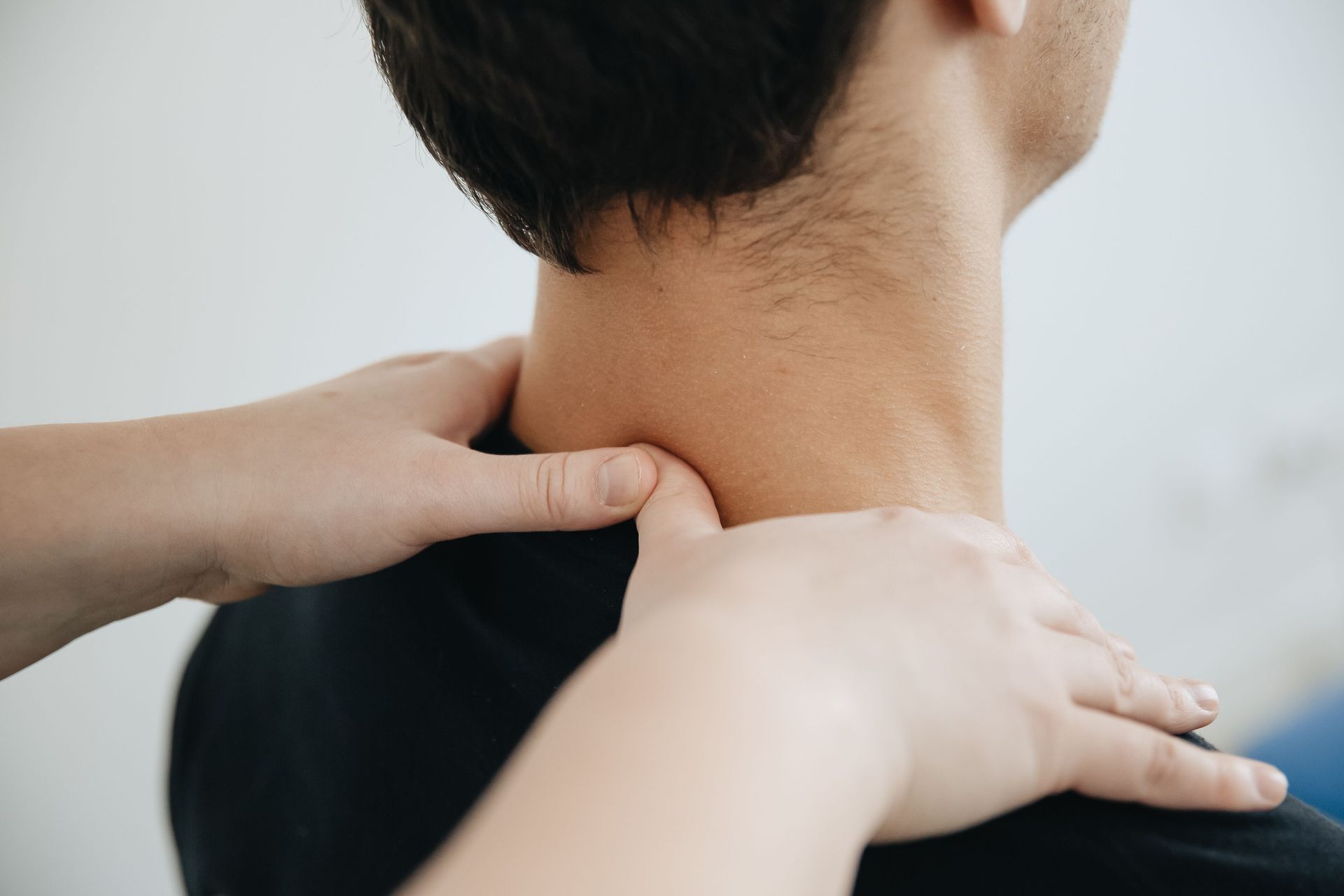
The nerve roots that exit the cervical and lumbar spine through the intervertebral foramina (the openings between adjacent vertebrae) are vulnerable to compression when the surrounding joints and soft tissues deviate from their neutral position. Cervical nerve root compression — producing the pain, numbness, and tingling that radiate into the arm and hand — is directly related to the disc and facet joint changes that chronic forward head posture promotes. Lumbar nerve root compression — sciatica and its variants — is similarly related to the disc and facet changes driven by chronic lumbar postural dysfunction.
Postural correction does not reverse existing disc herniations, but it does reduce the compressive and shear forces on the discs and facets that would otherwise progress the problem, and it opens the intervertebral foramina slightly through the restoration of normal spinal alignment and curve — reducing the intermittent compression on nerve roots that produces the intermittent neurological symptoms that most people with posture-related nerve irritation experience.
The clinical recommendation from spine rehabilitation research: postural correction is a component of conservative management for mild to moderate cervical and lumbar radiculopathy (nerve root irritation), not a replacement for specific nerve mobilization and exercise rehabilitation, but an essential structural foundation without which other interventions have reduced long-term effectiveness.
Energy levels improve

Ketut Subiyanto / Pexels
The chronic muscular effort required to maintain a dysfunctional postural position — the overloaded trapezius, the chronically active suboccipitals, the iliopsoas muscle group holding the lumbar spine in excessive lordosis — represents a metabolic cost that compounds over an eight-hour working day. Muscles that are in continuous low-level contraction consuming ATP throughout the workday contribute to the specific fatigue — the tiredness that is muscular and postural rather than cognitive — that many desk workers report by mid-afternoon.
Postural correction reduces this chronic muscular effort not by eliminating muscular work (which upright posture requires) but by redistributing it to the muscles designed for sustained low-level activation — the deep stabilizers with their predominantly slow-twitch, fatigue-resistant fibers — and away from the superficial muscles that are metabolically expensive to sustain at low continuous activation levels.
The specific energy improvement is difficult to isolate from the improvements in breathing, sleep, and pain that accompany postural correction and that each independently improve energy levels. What clinical studies typically find is a composite improvement in fatigue measures that reflects the aggregate of all the postural correction benefits rather than a single mechanism — consistent with the multi-system nature of posture's effects.
Lymphatic drainage improves

Miriam Alonso / Pexels
The lymphatic system — the network of vessels that drains interstitial fluid, immune cells, and waste products from the body's tissues and returns them to the venous circulation — relies on muscular contraction and respiratory movement for its pumping action. Unlike the cardiovascular system, the lymphatic system has no dedicated pump; it depends on the mechanical compression of lymphatic vessels by surrounding muscles and the pressure changes in the thoracic cavity produced by breathing.
Chronic slumped posture impairs lymphatic drainage through two mechanisms: it reduces the excursion of the diaphragm (reducing the thoracic pressure changes that drive lymph flow through the thoracic duct) and it compresses lymphatic vessels in the axilla and neck through the postural distortions that reduce the space for these vessels. The specific lymphatic regions most affected by poor posture are the cervical and axillary nodes, whose drainage is directly compromised by the rounded shoulder and forward head position.
Postural correction that restores normal breathing mechanics and opens the shoulder and cervical spaces improves lymphatic flow in these regions. The clinical significance is modest in healthy individuals — the lymphatic system has significant reserve capacity — but may be more meaningful in people with upper quadrant lymphatic congestion, impaired immune function, or recovery from upper body surgery.
Hormonal environment shifts

Alina Chernii / Pexels
The postural-endocrine relationship — beyond the contested power pose hormone findings — is supported by evidence from the specific physiological effects of chronic stress posture on the HPA axis. Sustained collapsed, defensive posture activates the same physiological state as low-grade chronic stress, including mildly elevated cortisol, reduced growth hormone secretion, and the specific autonomic pattern of sympathetic dominance that accompanies the defensive postural state.
Research by Erik Peper at San Francisco State University found that upright posture was associated with higher self-generated positive memory recall and higher energy, while slumped posture was associated with negative memory recall and lower energy — effects consistent with the postural modulation of the limbic system that would produce secondary hormonal effects. The specific hormone changes are modest and not consistently measurable in a single postural session, but their accumulation across hours and days of consistent postural change may contribute to the broader hormonal improvements associated with long-term postural correction.
The most documented hormonal effect of postural correction is the reduction in cortisol that follows from reduced chronic pain: pain is a physiological stressor that maintains HPA axis activation, and reducing musculoskeletal pain through postural correction reduces the pain-driven cortisol elevation that chronically painful people carry.
Proprioception and balance improve

RDNE Stock project / Pexels
Proprioception — the body's ability to sense its own position and movement in space, using mechanoreceptors in muscles, joints, and connective tissue — is degraded by chronic postural dysfunction in specific ways. The cervical spine, particularly the upper cervical region (C1 and C2), contains an exceptionally high density of muscle spindles (the length-sensing proprioceptors in muscle) that contribute disproportionately to the body's overall sense of spatial orientation. Chronic suboccipital muscle tension and shortening impairs the normal function of these spindles, degrading proprioceptive accuracy.
The clinical consequence: people with chronic neck pain and forward head posture consistently show impaired cervical proprioception in laboratory testing — reduced accuracy in repositioning the head to a target position with eyes closed, increased postural sway on balance testing, and in some cases symptoms of dizziness and spatial disorientation that originate from the cervical proprioceptive system rather than from the vestibular system.
Postural correction that normalizes cervical alignment and reduces suboccipital muscle tension restores cervical proprioceptive accuracy, improving balance, reducing the dizziness symptoms that have a cervical cause, and improving the quality of proprioceptive feedback from the cervical spine to the neural systems that coordinate upright balance. The improvement is gradual — proprioceptive recalibration is a neural adaptation process — but is documented in multiple studies of cervical rehabilitation that include postural correction as a component.
Pelvic floor function improves
Kampus Production / Pexels
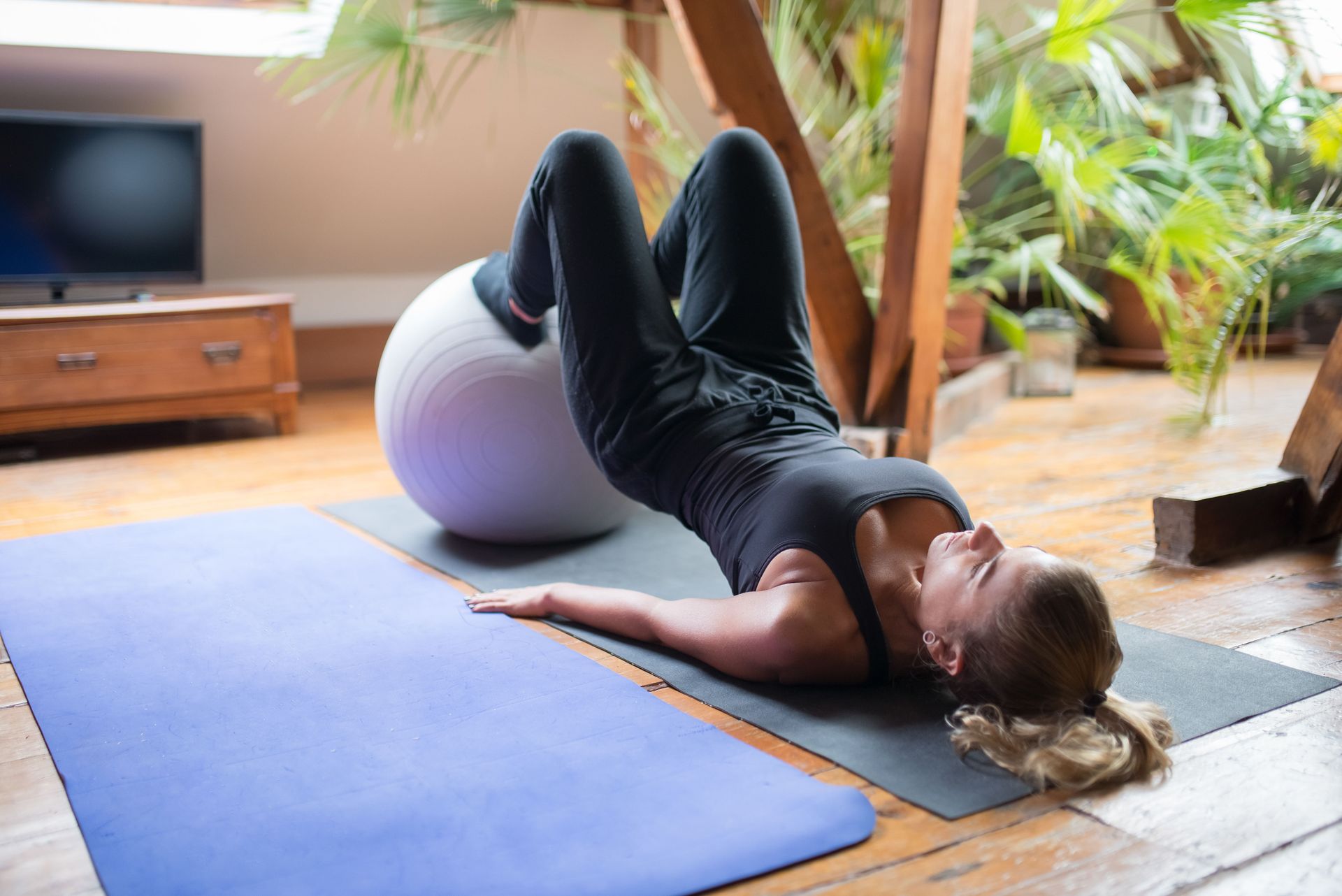
The pelvic floor — the group of muscles forming the base of the pelvis, supporting the bladder, bowel, and uterus, and contributing to the core stabilization system — is directly connected to the rest of the postural system through the thoracolumbar fascia and through its functional relationship with the diaphragm and the transversus abdominis. These three structures — the diaphragm above, the transversus abdominis in the cylinder's walls, and the pelvic floor below — constitute the pressure management system of the trunk, and they function as a coordinated unit.
In anterior pelvic tilt — the postural pattern in which the pelvis tips forward and the lumbar spine goes into excessive extension — the pelvic floor is placed in a lengthened position and its resting tone and functional activation are impaired. The specific pelvic floor dysfunction associated with anterior pelvic tilt includes reduced coordination of pelvic floor activation with intra-abdominal pressure management (contributing to stress urinary incontinence), and reduced pelvic floor awareness and control generally.
Postural correction that restores neutral pelvic alignment — through gluteal strengthening, hip flexor lengthening, and the lumbar spine's return to its neutral curve — restores the pelvic floor to its optimal length-tension relationship and improves its functional coordination with the rest of the core. This is one of the less commonly discussed but clinically significant effects of postural correction, particularly relevant to postpartum recovery and to older adults with pelvic floor dysfunction.
Shoulder impingement symptoms improve

Ryutaro Tsukata / Pexels
Shoulder impingement — the compression of the supraspinatus tendon and the subacromial bursa in the space between the humeral head and the acromion process of the scapula — is the most common cause of shoulder pain in adults and is strongly associated with the scapular position produced by rounded shoulder posture. When the scapula tips forward and rotates inward (as it does in the rounded shoulder position), the subacromial space narrows, and the supraspinatus tendon is compressed against the underside of the acromion during shoulder elevation.
The specific biomechanics: the subacromial space is maximized when the scapula is in its neutral position — retracted, depressed, and upwardly rotated relative to the thorax. The rounded shoulder position reduces all three of these components of optimal scapular position, narrowing the subacromial space and predisposing the tendon to impingement with overhead activity.
Postural correction that specifically addresses scapular position — through strengthening of the lower trapezius and serratus anterior (the primary muscles responsible for scapular upward rotation), stretching of the pectoralis minor (which pulls the scapula into the impingement-producing position), and thoracic spine mobilization — is a primary component of conservative shoulder impingement treatment and produces significant improvements in shoulder pain and function within six to twelve weeks.
Facial appearance changes subtly

Katerina Bolovtsova / Pexels
The soft tissue of the face — the jowls, the area under the jaw, the nasolabial folds — is affected by the long-term position of the head and neck in a way that is gradual, subtle, and rarely discussed in either postural or aesthetic medicine contexts. Forward head posture brings the head forward and slightly downward relative to neutral, which affects the distribution of gravitational load on the soft tissue of the face and neck over time.
Specifically: the platysma and the anterior neck muscles, when chronically shortened by forward head posture, may contribute to the appearance of neck fullness and reduced jaw definition that is often attributed entirely to aging or body composition. Restoration of neutral head position lengthens these anterior cervical structures, which has a mild lifting effect on the submental (under-chin) soft tissue that some people find noticeable after sustained postural correction.
This is among the most evidence-light entries in this list — the specific aesthetic consequences of postural correction are not well-studied in controlled trials — but the anatomical mechanism is sound and is increasingly discussed in the functional aesthetic medicine literature. The magnitude of the change is modest and should be understood as a secondary benefit of postural correction rather than a primary motivation for it.
Vocal quality and projection improve

Brett Sayles / Pexels
The voice is produced by the larynx, resonated in the pharynx and oral cavity, and supported by the respiratory system — all of which are affected by head, neck, and thoracic posture in ways that have been studied in voice science and used in vocal training for over a century. Forward head posture compresses the larynx, reduces the space in the pharynx available for resonance, and limits the respiratory support available for sustained vocal projection, all of which affect voice quality.
Professional singers and actors are trained in Alexander Technique, Feldenkrais Method, and other postural approaches specifically because the improvements in voice quality that follow postural correction are documented and reliable. Studies of vocal performance in subjects instructed to maintain upright versus slumped posture consistently find improvements in vocal range, projection, and resonance quality in upright posture.
The practical application extends beyond professional voice users: anyone who presents, teaches, leads meetings, or regularly communicates verbally benefits from the postural conditions that optimize voice quality. The specific improvements — a clearer resonance, easier projection without strain, greater endurance for sustained speaking — follow from the same postural corrections that address other systems.
Visual strain reduces

Arina Krasnikova / Pexels
The extraocular muscles — the six muscles that control each eye's movement — maintain specific resting positions relative to the head that depend on the head's orientation in space. Forward head posture, by shifting the head forward and downward, changes the resting orientation of the eyes and the muscular effort required to maintain the gaze on a horizontally positioned screen, which is now at a relative superior position relative to the head's orientation.
The specific mechanism: screen workers in forward head posture often partially compensate by extending their neck to tilt their face upward toward the screen, which loads the suboccipital extensors and can increase intraocular pressure slightly (a concern for glaucoma risk). Alternatively, they may look down under their brow line, which requires the superior rectus muscles of the eye to work harder to maintain the upward gaze.
Postural correction that brings the head back to neutral — combined with appropriate screen positioning at eye level — removes these compensatory patterns and reduces the chronic muscular effort in both the neck and the extraocular muscles. The reduction in eye strain and associated headache that many desk workers experience from combined postural and workstation correction is one of the more immediately noticeable benefits of a comprehensive ergonomic intervention.
Spinal disc health improves over time
Paulina Vargas / Pexels
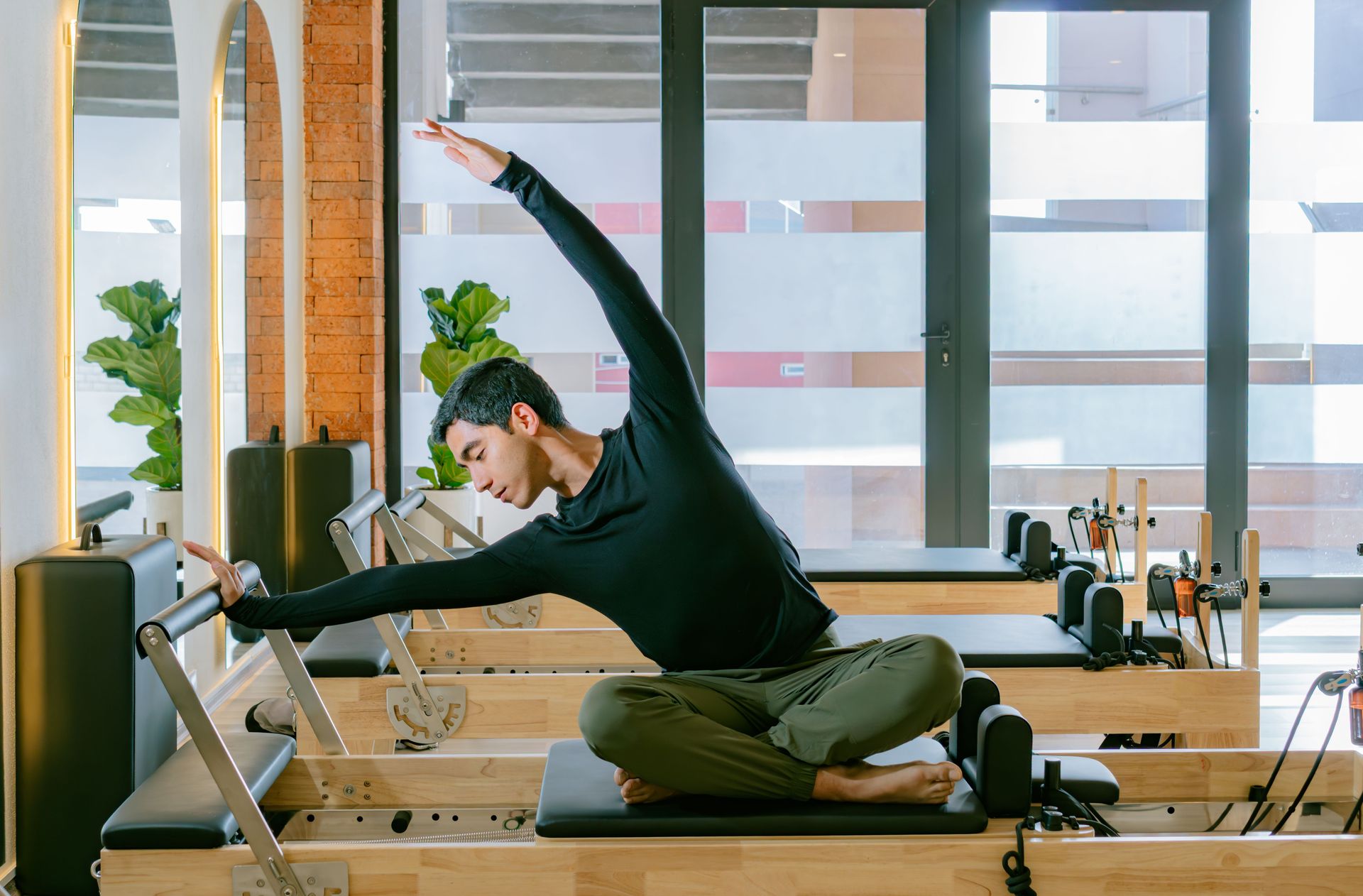
The intervertebral discs — the fibrocartilaginous shock absorbers between adjacent vertebral bodies — are avascular (they have no direct blood supply) and depend for their nutrition on the diffusion of nutrients from the surrounding vertebral bodies through a process that is driven by mechanical compression and decompression — the pumping action of movement. A disc that is held in sustained compression or sustained distraction does not receive adequate nutritional diffusion; a disc that moves through its normal range of motion does.
Chronic postural dysfunction places the cervical and lumbar discs in specific positions of sustained abnormal load — the cervical discs under sustained anterior shear in forward head posture, the lumbar discs under sustained posterior shear in excessive lordosis or anterior shear in flexion posture — that impairs their normal mechanical conditioning. Over years, this contributes to the accelerated disc degeneration that is measurably more common in people with chronic postural dysfunction.
Postural correction that restores neutral spinal alignment and introduces normal movement through the full spinal range of motion improves disc nutrition through the enhanced mechanical pumping that normal movement provides. This is a long-term preventive benefit rather than an acute treatment effect — the timeline for measurable disc health improvement is years rather than weeks — but it is the most significant long-term structural benefit of postural correction.
Concentration and cognitive performance improve

Andy Barbour / Pexels
The postural-cognitive relationship — the connection between body position and cognitive function — is documented in experimental psychology research showing that upright posture is associated with better performance on working memory, sustained attention, and verbal fluency tasks compared to slumped posture. The mechanism is the same arousal and autonomic regulation pathway described in the mood entry: upright posture produces a physiological state associated with alertness and engagement, while slumped posture produces the physiological state associated with fatigue and withdrawal.
Beyond the autonomic mechanism, the breathing improvements that accompany postural correction have a direct cognitive consequence: improved oxygen delivery to the brain from deeper, more complete breaths supports the cerebral oxygen saturation that underlies optimal cognitive function. The specific cognitive performance improvements from postural correction are modest in healthy adults with normal cognition but are more pronounced in people whose habitual posture is significantly compromised and who are experiencing the cognitive effects of chronic pain and fatigue.
Athletic and physical performance improves

RUN 4 FFWPU / Pexels
Optimal postural alignment is the foundation of optimal movement mechanics in sport and exercise — a fact that is central to sport science and athletic coaching but is underemphasized in general health communications about posture. The specific postural distortions that produce pain and dysfunction in sedentary people also reduce the efficiency and output of athletic movement.
A neutral lumbar spine is the starting position for efficient hip extension — the primary power-generating movement in running, jumping, and weightlifting. Forward head posture reduces the motor recruitment of the gluteal muscles through the cervical-lumbar reflexive inhibition pathway. Rounded shoulder posture reduces the force production available for overhead pressing and throwing through the altered length-tension relationship of the rotator cuff.
Athletes who address postural dysfunction as part of their training — through the same corrections described throughout this list — consistently show improvements in movement quality, force production, and injury resilience that validate the performance relevance of postural work beyond pain management and desk worker health.
Recovery from exercise accelerates
RDNE Stock project / Pexels
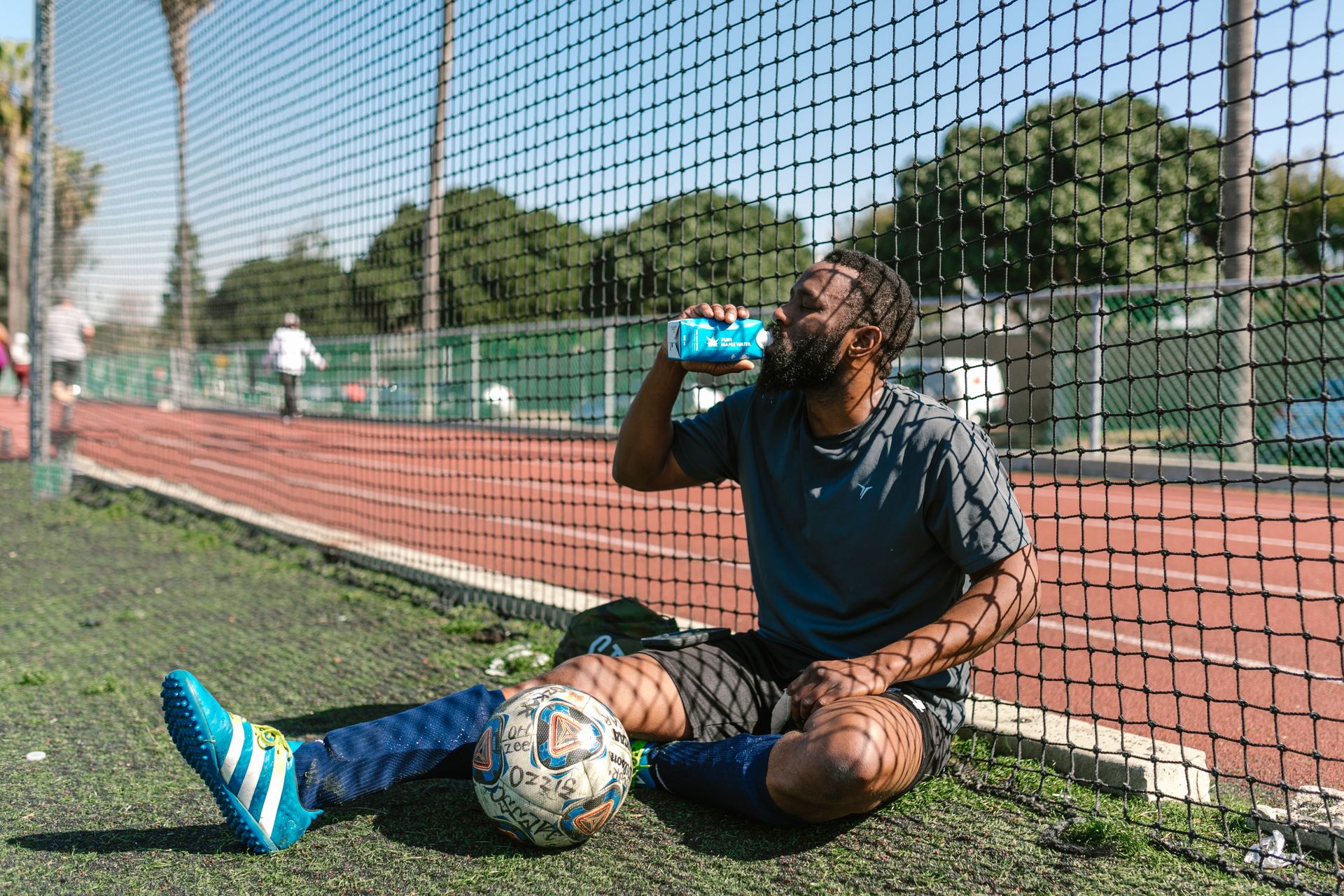
The recovery process from exercise — the restoration of muscle glycogen, the clearance of metabolic byproducts, the repair of exercise-induced microtrauma — depends on blood flow and lymphatic drainage to and from the exercised tissues, both of which are influenced by postural alignment. Chronic thoracic and cervical compression reduces the throughput of the cervical and thoracic lymphatics and the venous return from the upper extremity, which impairs the clearance of metabolic waste products from exercised upper body muscles.
Postural correction that opens the thoracic outlet and the cervical and thoracic lymphatic channels improves the clearance rate for upper body exercise metabolic products. The specific clinical observation — that people who address thoracic outlet compression through postural correction report improved recovery from upper body training — is consistent with the anatomical mechanism but is supported more by clinical observation and case series than by large controlled trials.