
Full-body resistance without joint impact, a documented lung capacity effect, a specific cardiovascular adaptation — what regular swimming actually does
Jim De Ramos / Pexels
Swimming occupies an unusual position in the landscape of cardiovascular exercise: it produces many of the same physiological adaptations as running or cycling — improved cardiovascular efficiency, increased caloric expenditure, better endurance — while doing so through a mechanism that is meaningfully different from land-based exercise in ways that produce some distinct effects of its own. The water's resistance, its horizontal body position, and its buoyancy each interact with the body differently than the vertical, weight-bearing, air-resistance environment of running or cycling, producing a specific physiological profile that is worth understanding on its own terms rather than treating swimming as simply an interchangeable cardio option.
Several of the effects in this list are documented specifically in the exercise physiology and sports medicine literature on competitive and recreational swimmers, distinguishing genuine swimming-specific adaptations from the general cardiovascular fitness benefits that any consistent aerobic exercise produces. Understanding which effects are swimming-specific and which are general exercise benefits that swimming happens to also provide helps clarify what a swimming-focused fitness routine actually offers relative to other exercise forms.
Each entry covers a specific documented effect, the mechanism behind it, and the timeline over which it typically develops with consistent practice.
David Hou / Pexels
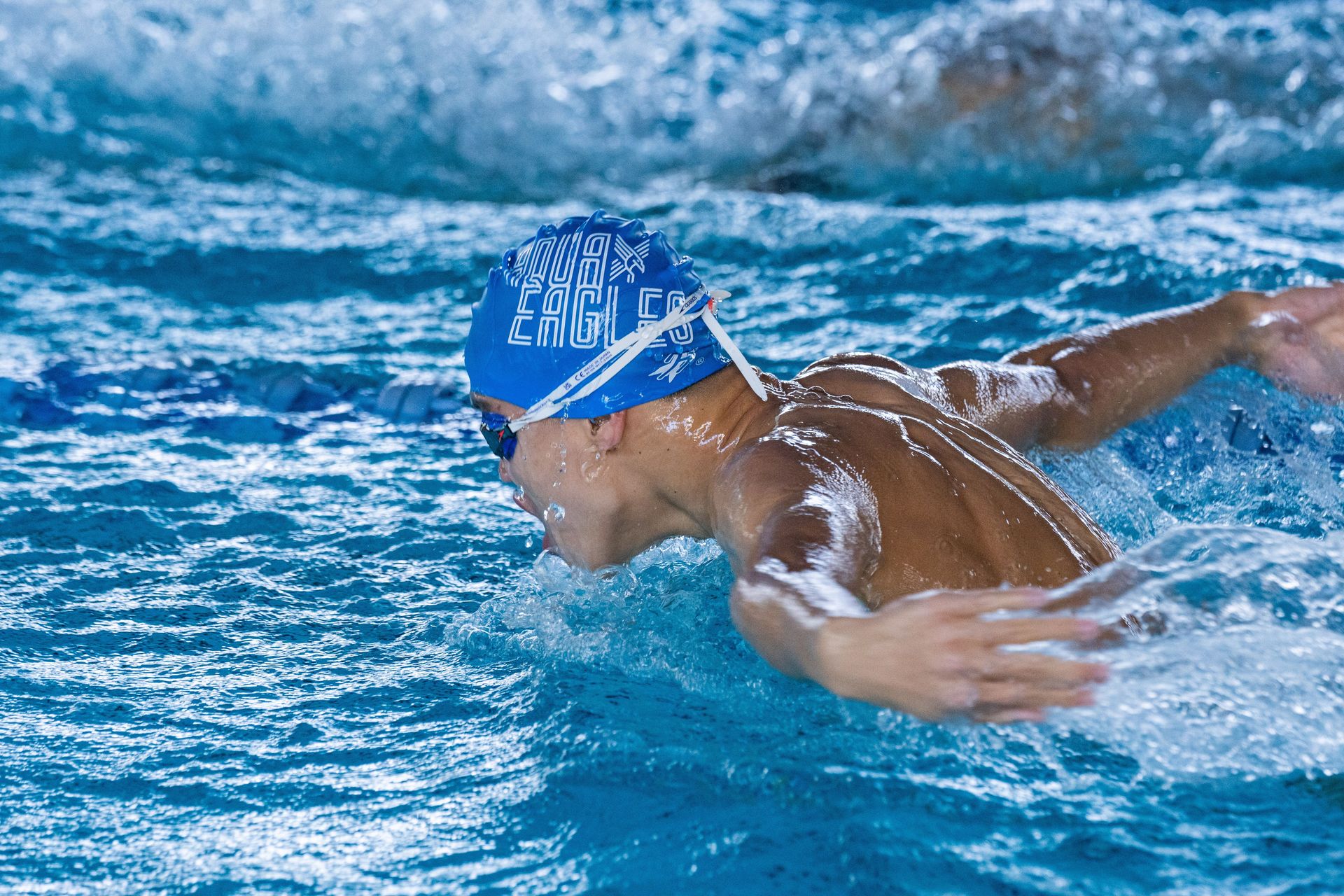
Swimming is one of the only forms of cardiovascular exercise that provides full-body movement and resistance training without the repetitive impact loading that running, jumping, and most land-based cardio exercises place on joints — water's buoyancy supports approximately 90% of body weight when a person is submerged to neck level, meaning the hips, knees, and ankles bear a small fraction of the mechanical load they would experience during equivalent land-based exercise.
This distinction matters clinically for several populations specifically: people with osteoarthritis, people recovering from joint injury or surgery, and older adults with reduced joint cartilage all benefit from an exercise modality that provides cardiovascular and muscular training without the joint stress that would aggravate existing conditions or accelerate joint degeneration, which is why swimming and water-based exercise are among the most consistently recommended exercise modalities in physical therapy and rehabilitation medicine for these specific populations.
The tradeoff worth understanding is that this reduced impact loading, while beneficial for joint health, means swimming provides less of the bone-density-stimulating mechanical stress that weight-bearing exercise (running, weightlifting) provides, since bone density adaptation responds specifically to gravitational loading that swimming's buoyancy largely eliminates — meaning swimming is not, on its own, an effective strategy for building or maintaining bone density in the way that weight-bearing exercise is, a distinction relevant for anyone using swimming as their primary or sole exercise modality.
Sergio Benavides / Pexels
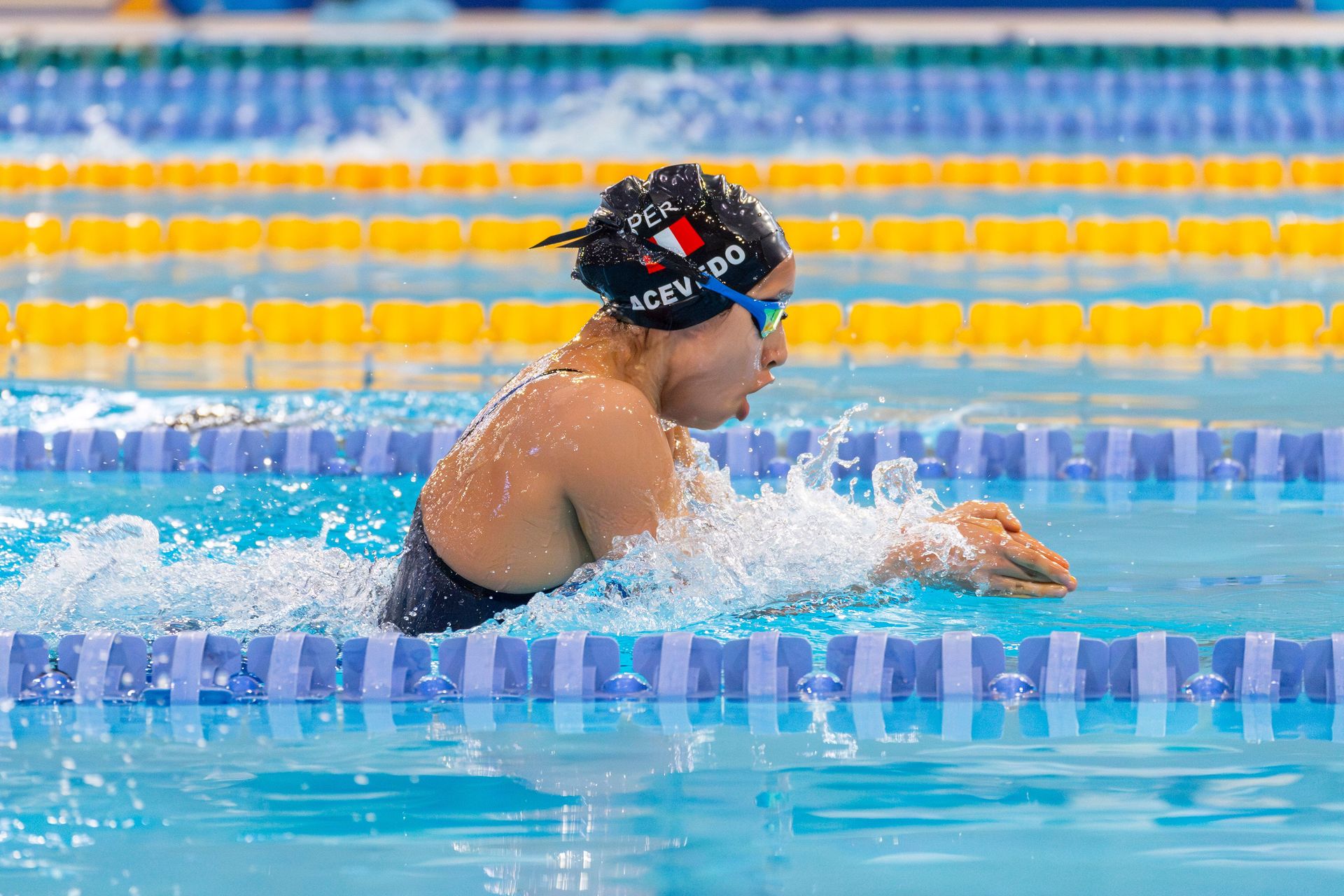
Swimming's specific breathing constraints — the need to time inhalation to brief windows between strokes and to exhale underwater against water resistance — produce a documented training effect on respiratory muscle strength and lung capacity that distinguishes it from land-based cardio exercise, where breathing is largely unrestricted and requires no specific technique.
Research on competitive swimmers has consistently found larger lung volumes and greater respiratory muscle strength compared to athletes in other endurance sports, and while some of this difference may reflect self-selection (people with larger lung capacity may be drawn to and successful in swimming), controlled studies have also found that swim training itself produces measurable improvements in respiratory muscle strength and controlled breathing capacity independent of any pre-existing physiological advantage.
The specific mechanism involves the resistance that water places against the chest wall during swimming, requiring the respiratory muscles (particularly the diaphragm and intercostal muscles) to work harder to expand the lungs against this resistance than they would during land-based breathing, producing a training adaptation similar in principle to resistance training for any other muscle group, applied specifically to the muscles responsible for breathing mechanics.
Sebastian Angarita / Pexels
Swimming produces the same fundamental cardiovascular adaptations as other forms of sustained aerobic exercise — improved cardiac output, increased stroke volume, lower resting heart rate — but does so partly through a specific mechanism related to the body's horizontal position in water, which changes venous return (the flow of blood back to the heart) compared to the vertical body position of running or cycling.
The horizontal position combined with water pressure on the body's surface (hydrostatic pressure) increases central blood volume — more blood is redistributed toward the chest and heart during swimming than during equivalent land-based exercise — which some exercise physiologists have proposed may produce a somewhat different pattern of cardiac adaptation, including documented differences in heart chamber dimensions between competitive swimmers and land-based endurance athletes, though the practical significance of these structural differences for general fitness and health outcomes remains an area of ongoing research rather than settled consensus.
The overall cardiovascular fitness benefit of regular swimming is well-established regardless of these specific structural nuances: consistent swimming training over eight to twelve weeks reliably produces measurable improvements in resting heart rate, VO2 max (a standard measure of aerobic fitness), and overall cardiovascular efficiency comparable to other forms of sustained aerobic exercise of similar intensity and duration.
Ansey Photography / Pexels
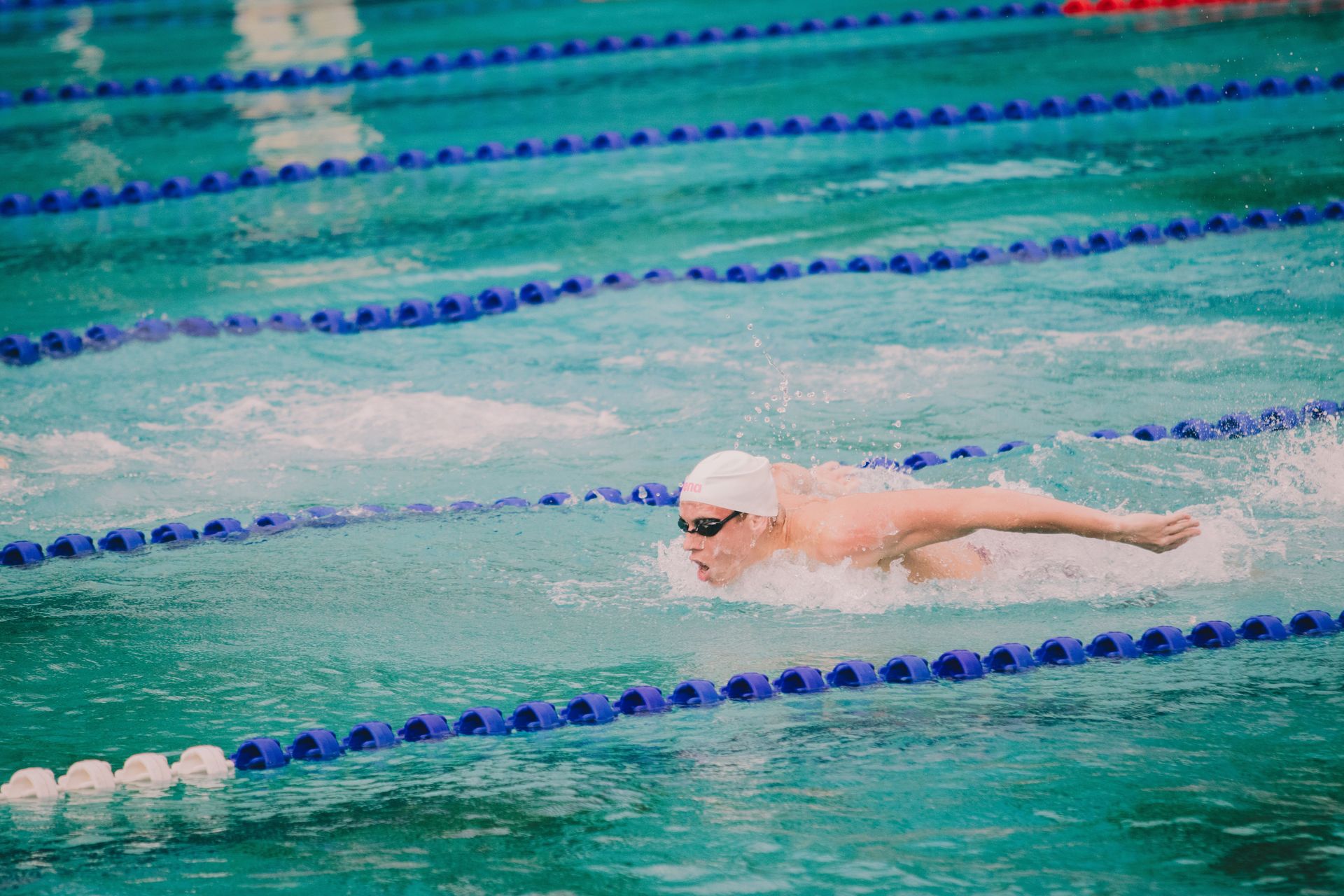
Swimming requires simultaneous engagement of the upper body (arms, shoulders, back, and core for the pulling and stabilizing motion), the lower body (legs and hips for kicking propulsion), and the core (for maintaining body position and transferring force between upper and lower body movements) in a way that most land-based cardio exercises do not, since running and cycling primarily engage the lower body with comparatively minimal upper body demand.
This full-body engagement pattern means that regular swimming produces more evenly distributed muscular development and conditioning across the body than running or cycling alone would, without requiring the separate strength training regimen that runners and cyclists typically need to address upper body and core development that their primary sport does not adequately train.
The specific muscle groups most heavily engaged vary by swimming stroke — freestyle and backstroke emphasize the latissimus dorsi, shoulders, and core rotational stability, while breaststroke places more specific demand on the hip adductors and pectoral muscles — meaning that swimmers who vary their stroke selection during training sessions achieve a broader distribution of muscular engagement than swimmers who exclusively practice a single stroke, a distinction relevant to anyone using swimming specifically for comprehensive muscular conditioning rather than pure cardiovascular training.
cottonbro studio / Pexels
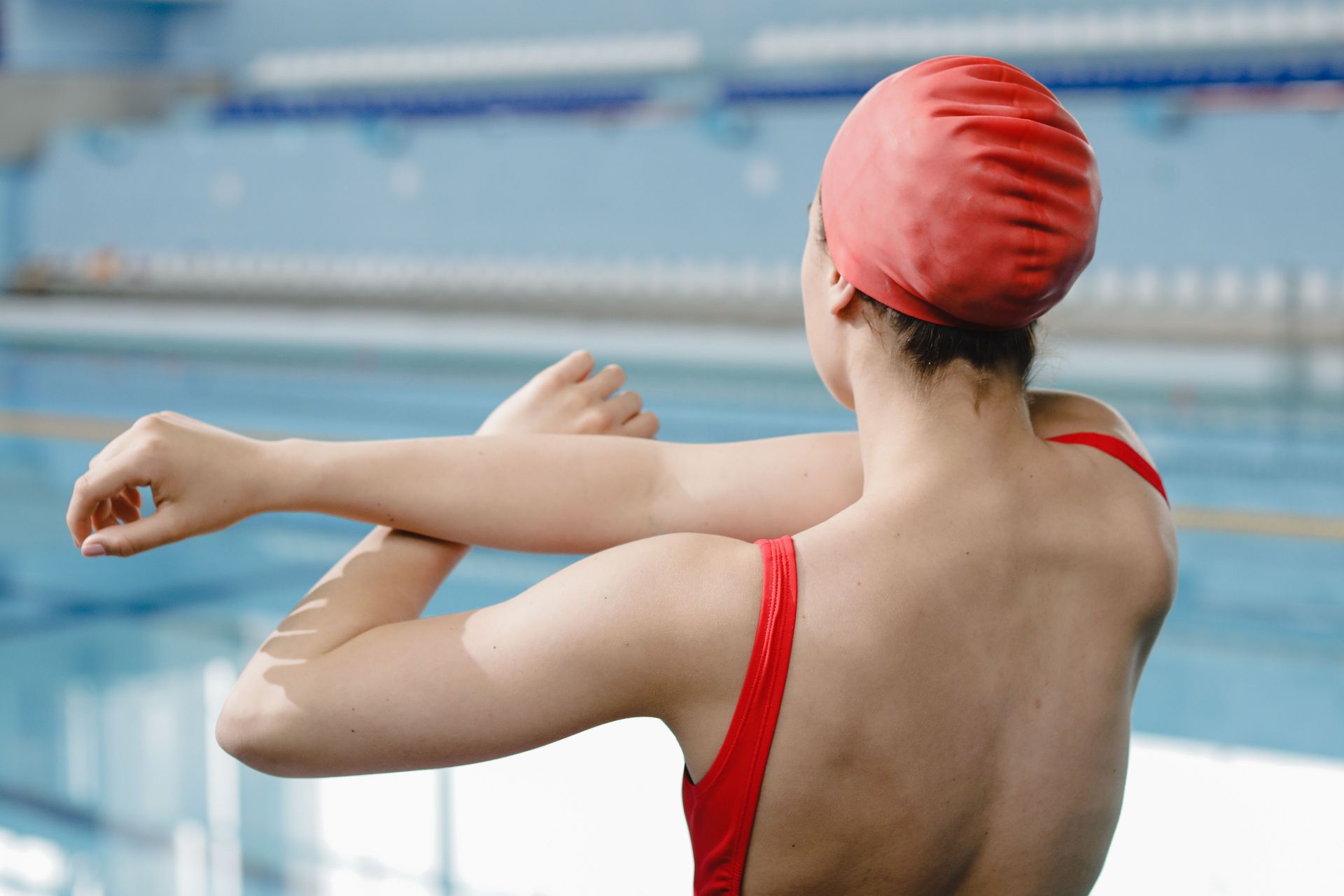
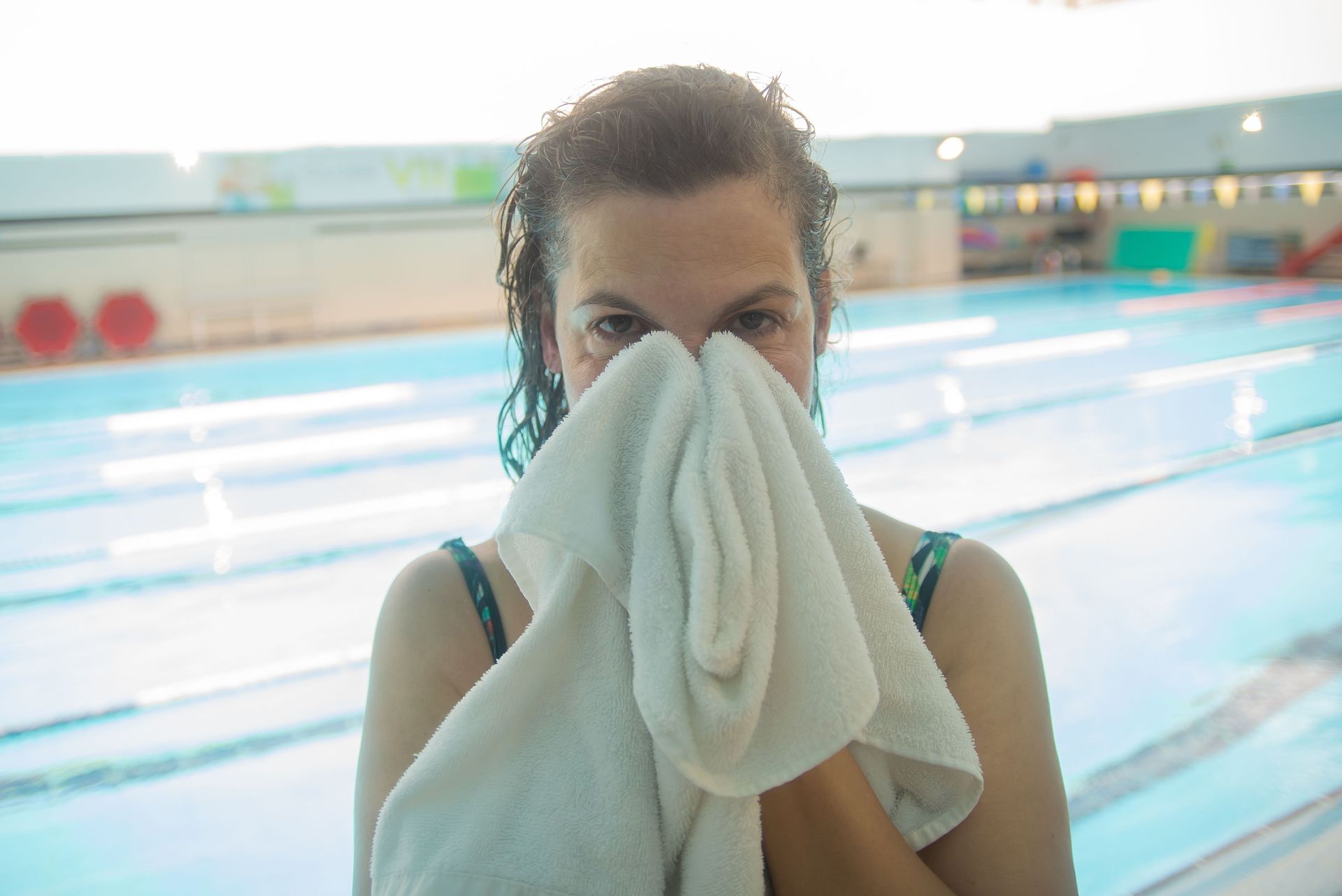
Regular exposure to chlorinated pool water produces well-documented effects on hair and skin that are specific to swimming as an exercise modality and that do not occur with other forms of exercise: chlorine strips natural oils from hair and skin, and it can react with copper (present in some pool water systems and equipment) to produce the greenish tint sometimes seen in the hair of frequent swimmers, particularly those with lighter or chemically treated hair.
The specific mechanism involves chlorine's function as an oxidizing disinfectant, which is effective at killing bacteria and other pathogens in pool water but which does not distinguish between pathogens and the natural protective oils on human skin and hair, producing the dryness and occasional brittleness that frequent swimmers commonly report, particularly with daily or near-daily pool exposure over extended periods.
The practical mitigation that competitive swimmers and swim coaches commonly recommend includes rinsing with fresh water immediately before and after swimming (pre-wetting hair with clean water reduces the amount of chlorinated water hair subsequently absorbs), using swim-specific shampoo formulated to remove chlorine residue, and applying a leave-in conditioner or specific pre-swim hair treatment (some swimmers use a coating of regular conditioner or specialized product before swimming specifically to create a barrier against chlorine absorption).
Kampus Production / Pexels
Swimming in cooler water (a common condition in unheated pools, lakes, and ocean swimming) triggers a specific thermoregulatory response distinct from exercising in air at a comparable temperature, since water conducts heat away from the body approximately 25 times faster than air of the same temperature, meaning swimmers experience more significant heat loss during exercise than land-based athletes exercising in equivalent ambient conditions.
This accelerated heat loss means that swimming in cold water, particularly open water swimming in lakes or oceans below approximately 60°F, can produce genuine hypothermia risk even during vigorous exercise that would otherwise generate substantial body heat, a risk that has driven the wetsuit requirements and water temperature regulations common in triathlon and open water swimming competition, and that represents a specific safety consideration not present in land-based cardiovascular exercise of equivalent intensity.
Regular cold water swimmers do develop some degree of physiological adaptation to cold water exposure over repeated sessions — including changes in peripheral blood vessel response and subjective cold tolerance — though this adaptation does not eliminate the underlying physics of accelerated heat loss in water, meaning that even experienced cold water swimmers must continue to account for water temperature and exposure duration as a genuine safety consideration rather than assuming adaptation has eliminated the underlying risk.
Ali Alcántara / Pexels
Research on swimming's effect on blood pressure has found benefits comparable to or, in some specific studies, exceeding those of land-based aerobic exercise, with several studies specifically noting improvements in arterial compliance (the flexibility of blood vessel walls, which naturally decreases with age and which is a significant factor in cardiovascular disease risk) among regular swimmers, potentially related to the specific combination of the hydrostatic pressure swimming exposes the vascular system to and the horizontal body position's effect on blood flow distribution described in the cardiovascular efficiency entry.
A body of research on swimming specifically for hypertension management has found that structured swim training programs produce measurable reductions in both systolic and diastolic blood pressure in previously sedentary adults with elevated blood pressure, with some studies finding effects comparable to those of other aerobic exercise interventions and a smaller number of studies suggesting swimming may offer specific additional vascular benefits related to its distinct exercise mechanics, though this remains an area where research continues to clarify the precise comparative benefit relative to other exercise types.
The practical takeaway for cardiovascular health purposes is that swimming provides genuine, well-documented blood pressure and vascular health benefits consistent with other forms of regular aerobic exercise, making it a legitimate primary exercise choice for cardiovascular health management, particularly valuable for the population (older adults, people with joint limitations) who may not tolerate land-based aerobic exercise as comfortably.
SHVETS production / Pexels
Regular swimming has been associated with mood improvement and reduced anxiety and depression symptoms consistent with the general mental health benefits documented for aerobic exercise broadly, but several researchers and practitioners have proposed that swimming's specific sensory environment — the rhythmic breathing pattern required, the sensory reduction of being partially submerged in water, and the specific repetitive, meditative quality of continuous lap swimming — may produce mental health benefits with some distinct characteristics beyond the general endorphin and neurochemical effects of aerobic exercise.
The rhythmic breathing requirement specifically has been compared by some researchers to breathing techniques used in meditation and anxiety management practices, since the enforced breathing pattern swimming requires shares structural similarities with the paced breathing techniques used in clinical anxiety treatment, though the specific research isolating this mechanism from swimming's general aerobic exercise benefits remains limited compared to the broader and more extensively documented research on aerobic exercise and mental health generally.
Cold water swimming specifically has generated a growing body of research interest regarding its potential mood and mental health effects, with several smaller studies reporting mood improvements and reduced anxiety symptoms following cold water immersion, though this remains an emerging area of research with a less extensive evidence base than the well-established general relationship between aerobic exercise and mental health, and claims about cold water swimming's specific mental health benefits should be considered promising but not yet as rigorously established as swimming's more general documented health benefits.