25 things that surprise visitors to Africa who have never been before
From high-altitude cold snaps to mobile money that outpaces the West, these 25 realities upend what first-time visitors think they know about Africa
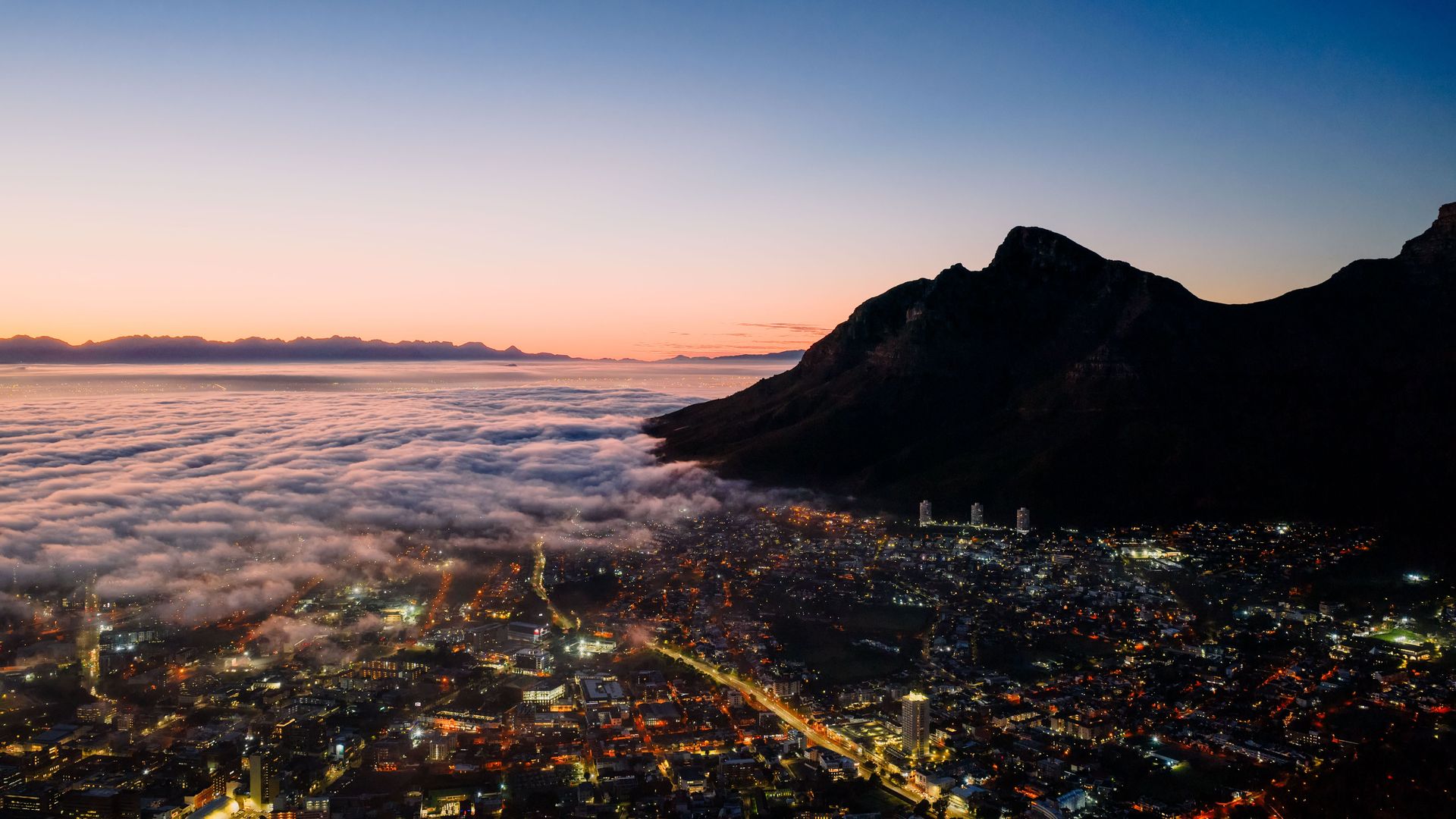
Credit: K / Pexels
Africa is the destination most distorted by distance. Travelers $TRV arrive carrying a mental picture assembled from wildlife documentaries, charity appeals and Hollywood backdrops, and much of that picture collapses within the first 48 hours on the ground. The continent that greets them is younger, more urban, more digitally connected and far more varied than the one they imagined. It is also vastly bigger. The map most people grew up with shrinks Africa so severely that few visitors grasp they are landing on a landmass that could swallow the U.S., China, India and much of Europe at once.
The gap between expectation and reality cuts in every direction. Visitors expecting heat pack no jacket, then shiver through a Johannesburg winter night. Visitors expecting lions in the streets discover that wildlife lives in managed parks, often hours from the nearest city. Visitors expecting to pay in cash find that a street vendor in Nairobi would rather take a mobile payment, a system Kenya mastered years before Apple $AAPL Pay existed. Visitors expecting a single culture find 54 countries, well over a thousand languages and food traditions that change completely every few hundred miles.
None of this means the continent is free of hardship. Poverty, conflict and infrastructure gaps are real in many places, just as they are on other continents. The point is proportion. A traveler who visits Tokyo does not conclude they have seen Asia. Yet Africa is routinely compressed into a single story, and that compression is precisely what makes a first visit so disorienting — in the best sense. The continent rewards travelers who show up curious rather than certain.
This list gathers 25 of the realities that most consistently catch first-time visitors off guard, drawn from the practical (money, weather, transport) to the cultural (greetings, music, food) to the historical (empires, universities and trade networks that predate most European capitals). Read it before you go, and the only thing that will catch you off guard is how much there is left to learn.
1 / 25
It is 54 countries, not one place
Credit: Canva Images
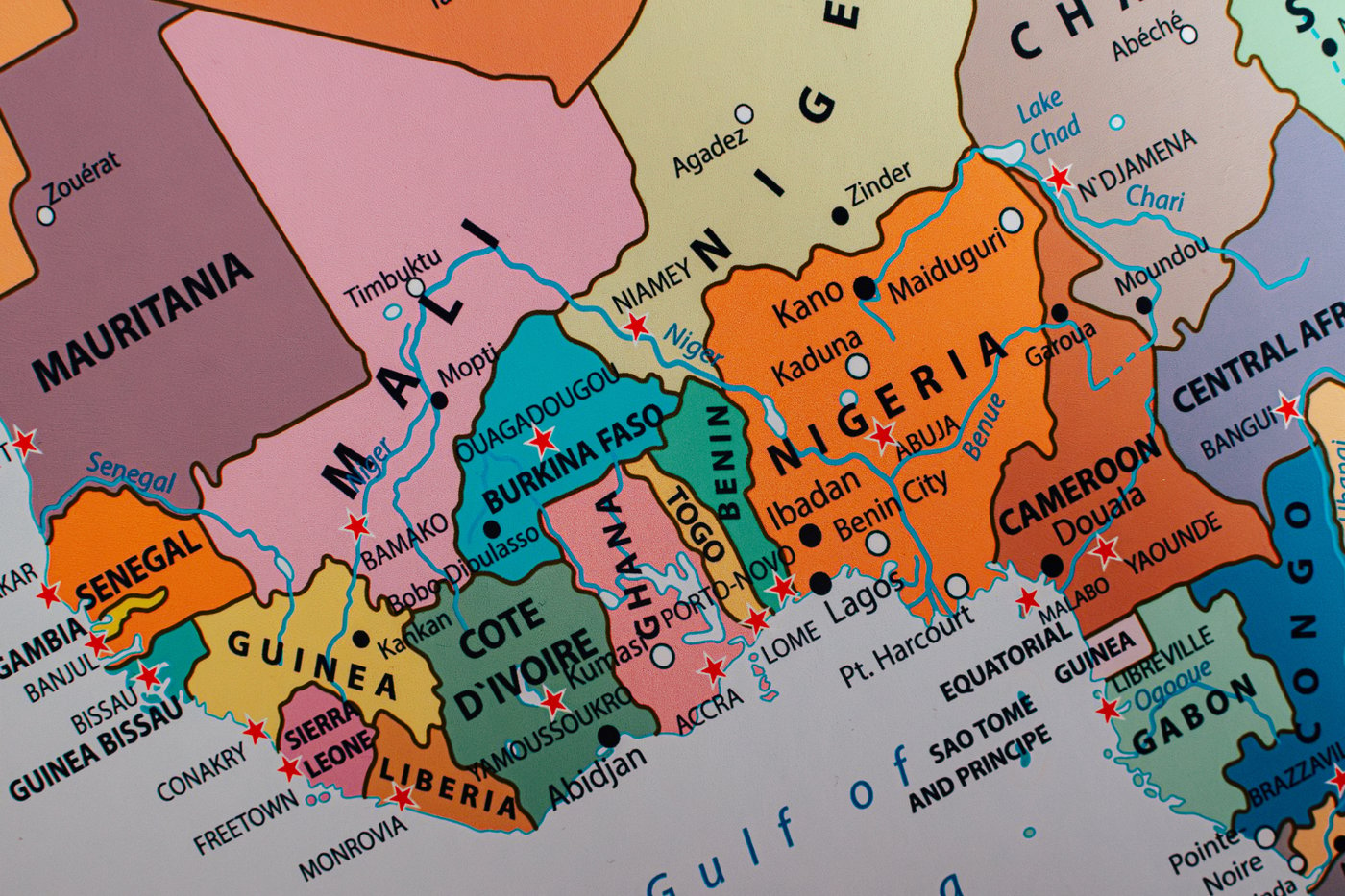
The single most common mental error visitors make is treating Africa as a country. It is a continent of 54 sovereign states, and the differences between them are as pronounced as the differences between Norway and Greece, or Japan and Pakistan.
Consider the range. Morocco is a North African monarchy where Arabic and French dominate, mint tea is a social ritual and the architecture reflects centuries of Islamic and Andalusian influence. Ethiopia, never colonized in the conventional sense, runs on its own calendar, its own clock convention and its own ancient script. South Africa has 12 official languages, a wine industry dating to the 17th century and a constitutional court celebrated by legal scholars worldwide. Senegal, Nigeria and Ghana share a West African coastline but differ sharply in language, cuisine and political history.
The practical consequences matter for travelers. Visa $V rules vary from country to country: some offer visas on arrival, some require advance applications, and a few, like Rwanda, have made entry deliberately easy for visitors from across the world. Currencies change at every border. Plug sockets change too — South Africa uses a large three-round-pin plug found almost nowhere else, while Kenya uses the British-style three-pin.
Cultural norms shift just as much. Dress codes that are relaxed in Cape Town would be inappropriate in Zanzibar's Stone Town, a predominantly Muslim community. Bargaining is expected in a Marrakech souk but would be odd in a Kigali supermarket.
Visitors who arrive having researched the specific country they are visiting, rather than "Africa" in general, consistently have better trips. They pack correctly, budget correctly and avoid the small offenses that come from applying one country's norms to another. The continent does share some broad threads — strong social bonds, deep respect for elders, vibrant markets — but the texture of daily life is local, not continental. Learning even a few words of the local language, whether Wolof, Swahili, Amharic or Zulu, signals that you understand the difference.
2 / 25
The continent is far bigger than the map suggests
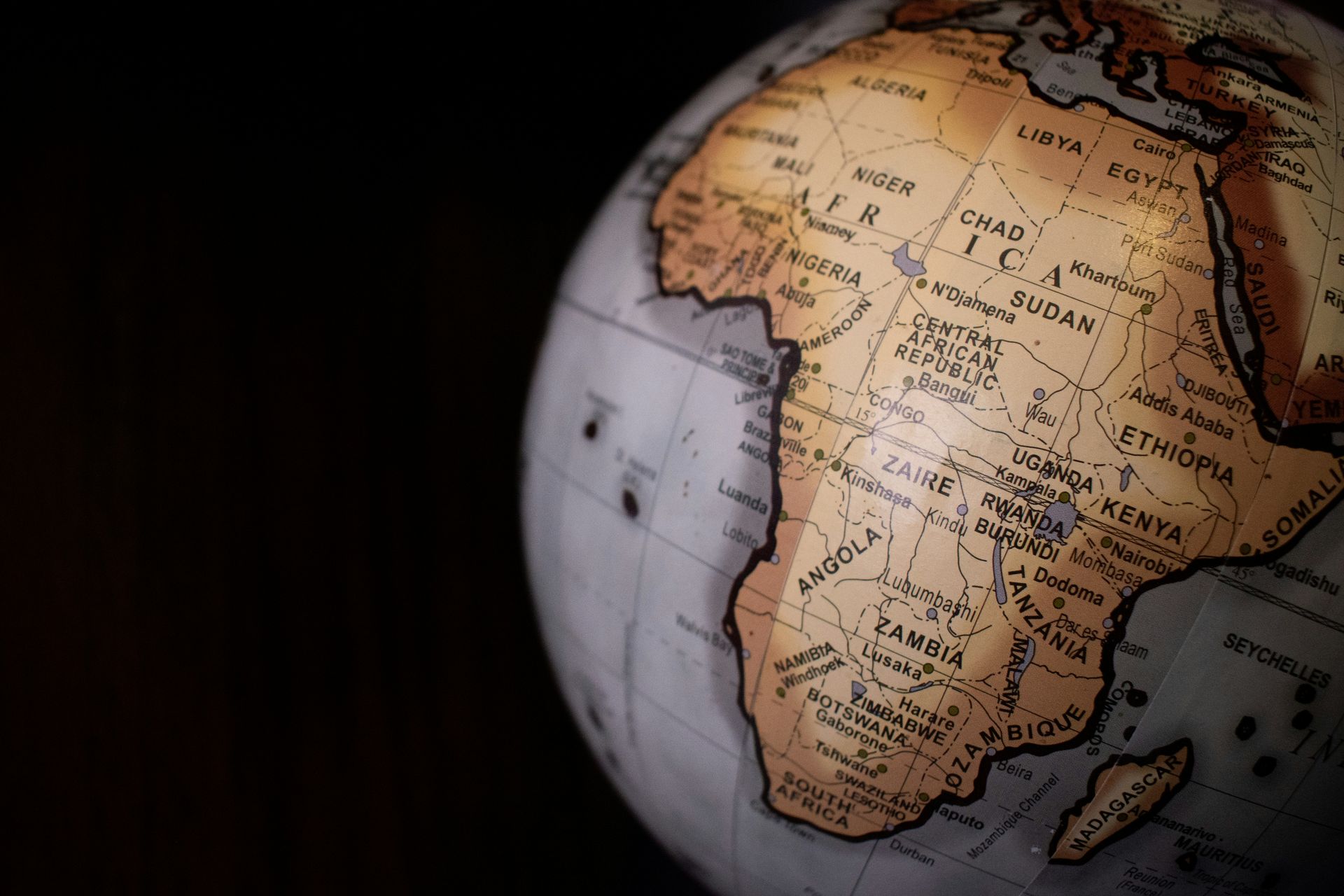
The Mercator projection, the map most classrooms still use, inflates land near the poles and shrinks land near the equator. Africa sits squarely on the equator, so it suffers the worst distortion of any continent. On paper it looks roughly the size of Greenland. In reality Africa covers about 30 million square kilometers and Greenland covers about 2.2 million. Africa is nearly 14 times larger.
The comparisons only get more striking. The continental U.S., China, India, Japan and most of western Europe could all fit inside Africa's borders simultaneously, with room to spare. The Sahara alone is roughly the size of the entire U.S. The Democratic Republic of Congo, a single country, is about two-thirds the size of western Europe.
This has real consequences for trip planning. First-time visitors routinely propose itineraries that combine Morocco, Kenya and South Africa in 10 days, not realizing that Casablanca to Cape Town is a longer flight than New York to London. Cairo sits closer to Moscow than to Johannesburg. Dakar, on the western tip of Senegal, is closer to Brazil than to Somalia on the continent's eastern horn.
Even within a single country, distances defy expectations. Driving from Cape Town to Kruger National Park in South Africa takes about 18 hours. Tanzania's Serengeti ecosystem alone covers an area larger than some small European countries.
The size also explains the diversity. A landmass that vast spans multiple climate zones, from Mediterranean coastline in the north to temperate winelands in the south, with deserts, rainforests, savannas and glaciated peaks in between. It explains why more than a billion people speak such a staggering range of languages, and why no single trip, however long, can claim to have covered the continent. Seasoned travelers to Africa plan the way they would plan a trip to Asia: one region at a time, with realistic transit budgets and the humility to leave most of the map for next time.
3 / 25
African cities look nothing like the stock footage
Credit: Vije Vijendranath / Unsplash
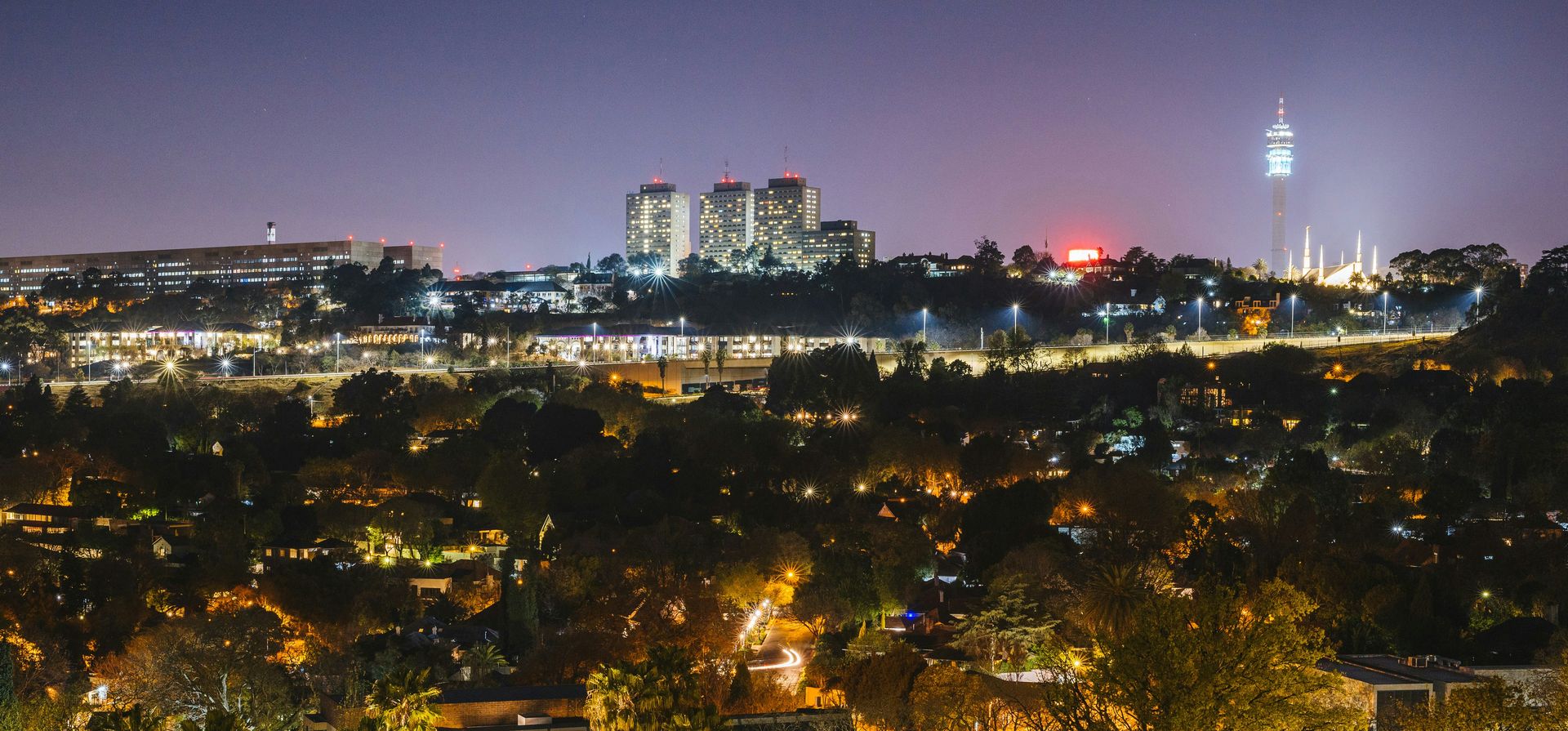
Visitors whose image of Africa comes from aid campaigns are unprepared for the skylines. Johannesburg's Sandton district is a forest of glass towers housing banks, law firms and the JSE, one of the largest stock exchanges in the world by market capitalization among emerging markets. Nairobi's Upper Hill and Westlands districts bristle with corporate headquarters and construction cranes. Cairo, Lagos, Accra, Kigali, Casablanca, Addis Ababa and Abidjan all have modern commercial cores, international hotel chains and shopping malls that would look familiar to anyone from Dallas or Dubai.
Lagos is the most jolting example. Nigeria's commercial capital holds more than 15 million people by most estimates, making it one of the largest urban areas on the planet. Victoria Island and Lekki host fintech offices, art galleries, rooftop restaurants and a nightlife scene that runs later than most European capitals. Eko Atlantic, a district built on land reclaimed from the ocean, is rising on the city's edge.
The urban energy extends beyond commerce. Africa is urbanizing faster than any other continent, and its cities are young. That youth shows up in packed music venues, streetwear boutiques, food markets, coworking spaces and a general density of ambition that first-time visitors often compare to what they imagine New York felt like a century ago.
None of this erases inequality, which is often extreme and visible. Informal settlements sit within sight of luxury towers in Johannesburg, Nairobi and Lagos alike, a juxtaposition that can be jarring. But the existence of poverty alongside wealth is a feature of cities everywhere, from Mumbai to Los Angeles. What catches visitors off guard is not that African cities contain hardship. It is that the other half of the picture — the towers, the traffic jams full of new cars, the espresso bars, the art fairs — was never shown to them at all.
4 / 25
Mobile money is years ahead of the West

Credit: Canva Images
A visitor from the U.S. or Europe who tries to hand cash to a Nairobi taxi driver may get a polite counteroffer: pay by phone instead. Kenya's M-Pesa, launched by Safaricom in 2007, lets anyone send, receive and store money using a basic mobile phone, no bank account or smartphone required. It arrived seven years before Apple $AAPL Pay and has become so woven into Kenyan life that people use it to pay rent, school fees, market vendors, utility bills and bus fares.
The system works through a vast network of human agents, small kiosks where users deposit or withdraw cash that then moves digitally. That agent network reaches villages far beyond any bank branch, which is exactly why the technology leapfrogged the West. Where Europe and the U.S. built payments on top of legacy banking, much of Africa skipped the intermediate steps entirely.
Kenya is not alone. Mobile money platforms operate across the continent, from MTN Mobile Money in Ghana and Uganda to Orange Money in Francophone West Africa. Sub-Saharan Africa consistently accounts for the majority of the world's registered mobile money accounts, according to the GSMA, the global association of mobile network operators.
The fintech layer built on top keeps growing. Nigerian payment companies Flutterwave and Paystack process transactions for businesses across the continent, and Paystack was acquired by Stripe in 2020. Remittance apps, digital lenders and savings platforms have followed.
For travelers, the practical takeaway is twofold. First, do not assume cash is king everywhere; in Kenya especially, mobile payment is the default and some vendors prefer it. Second, adjust the mental model. The visitor arriving with assumptions about technological backwardness is often the least digitally equipped person in the transaction. Watching a fruit seller in a rural market complete a phone-based payment in seconds recalibrates expectations faster than any statistic can.
5 / 25
It gets genuinely cold
Credit: ANASS ELOUIHI / Pexels
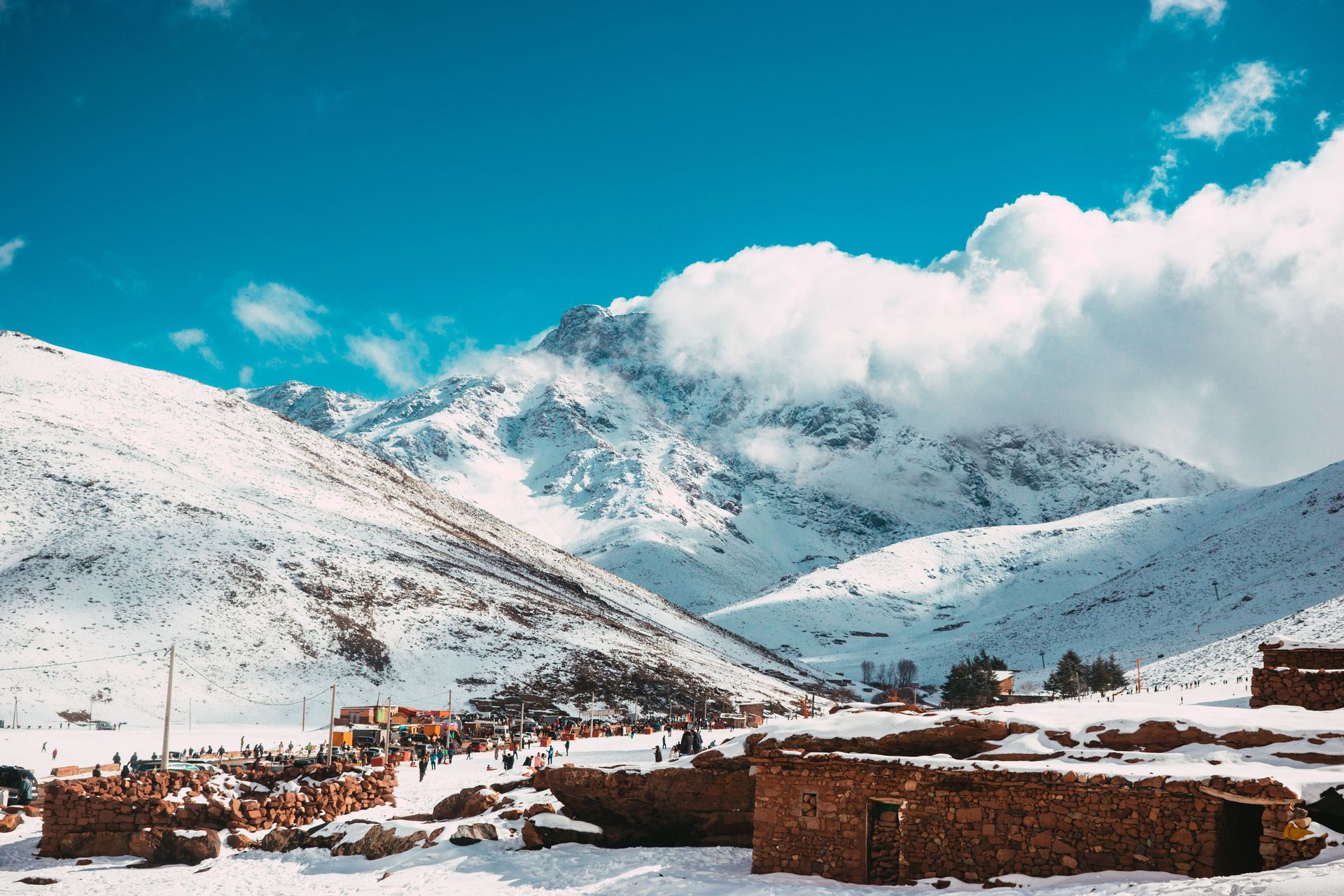
Pack a jacket. This advice confounds first-time visitors more than almost any other, because the mental image of Africa is uniformly hot. Large parts of the continent are anything but.
Altitude is the main reason. Johannesburg sits at roughly 1,750 meters above sea level, higher than Denver. Winter nights there, in June and July, regularly drop near freezing, and homes built without central heating can feel colder indoors than out. Nairobi, at about 1,800 meters, stays mild year-round, with cool, gray mornings in July that call for a sweater. Addis Ababa, at around 2,355 meters, is one of the highest capital cities in the world, and evenings are brisk in any season.
Then there is actual snow. The Atlas Mountains in Morocco host a ski area at Oukaïmeden, south of Marrakech. Lesotho, the mountain kingdom encircled by South Africa, has a ski resort called Afriski that operates in the southern winter. The high peaks of East Africa — Kilimanjaro in Tanzania, Mount Kenya, the Rwenzori range on the Uganda-DRC border — carry glaciers and permanent ice, though all have shrunk markedly over the past century.
Deserts deliver their own cold. The Sahara and Namib can swing from scorching afternoons to nights that approach freezing, because dry air and bare ground shed heat rapidly after sunset. Travelers $TRV on overnight desert excursions in Morocco or Namibia rarely expect how much they need the blankets provided.
Seasons flip in the southern hemisphere, which compounds the confusion. A European escaping a northern summer heat wave lands in Cape Town in July to find wind, rain and temperatures in the low teens Celsius. The reverse trip works beautifully — southern Africa's December is warm and bright — but only for travelers who checked.
The rule of thumb: research the altitude and the hemisphere, not just the latitude. The equator guarantees far less than most people assume.
6 / 25
More languages are spoken here than anywhere else
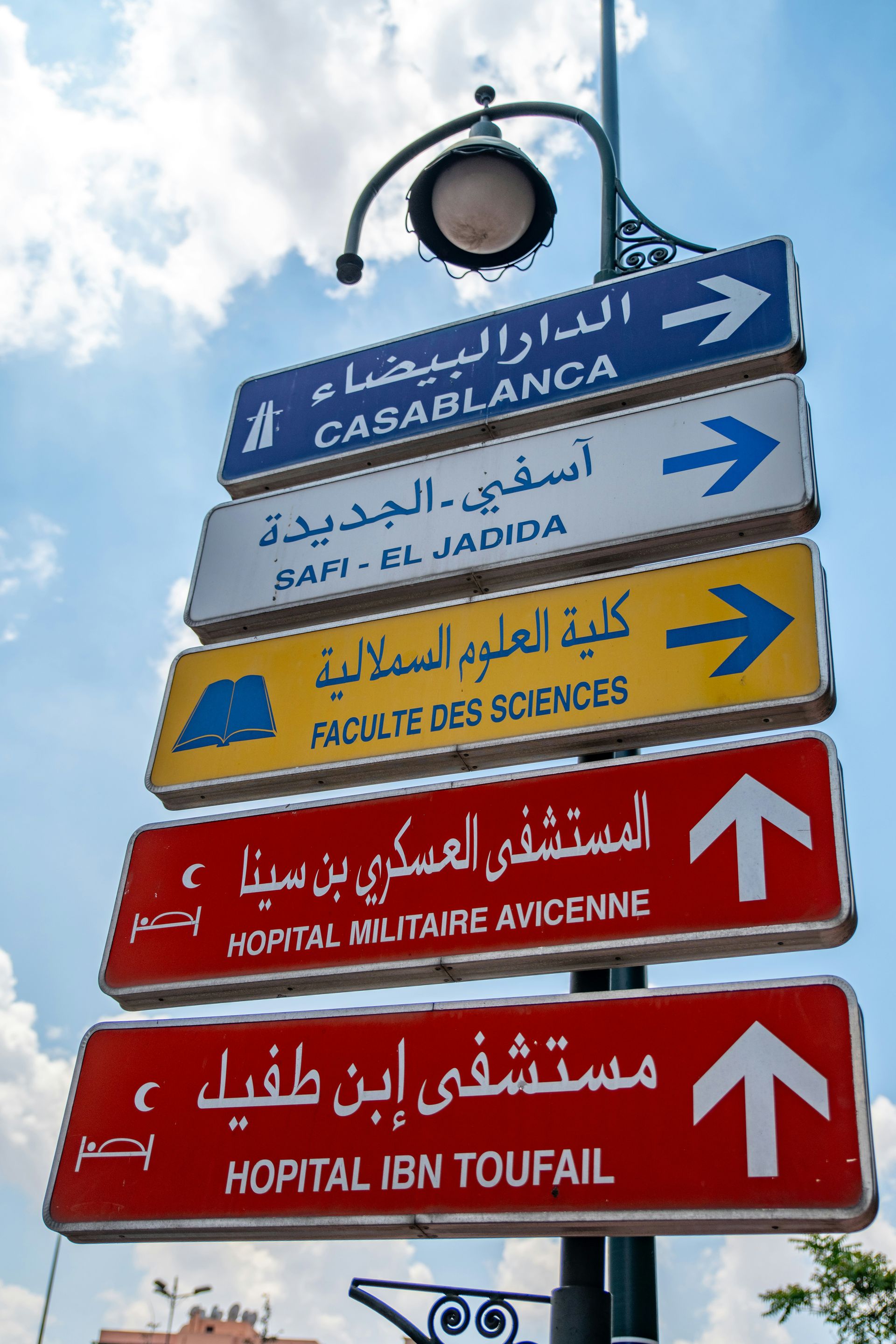
Africa is the most linguistically dense continent on Earth. Estimates of the number of languages spoken range from roughly 1,500 to more than 2,000, which means the continent accounts for close to a third of all living human languages. Nigeria alone is home to over 500. Cameroon, a country smaller than Spain, has more than 250.
Visitors notice this immediately in daily life. A typical urban African is casually multilingual in a way that impresses monolingual travelers. A Nairobi professional might speak English at work, Swahili in the street and Kikuyu, Luo or Kamba at home. A Dakar taxi driver may switch between Wolof and French mid-sentence. A Johannesburg conversation can weave through English, Zulu, Sotho and Afrikaans, sometimes within a single exchange.
Colonial languages remain official in most countries — English, French, Portuguese and Arabic dominate government and schooling across different regions — but they coexist with, rather than replace, indigenous languages. Swahili stands out as a genuinely transnational African language, spoken by an estimated 100 million or more people across Kenya, Tanzania, Uganda, the DRC and beyond, and adopted as an official language of the African Union.
Some languages carry their own scripts. Amharic and Tigrinya in Ethiopia and Eritrea are written in Ge'ez script, one of the oldest writing systems still in daily use. Tifinagh, the script of the Amazigh (Berber) people, appears on official signage in Morocco alongside Arabic and French.
For travelers, the practical benefit is that English or French will carry you through most tourist contexts in the relevant regions. The deeper benefit comes from learning a handful of local greetings. "Jambo" or the more authentic "habari" in Swahili-speaking East Africa, "salam" in the north, "sawubona" in Zulu-speaking South Africa — these tiny efforts consistently transform interactions, because they acknowledge the linguistic world the visitor has entered rather than assuming it will bend entirely to theirs.
7 / 25
Wildlife lives in parks, not on the streets
Credit: Meg von Haartman / Unsplash
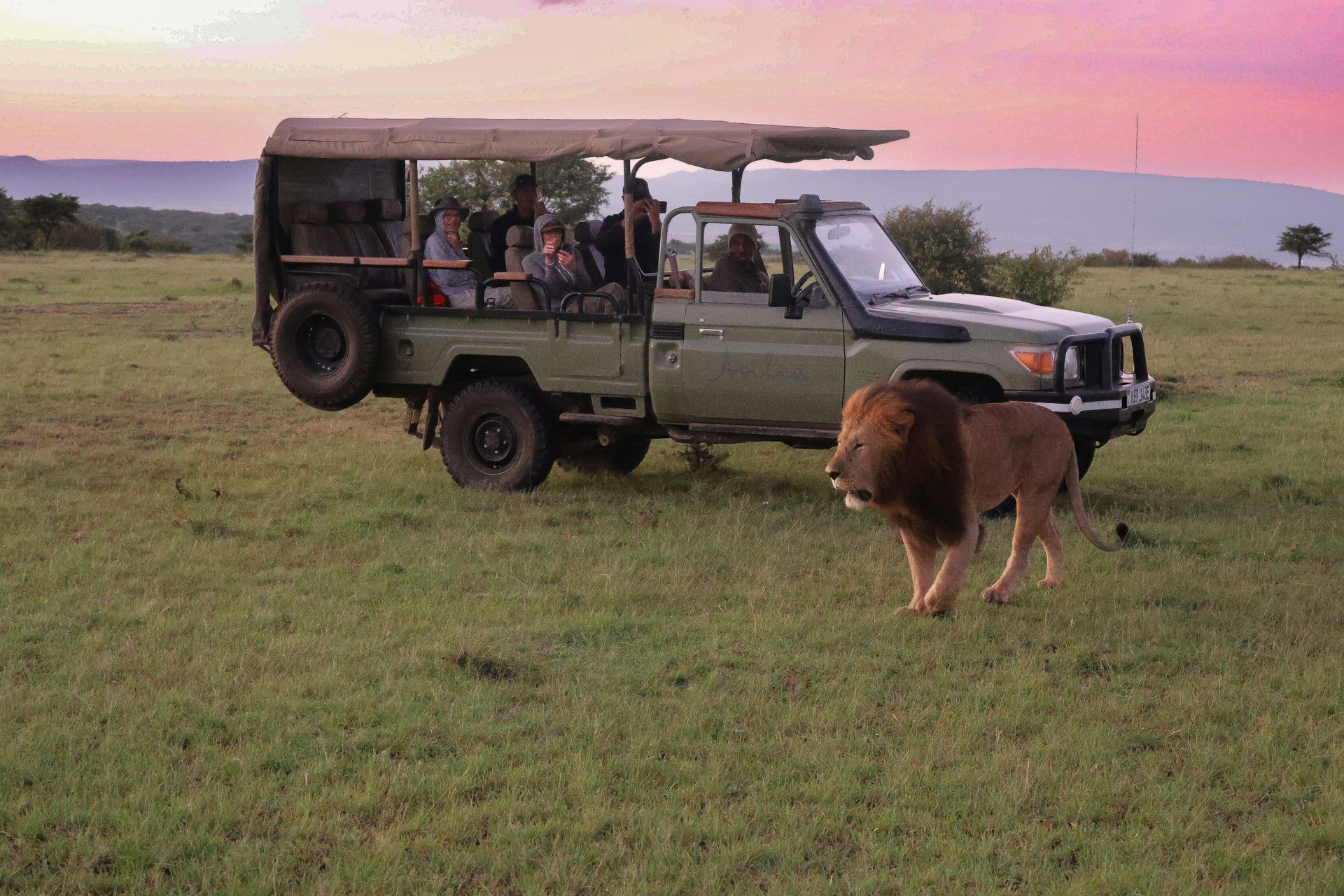
No lions wander through Nairobi's central business district. The persistent image of wild animals roaming freely among people is perhaps the most stubborn misconception visitors carry, and it dissolves on arrival. Most urban Africans have never seen a lion outside a photograph, for the same reason most Americans have never seen a grizzly bear: large wild animals live in specific, often remote, protected areas.
Seeing the celebrated megafauna requires deliberate effort and usually money. The great parks — the Serengeti and Ngorongoro in Tanzania, the Maasai Mara in Kenya, Kruger in South Africa, the Okavango Delta in Botswana, Etosha in Namibia — are managed conservation areas with entry fees, ranger patrols and defined boundaries. Reaching them can involve long drives on rough roads or small-plane flights from the nearest city. A safari is an expedition, not a drive-by.
There are memorable exceptions that prove the rule. Nairobi National Park sits directly against the Kenyan capital's edge, making it possible to photograph giraffes with skyscrapers in the background — a jarring image precisely because it is unusual. Baboons and vervet monkeys do raid picnics near Cape Town and Victoria Falls. Hippos emerge from some lakes and rivers at night near lodges. But these are localized encounters, not the norm of daily life.
The conservation picture behind the parks is complicated and worth understanding. Park fees fund anti-poaching operations and, in the better-run systems, flow partly to surrounding communities, which gives residents a stake in keeping wildlife alive. Botswana and Rwanda have leaned into high-fee, low-volume tourism to limit crowds and maximize conservation revenue per visitor. Rwanda's gorilla-trekking permits, for example, cost $1,500 per person, and the scarcity is deliberate.
Visitors who arrive expecting casual wildlife encounters leave disappointed. Visitors who plan a proper safari — choosing the right park, the right season and a reputable operator — routinely describe it as the most memorable travel experience of their lives. The difference is entirely in the preparation.
8 / 25
Tech hubs and startups are everywhere

Nairobi earned the nickname "Silicon Savannah" for a reason. The city hosts hundreds of startups, venture capital offices, and innovation hubs, along with regional offices for Google $GOOGL, Microsoft $MSFT and Visa $V. Kenya's early lead in mobile money created a generation of engineers and founders who built businesses on top of digital payments, and the ecosystem has compounded since.
Lagos is the continent's startup heavyweight. Nigeria has produced several of Africa's most valuable tech companies, including the payments firms Flutterwave and Interswitch. Paystack, another Lagos payments company, was acquired by Stripe in 2020 in one of the most watched African tech deals to date. Jumia, an e-commerce company with Nigerian roots, listed on the New York Stock Exchange in 2019.
Cape Town, Cairo and Accra round out the major hubs, each with its own specialty — Cape Town in software and e-commerce, Cairo in fintech serving the Arabic-speaking market, Accra as a stable base for regional operations. Kigali has positioned itself as a testbed for new technology: Rwanda partnered with the U.S. drone company Zipline starting in 2016 to deliver blood and medical supplies to rural clinics by autonomous drone, a service that reached national scale there before drone delivery existed meaningfully anywhere in the West.
The talent pipeline is expanding with the demographics. Africa's young population is producing large cohorts of self-taught and formally trained developers, and remote work has connected many of them to global employers.
For visitors, the tech scene is tangible. Coworking spaces in Nairobi, Lagos and Kigali buzz on weekday mornings. Ride-hailing apps work in most major cities, whether Uber $UBER, Bolt or local competitors like Little in Kenya. Food delivery, digital banking and e-commerce function much as they do elsewhere. The visitor expecting to go offline for two weeks instead finds 4G coverage in places their home country's carriers would consider unprofitable, and a startup founder pitching them by the second coffee.
9 / 25
Kigali may be the cleanest city you have ever seen
Credit: Faustin NKURUNZIZA / Pexels
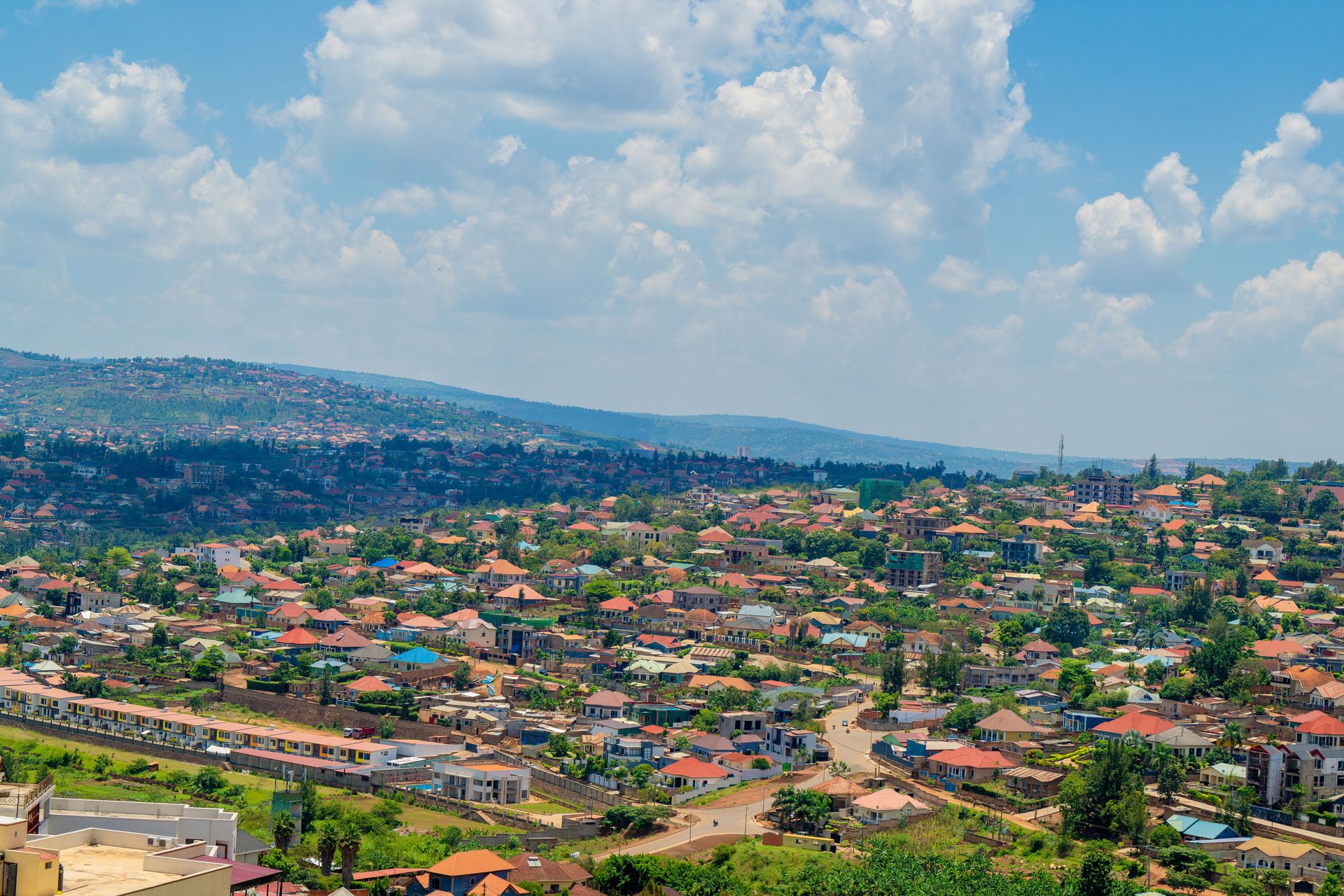
First-time visitors to Rwanda's capital tend to have the same reaction: where is the litter? Kigali's streets are swept, its boulevards are lined with trimmed hedges and flowering trees, and public spaces are kept to a standard that draws comparisons to Singapore. For travelers arriving with images of chaotic, dirty cities in mind, it is a complete inversion.
Several policies produce the result. Rwanda banned plastic bags in 2008, one of the earliest and strictest such bans in the world. Airport officials can confiscate plastic bags from arriving luggage. The country later extended restrictions toward single-use plastics more broadly. The ban is enforced, not symbolic, and its effects are visible in the absence of the plastic-bag drift that clogs drains and trees in many cities worldwide.
The second institution is umuganda, a national community service day held on the last Saturday of every month. Businesses close for the morning and citizens turn out to clean streets, dig drainage ditches, build or repair public infrastructure and hold community meetings. Participation is a civic obligation with roots in older Rwandan traditions of collective labor, revived and formalized after the 1994 genocide as part of national rebuilding.
Rwanda is not unique in pushing back on plastic. Kenya banned plastic carrier bags in 2017 with some of the harshest penalties anywhere, including potential fines and jail time for manufacturers and distributors. Tanzania, Morocco and dozens of other African countries have enacted full or partial bans. On plastic-bag policy specifically, much of Africa is ahead of the U.S. and Europe.
Cleanliness standards vary widely across the continent, as they do everywhere, and Kigali sits at the extreme end. But that is the point. The visitor who assumed disorder was the continental default discovers that one of the most orderly capitals on the planet is in East Africa, and starts questioning the rest of the assumptions in the suitcase.
10 / 25
Getting between African countries can be the hardest part
Credit: Keegan Checks / Pexels
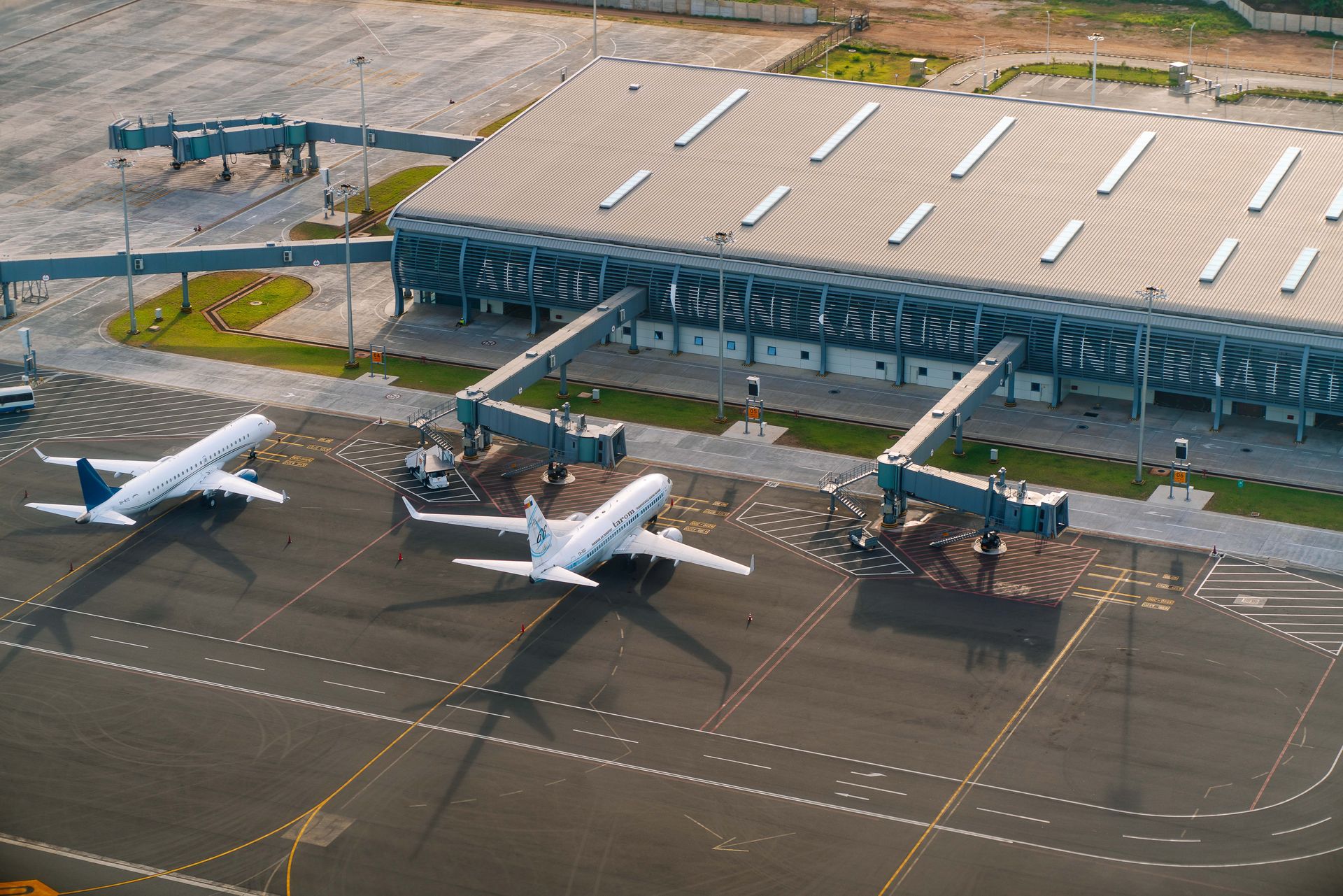
A traveler can fly from London to Nairobi nonstop in under nine hours. Flying from Nairobi to Dakar — two cities on the same continent — often takes longer, costs more and may route through a hub far out of the way. Intra-African travel is one of the continent's persistent frustrations, and it blindsides visitors who assumed hopping between countries would resemble hopping around Europe.
The reasons are structural. Colonial-era transport networks were built to move goods from interior to coast and onward to Europe, not to connect African regions to each other. Aviation followed the same logic for decades: routes to Paris, London and Dubai were prioritized over routes between African capitals. Restrictive bilateral air agreements kept competition low and fares high on many regional routes.
Change is underway, unevenly. Ethiopian Airlines, the continent's largest carrier, has built Addis Ababa into a genuine pan-African hub with connections across the continent. Kenya Airways, RwandAir and Royal Air Maroc serve similar roles regionally. The African Union's Single African Air Transport Market initiative aims to open skies between member states, though implementation has lagged the ambition. On the ground, the African Continental Free Trade Area, which began trading in 2021, is meant to ease the movement of goods across borders over time.
Overland travel offers its own lessons. Border crossings can be slow, and road quality swings from excellent new highways — many built in the past two decades with Chinese financing and construction — to rough tracks that turn a 200-kilometer trip into a full-day undertaking.
The practical advice for visitors is to plan regionally rather than continentally. East Africa (Kenya, Tanzania, Uganda, Rwanda) combines well in one trip. So does southern Africa (South Africa, Botswana, Zimbabwe, Namibia). North and West Africa each work as their own circuits. Stitching regions together is possible but expensive, and travelers who respect the distances enjoy the trip far more than those who fight them.
11 / 25
It is the youngest continent on Earth
Credit: Canva Images
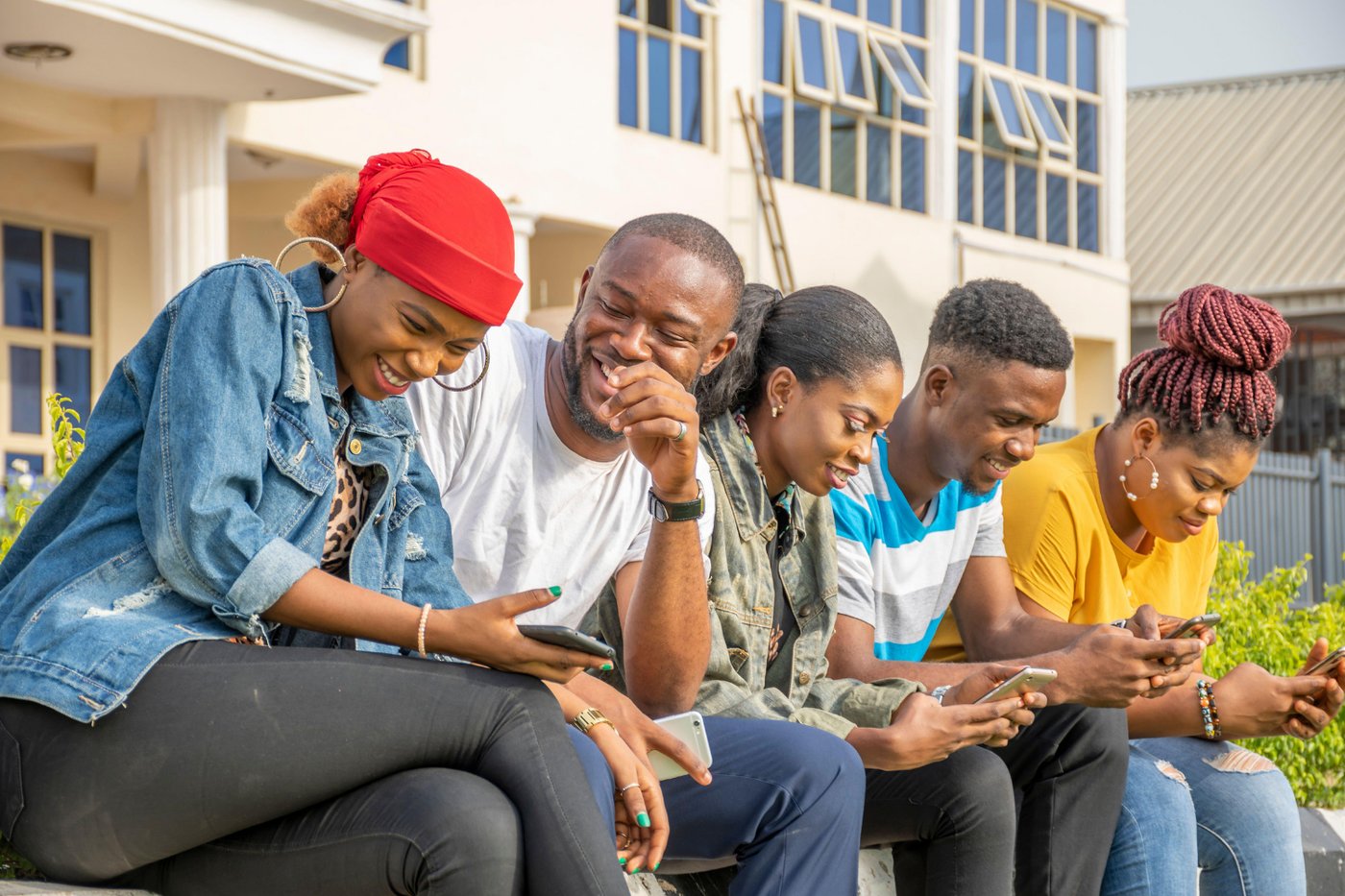
The median age in Africa is around 19. In Europe it is above 44, in the U.S. around 38, in Japan nearly 50. That single statistic explains more about the feel of the continent than almost any other, and visitors sense it before they can name it. The streets, markets, campuses, buses and stadiums are overwhelmingly full of young people.
The demographic weight is enormous and growing. Africa's population passed 1.4 billion in the 2020s, and the UN projects that by 2050 roughly a quarter of the world's people will be African. Nigeria alone is projected to become one of the most populous countries on Earth by mid-century. More than 60% of Africans are under 25.
Visitors encounter the youth bulge as energy. University districts in Accra, Kampala and Dar es Salaam hum with side hustles and study groups. Music, fashion and slang cycle at internet speed. The creator economy is visible everywhere: young photographers, YouTubers, designers and app developers working from phones and shared workspaces. Sports academies, gaming lounges and startup incubators fill commercial strips.
The economic implications cut both ways, and honest observers hold both. A young population can be a dividend — a vast workforce and consumer market coming online as older economies age and shrink. It can also be a pressure cooker if job creation lags, and youth unemployment remains a serious challenge in many countries. Governments across the continent are racing to build education systems and industries fast enough to absorb the wave.
For a visitor from an aging society, the contrast is visceral. A traveler from Italy or South Korea, where schools close for lack of children, walks through a Lagos neighborhood where playgrounds overflow and half the crowd at any gathering looks under 20. Whatever the future holds, it is being demographically written in Africa, and spending time there makes that obvious in a way spreadsheets never do.
12 / 25
The food changes completely every few borders
Credit: Canva Images
There is no such thing as "African food," any more than there is "Asian food" that covers both sushi and biryani. The continent contains distinct culinary worlds, and eating across them is one of the underrated pleasures of travel there.
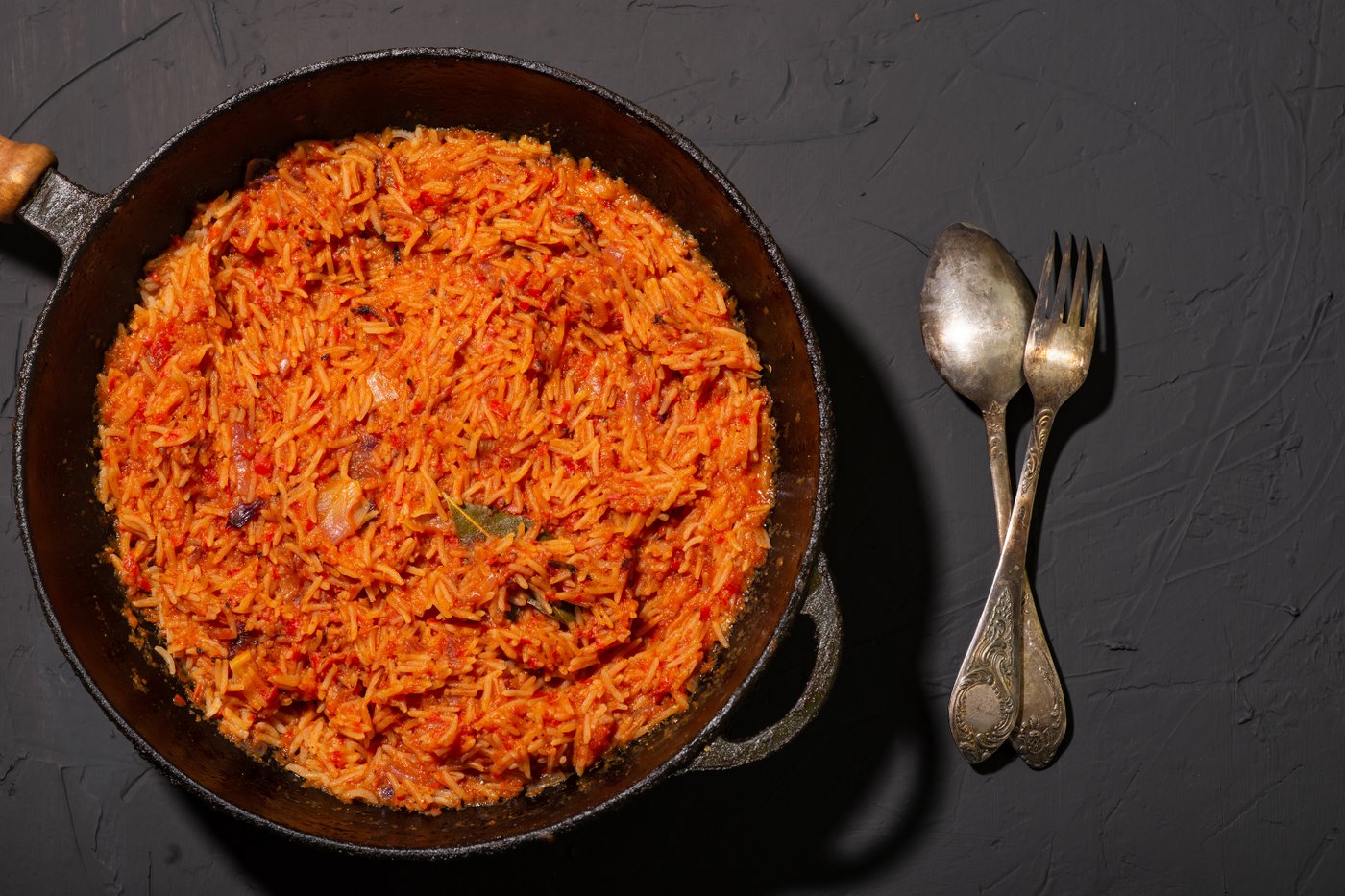
West Africa runs on bold, layered flavors. Jollof rice — rice cooked in a seasoned tomato and pepper base — is the region's signature dish, and the rivalry over who makes it best, particularly between Nigeria and Ghana, is a running cultural joke with real passion behind it. The dish traces its roots to the Senegambia region and the Wolof people, where Senegal's thieboudienne, a fish and rice dish, is considered the ancestor. Grilled suya skewers, egusi soup, fufu and waakye fill out menus from Lagos to Accra.
Ethiopia and Eritrea offer something found nowhere else: injera, a large, spongy sourdough flatbread made from teff, an ancient grain domesticated in the Ethiopian highlands. Injera doubles as plate and utensil, topped with spiced stews called wats and eaten by hand, traditionally shared from one platter.
North Africa belongs to the Mediterranean and Arab worlds as much as the African one. Moroccan tagines, Tunisian harissa-laced stews and Egyptian koshari — a carb-on-carb dish of rice, lentils, pasta and fried onions — reflect centuries of trade across the Sahara and the sea.
Southern Africa contributes braai culture, South Africa's beloved barbecue tradition, along with biltong (air-dried cured meat), Cape Malay curries born of Indonesian and Malaysian heritage in Cape Town and Mozambique's Portuguese-influenced peri-peri seafood.
East Africa's coast adds Swahili cuisine, where Indian Ocean trade left coconut, cardamom and chili in dishes like biryani and pilau in Zanzibar and Mombasa.
Visitors who eat only at hotel buffets miss all of it. The ones who follow locals to the grilled-fish shack or the injera house come home talking about the food as much as the wildlife.
13 / 25
Coffee was born here, and the rituals prove it
Credit: Lan Yao / Pexels
Every cup of arabica coffee on Earth traces its lineage to the highland forests of Ethiopia, where the Coffea arabica plant originated and where wild coffee still grows. Visitors who think of coffee culture as an Italian or Seattle invention discover that Ethiopia has been drinking it, ceremonially, for centuries.
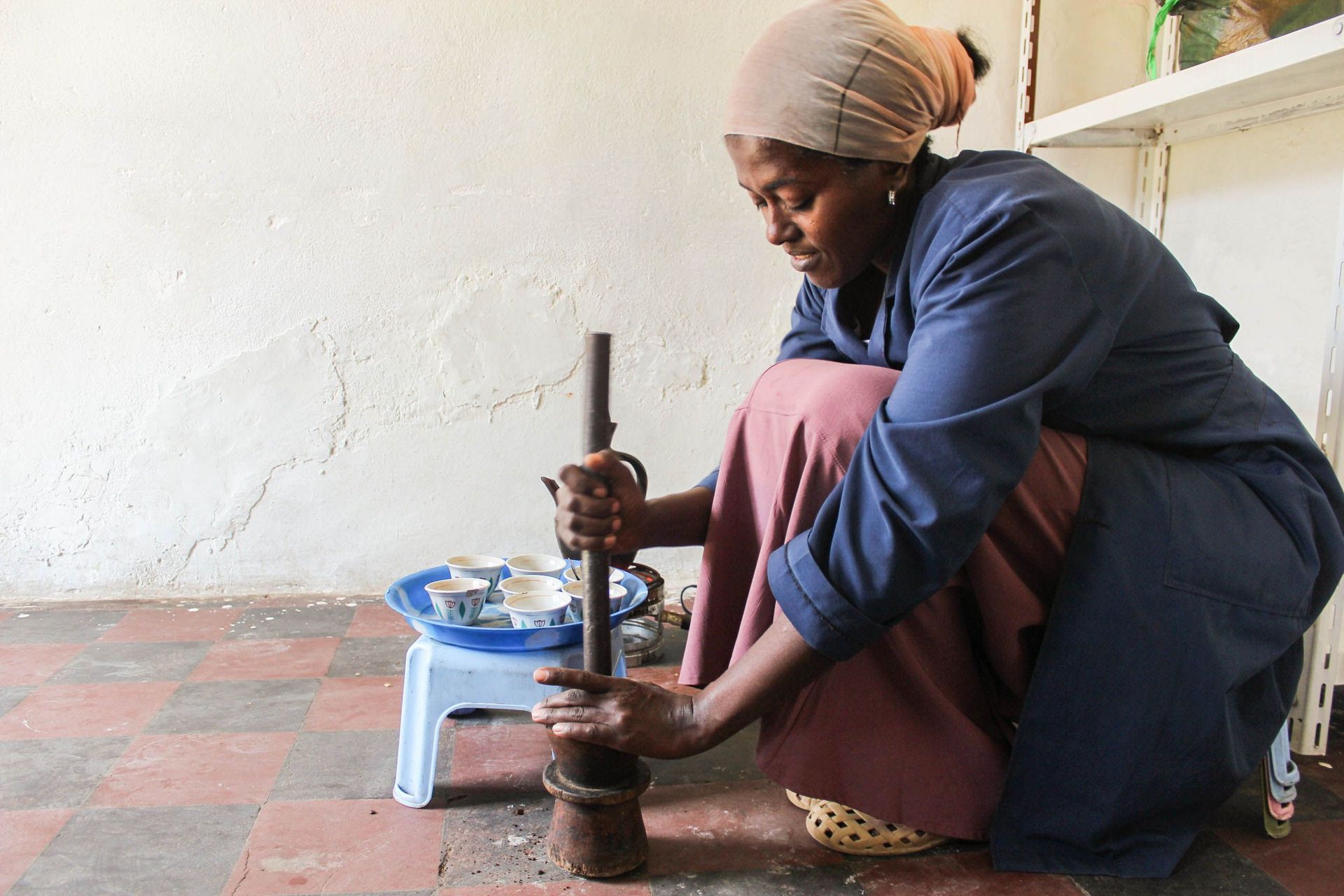
The Ethiopian coffee ceremony is the clearest expression. Green beans are roasted over a flame in front of guests, ground by hand and brewed in a jebena, a bulbous clay pot, then served in small cups, often in three successive rounds. The full ritual can take an hour or more, frequently accompanied by burning incense and popcorn or roasted barley. It is a social institution — an invitation to a coffee ceremony is an invitation into someone's home life — and it happens daily in households across the country, not as a tourist performance.
Coffee remains an economic pillar as well. Ethiopia is consistently among the world's top coffee producers and Africa's largest, and regions like Yirgacheffe and Sidama are name-checked on specialty coffee bags from Melbourne to Brooklyn. Uganda, Kenya, Rwanda and Tanzania are significant producers too, with Kenyan AA beans commanding premium prices at auction.
Tea holds equal or greater weight elsewhere. Kenya is one of the world's largest tea exporters, and milky, sweet chai is the default social drink in much of East Africa. In North and West Africa, tea is theater: Moroccan mint tea is poured from height into small glasses, and the Senegalese and Mauritanian ritual of attaya involves three successive brews of gunpowder green tea, each round sweeter than the last, stretched over long conversation.
The lesson for visitors is that hot-drink culture on the continent is old, elaborate and deeply social. Accepting the offered cup, and the time it takes, is part of showing up properly. Declining in a hurry is the tourist error; the third glass of attaya is where the real conversation starts.
14 / 25
Greetings are not optional

Credit: William Fortunato / Pexels
The fastest way for a visitor to mark themselves as rude across much of Africa is to walk up to someone and launch straight into a request. Greetings are not pleasantries to be skipped; they are the socially required opening of any interaction, and their absence lands as genuine disrespect.
The depth of the greeting varies by culture, but the pattern holds widely. In many West African societies, a proper greeting inquires about the person, their family, their health and their morning before any business begins. In Senegal, exchanges in Wolof can run through several call-and-response rounds. In Zulu, the greeting "sawubona" translates roughly as "I see you," and the response acknowledges being seen — a linguistic clue to how much weight the act carries.
Physical elements matter too. Handshakes are common and often longer or more elaborate than Western versions, sometimes involving multiple grips or a hand over the heart afterward in Muslim regions. In parts of southern and eastern Africa, receiving an item with both hands, or with the right hand supported by the left, signals respect. Elders are greeted first, often with specific deferential forms.
Shopkeepers, taxi drivers, hotel staff and border officials all expect the exchange. "Good morning, how are you?" before "How much is this?" is the minimum. Visitors who internalize this report that interactions across the continent become warmer almost immediately, because they have stopped violating the basic grammar of social life.
The underlying value is sometimes described through the southern African concept of ubuntu, often rendered as "I am because we are" — the idea that personhood is constituted through relationships with others. Whether or not a visitor engages with the philosophy, the practice is simple. Slow down. Acknowledge the human being before the transaction. It costs 15 seconds and changes the entire tenor of a trip.
15 / 25
The traffic is a phenomenon of its own
Credit: Adekunle Gideon / Pexels
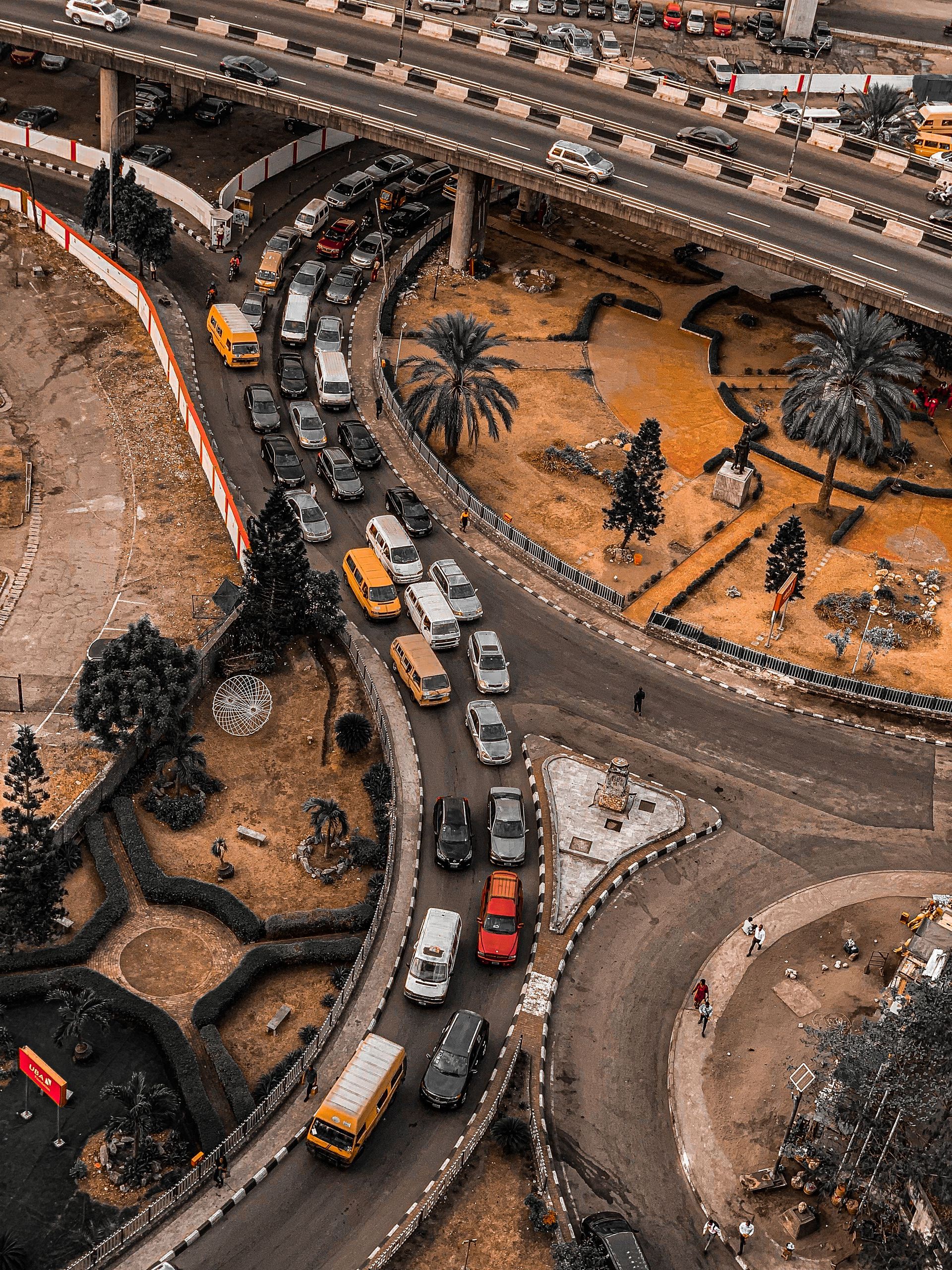
Lagos traffic has its own vocabulary. Locals call the jams "go-slow," and commutes of two to four hours each way are a routine fact of life for millions in the city. Entire informal economies operate inside the gridlock: hawkers move between stopped cars selling plantain chips, phone chargers, cold drinks, newspapers and almost anything else a captive customer might want.
Lagos is the most famous case, but Nairobi, Cairo, Kampala, Accra and Dar es Salaam all rank among the world's most congested cities in various commuter surveys. The causes are consistent: urban populations that doubled faster than roads could be built, car ownership rising with incomes and public transit systems still catching up.
Visitors should build traffic into every plan. A meeting across Lagos or Nairobi is a half-day commitment. Airport transfers that look like 30 minutes on a map can take two hours at peak times. Locals schedule around it instinctively, and smart travelers copy them, booking early-morning flights and avoiding cross-town movements at rush hour.
The responses to congestion are as notable as the congestion itself. Motorcycle taxis — boda bodas in Uganda and Kenya, okadas in Nigeria, zemidjans in Benin — thread through jams and have become a massive employment sector, now partly formalized by ride-hailing apps that dispatch motorcycles like cars. Addis Ababa opened sub-Saharan Africa's first light rail system in 2015. Lagos launched a city rail line in 2023 and runs bus rapid transit corridors. Cairo has an extensive metro, one of only a few full metro systems on the continent.
There is also a cultural texture to it. Nigerian drivers communicate in an elaborate language of horn taps. Matatu minibuses in Nairobi compete on sound systems and airbrushed art. The traffic is genuinely difficult — nobody romanticizes a three-hour go-slow — but it is also a window into the improvisational energy that keeps these cities moving despite everything.
16 / 25
African music is running global pop
Credit: Ben Iwara / Unsplash
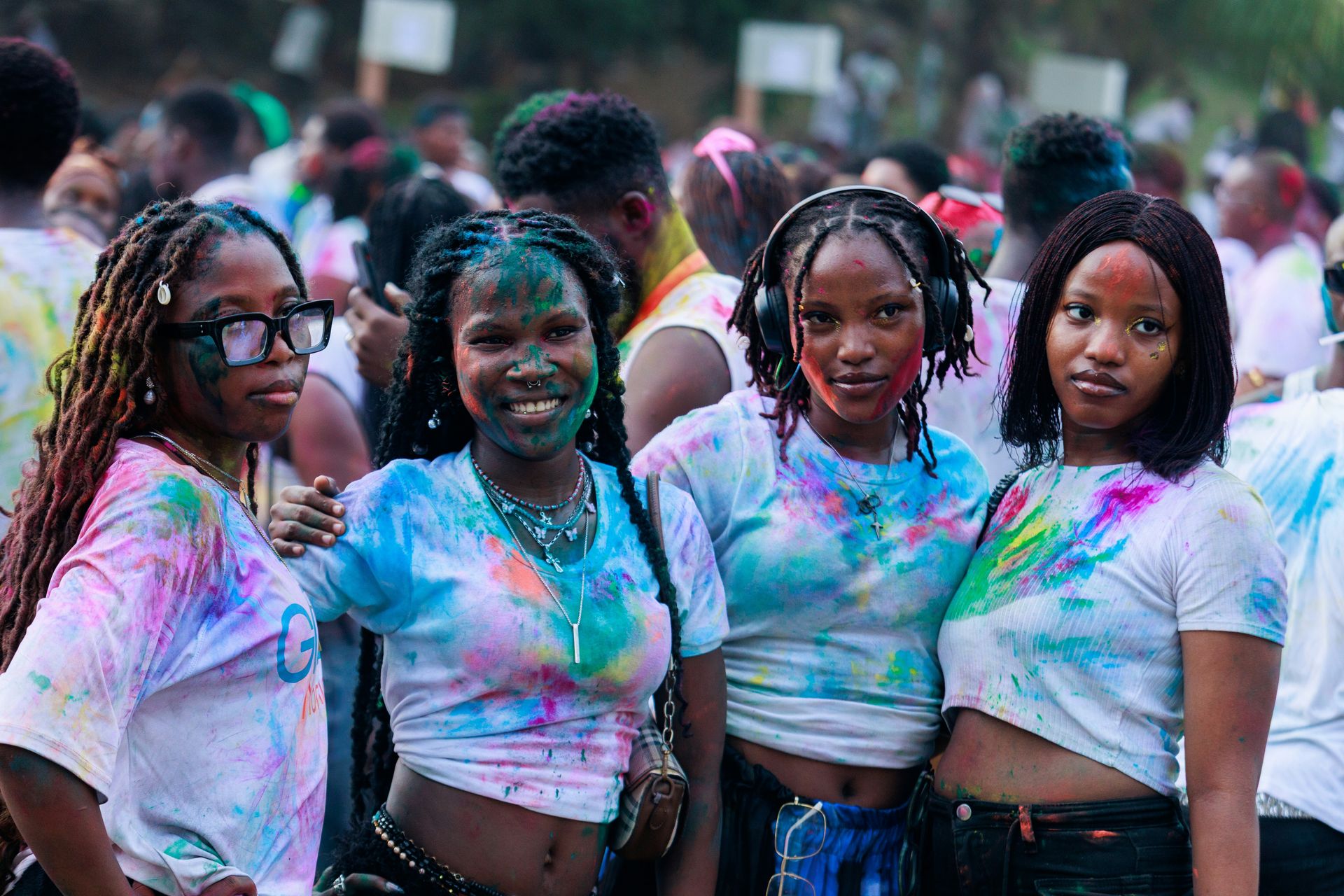
Visitors under 40 often arrive already knowing the soundtrack. Afrobeats — the umbrella term for contemporary West African pop, distinct from Fela Kuti's older Afrobeat — has spent the past decade conquering global charts. Nigerian artists Burna Boy, Wizkid, Davido, Tems and Rema, alongside Ghanaian stars, sell out arenas in London, New York and Paris. Burna Boy won the Grammy for Best Global Music Album in 2021, and Tems has won and been nominated across major categories through collaborations with Beyoncé, Drake and Future. Rema's "Calm Down" became one of the most-streamed songs in the world after its 2022 remix with Selena Gomez.
South Africa supplies the other dominant export: amapiano, a log-drum-driven house style that emerged from townships in the mid-2010s and now powers dance floors and short-video feeds worldwide. Tyla, a Johannesburg singer, won the first-ever Grammy for Best African Music Performance in 2024 with "Water," a global hit built on amapiano rhythms.
What surprises visitors is how much deeper it goes on the ground. Every region has thriving scenes largely unknown abroad: bongo flava in Tanzania, gqom in Durban, coupé-décalé in Côte d'Ivoire, Congolese rumba and ndombolo in Kinshasa — a city whose music has shaped the continent's dance floors for generations — plus gnawa in Morocco and Ethio-jazz in Addis Ababa, where Mulatu Astatke's legacy still fills clubs.
Live music is everywhere and inexpensive by Western standards. Lagos nightlife runs until dawn, especially in December, when the diaspora floods home for a season of concerts and parties known as Detty December. Nairobi, Accra, Kampala and Johannesburg have club scenes that visitors consistently rank among the best they have encountered anywhere.
The broader shift matters: for the first time in the streaming era, African artists reach global audiences directly, without Western gatekeepers repackaging the sound. Visitors are not discovering the music. They are catching up to it, at the source.
17 / 25
Nollywood is one of the biggest film industries on Earth
-1920x1280.jpg)
Credit: Ewan Munro / Wikimedia Commons ( CC BY-SA 2.0)
Nigeria's film industry, universally known as Nollywood, releases films at a pace few outsiders comprehend — commonly estimated at well over 1,000 productions a year and often cited among the top two or three film industries in the world by volume, alongside India's. By sheer output, it dwarfs Hollywood's annual feature count. Most first-time visitors have never seen a single Nollywood film, then land in a country where its stars are inescapable: on billboards, phone screens, barbershop TVs and the covers of gossip media.
The industry's origin story is pure improvisation. Nollywood grew in the early 1990s out of direct-to-video production, with 1992's "Living in Bondage" often credited as the breakthrough. Filmmakers shot fast and cheap on video, sold cassettes and later DVDs through market traders and built a distribution network that bypassed cinemas entirely. The result was an industry financed by its own audience, telling Nigerian stories in Nigerian settings — family sagas, romance, comedy, crime, the supernatural — with no need for foreign approval.
Streaming has transformed the economics. Netflix $NFLX and Amazon $AMZN Prime Video have invested in Nigerian originals and licensing, budgets have risen and a polished tier of filmmaking — sometimes called New Nollywood — now produces glossy features like "The Wedding Party" franchise and prestige projects that travel to international festivals. Cinema chains have returned to Nigerian cities, and December releases battle for holiday box office records.
The reach extends across the continent and the diaspora. Nollywood films and their stars are household presences in Ghana, Kenya, South Africa and among African communities in London, Houston and Toronto. Kenya, South Africa and Ghana have growing industries of their own, and South African series and films regularly appear on global streaming platforms.
For visitors, it reframes the media landscape. Africa is not simply a consumer of foreign entertainment. Its largest country runs one of the world's most prolific story machines, and has for 30 years.
18 / 25
Style is a serious business
Credit: Max Brown / Unsplash
Visitors routinely report feeling underdressed. Across much of the continent, personal presentation carries weight, and the effort people put into clothing — for church, for work, for a Sunday outing, for no particular reason — makes the average tourist's travel wardrobe look like pajamas.
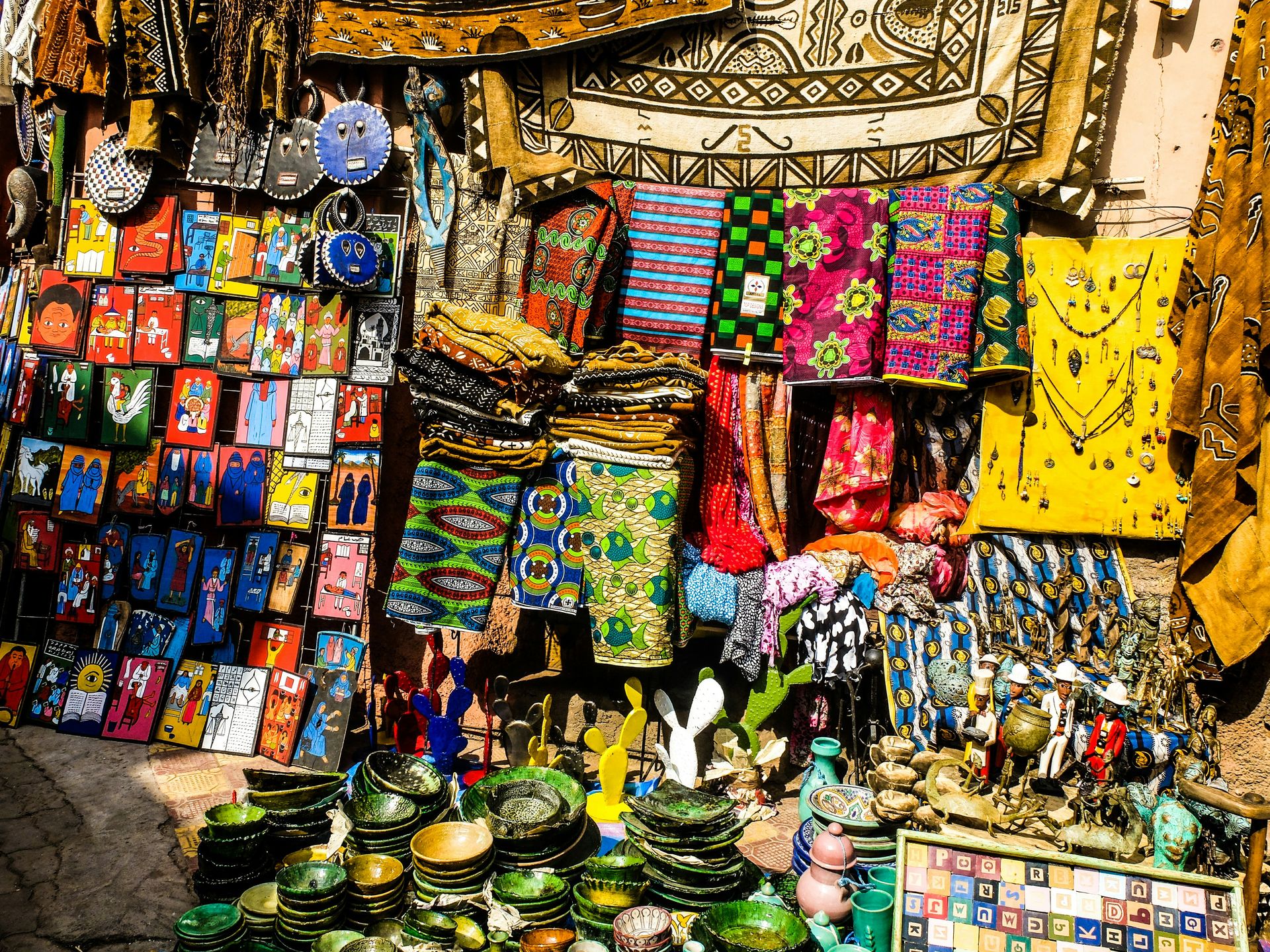
Tailoring culture is the engine. In West Africa especially, buying fabric and having clothes made to measure is ordinary, not a luxury. Markets sell vivid wax-print cloth — often called ankara in Nigeria — along with woven kente in Ghana, hand-dyed indigo and damask bazin in Mali and Senegal, and embroidered boubous across the Sahel. A customer picks the fabric, brings it to a neighborhood tailor and collects a fitted garment days later for a fraction of what visitors pay for off-the-rack clothing at home.
Certain textiles carry deep meaning. Kente, historically woven for Asante royalty in Ghana, encodes messages in its patterns and colors. In southern Africa, Basotho blankets in Lesotho and the beadwork traditions of Zulu, Maasai and Samburu communities signal identity, status and life stage. These are living systems, worn and updated, not museum pieces.
Contemporary African fashion has gone global on its own terms. Designers from Lagos, Accra, Dakar, Johannesburg and Nairobi show at international fashion weeks, and Lagos Fashion Week has become a fixture on the industry calendar. South African and Nigerian streetwear brands collaborate with global labels, and stylists for international stars regularly source from African designers.
Thrift culture thrives alongside the tailors. Enormous secondhand markets — Kantamanto in Accra is among the largest in the world — process bales of used clothing from Europe and the U.S., and young stylists remix the stock into looks that end up back on Western trend feeds. The trade is controversial for its waste burden, and Ghanaian activists have pushed exporters to take responsibility.
The takeaway for travelers: pack at least one sharp outfit. Occasions will arise, and effort is noticed, appreciated and reciprocated.
19 / 25
Religious life is public, central and diverse
Credit: finix photographer / Pexels
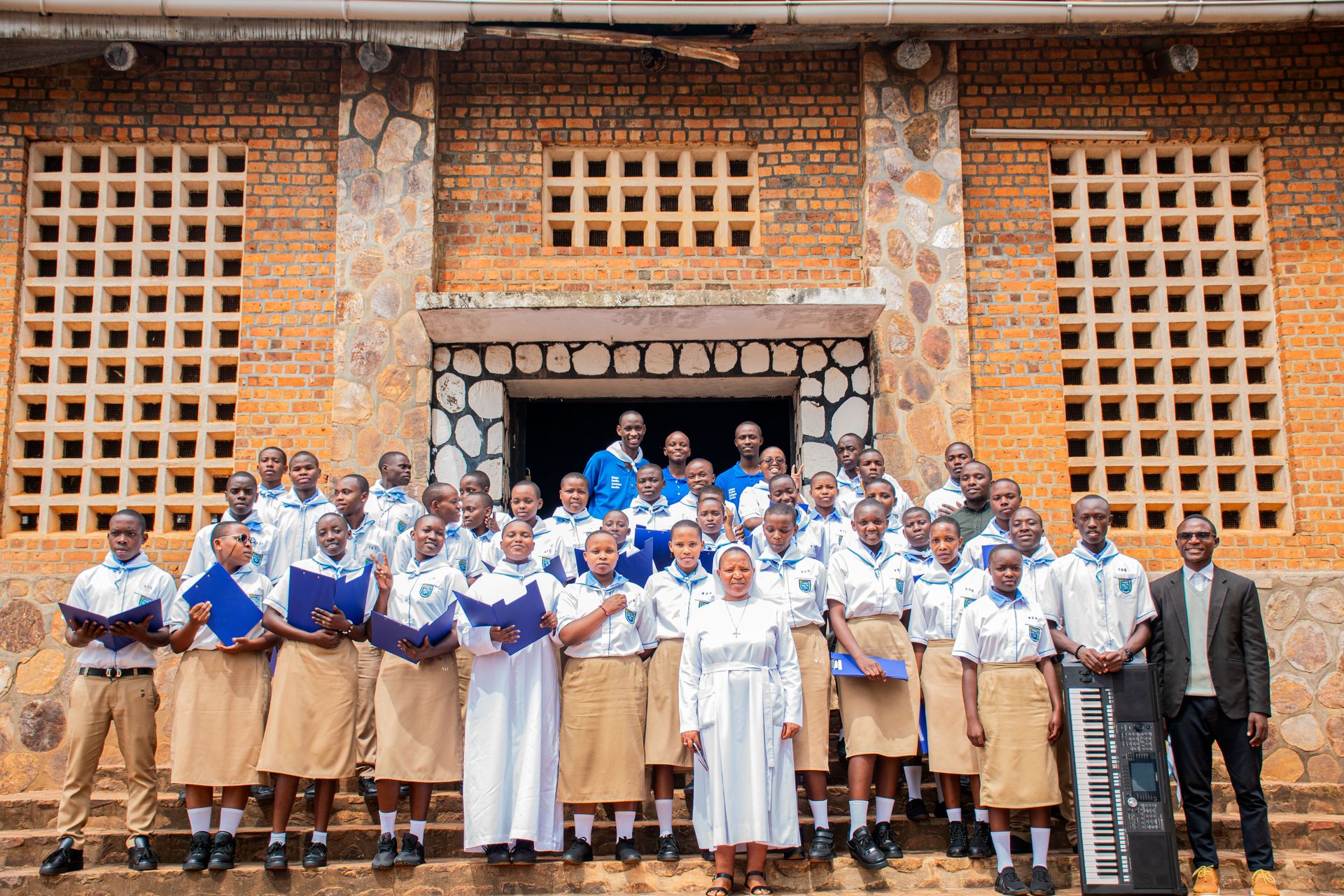
Faith is woven into daily life across the continent in ways that catch secular visitors off guard. Africa is home to hundreds of millions of Christians and hundreds of millions of Muslims, making it central to the future of both religions; demographers project that by mid-century a large share of the world's Christians will live in sub-Saharan Africa.
The visibility is the first thing travelers notice. In Nigeria and Ghana, businesses carry names like God's Grace Motors and Blood of Jesus Hair Salon. Sunday services can run three or four hours, with music, dancing and congregations in their finest clothing filling churches from village chapels to Lagos megachurches that seat tens of thousands. In Muslim regions, the call to prayer structures the day, Friday afternoons slow for congregational prayers and Ramadan reshapes daily rhythms for a month, with cities coming alive after sunset for the breaking of the fast.
The geography is broadly, though not neatly, split. North Africa and the Sahel are predominantly Muslim, southern and central Africa predominantly Christian, with countries like Nigeria, Ethiopia, Tanzania and Côte d'Ivoire containing enormous populations of both. Ethiopia's Orthodox Church dates to the fourth century, making Christianity older there than in most of Europe. The Swahili coast has been Muslim for roughly a millennium through Indian Ocean trade.
Traditional African religions persist as well, both independently and blended into Christian and Muslim practice. Yoruba spiritual traditions from Nigeria, carried across the Atlantic by enslaved people, underpin practices from Brazilian Candomblé to Cuban Santería, a reminder that African religion shaped the wider world too.
For visitors, the practical notes are simple. Dress modestly at religious sites and in conservative regions. Expect questions about your own faith, asked with genuine curiosity rather than judgment; "none" can be a conversation-starting answer rather than a conversation-ending one. And accept that invitations to attend a service or a celebration are hospitality of the highest order.
20 / 25
Markets run on relationships, not price tags
Credit: iggii / Unsplash
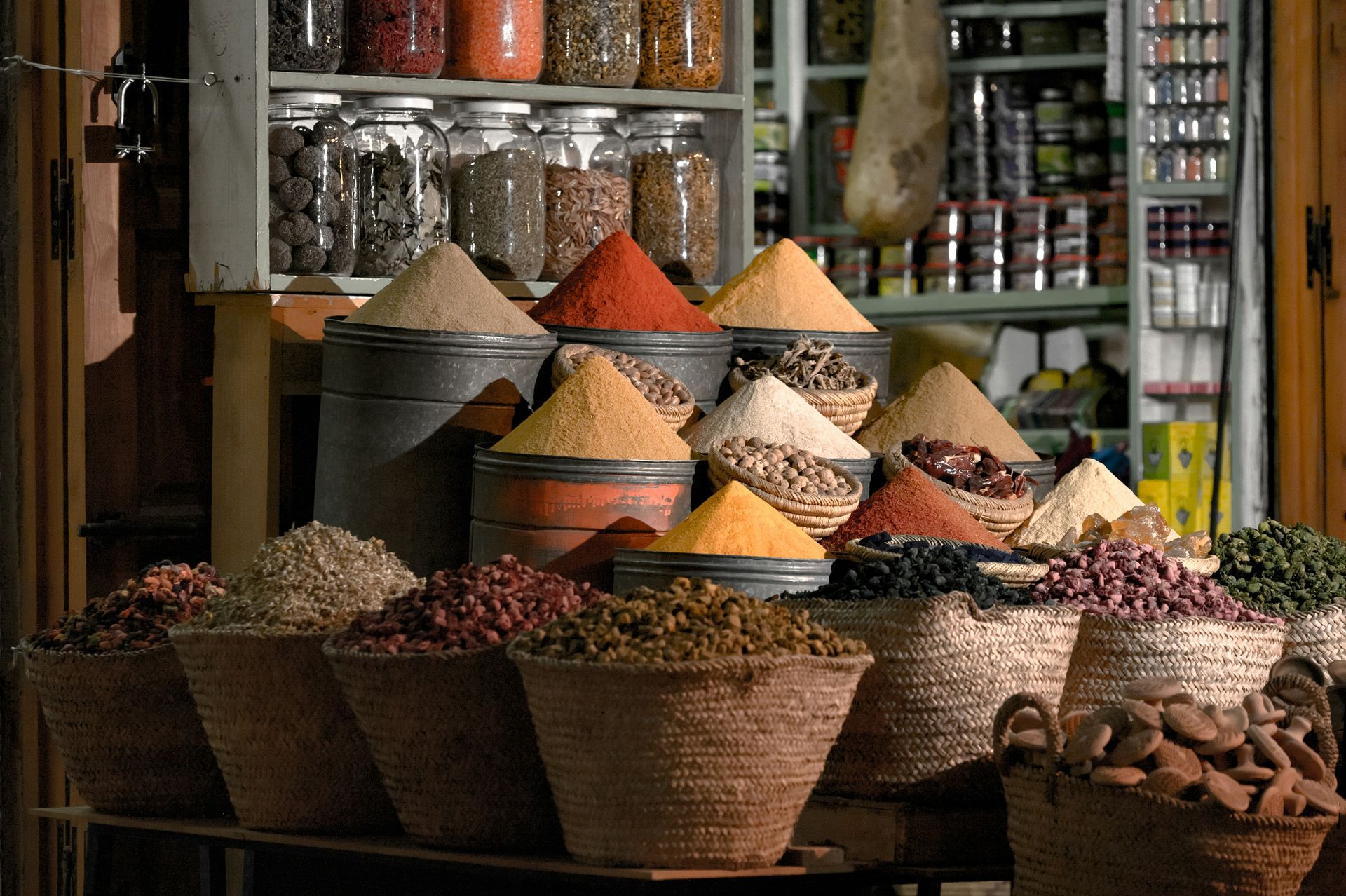
Walk into a market in Marrakech, Lagos, Nairobi or Dakar and the absence of price tags is the point. Prices are discovered through conversation, and bargaining is a social skill locals develop from childhood. Visitors who treat it as confrontation get it wrong twice: they either overpay out of discomfort or sour the exchange by treating it as combat.
The rhythm is fairly consistent across the continent. The seller opens high, especially for an obvious visitor. The buyer counters low but not insultingly so. The exchange proceeds through offers, mock outrage, jokes and appeals, often over several minutes, sometimes over tea in North African souks. Settling somewhere in the middle leaves both sides satisfied. Walking away is a legitimate move and often produces a better price before you reach the next stall.
A few norms keep it friendly. Only begin bargaining if genuinely interested; negotiating a price and then declining to buy is poor form. Keep it light — humor is currency, and sellers respect a buyer who plays the game well. Know the rough value beforehand by asking at a hotel or checking a fixed-price shop. And keep perspective: grinding a market trader down over the equivalent of 50 cents is a bad look for a visitor who spent more on airport coffee.
Not everything is negotiable. Supermarkets, malls, restaurants and formal shops across the continent use fixed prices exactly as they do anywhere else, and attempting to haggle at a Nairobi supermarket checkout would be as odd as doing it at a London one. Food staples in local markets often have known, stable prices that residents pay without discussion.
The deeper point is what markets are. They are not just retail; they are social institutions, information exchanges and, in cities like Onitsha, Kumasi and Addis Ababa's Merkato — one of the largest open-air markets in Africa — economic engines of regional scale. Bargaining well is simply learning their language.
21 / 25
The beaches rival any in the world
Credit: Alessandro Russo / Unsplash
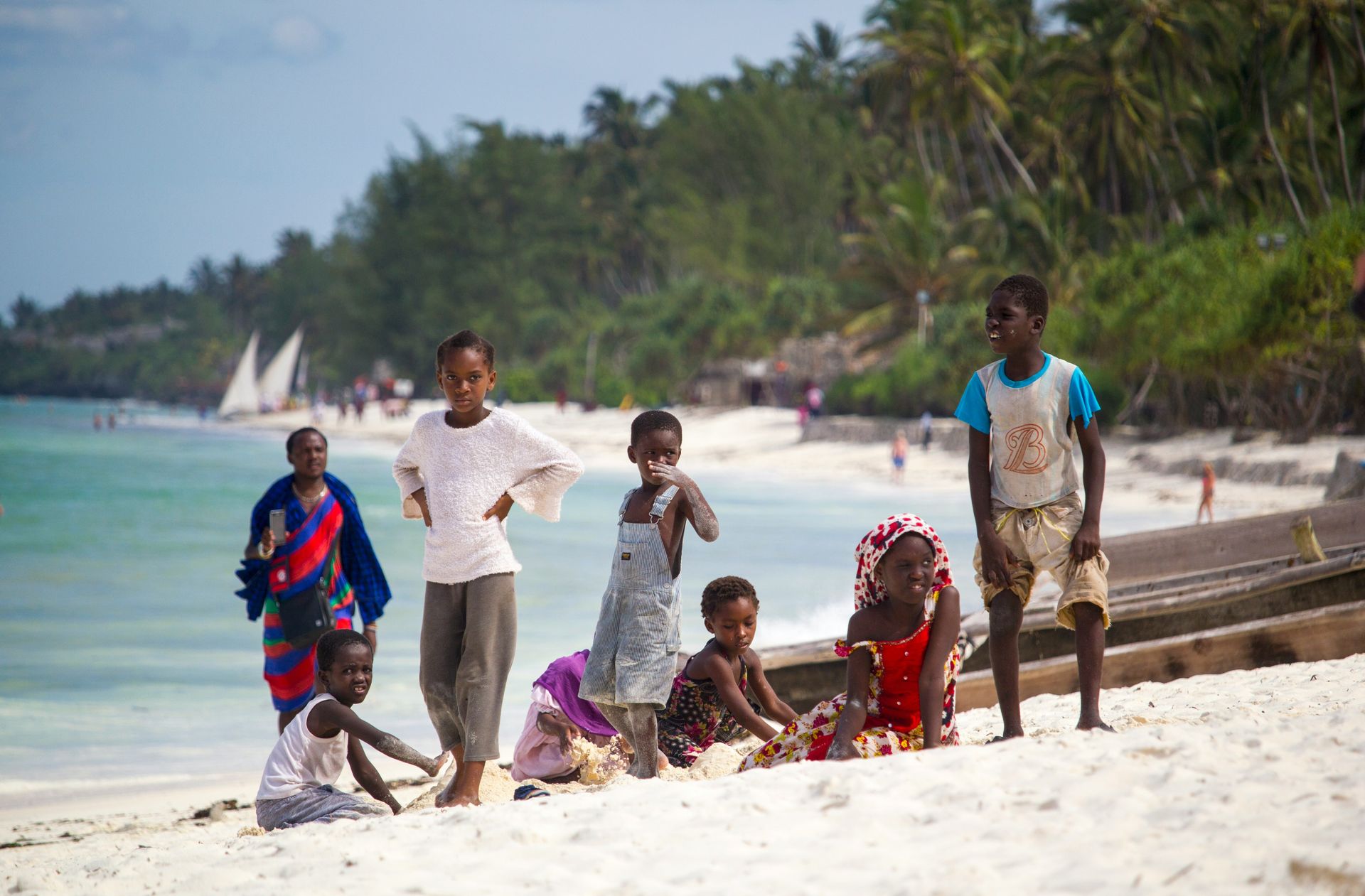
Safari dominates the brochures, but the continent's coastline and islands belong in any global conversation about beaches. Africa's Indian Ocean edge in particular — white coral sand, warm turquoise water, dhow sails on the horizon — matches the Maldives and the Caribbean at often lower prices.
Zanzibar is the headline act. The Tanzanian archipelago pairs beaches like Nungwi and Paje with Stone Town, a UNESCO World Heritage Site whose carved doors and winding alleys record centuries of Swahili, Arab, Persian and Indian trade. Kenya's Diani Beach, south of Mombasa, delivers a similar formula. Mozambique's Bazaruto and Quirimbas archipelagos offer some of the least crowded tropical islands anywhere.
The island nations push further. Seychelles' granite-boulder beaches, including Anse Source d'Argent on La Digue, are among the most photographed on Earth. Mauritius layers beaches over a distinct Creole culture and mountain hikes. Cape Verde, off West Africa, mixes Atlantic beaches with morna music and Portuguese-African heritage. Madagascar adds beaches to a wildlife catalog — lemurs, baobabs, chameleons — found nowhere else, since most of its species are endemic.
The mainland Atlantic and Mediterranean coasts hold their own. Ghana and Senegal have surf scenes and beach towns with strong music cultures. Morocco's Taghazout is an established surf destination. Egypt's Red Sea coast, at Sharm El Sheikh, Hurghada and Dahab, offers some of the finest and most accessible scuba diving in the world, with coral walls minutes from shore.
South Africa rounds out the picture with Cape Town's beaches beneath the Twelve Apostles mountains, penguin colonies at Boulders Beach and whale watching at Hermanus, where southern right whales come close to shore between roughly June and November.
The practical point for trip planners: safari-plus-beach is a classic combination for good reason. Kenya or Tanzania followed by the coast, or Kruger followed by Mozambique, turns one long flight into two vacations.
22 / 25
The landscapes go far beyond savanna
Credit: Ed Wingate / Unsplash
The default mental image — flat golden grassland with a lone acacia tree — describes one biome among many. The continent's geography spans nearly every landscape category on Earth, and several of the extremes surprise even well-traveled visitors.
Start with rainforest. The Congo Basin holds the world's second-largest tropical rainforest after the Amazon $AMZN, spreading across the DRC, Republic of Congo, Cameroon, Gabon and neighboring states. It shelters forest elephants, gorillas, bonobos — found only in the DRC — and okapi, and it functions as one of the planet's most important carbon sinks.
Then mountains and ice. Kilimanjaro, at 5,895 meters, is the world's tallest freestanding mountain and carries glaciers at the equator, though they have retreated dramatically over the past century. Mount Kenya and the Rwenzori "Mountains of the Moon" on the Uganda-DRC border also hold equatorial ice. The Ethiopian Highlands, often called the Roof of Africa, sustain landscapes above 4,000 meters where gelada monkeys graze on alpine grass. The Atlas range runs snow-capped across Morocco.
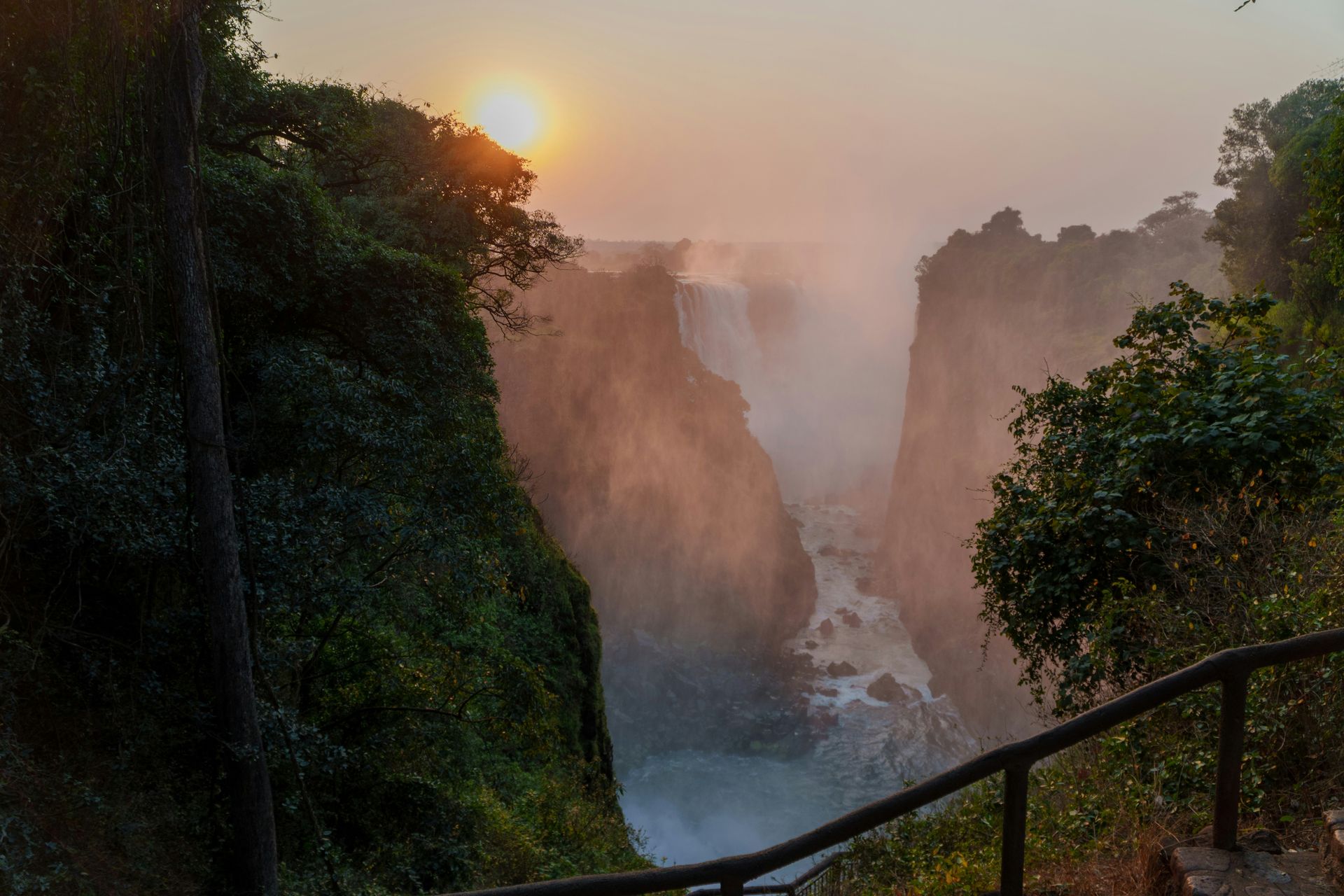
Water features rank among the world's greatest. Victoria Falls, on the Zambia-Zimbabwe border, forms one of the largest sheets of falling water on Earth. Lake Victoria is Africa's largest lake by area, and Lake Tanganyika is among the deepest and oldest lakes in the world. Botswana's Okavango Delta is a vast inland delta where a river empties into the Kalahari sands instead of the sea, creating a seasonal wetland teeming with wildlife.
The deserts themselves defy the stereotype of empty sand. The Namib's dunes at Sossusvlei rise hundreds of meters over white clay pans studded with ancient dead trees. Ethiopia's Danakil Depression combines salt flats, acid springs in unearthly greens and yellows and one of the world's few permanent lava lakes at Erta Ale, in one of the hottest inhabited places on the planet.
One continent, nearly every landscape. Choosing is the hard part.
23 / 25
The history runs deeper than most schoolbooks admit
Credit: Ludo Van den Nouweland / Pexels
Many visitors arrive knowing ancient Egypt and almost nothing else, because that is where most Western curricula stop. The continent's recorded history is vastly richer, and the physical evidence is visitable.
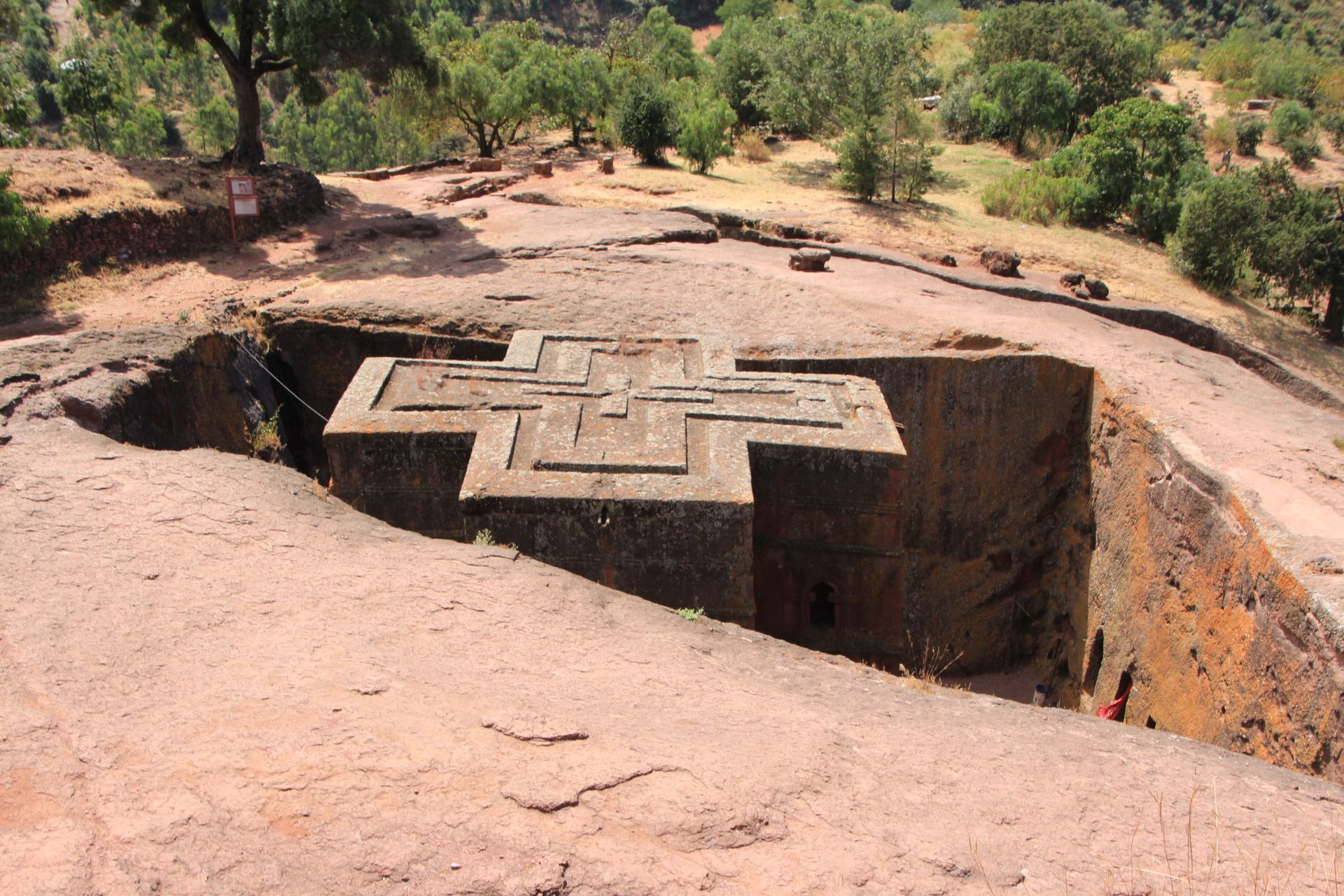
Start in Ethiopia. The Kingdom of Aksum, flourishing from roughly the first to the seventh centuries CE, minted its own coins, erected giant carved stone obelisks that still stand and adopted Christianity in the fourth century. Lalibela's 11 medieval churches were hewn downward into solid volcanic rock around the 12th and 13th centuries and remain active places of worship.
In West Africa, the empires of Ghana, Mali and Songhai controlled trans-Saharan trade in gold and salt for centuries. Mali's 14th-century ruler Mansa Musa is frequently described as among the wealthiest individuals in recorded history; his pilgrimage to Mecca in 1324 distributed so much gold that accounts describe deflated gold prices in Egypt afterward. Timbuktu housed a celebrated center of Islamic scholarship around the Sankoré mosque, and hundreds of thousands of historic manuscripts covering law, astronomy, medicine and mathematics survive from the region's golden age.
In southern Africa, Great Zimbabwe's massive dry-stone walls — built without mortar between roughly the 11th and 15th centuries — anchored a trading state connected to the Swahili coast and, through it, to China and India. Colonial-era officials spent decades attributing the ruins to anyone but Africans; archaeology settled the question long ago. The modern nation of Zimbabwe took its name from the site.
The Kingdom of Benin, in present-day Nigeria, produced the Benin Bronzes, cast-metal artworks of such sophistication that their 1897 looting by British forces — and the ongoing campaign for their return from Western museums — remains one of the art world's defining restitution debates.
Add the Swahili city-states, Sudan's Nubian pyramids at Meroë, which outnumber Egypt's, and Morocco's imperial cities, and the pattern is clear: the visitor is walking through one of the deepest historical landscapes on Earth.
24 / 25
South Africa's wine country is world class
Credit: Ben / Unsplash
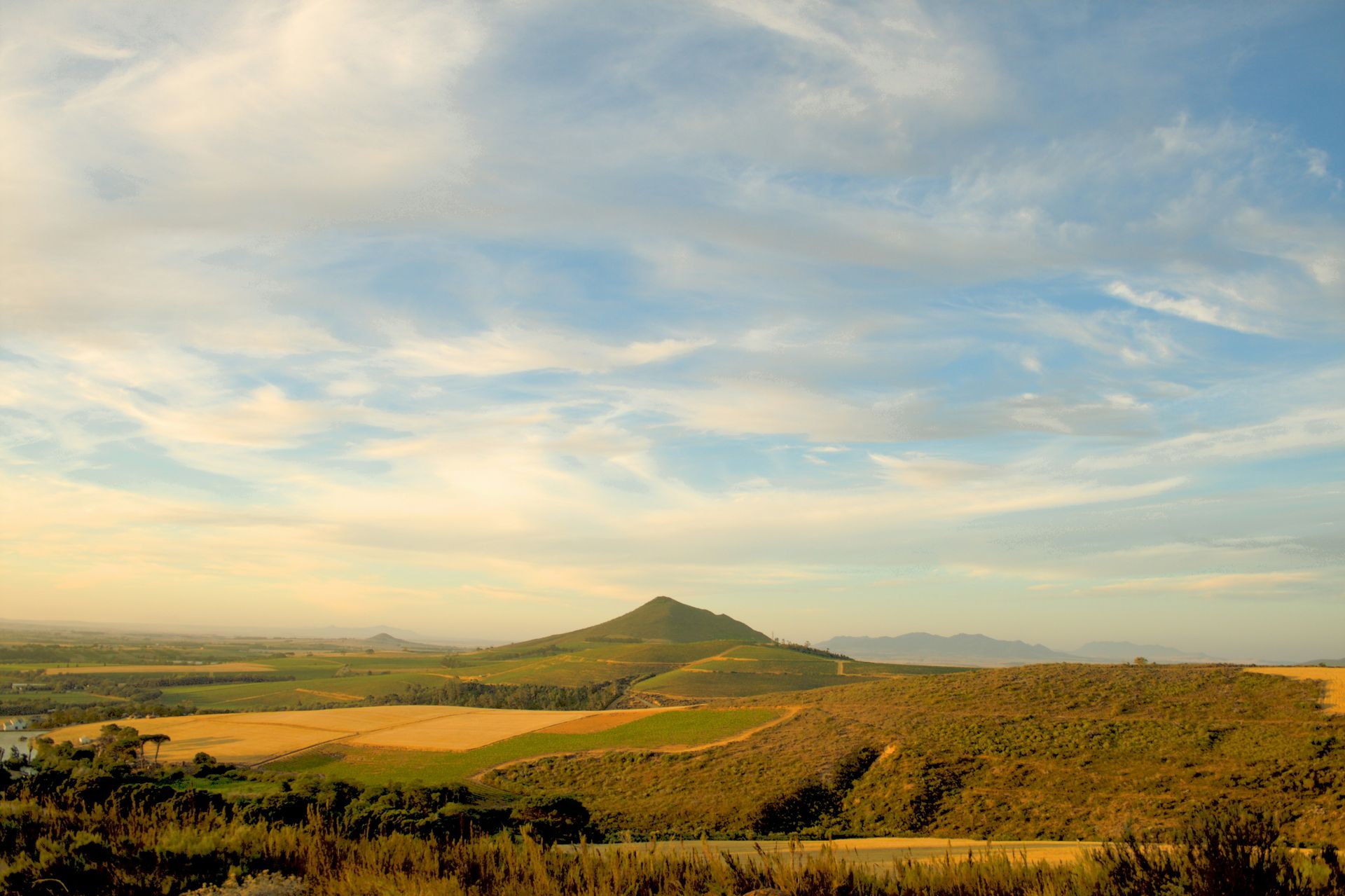
Few first-time visitors associate Africa with fine wine, then find themselves in Stellenbosch tasting estate-grown vintages beneath 300-year-old Cape Dutch gables. South Africa's wine industry dates to 1659, when the first wine was pressed at the Dutch settlement at the Cape — making it older than the commercial wine industries of Australia, New Zealand or California.
The Cape Winelands, less than an hour from Cape Town, center on the towns of Stellenbosch, Franschhoek and Paarl. Franschhoek, meaning "French corner" in Afrikaans, was settled by Huguenot refugees in the late 17th century, and their wine-making legacy survives in estate names and a food scene dense with acclaimed restaurants. The setting is part of the draw: vineyards climb against jagged granite mountains, and many estates pair tastings with serious kitchens, art collections and gardens.
South Africa's signature grape is pinotage, a cross between pinot noir and cinsaut created at Stellenbosch University in 1925 and grown almost nowhere else at scale. The country's chenin blanc plantings are among the largest in the world, and its sparkling wines made in the traditional method, labeled Cap Classique, compete credibly with Champagne at a fraction of the price. Constantia, on Cape Town's own peninsula, produced sweet wines that were prized in the courts of 18th- and 19th-century Europe; Napoleon famously had Constantia wine supplied to him in exile on St. Helena.
The industry has reckoned, incompletely, with a difficult labor history rooted in colonialism and apartheid, and Black-owned wineries and winemakers remain underrepresented, though their numbers are growing and several have won international recognition.
Wine is not confined to South Africa. Morocco, Tunisia and Algeria have wine traditions dating to antiquity, and vineyards operate in unexpected places, including Ethiopia's Rift Valley. But the Cape is the heavyweight, and a winelands day trip converts skeptics one glass at a time.
25 / 25
A safari is a serious investment, and priced accordingly
Credit: Ultimate Safaris Namibia / Unsplash
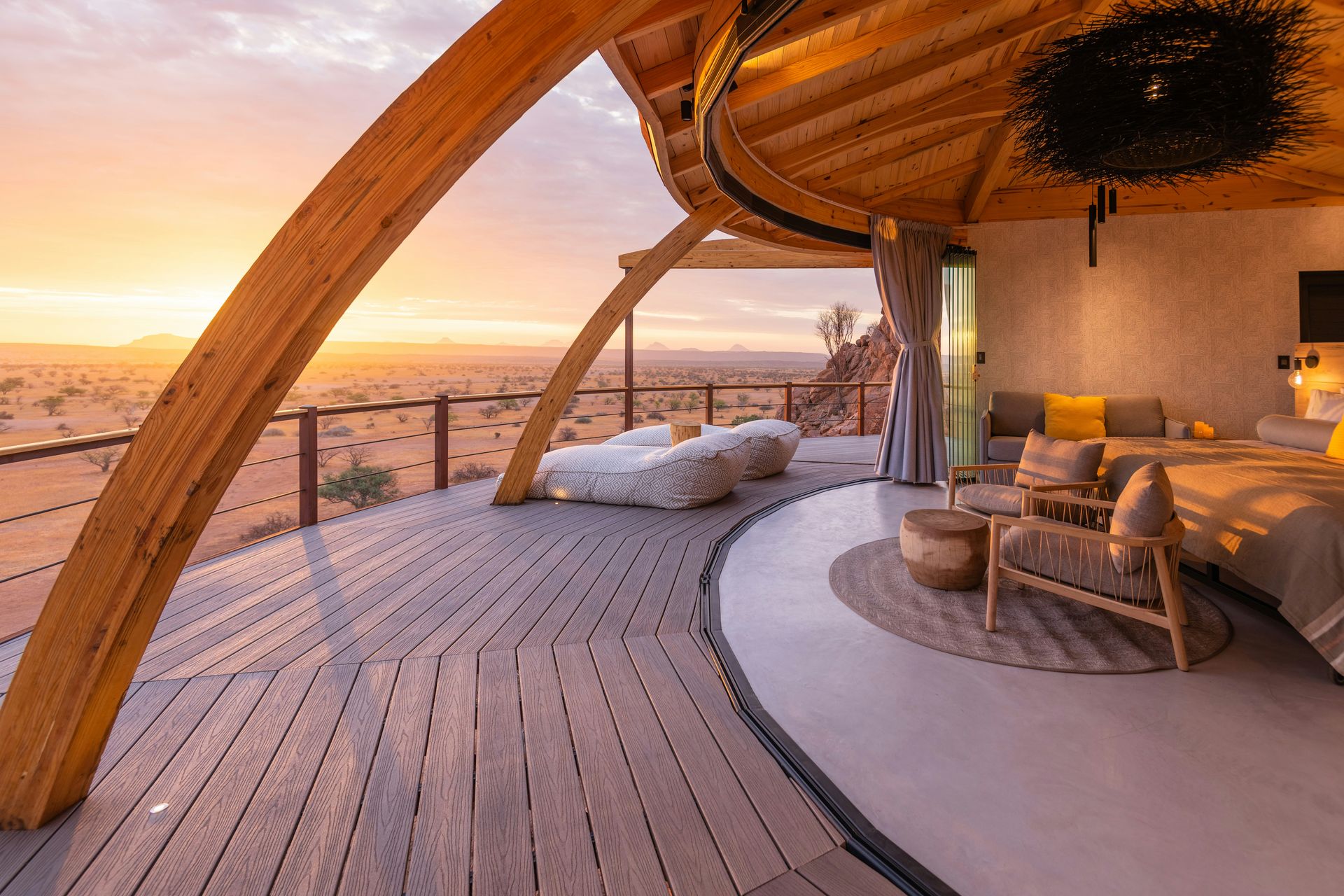
Visitors imagining safaris as a budget backpacker activity meet a different reality: a quality safari is one of travel's more expensive experiences, and the pricing is largely by design.
The numbers vary enormously by country and style. At the accessible end, self-driving South Africa's Kruger National Park in a rental car, staying in national park rest camps, can be done for costs comparable to a U.S. national park road trip. Mid-range group safaris in Kenya or Tanzania commonly run several hundred dollars per person per day once park fees, vehicles, guides and lodging are counted. At the top, private conservancies and luxury camps in Botswana's Okavango Delta or the Serengeti can exceed $1,000 to $2,000 per person per night. Rwanda's gorilla trekking permits cost $1,500 per person for a single hour with a gorilla family, a price set deliberately high to fund conservation and limit human pressure on the animals.
Understanding where the money goes softens the sticker shock. Park and conservancy fees fund ranger salaries, anti-poaching patrols and habitat management. In community conservancies, particularly in Kenya and Namibia — whose communal conservancy program is considered a global model — a share flows to local communities, giving residents direct economic reasons to protect wildlife rather than compete with it. Remote camps must fly in supplies, generate their own power and employ large staffs relative to guest numbers.
There are legitimate ways to spend less. Traveling in shoulder season cuts rates substantially. Uganda offers gorilla permits at lower prices than Rwanda. Group departures beat private ones, and national park lodging beats private concessions.
What visitors should not do is chase rock-bottom operators, where cost-cutting shows up in vehicle safety, guide quality and ethics around wildlife. The safari industry's core lesson is that conservation is being financed by tourism, and the price of the ticket is part of what keeps the animals there.
