The distances, the wildlife, the light, the cost of things — Australia consistently surprises travelers who thought they knew what to expect, and almost always in the same ways
Nishess Shakya / Pexels
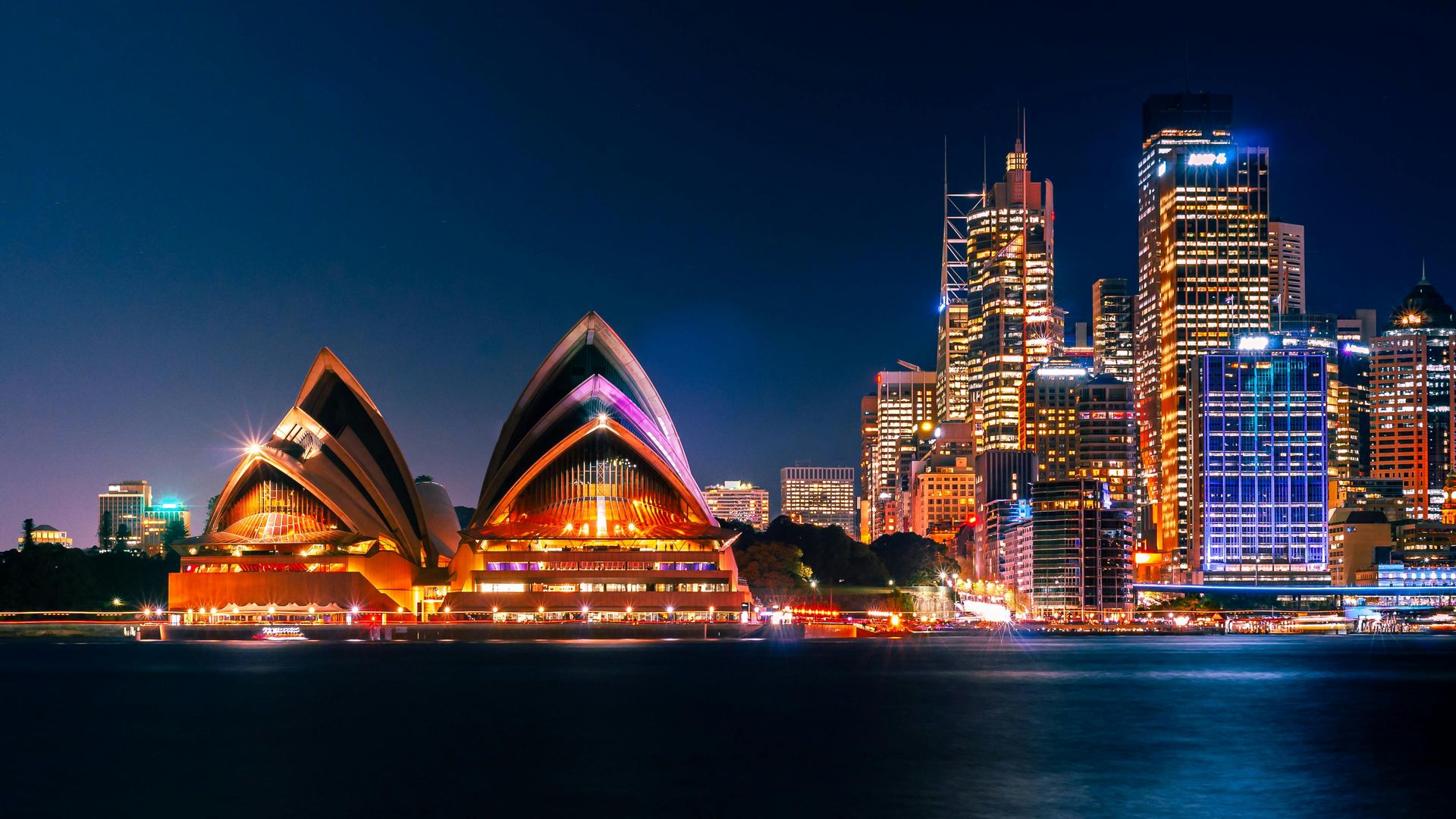
Australia occupies a strange position in the global travel imagination. It is an English-speaking country with familiar institutions — a parliamentary democracy, a common law system, a coffee culture, a pub culture, a passion for sport — and that familiarity creates a specific kind of false confidence in first-time visitors from Britain, North America, and other English-speaking countries. They arrive expecting somewhere broadly recognizable, and Australia is recognizable, up to a point. Then it is very much itself.
The surprises tend to cluster around a few categories. Scale is one: Australia is roughly the size of the contiguous United States but has a population of 26 million, and the implications of that ratio — for the distances between cities, for the emptiness of the interior, for the time required to travel anywhere — are not intuitive until you are standing in a Sydney car rental queue realizing that Brisbane is a ten-hour drive away and that the direct flight is the correct choice. Cost is another: Australia has a high minimum wage and a high cost of living, and travelers who arrive expecting a destination comparable in price to Southeast Asia or southern Europe leave having spent considerably more than they budgeted. The wildlife is a third — not dangerous in the way that popular culture suggests, but more present, more varied, and more genuinely strange than any amount of prior reading quite prepares you for.
Then there are the surprises that are harder to categorize: the quality of the food and wine, which many visitors do not expect; the specificity of the regional cultures, which most visitors do not anticipate; the Indigenous cultural presence, which most visitors do not understand before arriving; and the particular character of Australian social interaction — laconic, egalitarian, allergic to pretension — that takes a few days to read correctly.
This list covers 15 of the things that most consistently catch first-time visitors off guard. They are not obscure or esoteric — most of them are simply aspects of Australian life that are difficult to convey in advance and that click into place only on arrival. Several of them will also be recognizable to Australians as things they take for granted and forget that visitors find surprising, which is its own kind of compliment to a country that has thoroughly normalized the genuinely unusual.
Lara Jameson / Pexels
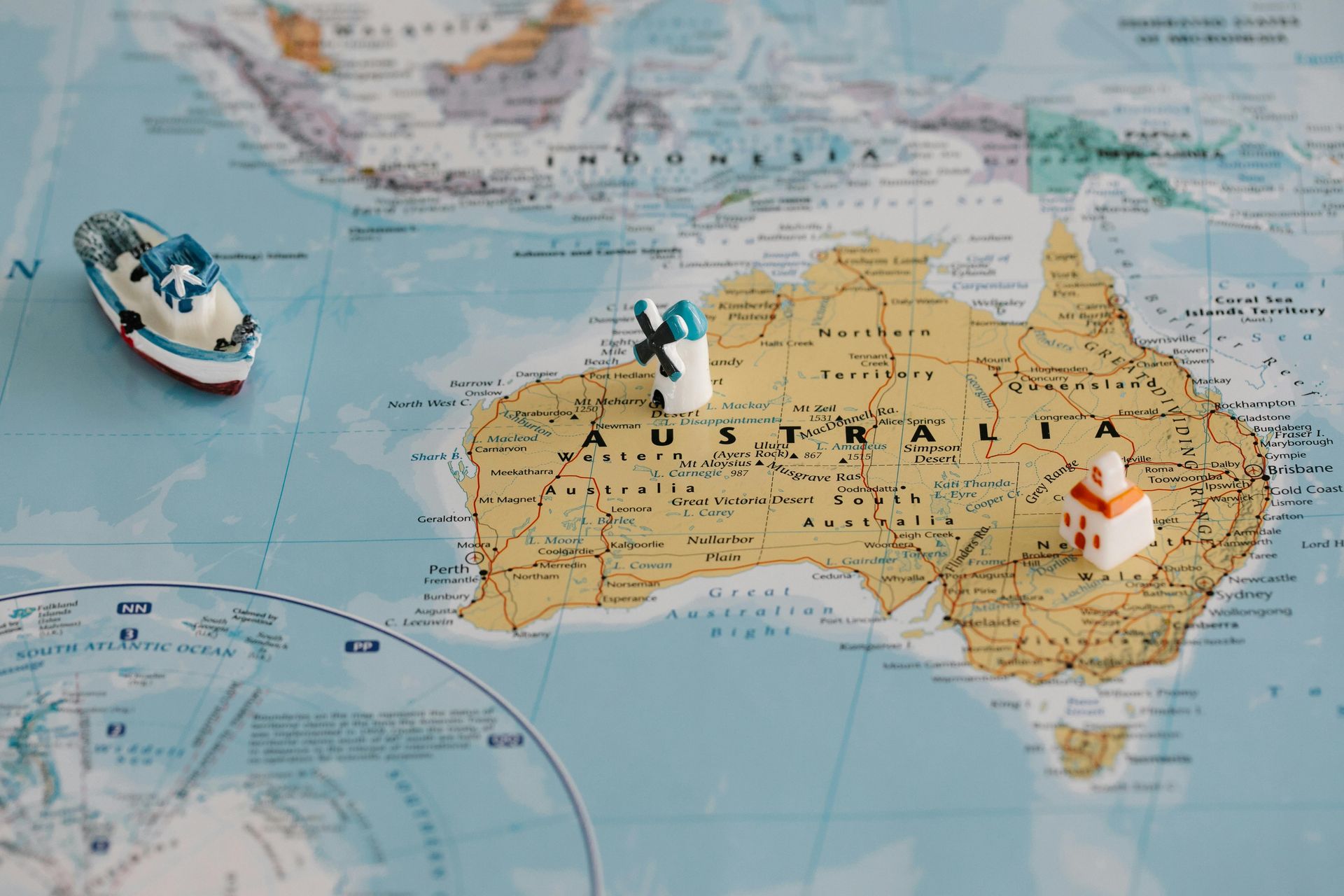
The single thing that most surprises first-time visitors to Australia — particularly those from Europe and the eastern United States — is the sheer size of the country relative to the number of people in it and the implications that ratio has for travel logistics. Australia covers approximately 7.7 million square kilometers, making it the sixth largest country in the world by land area. Its population of 26 million is clustered almost entirely around the coastal rim, leaving a continental interior larger than Western Europe that is essentially empty.
The practical consequence is that the distances between Australia's major cities are enormous by the standards of most international travelers. Sydney to Melbourne is 880 kilometers — a drive of roughly nine hours, or a one-hour flight. Sydney to Perth is 4,000 kilometers — a five-hour flight, crossing two time zones, covering a distance approximately equivalent to flying from London to Tehran. Sydney to Cairns, the gateway to the Great Barrier Reef, is 2,400 kilometers — a three-hour flight or a two-day drive through terrain that changes dramatically along the way.
Visitors who arrive with an itinerary that treats Australia as a country you can road-trip comprehensively in two weeks — the way you might approach France or Germany — consistently underestimate the travel time involved. A two-week trip to Australia that includes Sydney, the Reef, Uluru, and Melbourne will spend a significant proportion of its hours in airports and on planes, and the itinerary will feel rushed rather than thorough.
The interior deserves specific mention. The Outback — the vast arid and semi-arid interior — is not simply empty in the way that a sea is empty. It is a landscape of specific character, specific light, and specific conditions that requires preparation and time to experience properly. First-time visitors who have driven on sealed roads in the Outback and watched the red earth extend to the horizon in every direction report a specific quality of spatial experience — a physical encounter with emptiness — that has no equivalent elsewhere.
Macourt Media / Pexels
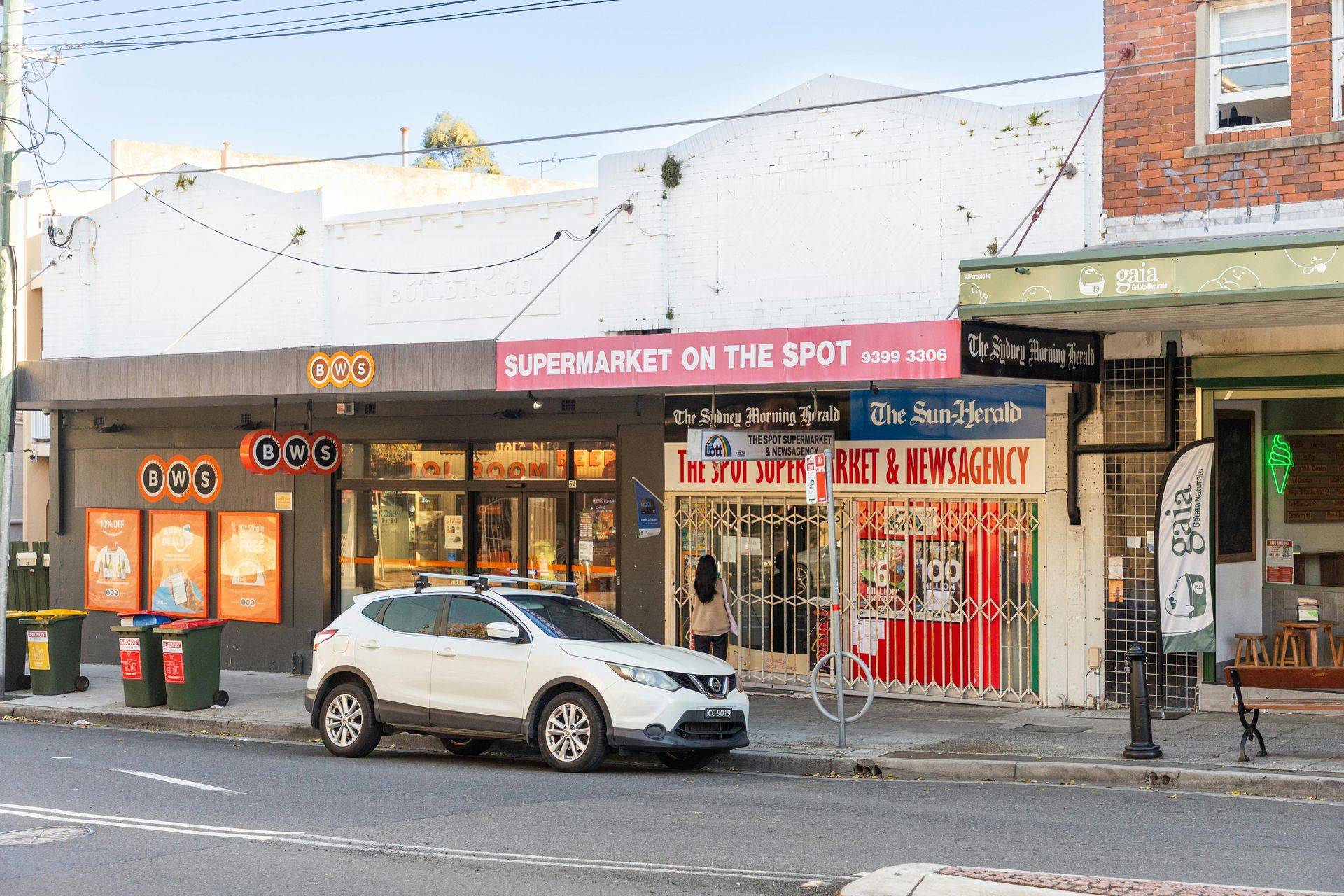
Australia consistently ranks among the most expensive countries in the world for international travelers, and the gap between expectation and reality is largest for visitors who have budgeted on the basis of other long-haul destinations. The median Australian wage is high — Australia has one of the highest minimum wages in the world, currently above AUD $23 per hour — and the cost of services reflects that. A basic cafe breakfast in Sydney costs what a restaurant meal costs in much of Europe. A taxi ride is expensive. A round of drinks at a pub requires committing to a budget that the British equivalent does not.
The reasons are structural rather than accidental. The high minimum wage means that labor costs are built into the price of every service. The import costs for goods that cannot be produced domestically add to prices across many categories. The relatively small domestic market means that some economies of scale available in larger countries are not available in Australia. And the cost of housing in Sydney and Melbourne — two of the world's most expensive cities by property values — flows through into the cost of commercial premises and therefore into the prices at every business operating in them.
Food markets and grocery shopping are the areas where visitors most often find relief. Australian supermarkets — Woolworths and Coles, which together dominate the grocery market — sell fresh produce, particularly fruit and vegetables, at prices that reflect the agricultural productivity of the country. Buying picnic supplies and eating outdoors in one of Australia's extraordinary coastal parks costs considerably less than eating in restaurants, and the quality of the raw ingredients — particularly seafood, stone fruit, and tropical fruit in the north — is high enough that the trade-off is not a compromise.
Wine is the specific exception to the general expense. Australia produces excellent wine at prices that reflect the scale and efficiency of its wine industry, and a bottle of genuinely good Australian wine — from the Barossa Valley, Clare Valley, Margaret River, or the Yarra Valley — costs less at an Australian bottle shop than the equivalent quality from France or Italy would cost in Europe.
Paul / Pexels
The wildlife reputation precedes Australia in ways that do not always serve it accurately. The country is home to more venomous snake species than any other country, more venomous spider species than most, sharks in coastal waters, crocodiles in northern rivers and estuaries, box jellyfish and Irukandji jellyfish in northern tropical waters, and the blue-ringed octopus in coastal rock pools across the country. The list of things in Australia that can kill you is genuinely long, and it attracts international media attention that amplifies the danger significantly beyond its actual frequency.
The reality of wildlife encounters in Australia for most visitors is considerably more pleasant and considerably less dangerous than the reputation suggests. The vast majority of Australia's venomous animals are shy, avoid human contact, and bite only when provoked or accidentally disturbed. Annual deaths from snake bite in Australia average around four to six. Deaths from spider bite are essentially unknown since the development of antivenom in the 1980s. Shark attacks are rare, statistically, relative to the number of people who swim in the ocean daily.
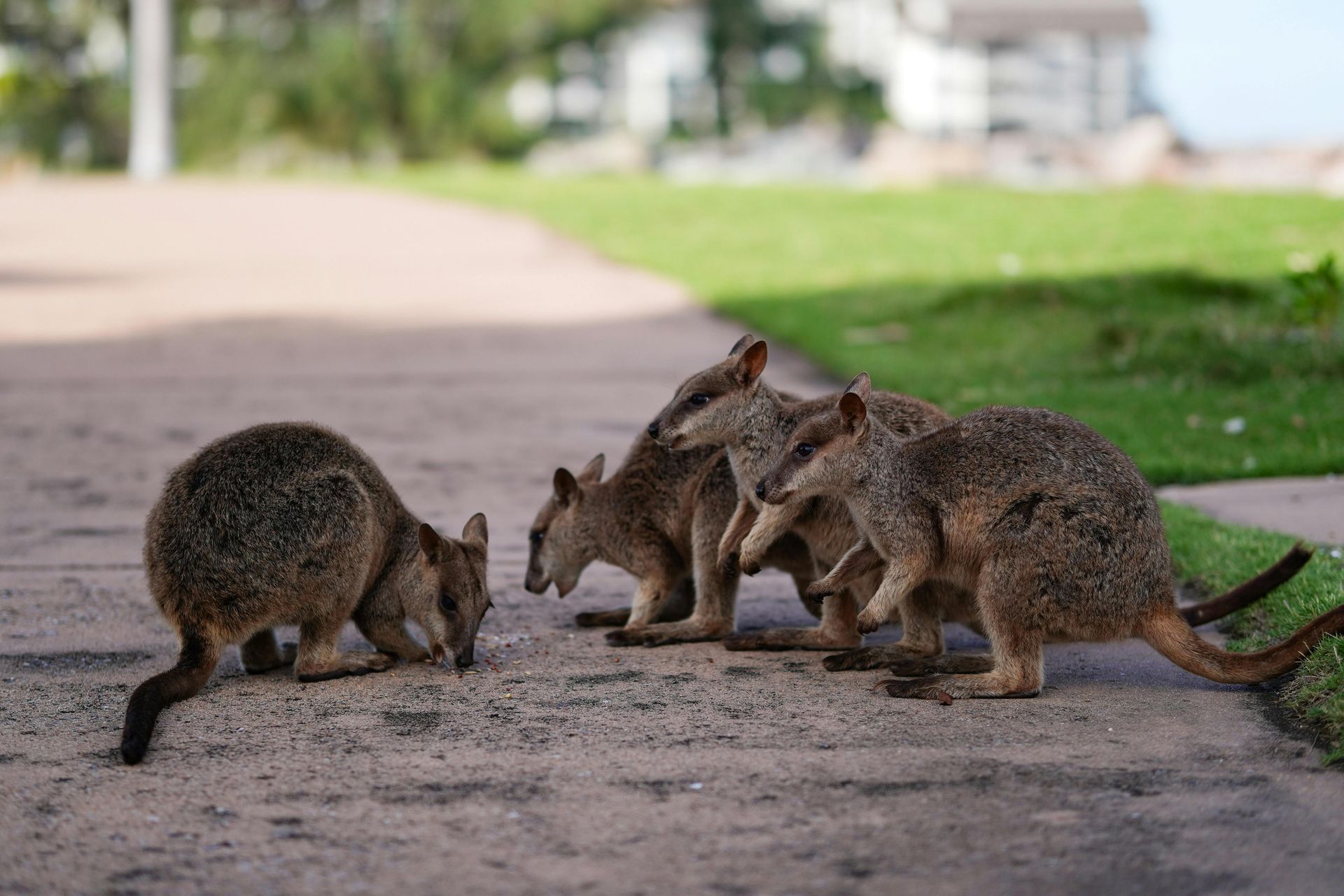
What first-time visitors consistently report as genuinely surprising is not the dangerous wildlife but the benign wildlife — the sheer abundance and accessibility of animals that, in most countries, would require a safari or a national park visit to encounter. Kangaroos grazing at dusk on the outskirts of Canberra. Kookaburras sitting outside a café in the Blue Mountains making a sound that defies description — somewhere between maniacal laughter and a large bird being compressed. Cockatoos in flocks of hundreds descending on suburban parks. Possums appearing on balconies in inner-city Sydney. Wombats on the side of the road in Tasmania. The wildlife is not behind glass or at a safe distance. It is simply there, going about its business alongside the humans who share the landscape.
Manuel Campagnoli / Pexels
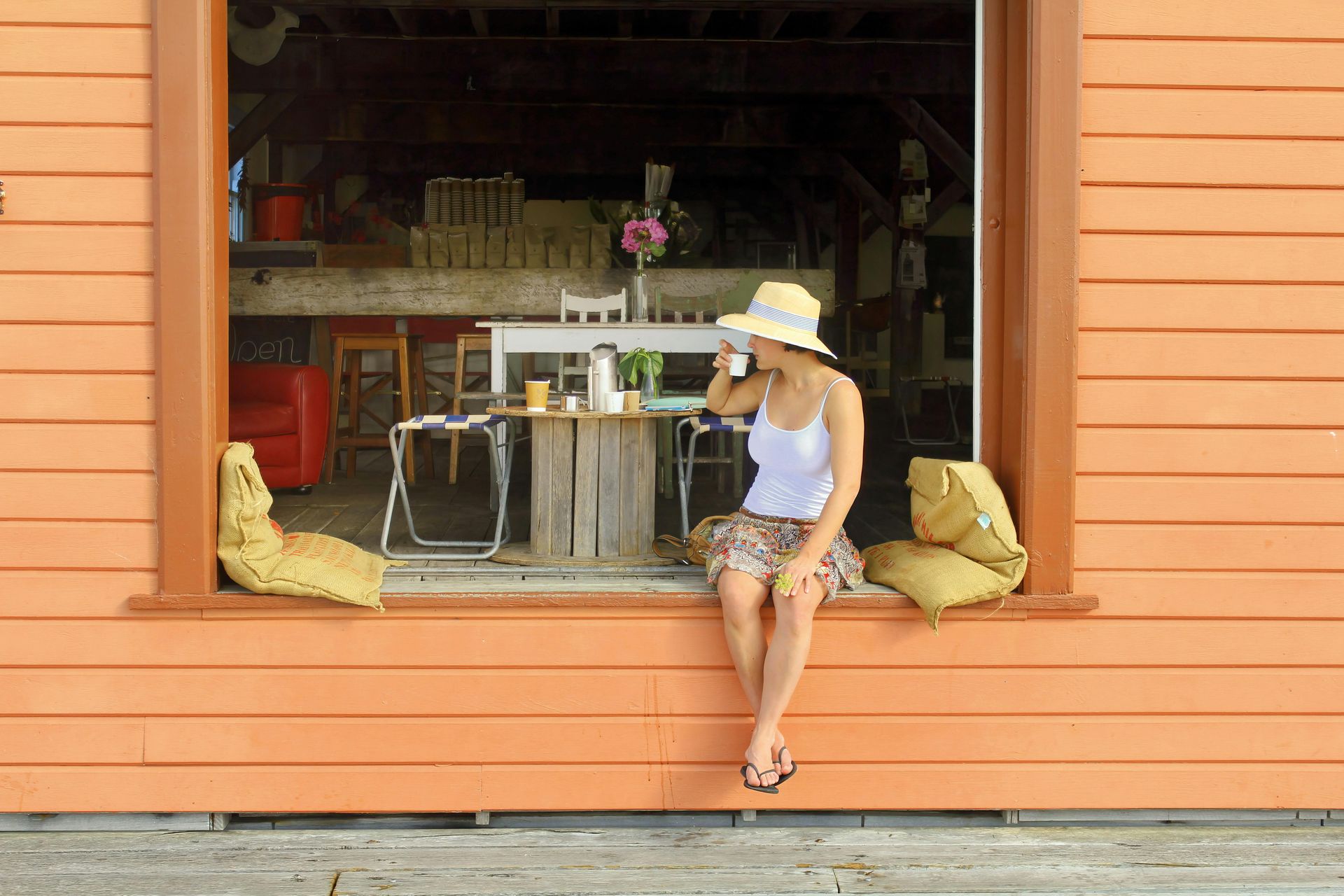
Australia has developed one of the world's most sophisticated coffee cultures over the past four decades, and visitors from the United States in particular — where the dominant commercial coffee experience is large volumes of lightly roasted, filter-brewed coffee, or the syrup-laden Starbucks $SBUX menu — are consistently surprised by both the quality and the specific character of Australian café coffee.
The foundation of Australian café coffee is the flat white — a drink of contested origin, with both Australia and New Zealand claiming its invention, made from a double ristretto shot topped with steamed, microfoamed milk in a ratio that produces a stronger, smaller, more coffee-forward drink than a latte. The flat white became internationally known after it appeared on the Starbucks menu in 2015, but the version served in Australian cafés is generally better than the international chain version, which uses a full double shot rather than a ristretto and scales the milk volume differently.
Australian barista training is rigorous, and the expectation in any decent Australian café is that the coffee will be made by someone who has trained specifically in espresso technique — correct extraction, correct milk temperature, correct texture — rather than by someone who pressed a button on a superautomatic machine. The result is a baseline quality of café coffee that is higher than in most other countries, and a café culture organized around the coffee rather than around the pastry or the atmosphere.
The surprise for many visitors is how hard it is to find a bad coffee in Australia, and how quickly the standard becomes the expected. Visitors who return home from a month in Australia report that their local coffee options feel inadequate in a specific, newly aware way.
David Clode / Unsplash
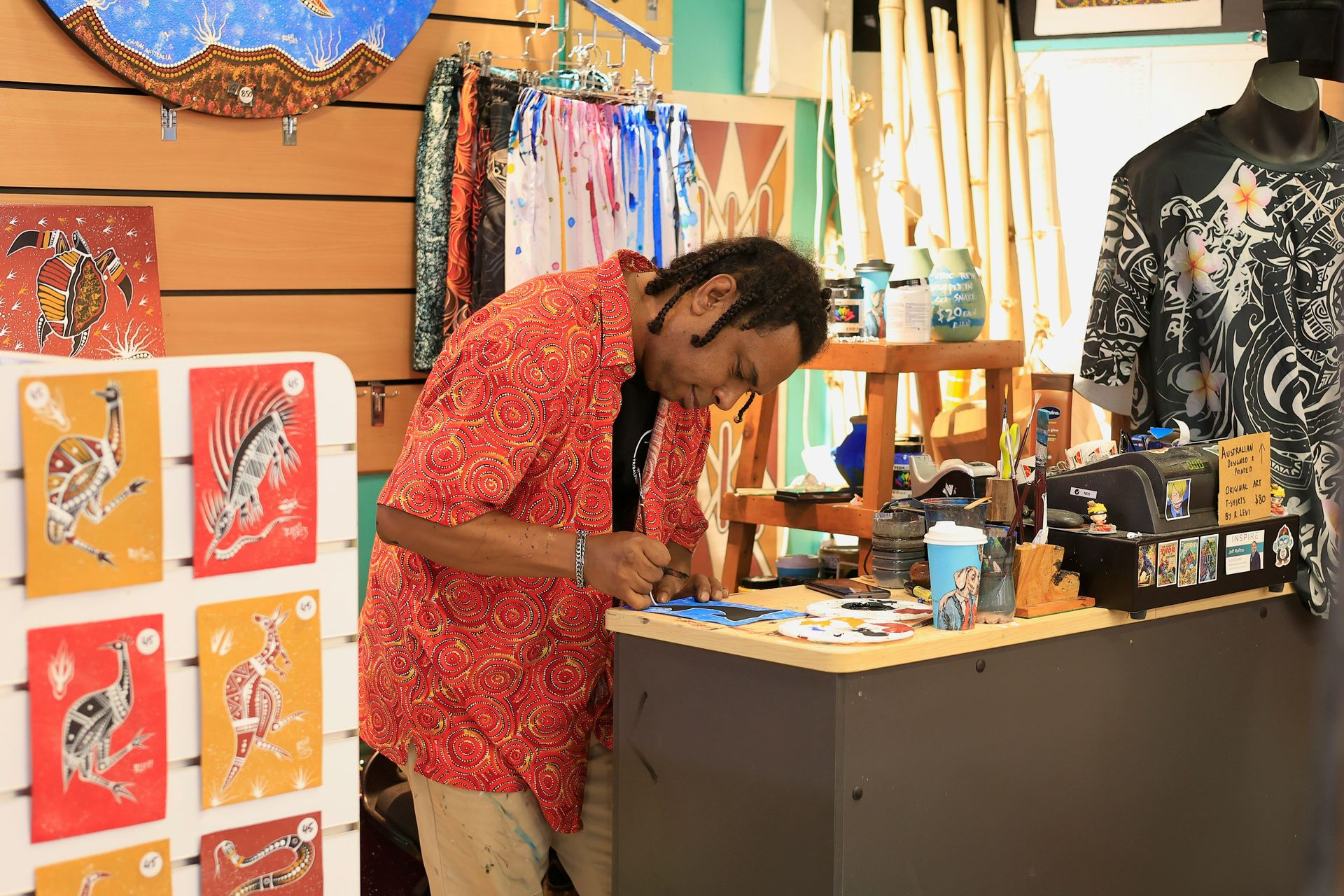
Most first-time visitors to Australia arrive with a limited understanding of the country's Indigenous history and culture, and the depth and complexity of what they encounter is one of the more significant surprises of the visit. Australia is home to the world's oldest continuous cultures — Aboriginal and Torres Strait Islander peoples have lived on the continent for at least 65,000 years, with some evidence suggesting continuous habitation for up to 120,000 years. The cultural, spiritual, and ecological knowledge systems developed over those millennia are among the most sophisticated and most ancient on Earth.
The physical presence of Indigenous culture is most obvious in the landscape itself. The red rock country of central Australia — Uluru and Kata Tjuta in particular — is understood by the Anangu people, the Traditional Owners, as a living cultural landscape, not a geological feature. The stories embedded in the rock formations, the springs, the plants, and the animals of the region constitute a comprehensive cosmology and a land management system that has maintained the ecology of central Australia for tens of thousands of years. Visitors who approach Uluru prepared only for a geological spectacle find that the experience is deeper and more complex than that — if they take the time to understand the context.
The history of colonization — the dispossession, the violence, the policies of forced removal of children from their families that continued in various forms until the 1970s — is not a distant historical event in Australia. It is a recent, living wound whose consequences are visible in the life outcomes of Indigenous Australians and in the ongoing political debates about constitutional recognition and treaty. Understanding this history is not optional for understanding contemporary Australia. It is context without which much of what the country is doing and debating is opaque.
Yifan Lai / Pexels
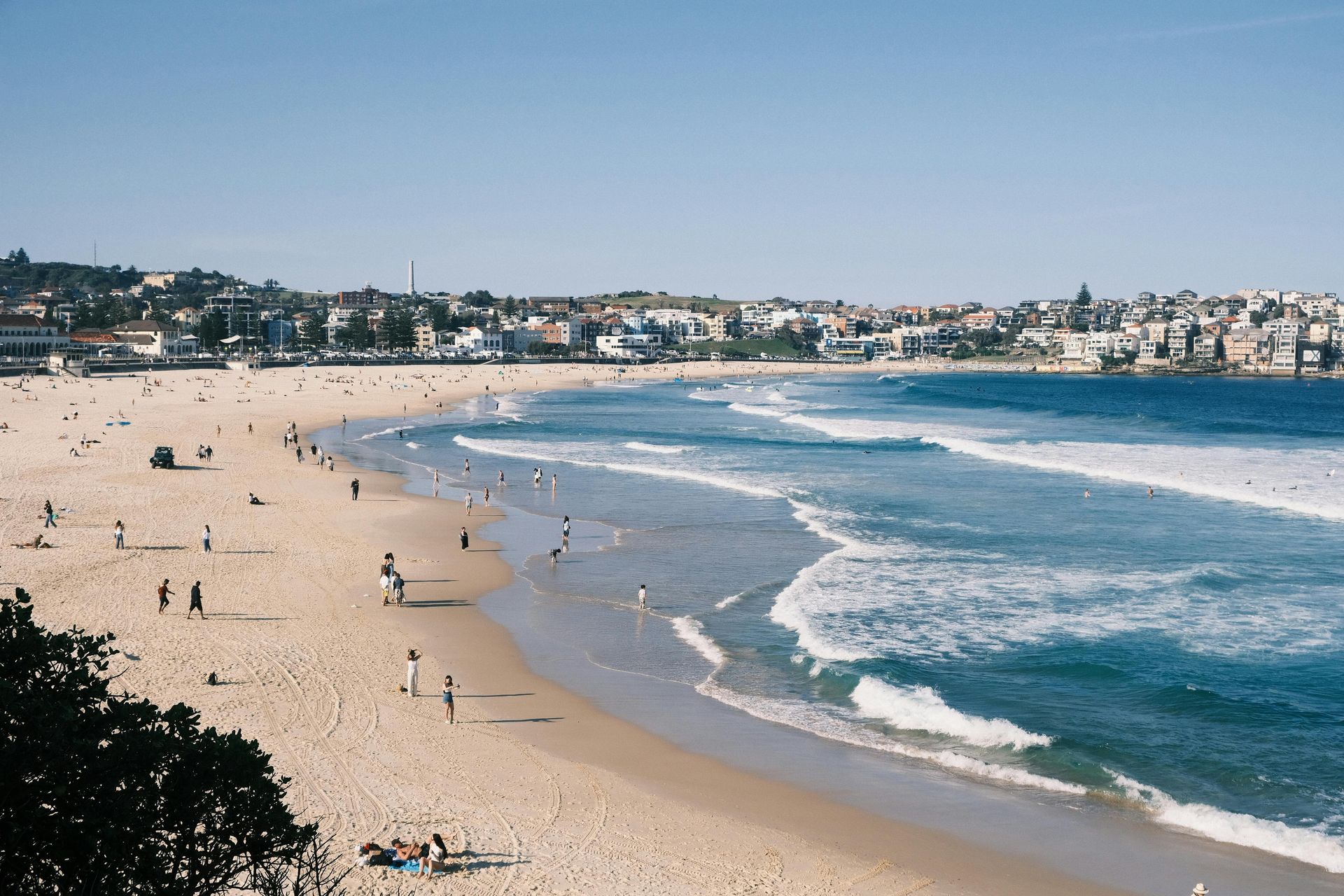
Australia has approximately 10,000 beaches — a number that reflects both the length of the coastline and the country's specific relationship to the ocean that visitors from landlocked countries, and even from other coastal countries, find striking. The beach is not a destination in Australia in the way it is in, say, France or the Mediterranean, where beaches are visited seasonally and with some effort. It is a piece of infrastructure, used daily, throughout the year, by people of all ages and social classes, in a relationship with the ocean that is integral to the national self-understanding.
The surf lifesaving culture — the iconic yellow and red flags marking the safe swimming zone, the volunteer lifeguards who patrol them, the surf lifesaving clubs that constitute one of the largest volunteer organizations in the country — is one of the most specifically Australian institutions, and encountering it for the first time gives visitors a quick lesson in how seriously Australia takes its relationship with the ocean. The flags are not decorative. The rips — powerful lateral currents that form between sandbars and pull swimmers sideways — are genuinely dangerous, and the instruction to swim between the flags is genuinely important safety advice that the uninitiated sometimes dismiss.
The specific quality of Australian beaches — the white sand, the surf, the particular clarity of the light at the edge of the Southern and Pacific Oceans — is something that photographs do not fully capture. The light in Australia is different from European or North American light in a way that visitors notice and often struggle to describe. It is intense, clear, and close, and it makes the colors of the landscape — the blue of the sea, the green of the bush, the red of the interior earth — more vivid than they appear in any photograph.

Elvan Lam / Pexels
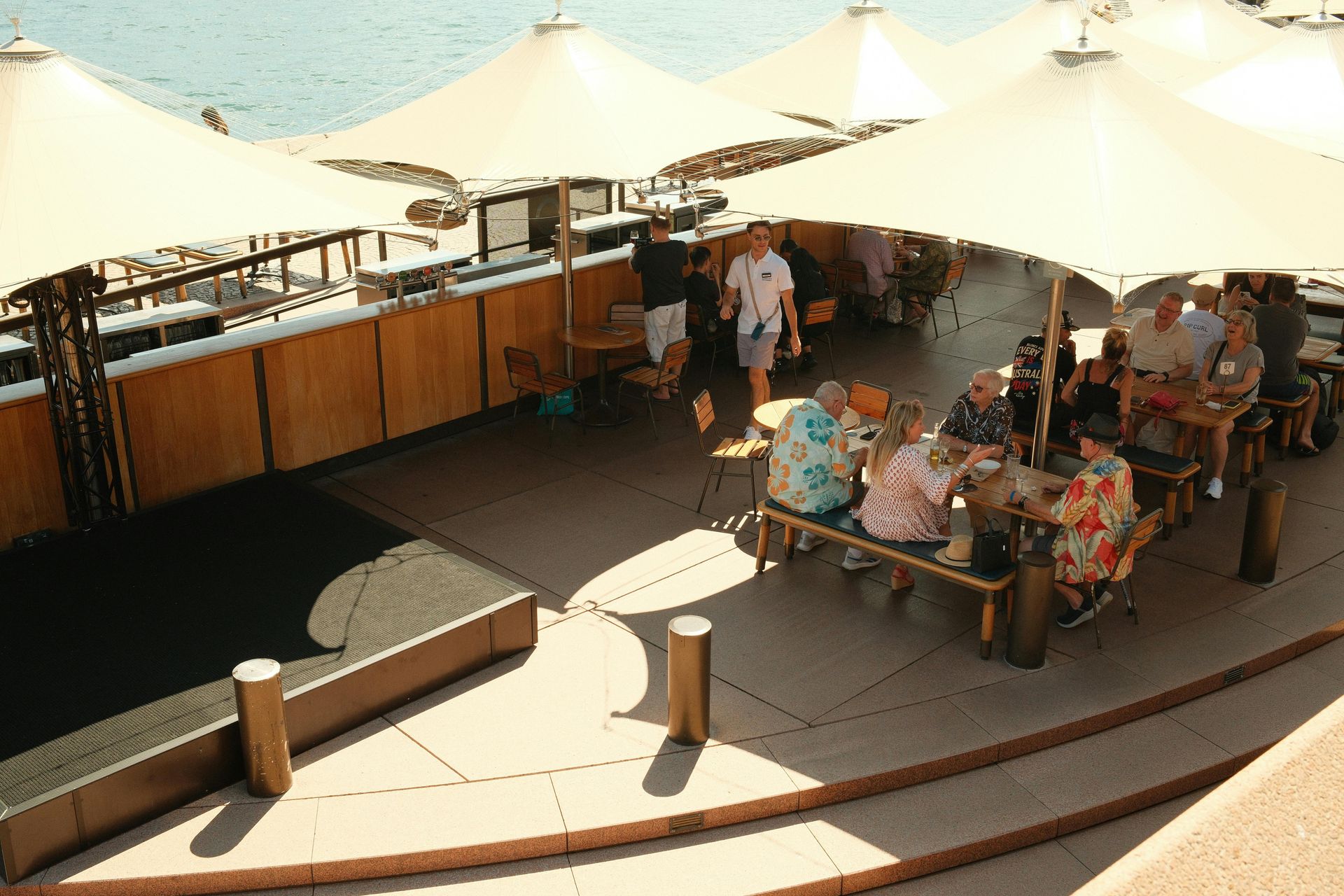
The Australian pub is a distinct institution with a specific social function that differs enough from the British pub — its cultural ancestor — to surprise British visitors who expect something familiar. The Australian pub is louder, flatter in architecture, organized around TABs (betting terminals), poker machines (pokies), and an outdoor beer garden that the weather permits almost year-round in most of the country. It is more democratic and less cozy than its British equivalent, and its social function is more explicitly about drinking than about the combination of drinking and eating and general community that the British pub aspires to.
The counter meal — a simple, inexpensive hot meal eaten at the bar or in the bistro section of a pub — is a specifically Australian institution that has provided working-class Australians with affordable hot food since the 19th century and that has been significantly upgraded in quality in most urban pubs over the past two decades. The pub schnitzel — a crumbed and fried chicken or veal schnitzel served with chips and salad — is the most ubiquitous pub meal in Australia and exists in a quality range from genuinely excellent to genuinely terrible. Finding the good version of a parmi (chicken parmigiana) — a pub meal of specific cultural significance, particularly in Victoria — is a pursuit that some visitors take seriously.
The pokies (electronic gaming machines) are present in most pubs outside Queensland, where their restriction to registered clubs has produced a different kind of social venue. Their presence in pubs is a source of significant social concern in Australia — the country has more poker machines per capita than almost any other country — and their role in gambling harm is a live political issue. For the first-time visitor, their sheer ubiquity in pub settings is a surprise that nobody quite warns you about.

Elvan Lam / Pexels
The assumption that Australian food culture is derivative — a pale reflection of British culinary tradition, supplemented by American fast food and generic Asian restaurants — is one of the most consistently and pleasantly corrected assumptions of a first visit. Australian food culture, particularly in Sydney and Melbourne, is among the most dynamic and interesting in the world, shaped by the country's specific geography, its multicultural immigration history, and its proximity to Asia.
The multicultural food culture is most visible in the variety and quality of Asian cuisines available in any major Australian city. The Vietnamese food culture of Melbourne's Richmond and Footscray, the Chinese restaurants of Sydney's Chinatown and the broader Chinese diaspora across both cities, the Japanese restaurants of both cities' CBD areas, the Thai, Korean, and Malaysian food available in suburban shopping centers at prices that reflect the size and seriousness of the communities that support them — all of this is a consequence of immigration patterns that brought large populations from across Asia to Australia from the 1970s onward, and the result is a food landscape that is more authentically varied in its Asian cuisines than most European capitals.
The native Australian ingredient movement — chefs and producers working with Indigenous ingredients including wattleseed, quandong, finger lime, lemon myrtle, kangaroo, and emu — has developed into a serious culinary identity that distinguishes Australian fine dining from its international counterparts. Restaurants like Noma Australia, which operated as a pop-up in 2016, and a growing number of permanent restaurants using native ingredients have established a distinctly Australian culinary vocabulary. Visitors who engage with this movement rather than defaulting to the familiar will encounter a food culture with a specific and interesting identity.

Elle Hughes / Pexels
Australian English is technically the same language as British and American English and practically a dialect with enough specific vocabulary, idiom, and cultural reference that the uninitiated can find themselves momentarily at sea in a conversation that is technically in their native language. The gap is not primarily about accent — the Australian accent is reasonably accessible to most English speakers — but about the specific lexicon and the social norms around language.
The diminutive is the most systematically distinctive feature of Australian English. Australians add -ie or -o to an enormous range of words: afternoon becomes arvo, service station becomes servo, sunglasses become sunnies, breakfast becomes brekky, biscuit becomes biccy, bottle shop becomes bottlo, registered club becomes relo, the Salvation Army becomes the Salvos. The system is so productive and so consistently applied that it generates new forms in real time, and visitors who have not encountered it find their first few days in Australia punctuated by brief moments of vocabulary confusion.
The social function of the slang is related to the broader Australian cultural value of egalitarianism. Elaborate or formal language is viewed with suspicion in Australian social culture — it signals pretension, which is arguably the least tolerated social quality in the country. The informal, abbreviated register of Australian English is partly efficient and partly a social signal: it communicates that the speaker is not putting on airs, not positioning themselves above the person they are talking to. Visitors who encounter this for the first time and read it as intellectual carelessness are misreading it. It is cultural performance of a specific kind, and once that is understood, the register becomes less confusing and more interesting.
Talha Resitoglu / Pexels
Australia sits under the part of the atmosphere where the ozone layer is thinnest, receives more solar radiation than most populated parts of the world, and has developed a sun safety culture — "Slip, Slop, Slap," the public health campaign launched in 1981 that instructed Australians to slip on a shirt, slop on sunscreen, and slap on a hat — that reflects the seriousness of the UV exposure problem. Australia and New Zealand have the highest rates of melanoma in the world, and the cancer rates are the consequence of a population with predominantly fair European skin living in a high-UV environment for several generations.
First-time visitors from Europe and North America consistently underestimate the intensity of Australian UV radiation. The UV index in summer in Sydney regularly reaches 11 to 13 — classified as extreme on the WHO UV index — compared to a summer maximum of around 6 to 8 in London or New York. The burn time at UV index 11 for untanned, fair skin is approximately eight minutes without protection. This is not a theoretical concern for visitors who spend days at beaches, national parks, or outdoor events.
The practical implications are worth taking seriously. SPF 50+ sunscreen — the Australian standard, which is higher than the SPF 30 that is standard in most other markets — is the correct starting point, not the maximum precaution. Wearing a hat and a rash vest while swimming is normal in Australia, not eccentric. The Australians who are most careful about sun protection are typically those who grew up learning the hard way, and their habits are based on experience rather than overcaution.
The UV intensity also explains the quality of the light that visitors notice and find difficult to describe. The clarity and intensity of Australian sunlight is a direct consequence of the thin ozone layer and the country's latitude, and it produces the specific visual quality — vivid colors, sharp shadows, intense blues and greens — that characterizes Australian landscape photography.
Credit: Wikipedia
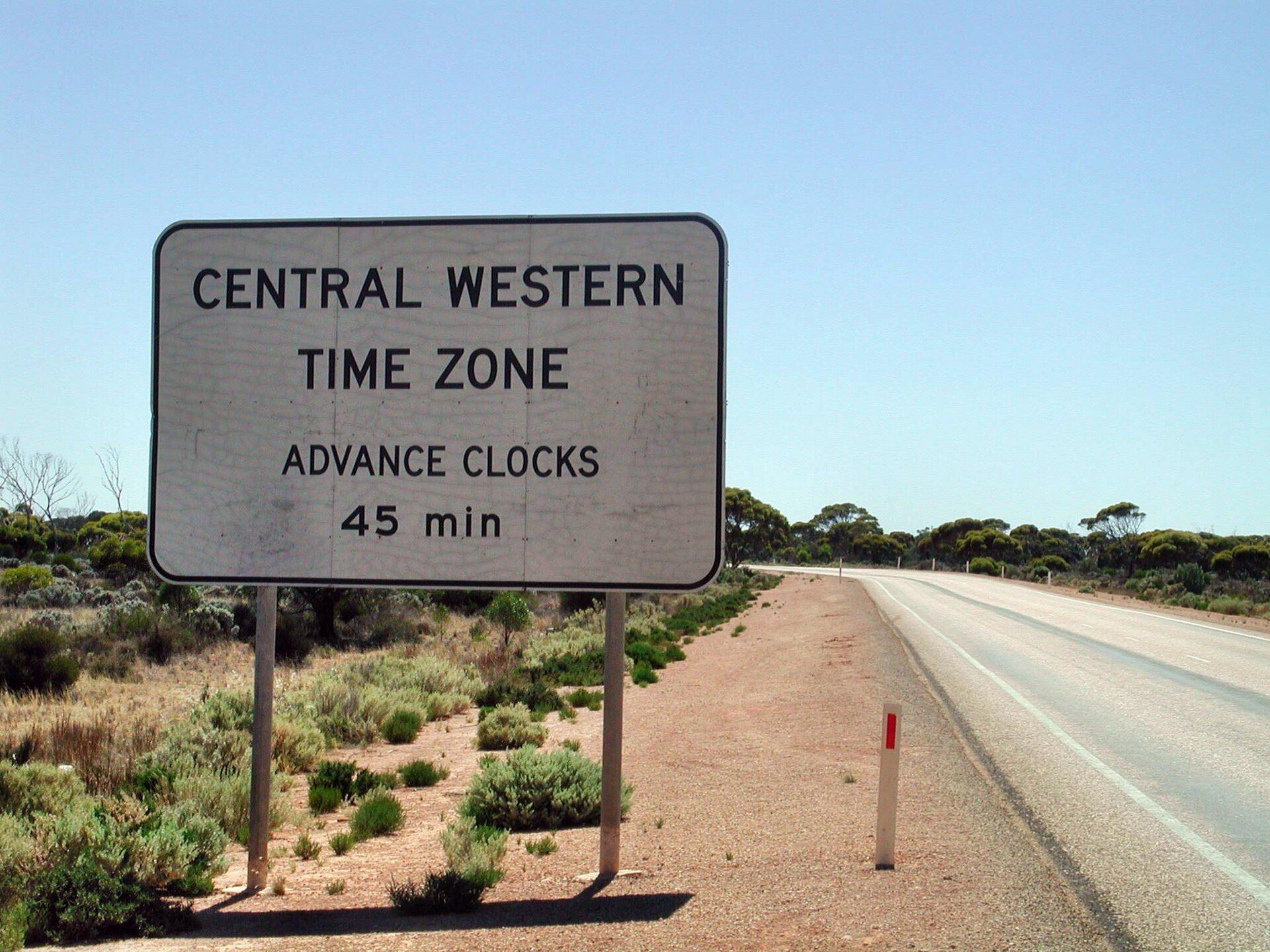
Australia operates across five time zones, which is unusual for a country of its population size but a direct consequence of its geographical extent. The time zones run from Australian Western Standard Time (AWST, UTC+8) in Perth to Australian Eastern Standard Time (AEST, UTC+10) in Sydney, Melbourne, Brisbane, and Hobart, with South Australia and the Northern Territory on intermediate half-hour time zones — a specifically Australian quirk that produces situations where Adelaide is 30 minutes ahead of Darwin rather than on the same time, and 30 minutes behind Sydney rather than a round hour.
For the first-time visitor, the time zone complexity is mainly relevant in two practical ways. The first is the time difference relative to home, which for visitors from Europe and North America is substantial and in a direction that most long-haul travelers find more difficult than the equivalent in the opposite direction. Flying west to east gains time; flying east to west loses it. Visitors from London to Sydney lose approximately ten hours of time and arrive in the morning having been awake for the equivalent of a very long night. The jet lag from Europe or North America to Australia is among the most severe in long-haul travel, and the combination of a long flight (approximately 20 hours from London, 15 to 20 hours from the U.S. east coast) and a large time difference produces a recovery period of several days that visitors who do not plan for it find affects the beginning of their trip.
The second practical issue is domestic travel. If a visitor is in Perth and needs to make a phone call to Sydney, the two-hour time difference requires arithmetic that is easy to forget. If a flight from Adelaide arrives in Melbourne at 9pm, it is worth remembering that Adelaide was on a different time from Melbourne and the arithmetic may not be what it appeared when the ticket was booked.
Connor Forsyth / Pexels
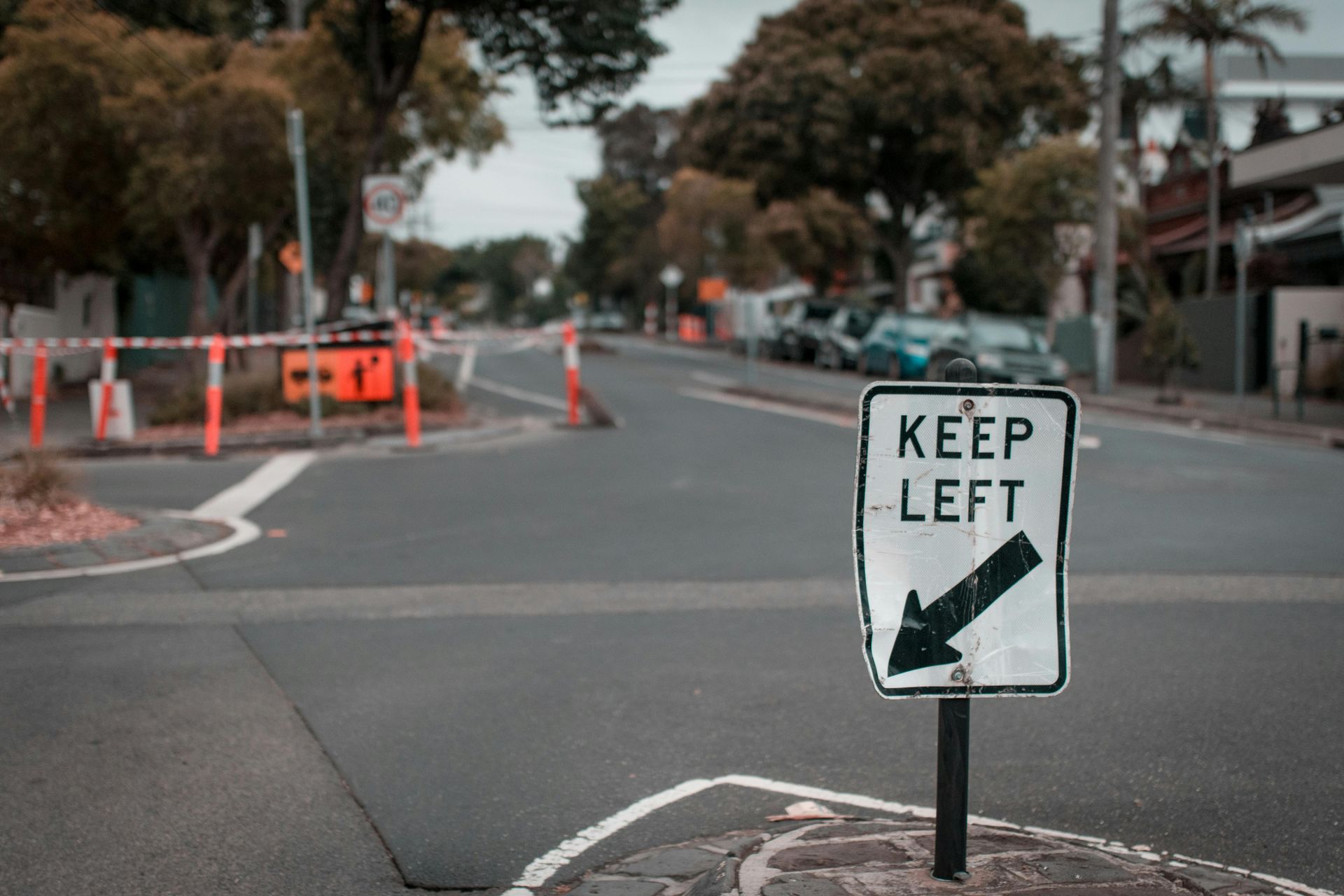
Australia drives on the left side of the road, as the U.K., Japan, India, and several other countries do, which surprises visitors from the majority of countries that drive on the right. For American, European, and most Asian visitors, adjusting to left-hand traffic is the most practically demanding unfamiliarity of driving in Australia, and renting a car — which the scale of the country frequently makes the most practical option for travel outside major cities — requires either prior experience with left-hand driving or a period of careful adjustment.
The physical adjustment to driving on the left is manageable for most people within a few hours of careful driving. The more persistent challenge is instinctive behavior in unfamiliar situations: turning out of a car park and defaulting to the right lane, walking toward the wrong side of the car to get in, or — most commonly — checking the wrong direction when crossing a street as a pedestrian. Several major Australian tourist destinations have painted "LOOK LEFT" or "LOOK RIGHT" on the road surface at pedestrian crossings specifically because visitors from right-driving countries habitually look in the wrong direction.
Outside major cities, Australian roads can be demanding in ways that are independent of the left-hand convention. The distances involved in outback driving require fuel planning — service stations can be 200 or more kilometers apart — and the kangaroo risk at dawn and dusk is genuine and poorly understood by visitors unfamiliar with it. A kangaroo struck at highway speed destroys a standard passenger vehicle and injures its occupants. The consistent advice from experienced outback drivers — do not drive between dusk and dawn in areas with kangaroo populations — is advice worth following.
Daniel Morton-Jones / Pexels
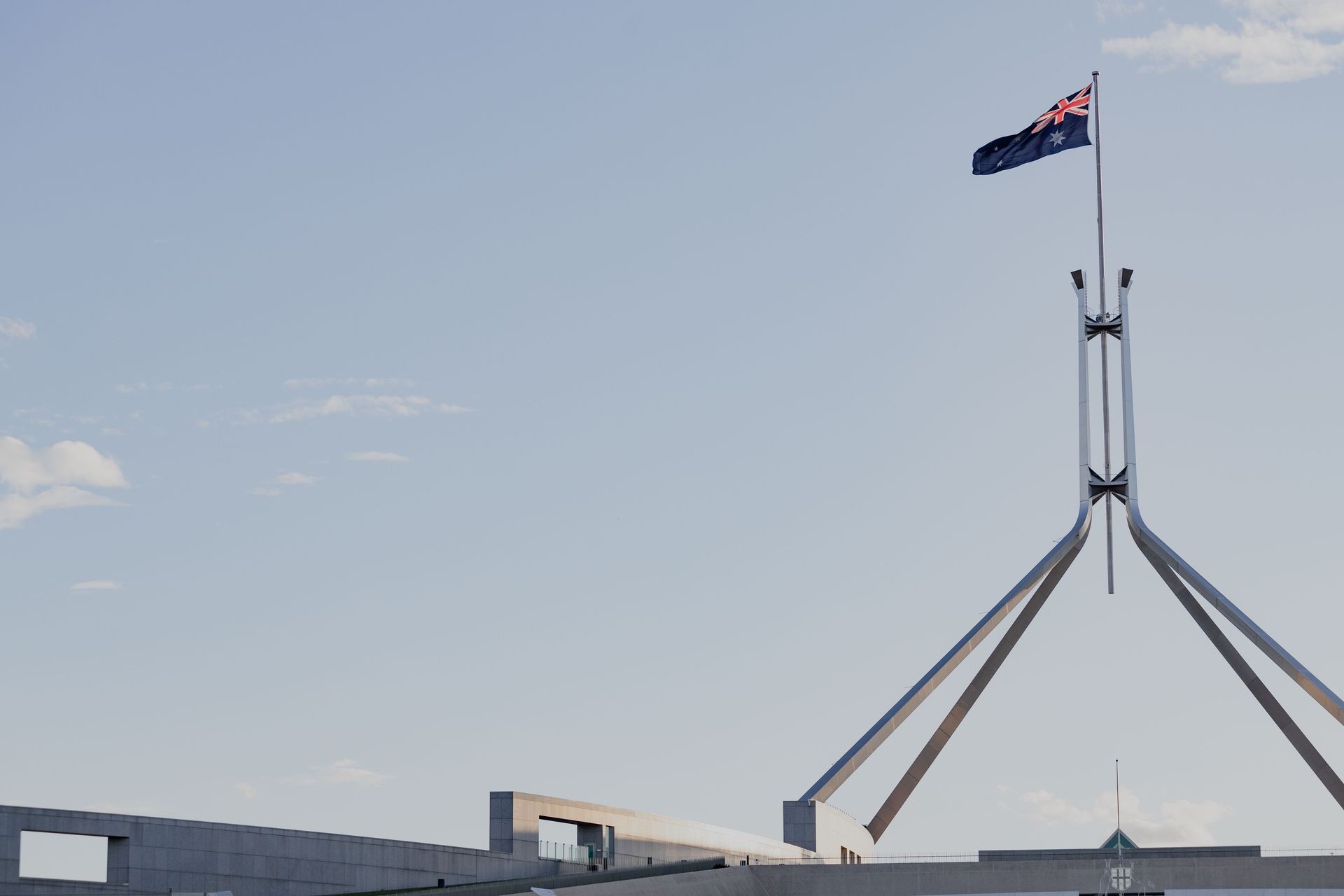
Australian politics operates on a distinct register that first-time visitors from the United States and the United Kingdom find striking, partly because the institutional similarities create an expectation of familiar political culture and partly because the Australian version of those institutions has specific features that have no equivalent elsewhere.
Voting is compulsory in Australia. Every eligible citizen is required by law to attend a polling place on election day and have their name marked off the roll — they are not required to complete the ballot, but attendance is mandatory, with a fine for non-compliance. The consequence is a voter turnout consistently above 90%, which changes the political calculus of elections in ways that are fundamental: campaigns are not primarily about turnout but about persuasion, since the electorate is not self-selected by the motivation to vote. The compulsory voting system is broadly supported by Australians across the political spectrum as a practical and democratic norm, and visitors who come from countries with contested voter access and low turnout find it genuinely startling that the simple requirement to show up is not politically controversial.
The preferential voting system — in which voters rank candidates in order of preference rather than marking a single choice — produces outcomes that can appear paradoxical to visitors accustomed to first-past-the-post systems: a candidate who receives the most first-preference votes can lose the election if they are the last choice of enough voters to distribute preferences elsewhere. The system was designed to produce majority winners rather than plurality winners and generally does, but the mechanism requires more voter engagement with the ballot than the single-choice systems of the U.S. and U.K.
The tone of political debate is also distinctive. The Australian value of egalitarianism — the cultural resistance to hierarchy and pretension — applies as directly to politicians as to anyone else, and the politicians who have succeeded longest in Australian public life have generally been those who could perform ordinariness convincingly.
Yifan Lai / Pexels
Australia's seasons are the opposite of the Northern Hemisphere's — summer runs from December to February, winter from June to August — and while this is a fact that most visitors know intellectually before arriving, the experiential implications are more disorienting than the knowledge prepares them for. Visiting Australia in December means visiting in summer, which means intense heat, beach weather, and Christmas on the beach or in a backyard with a barbecue, without any of the winter associations that the date carries for visitors from the Northern Hemisphere.
The Christmas-in-summer phenomenon is the most striking single instance of the seasonal reversal for visitors from Europe and North America. Australia has developed a version of Christmas that is specifically adapted to summer — seafood rather than roast, outdoor rather than indoor, beach cricket rather than television — but the cultural artifacts of Christmas imported from the Northern Hemisphere (the reindeer, the snow, the heavy food, the winter imagery) exist alongside the summer reality in a juxtaposition that first-time visitors find genuinely strange. A department store in Sydney playing "White Christmas" in December while the temperature outside is 35°C is an experience that is difficult to prepare for.
The seasonal reversal also affects the experience of Australia's natural landscapes in ways that matter for trip planning. The tropical north — the Northern Territory, Queensland's Cape York and the Kimberley — has a wet season from November to April that brings monsoonal rain, flooding, and the closure of many national parks and outback tracks. The best time to visit the tropical north is the dry season, May to October, which is the Australian winter. Uluru in June — cool, clear, and uncrowded — is a very different experience from Uluru in January, which is hot enough to make outdoor activity uncomfortable for several hours of the day.
You Le / Unsplash
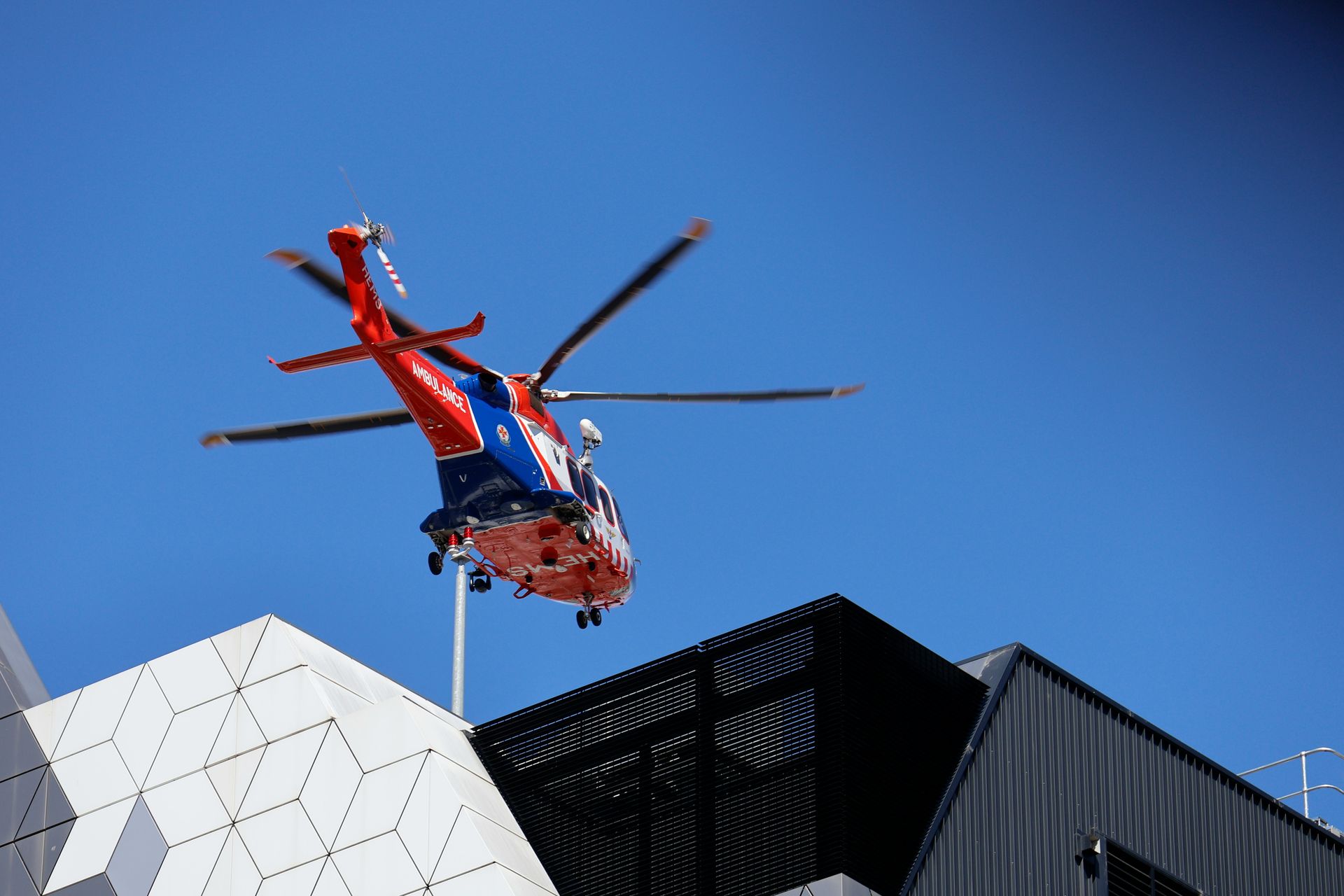
Australia's public healthcare system — Medicare — is a single-payer universal healthcare scheme that covers Australian citizens and permanent residents for most medical services, including GP visits, specialist consultations, emergency care, and most hospital treatment. For the first-time visitor from the United States, where the healthcare system is the most expensive and one of the least comprehensive in the developed world, the existence of a system in which a GP visit costs little or nothing, emergency room treatment is provided without upfront payment, and the financial catastrophe of a serious illness is not a routine concern for ordinary people is one of the more quietly striking discoveries.
Visitors to Australia are not covered by Medicare unless they come from one of the countries with reciprocal healthcare agreements — the United Kingdom, Ireland, New Zealand, Sweden, the Netherlands, Finland, Belgium, Italy, Malta, and Slovenia — and travel insurance covering medical costs is strongly advisable for visitors from non-reciprocal countries, particularly given the cost of medical treatment in Australia for uninsured visitors.
What visitors who interact with the healthcare system as patients — for the minor ailments and accidents that affect any long trip — consistently remark on is the quality and accessibility of general practice medicine. Walk-in medical clinics are widely available in major cities, bulk-billing practices (which charge no gap fee to the patient) are accessible through online directories, and the standard of general practice is high. The pharmaceutical benefits scheme — which subsidizes the cost of most commonly prescribed medications — means that prescriptions are significantly cheaper for eligible patients than in countries without similar schemes. The healthcare system is not a surprise for visitors from countries with comparable universal coverage, but for Americans in particular, it is an encounter with a different set of assumptions about what healthcare is for and who it serves.
