
Actual beach access, real distance from the water, storm and flood history — the details that determine whether a beach house lives up to its listing

Tatianaa Co / Pexels
Beach house listings are optimized to sell the fantasy of the stay rather than the specific logistical reality of it, and the gap between the two is where most renter disappointment concentrates: a listing described as "steps from the beach" that turns out to require a 15-minute walk, a "private" beach access point that is shared with a dozen other properties, or an "ocean view" that requires standing on a specific corner of an upstairs balcony to actually see any water. None of these details are necessarily dishonest in a strictly legal sense, but they represent exactly the gap between the marketed experience and the actual one that a few specific questions, asked before booking, can close entirely.
The items in this list are not standard rental due diligence (checking reviews, confirming cancellation policy) that applies to any vacation rental; they are specific to beach houses and the particular ways that proximity to water, seasonal weather risk, and shared coastal access create disappointment or genuine problems that a landlocked rental simply does not present in the same way.
Each entry covers the specific thing to check, why beach house listings tend to obscure or omit it, and the exact question or verification step that resolves it.

Juan Moccagatta / Pexels
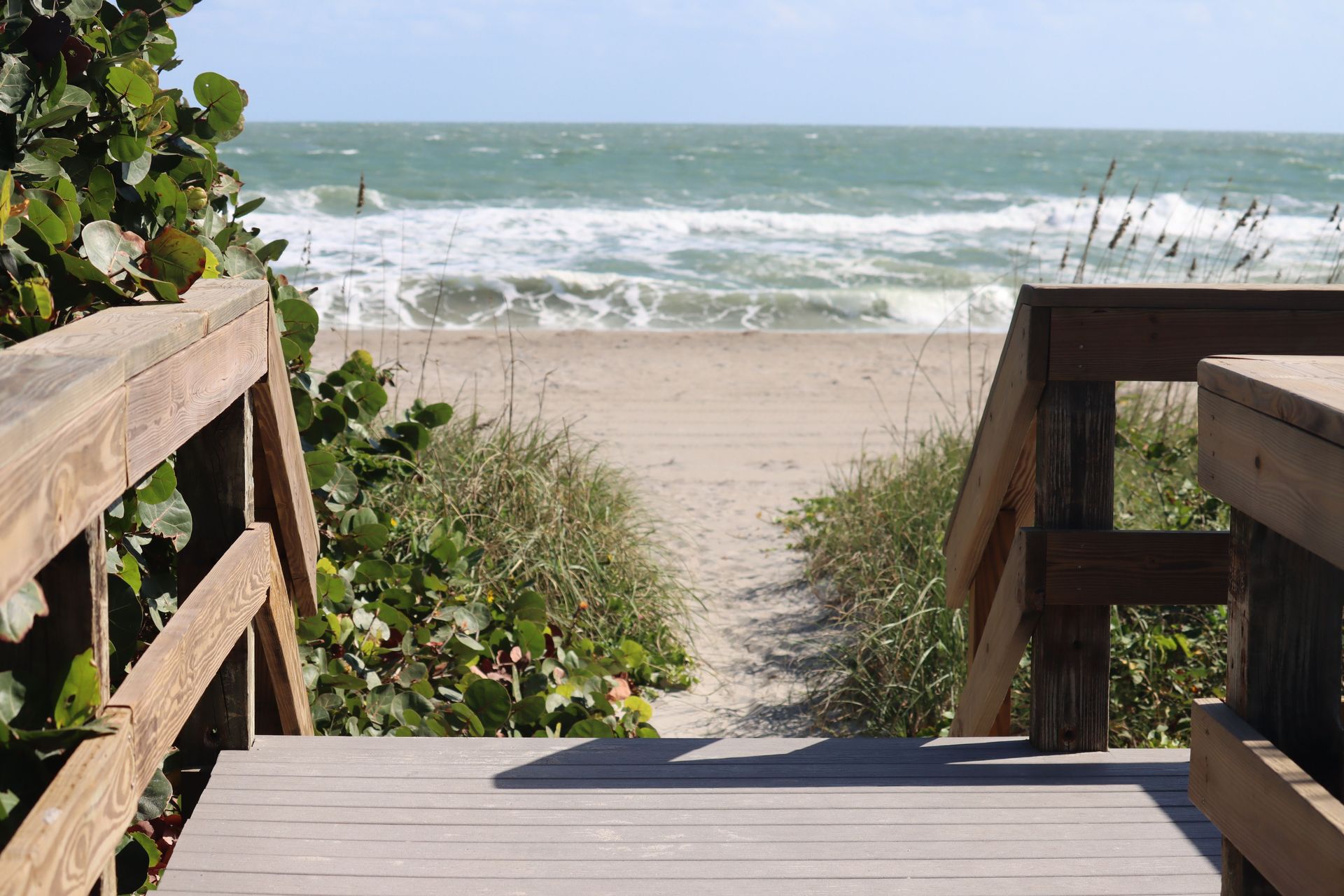
"Steps from the beach," "beachfront," and "walk to the beach" are marketing terms with no standardized or enforced definition, and the actual distance and physical path between a specific property and usable beach access can vary from a genuinely adjacent lot to a 15- or 20-minute walk across a busy road, a distinction that matters enormously for a group traveling with young children, beach gear, or anyone with mobility limitations, and that the listing description alone frequently does not clarify with precision.
The specific gap this creates is compounded by how listing photos are typically composed: a photo showing an ocean view or a beach in the background does not confirm that the view is walkable, accessible, or even visible from ground level rather than from a specific upper-floor window or balcony, and photographs are selected specifically to showcase the property's best possible relationship to the water rather than to represent the typical, everyday experience of actually getting there with beach chairs and a cooler in tow.
The resolving step is to request the specific walking distance in minutes (not blocks, which vary enormously in size) and to use satellite map view (Google $GOOGL Maps or a similar tool) to trace the actual walking path from the property to the specific beach access point being referenced, checking for any barriers (a highway crossing, a long boardwalk, stairs) that the listing description would not necessarily mention but that a satellite view or street view can reveal directly.

Ghost Acolyte / Pexels
Beach access rights vary considerably by location and by the specific property, and a listing's claim of "private beach access" can mean anything from a genuinely exclusive access point serving only that single property to a shared access point serving an entire subdivision or condominium complex, a distinction that significantly affects the actual experience of crowding and availability, particularly during peak season when a "private" access point shared among fifty units functions very differently from one serving five.
This matters financially and logistically in specific coastal regions where public beach access is legally guaranteed but physically limited (many U.S. coastal states, for instance, guarantee public beach access below the mean high tide line even where the adjacent dry sand and dunes are privately owned, creating a specific legal complexity where "private beach" claims may not mean what a renter assumes regarding who can legally be on the sand itself), making the actual practical situation considerably more nuanced than a simple private-versus-public framing suggests.
The resolving question is specific: asking directly how many total properties or units share the referenced access point, and, where relevant, researching the specific state or local public beach access laws that may apply regardless of what the property itself claims regarding privacy, since a renter's expectations about crowding and access should be calibrated to the actual shared-use reality rather than the marketing language alone.

Olga Prilepskaya / Pexels
Beach houses, by definition, sit in coastal zones with elevated exposure to storm surge, hurricane risk, and flooding compared to inland properties, and the specific property's flood zone designation, elevation, and any documented storm damage history are details that listings virtually never volunteer but that matter significantly both for a renter's safety planning during storm season and for understanding whether a specific rental has a track record of storm-related cancellations or property issues.
This is particularly relevant for bookings made during hurricane season (roughly June through November in the Atlantic basin) in vulnerable coastal regions, where a specific property's flood zone designation (available through FEMA's flood map service for U.S. properties) can indicate elevated risk of an evacuation order or property damage event affecting a booked stay, and where a rental's specific cancellation and refund policy regarding hurricane or mandatory evacuation scenarios becomes a significant practical consideration rather than a hypothetical one.
The resolving steps are twofold: checking the specific property's flood zone designation through publicly available flood mapping tools before booking, and confirming the rental agreement's specific policy regarding hurricane-related cancellations, mandatory evacuation orders, or storm damage that might affect the property before a booked stay, since travel insurance and rental agreement terms regarding these specific coastal weather risks vary considerably and are worth understanding before a storm event forces the question during an actual trip.

Erik Mclean / Pexels
"Ocean view" is one of the most elastic terms in vacation rental marketing, encompassing everything from a full, unobstructed water view from every room to a narrow sliver of visible ocean glimpsed only from a specific corner of an upstairs deck when standing at a particular angle, and the listing photos — typically taken with a wide-angle lens from the single best vantage point on the property — frequently overstate how much of the described view is actually experienced during typical use of the house.
This gap is compounded by seasonal and time-of-day variation that photos cannot fully capture: foliage that is fuller in summer than in the listing's photos (potentially taken in a different season), and the specific angle of view that may only be available from a deck or balcony rather than from the interior living spaces where a family actually spends most of its indoor time, meaning the "ocean view" experienced from a comfortable living room sofa may be considerably more limited than the view captured in a photo taken specifically from the optimal outdoor vantage point.
The resolving approach is to request additional photos specifically from the interior living spaces (not just the deck or a single showcase angle) and, where available, a short video walkthrough that shows the view as experienced while standing in the rooms where time will actually be spent, treating any reluctance to provide these additional views as a signal that the view may be more limited than the primary marketing photos suggest.
ida Perez / Pexels
Beach houses frequently have specific, non-obvious rules and costs that are not always prominently disclosed in the initial listing: whether beach chairs, umbrellas, and other gear are provided or must be brought or rented separately; whether parking is included, limited to a specific number of vehicles, or requires an additional paid permit (common in many coastal communities during peak season); and whether there are specific community or homeowners' association rules governing noise, guest limits, or short-term rental conduct that could affect the stay.
These details matter because they represent real additional costs or logistical planning that a renter comparing several listings by advertised price alone would not account for: a beach house requiring a paid parking permit for each vehicle, or one located in a community with a strict guest cap that doesn't accommodate the size of the traveling group, can end up considerably more expensive or logistically difficult than a comparably priced listing without these constraints.
The resolving step is a specific checklist of questions to the host or property manager before booking: whether beach equipment is provided, what the parking situation and any associated costs are, and whether any homeowners' association or community rules apply to renters specifically, since these operational details are exactly the kind of information that a generic listing description is unlikely to volunteer but that a direct question reliably surfaces.

Pavel Danilyuk / Pexels
Beach house reviews should be read with specific attention to issues that are particular to coastal properties rather than generic to any vacation rental, since coastal environments present specific maintenance and comfort challenges — salt air's corrosive effect on outdoor fixtures and appliances, sand tracked into the house being an unavoidable daily reality rather than an occasional annoyance, insect issues (particularly in certain regions and seasons) that inland rentals would not face to the same degree, and noise from nearby beach bars, boardwalks, or other coastal nightlife that a beachfront location's appeal during the day can become a liability for at night.
These specific coastal issues are less likely to appear in a listing's own description (which has no incentive to disclose them) and more likely to appear in guest reviews from renters who experienced them directly, making a careful reading of reviews — specifically searching for repeated mentions of sand, insects, salt air-related appliance or fixture issues, or noise — a more reliable source for these particular coastal concerns than the listing description itself.
The resolving practice is to read reviews specifically with these coastal-specific categories in mind rather than only scanning for a general star rating or overall sentiment, since a property with a strong overall rating can still have a consistent pattern of complaints about a specific issue (a noisy nearby bar, a persistent bug problem in a particular season) that would be highly relevant to a specific renter's priorities but that gets diluted in an aggregate rating that also reflects many satisfied guests who didn't happen to be bothered by that particular issue.