
5 things to do before leaving a hotel room, according to Reader’s Digest
Before you check out, do these five simple hotel room habits to avoid leaving things behind, and make travel smoother

Vojtech Bruzek / Unsplash
Before you check out of a hotel, it is easy to slip into a rush-and-go mindset. The bags are packed, the key card is already half out of your hand, and your brain has mentally moved on to the airport, the drive home, or whatever comes next. Hotel rooms have a way of encouraging that speed.
But leaving well is its own small travel skill. It is not about being overly careful or turning checkout into a chore list. It is about those last-minute habits that save you from the classic post-checkout regret: the forgotten charger, the missing stuffed animal, the “why is there still a sock under the bed” moment, or the realization that you left something important behind.
Hotel rooms are deceptively good at hiding things. Chargers slip under beds. Clothing disappears into corners. Snacks multiply in forgotten bags. Even furniture sometimes gets moved and never quite returns to its original position. And while hotel staff are used to cleaning up after hundreds of guests, a little courtesy goes a long way in making the process easier for everyone involved.
According to Reader’s Digest, a few extra minutes before you leave can make your departure smoother, help housekeeping reset the room faster, and prevent you from turning around in traffic five minutes later. It is the difference between a clean exit and a mildly chaotic one.
Here are five simple, surprisingly helpful things to do before you leave a hotel room.
1. Do a slow sweep of the room so nothing important gets left behind

Reisetopia / Unsplash
One of the most common hotel mistakes is also the simplest: leaving something behind because you left too fast. Reader’s Digest recommends checking under beds, dressers, and around furniture before you leave, since small items often slip into places you would never think to look.
The report notes that guests frequently call back after checkout once they realize something was left behind. At that point, recovery depends on timing, staff availability, and a bit of luck. A five-minute sweep before leaving prevents the entire situation.
The process does not need to feel like a full inspection. It is more of a slow visual scan paired with a quick check of the usual suspects: bedside tables, charging areas, closet floors, and under the bed. Travelers $TRV with children have even more reason to slow down, since comfort items and toys are often the first things left behind in the final rush.
2. Put moved furniture back where it belongs before you leave
Ashley Piszek / Unsplash
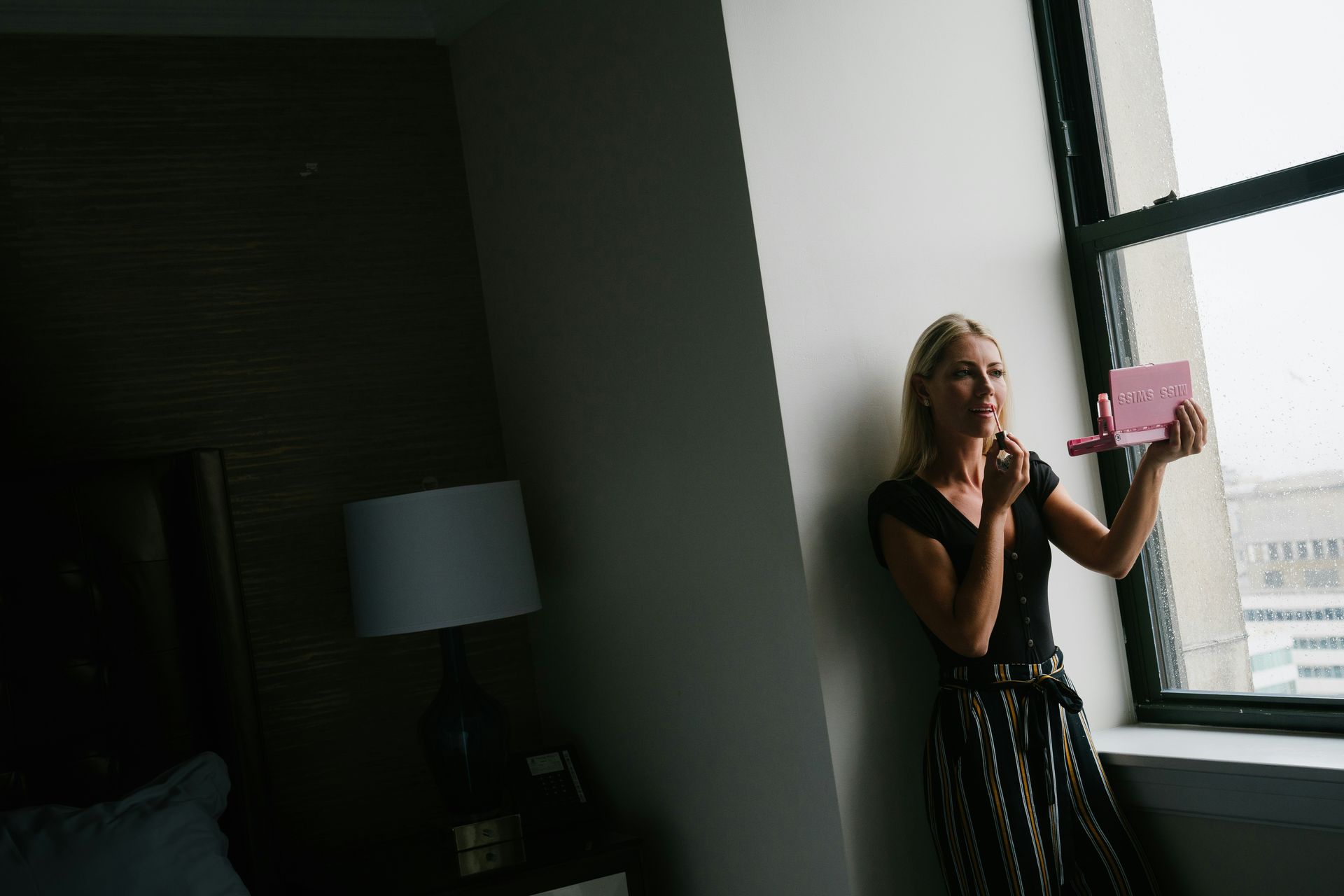
If you shifted anything during your stay, now is the time to quietly undo it. Reader’s Digest notes that guests sometimes move beds or furniture—especially when traveling with kids—to make the room safer or more comfortable.
That makes sense in the moment. Before checkout however, it is worth sliding everything back into place.
Hotel staff are not expecting perfection, but resetting the room helps it be turned over more efficiently for the next guest. It also prevents confusion during cleaning, when furniture in unexpected places slows things down or hides items underneath.
3. Gather towels and trash

Maksim Zhashkevych / Unsplash
Checkout chaos often hides in small messes that spread across a room in the final hours. Reader’s Digest suggests keeping things simple by consolidating used towels and placing overflow trash in one obvious location before leaving.
The same logic applies to food containers and takeout packaging. Hotel trash bins are often small, and leftovers can quickly overflow. Rather than scattering bags or boxes around the room, gathering them neatly beside the bin keeps cleanup straightforward.
This step is not about cleaning up perfectly or going beyond normal checkout expectations. It is simply about reducing friction in the final minutes of your stay. A slightly more organized room is easier for staff to reset and less likely to leave forgotten items behind.
4. Take a quick pause for checkout logistics so you are not rushing at the last minute
Zoshua Colah / Unsplash
Hotel departures tend to compress time. One minute you are relaxed, the next you are realizing checkout is now, not later.
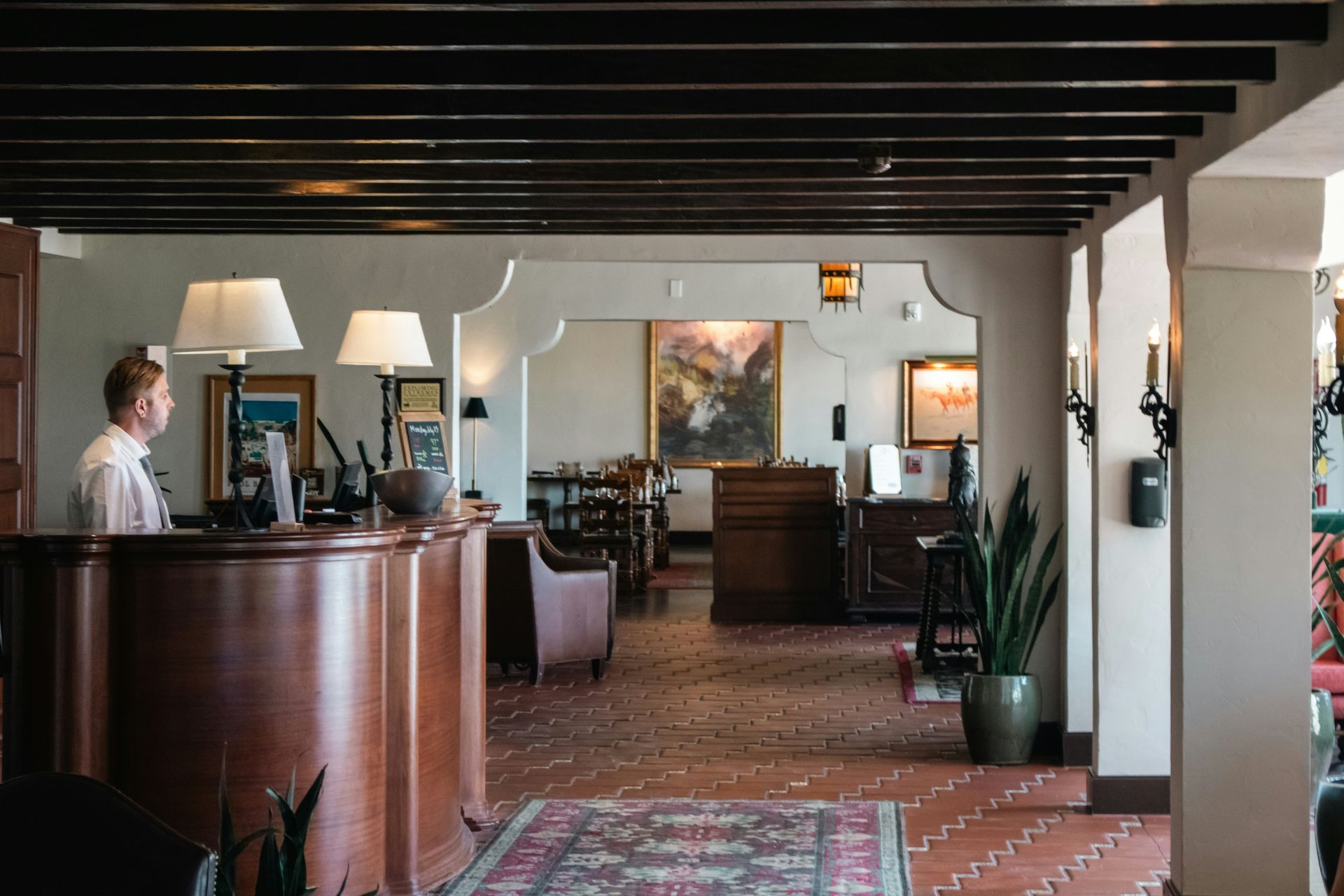
Reader’s Digest highlights a simple but often overlooked habit: call ahead or plan your checkout logistics before leaving the room. That can include confirming transportation, timing your departure, or coordinating with the front desk so you are not scrambling at the last second.
This step is less about the room itself and more about how you exit it. A little coordination prevents the classic “we should have left five minutes ago” moment that happens right after the key card stops working.
It is one of those habits that does not feel important until the exact moment it saves you from rushing through the lobby with one shoe on.
5. Think about tipping or a final courtesy before you walk out the door

Louis Hansel / Unsplash
The last moments in a hotel room often feel transactional, but Reader’s Digest encourages a small moment of consideration before checkout, especially regarding housekeeping staff.
Room attendants perform physically demanding work on tight schedules, often cleaning dozens of rooms in a single shift. The report notes that while housekeeping staff are typically hourly employees rather than tipped service workers, gratuities are still appreciated.
Even without tipping, a final courtesy matters. Consolidating the mess, avoiding unnecessary damage, and leaving the room in a reasonable state all contribute to a smoother workflow for staff who are already working quickly.
Reader’s Digest frames this as basic travel manners. It is not a performance. It is just a small bit of awareness that another person will be cleaning up right after you leave.
That final gesture, whether financial or simply considerate, closes the stay on a respectful note and sets the tone for the next guest walking into the room.