Before your next vacation, take care of these five simple tasks at home to avoid stress, save money, and return to a worry-free welcome
-1920x1278.jpg)
Anete Lusina / Unsplash
The best part of travel is the moment you close the door behind you. Bags packed, passport secured, rideshare approaching, and brain already halfway to vacation mode. The problem is that excitement tends to crowd out the boring but critical details waiting back at home.
Most travelers obsess over packing lists. They debate outfits, chargers, and whether they really need that extra pair of shoes. Far fewer people think about what they leave behind: spoiled food, frozen pipes, suspicious credit card alerts, or the uniquely miserable experience of returning from paradise to a house that smells a little forgotten.
But not to worry. A few deliberate moves before departure can help to reduce stress, save money, and protect the space you’re leaving behind. According to Reader’s Digest, there are steps you can take to reduce the worry and stress of leaving, making your return home feel like the final reward of vacation, and not the start of recovery operations.
The goal is not perfection. No one needs a military-grade checklist or a three-hour shutdown ritual before every getaway. You just want confidence. The kind that lets you board the plane without wondering if the dryer is still running or whether your card will mysteriously stop working halfway through dinner abroad.
Here are five practical things to do before leaving home on your next adventure.

Josue Michel / Unsplash
A clean home is not about being neat. It is about coming back to a place that feels like a reward instead of another chore. Reader’s Digest advises clearing the fridge and pantry of food that could spoil, finishing laundry, emptying garbage and recycling, washing dishes, and changing the sheets before departure.
Removing perishable food prevents unpleasant odors and avoids attracting pests. Empty washing machines and dryers eliminate the risk of damp clothes developing mildew. Small preventative actions, such as sprinkling baking soda in sinks and toilets, help stop stagnant water smells from forming during long absences. These details rarely feel urgent while packing, yet they determine how welcoming the home feels later.
Fresh bedding may be the most underrated travel luxury. After delayed flights, jet lag, or long drives, sliding into clean sheets creates a psychological reset. The vacation extends one more night.
Cleaning also reduces post-trip overwhelm. Returning travelers already face unpacking, laundry, and re-entry into daily routines. A prepared home removes friction at the exact moment energy is lowest.

Vitaly Gariev / Unsplash
Nothing interrupts vacation confidence faster than a declined credit card. Reader’s Digest recommends scheduling bill payments before departure and informing financial institutions about travel plans to prevent fraud alerts from freezing accounts.
Banks can interpret unfamiliar locations as potential fraud. The system works exactly as designed, except when you are standing at a restaurant trying to pay for dinner.
A little preparation upfront means fewer things to worry about once you’re traveling. Vacation should not involve reminders about utility deadlines or credit card balances. Automation removes those concerns entirely.
Even road trips can activate fraud alerts. Crossing state lines or making rapid purchases in unfamiliar areas may look suspicious to automated monitoring systems. A quick notification to credit card, debit card, and ATM providers eliminates that friction.
-1920x1280.jpg)
Sean D / Unsplash
Vacations offer a rare opportunity to reduce energy use while you’re away. Reader’s Digest recommends adjusting thermostat settings and unplugging unused electronics before leaving home to lower utility costs and prevent damage.
According to the report, setting air conditioning around 85°F while away can help to reduce energy consumption while still protecting temperature-sensitive items, and preventing humidity buildup that could lead to mold or mildew.
Winter travel requires a different strategy. Keeping indoor temperatures no lower than 55°F helps prevent pipes from freezing. Asking a neighbor to occasionally run faucets adds an extra layer of protection for plumbing systems.
Unplugging appliances addresses another hidden energy drain. Electronics such as televisions, kitchen appliances, and entertainment devices continue drawing electricity even when turned off. Reader’s Digest describes these as energy vampires that quietly increase electric bills during long absences.
Energy preparation also reduces risk. Electrical surges, overheating devices, or unattended appliances become less concerning when disconnected from power sources.
This step blends practicality with sustainability. Travelers $TRV save money while reducing unnecessary energy consumption. The house rests while you do.
yubraj Khatri / Unsplash
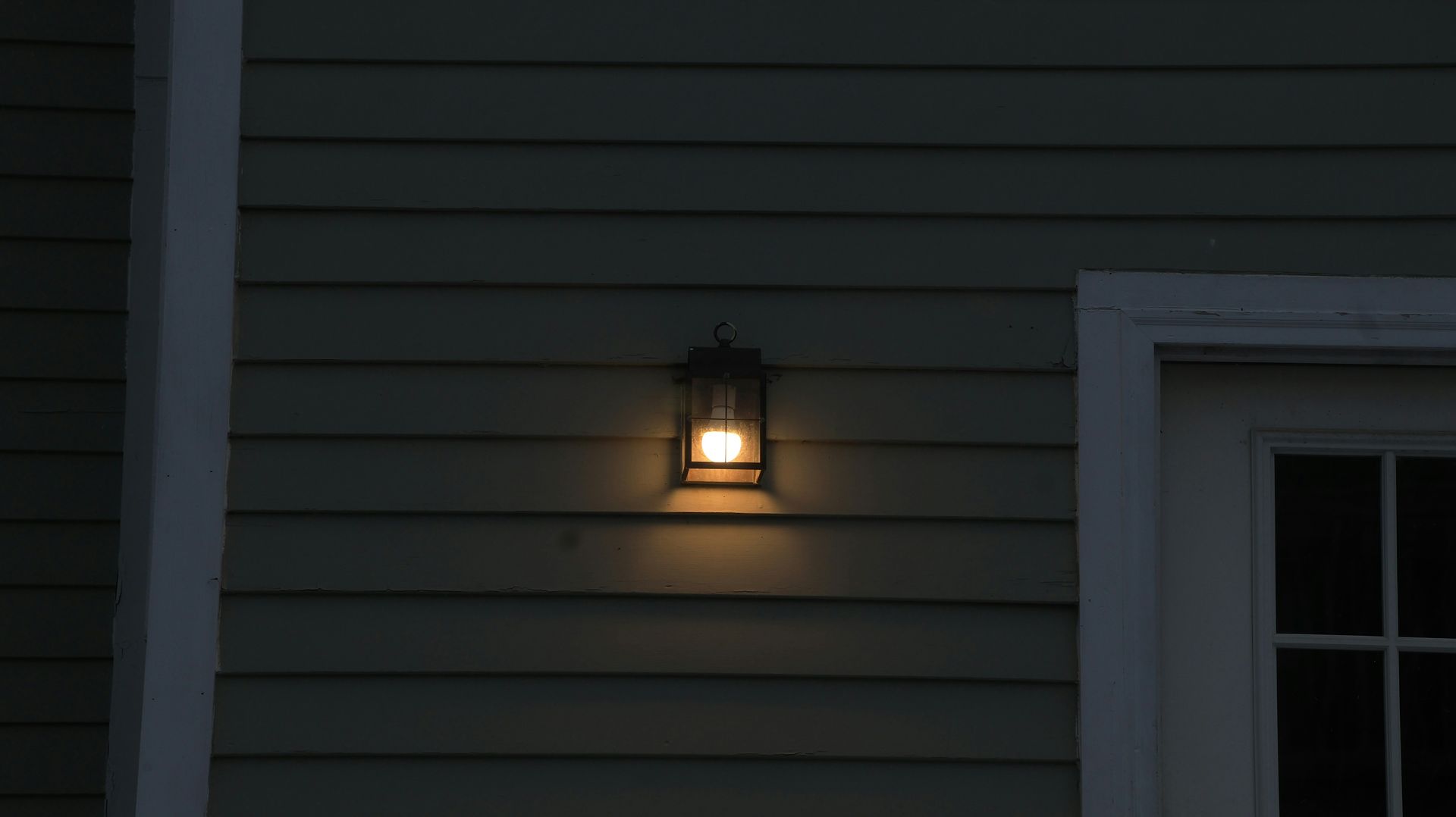
Reader’s Digest advises creating the appearance of normal daily activity to discourage potential burglars while you are away. Fully closed blinds that remain unchanged for days can advertise absence. A mix of open, partially open, and closed blinds allows light to escape while still protecting privacy.
Mail piling up or unmaintained lawns deliver similar signals. Reader’s Digest suggests placing mail on hold or asking a trusted neighbor to collect it. Maintaining lawn service or arranging snow removal preserves the appearance of occupancy.
Motion-sensor lights add another layer of deterrence. Sudden illumination draws attention and discourages unwanted visitors. These systems work best when positioned along common entry paths such as driveways and doorways.
Security preparation does not require expensive upgrades. Small behavioral cues create powerful impressions. Most intruders prefer easy targets, and a home that appears active rarely qualifies.

Chewy / Unsplash
Travel independence still requires a safety net. Reader’s Digest recommends informing trusted friends or family members about travel plans and ensuring pets remain properly cared for during your absence.
International travelers benefit from enrolling in the Smart Traveler Enrollment Program, which provides updates from embassies about safety conditions and helps officials contact travelers during crises or natural disasters.
Pets need just as much planning as your packing list. Automatic feeders and litter boxes can keep cats comfortable, but Reader’s Digest recommends having someone check in to make sure everything is actually working. Technology is helpful. Your cat, however, cannot fix a jammed feeder.
Dogs often require more structured care. Owners should provide written feeding schedules, exercise routines, behavioral quirks, and veterinary contact information for sitters. Clear instructions reduce anxiety for both pets and caregivers.
Leaving pets behind can create emotional stress that follows travelers onto the plane. Proper preparation replaces worry with reassurance.
