Trees communicate, make sounds when stressed, and redistribute water underground at night. Most of this has been discovered in the last 30 years
Radosław Krupa / Pexels
The tree you walked past this morning was doing things that would have been considered impossible — or at least implausible — by most biologists as recently as the 1980s. It was exchanging carbon and mineral nutrients through an underground fungal network. It was producing volatile chemical signals detectable by neighboring trees. It was performing hydraulic redistribution, moving water from deep wet soil layers to dry surface layers through its root system during the night. It was responding, in measurable ways, to the specific chemical signatures of the insects eating its leaves — distinguishing mechanical damage from caterpillar feeding and adjusting its defensive chemistry accordingly.
None of this is metaphor. These are documented, peer-reviewed biological phenomena — the product of a revolution in plant biology that began in the late 1980s and has accelerated sharply through advances in chemistry, genomics, imaging technology, and the specific scientific attention paid to forest ecosystems over the past three decades. The revolution has required a fundamental revision of how trees, and plants generally, are understood — from passive, essentially mechanical organisms that photosynthesize, grow, and reproduce without anything resembling agency or response to active, chemically sophisticated systems that perceive their environment, respond to threats, communicate with other organisms, and make something that looks, at least functionally, like decisions.
This is not the "trees are conscious" or "forests think" narrative that popular accounts have sometimes produced from the same underlying science. The careful version is both more interesting and more honest: trees are far more biologically sophisticated than their apparent stillness suggests, the specific capabilities they possess are extraordinary in their own right without requiring anthropomorphic framing, and understanding these capabilities changes something specific about how a forest looks to a person who knows what is happening in it.
This list covers 15 of those capabilities, drawn from peer-reviewed literature and described with the accuracy the science supports. Where findings are contested or preliminary, this is noted. The goal is the genuine astonishment that comes from accurate information about extraordinary biology — not the inflated astonishment of overclaimed popular science.
Robin Godefridi / Pexels
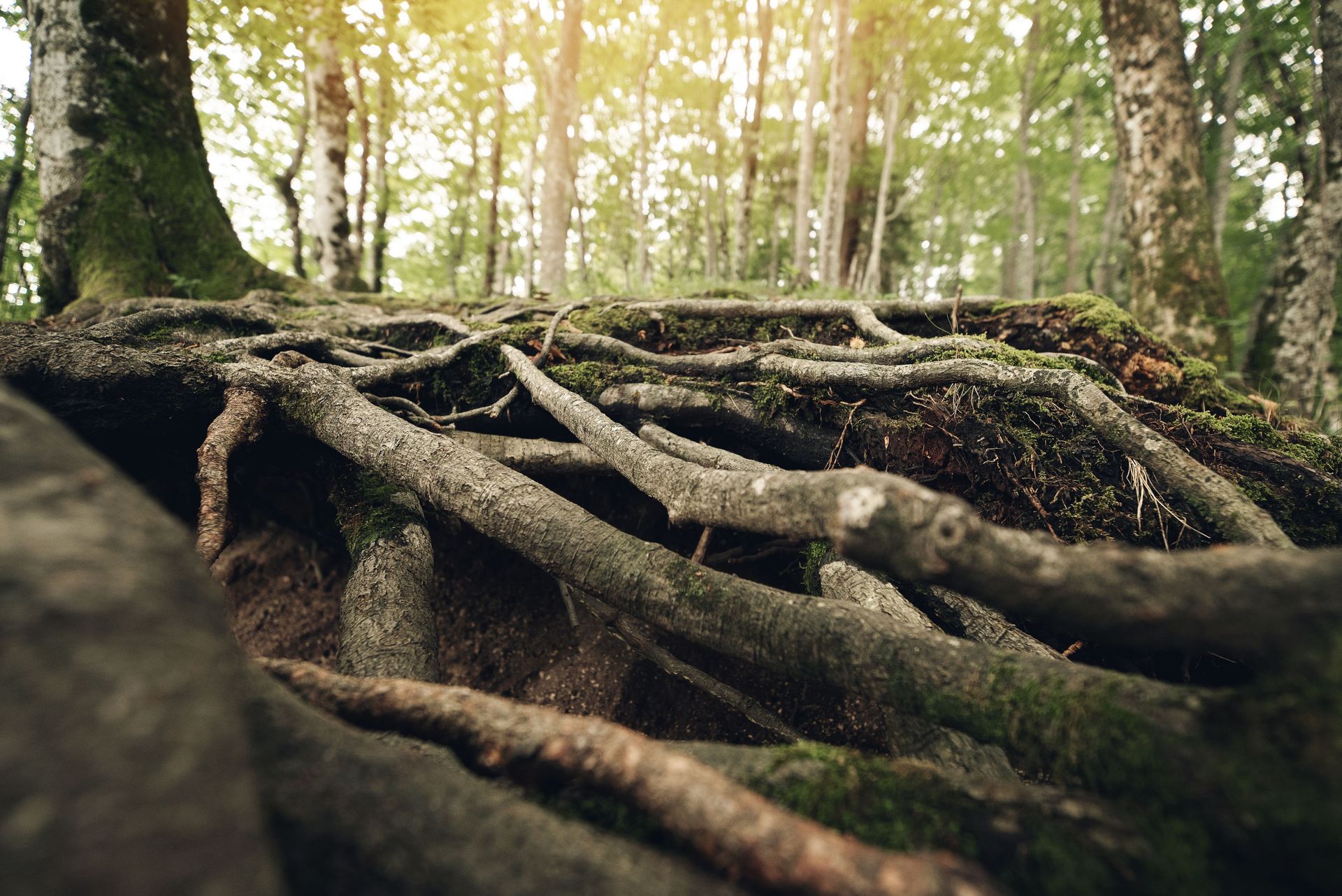
The mycorrhizal network — the web of fungal threads (hyphae) that connects the root systems of trees in a forest, allowing the transfer of carbon, water, phosphorus, nitrogen, and chemical signals between trees — is the most consequential discovery in forest ecology of the past 40 years, and the one that has most fundamentally changed the understanding of what a forest is.
Mycorrhizal fungi form symbiotic associations with the roots of approximately 90% of terrestrial plant species: the fungus colonizes the root system, extending far beyond the root's reach into the soil and dramatically increasing the root system's effective surface area for nutrient and water uptake. In return, the plant provides the fungus with carbohydrates produced through photosynthesis. The association is ancient — mycorrhizal associations are found in plant fossils 400 million years old, predating most terrestrial plant diversification.
What was not understood until Suzanne Simard's landmark 1997 Nature paper was that the mycorrhizal network allows the transfer of carbon between trees: Simard used radioactive carbon tracers to demonstrate that Douglas firs transferred carbon to paper birches through the shared fungal network. Subsequent research has confirmed carbon transfer between multiple tree species in multiple forest types, and has expanded the picture to include the transfer of water, phosphorus, nitrogen, and chemical defense signals.
The practical implication for forest ecology is significant: trees in a forest connected by mycorrhizal networks are not simply competing for light, water, and nutrients in isolation but are participating in a shared resource economy whose dynamics are far more complex than competition alone. The "mother tree" concept — Simard's observation that large, established trees appear to be disproportionate hubs in the mycorrhizal network, connected to more individuals and exchanging more resources than younger trees — remains an active area of research, with some aspects of Simard's specific claims contested by other ecologists while the basic network connectivity is firmly established.

Yoshi Tatsumi / Pexels
When certain trees are attacked by insects or browsing animals, they release volatile organic compounds (VOCs) — chemical signals carried through the air — that neighboring trees detect and respond to by increasing their own chemical defenses before they are attacked. This airborne chemical communication, first documented in willow trees by David Rhoades in 1983 and subsequently confirmed in multiple tree species including poplar, alder, and sugar maple, represents a form of information transfer that does not require physical connection between the communicating trees.
The mechanism is specific: when insects begin feeding on a leaf, the tree synthesizes and releases a range of volatile compounds including methyl jasmonate, ethylene, and terpenes. Neighboring trees detect these compounds through receptor proteins on their leaf surfaces and respond by increasing the production of tannins, proteinase inhibitors, and other chemical compounds that make their leaves less digestible and less nutritious for the insects. This "warned" response is faster than the response to actual insect attack, providing a defensive head start.
The adaptive value is clear: a tree that produces defensive compounds before it is attacked has an advantage over one that waits until attack begins. The evolutionary question — why would a tree benefit from warning its neighbors, which are potential competitors? — has been answered in several ways, including the possibility that the signal is not intentional communication but a byproduct of defensive chemistry that happens to be detectable by other plants, and that detecting and responding to these signals is the adaptive behavior, not the production of them.
Lana Kravchenko / Pexels
Several tree species, including Douglas fir and black walnut, behave differently toward seedlings that are genetically related to them than toward unrelated seedlings — a phenomenon that requires the trees to somehow distinguish their own offspring from other individuals and to modify their behavior accordingly.
Simard's research group demonstrated that Douglas fir mother trees transferred more carbon to seedlings of their own genetic line than to unrelated seedlings through the mycorrhizal network, and reduced their own root growth to avoid competitive overlap with their offspring. The mechanism of kin recognition in trees is not fully established but likely involves chemical signals in root exudates that encode genetic identity information, allowing the fungal network to facilitate preferential resource transfer.
The parallel with animal kin recognition — the altruistic behavior that evolutionary theory predicts when organisms share significant genetic material — is real but requires careful framing. Trees are not making conscious decisions about family loyalty; the mechanism is chemical signaling that has been selected for because trees that preferentially supported genetically similar neighbors (which in a forest context often means their own offspring or close relatives) left more copies of their genes in subsequent generations than those that did not.
Trees produce ultrasonic sounds — acoustic signals in the frequency range above human hearing, detected by sensitive microphones placed in contact with the wood — when they are experiencing water stress or physical damage. This finding, documented in research published in Cell in 2023 by Itzhak Khait and colleagues at Tel Aviv University, established that plants are not acoustically silent but produce specific, detectable signals whose character varies with the type and severity of stress.
The mechanism is cavitation: when a tree is water-stressed, the continuous water columns in its xylem (the water-conducting tissue) can break under tension, producing a popping or clicking sound as an air bubble forms in the water column. The researchers found that tomato plants and tobacco plants produced distinctive sounds under drought stress and under cutting damage, and that the sounds were different enough to be distinguished — drought stress produced a characteristic pattern distinct from the pattern produced by cutting.
Whether other organisms — insects, other plants, fungi — can detect and respond to these acoustic signals is an open research question. The Tel Aviv group proposed that the signals might be detectable by nearby organisms with sensitive hearing or vibration sensing, and that they could potentially function as information about plant water status or damage. This aspect of the research is speculative; the acoustic signal itself is documented.
Ibad Badrul / Pexels
Hydraulic redistribution — the passive movement of water through plant root systems from moist soil layers to dry soil layers, driven by water potential gradients — occurs in many tree species and represents an active contribution by the tree to the water distribution in its immediate soil environment. Trees with deep roots that reach moist soil layers can, during the night when transpiration has ceased, passively redistribute water upward to dry surface soil layers through their root systems — a process that has been documented to benefit both the tree's own surface roots and neighboring plants.
The mechanism is entirely physical: water moves from high water potential (wet, deep soil) to low water potential (dry, surface soil) through the root system along the gradient. During the day, when transpiration is active and the tree is pulling water upward from roots to leaves, the gradient is dominated by this upward transpiration pull. At night, when transpiration ceases, the water potential gradient reverses in the soil and water redistributes through the root system toward the dry surface zones.
Research by Todd Dawson at the University of California, Berkeley documented hydraulic redistribution in sugar maples, finding that the water released into surface soil by nocturnal hydraulic redistribution benefited not only the maple's own shallow roots but neighboring plants that had no connection to the deep water source. The redistribution can be substantial enough to be ecologically significant during drought periods, effectively extending the water access of the entire plant community around a deep-rooted tree.
João Vítor Heinrichs / Pexels
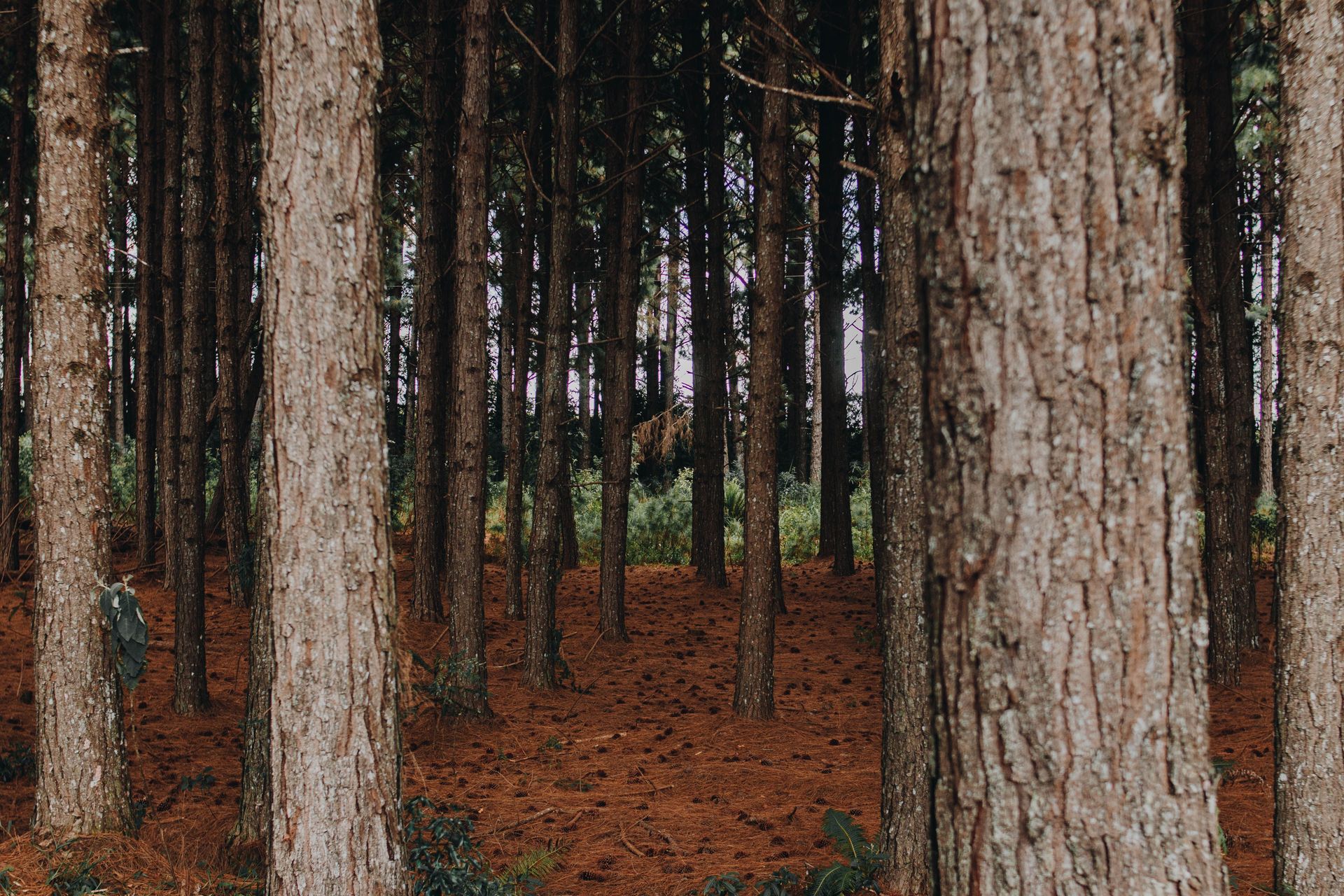
Trees subjected to mechanical stress — persistent one-directional wind, the weight of snow, competition from neighboring trees — respond by producing reaction wood: a type of wood with a modified cell structure, chemical composition, and mechanical properties specifically adapted to counteract the stress. In conifers (softwoods), this is called compression wood; in hardwoods, it is tension wood. The production of reaction wood is a dynamic response to the tree's mechanical environment — the tree perceives the direction and magnitude of stress and produces modified wood in the specific locations and orientations that mechanically counteract the stress.
The mechanism involves the perception of gravitational direction and mechanical strain by specialized receptor cells in the cambium (the growth layer that produces new wood), which then modulate the chemical composition of the wood being produced. Compression wood in conifers has a higher lignin content and denser cell structure than normal wood; tension wood in hardwoods has a special gelatinous fiber layer that generates tensile pulling force.
The practical consequence is that a tree growing on a hillside, or subjected to prevailing wind from one direction, produces a trunk that is not symmetrical but is specifically reinforced on the upwind or uphill side — a mechanical optimization produced entirely by the tree's own developmental response to its physical environment.
Thomas P / Pexels
Research in temperate forests has documented that large, old trees — "mother trees" in Simard's terminology, or "legacy trees" in some other frameworks — transfer carbon and nutrients to smaller, younger trees through the mycorrhizal network, particularly in conditions where the younger trees are shaded and cannot photosynthesize enough to meet their own carbon needs. This transfer can support the survival of seedlings in forest understories that would otherwise be too shaded to survive.
The dynamics of the relationship change over time: as seedlings grow and their own photosynthetic capacity increases, they may eventually contribute carbon to the network rather than drawing from it. Adult trees may draw from the network in some seasons and contribute in others, depending on their own metabolic needs.
The ecological significance of this finding is that forest regeneration may depend on the continued presence of large, old trees in a way that is not visible from above: cut the old trees and the seedlings that depended on their carbon contribution lose a significant resource. This has implications for forestry practices that favor removing large old trees (which have more commercial value) while retaining younger trees.
Brendo Boyose / Pexels
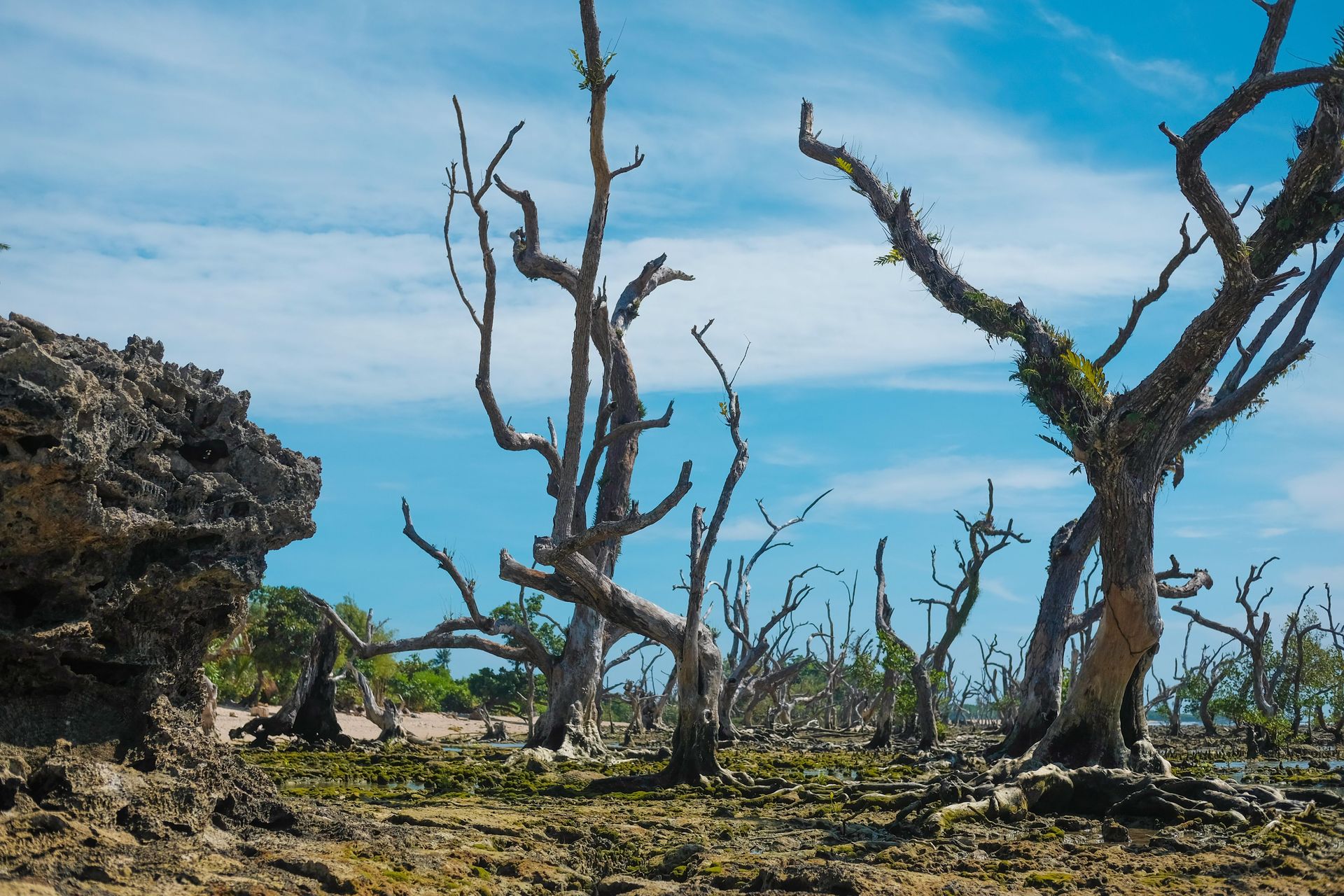
Trees detect water stress in their soil and begin conserving water — closing their stomata (the pores through which they exchange gas and water vapor with the atmosphere) and reducing their rate of photosynthesis — before any visible wilting or stress symptoms appear. This preemptive water conservation response is part of a sophisticated hydraulic sensing system that monitors water potential throughout the tree's vascular system and triggers adjustments in water use before the system reaches critical tension.
The mechanism involves chemical signaling: the roots detect declining soil water availability and produce abscisic acid (ABA), a hormone that travels upward through the xylem to the leaves and triggers stomatal closure before the leaf cells themselves are experiencing water stress. This root-to-shoot signaling allows the tree to anticipate drought conditions based on soil moisture rather than waiting for the leaves to show stress.
The practical consequence is that a tree's photosynthetic activity can decline significantly under drought before any outward sign of stress — a hidden cost of drought that affects carbon accumulation and ultimately growth without being visible from outside. Remote sensing technologies that measure photosynthetic efficiency rather than green color are beginning to reveal this hidden drought stress across forest landscapes.

Serinus / Pexels
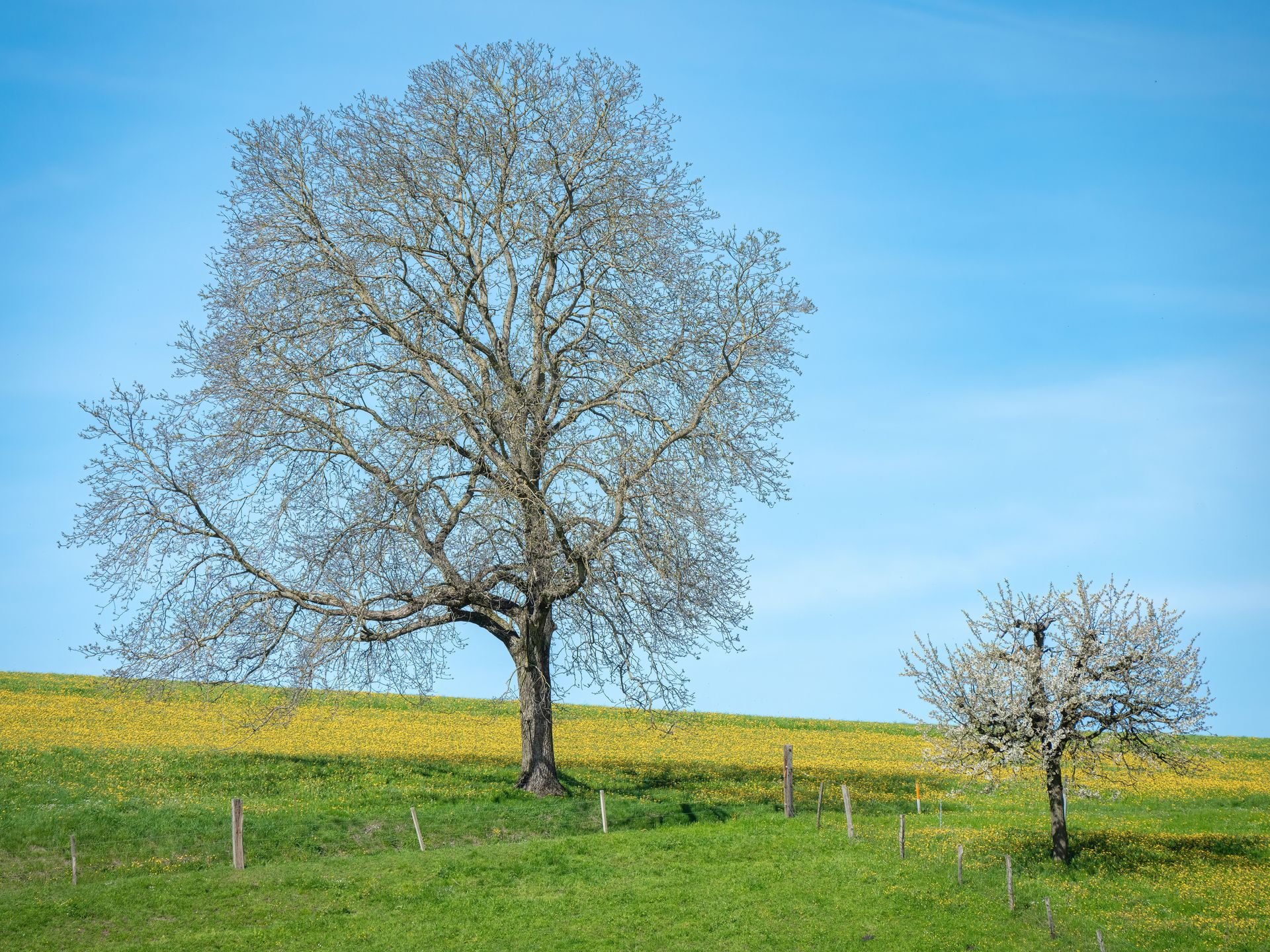
Trees time their seasonal transitions — the timing of bud burst in spring, leaf drop in autumn, and the beginning and end of active growth — primarily by measuring photoperiod (day length) rather than temperature alone. The ability to track day length requires the tree to measure the duration of darkness each night and to accumulate this information over time, building a picture of seasonal progression that allows the anticipation of seasonal change rather than merely responding to it after it has occurred.
The photoreceptors responsible for photoperiod measurement in trees are phytochromes — proteins that exist in two interconvertible forms, one sensitive to red light and one to far-red light, whose relative proportions change with exposure to darkness. The phytochrome system allows the plant to measure night length with considerable precision — it is the duration of uninterrupted darkness that matters, and brief light interruptions during the night can reset the measurement, which is why artificial light near trees can disrupt their seasonal timing.
This photoperiod measurement explains why temperature alone cannot fully predict spring bud burst timing — in warm winters, trees do not simply respond to warmth by breaking dormancy early, because the photoperiod correctly signals that it is still winter regardless of the temperature. The climate change implication is complex: rising temperatures affect the temperature component of seasonal timing, but the photoperiod component is fixed by the earth's axial tilt, creating potential mismatches between temperature and photoperiod cues for spring growth onset.
Johannes Plenio / Pexels
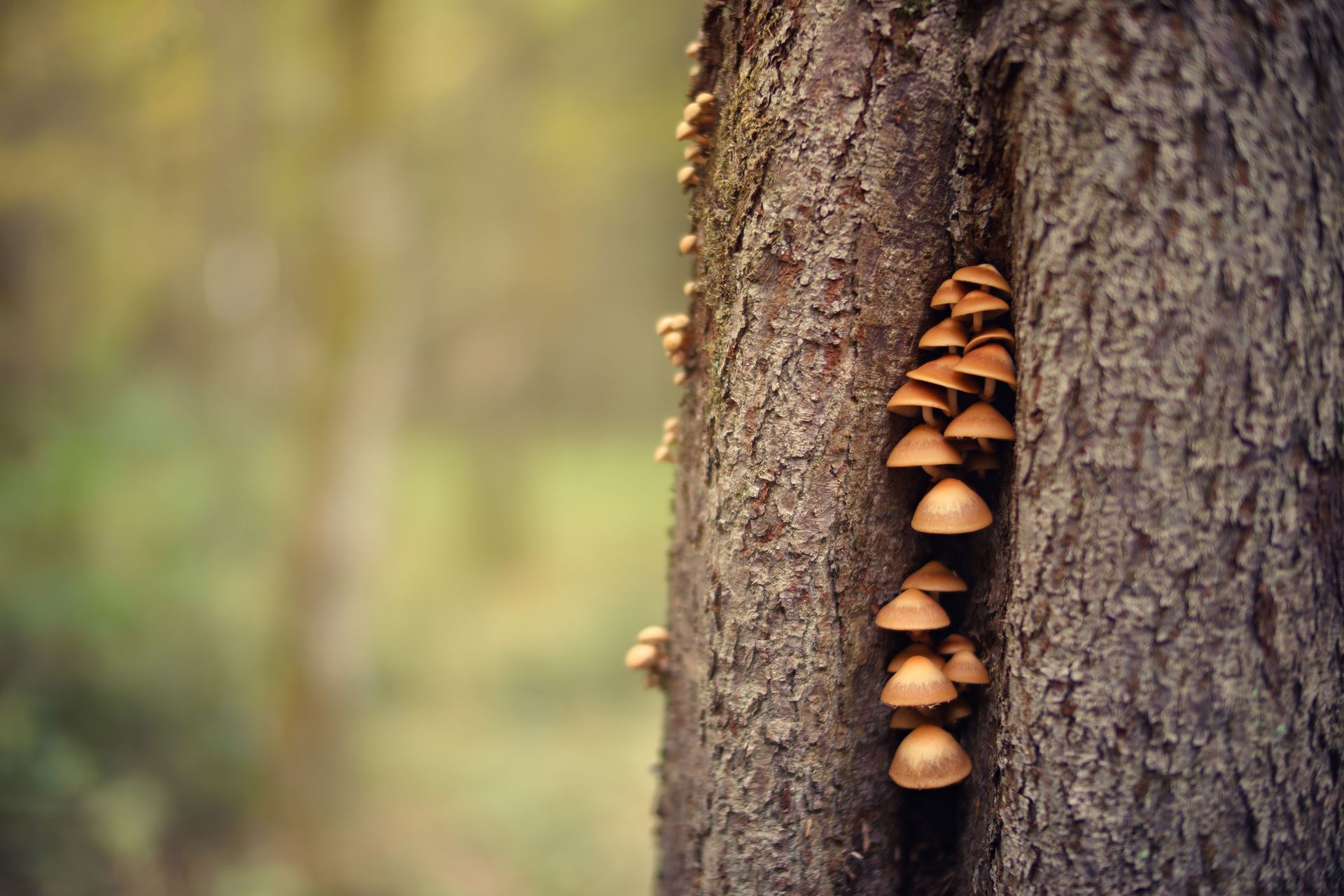
The mycorrhizal association described earlier is one of the most significant plant-microbe relationships in forest ecosystems, but it is one of many. Trees have evolved specific, often highly selective associations with particular fungal and bacterial species that provide benefits unavailable from non-partner organisms. Some of these associations are so specific that particular tree species can only grow in certain soils because those soils contain the specific fungal partners the tree requires for survival.
Nitrogen-fixing bacteria (including Rhizobium species in leguminous trees and Frankia species in alder and other trees) form specific associations with root nodules where they convert atmospheric nitrogen gas into ammonia that the tree can use as a nitrogen source — a capability the tree itself lacks. These associations can significantly affect the nitrogen chemistry of entire forest patches, as the associated tree species enriches the surrounding soil with biologically fixed nitrogen.
Certain mycorrhizal associations are so specific that they cross continental boundaries: truffle-producing fungi in Europe form associations almost exclusively with oaks and beeches; the specific oak-truffle association has been exploited commercially for centuries, with truffle orchards established by planting oak seedlings pre-inoculated with the appropriate Tuber fungal species.
Steven Purdy / Pexels
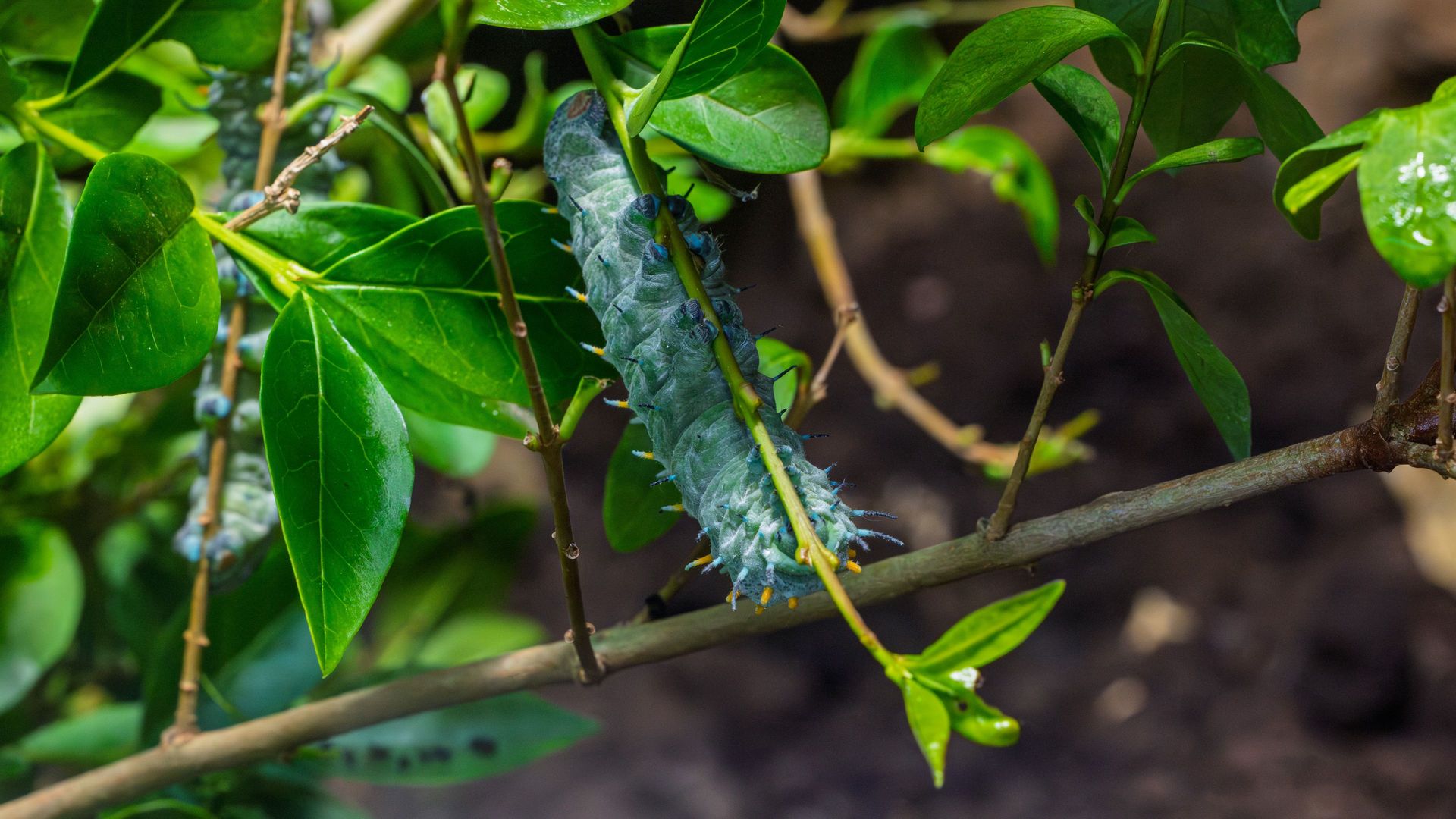
When caterpillars (insect larvae) feed on tree leaves, the tree mounts a specific defensive response — increasing the production of defensive compounds including tannins, proteinase inhibitors, and toxic alkaloids — that differs from the response to mechanical damage by scissors or teeth. The tree distinguishes caterpillar feeding from simple mechanical damage through chemical cues in the caterpillar's saliva and frass (droppings), which trigger a specific signaling cascade distinct from the signaling pathway activated by mechanical wounding.
This specificity was first demonstrated by Ian Baldwin and Jack Schultz in tobacco plants and has since been documented in multiple tree species. The caterpillar-specific defensive response is more robust and longer-lasting than the mechanical damage response — the tree appears to invest more heavily in defense when the damage is identified as being caused by a living herbivore rather than by physical breakage.
The molecular mechanism involves the detection of specific compounds in caterpillar oral secretions — including fatty acid-amino acid conjugates unique to insect saliva — that activate the jasmonic acid signaling pathway, a master regulator of plant defensive responses. The same compounds that trigger enhanced tree defense also trigger the production of volatile signals that attract parasitic wasps — natural predators of caterpillars — a finding that represents one of the most complex multi-organism chemical interactions documented in forest ecology.
Ruben Flores de Guirior / Pexels
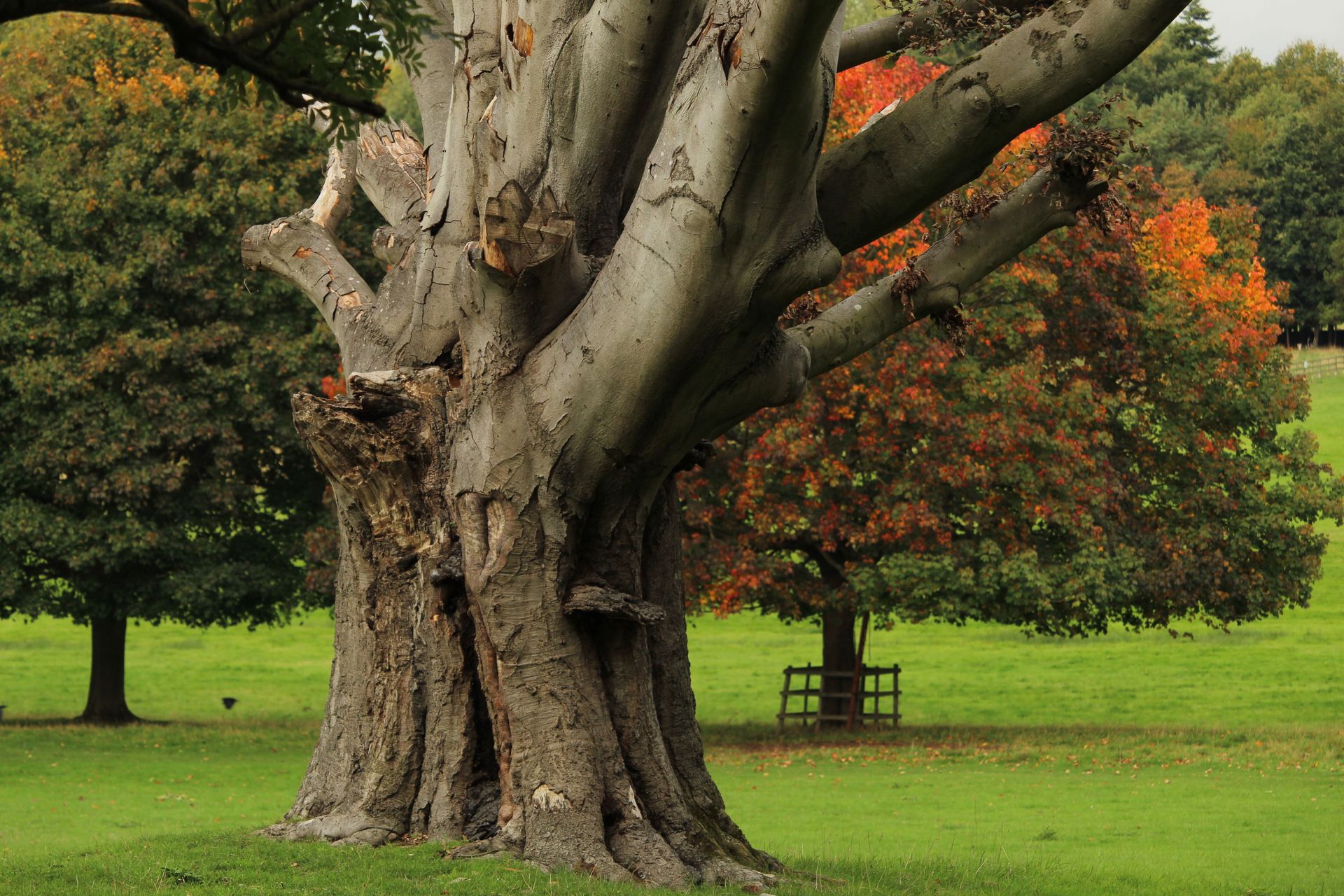
While individual tree trunks are limited in lifespan — even the longest-lived non-clonal trees like bristlecone pines reach approximately 5,000 years — certain tree species reproduce clonally, sending up new shoots from a shared root system, and the root system itself can persist for thousands to tens of thousands of years while individual stems grow, age, and die above ground.
Pando — the famous quaking aspen grove in Utah that is connected by a single shared root system — is estimated to be the largest living organism on Earth by mass (approximately 6,000 metric tons) and among the oldest, with the root system potentially 80,000 years old, though this estimate is contested by some researchers who argue the age cannot be reliably established from available evidence. What is established is that the grove consists of approximately 47,000 stems, all genetically identical, all connected by and supported by a single root system.
The ecological significance of clonal reproduction is that it allows persistence across timescales far beyond those accessible to sexually reproducing individual trees — the root system survives fires (which regularly clear the above-ground stems and actually stimulate vigorous new shoot production), drought, disease, and browsing damage that would kill individual trees, and is replaced by new stems as the old ones die.
Petr Ganaj /Pexels
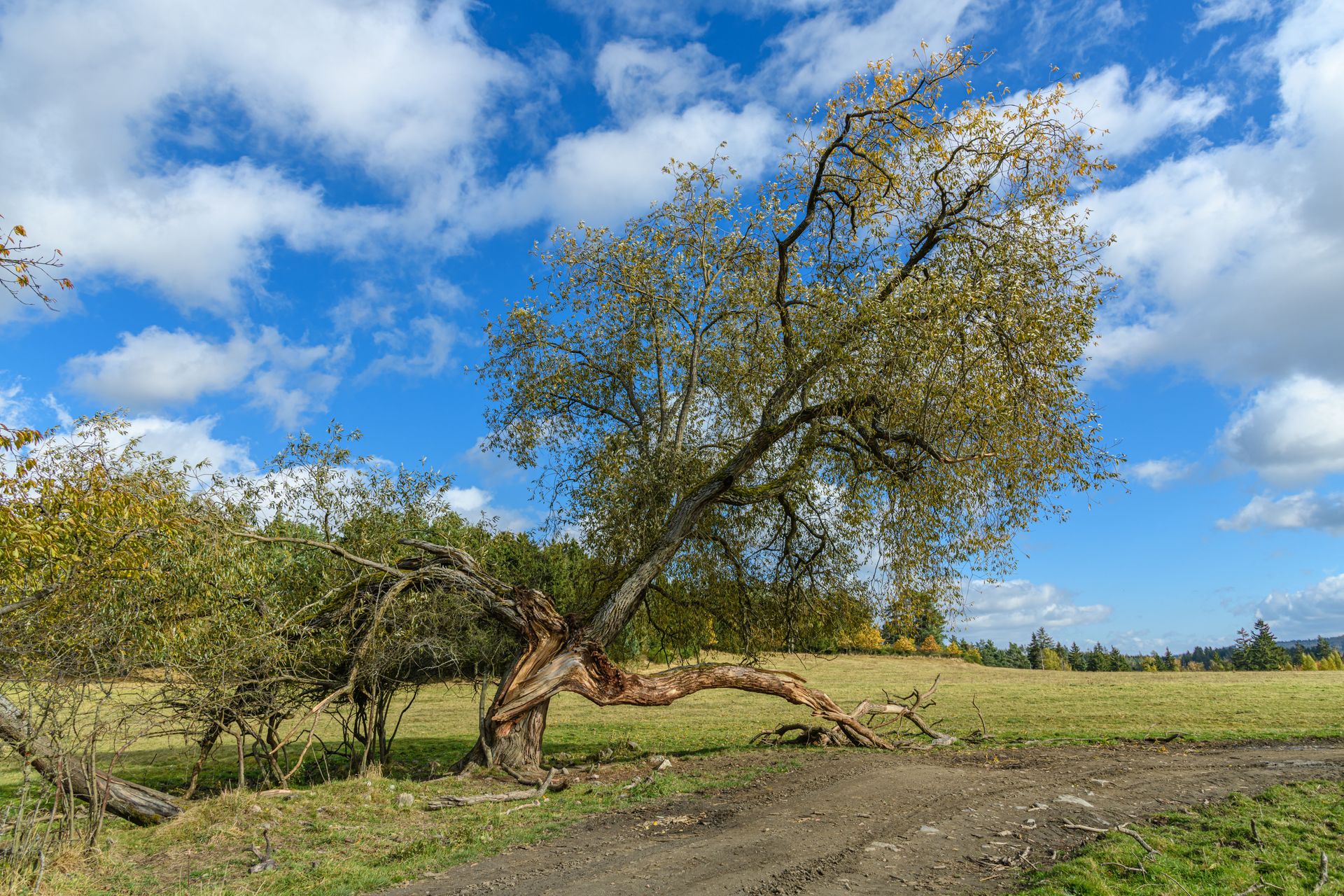
The maintenance of upright growth in trees — the correction of tilting, the response to damage, the coordinated orientation of branches and trunk toward vertical — requires continuous perception of gravitational direction and continuous adjustment of growth accordingly. Trees accomplish this through specialized cells called statocytes, which contain starch-filled organelles called amyloplasts (statoliths) that settle under gravity and provide a directional signal to the cell.
The settling of amyloplasts in the direction of gravity triggers an asymmetric distribution of the growth hormone auxin, producing differential cell elongation on the lower versus upper sides of a bending root or stem that acts to restore vertical orientation. This mechanism operates continuously throughout the tree's life, allowing it to correct gradual tilting, respond to the removal of supporting neighbors, and maintain structural integrity through decades of growth.
The practical evidence for this system is visible in any grove of trees that has experienced windthrow or the removal of neighboring trees: the surviving trees gradually reorient their growth toward vertical over years, sometimes producing curved trunk sections that record the period of off-vertical growth before the correction.
Magda Ehlers / Pexels
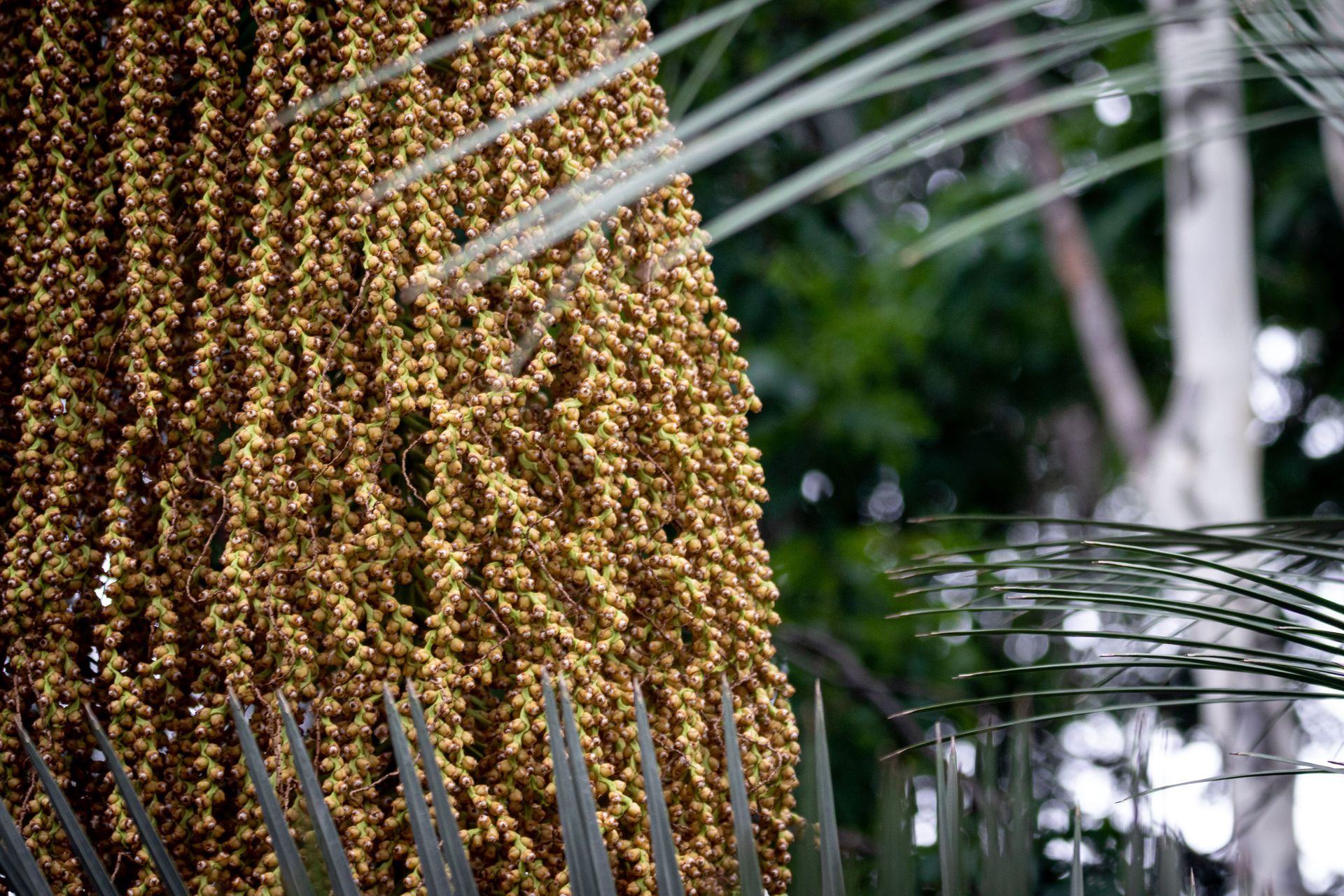
Many tree species produce seeds in synchronized boom-and-bust cycles — years of massive, simultaneous seed production across many trees of the same species (mast years) alternating with years of minimal seed production — a phenomenon called masting. The synchronization occurs across trees that have no direct communication, sometimes extending across hundreds of kilometers, and the mechanism requires trees to simultaneously assess environmental conditions and arrive at the same decision about whether to invest in seed production.
The proximate mechanism most supported by current research involves temperature cues — specifically the difference in temperature between the current summer and the previous summer — that appear to trigger synchronized reproductive effort when temperatures cross specific thresholds. The ultimate mechanism (why masting evolved) is the predator saturation hypothesis: by producing enormous quantities of seeds simultaneously, the tree population overwhelms the seed-eating animals and insects that would otherwise consume most of the seeds, ensuring that a fraction escape predation and successfully germinate. In low-production years, predator populations decline, which makes the subsequent mast year's surplus even more effective at saturating predators.
The climate change implication of masting is being actively researched: warming temperatures are changing the temperature difference signals that trigger masting, in some cases increasing masting frequency or intensity in ways that may alter the predator-prey dynamics the system has evolved to exploit.
Pok Rie / Pexels
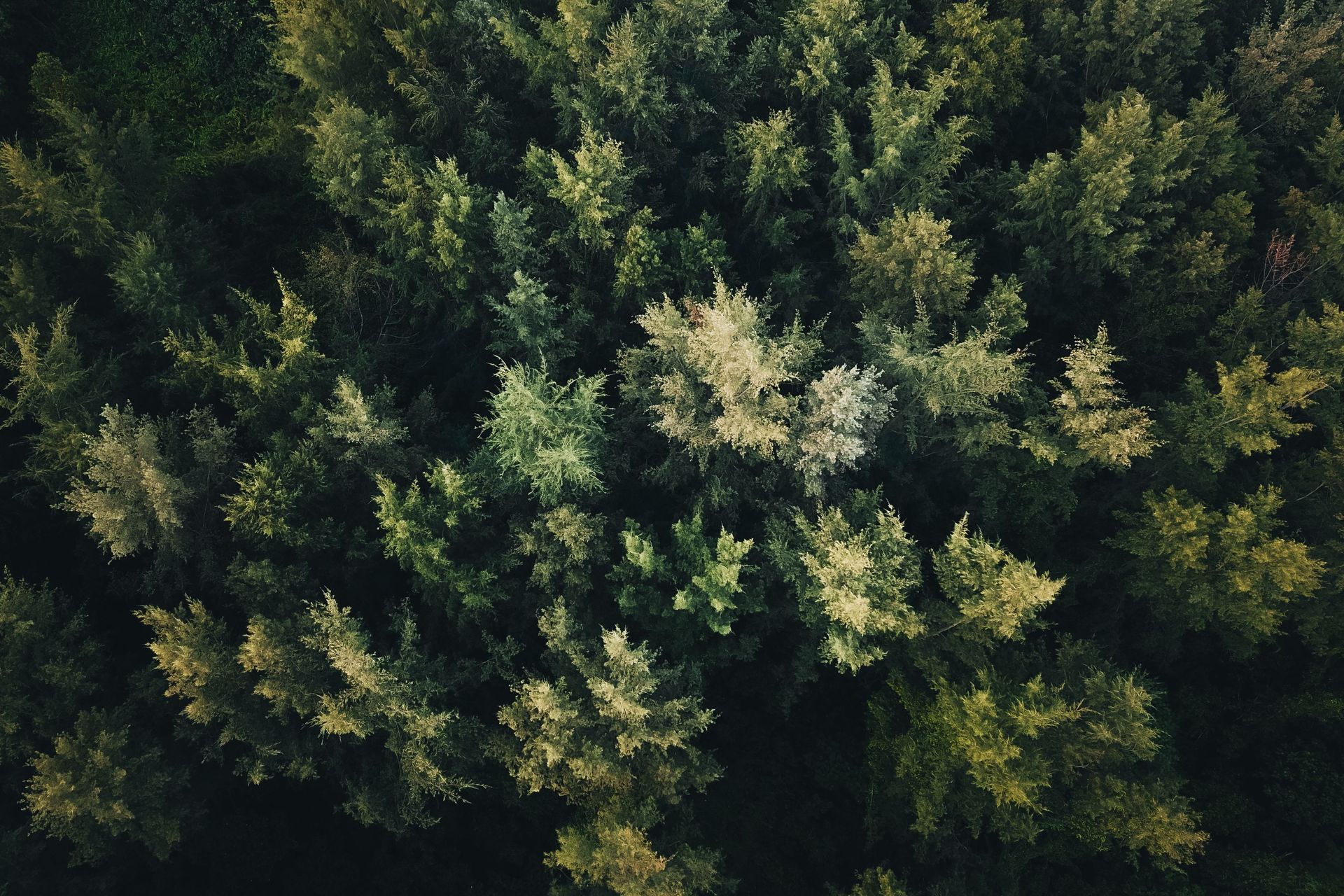
The role of forests in the global carbon cycle — absorbing atmospheric carbon dioxide through photosynthesis and storing the carbon in wood, roots, and soil — is well understood in its broad outlines but has important specific mechanisms that are less widely appreciated. The carbon stored in a tree's trunk is not simply held there until the tree dies and decomposes; significant fractions of the carbon in old-growth forests can remain stored in the wood and soil for centuries to millennia, far outlasting any individual tree's lifespan.
The specific mechanism of long-term carbon storage involves the lignin chemistry of wood: lignin — the compound that makes wood rigid and accounts for approximately 20 to 30% of wood's dry weight — is one of the most chemically resistant biological polymers known. It is degraded slowly even by organisms specialized for the task, and in specific soil conditions (waterlogged, acidic, cold, or anaerobic soils) it can persist for hundreds to thousands of years. Coal is essentially ancient lignin — the product of lignin from Carboniferous forests that accumulated faster than the organisms capable of degrading it had evolved to process it.
The carbon sequestration capacity of old-growth forests — forests with very large, very old trees and accumulated deadwood — is significantly higher per unit area than that of younger managed forests, because the large, dense wood of old trees stores carbon in volumes that younger trees cannot match and because the accumulated organic matter in old-growth forest soils represents carbon storage that develops over centuries of organic matter accumulation under intact forest canopy.
