
15 things vets wish every cat owner knew — but most never ask
Veterinarians see the same preventable problems again and again — these are the things vets wish cat owners knew before those problems start
Credit: Gustavo Fring / Pexels
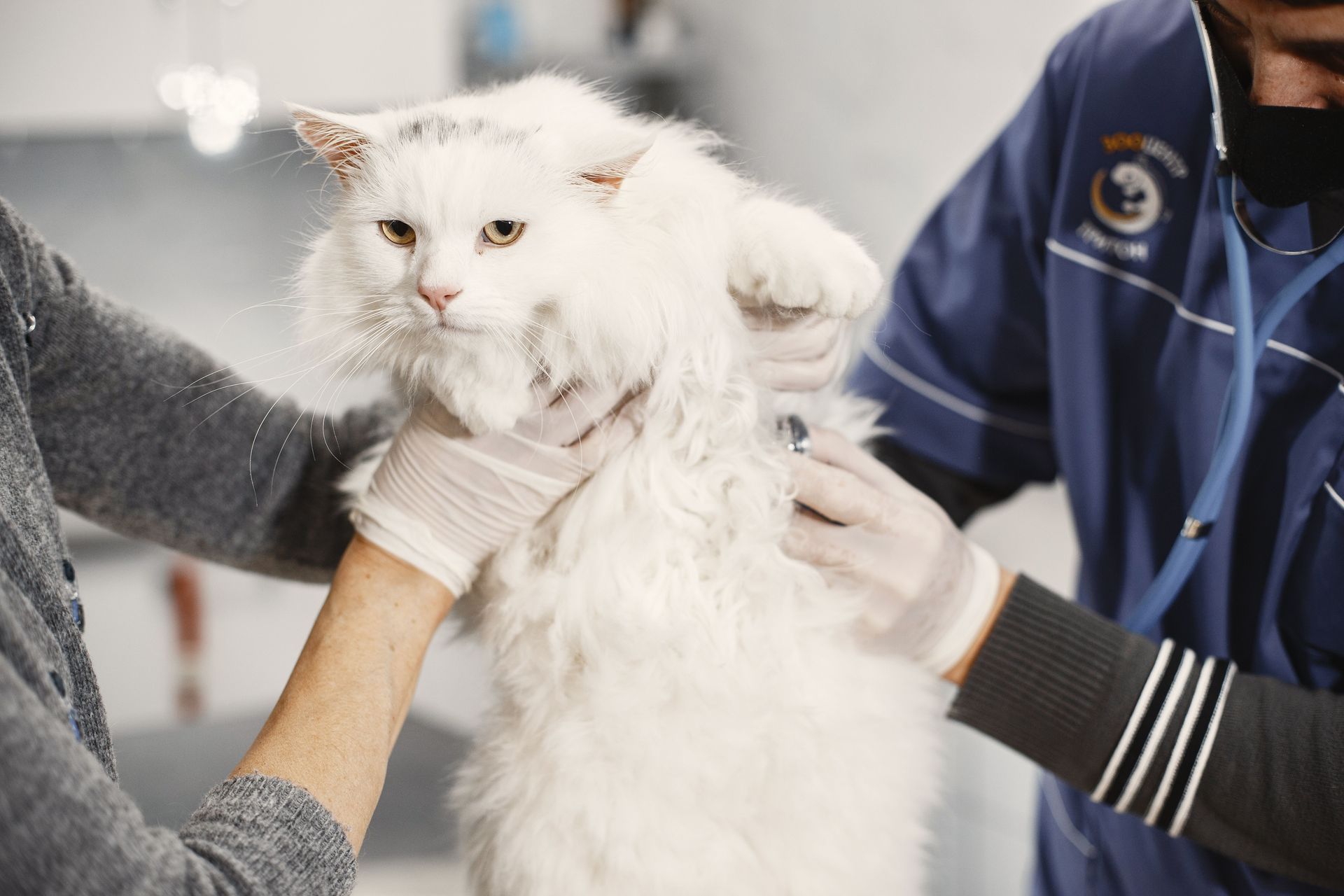
A cat that isn't limping, isn't vomiting and is eating its usual amount can still be seriously ill. That's the paradox veterinarians navigate every day: cats evolved as both predator and prey, and prey animals that show weakness get targeted, so they have become extraordinarily good at hiding pain, nausea and even early organ failure until a problem is advanced. It's one of the main reasons the things vets wish cat owners knew rarely come up during a routine visit — by the time a symptom is obvious enough for an owner to notice, the underlying issue has often been building for months.
Cats now outnumber dogs as pets in many U.S. households, yet they visit the veterinarian far less often than dogs do, according to data tracked by the American Veterinary Medical Association. Part of the gap comes from logistics — cats travel poorly, dislike carriers, and owners assume no visible symptoms means no problem. Part of it comes from information that never gets passed along in a rushed appointment: which foods are quietly toxic, how many litter boxes a multi-cat household actually needs, why an indoor cat still needs a rabies vaccine, or why weight gain that looks minor on a small-bodied animal can already qualify as obesity.
This list gathers 15 things vets wish cat owners knew but rarely get asked about directly: the everyday care details, warning signs and preventive habits that separate a cat that ages comfortably from one whose problems get caught only once they're serious. None of it requires special equipment or a change in lifestyle, just information that's easy to miss because nobody thinks to ask, and easy to act on once it's clear. Some of it will change what's kept in a kitchen cabinet. Some of it will change how a litter box gets set up. All of it comes from the unglamorous, everyday work of feline preventive medicine, the part of veterinary care that has nothing to do with emergencies and everything to do with never having one.
Indoor cats still need flea, tick and heartworm prevention
Credit: Tahir Xəlfəquliyev / Pexels
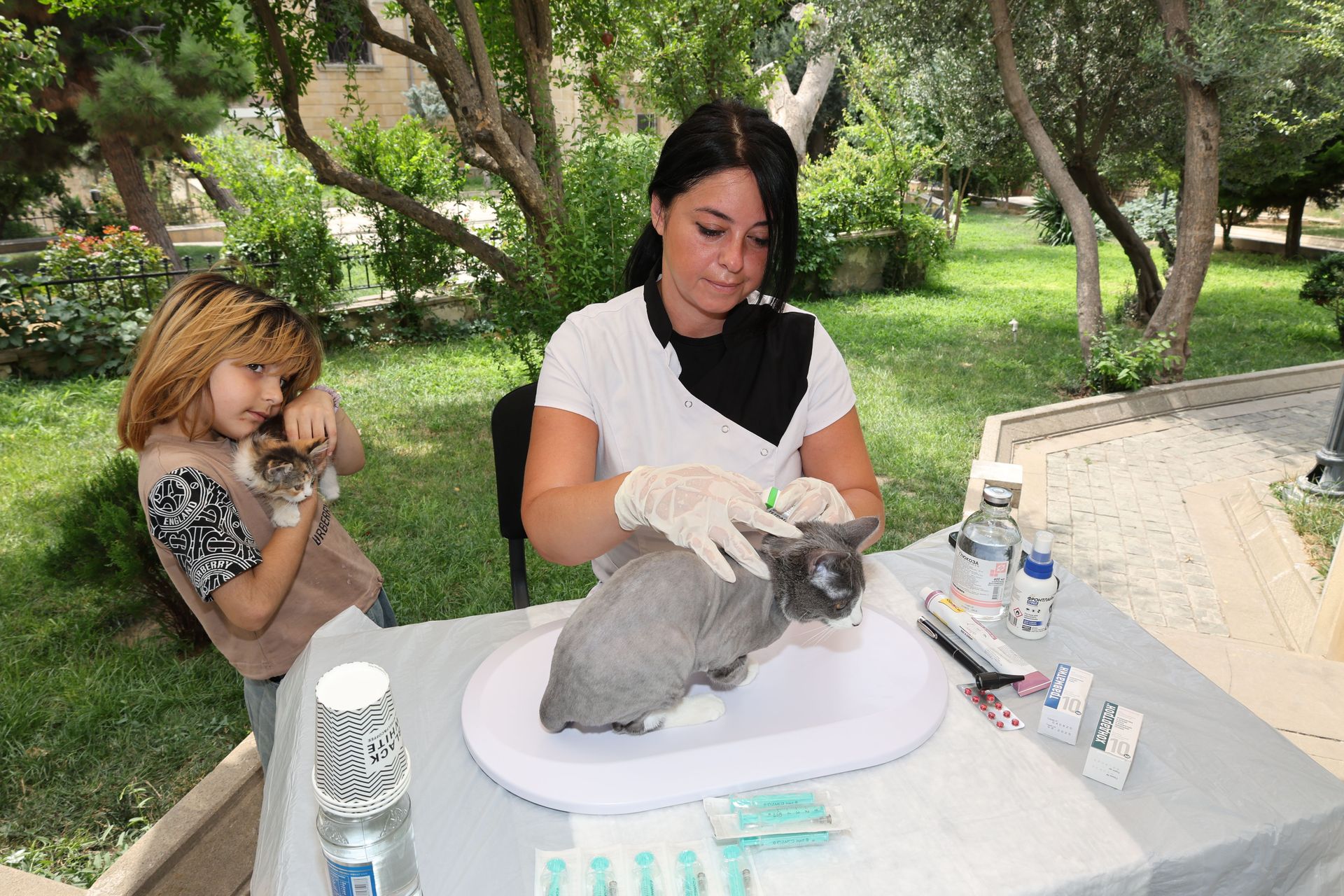
An indoor-only cat can still pick up fleas, ticks and heartworm, because mosquitoes slip through window screens and door gaps, and fleas travel in on other pets, on delivery boxes or on a person's shoes and pant legs. Being kept inside lowers the risk. It does not remove it.
Heartworm is spread exclusively through mosquito bites, so any cat that shares a home with an open window, a porch, or a dog that goes outside is exposed. Cats are considered atypical hosts for heartworm, meaning fewer larvae survive to adulthood than in dogs, but that is not good news on its own. According to the American Heartworm Society, even immature worms can trigger a serious lung condition in cats known as heartworm-associated respiratory disease, and there is no approved medication to kill adult heartworms in cats the way there is in dogs. Prevention is the only real treatment option that exists once a cat is infected.
Fleas cause more than itching. A single flea can transmit tapeworms when a cat swallows it while grooming, and a heavy flea burden can cause dangerous anemia in kittens or older cats. Ticks are less commonly discussed in cats than in dogs, but they do attach to cats and can carry the same regional diseases.
Monthly preventives labeled specifically for cats, prescribed or recommended by a veterinarian, cover fleas, heartworm and often ticks in a single application or chew. Year-round use matters even in colder climates, since mosquitoes and fleas can survive indoors through winter. One safety note worth repeating: some over-the-counter flea products made for dogs contain permethrin, an ingredient that is toxic to cats and can cause tremors or seizures if applied to them or if a cat grooms a treated dog it lives with. Reading the species label before using any flea product in a multi-pet household is not optional.
Yearly wellness exams catch problems before symptoms appear
Credit: Sueda Güzeldere / Pexels
A cat that looks completely healthy can still have early kidney disease, thyroid changes or dental infection that only bloodwork, a urine sample or a hands-on exam will reveal. Annual visits exist to catch exactly that gap.
Cats age faster than their behavior suggests. A seven-year-old cat is roughly in the range of a person in their mid-40s, and a 12-year-old cat is closer to a person in their 60s, using the age-comparison charts veterinary organizations commonly reference. Physical changes that would prompt a person to see a doctor, such as increased thirst, subtle weight loss or a change in coat quality, often get dismissed in a cat as "just getting older."
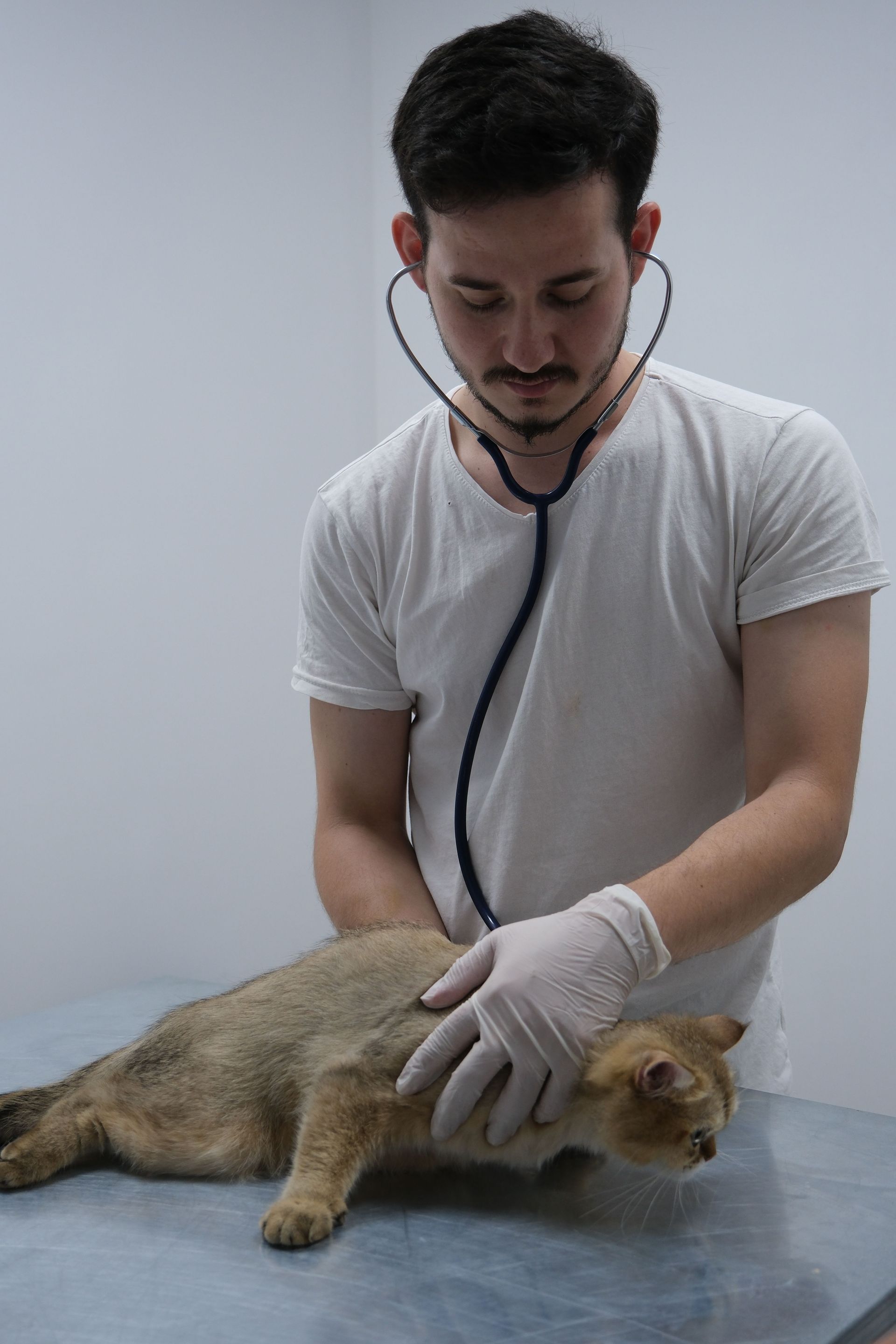
A wellness exam typically includes a weight check, a dental assessment, palpation of the abdomen to feel for changes in organ size, and a listen to the heart and lungs for early murmurs or irregular rhythms. For cats over roughly seven to 10 years old, many veterinarians recommend adding baseline bloodwork and a urinalysis annually, since kidney and thyroid disease are common in that age group and both are far more manageable when caught early rather than after weight loss or vomiting appears.
The exam also gives a veterinarian a chance to update parasite prevention, review diet and portion sizes, and check in on litter box habits that an owner might not think to mention unprompted. None of this requires the cat to be sick. In fact, the entire point is catching disease before it produces a symptom serious enough to trigger an emergency visit. Skipping annual exams because a cat "seems fine" is one of the most common reasons treatable conditions get diagnosed late.
Cost is often the reason owners delay these visits, but many general practice clinics offer basic wellness exams at a modest, predictable price, and catching a condition like early kidney disease or hyperthyroidism at a routine visit is almost always far less expensive than treating the same condition once it has progressed to an emergency. A cat that seems fine at home can still be building toward a problem a veterinarian would catch months earlier during a hands-on exam.
Even a few extra pounds counts as obesity in a cat

Credit: Rob Annen / Pexels
A cat that is two pounds overweight is not carrying a minor amount of extra weight. On a nine-pound cat, two pounds is more than 20 percent of its body weight, which is the rough equivalent of a 150-pound person carrying an extra 30 pounds.
Veterinarians assess weight using a body condition score rather than a number on a scale alone, checking whether ribs, waist and abdominal tuck are visible and easy to feel under a light layer of fat. Many cats considered "a little chunky" by their owners actually score as overweight or obese on this scale. Because cats are small-bodied animals, even modest excess weight puts meaningful strain on joints and organs.
Obesity in cats is linked to a measurably higher risk of type 2 diabetes, since excess body fat interferes with insulin sensitivity the same way it does in people. It also raises the risk of osteoarthritis, non-allergic skin problems from reduced grooming ability, and complications during anesthesia if surgery is ever needed. Free-feeding dry food left out all day is one of the most common contributors, since dry kibble is calorie-dense and easy to overconsume without an owner noticing, especially compared with a cat's natural feeding pattern of several small hunts and meals throughout the day.
Portion control matters more than food brand. Measuring meals with an actual measuring cup or a kitchen scale, rather than eyeballing a scoop, is one of the simplest changes that makes a real difference. So is limiting treats to a small percentage of daily calories rather than using them freely throughout the day. A veterinarian can calculate a target weight and a calorie range specific to an individual cat's age, breed and activity level, which is far more useful than general rules of thumb.
Weight loss in cats should also happen gradually rather than through a sudden drop in food. Cutting calories too fast can trigger a serious liver condition called hepatic lipidosis, in which the liver becomes overwhelmed processing mobilized fat. A structured weight-loss plan, monitored with regular weigh-ins over several months, gets a cat to a healthier weight safely instead of risking a new problem in the process of solving the original one.
Dental disease is common and easy to miss
Credit: Ermelinda Maglione / Pexels
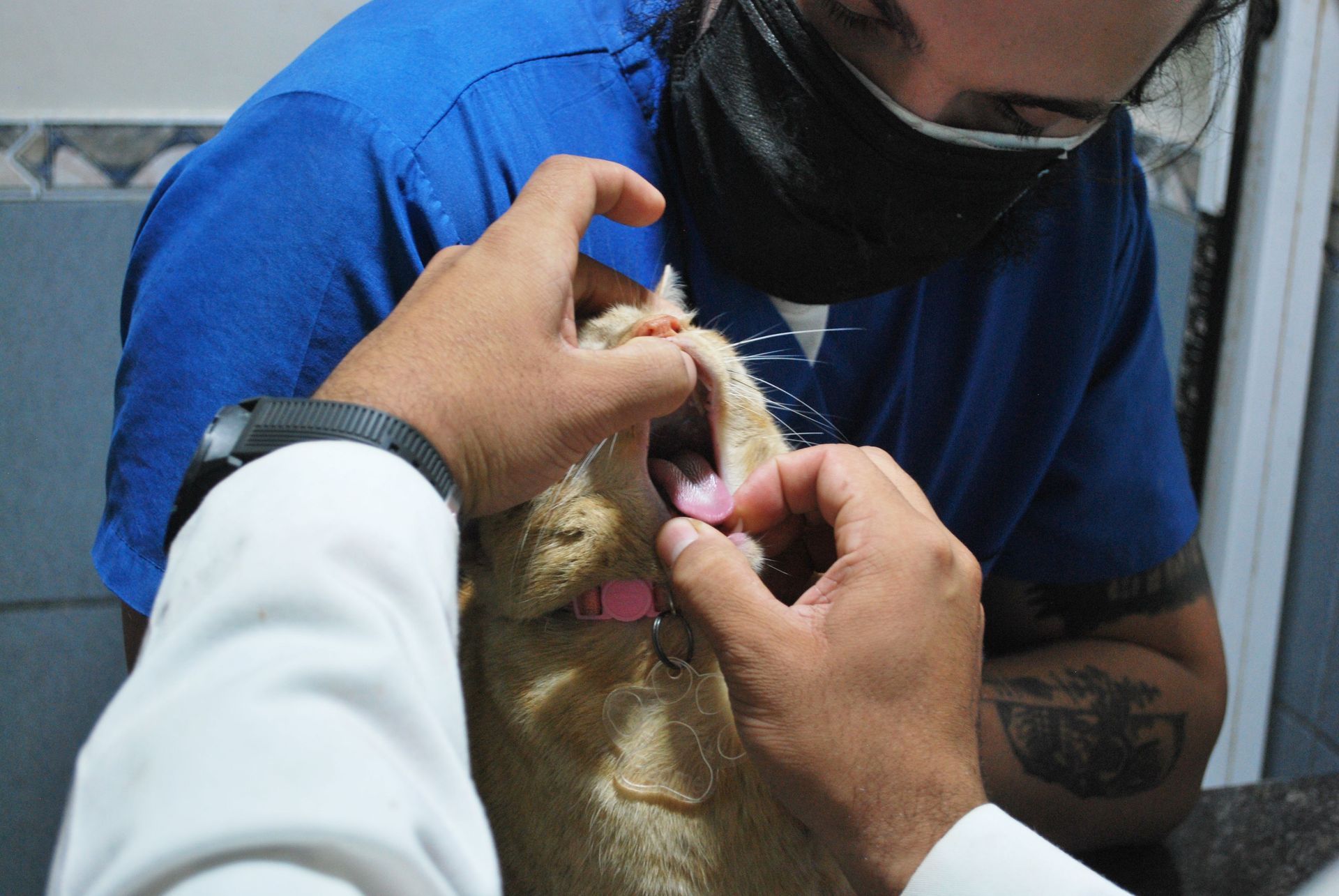
Bad breath in a cat is not normal, and it is often the first visible sign of dental disease that has already been developing for a long time. By early adulthood, a large share of cats show some degree of periodontal disease, according to veterinary dental specialists, because plaque and tartar build up below the gumline long before an owner can see anything unusual by looking at the teeth.
Cats also develop a condition called tooth resorption, in which the body breaks down a tooth's structure starting at the root, often without any visible cavity forming on the surface. It's painful, common in adult and senior cats, and typically only detectable with dental X $TWTR-rays taken under anesthesia, not with a visual exam alone. A cat with resorption may show no obvious signs beyond subtle changes in eating, such as chewing more on one side or dropping food.
Because cats hide pain so effectively, dental disease frequently goes unnoticed until it's advanced enough to cause drooling, pawing at the mouth, or a noticeable drop in appetite. By that point, a cat has often been in low-grade discomfort for a long stretch of time without any outward sign an owner would catch.
Routine dental cleanings performed under anesthesia, which allow a full mouth exam, X-rays, and cleaning below the gumline, are the standard way veterinarians catch and treat this early. Anesthesia-free dental cleanings marketed at some grooming businesses do not reach below the gumline and cannot address resorption or hidden infection, so they don't replace a proper veterinary cleaning. Bringing up bad breath or a slightly reluctant chew at the very next appointment, rather than waiting for a visible problem, is one of the simplest ways to catch this early.
Age is not a reason to skip a needed dental cleaning. Anesthesia protocols used in modern veterinary practice are tailored to a cat's individual health status, including bloodwork done beforehand to check organ function, and a healthy senior cat can generally tolerate a dental procedure just as well as a younger one. Delaying a cleaning out of concern over anesthesia often means the underlying infection continues causing pain and can spread bacteria into the bloodstream, which carries its own separate risk.
The litter box rule most owners never hear: one per cat, plus one
Credit: Nadiye Odabaşı / Pexels
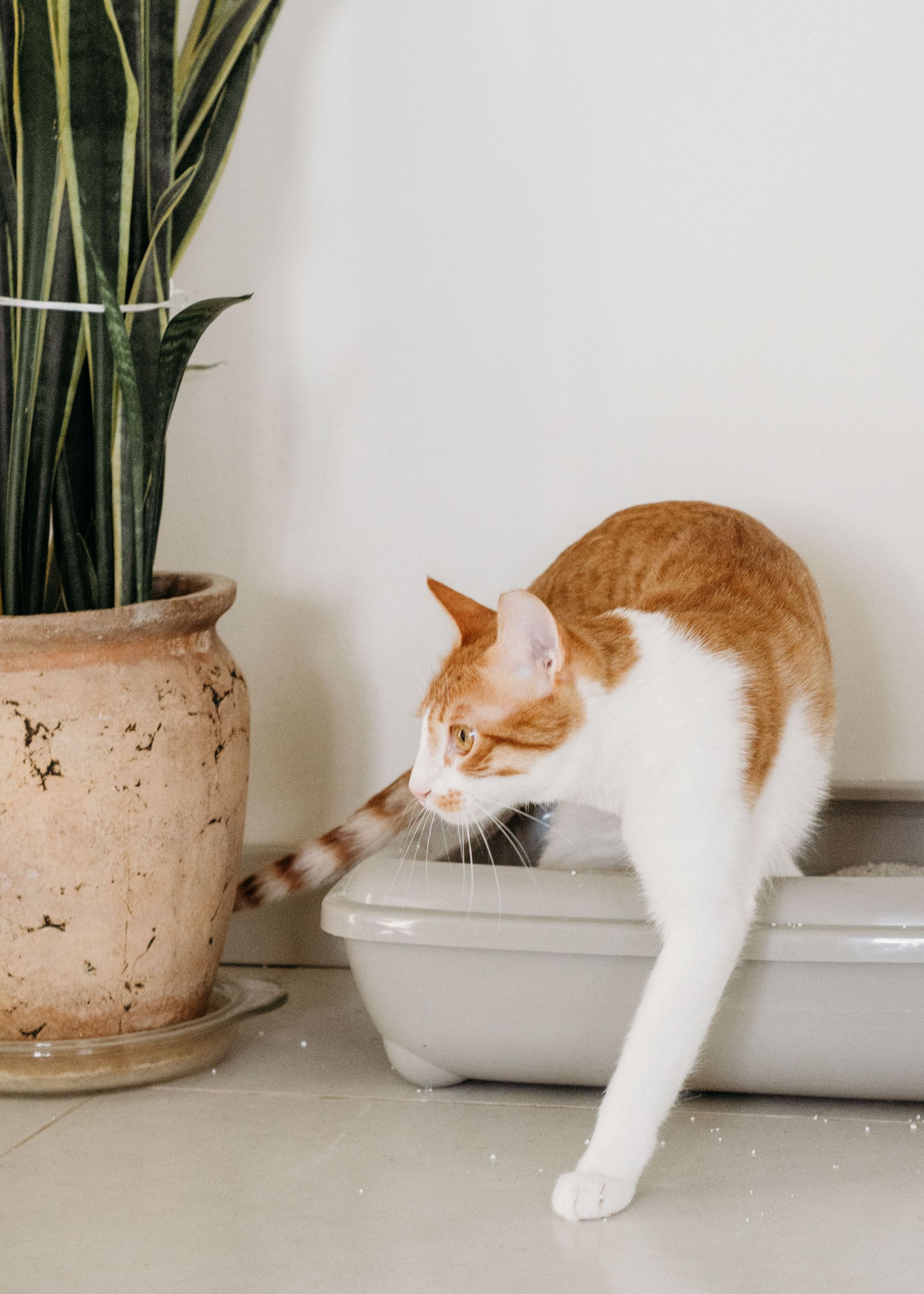
Feline behavior specialists commonly recommend one litter box per cat in the household, plus one additional box. A single-cat home should have two boxes; a two-cat home should have three. Falling short of this is one of the most frequent causes of litter box avoidance that gets misread as a training or spite problem.
Cats are naturally private about elimination, and a shared or heavily soiled box gets avoided the same way a person might avoid a dirty public restroom. In multi-cat households, one cat can also guard access to a box, physically or through scent, blocking a more submissive cat from using it at all. Adding boxes and spreading them across different locations in the home, rather than lining them up side by side in one spot, reduces that kind of resource guarding.
Scooping at least once a day matters as much as the number of boxes. Cats have a strong sense of smell, and a box that smells heavily of ammonia from accumulated urine will get avoided in favor of a bath mat, a corner of a closet or a pile of laundry. Box location also affects use: placing a box next to a loud appliance, in a high-traffic hallway, or right beside the food and water bowls discourages cats from using it, since cats instinctively avoid eliminating near where they eat.
A sudden change in litter box habits, whether that's urinating outside the box, straining without producing much urine, or spending unusually long stretches in the box, should always prompt a veterinary visit rather than a behavioral fix first. Straining in particular can signal a urinary blockage, which is a medical emergency, especially in male cats, not a litter box preference issue.
Litter type and box style matter as well, though less than quantity and cleanliness. Most cats show a preference for unscented, fine-grained clumping litter over scented or coarse alternatives, and covered boxes, while appealing to owners because they hide mess and odor, trap smell inside in a way that discourages some cats from entering at all. An uncovered box in a quiet, accessible spot is often the safest default choice in a household where a cat's preferences aren't yet known.
Frequent vomiting is not just a hairball problem
Credit: lord_ photon / Pexels
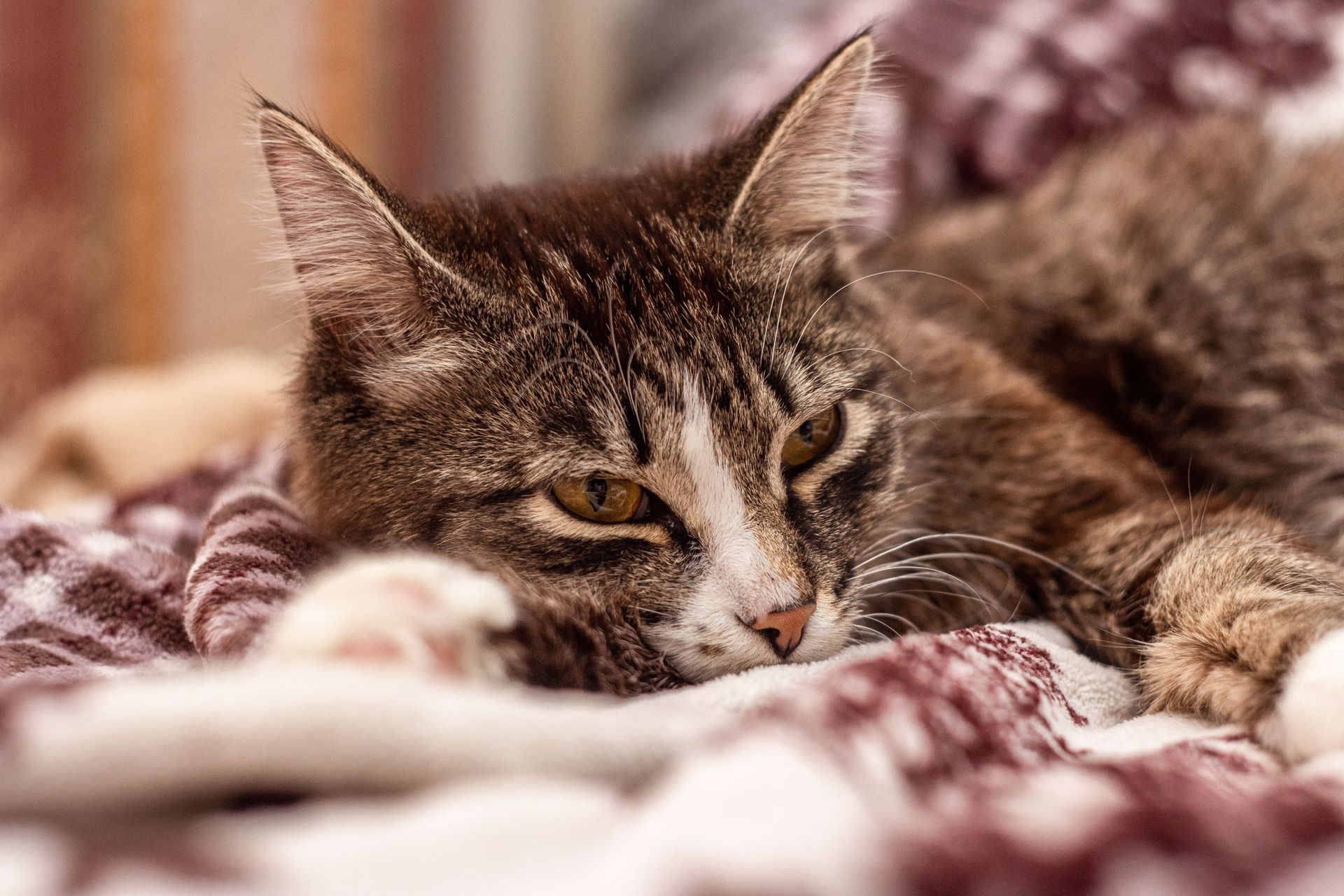
A cat that vomits more than once or twice a month is not simply "a vomiter." Recurring vomiting is one of the most normalized symptoms in cat ownership and one of the most likely to signal a real underlying condition rather than a harmless quirk.
Hairballs do happen, particularly in long-haired breeds, but true hairball vomiting should be infrequent, not a weekly or monthly routine. When vomiting becomes regular, common underlying causes include inflammatory bowel disease, food intolerances, hyperthyroidism, chronic kidney disease and pancreatitis, all of which are manageable when identified but can progress silently for a long time if the vomiting is written off as normal cat behavior.
Hyperthyroidism deserves particular attention because it is common in middle-aged and older cats and often first noticed through vomiting, weight loss despite a good appetite, or increased activity that looks like the cat is simply "acting younger." A simple blood test measuring thyroid hormone levels can confirm it, and treatment options range from daily medication to a specialized low-iodine diet to a one-time radioactive iodine treatment that can resolve the condition permanently in many cats.
Distinguishing a hairball from a medical symptom is not always possible by looking at the vomit alone, which is why a pattern matters more than any single episode. A cat vomiting weekly, vomiting undigested food shortly after eating, or losing weight alongside the vomiting should be evaluated rather than managed with a hairball remedy purchased at a pet store. Bringing a description of frequency, timing and any other changes, such as appetite or energy level, to a veterinary visit gives far more useful information than describing the vomiting alone.
Diet plays a role too. Some cats vomit in response to eating too quickly, particularly in multi-cat households where competition for food encourages fast eating, which is different from a medical cause and can often be managed with slow-feeder bowls or smaller, more frequent meals. Others vomit after a recent food change, since a cat's digestive system can take time to adjust to a new protein source or formula. Ruling out these simpler explanations is reasonable, but they shouldn't be the default assumption once vomiting becomes a regular pattern rather than an occasional event.
Wet food supports urinary health more than most owners realize
Credit: Romina BM / Pexels
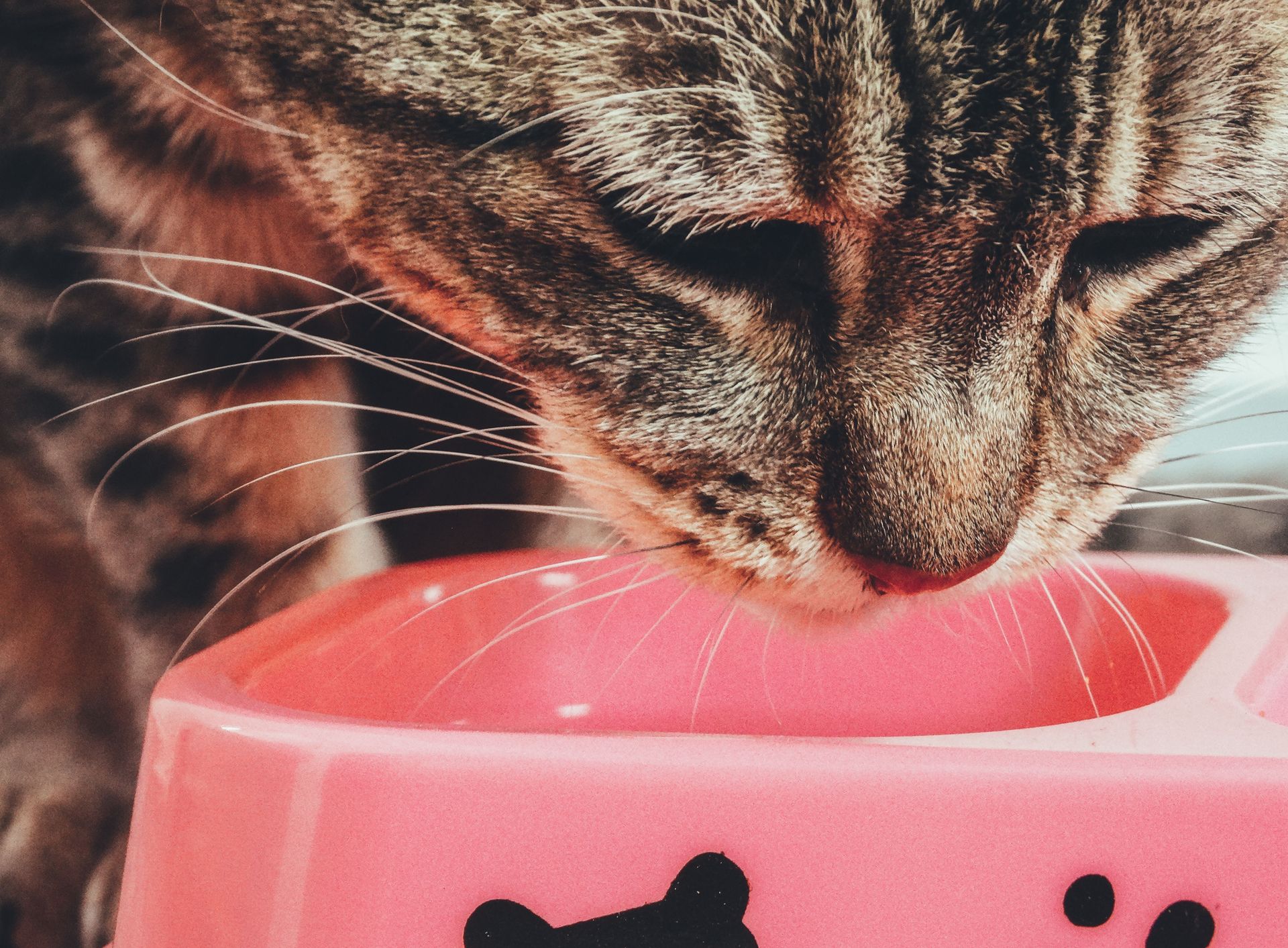
Cats evolved from desert-dwelling ancestors and, as a result, have a naturally low thirst drive, meaning many cats do not drink enough water on a dry-food-only diet to stay adequately hydrated. Wet food, which is roughly 70 to 80 percent moisture compared with around 10 percent in dry kibble, closes that gap directly through diet rather than relying on a cat to drink more from a bowl.
This matters most for urinary health. Feline lower urinary tract disease, often shortened to FLUTD, covers a group of conditions including bladder inflammation, crystal formation and urethral blockages, and concentrated urine from inadequate water intake is a significant contributing factor. Male cats face a particularly serious version of this risk: their urethra is narrower than a female cat's, making them more prone to a complete urinary blockage, which is a life-threatening emergency requiring immediate veterinary care, not a wait-and-see situation.
Signs of a possible blockage include straining in the litter box with little or no urine produced, frequent trips to the box, vocalizing while trying to urinate, and licking at the genital area more than usual. Any of these signs, especially in a male cat, warrants an emergency visit the same day, since a blocked cat can develop life-threatening complications within 24 to 48 hours.
Increasing water intake doesn't require an overhaul. Switching some or all meals to wet food, adding a pet water fountain, which encourages many cats to drink more than they would from a still bowl, and placing water bowls away from food and litter boxes all help. None of these changes are difficult, but they address a risk that many owners never hear about until a cat is already in urinary crisis.
Stress is another contributing factor that often gets overlooked. A condition sometimes called feline idiopathic cystitis causes bladder inflammation and urinary symptoms without an infection or crystals present, and it's linked to stress from changes in the household, conflict with other cats, or a lack of environmental enrichment. Addressing stress through consistent routines, enough resources for every cat in the home, and vertical spaces like cat trees can reduce flare-ups alongside the dietary changes that support urinary health more broadly.
Indoor cats still need core vaccines like rabies and FVRCP
Credit: Tahir Xəlfəquliyev / Pexels
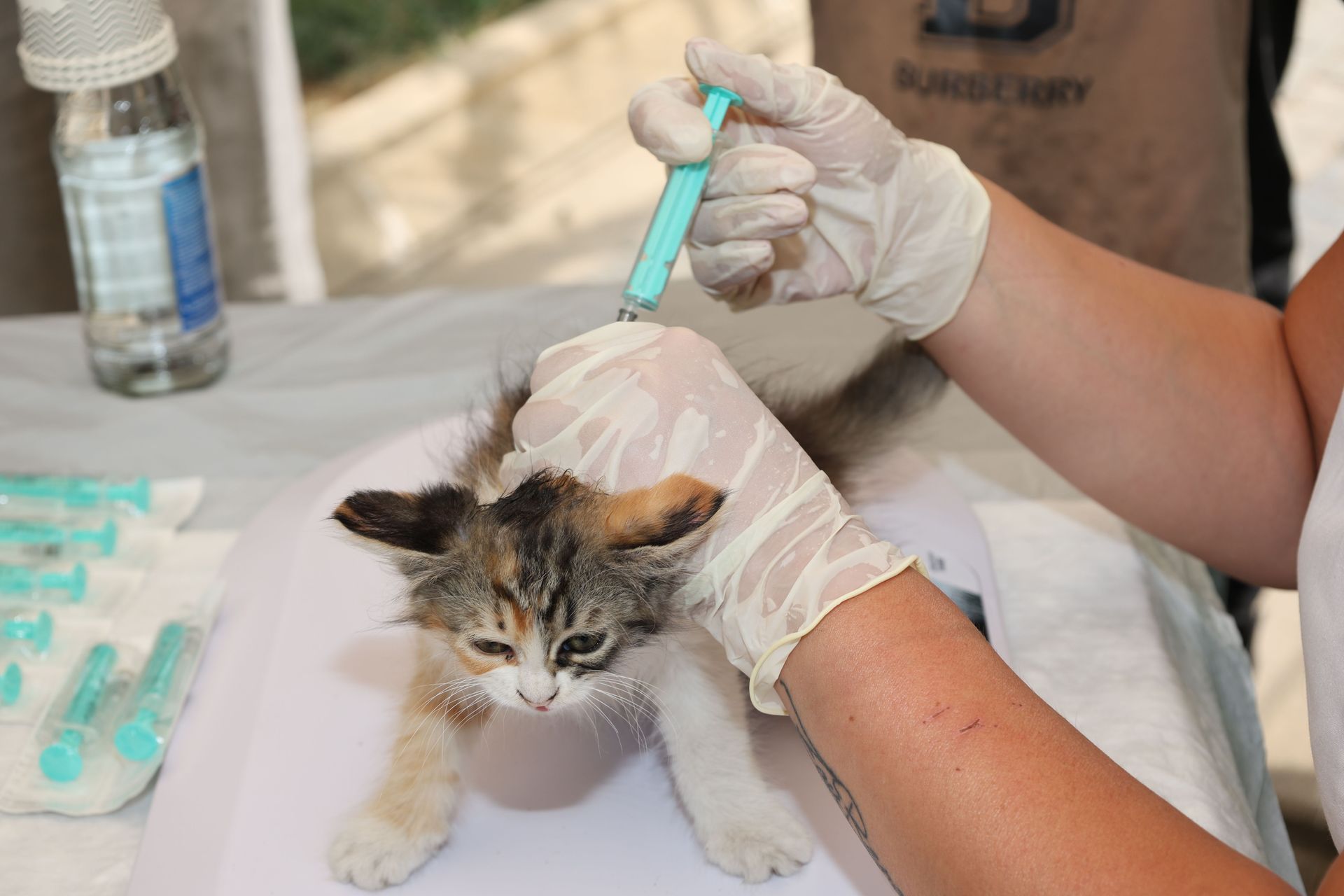
An indoor cat is not exempt from vaccination requirements or recommendations, and skipping vaccines because a cat "never goes outside" leaves gaps that matter more often than owners expect. Rabies vaccination is required by law in most U.S. states regardless of whether a cat ever leaves the house, both because bats can get into homes and because an indoor cat that escapes even briefly, or bites a person, creates a legal and public health issue without proof of vaccination.
Beyond rabies, the core vaccine for cats is commonly referred to as FVRCP, which protects against feline viral rhinotracheitis, calicivirus and panleukopenia. These are not obscure diseases. Panleukopenia, sometimes called feline distemper, is highly contagious and can be fatal, particularly in kittens, and it can be carried into a home on shoes, clothing or hands after contact with an infected cat or contaminated surface, meaning an indoor cat is not fully protected just by staying inside.
Kittens typically receive a series of FVRCP vaccines starting around six to eight weeks old, with boosters every three to four weeks until about 16 weeks, followed by a booster at one year. After that, most adult cats move to a vaccination schedule of every one to three years depending on the specific vaccine and the cat's individual risk, which a veterinarian determines based on lifestyle, health status and local disease prevalence.
Cats that occasionally go outside, live with other cats that do, or spend time boarding or at a groomer face additional exposure and may need vaccines like feline leukemia virus protection as well. A veterinarian can tailor a vaccine schedule to an individual cat's actual risk rather than a blanket assumption that "indoor" means "no vaccines needed."
Vaccine reactions in cats are generally mild, such as brief lethargy or soreness at the injection site, but veterinarians also monitor injection sites over time because of a rare condition called feline injection-site sarcoma, a tumor that can develop at a vaccination site months or years later. This risk is a reason vaccine location on the body has shifted over the past couple of decades and why veterinarians follow specific site guidelines, not a reason to skip vaccination altogether, since the diseases vaccines prevent carry far higher risk than the vaccines themselves.
Cats hide pain and illness far more than dogs do
Credit: Nabil Naidu / Pexels
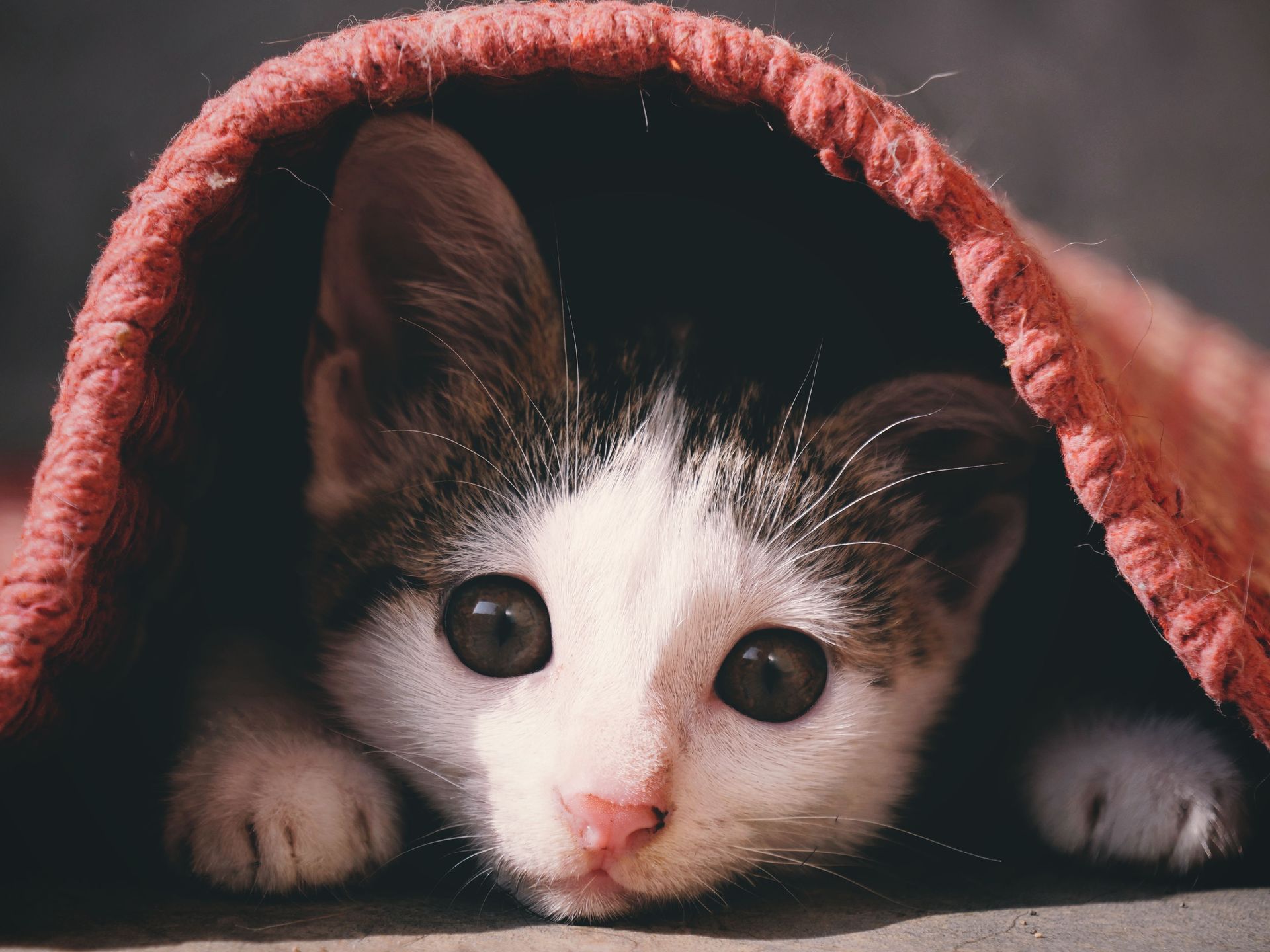
A cat in significant pain often looks calm, sits normally, and shows no obvious limp or cry, which is exactly why veterinarians describe cats as masters at concealing illness. This isn't a personality trait. It's an evolutionary one: as small prey animals as well as predators, cats that show visible weakness in the wild become targets, so hiding vulnerability became a survival advantage that carried over into domestic cats.
The signs that do show up are subtle and easy to miss without knowing to look for them. A cat in pain may hide more than usual, sleep in a different spot than its normal favorite, groom less and develop a slightly greasy or matted coat as a result, or squint one or both eyes. Changes in posture, such as sitting hunched with all four feet tucked under the body for extended periods, can indicate abdominal discomfort. A cat that stops jumping onto a counter or windowsill it used to use freely may be dealing with joint pain rather than simply losing interest.
Appetite changes are another key signal, but they can go either direction. Some sick cats eat less, while others with conditions like hyperthyroidism or diabetes eat more than usual while still losing weight, which owners sometimes misread as a sign of good health rather than illness.
Because these signs are gradual and easy to attribute to age or personality, keeping a rough mental note of a cat's normal routines, favorite sleeping spots, appetite and activity level makes it much easier to notice when something shifts. Reporting even a subtle change, such as sleeping somewhere new for a week or grooming less than usual, gives a veterinarian a meaningful lead, since these small shifts are often the only outward evidence of a problem a cat is otherwise hiding well.

Declawing is discouraged by most veterinary organizations today
Credit: Chewy / Unsplash
Declawing, medically known as onychectomy, is not simply nail removal. It involves amputating the last bone of each toe, and the American Veterinary Medical Association and the American Association of Feline Practitioners both discourage the procedure except in rare medical circumstances, describing it as an unnecessary surgery for a behavioral issue that has other, less invasive solutions.
The procedure has been linked to long-term complications including chronic pain, altered gait from changed weight distribution on the paw, and in some cases a higher likelihood of litter box avoidance or biting, since a declawed cat has lost its primary defense mechanism and may compensate with its teeth instead. Several U.S. jurisdictions, including New York state, have banned the procedure outright except for genuine medical necessity, a shift that reflects how far veterinary consensus has moved away from routine declawing over the past couple of decades.
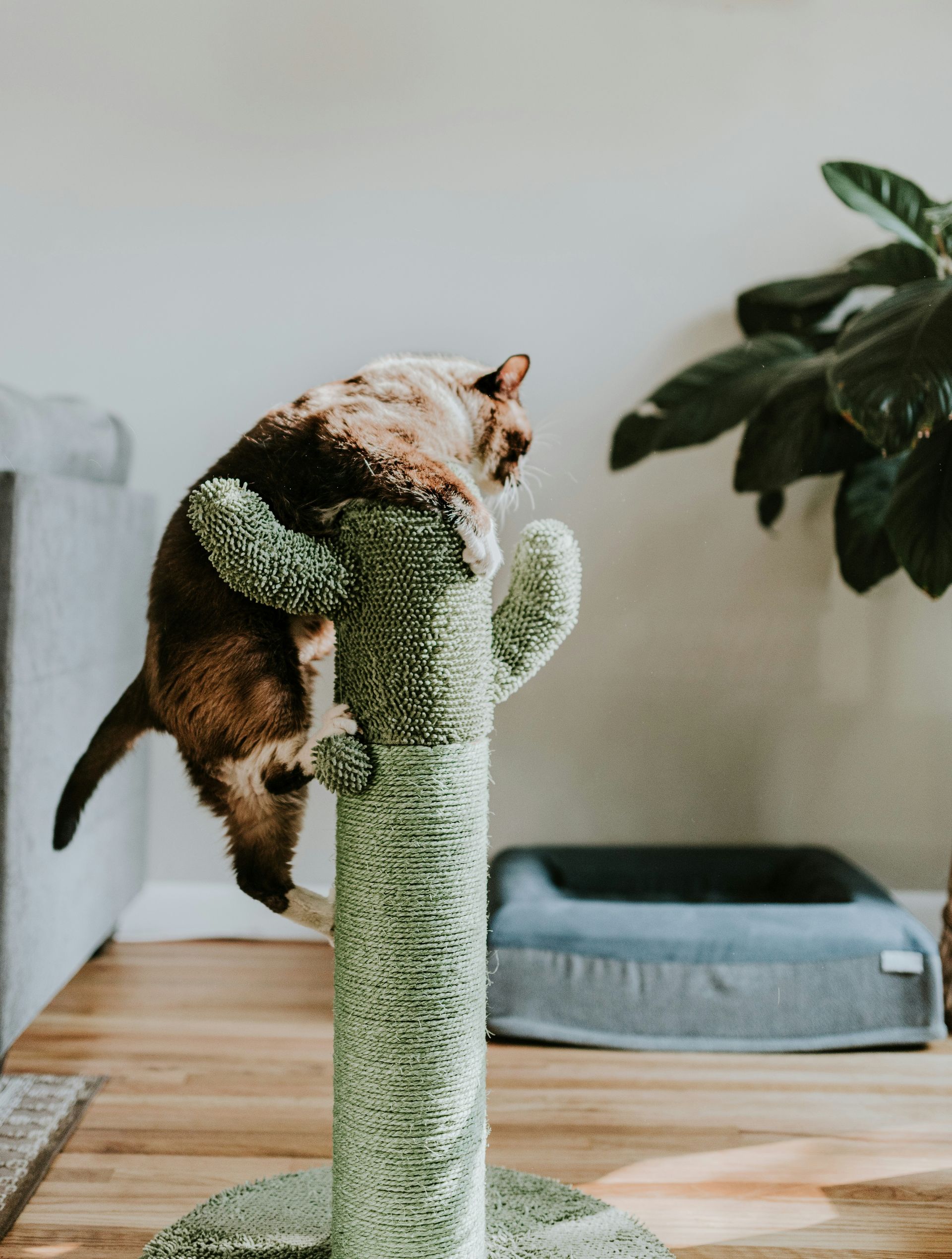
Scratching is a normal, necessary behavior for cats, used to shed the outer layer of the claw, mark territory through scent glands in the paw, and stretch the muscles of the back and shoulders. Rather than eliminating the behavior, most veterinarians recommend redirecting it. Sturdy scratching posts, ideally both vertical and horizontal options, placed near furniture a cat already targets, give an outlet without damage to belongings.
Soft nail caps, applied over trimmed claws and replaced roughly every four to six weeks, blunt the impact of scratching without altering the paw itself. Regular nail trims every two to three weeks reduce the sharpness and length of claws directly. Combined with a scratching post placed in a location the cat already prefers, these alternatives address the same concern that used to lead owners toward declawing, without the surgical risk or long-term complications involved.
Material matters when choosing a scratching post, since cats often reject options that don't match their instinctive preferences. Sisal rope or sisal fabric tends to hold up better and appeal to more cats than the soft carpet often used on budget posts, and posts should be tall or long enough for a cat to fully extend its body while scratching, since a short or wobbly post gets ignored in favor of a stable piece of furniture instead.
Microchipping matters even for cats that never go outside
Credit: Gustavo Fring / Pexels
An indoor-only cat is not immune to getting lost. Cats slip out through a cracked door, an open window, or during a move, a home repair visit, or a natural disaster far more often than owners expect, and an indoor cat with no outdoor experience is often less equipped to find its way home than an outdoor-savvy one.
A microchip is a small, permanent identification device about the size of a grain of rice, implanted under the skin between the shoulder blades in a quick procedure that requires no anesthesia and causes minimal discomfort. Unlike a collar, which can slip off, and unlike collar tags, which can fall off or become unreadable, a microchip cannot be lost as long as the cat has it, and it can be scanned by any veterinary clinic or animal shelter to pull up an owner's contact information.
The microchip itself is only half the system. It has to be registered with the manufacturer's database, using current contact information, for it to actually connect a found cat back to its owner. Many microchipped pets remain unreturned simply because the chip was implanted but never registered, or was registered years ago with an old phone number or address that's no longer accurate. Checking and updating that registration after a move or a phone number change takes only a few minutes online and makes the difference between a chip that works and one that doesn't.
A collar with an ID tag is still worth using alongside a microchip, since it gives an immediate visual cue to anyone who finds the cat before a scan is even possible. But the microchip is the backup that survives when a collar doesn't, which is exactly the scenario in which it matters most.
A quick-release breakaway collar is worth choosing over a standard buckle collar for exactly this reason: a cat that gets a collar caught on a branch, a fence, or furniture while exploring can free itself from a breakaway design, while a standard buckle collar can cause serious injury or worse in that same situation. That small design detail matters more for indoor cats that occasionally slip outside and encounter unfamiliar hazards than for cats used to navigating an outdoor environment daily.
Spaying before the first heat lowers mammary cancer risk sharply
-1920x1280.jpg)
Credit: Tahir Xəlfəquliyev / Pexels
The timing of spaying a female cat has a measurable effect on her long-term cancer risk, not just on preventing pregnancy. Spaying before a cat's first heat cycle, which for many cats occurs by around five to six months of age, is associated with a substantially lower lifetime risk of mammary tumors compared with spaying after one or more heat cycles have already happened, according to veterinary research on the topic. Mammary tumors in cats are malignant in a large share of cases, unlike in dogs, which makes this timing more consequential than it might initially seem.
Spaying also eliminates the risk of pyometra, a serious and potentially life-threatening uterine infection that can develop in unspayed female cats, sometimes requiring emergency surgery. Beyond disease prevention, spaying removes heat cycles altogether, which for an intact female cat can mean frequent, vocal, weeks-long periods of restlessness and yowling that many owners find disruptive and mistake for pain or distress when it is, in fact, a passing reproductive behavior.
For male cats, neutering reduces or eliminates testicular cancer risk entirely, since the testicles are removed during the procedure, and it significantly lowers the likelihood of urine spraying, roaming in search of mates, and fighting with other male cats over territory, all of which carry their own injury and disease risks, including exposure to feline leukemia virus and feline immunodeficiency virus through bite wounds.
Many veterinarians now perform spay and neuter procedures earlier than the traditional six-month benchmark, sometimes as young as four months, when it's safe to do so, specifically to capture the mammary cancer benefit before a first heat cycle can occur. Discussing timing directly with a veterinarian, rather than defaulting to six months out of habit, is worth doing for any kitten owner.
Recovery from a modern spay or neuter procedure is typically short, with most cats back to normal activity within a week to 10 days, though jumping and rough play are usually restricted during that window to protect the incision. Keeping a recovering cat calm, using an e-collar or recovery suit if it's tempted to lick at the incision site, and monitoring for swelling or discharge covers the majority of at-home aftercare a typical spay or neuter recovery requires.
Kidney disease screening should start around age seven
Credit: Maurice DT / Unsplash
Chronic kidney disease is one of the most common conditions affecting older cats, and by the time visible symptoms appear, such as increased thirst, weight loss or poor appetite, a meaningful portion of kidney function has often already been lost, since the kidneys have significant reserve capacity before symptoms surface.
This is why many veterinarians recommend starting annual bloodwork and urinalysis screening around age seven, rather than waiting for a senior cat to show obvious signs. A urinalysis in particular can reveal early kidney concentrating ability problems before standard bloodwork values move outside a normal range. A newer blood marker called SDMA, which stands for symmetric dimethylarginine, can flag kidney function decline earlier than traditional kidney values like creatinine, sometimes catching the disease at an earlier, more manageable stage.
Early-stage chronic kidney disease is not curable, but it is manageable, and management significantly extends both quality of life and lifespan compared with a diagnosis made only after symptoms appear. Management typically involves a prescription kidney-support diet lower in phosphorus and adjusted in protein content, along with monitoring blood pressure, since high blood pressure is common alongside kidney disease and can cause additional organ damage, including to the eyes, if left unaddressed.
Increased thirst and urination are frequently the first signs owners notice, but by that point the disease has often progressed beyond its earliest, most treatable stage. Catching kidney changes through routine screening before those symptoms appear, rather than after, is one of the clearest examples of preventive care making a measurable difference in how long a cat lives comfortably. A cat that seems perfectly normal at age eight or nine is still worth screening annually for exactly this reason.
Diet adjustments made early, before significant kidney function is lost, appear to slow disease progression more effectively than changes made after a cat is already showing symptoms, based on the way veterinary nephrology has approached staging and treatment for years. This is one of the clearest cases where the value of a screening test isn't diagnosing a disease that's already obvious, it's catching one early enough that a simple diet and monitoring plan can meaningfully change how the rest of a cat's life plays out.
Brushing a cat's teeth is more effective than dental treats alone
Credit: AbdRAhman Abubakar / Pexels
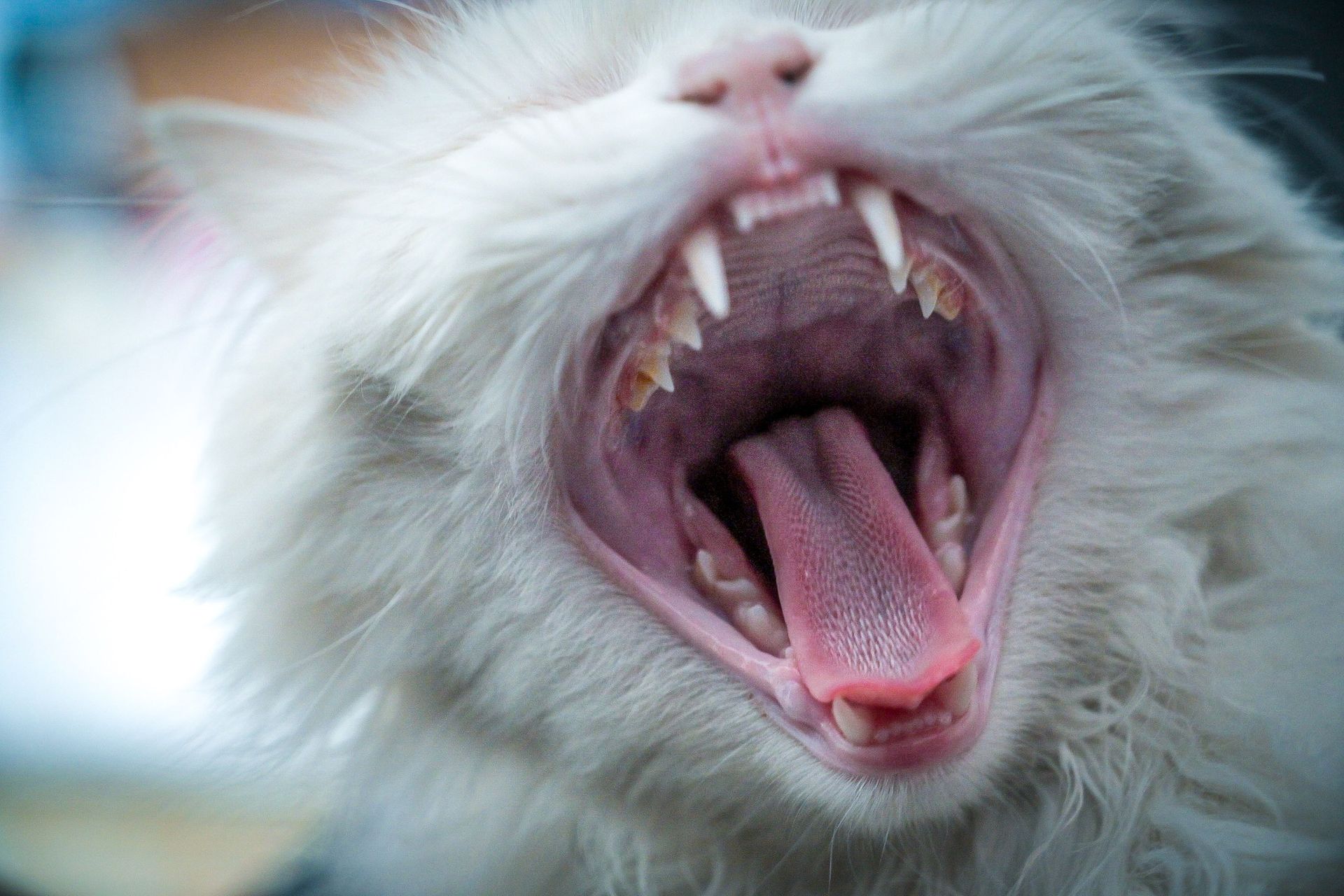
Daily or near-daily toothbrushing remains the single most effective way to slow plaque buildup in a cat's mouth, more effective than dental treats, water additives or dental-specific dry food used on their own. Mechanical brushing physically removes plaque before it hardens into tartar, something no treat or additive can fully replicate on its own.
Introducing brushing gradually makes it realistic for most cats, even ones that resist it at first. Starting with a finger rub along the gumline using a pet-safe enzymatic toothpaste, never human toothpaste, which often contains xylitol or fluoride levels unsafe for cats, gets a cat used to the sensation before a brush is introduced. A small, soft-bristled cat toothbrush or a finger brush, used a few times a week at minimum and ideally daily, targets the outer surfaces of the teeth where plaque accumulates fastest.
Dental treats and prescription dental diets carrying the Veterinary Oral Health Council seal have been tested to show a measurable reduction in plaque or tartar, and they're a reasonable addition for cats that truly won't tolerate brushing. Water additives designed to reduce oral bacteria offer a smaller benefit and work best as a supplement to brushing rather than a substitute for it.
None of these home options replace professional dental cleanings under anesthesia, which remain the only way to clean below the gumline, take X $TWTR-rays, and catch or treat resorption and infection that a toothbrush can't reach or reveal. Home care extends the time between professional cleanings and reduces the severity of disease found at each one, which is a meaningful benefit on its own, but it works alongside veterinary dental care rather than in place of it.
Starting dental care in kittenhood makes the entire routine easier long-term, since a young cat introduced gradually to having its mouth handled tends to tolerate brushing far better as an adult than a cat first introduced to a toothbrush at eight or nine years old. For cats that already resist any mouth handling, working up slowly over several weeks, using short sessions and a food reward immediately afterward, succeeds more often than a single determined attempt that ends with a scratched hand and a cat that now avoids the whole routine.