Hotel experts explain what guests are actually allowed to take home and what will land you an extra charge at checkout, according to Reader's Digest
-1920x1280.jpg)
Vojtech Bruzek / Unsplash
Every hotel stay ends the same way. Suitcase open and checkout approaching, you take one last look around the room and wonder if that tiny bottle of shampoo is a souvenir or a felony.
You paid for the room, but technically none of it belongs to you, even if the plush towels look inviting, the slippers feel oddly personal and the robe suddenly seems emotionally necessary. Every traveler eventually wonders where the line really sits between hospitality and theft.
Reader’s Digest created a guide to clarify that exact question by consulting hotel owners, general managers and hospitality executives. Their conclusion is refreshingly practical: hotels expect some items to leave with guests, while others are tracked closely enough that staff notice the moment they disappear. Inventory checks happen after every stay, which means even accidental takeaways can appear on your bill.
The confusion exists because hotel rooms are designed to feel generous, with complimentary amenities that make guests comfortable while quietly serving business goals. Small consumables reduce waste, branded products act as marketing and free extras simply make people feel taken care of.
Operational items, however, play a different role. Linens, electronics and décor help the hotel function. Removing them creates extra labor, replacement costs and logistical headaches for staff preparing rooms for the next arrival.
The guide emphasizes a simple rule: if an item is disposable, personal, or labeled complimentary, it is usually fair game. If it helps furnish or operate the room, it stays behind.
Consider this your checkout etiquette cheat sheet. Here are three things you can confidently pack, and two things you should absolutely leave where you found them, during your next hotel stay.
Enis Yavuz / Unsplash
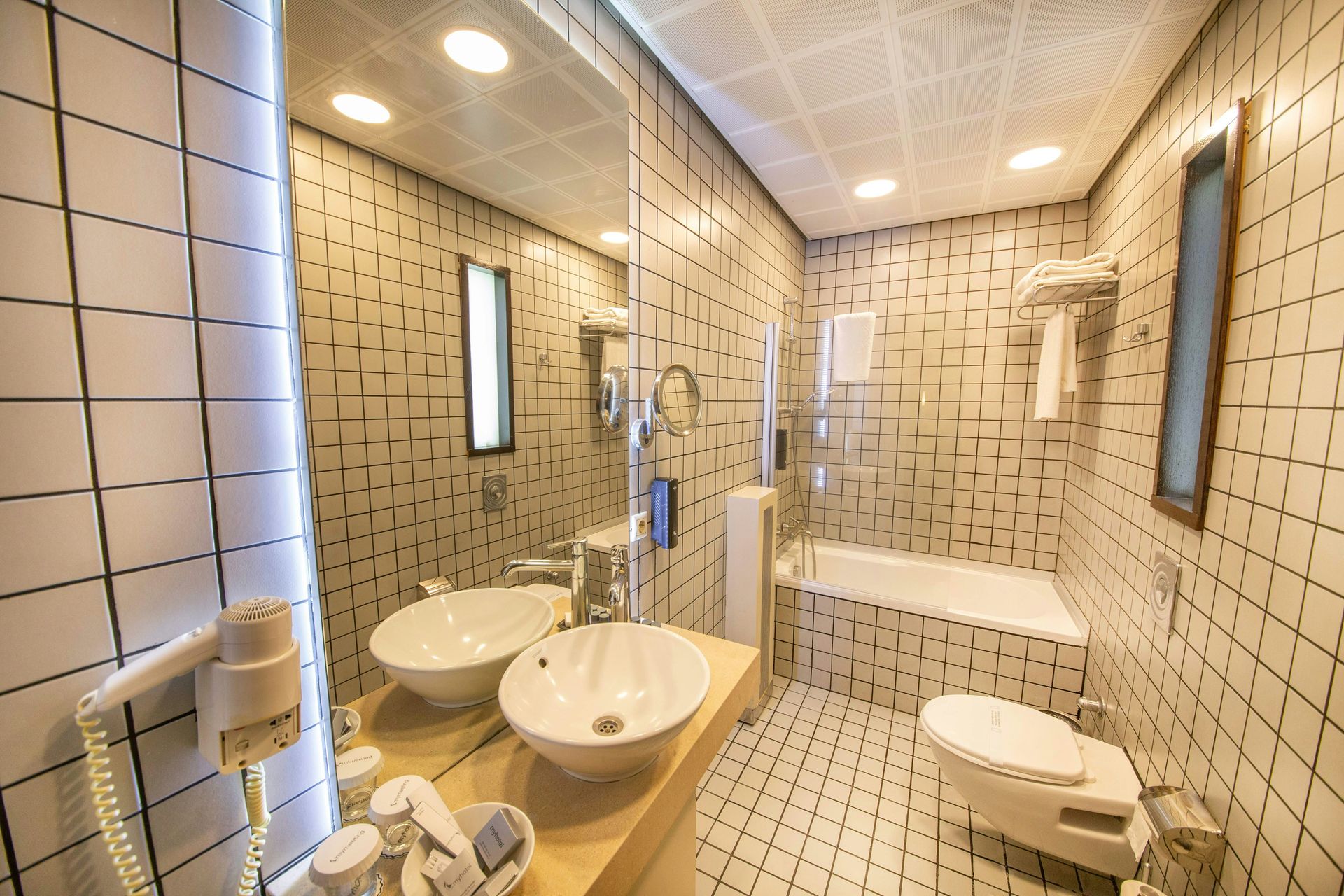
Mini soaps, shampoo, conditioner, body wash and lotion exist specifically for guest use, and Reader’s Digest reports that hotels fully expect travelers to take them home. According to the report, taking them actually prevents waste.
Many properties intentionally brand toiletries so guests continue using them after checkout, turning a small amenity into long-term advertising.
These items are designed for individual use, not repeated service. Housekeeping replaces them regardless of whether they were used in the room or packed into a suitcase.
Reader’s Digest also notes that unopened bottles are generally fine to take. Hotels categorize them as complimentary amenities rather than inventory assets. Guests should only take what was provided in their room, not extras from housekeeping carts or shared stations.
If it is travel-sized and waiting by the sink, it is yours.
Masaaki Komori / Unsplash
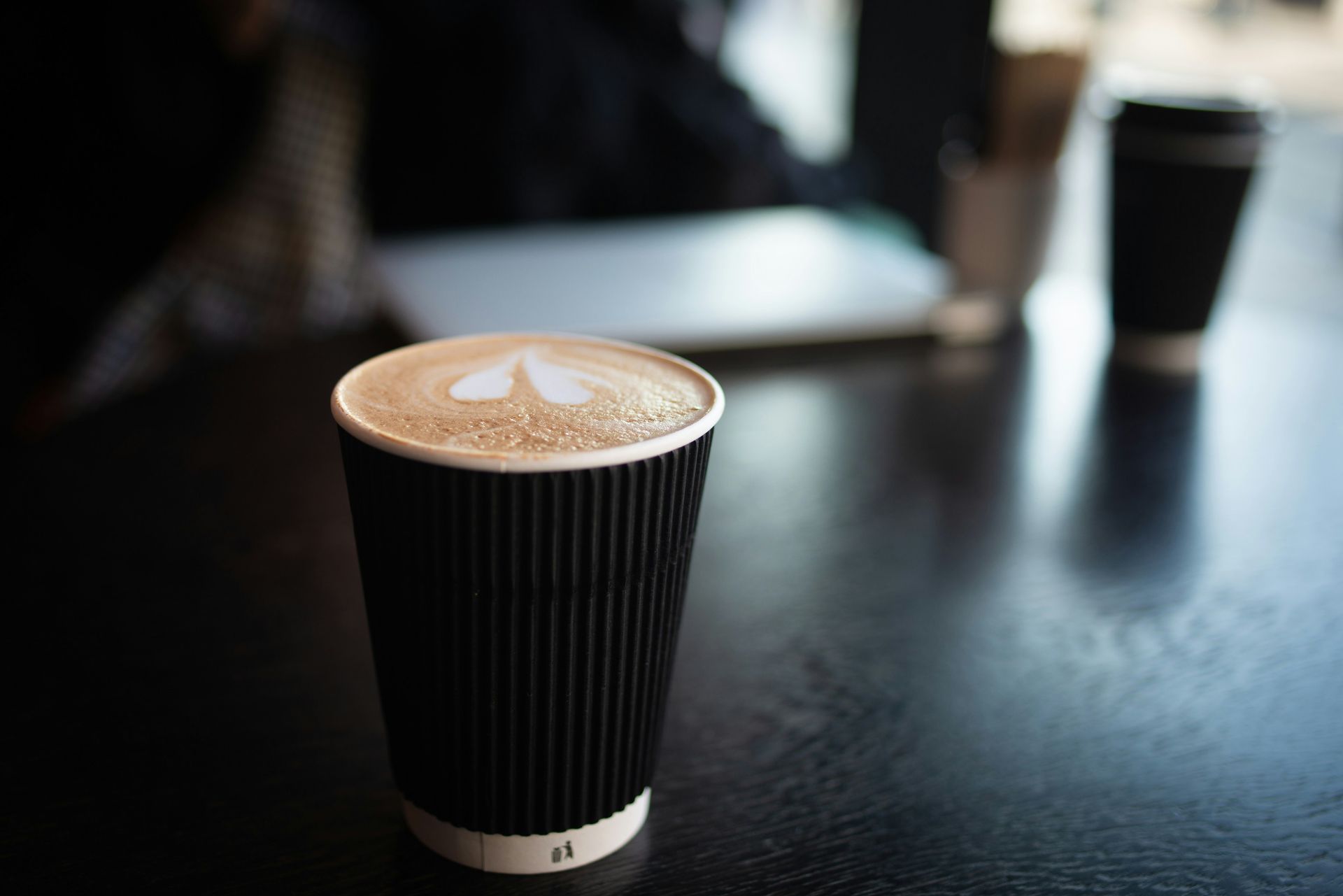
The in-room coffee setup feels suspiciously organized, which makes many guests assume it must stay put. Reader’s Digest confirms the opposite. Coffee packets, tea bags, hot chocolate mixes, sweeteners, stir sticks and disposable cups are all acceptable takeaways.
According to the report, anything intended for single use is considered complimentary. Housekeeping replaces these items after every stay, whether they were consumed immediately or packed for later.
Travelers $TRV often arrive late, leave early or need quick refreshments without searching for a café. The beverage station exists to reduce friction during travel.
Unlike linens or electronics, disposable drink items are inexpensive and expected to turn over constantly. In other words, they expect you to use them.
Packing a few coffee pods for the road is not sneaky. It is part of the experience hotels intentionally provide.
Sidath Vimukthi / Unsplash
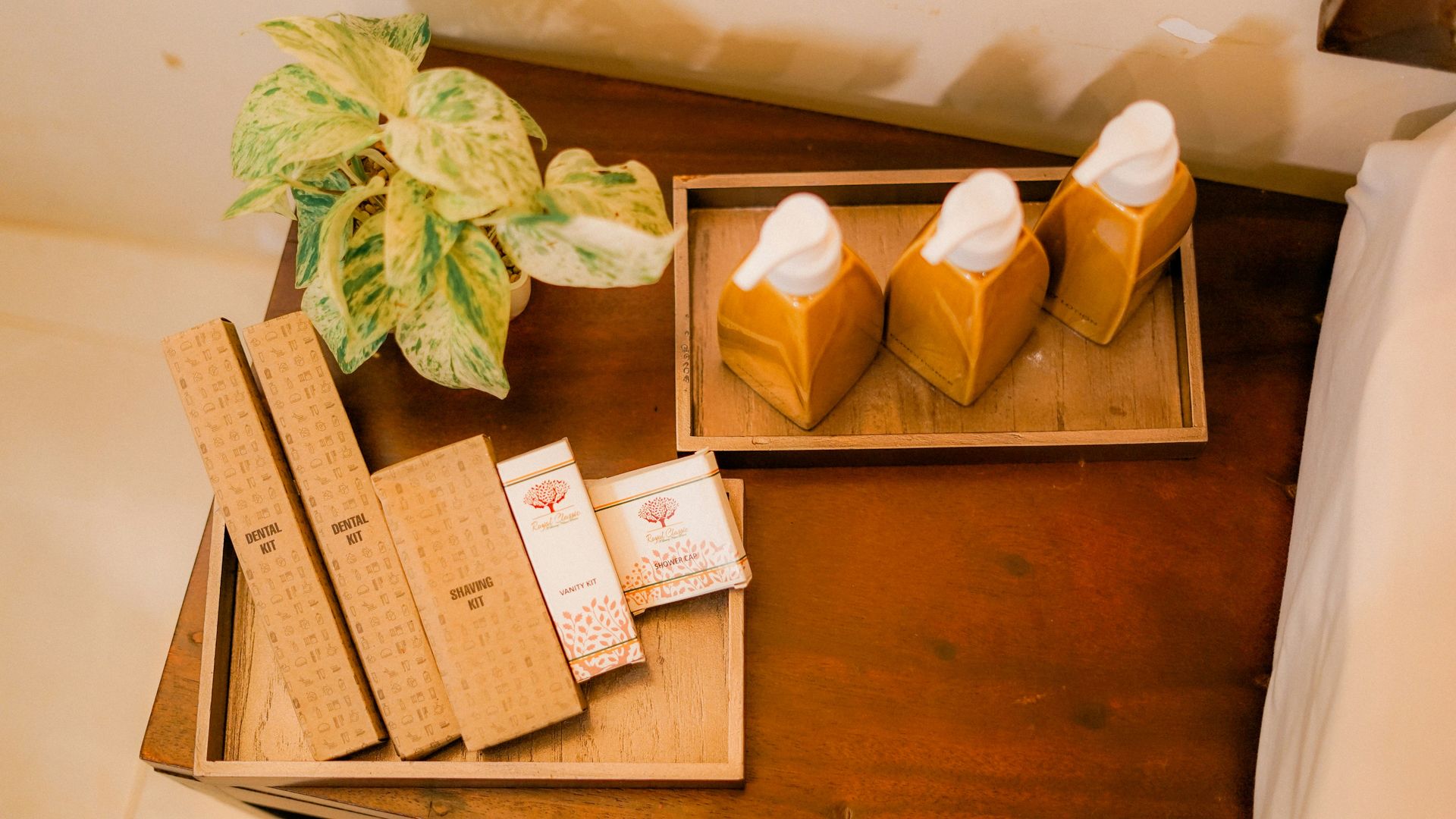
Reader’s Digest groups several small items into a category hotels expect guests to keep. Notepads, pens, tourist maps, dry-cleaning bags, sewing kits, toothbrushes, razors and similar personal-use items are all fair game.
These objects solve travel problems while also promoting the hotel’s brand beyond checkout.
According to the report, some properties even offer surprise complimentary gifts, such as welcome Champagne during busy arrival periods. These gestures are designed to create memorable stays, not to remain behind.
Reader’s Digest emphasizes that complimentary labeling matters. If an item is disposable, small and meant for individual use, it likely belongs to the guest once provided. Would the hotel reuse it for another traveler? If the answer is no, it is usually safe to pack.
In hospitality, generosity is intentional. Many of the smallest items in a room exist precisely so guests leave with something tangible beyond memories.
Vije Vijendranath / Unsplash
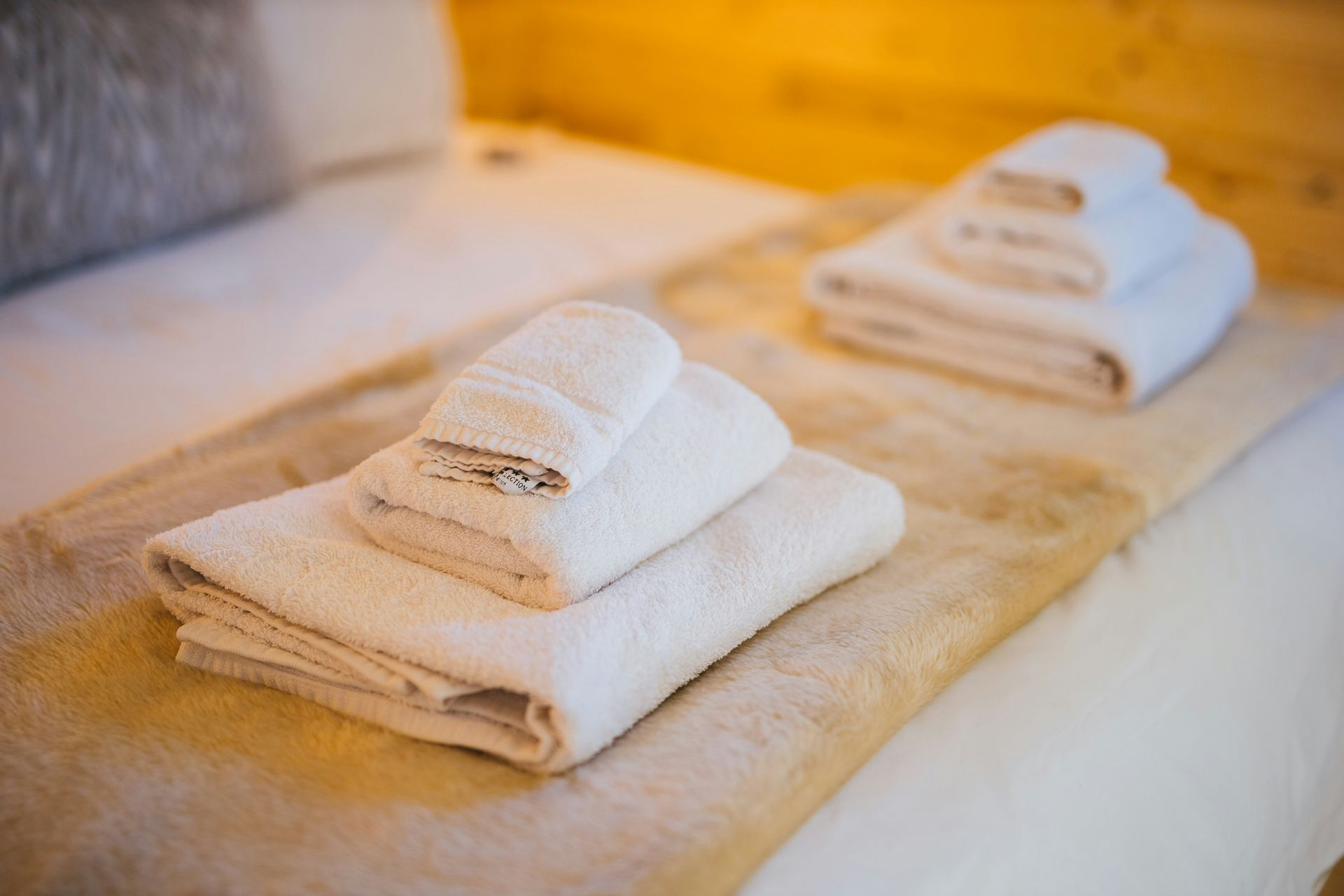
Towels rank as the most commonly stolen hotel item, according to the report. Sheets, blankets and pillows also frequently disappear, even though hotels consider them essential equipment.
Unlike toiletries, linens are designed for repeated use across hundreds of stays. Their cost accumulates quickly when taken, and those expenses can eventually influence room rates for future travelers.
Reader’s Digest stresses that popularity does not equal permission. Even accidental removal can result in charges once inventory checks are completed after checkout.
Simply put: if it belongs on the bed or in the bathroom rack, it stays in the hotel.
Samuel Wibisono / Unsplash
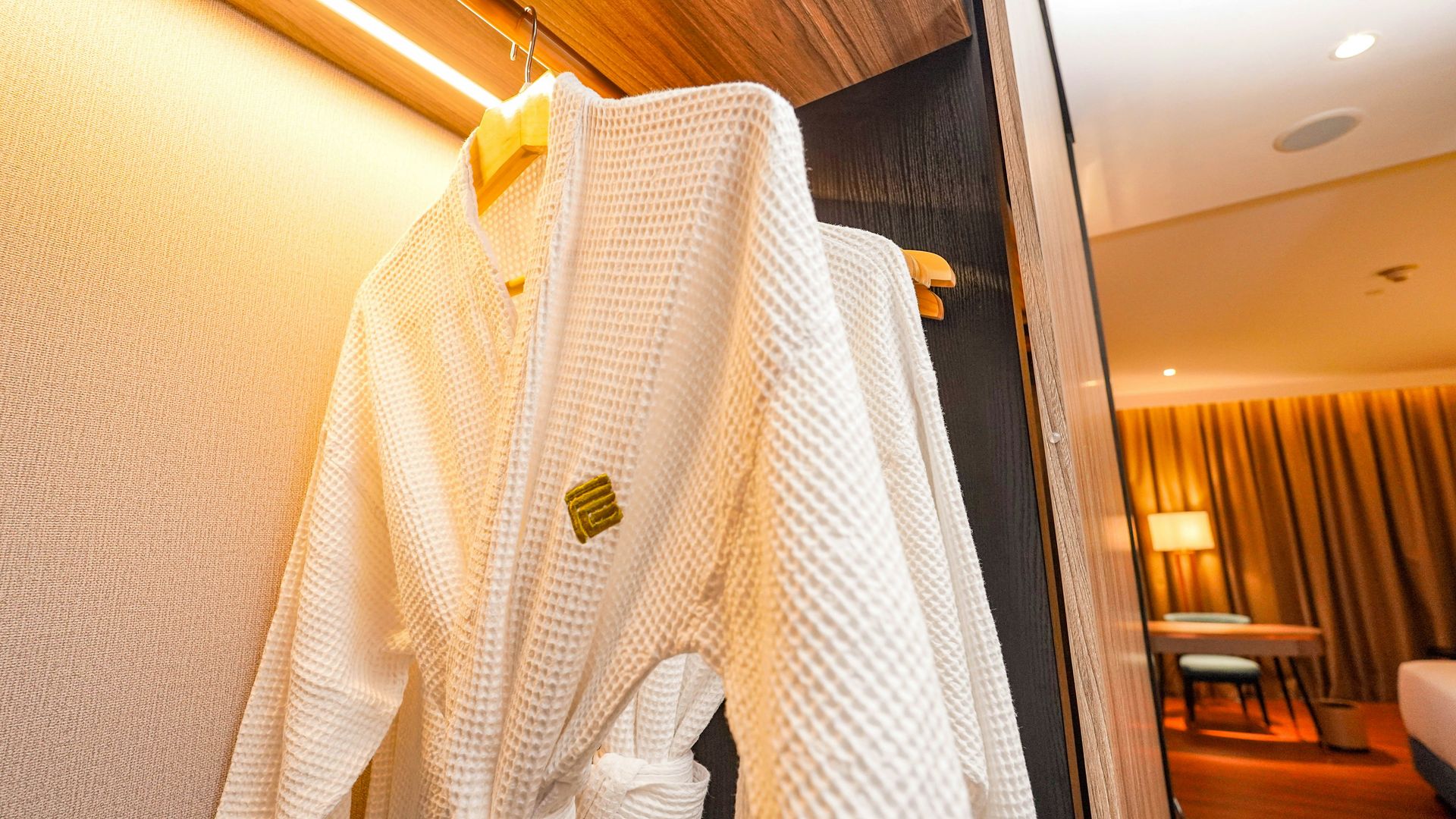
Few hotel temptations rival the plush bathrobe. Reader’s Digest reports robes rank among the most commonly desired takeaways, but guests will almost always be charged if they leave with one.
Hotel experts explain that robes, hangers, drinking glasses, plates, mugs and cookware are reusable property. Extended-stay rooms rely on these items to function for future guests..
Decorative pieces create similar issues. Flower vases, artwork, figurines and artificial plants often attract admiration, yet they are part of the room’s professional design.
Reader’s Digest notes that hotels maintain detailed records of missing items. Large or repeated losses can escalate beyond extra charges and, in rare cases, result in theft consequences.
The hospitality experience is meant to feel luxurious, but the luxury itself is temporary. Enjoy the robe. Use the glassware. Admire the décor.
Then leave it exactly where you found it.
