Discover the things you should never spray Windex on, and what to use instead when a surface needs a little more care

Vitaly Gariev / Unsplash
Windex has a very specific personality. It is confident. It is streak-fighting. It is absolutely convinced it can handle more jobs than it was actually invited to do.
According to Reader’s Digest, glass cleaner is not a universal cleaner. It behaves beautifully on windows and mirrors. Outside of that, it starts getting a little reckless.
The trouble is that Windex feels like a shortcut. One spray bottle, one wipe, one satisfying swipe across a surface, and suddenly you are convinced you have upgraded your entire cleaning system.
Certain materials do not respond well to ammonia-based cleaners or strong glass formulas, however.
Reader’s Digest notes that the issue is not that Windex is ineffective. It is that it is highly effective for one purpose and unsuitable for a wide range of others.
There is also a kind of optimism bias at work when people clean. If a product works on glass, it feels like it should work on everything that vaguely resembles glass. That logic does not always hold up in real life, especially when surfaces have coatings, finishes, or materials that care deeply about chemistry.
The safer approach is not complicated. If something is not a mirror or window, it probably deserves a moment of hesitation before it gets the spray treatment. That pause is usually the difference between clean and quietly damaged.
Here are five things that are better off staying far away from Windex.
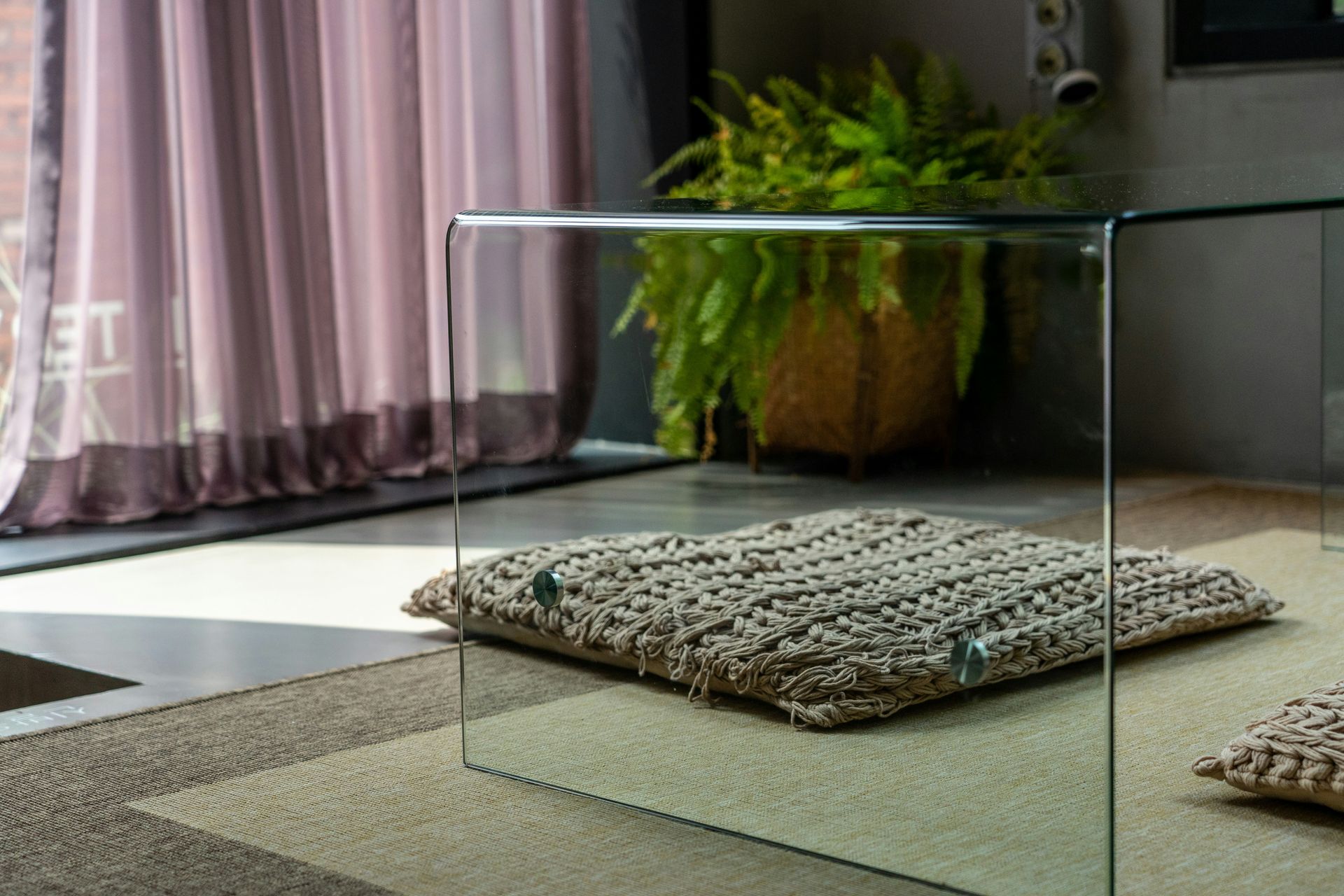
Photo by Choi sungwoo on Unsplash
Plexiglass looks sturdy, which is where a lot of people get into trouble. It has the same visual confidence as real glass, so it tends to get the same treatment.
Reader’s Digest notes that ammonia-based glass cleaners can damage plexiglass and leave it cloudy or worn over time. The issue is not immediate, however, it can cause a slow dulling that shows up after you have already cleaned it several times.
Experts recommend a gentler approach instead. Mild soap and water with a soft microfiber cloth tends to do the job without risking the surface. It is less dramatic than a spray-and-wipe moment, but it keeps the material looking like itself.
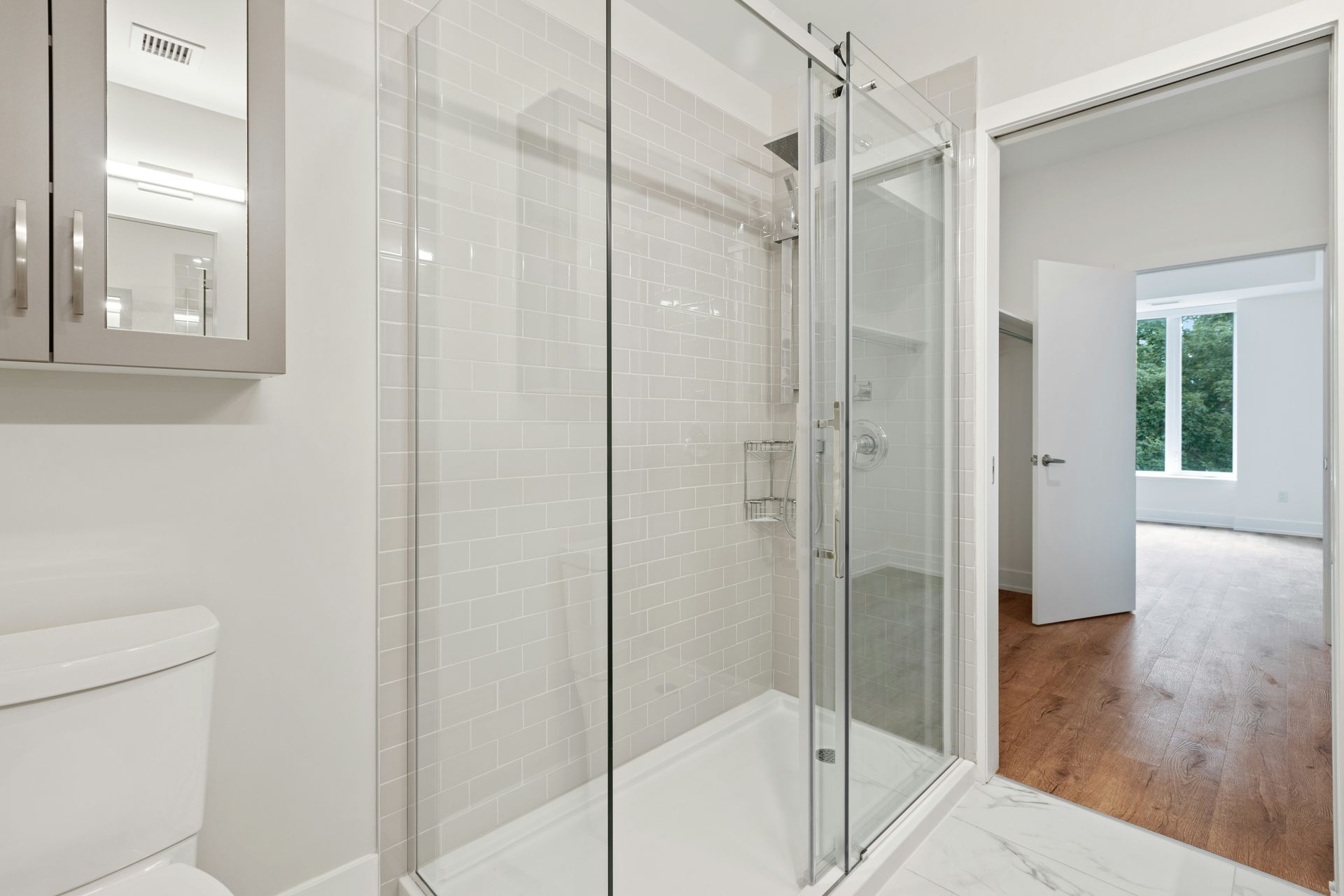
Photo by Point3D Commercial Imaging Ltd. on Unsplash
Shower doors are where cleaning products go to be humbled. Soap scum does not respond well to enthusiasm.
Reader’s Digest reports that cleaning professionals generally avoid relying on Windex for heavy buildup on glass shower doors. It tends to glide over the problem rather than solve it.
Instead, experts suggest tools and products that are built for actual residue. Scrubbing sponges, bathroom cleaners, and sometimes vinegar-based solutions do more of the heavy lifting.
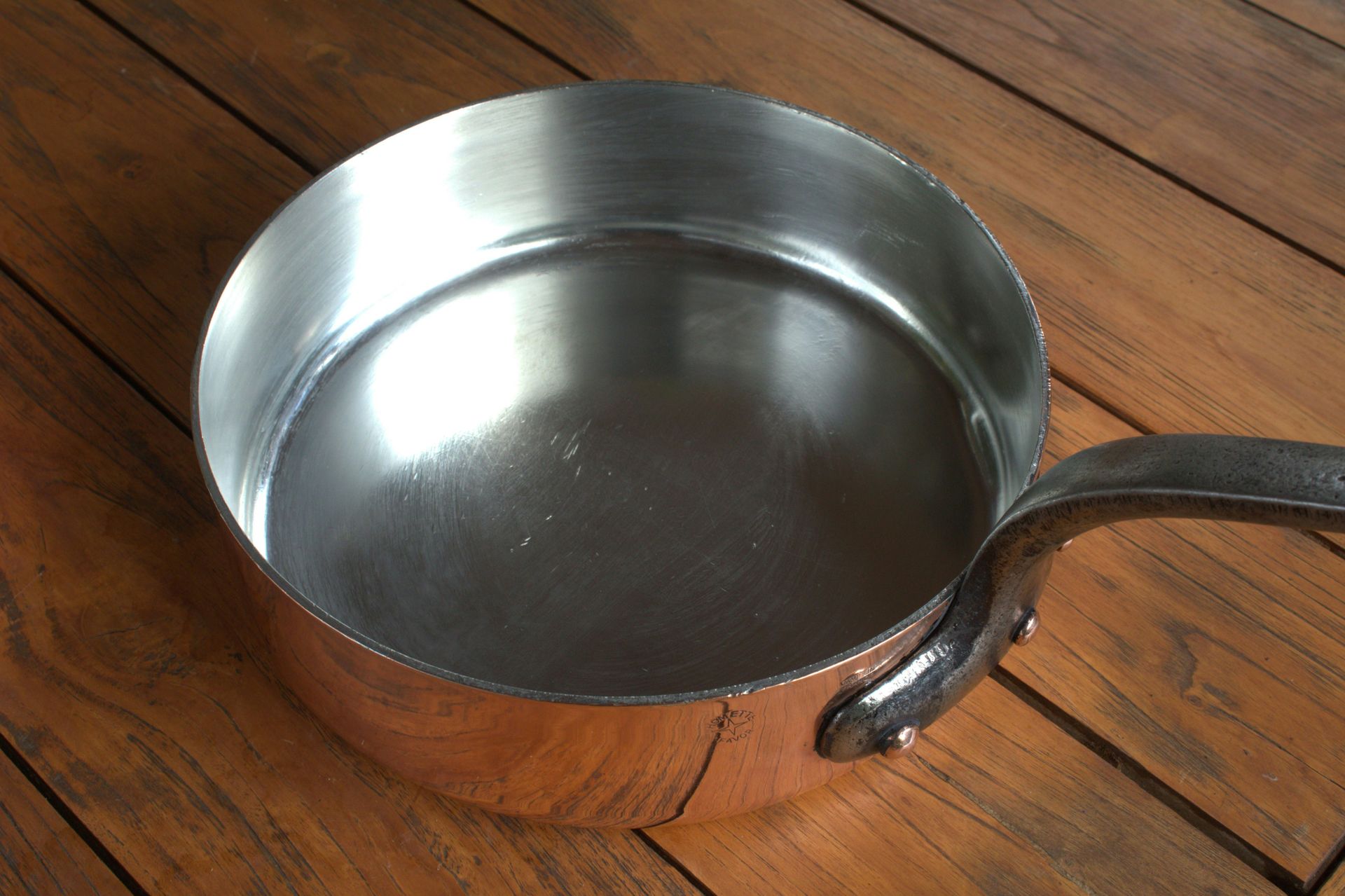
Photo by semih Simsek on Unsplash
Stainless steel is polite but particular.
Reader’s Digest highlights expert advice warning that Windex is not always ideal for stainless steel finishes because results can be inconsistent depending on the coating and product formulation. That inconsistency is not something you want on a surface that lives in your kitchen.
The better option is usually a cleaner designed specifically for stainless steel, which helps avoid streaking and uneven shine.
People often assume stainless steel is low maintenance. It is, but it is also very good at showing every shortcut you took.
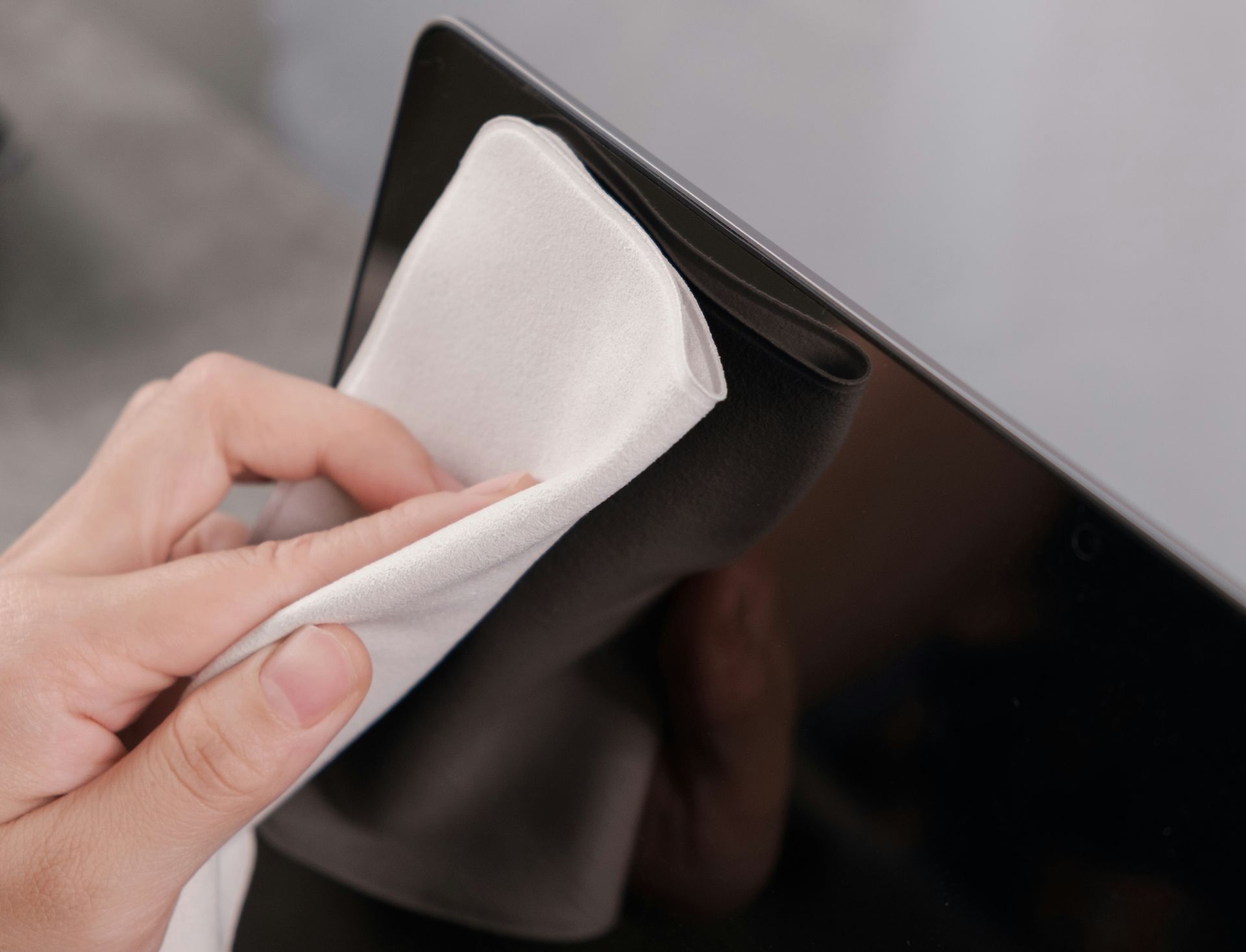
TVs, monitors, and laptops look like they should be cleaned the same way as windows. They absolutely should not be.
Reader’s Digest notes that strong glass cleaners can damage modern screens, especially coatings and delicate plastics. What looks like a quick clean can turn into long-term haze or surface wear.
Experts recommend a softer approach. A lightly damp microfiber cloth is usually enough. In some cases, screen-safe wipes or isopropyl alcohol solutions are used carefully and sparingly.
Copper is one of those materials that changes over time on purpose. It develops character, which is a polite way of saying it reacts to everything.
Reader’s Digest notes that Windex can interfere with copper’s patina and lead to unwanted discoloration. That is not the kind of transformation most people are aiming for.
The safer method is usually simple. Warm water, a soft cloth, and a light buffing approach tends to preserve the finish without altering it.