
Quartz
Subscribe
Quartz
Subscribe
Edition
Business News
A.I.
Technology
Money & Markets
Leadership
Lifestyle
Latest

Get Quartz in your inbox

Free daily briefing on global business news.

Business News
AirlinesAutomobilesFoodPharmaceuticalsPolitics & GovernmentRetail & EcommerceSpace & AerospaceEarnings
Technology
A.I.ComputingConsumer TechSpace & AerospaceEarnings
Money & Markets
Economic IndicatorsMarketsPersonal FinanceEarnings
Lifestyle
Cars & BikesCollectingEntertainmentFood & Fine DiningHealth and FitnessReal EstateTravel
Quartz

Global business news for a smarter world

Topics

  • Business News
  • Money & Markets
  • Tech & Innovation
  • Generation A.I.
  • Lifestyle
  • Leadership

Products

  • Daily Brief
  • Weekly Digest
  • Member Benefits
  • Quartz Pro

Legal

  • Sitemap
  • About
  • Accessibility
  • Privacy
  • Terms of Service
  • Advertising

© 2026 Quartz Media, Inc. All rights reserved.

Tech & Innovation

The TikTok ban bill is law. Now comes the legal battle

A legal fight between TikTok and the U.S. is looming, and courts may decide whether there's a constitutional right to use the app

By Maxwell Zeff·4 min read·Updated April 26, 2024
Add QZ to Google

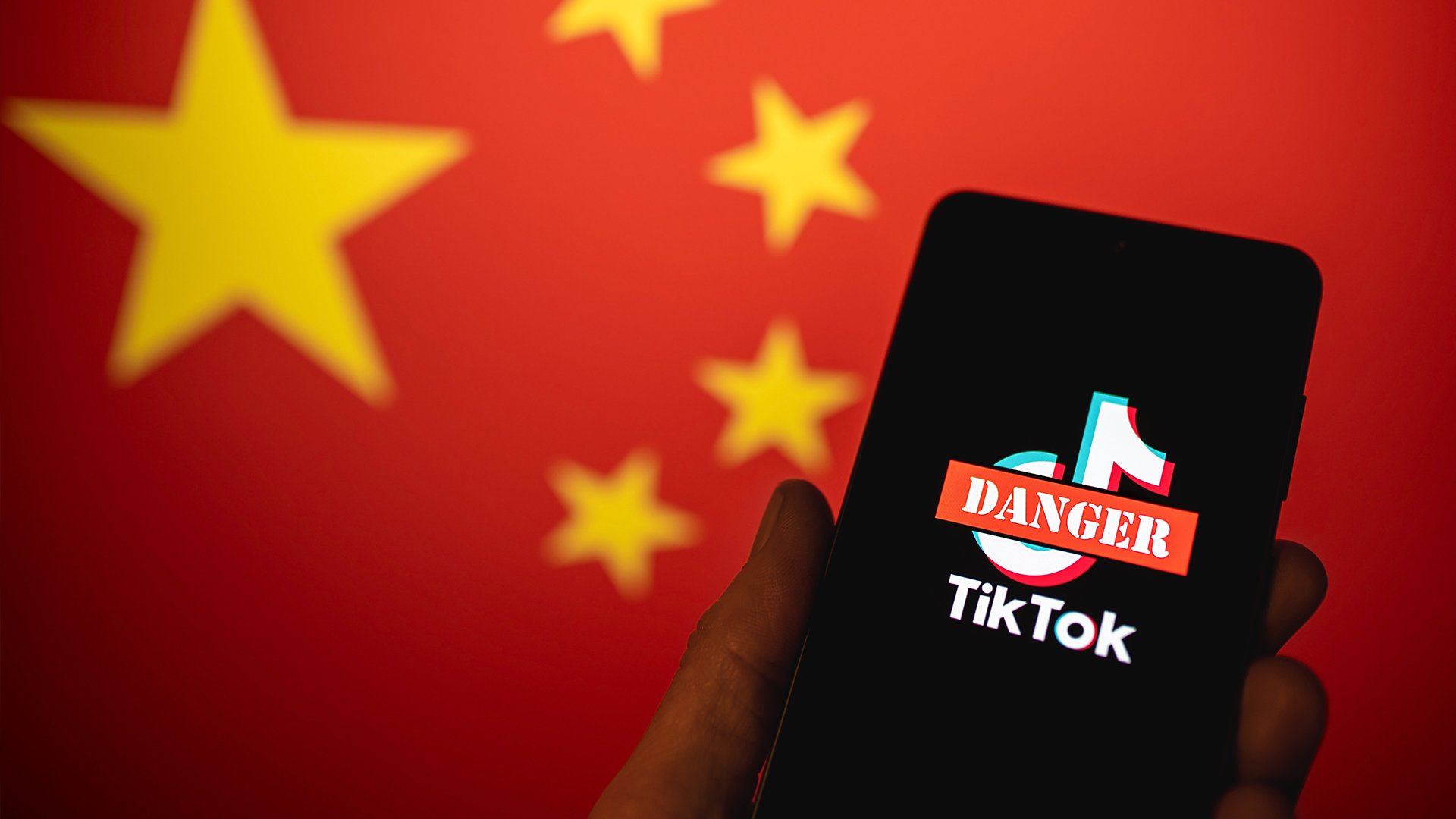
President Biden signed the TikTok ban into law on Wednesday, forcing China-based Bytedance to sell the app or face a ban in American app stores. TikTok tells Gizmodo it will fight the law in court, a case likely to reach the Supreme Court, saying that Biden’s law “tramples” First Amendment protections. In interviews with Gizmodo, legal experts say TikTok has a point.
“My analysis of any situation changes the moment I hear it’s for national security, because usually, that’s a sign it’s a bullshit law,” said First Amendment attorney Marc Randazza in an interview with Gizmodo. “I don’t allow TikTok in my house, but I can’t constitutionally fathom a rationale for banning it in the United States.”

Lawyers tell Gizmodo that a forced sale or ban of TikTok impacts the speech of three significant players: TikTok itself as a publisher; TikTok’s users, who use the app to speak with each other; and the App Stores that carry TikTok, just as book stores are free to carry whatever books they like. Limiting any of this speech would require pretty significant offenses on behalf of TikTok. So far, Congress has not provided new evidence, only citing “classified briefings” for this law. But let’s go down the laundry list of Congress’ allegations.

U.S. Senator Mark Warner called TikTok a “propaganda tool” of the Chinese Communist Party in a CBS interview on Sunday. Countless other U.S. lawmakers say this, claiming TikTok not only spreads Chinese propaganda but also pro-Hamas messaging, with the goal of sowing disinformation among America’s youth. This all could be true, but propaganda is not illegal.

“The First Amendment protects foreign government propaganda, which sounds a little weird, but that’s just the way it is,” said Eric Goldman, Professor of Law at Santa Clara University in an interview with Gizmodo. “Propaganda is both constitutionally protected and something the U.S. government engages in extensively itself, which undermines any of the justifications the government might offer.”

Americans have the right to hear dissenting opinions, including propaganda, and make their own judgments. That’s a foundational piece of the First Amendment, so that argument will likely fall flat on its face.

Another argument against TikTok is over the app’s alleged data collection practices, which could be a better case. U.S. Congressman Michael McCaul called TikTok “a spy balloon in Americans’ phones,” alleging the app scrapes the personal information of 170 million American users to share with the Chinese government. In 2021, The Information reported that the CCP took a seat on Bytedance’s board, which some see as evidence enough that TikTok is spying on Americans. However, Congress only cites “classified briefings” to hold up these claims.

“I’m more likely to believe this is a big bag of nothing because of the extent to which TikTok has been tried already,” said Goldman. “In previous cases, the government has provided evidence to judges under seal, and those judges still ruled in favor of TikTok. The judges who have seen some of the evidence at issue found it unconvincing.”

Congress members described these classified briefings on TikTok’s data collection practices as “shocking” revelations of the app’s ability to track and spy. TikTok vehemently denies that it shares data with China, claiming it spent over $1.5 billion under Project Texas to house American data within the United States. A potential court case will bring some of this information to light, but national security cases have a tendency to steamroll the constitutional rights of Americans with little public information.

“If the justification is national security, that rationale has never worked out all that well for regulation,” said Randazza. “The route here for regulators is probably privacy, but the problem with doing that is we’ve already given up so much of that right to privacy to Silicon Valley.”

We already know that homegrown apps track and spy on our behavior because the U.S. has no comprehensive data privacy law. China likely doesn’t need TikTok to get American data, and it could theoretically go through much simpler means, such as data brokers. These companies purchase American data from Silicon Valley and sell them to third parties, one of which was recently revealed to be the U.S. government’s own National Security Agency.

Ultimately, legal experts agree with TikTok that a government-mandated sale or ban of a social media app inhibits the free speech of many players. The U.S. government will need strong evidence that TikTok is no angel in this case, or else, the law may not hold up in court.


A version of this article originally appeared on Gizmodo.

Daily Brief

The essential business news, delivered fresh every morning.

Join 500,000+ readers who start their day with Quartz.

By subscribing, you agree to our Terms of Service and Privacy Policy.

Related

Business NewsTrump's trade chief is warning new tariffs are coming as temporary 10% global duties expire
Economic IndicatorsInstitutional investors are doubling their home listings after new housing ban
CybersecurityIntel's foundry landed Fortinet as its first named cybersecurity chip customer
Business NewsHalliburton's profit rebounded in Q2 but CEO warns oilfield services market is softening
A.I.The U.S. and China are planning their first official AI talks under Trump