Rome's best affordable restaurants, according to the Michelin Guide — from a Pantheon-side dim sum spot to offal and pasta in Trastevere
Gary Yeowell / Getty Images
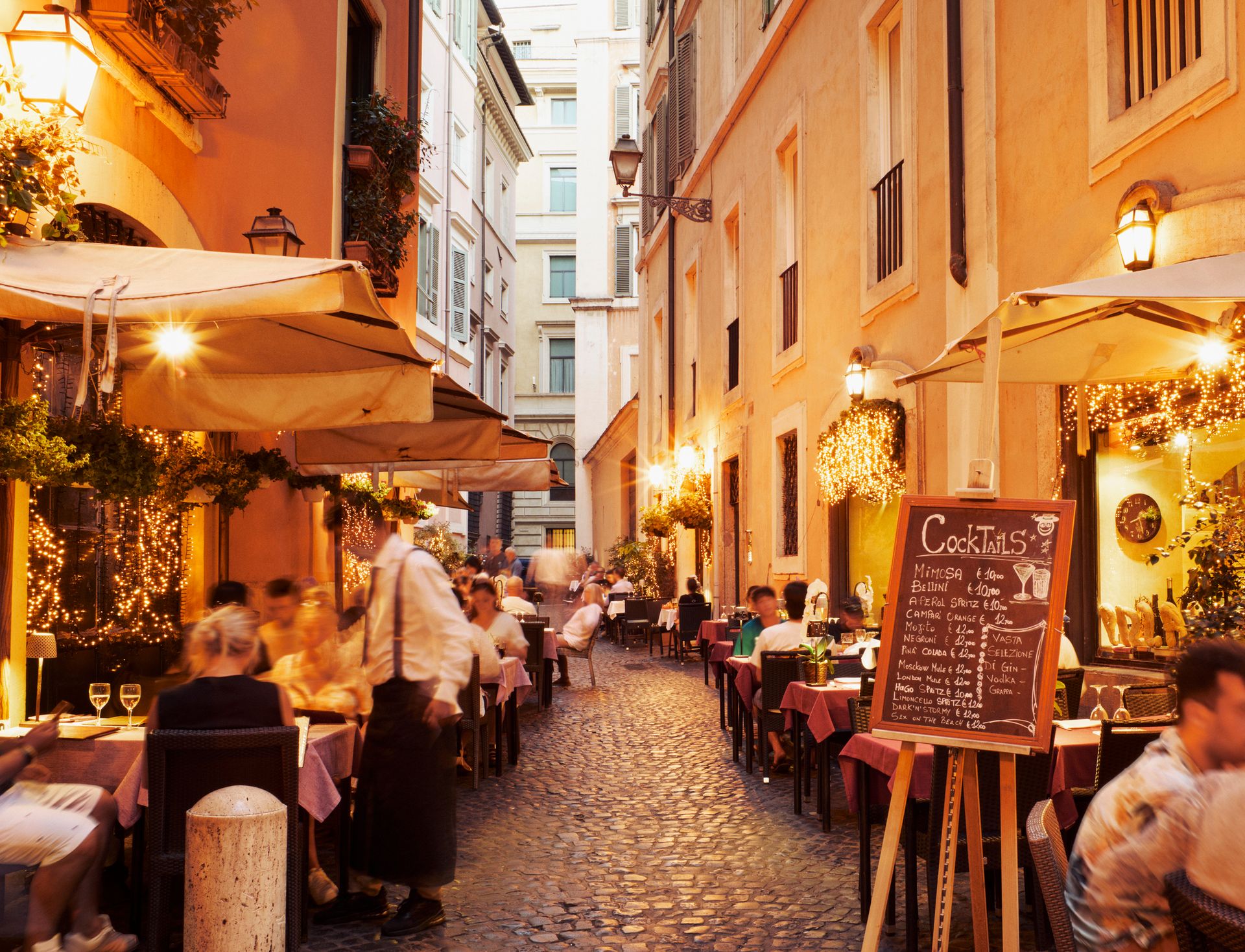
Rome is one of the most visited cities in the world, which means it is also one of the easiest places to eat badly and expensively at the same time. The restaurants clustered around the Colosseum, the Trevi Fountain, and the Spanish Steps sustain themselves on foot traffic from tourists who have not yet learned the first rule of eating in Rome: never sit down anywhere that has a laminated menu and a greeter stationed outside the door. The city rewards travelers who are willing to walk an extra 10 minutes to a landmark, look for a handwritten menu on a chalkboard, and trust a dining room full of people eating without smartphones.
The good news is that eating well and eating cheaply are not in tension in Rome, as they can be in other major European cities. The city’s culinary tradition — built around a small number of exceptional pastas, a reverence for offal, a commitment to seasonal vegetables, and a deep suspicion of unnecessary complexity — lends itself to affordable restaurant operations in a way that more ingredient-intensive cuisines do not. A plate of cacio e pepe made with skill and three ingredients costs almost nothing to produce and is one of the great dishes of the world. Rome’s best inexpensive restaurants understand this and build their identity around it.
The six restaurants below come from the Michelin Guide’s selection of affordable restaurants in Rome, which identified each property based on its Bib Gourmand recognition — a Michelin designation awarded to restaurants that serve a full meal of starter, main, and dessert at a price that Michelin’s inspectors consider genuinely accessible relative to the quality delivered. All six restaurants hold this designation, meaning the value-for-money judgment comes from the same rigorous inspectors who award Michelin Stars, not from anonymous online reviewers.
Credit: Green T.
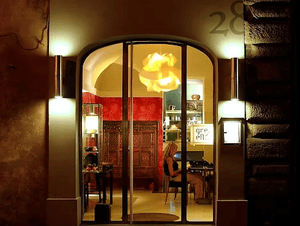
Green T., on Via del Piè di Marmo steps from the Pantheon in central Rome, makes a case that the city’s best affordable meal does not have to come from a Roman kitchen. The restaurant’s small dining rooms spread across multiple levels of the building, creating a set of intimate spaces that feel removed from the tourist density of the surrounding neighborhood. The source acknowledges the apparent counterintuition of choosing Chinese cuisine in Rome before making the case that Green T. justifies the departure from expectation.
The menu spans three registers of Chinese culinary culture: street food-style dishes at one end, imperial cuisine at the other, and contemporary preparations occupying the space between. Dim sum is made fresh daily, which gives the restaurant a production commitment that distinguishes it from establishments that treat dim sum as an accessory to a broader menu. The fresh-daily standard is a meaningful operational claim in a city where kitchen shortcuts are common at the affordable end of the market.
The location near the Pantheon is both Green T.'s greatest commercial asset and the detail that will most reliably deter Rome purists from visiting. The streets immediately surrounding the Pantheon are dense with tourist-facing restaurants charging monument-proximity premiums for mediocre food. Green T.'s position in this geography means it attracts the same foot traffic — and can be discovered by visitors already in the neighborhood — while maintaining a culinary standard that its neighbors do not. A traveler who chooses Green T. over the nearest pasta restaurant within the Pantheon’s sightline will eat better, spend less, and leave with a more unusual meal to remember from the visit to Rome. The multi-level dining rooms and the freshly made dim sum give the full experience a depth that a standard tourist-area restaurant in the same location would not produce at any price.
Credit: 53 Untitled
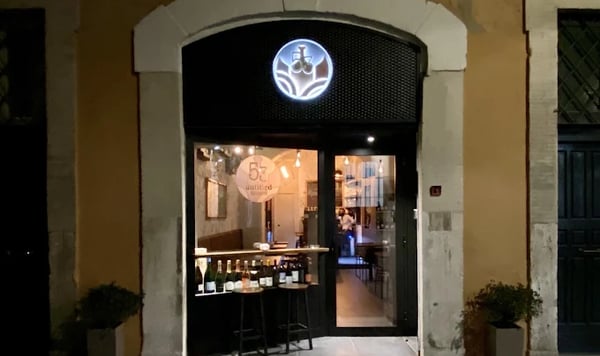
53 Untitled, on Via del Monte della Farina near Piazza Navona, occupies a casual modern bistro format and carries a cryptic name that the source acknowledges without resolving. The 53 refers to the street number,, and “Untitled” remains unexplained, giving the restaurant a personality quirk that immediately distinguishes it from Rome’s many traditionally named trattorias. The restaurant is known for a tasting menu and an extensive tapas selection that serve as both appetizers and shared plates, giving diners flexibility in how they construct and pace their meal.
The menu leans creative, with Asian influences running through dishes alongside whatever Roman inspiration the kitchen applies. Natural wines and ales appear on the drinks list, which positions 53 Untitled in the territory of the modern European bistro that has absorbed global flavor influences without abandoning the produce-focused, wine-serious sensibility of its European foundations. The tapas format, in particular, gives the restaurant a structure borrowed from Spanish dining culture that allows guests to assemble a varied meal without committing to a set sequence, which suits the exploratory eating style the creative kitchen evidently favors.
The Piazza Navona's proximity gives 53 Untitled a location that attracts foot traffic from tourists and also draws Roman diners who live and work in the historic center. The natural wine selection in particular skews toward an Italian audience that has developed strong opinions about low-intervention viticulture over the past decade, suggesting that the restaurant’s target guest is not primarily a tourist looking for a carbonara but a more engaged diner willing to follow a kitchen’s curiosity across cuisines. The Bib Gourmand designation confirms that the creative ambition does not price the experience out of reach, which makes this list relevant. For diners who want to eat something unexpected in Rome without paying Michelin-star prices, 53 Untitled offers the most internationally minded option on this list.
Credit: Trattoria Pennestri
Trattoria Pennestri, on Via Giovanni Da Empoli in the Ostiense neighborhood, has built a strong reputation that requires reservations at least a week in advance. The demand is unusual for a simple trattoria in a traditional residential area well south of Rome’s tourist center. The source frames this booking requirement as evidence of the restaurant’s quality: the effort required to secure a table is proportionate to the reward of eating there. Ostiense is not a neighborhood visitors stumble into by accident, which means the people filling Pennestri’s tables sought it out deliberately.
The menu covers Roman seasonal dishes alongside more individual preparations, and the source identifies carbonara as a marker of the kitchen’s classical credentials alongside duck breast with caramelized onions and apples. The pairing reflects a kitchen that is comfortable moving between the Roman tradition and something slightly more composed. The carbonara appears as a benchmark: a dish that Roman diners know too well to accept mediocre versions of, and that restaurants use to signal whether their kitchen is actually serious about Roman cooking or merely performing it for tourists.
The residential Ostiense setting gives the restaurant a neighborhood character that the historic center trattorias cannot reproduce. Guests arrive because they tracked the address down and planned ahead, not because the restaurant’s signage caught their eye while walking toward a monument. The week-ahead booking requirement functions as a self-selecting filter: the guests at Pennestri’s tables are uniformly the kind of diners who research their meals and commit to them in advance. The kitchen serves a clientele that will notice if the carbonara is wrong and will not return if it is. Trattoria Pennestri’s sustained popularity under this condition is the clearest signal on this list that a simple, honestly priced trattoria operating in a residential neighborhood earns its reputation meal by meal. The week-ahead booking requirement also means that planning a meal at Pennestri — seeking it out deliberately — is part of the experience itself.
Credit: Hosteria Grappolo d’Oro
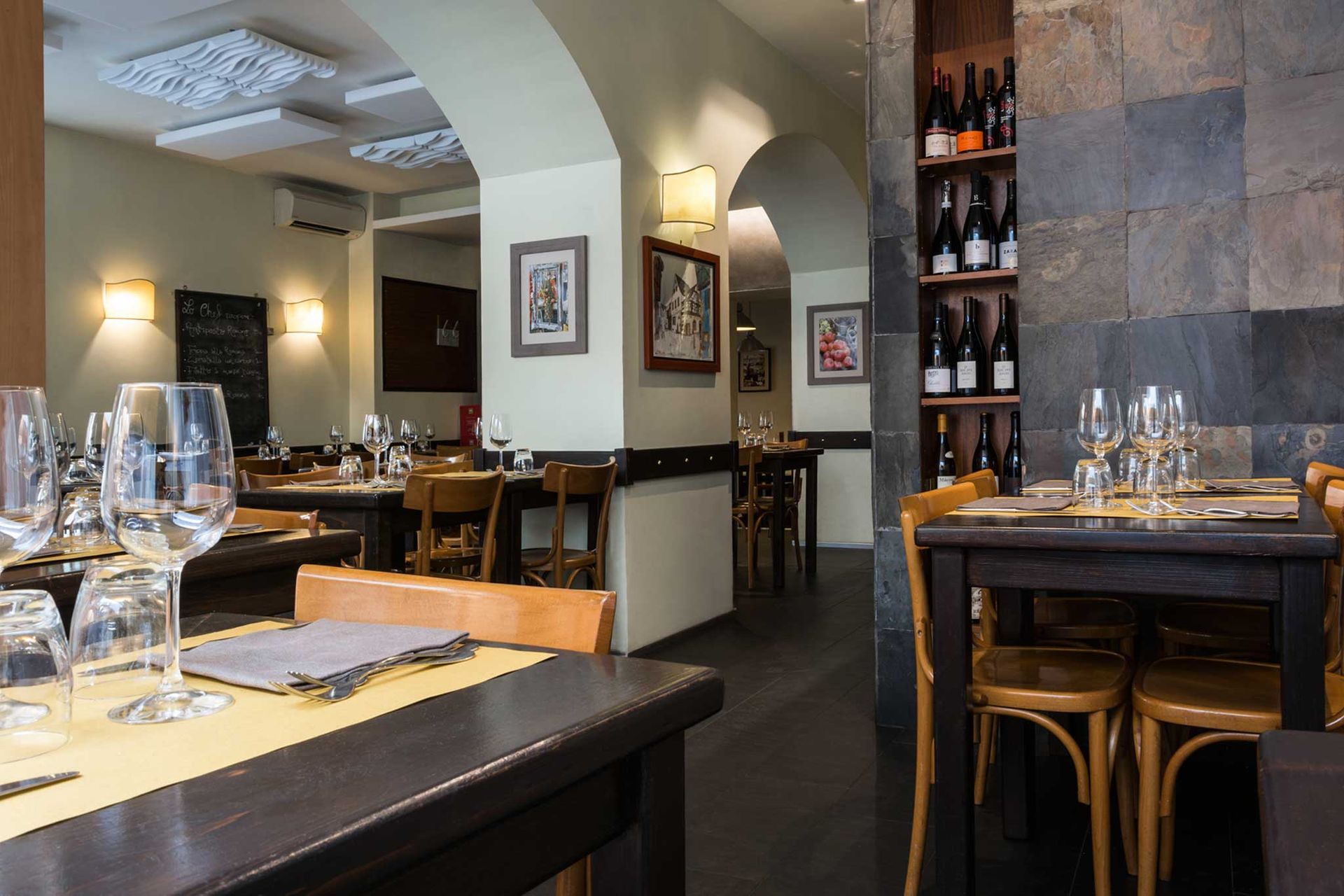
Hosteria Grappolo d’Oro, on Piazza della Cancelleria between Piazza Navona and Campo de’ Fiori, operates in one of the most tourist-saturated squares in central Rome and maintains genuine culinary credibility despite the location. The source explicitly flags the risk — tourists trap their own wallets in this neighborhood — and explicitly clears the restaurant of that charge. The Percorso Romano tasting menu, which delivers four traditional Roman dishes for under €40, gives the restaurant a structured offering that positions the value proposition in concrete financial terms that visitors can evaluate before they sit down.
House specialties on the Percorso Romano include cacio e pepe pasta and oven-roasted lamb, which span two of the most recognizable categories of Roman cooking: pasta traditions built around aged cheese and black pepper, and slow-cooked meat preparations associated with the city’s Jewish culinary heritage and its pastoral supply chains. The kitchen sources from slow-food producers and local seasonal suppliers, reflecting a supply chain philosophy focused on quality and traceability rather than cost minimization.
The modern tavern format the source identifies — as opposed to a traditional Roman osteria — suggests a comfortable, contemporary environment without being aggressively designed in the manner of Rome’s more self-conscious restaurants. The location between two of Rome’s most visited piazzas means that guests who have just seen Campo de’ Fiori’s morning market or Piazza Navona’s fountains can walk directly to a meal that costs less than €40 per person for four courses and is sourced from producers whose provenance the kitchen can name. The contrast between the tourist-economy pricing that dominates this neighborhood and the Percorso Romano’s fixed rate makes Hosteria Grappolo d’Oro the most financially legible value on this list. The slow-food sourcing and the under-€40 four-course tasting menu together make the case that authentic Roman cooking and an honest price point are available even in a piazza that has every reason to charge more.
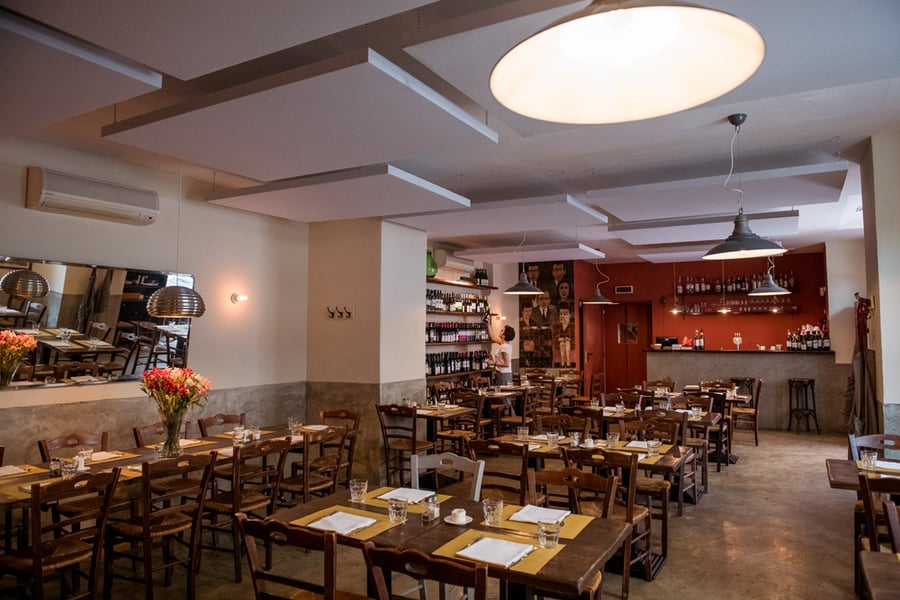
Credit: Domenico dal 1968
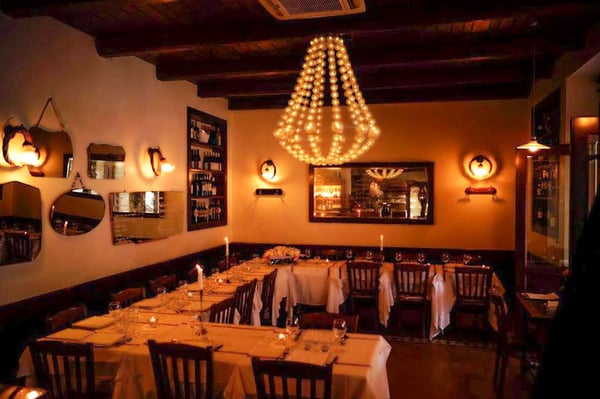
Domenico dal 1968, on Via Satrico in the Appio-Latino neighborhood, is sufficiently removed from Rome’s tourist infrastructure that the source frames the location as a virtue: this is a restaurant where the dining room fills with locals because no one arrives by accident. The name encodes the founding year, 1968, which gives the restaurant a provenance claim no recent opening can match and serves as shorthand for an operation that has survived decades of Roman dining trends without chasing them. The menu arrives either verbally from a waiter or on a chalkboard, removing the laminated-menu aesthetic entirely.
The kitchen specializes in fish dishes alongside Roman classics, and the specific dishes the source highlights — tripe, sweetbreads, offal, and artichokes cooked Roman- or Jewish-style — require both skill and confidence to serve. Offal cooking in Rome has a specific cultural logic: it belongs to the cucina povera tradition that developed in neighborhoods where expensive cuts were unavailable, and it demands a kitchen willing to prepare dishes most tourists will not order. A restaurant that lists tripe and sweetbreads as must-tries is making a statement about its intended audience and its culinary values simultaneously.
The limited seating and the need for reservations give Domenico dal 1968 a scarcity dynamic that reinforces its local reputation. Guests who know the address call ahead and plan around the booking. The chalkboard menu means the kitchen cooks what arrived that morning from suppliers it trusts, which gives every visit a slightly different menu and prevents the stagnation that settles into restaurants printing the same fixed menu for years. For visitors who want a Roman meal as locals actually experience it — offal, seasonal fish, a dining room already full when they arrived — Domenico dal 1968 offers the most authentically residential experience on this list. The 1968 founding date, the chalkboard menu, and the Appio-Latino address together describe a restaurant that has never needed to modernize because its fundamental proposition has never stopped working.
Credit: L’Osteria della Trippa
L’Osteria della Trippa, on Via Goffredo Mameli in Trastevere, earns a description from the source that few restaurant assessments match for warmth: dining there feels like a big, warm hug. The source credits this impression to the lively atmosphere, the welcoming service, and the generous portions of Lazian cooking that arrive at a price point the Bib Gourmand designation confirms as genuinely accessible. Trastevere is a neighborhood that has been trendy for long enough that the word no longer carries its original force, but L’Osteria della Trippa’s character resists the self-consciousness that afflicts some of the more designed restaurants that have opened around it.
The menu delivers lamb offal alongside pasta in the three canonical Roman sauces — carbonara, amatriciana, and cacio e pepe — which the source groups together as the Roman trifecta. A restaurant that serves all three without apology is taking a position on what Roman cuisine is and declining to soften that position for guests who might prefer something more internationally legible. The offal alongside the pasta trifecta gives the kitchen a coherent identity as a defender of the Lazian table, not as a restaurant that happens to be located in Lazio.
The Trastevere location gives L’Osteria della Trippa a neighborhood audience that is partly Roman and partly international, since Trastevere draws both longtime residents and visitors who specifically seek out the neighborhood for its density of osterie, wine bars, and casual restaurants. The restaurant’s standing as a warm and generous table within a competitive and sometimes cynical neighborhood restaurant scene reflects how thoroughly its cooking and hospitality have established themselves beyond the initial novelty of opening. The portions the source describes as heaping and the atmosphere it describes as lively together suggest a place that operates on the logic that abundance and quality at a reasonable price will bring customers back without requiring anything more complicated.
