Andrew Dawes / Unsplash
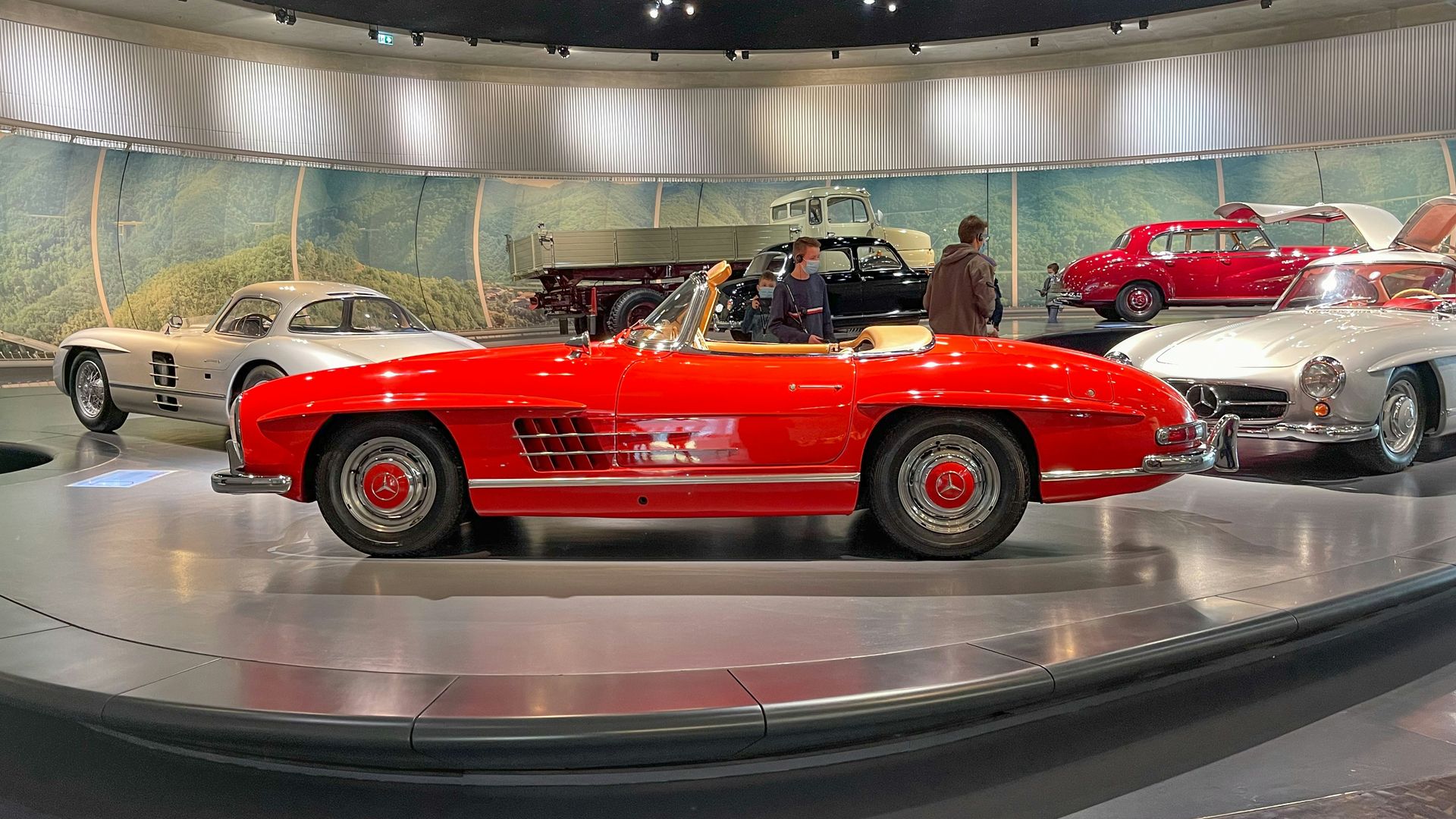
The history of the American automobile is inseparable from the history of the country itself. The assembly line that Henry Ford $F refined in the early 20th century restructured industrial labor and made car ownership available to working families who could not have afforded it otherwise. The interstate highway system that followed reshaped how Americans understood distance, community, and daily life. The muscle cars of the 1960s and the fuel crises of the 1970s, the rise of Japanese imports and the collapse of Detroit’s middle class, the slow turn toward electrification: each phase of automotive history reflects something larger about the culture that produced it. A car museum, at its best, is less a collection of machines than a record of choices a society made about what it valued and how it wanted to move through the world.
That history is not exclusively American in origin. European manufacturers developed many of the foundational technologies that American automakers adapted and scaled, and the most complete picture of automotive development requires looking across the Atlantic as well as within domestic borders. The United States holds collections that span museums dedicated to European vehicles, those focused on American racing culture, Hollywood film cars, and presidential limousines, as well as the personal passion projects of collectors who spent decades assembling vehicles that no single manufacturer’s archive could replicate.
The eight museums below appear in Travel + Leisure, recommended by two automotive experts: Amelia Dalgaard of Motorhead Mama and automotive journalist Kendra Sommer. Their picks span the country, from Los Angeles to Hershey, Pennsylvania, and range across institutional scales and collecting philosophies. Each offers something the others do not, which is the most useful thing that can be said about any museum on a list like this one.
1 / 8
Mike Von / Unsplash
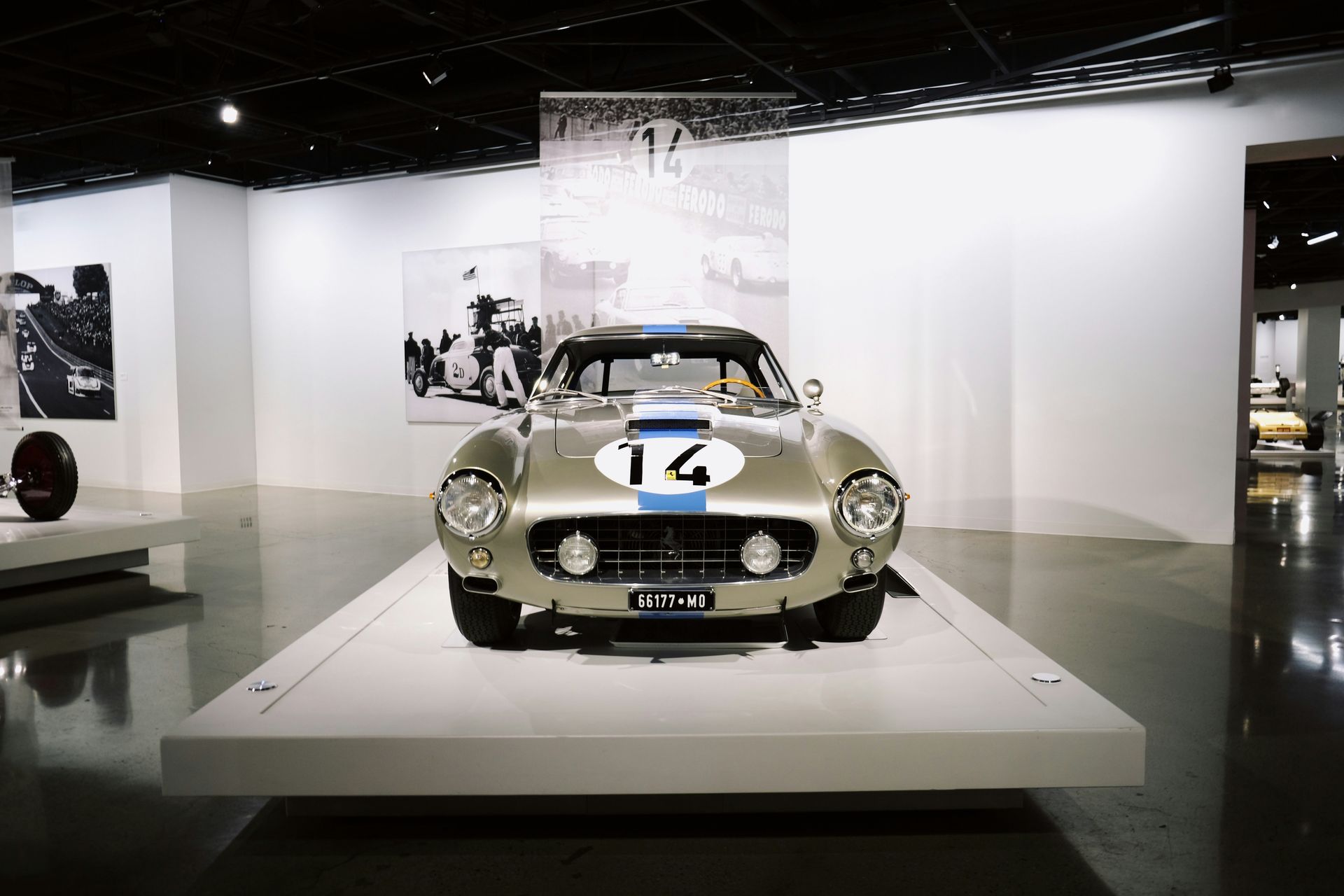
The Petersen sits on Museum Row in Los Angeles alongside the L.A. County Museum of Art and the Academy Museum of Motion Pictures, a location that positions automotive history within the broader cultural landscape rather than apart from it. Dalgaard describes the building as glamorous, and the rooftop parking lot offers some of the best city views from any museum in Los Angeles. The collection’s range distinguishes it from more specialized institutions: motorsports, low riders, Hollywood vehicles, and design-forward automotive art occupy the same building, giving visitors with different entry points into car culture multiple reasons to linger.
The Vault, available as an upgrade to a standard ticket, holds more than 300 rare cars, trucks, and motorcycles spanning roughly 120 years of automotive production. The collection within it covers vehicles that do not fit the standard rotating exhibit format: rare, fragile, or historically significant machines that reward the kind of sustained, close attention that a crowded main floor does not always permit. For visitors with serious collecting interests or deep automotive knowledge, the Vault gives the Petersen a depth that the main galleries gesture toward but do not fully deliver.
The “Totally Awesome!” exhibit, focused on car culture of the 1980s and '90s, captures a period in American automotive history that sits close enough to living memory for many visitors to carry personal associations but far enough away that curatorial framing adds genuine context. Sommer specifically recommends it, and the subject matter's generational specificity gives the exhibit a texture that broader surveys of automotive history sometimes flatten.
The children’s section earns consistent praise from both experts, making the Petersen a functional family destination rather than one that requires adults to negotiate between their interests and a child’s patience. Few automotive museums balance institutional seriousness and family accessibility as successfully as the Petersen manages across its full floor plan.
2 / 8
Credit: Orlando Auto Museum
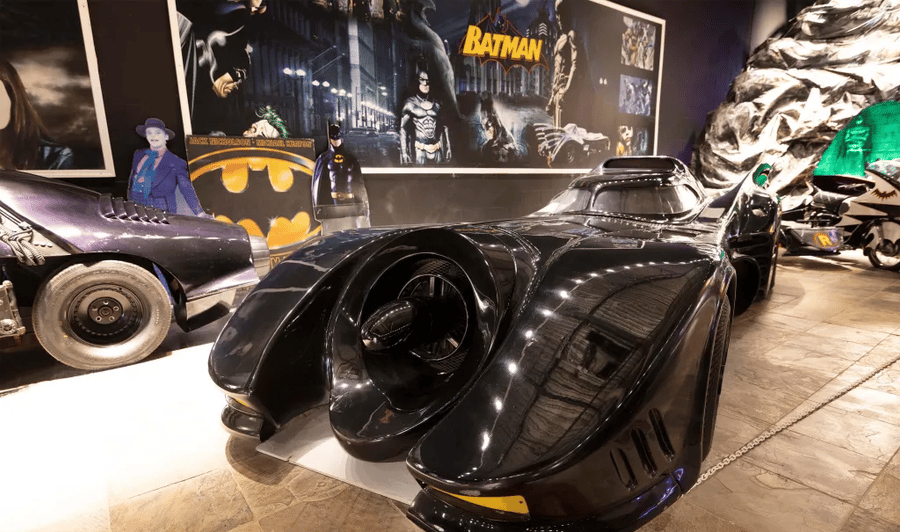
The Orlando Auto Museum houses more than 2,000 vehicles across more than 20 themed rooms, a density of collection that Sommer describes as hard to summarize in a single display. The James Bond franchise vehicles, the Fast & Furious film cars, and a Volkswagen Golf previously owned by Kate Middleton are housed in the same building as dozens of other screen-used vehicles and themed galleries, giving the museum a pop culture dimension that automotive history alone cannot provide. Sommer, a self-described gearhead, rates a day here above a day at Disney $DIS World — a comparison that speaks to the quality of the experience for visitors who approach it with genuine enthusiasm.
The themed room format gives the museum a navigational logic based on subject matter rather than chronology or manufacturer, which suits a collection assembled around stories as much as machines. A visitor interested specifically in film vehicles can move through those rooms in sequence; one drawn to a particular era or national tradition can find that thread across different sections. The format rewards exploration rather than a linear path through the galleries.
The scale of the collection and the cultural breadth of what it contains make the Orlando Auto Museum a destination that works for visitors with no prior automotive interest as well as those with deep knowledge of the vehicles on display. Screen-used cars carry narrative associations that bridge the gap between automotive enthusiasm and general cultural curiosity, and the film franchise connections give the museum a marketing hook that draws visitors who might not seek out a conventional car collection.
3 / 8
Credit: Lane Moto Museum
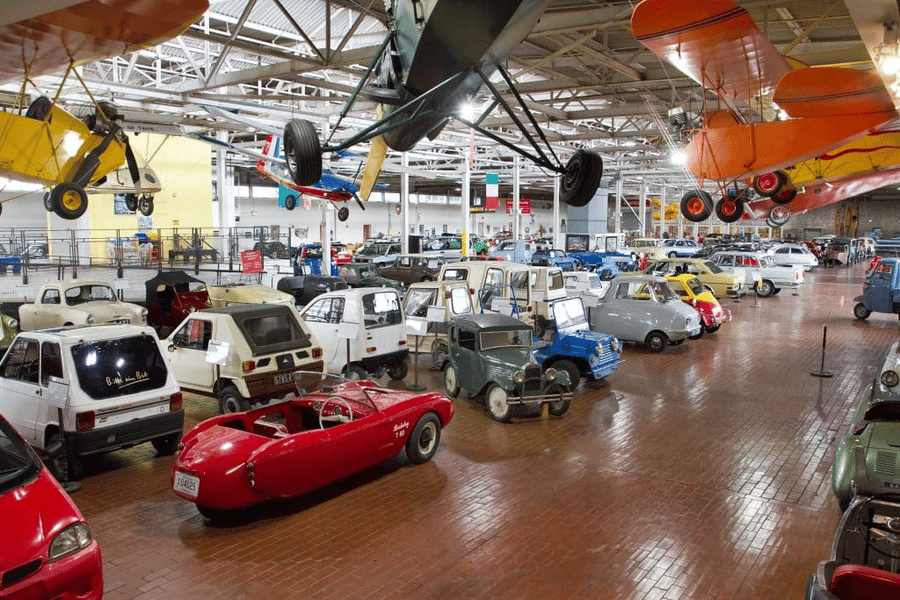
The Lane Motor Museum in Nashville houses the largest collection of European automobiles in the United States, a distinction that gives it a curatorial identity distinct from that of every other institution on this list. Dalgaard describes it as far more than a car museum, noting that the collection extends to motorcycles, bicycles, three-wheelers, and aircraft alongside the vehicles that anchor the institution’s reputation. The range reflects a collecting philosophy oriented toward transportation broadly rather than the automobile specifically, which gives the Lane a historical sweep that more narrowly focused museums cannot match.
Vehicles dating to the early 1900s anchor the oldest sections of the collection: the A.B.C. from 1922, the Aero 18 from 1931, and a three-wheeled B.S.A. car from 1933 represent the period before automotive design had settled into the forms that later generations would take for granted. Seeing these machines alongside later examples of European engineering traces a line of development that the Lane’s curatorial depth makes unusually clear.
The Nashville location places the museum within reach of a city that draws significant visitor traffic for reasons unrelated to automotive history, which gives the Lane an audience that would not seek it out in a less culturally active location. For travelers already spending time in Nashville, the museum offers a detour from the city’s music and food culture into a different kind of American collecting obsession, one that happens to be internationally focused in a way that few American institutions of any type manage.
4 / 8
Credit: Volo Museum
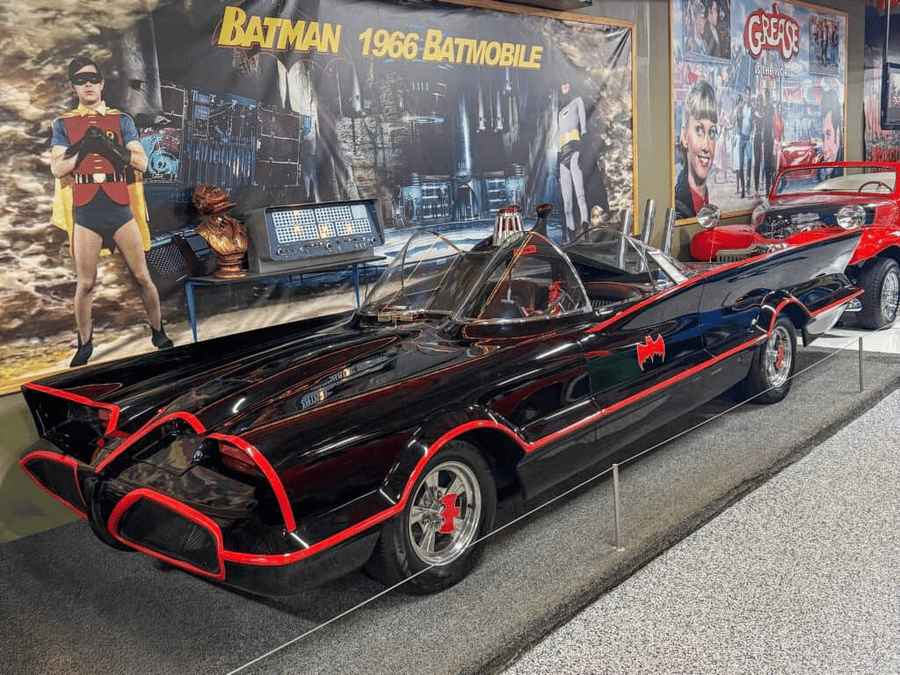
The Volo Museum, about an hour outside Chicago, holds a collection that Sommer describes as offering something for every member of a family. The Titanic exhibit centers on a 1912 Renault Type CB Coupe de Ville, one of only two known examples of the vehicle: its sister car went down with the Titanic in 1912, giving the surviving Renault a historical gravity that the surrounding display context amplifies. The specificity of that connection, a vehicle that exists in direct relationship to one of the most documented disasters in modern history, gives the Titanic exhibit a weight uncommon in automotive collections.
The Hollywood collection extends across multiple franchise exhibits. The Disney $DIS gallery houses one of the oldest Disney parade vehicles, and the broader Hollywood section includes the 2014 Subaru Impreza WRX STI, identified as one of the last cars Paul Walker drove in the Fast & Furious films. The cultural associations these vehicles carry give the Volo collection a narrative function alongside its automotive significance: the cars tell stories that extend well beyond their engineering specifications.
The museum's family orientation reflects a deliberate collecting and programming strategy. The range of exhibits, from the Titanic’s historical weight to the Batmobile’s pop culture immediacy, covers enough ground that different members of a family can find their own entry point without the visit requiring negotiation between competing interests. For Chicago-area travelers or visitors passing through northern Illinois, the Volo Museum makes for a day trip that serves as an introduction to multiple categories of American cultural history.
5 / 8
Credit: AACA Museum
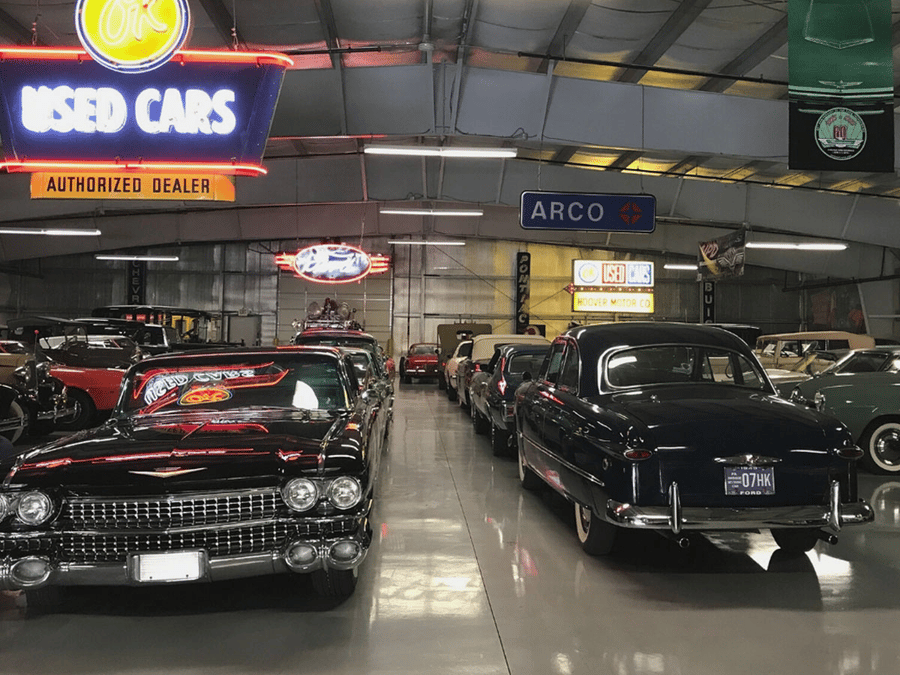
The AACA Museum, formerly known as America’s Transportation Experience, opened in 1993 with a mission focused on the preservation and presentation of motor vehicle history rather than the curation of a single manufacturer’s story or a particular collecting theme. The three-story building in Hershey holds what Dalgaard identifies as the world’s largest Tucker collection, a concentration of one of American automotive history’s most dramatic episodes: Preston Tucker’s brief attempt to challenge the established manufacturers in the late 1940s, which produced fewer than 60 vehicles before the company collapsed under circumstances that Tucker himself attributed to industry sabotage.
The Mustang exhibit traces the model’s evolution across generations, offering visitors a longitudinal view of a single vehicle line that reflects broader shifts in American automotive tastes and engineering priorities over more than six decades of production. The Saab collection documents the Swedish manufacturer’s history before its bankruptcy, preserving vehicles and context that the brand’s disappearance from production is increasingly becoming rare. Both exhibits use a specific vehicle line to tell a larger story about what happens to automotive ambition when market conditions, corporate decisions, or financial pressures intervene.
The museum’s bus transportation section adds a dimension that most automotive collections ignore: the history of public and commercial transportation runs parallel to the private automobile story and intersects with it at points that the AACA’s curatorial scope allows it to address. Events, including scavenger hunts and driving experiences, extend the museum’s programming beyond static display, giving repeat visitors and families with children reasons to engage with the collection at a level of participation that conventional exhibit formats do not provide.
6 / 8
Credit: NASCAR Hall of Fame
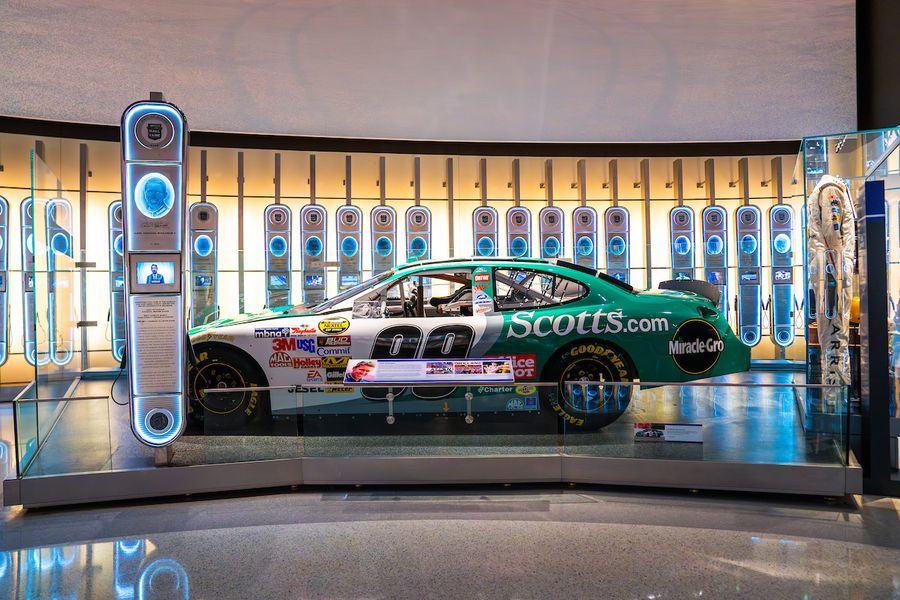
The NASCAR Hall of Fame in Charlotte anchors the sport’s institutional history in the city that functions as racing’s commercial and organizational center. Sommer describes the museum as dedicated to immersing visitors in racing history, and the collection of vehicles and memorabilia connected to drivers, including Jeff Gordon, Dale Earnhardt, and Richard Petty, gives the exhibits a biographical specificity that general motorsports collections spread more thinly. The presence of cars associated with specific, named drivers and specific, documented race events gives each vehicle a narrative context that the technical specifications alone do not supply.
The NASCAR Simulator stands out in Sommer’s assessment as the best single experience the museum offers. The simulator puts visitors on a virtual track working with a crew chief against other museum attendees, a participatory format that gives the racing history a physical dimension no static exhibit can replicate. Sommer notes that the experience is harder than it looks, which is a more honest assessment of what the simulator delivers than the promotional language most museums use to describe their interactive features.
Charlotte’s position as the center of NASCAR’s organizational and commercial infrastructure gives the Hall of Fame a relationship to the living sport that museums dedicated to historical periods cannot sustain in the same way. The city’s racing culture extends beyond the museum into the broader regional economy, and visitors who arrive with an interest in contemporary NASCAR can combine a Hall of Fame visit with engagement in a sport that continues to operate at a professional level within driving distance.
7 / 8
Credit: Henry Ford Museum
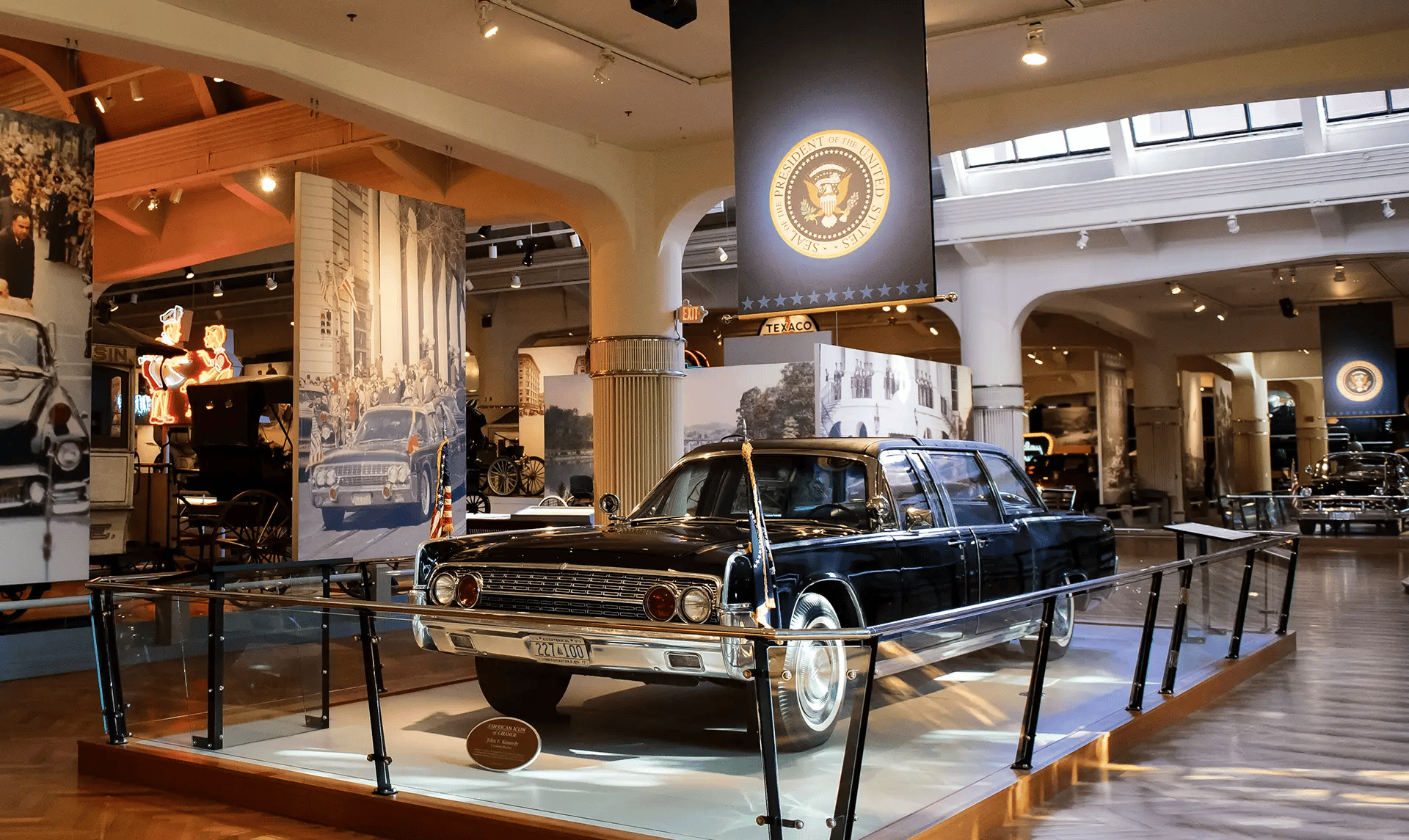
The Henry Ford $F in Dearborn occupies 12 acres and encompasses a collection that began as Henry Ford’s personal accumulation of objects he considered historically significant, including vehicles dating to 1906. Sommer describes it as the one car museum to have on a must-visit list if only one is possible, and the collection justifies that prioritization through what it contains beyond automobiles. The bus Rosa Parks refused to give up her seat on, and the Lincoln Continental limousine in which President Kennedy was assassinated, occupy the same institution as automotive history, connecting the car collection to moments in American civic and political life that give the museum a scope no other institution on this list attempts.
Dalgaard emphasizes that the museum covers more than a manufacturer’s story, a characterization that reflects both the breadth of the collection and the curatorial philosophy behind it. Henry Ford’s original collecting impulse was preservationist rather than promotional: he wanted to document American life and technology across its full range rather than celebrate Ford Motor Company specifically. The resulting institution holds American history in a way that aligns more closely with the Smithsonian’s ambition than with a corporate museum’s typical scope.
Greenfield Village, adjacent to the museum, and the Rouge factory tour extend the visit into additional territory beyond the main building. The village preserves historic structures relocated from their original sites, giving visitors a physical encounter with American material history that the museum’s artifact-based exhibits complement rather than duplicate. For families, the scale of the complex provides the space and variety of activities that a single building rarely offers.
8 / 8
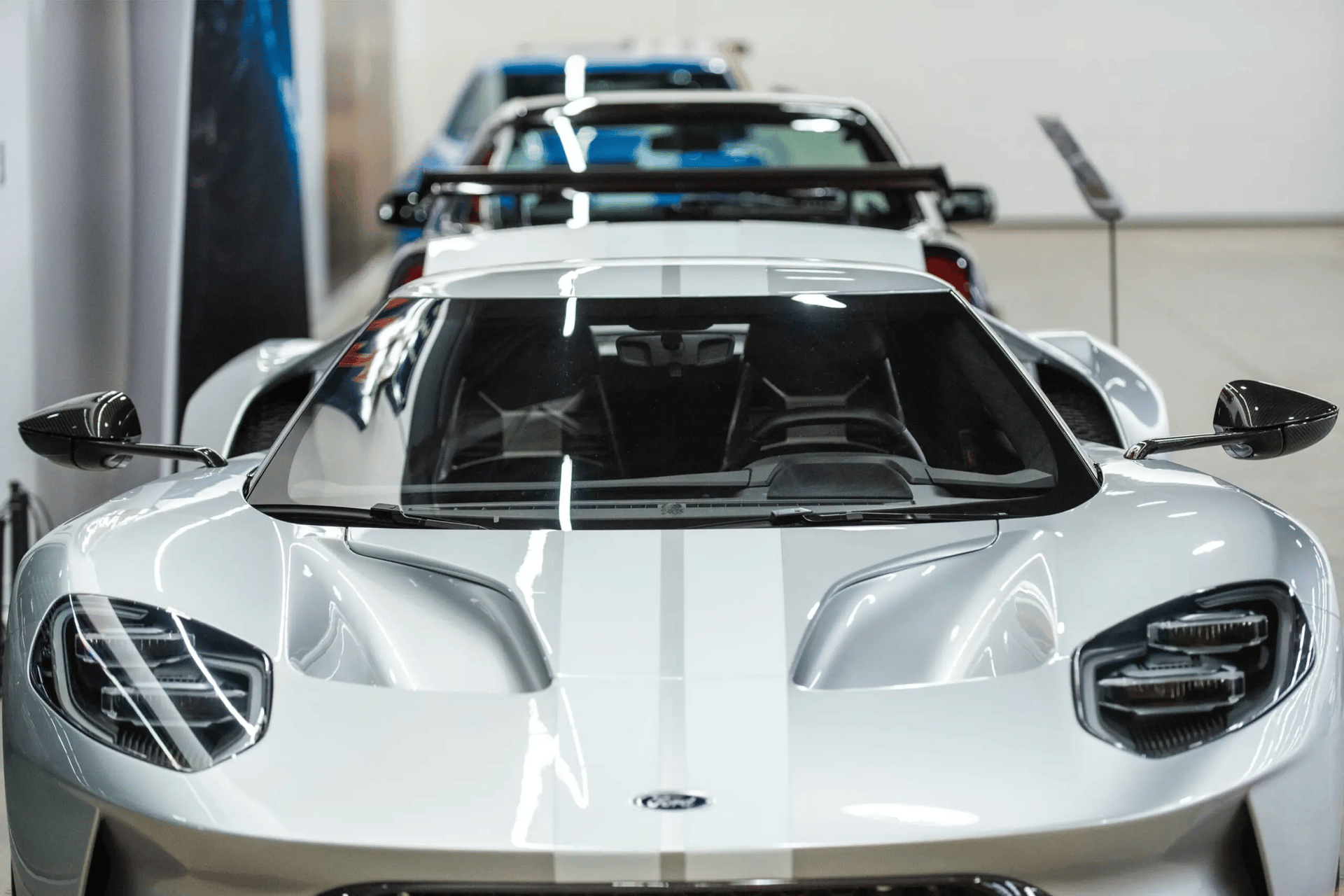
Credit: Midwest Dream Car Collection
The Midwest Dream Car Collection in Manhattan, Kansas, operates as the passion project of founders Ward and Brenda Morgan, a provenance that gives the museum a character distinct from the institutionally managed collections that dominate the rest of this list. Dalgaard describes it as exciting and rapidly growing, situated in a location she acknowledges is genuinely unique: Manhattan, Kansas, is about two hours by car from Kansas City, making the museum a deliberate destination rather than a convenient stop. The effort required to reach it selects for visitors who arrive with a genuine interest in the collection.
The museum's organizing categories reflect a collector’s sensibility rather than a curatorial committee’s consensus. “Luxury legends” and “rare gems” frame the collection around qualities that serious collectors value, giving visitors a framework that distinguishes the Midwest Dream Car Collection from museums organized around manufacturer history or technological development. The 1952 Cadillac Series 62 Convertible and the 1967 Sunbeam Tiger MKII represent different ends of the collecting spectrum, and the range across the full collection reflects the breadth of interest that a passion-driven museum can accommodate without the institutional constraints that larger organizations navigate.
The museum’s growth trajectory, noted by Dalgaard, distinguishes it from the established collections that define the rest of the list. A museum actively expanding its holdings offers a different experience from one managing a fixed collection: the sense that the institution is still in the process of becoming something gives a visit a quality of discovery that more settled museums cannot replicate. For travelers passing through Kansas or driving from Kansas City specifically, the Midwest Dream Car Collection rewards the commitment the journey demands.
