Roo Lewis / Getty Images
London absorbs enormous amounts of time and attention. There are enough restaurants, museums, and neighborhoods within the city to occupy months of exploration without exhausting the options. But the case for leaving occasionally is strong, and not only for the change of scenery. The towns and cities within 90 minutes of central London are among the most varied and rewarding food destinations in England, and they benefit from a cultural and historical depth that enriches the culinary experience without competing with it. A day trip that includes a Two-Michelin-Star lunch, a walk through a Roman bathing complex, or an afternoon beside the Kent coast gives a visitor to London something that no amount of time in the city itself can replicate.
The practical argument for these day trips is simpler than most travelers assume. The rail network connecting London to its surrounding cities runs frequently and quickly from central stations: journeys that should take hours regularly arrive in under 90 minutes. The cost of a train ticket, a lunch at a Bib Gourmand restaurant, and an afternoon at a free gallery or historic site can fall comfortably below what an equivalent day of eating and sightseeing in central London would cost. And the cities and towns within this radius are genuinely distinct from one another — in culinary character, in architectural identity, in the kind of day they produce — not interchangeable provincial variations on the same theme.
The five destinations below come from the Michelin Guide’s selection of the best foodie day trips from London, which identified each location based on the strength of its restaurant and culinary scene, its accessibility from central London by train, and the overall quality of the cultural and sightseeing experience that accompanies the food. The list spans destinations reachable in 45 to 90 minutes from London’s major rail terminals, covering cities with Michelin-Star restaurants, Bib Gourmand clusters, independent wine shops, and seaside seafood vendors.
1 / 5
joe daniel price / Getty Images
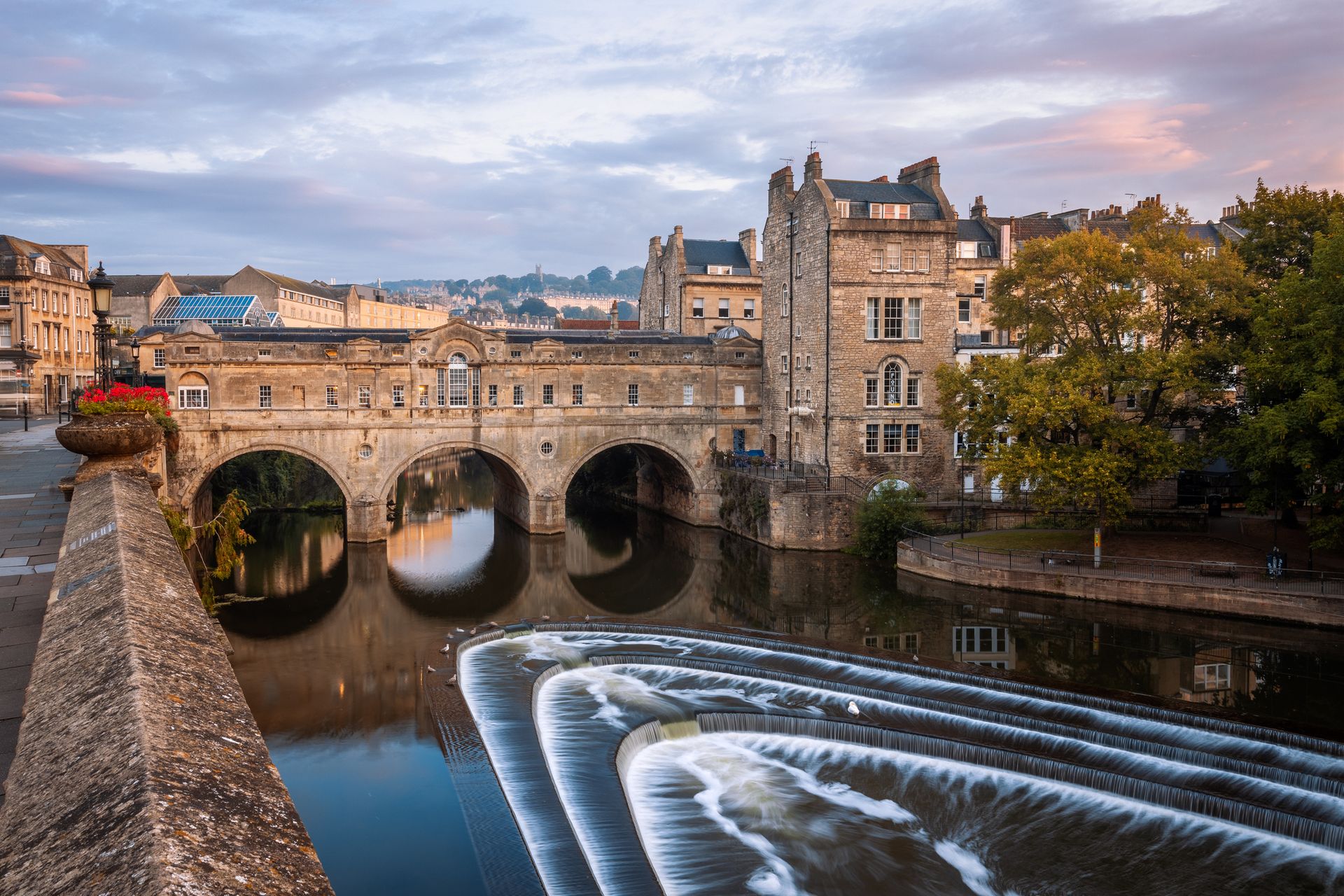
Bath sits 80 minutes from Paddington Station and delivers a day trip built around one of England’s most unusual juxtapositions: Roman-era engineering still visible and accessible in the city center, surrounded by Georgian architecture of comparable quality, within walking distance of a Michelin-Star restaurant serving technically accomplished modern cooking. The Roman Baths stand as one of the most intact ancient sites in Britain and give the city an archaeological dimension absent from every other destination on this list. The Georgian streetscape of the wider city reflects a period of urban planning that treats architecture as a collective civic statement rather than a collection of individual buildings.
The culinary anchor of a Bath day trip is The Olive Tree, the city’s Michelin-Star restaurant, where Chef Chris Cleghorn produces dishes described by the source as deceptively simple and skillfully crafted. A chocolate-and-olive-oil dessert is specifically highlighted as a standout, suggesting a kitchen with a light touch for combining flavors that seem counterintuitive before they reach the plate. For a different kind of meal, Robun offers a Japanese Yakiniku format alongside an afternoon tea that replaces sandwiches with sushi and scones with bao buns. It is an inventive reframing of a British institution that suits travelers who want both Japanese cooking and something specific to the Bath experience. Those who favor vegetables should seek out Oak, which focuses on largely plant-based cooking in an unpretentious setting, drawing on fresh, garden-sourced ingredients to produce dishes that are direct and full of flavor.
Wine drinkers will find Beckford Bottle Shop worth a stop for its range of vintages and well-priced sharing plates. Between meals, Bath Abbey’s fan-vaulted ceiling represents a high point of medieval craftsmanship, and The Jane Austen Centre gives visitors a portrait of the city’s most famous former resident. Bath is one of the few destinations on this list that naturally lends itself to a longer stay: the source notes that the city is home to five Michelin-Key hotels, giving travelers who want to extend a day trip into a weekend the accommodation infrastructure to do so comfortably.
2 / 5
Klaus Vedfelt / Getty Images
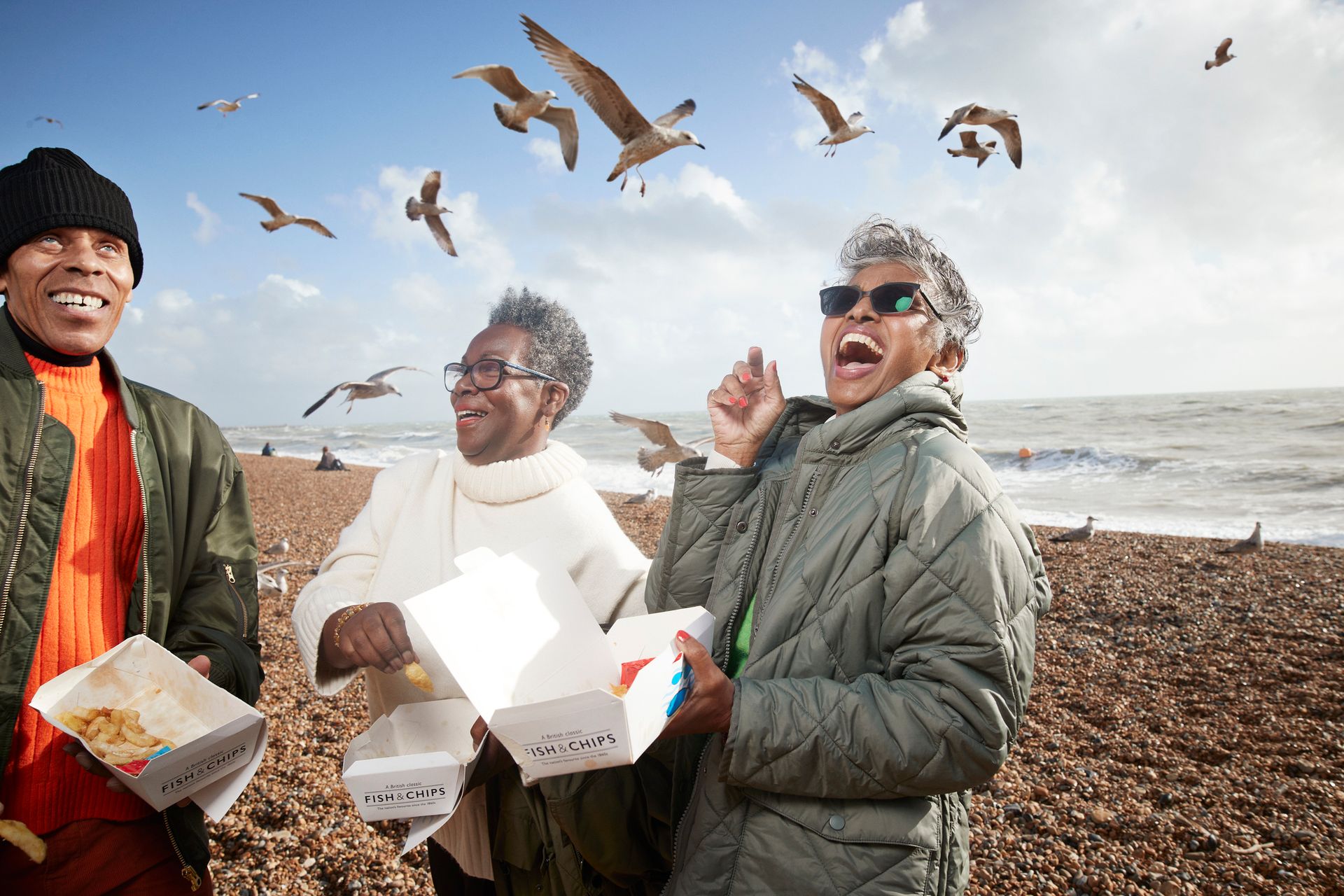
Brighton, roughly an hour from Victoria Station, gives London travelers a seaside escape that preserves the social energy of a busy city while adding the sea air and visual spectacle of the English Channel coast. The Lanes — a dense network of narrow shopping streets in the city center — provide a natural first hour of wandering before hunger sets in. Burnt Orange, with its jasmine-scented patio and sharing plates built around local, seasonal produce, suits a relaxed lunch in the city’s characterful setting. The sister restaurant, Tutto, shifts the emphasis to classic Italian cooking, while Embers concentrates on cooking over fire, giving its dishes a smoky quality that the source describes as delicious.
The Royal Pavilion, the Indian-influenced palace commissioned by King George IV more than two centuries ago, serves as the cultural anchor of the Brighton day. The source describes the building as something that seems to have emerged from a dream. The characterization is apt for a structure whose architectural vocabulary owes more to the Mughal buildings of Rajasthan than to anything else on the Sussex coast. The opulent interiors and restored gardens offer enough to engage visitors for an extended afternoon visit.
Hove, which sits immediately to the west of Brighton and has a more residential character, hosts the area’s Michelin-starred restaurant, Maré by Rafael Cagali, which the source credits with combining a neighborhood atmosphere with cooking that draws on Brazilian, Italian, and other international influences. Palmito adds further international flavors to the Hove dining scene, while Wild Flor offers the kind of welcoming local character that the source suggests would prompt visitors to start looking at property prices. Brighton and Hove together give the day a structural variety that purely urban or purely seaside day trips cannot match, moving between the city’s commercial energy, its historic centerpiece, and the quieter residential culinary quality of its neighbor.
3 / 5
Manfred Gottschalk / Getty Images
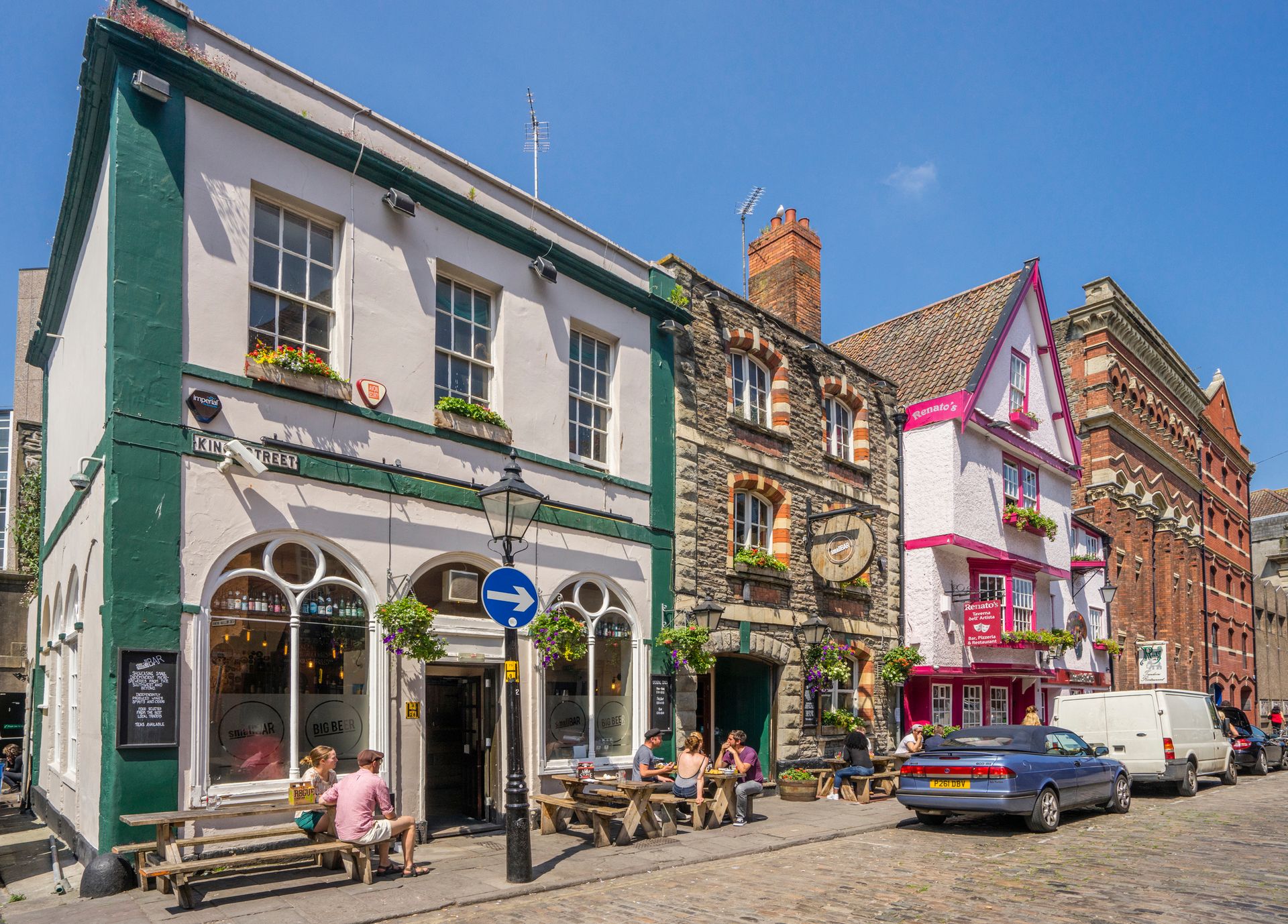
Bristol, 90 minutes from Paddington, is the largest city on this list and the one the source explicitly positions as a rival to London itself. The scale is smaller and the countryside closer, but the same vibrant urban energy that the capital generates is present in Bristol’s streets, markets, and restaurant scene. The city’s historic architecture coexists with a contemporary creative culture, and its restaurant scene reflects both: established enough to hold multiple Michelin accolades, varied enough to span authentic Italian cooking, Korean sharing plates, farm-to-table cuisine, and vegetable-forward cooking, all within walking distance of one another in two distinct neighborhood clusters.
Wapping Wharf is the first cluster, where three restaurants operating out of repurposed shipping containers have each earned a Bib Gourmand for their quality-to-price ratio. Root makes vegetables the central ingredient of every dish. RAGÙ brings the flavors of authentic Italian cooking to the Bristol waterfront. BOX-E operates with a small team and delivers, in the source’s words, big flavors. The compact container format of all three venues gives Wapping Wharf a visual identity unlike any restaurant district in the other cities on this list, and the Bib Gourmand designation across all three confirms that the quality matches the novelty.
The Redland suburb hosts a second culinary cluster on a single street: Dongnae serves Korean sharing plates, Little Hollows Pasta delivers Italian cooking, the source calls delightfully moreish, and Wilsons — directly next door — holds a Michelin Star for its farm-to-table approach. A second Star sits at Bulrush, a neighborhood restaurant elsewhere in the city. Bristol’s sightseeing offers Clifton Suspension Bridge, Brunel’s engineering achievement spanning the Avon Gorge, the Georgian shopping quarter of Clifton Village, and SS Great Britain, a Victorian ship that gives visitors a direct encounter with 1840s maritime life. The density of Michelin-recognized restaurants across multiple neighborhoods and price points makes Bristol the most comprehensively rewarding food city within 90 minutes of London.
4 / 5
Laurie Noble / Getty Images
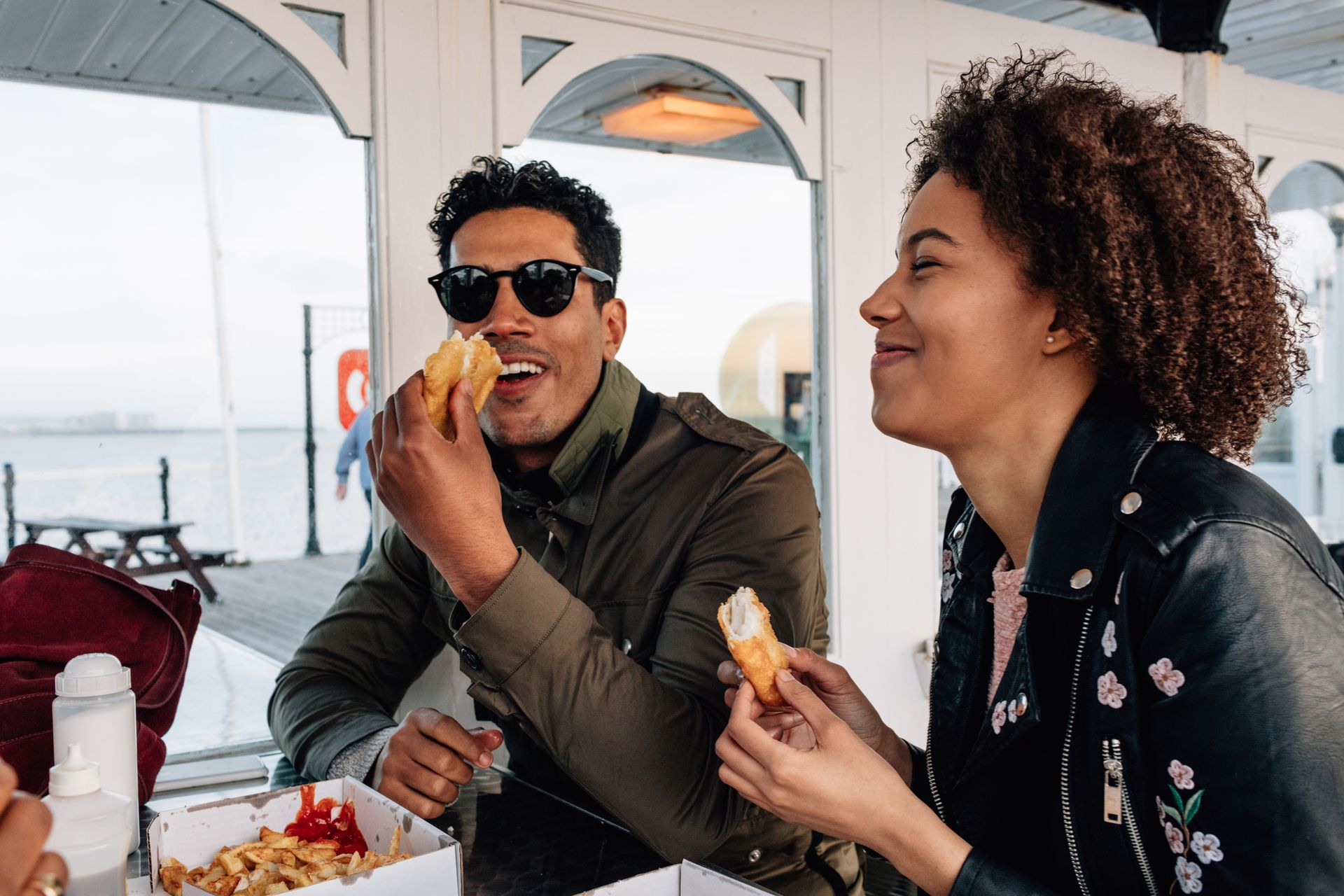
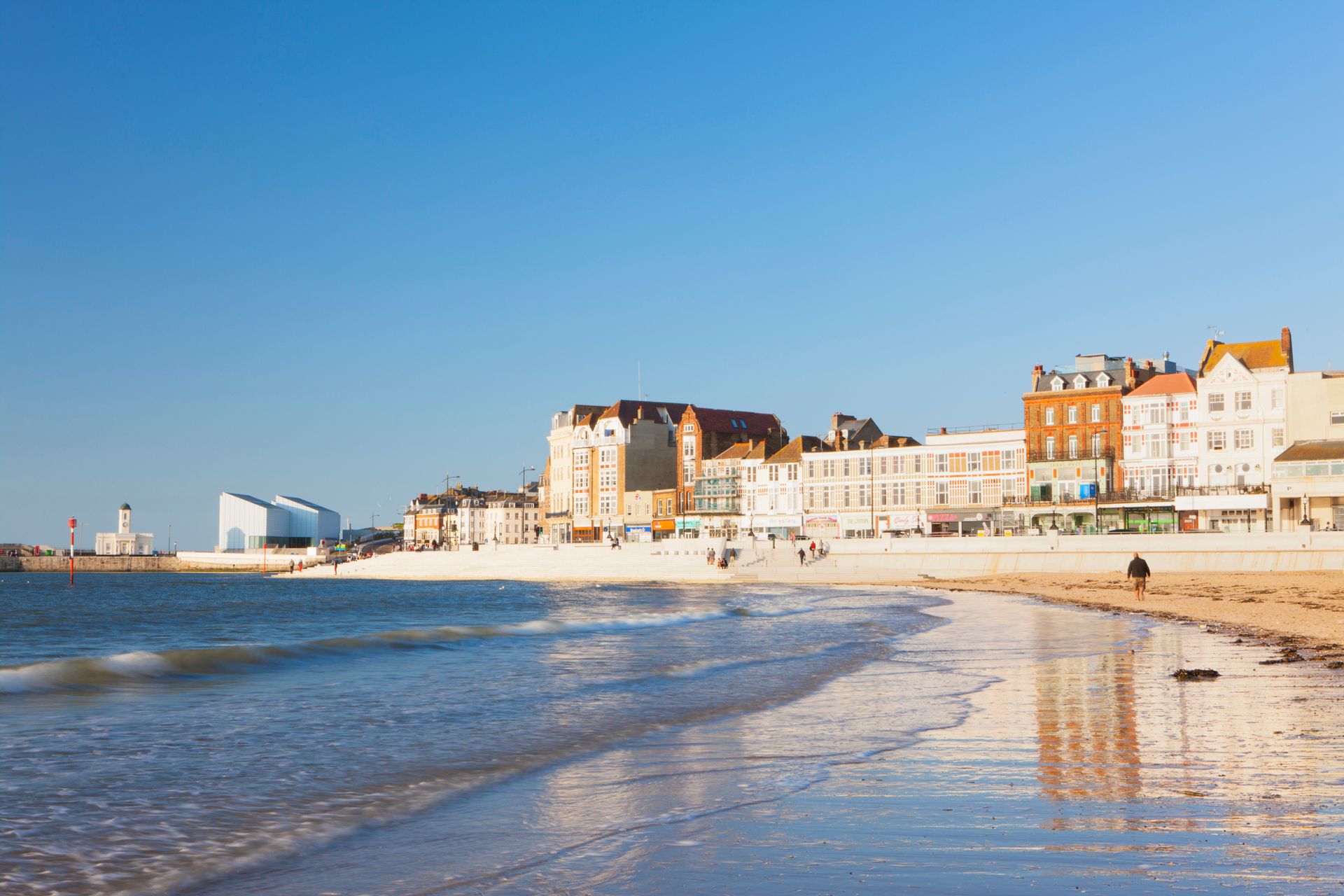
Margate, reachable in as little as 90 minutes from St. Pancras International on a direct train, combines a traditional English seaside atmosphere — beach huts, a classic amusement park, candy floss in the salt air — with a dining scene built around the fresh catch of the Kent coast and a Bib Gourmand wine bar with panoramic bay views. The arrival at Margate offers something that no inland day trip on this list provides: the immediate sensory shift of leaving the city and finding oneself beside the sea, with the quality of light, the sound, and the temperature all changing at once.
Angela’s is the source’s recommendation for seafood, where the day’s catch is prepared into dishes that showcase the Kent coastal harvest alongside seasonal vegetables. The sourcing philosophy — cooking what arrived that morning from local waters — gives Angela’s a connection to place that restaurants operating on extended supply chains cannot replicate. For travelers who prefer Italian flavors over seafood, Bottega Caruso offers rustic Italian cooking run with what the source calls palpable pride. Sargasso, a Bib Gourmand-awarded wine bar and restaurant on the seafront, offers small plates at generous prices alongside views across the bay that, the source suggests, make London feel distant.
After lunch, Dreamland, Margate’s historic amusement park, gives the afternoon a different register from the architectural tourism that defines the other cities on this list. Turner Contemporary, a free-to-visit gallery inspired by Turner's paintings that depicted the Kent coast’s particular light, offers rotating world-class exhibitions for those seeking cultural engagement without admission fees. The Old Kent Market, housed in a scarlet former cinema, sells local crafts and food and hosts impromptu piano performances. Margate’s seaside character, its fresh-catch restaurant culture, and the range of its post-lunch activities give it a day-trip identity that no other destination on this list replicates.
5 / 5
Guven Ozdemir / Getty Images
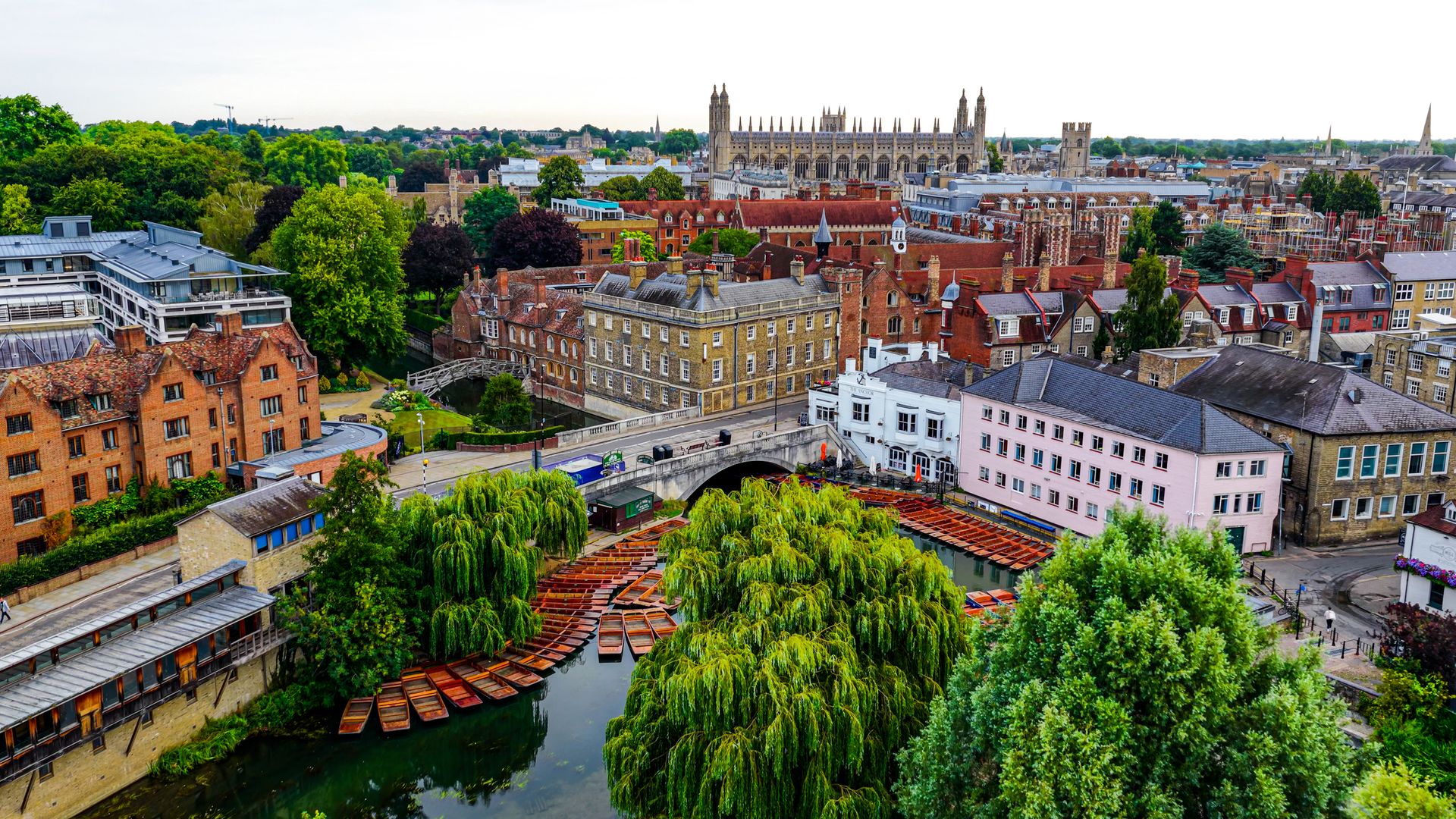
Cambridge sits just 45 minutes from King’s Cross — the shortest journey of any destination on this list — and delivers the highest-rated restaurant of the five cities in the form of Midsummer House, Chef Daniel Clifford’s Two-Michelin-Star operation. The source describes Clifford’s cooking as creative and playful in its visual presentation, with the aesthetic elements grounded in top-quality ingredients and genuine flavor. The Two-Star designation places Midsummer House in a category that no other restaurant across these five day-trip destinations reaches, making Cambridge the destination for travelers whose primary criterion is the quality ceiling of the dining available.
A second Michelin Star sits at Restaurant Twenty-Two, which serves technically skilled cooking in a Victorian townhouse. The setting reinforces Cambridge’s broader architectural character, where centuries of collegiate construction have produced a built environment of unusual density and quality. For a more relaxed midday option, Mercado Central brings Spanish flavors to the city, while Fancett’s offers neighborhood bistro warmth that, according to the source, will send visitors away in a good mood. The range from Two-Star precision to friendly bistro informality gives Cambridge a culinary spread that accommodates different appetites, budgets, and moods across a single day.
The city’s sightseeing anchors the day around two specific university landmarks: King’s College, whose chapel, the source notes is closer in scale to a cathedral and represents a masterpiece of perpendicular Gothic architecture, and Trinity College, home to The Wren Library and Isaac Newton’s apple tree. A punt along the River Cam in the afternoon gives visitors a moving view of the college buildings from the water. This angle reveals the “Backs” — the riverside faces of the colleges — at their best aspect. Cambridge’s Two-Michelin-Star restaurant, a second Star option, accessible lighter alternatives, and its world-significant university architecture together make it the day trip best suited to travelers who want both outstanding food and an environment of deep historical weight.
