
The top 5 hidden gems in Japan that locals actually recommend
From Aomori's cherry-blossom castle park and paper-lantern festival floats to a quiet coastal island where Mt Fuji appears on clear days
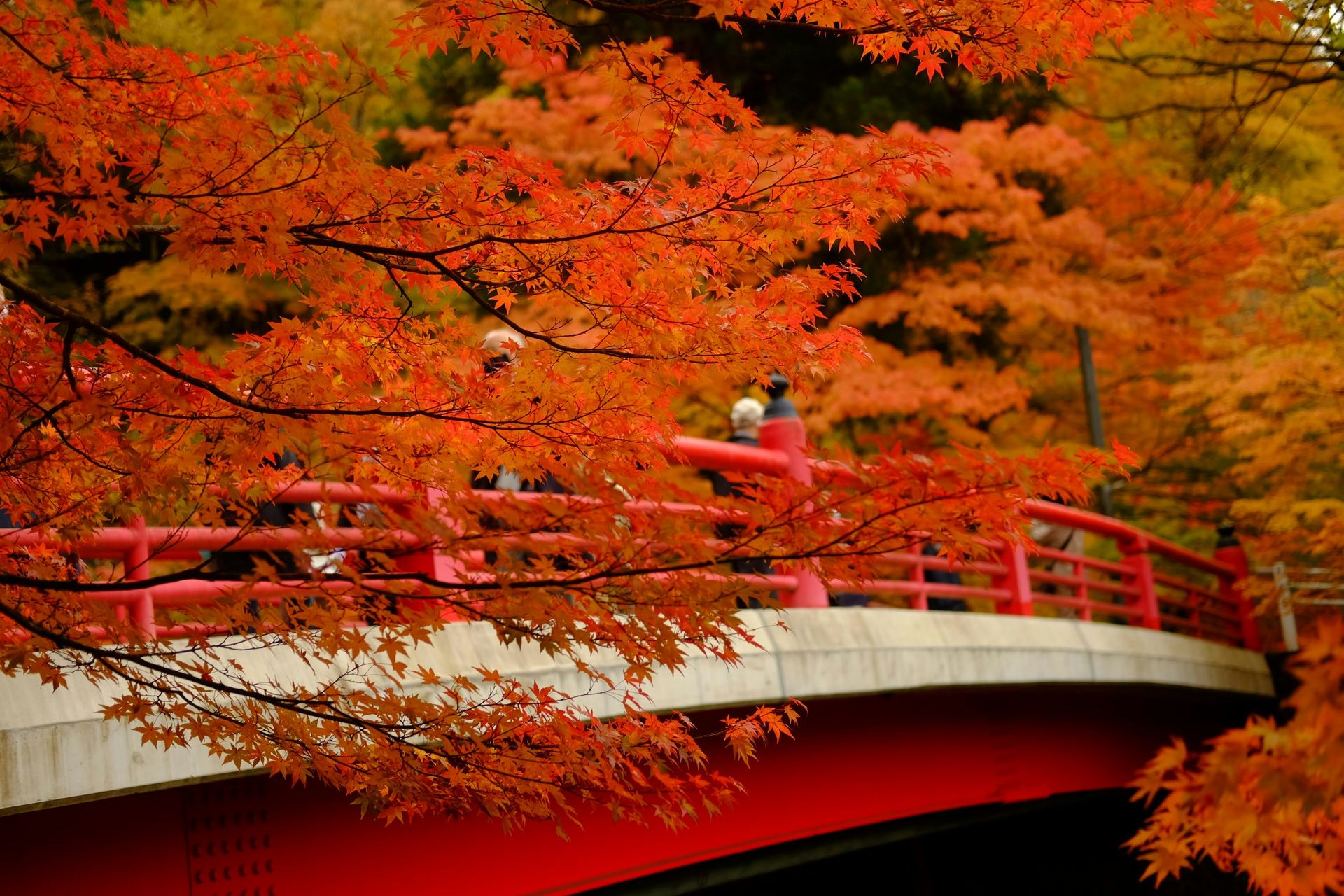
1. Aomori blooms with cherry blossoms and blazing festivals
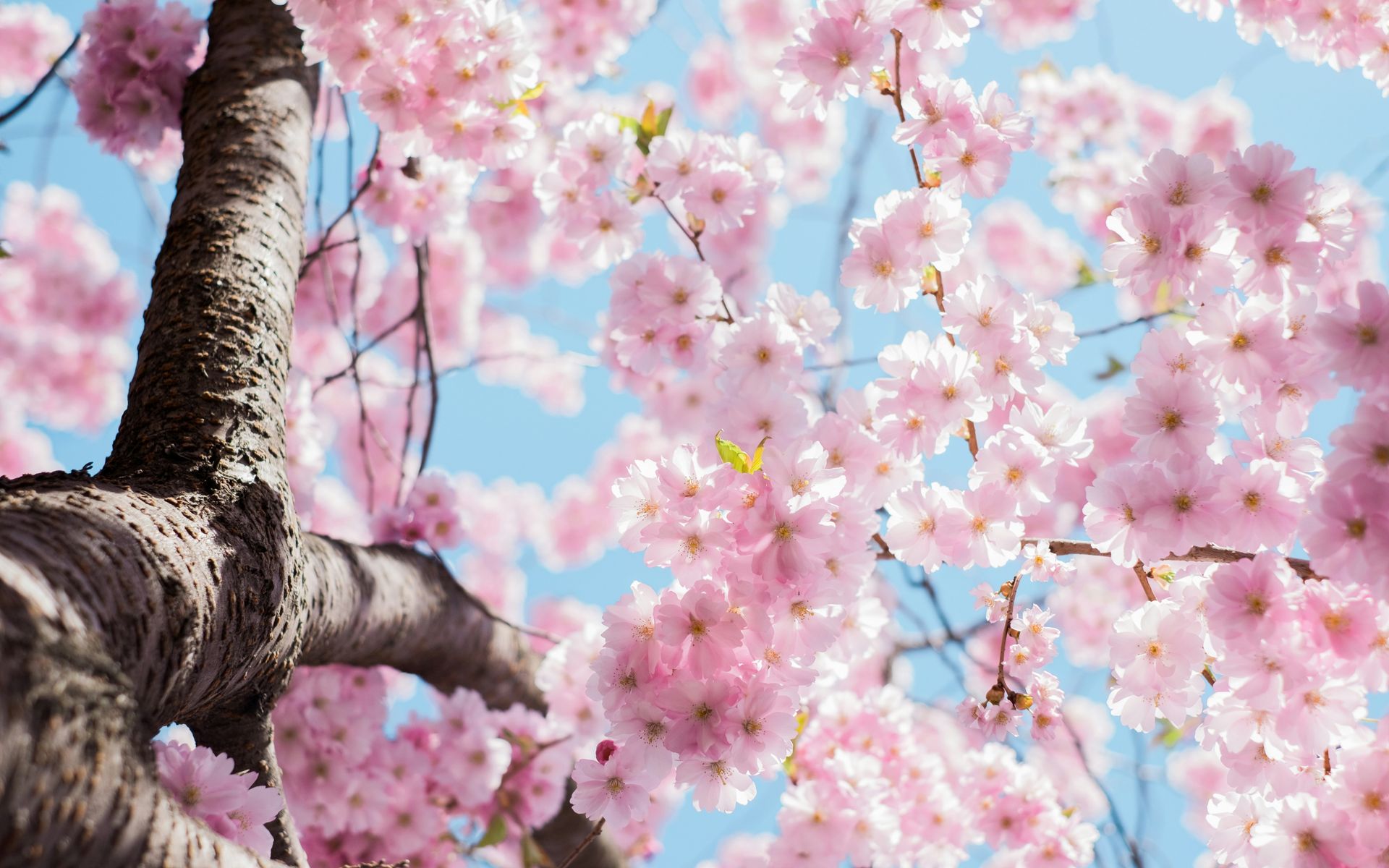
Arno Smit / Unsplash
Aomori sits at the northernmost tip of Honshū, Japan’s main island, and the prefecture feels like a genuinely different country compared with the density and constant motion of Tokyo. Green rice paddies stretch toward the horizon throughout much of the region, orchards glow with bright red Fuji apples during harvest season, and one of the country’s biggest and most compelling festivals thunders directly through the streets each summer.
Hirosaki anchors much of the prefecture’s appeal, and the charming city holds a genuinely handsome castle at its center, surrounded by a large park filled with more than 2,000 cherry trees that burst into cotton-candy-colored blooms during late April or early May. Few spots anywhere in Japan deliver a more postcard-perfect picnic setting during peak bloom season, and the surrounding park also holds a city museum alongside a lovely old garden where a teahouse serves yōshoku, Japanese-style Western food, alongside desserts crafted from Aomori’s famous apples.
Nebuta Village, located at the park’s north end, serves as a dedicated museum centered on the Nebuta Festival, a genuinely raucous summer celebration featuring enormous papier-mâché floats shaped into fantastical creatures and legendary heroes, each lit from within by lanterns as they move through the streets. Visitors who miss the festival's dates can still experience much of its visual spectacle year-round through the museum’s preserved floats and exhibits.
Travelers $TRV hoping to attend the Nebuta or Neputa Festival, with the spelling varying depending on the town hosting it, should book accommodations well in advance of their trip. Hotel rooms throughout the region sell out months ahead of the festival dates, and whatever rooms remain available typically carry dynamically inflated prices running at double or triple the normal nightly rate. Few destinations anywhere in Japan combine this much seasonal spectacle with such a genuinely quiet, agricultural pace of daily life outside festival season. Visitors planning around the cherry blossoms specifically should also build in flexibility, since bloom timing shifts slightly from year to year.
2. Moiwa hides a quieter side of Hokkaidō skiing
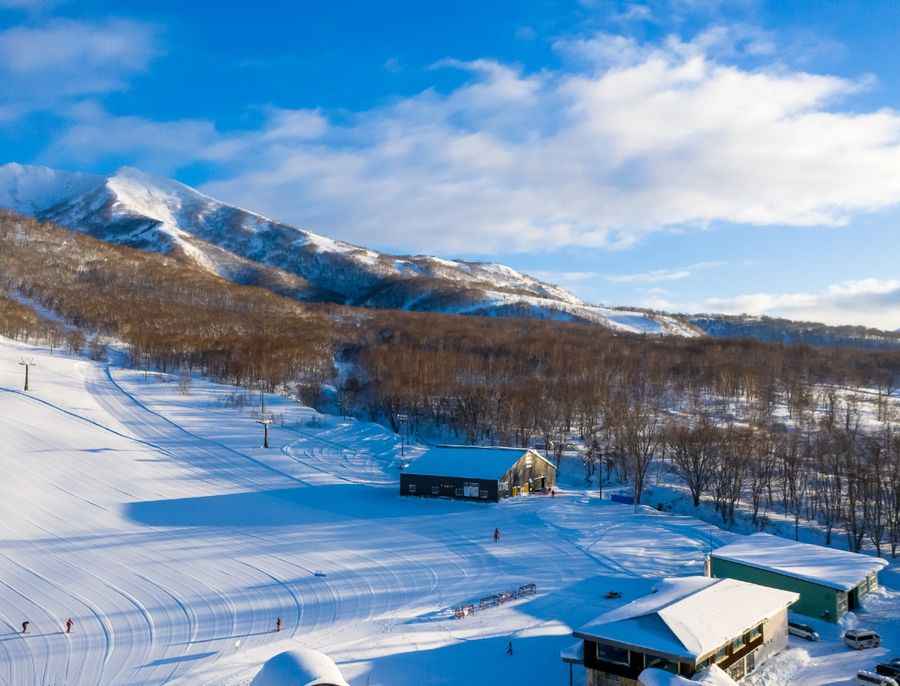
Credit: Niseko Moiwa Ski Resort
Just a few mountains away from the internationally renowned Niseko ski resort sits Moiwa, a considerably smaller and quieter mountain that has earned genuine devotion among Japanese locals and backcountry skiing enthusiasts alike. Visitors who spend a season or two working near Niseko often discover Moiwa specifically as an escape from the bigger resort’s crowds, falling for its more serene atmosphere almost immediately.
Sunrise on Moiwa delivers a genuinely magical experience, since stepping into the mountain’s serene, snow-covered expanse reveals powdered peaks glowing in the early light across the surrounding landscape. A public water station located down the road from the mountain offers fresh, crisp mountain water freely available to anyone passing by, giving visitors a genuinely refreshing start to a day on the slopes.
Evenings around Moiwa center on Izakaya Kobito, a local restaurant where skiers and mountain workers gather to share hearty bowls of ramen, gyoza, and Hokkaidō beef sukiyaki after a long day outdoors. This communal dining tradition gives the area a genuinely tight-knit atmosphere rarely found at larger, more commercialized ski destinations elsewhere in Japan.
Niseko Kanrosui, a natural spring producing genuinely mineral-rich water, ranks among the area’s most worthwhile stops beyond the mountain itself. The name combines the words kanro, meaning immortality, and sui, meaning water, and the spring earned its evocative name after the Shōwa Emperor once likened its water to pure nectar during a visit to the region. Water reaching Kanrosui originates as snow and rain falling on nearby Mt Yōtei, seeping through the mountain’s porous lava and volcanic ash over decades before finally filtering into the underground springs that feed the site today. Since Moiwa sits roughly a 30-minute drive from Niseko’s city center and public transportation options remain genuinely limited throughout the area, renting a car at either Sapporo airport or Kutchan station makes exploring the region considerably easier. Visitors without a car should still budget extra travel time when relying on the area’s limited bus schedules.
3. Tokamachi scatters art across Niigata’s rice fields
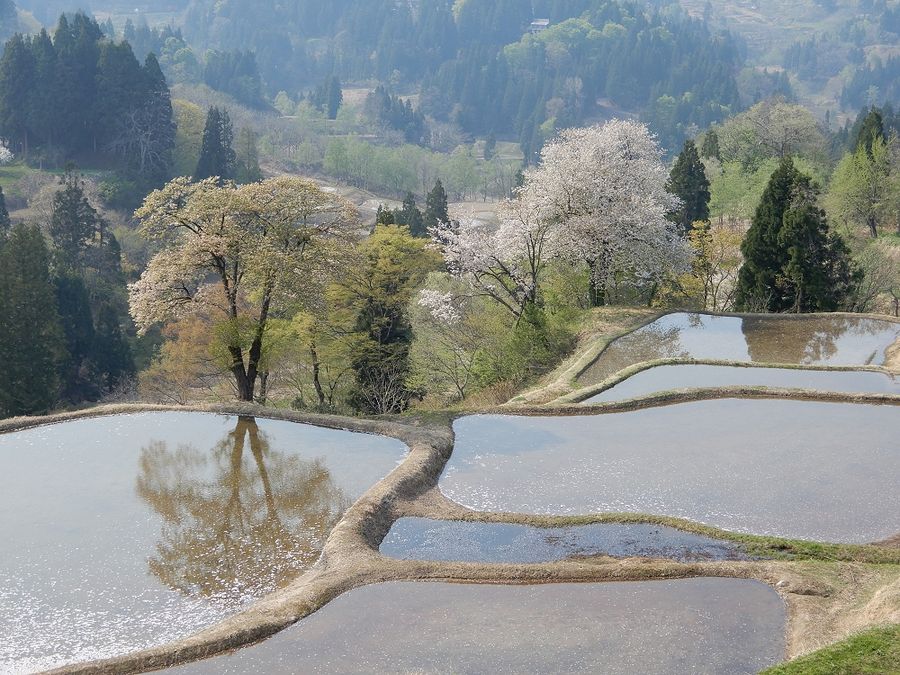
Ibaraki101c / Wikimedia Commons (CC BY-SA 4.0)
Niigata sits just a two-hour bullet train ride from Tokyo, yet the region showcases some of the most quintessentially Japanese landscapes in the country, including ice-capped mountains, lush rice fields, and lakes that reflect the sky with genuinely mirror-like clarity on calm days. Visitors who grew up spending childhood vacations fishing and skiing throughout Niigata often describe the region as embodying everything they love most about rural Japan.
The Echigo-Tsumari Art Field functions as a year-round exhibition space scattered throughout the region’s rice fields and forests, and every three years the area hosts a major triennial festival featuring artworks by renowned artists such as Yayoi Kusama, displayed directly in natural outdoor settings rather than in a conventional gallery. The Museum on Echigo-Tsumari adds a genuine cultural anchor to the wider art field, holding a collection of more than 300 pieces well worth a dedicated visit in its own right.
Photographers and casual visitors alike flock specifically to the Kiyotsu Gorge Tunnel, a passage drilled directly into the mountainside that now functions as its own immersive art installation, as well as to Bijinbayashi, a beechwood forest known for its genuinely enchanting seasonal scenery throughout much of the year. Both sites reward a dedicated stop well beyond a quick photo opportunity.
Staying at one of the region’s traditional hotels with hot-spring baths gives visitors a genuinely relaxing base for exploring neighboring towns such as Tsunan, which holds a sunflower field maze each July and August alongside spectacular fireworks displays during the same season. Tickets for the Echigo-Tsumari Art Field should be purchased in advance, as the site is closed on Tuesdays and Wednesdays year-round. Local food specialties round out any proper Niigata visit, including top-notch Uonuma Koshihikari rice, hegisoba noodles, and Echigo beer, alongside local sake and high-quality kitchenware from Tsubame-Sanjo, one of Japan’s largest craft-making centers. Visitors planning a triennial festival trip should book accommodation well in advance, since demand spikes considerably during the event.
4. Kagurazaka preserves old Tokyo behind a French facade
PHGCOM / Wikimedia Commons (CC BY-SA 4.0)
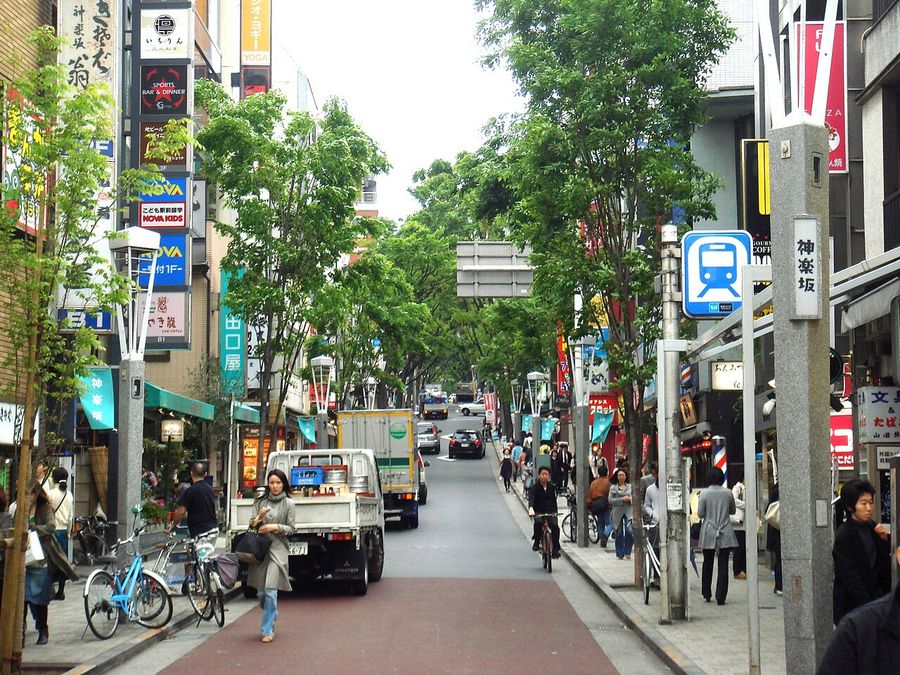
Kagurazaka rarely appears near the top of standard Tokyo must-visit lists, yet the neighborhood packs in considerable history and genuinely worthwhile sights while somehow avoiding the crowds that define more famous districts elsewhere in the city. Once a lively geisha district, Kagurazaka has evolved into a chic, walkable neighborhood with considerable French influence throughout its bakeries, wine shops, and cheese shops, making it especially well-suited to an unhurried afternoon of shopping, dining, and simply strolling.
Religious festivities remain woven into Kagurazaka’s essence, fitting given that the district’s name translates to hill of godly entertainment. Zenkō-ji and Akagi-jinja both sit along the neighborhood’s main street, and the latter shrine’s outer building was designed by Kengo Kuma, one of Japan’s most celebrated contemporary architects. Summer transforms the entire neighborhood, as festival stands and lanterns line the street, and genuine excitement builds throughout the area for the Awa Odori dance festival.
Gourmet dining options throughout Kagurazaka rival those found in far more famous Tokyo neighborhoods, including Michelin-starred kaiseki restaurants serving elaborate haute cuisine, authentic French patisseries, dedicated roasted-tea shops, and a particularly lovely waterfront Italian restaurant called Canal Cafe. This range of genuinely excellent dining options gives visitors plenty of reason to linger well beyond a quick walk through the neighborhood’s historic streets.
Visiting on a weekend, arriving specifically at Iidabashi station, rewards travelers with a main street closed entirely to traffic and filled instead with enticing eateries and boutique shops open for browsing. One of the neighborhood’s greatest pleasures comes simply from wandering its many cobblestone back streets without a fixed destination in mind, since getting genuinely lost here tends to lead toward some of Kagurazaka’s most charming and unexpected corners. Few Tokyo neighborhoods manage to blend this much layered history with genuinely modern dining without feeling like a manufactured tourist attraction. Visitors with limited time should still prioritize a weekend visit specifically to experience the pedestrian-only main street at its liveliest.
5. Jōgashima escapes the crowds south of Kamakura
Credit: Visit Kanagawa
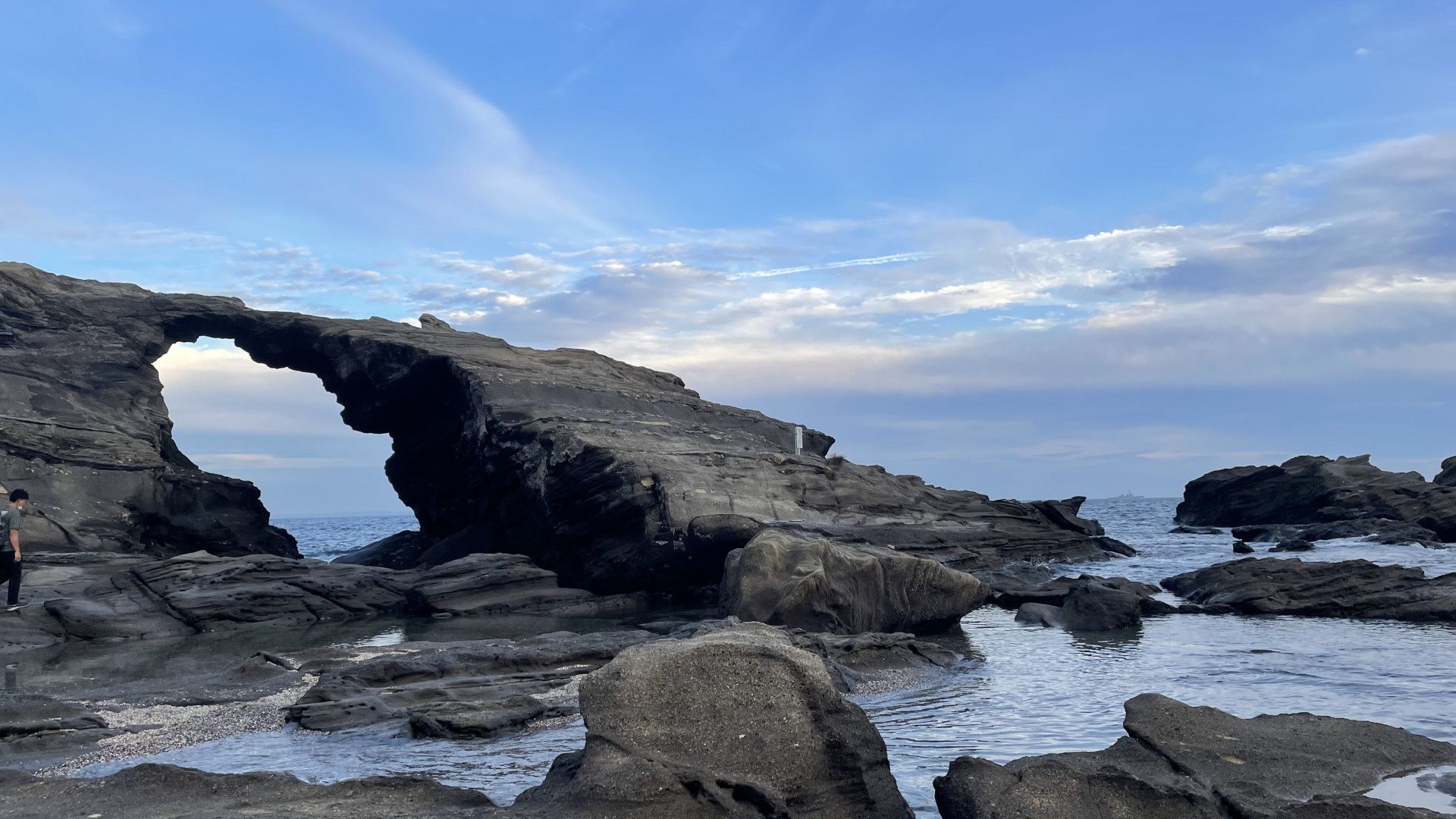
Positioned south of well-known tourist destinations such as Kamakura and Enoshima, Jōgashima tends to slip entirely under the radar of typical Tokyo day-trippers despite sitting well within easy striking distance of the capital. A direct train from Shinagawa Station carries visitors to this small, quiet island off the Misaki coast, where an afternoon spent walking across its craggy rocks offers a genuine reprieve from the constant motion of city life.
Walking along Jōgashima’s jagged coastline delivers consistently breathtaking views of the open Pacific Ocean, and visitors can watch waves crash dramatically against the island’s exposed rocks from numerous vantage points along the trail. Wandering further reveals natural rock formations scattered throughout the island alongside resting cormorants, and on a genuinely clear day, a majestic view of Mt Fuji rising in the distance rewards patient visitors who time their walk well.
The island typically maintains a genuinely quiet, contemplative atmosphere throughout most of the year, though it grows noticeably livelier between mid-January and February, when the park at the island’s eastern end becomes blanketed in blooming daffodils. This seasonal transformation draws a modest increase in visitors specifically hoping to see the flowers at their peak, though Jōgashima never approaches the crowd levels found at more famous nearby destinations.
The Misaki Maguro Day Trip Ticket offers genuinely excellent value for visitors planning a Jōgashima excursion, bundling round-trip transportation from Shinagawa Station with a meal and an activity or souvenir voucher redeemable at a participating local shop. Seafood around the island stays remarkably fresh, and sampling a maguro-don, or tuna rice bowl, at a different restaurant each visit has become something of a tradition among repeat visitors drawn back to the island. Few destinations within such easy reach of central Tokyo manage to feel this genuinely removed from the city's pace. Visitors planning a daffodil-season trip specifically should check bloom updates beforehand, since timing can shift slightly depending on winter weather.