
As inflation and tariffs drive up the price of essentials, more Americans are requesting loans for basic necessities

PM Images / Getty Images
For millions of Americans, the cost of everyday life has reached a breaking point. Inflation and tariffs have pushed prices higher across the board, leaving families struggling to keep up with routine expenses.
As a result, SoLo Funds, a peer-to-peer lending platform with more than 2 million users, has seen sharp spikes in consumer loan requests this year.
“We’re seeing an increase in loan requests across the board in 2025 compared to previous years as consumers grapple with economic uncertainty, higher prices, and the inability to endure emergency expenses,” said Rodney Williams, co-founder and president of SoLo Funds. “We don’t anticipate this demand from borrowers to slow down any time soon as fears of rising expenses begin to manifest.”
SoLo Funds shared its proprietary data with Quartz. Below, we broke down the top five expenses driving loan requests in 2025 — and how demand compares to recent years.
Thomas Winz / Getty Images
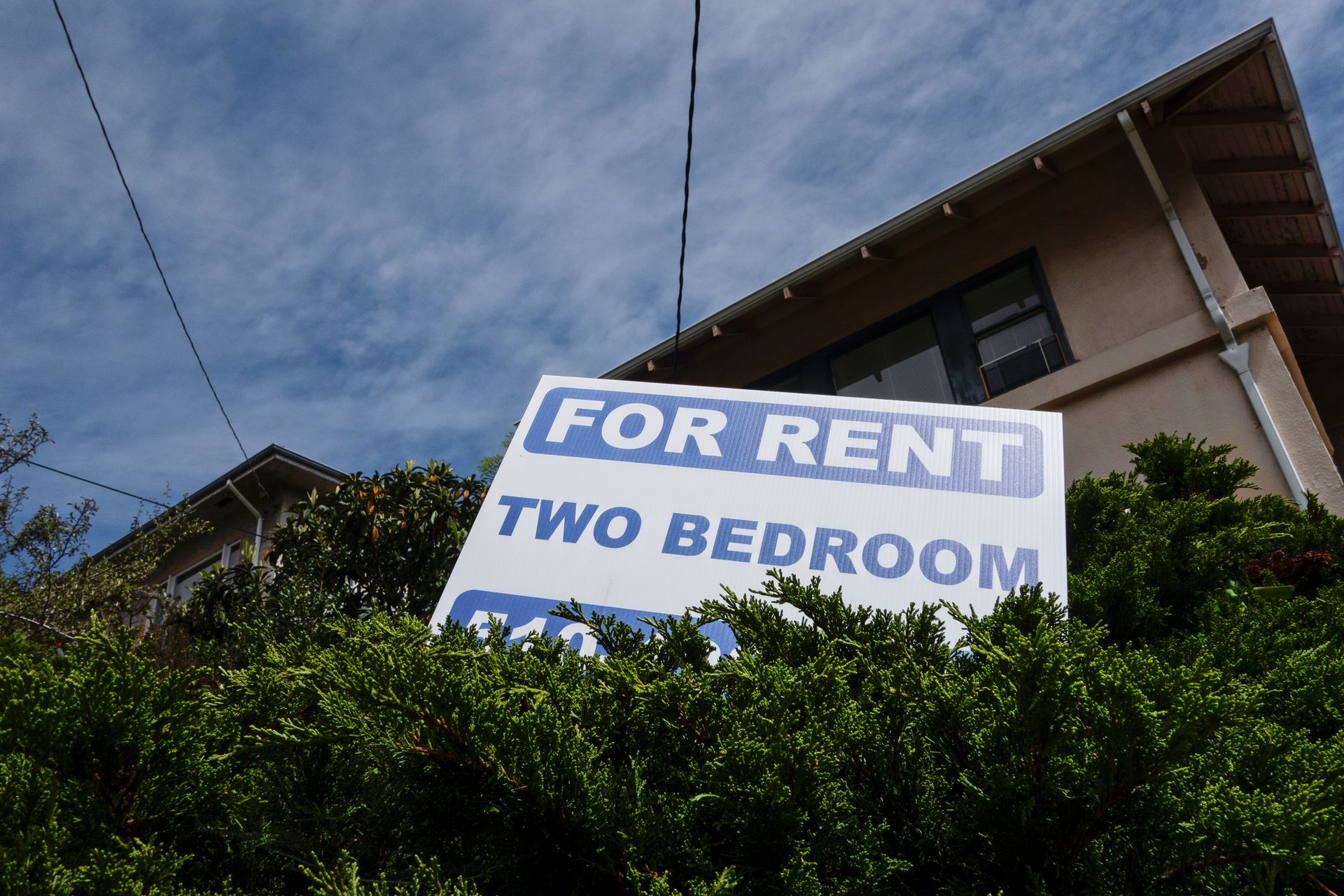
Housing costs remain one of the most pressing financial challenges. Requests for rent assistance have risen 9% in 2025, reflecting the strain of rising rents in many cities, and made up 10% of SoLo Funds' loan requests.

Natalia Gdovskaia / Getty Images
It's no secret that groceries are increasingly unaffordable. Loan requests in this category have dipped slightly, but they still make up more than one in ten loans. Inflation in food prices continues to push families toward borrowing just to keep food on the table.

utah778 / Getty Images
Unexpected expenses remain a constant burden. Although down slightly from prior years, emergency-related loans still account for nearly 13% of requests. This category highlights the ongoing lack of financial cushions among borrowers, where even small surprises can trigger debt.
SimonSkafar / Getty Images
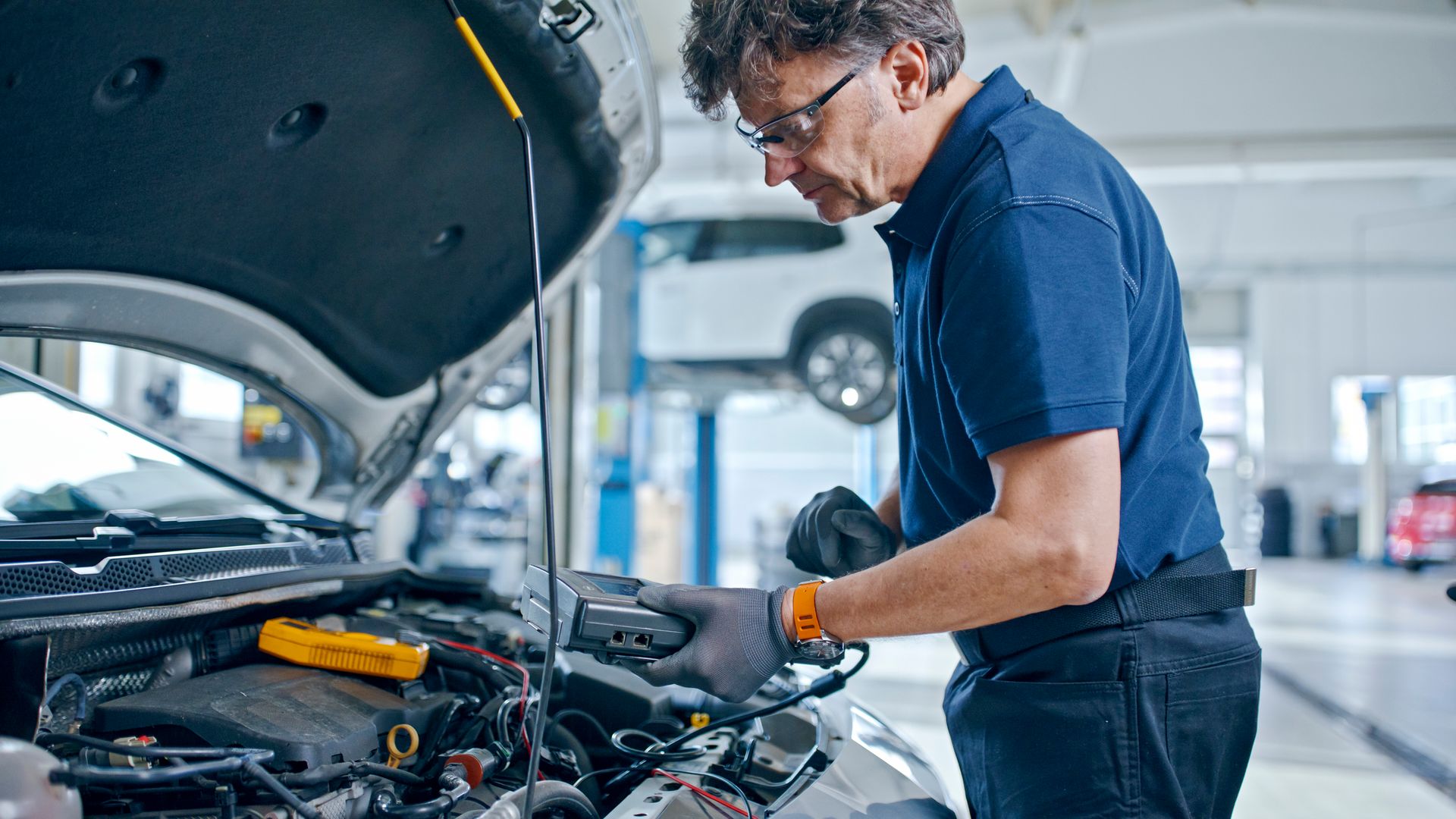
Transportation is another major stress point, with car repairs, insurance, and maintenance driving up demand for short-term loans. Car-related requests are up 15% from prior years, reflecting both higher repair costs and the fact that many Americans rely on vehicles for daily commutes. They comprised 15% of loan requests.

d3sign / Getty Images
Bills top the list by a wide margin, representing more than 40% of loan requests this year. From utilities to phone payments, consumers are increasingly struggling to cover monthly obligations. The category has surged 16% compared to recent years, underscoring how recurring costs have become harder to manage.