
10 top restaurants to visit in Edinburgh in 2026
From a San Francisco chef cooking Scottish seafood to basement sharing plates in Stockbridge, the Michelin Guide's best Edinburgh restaurants
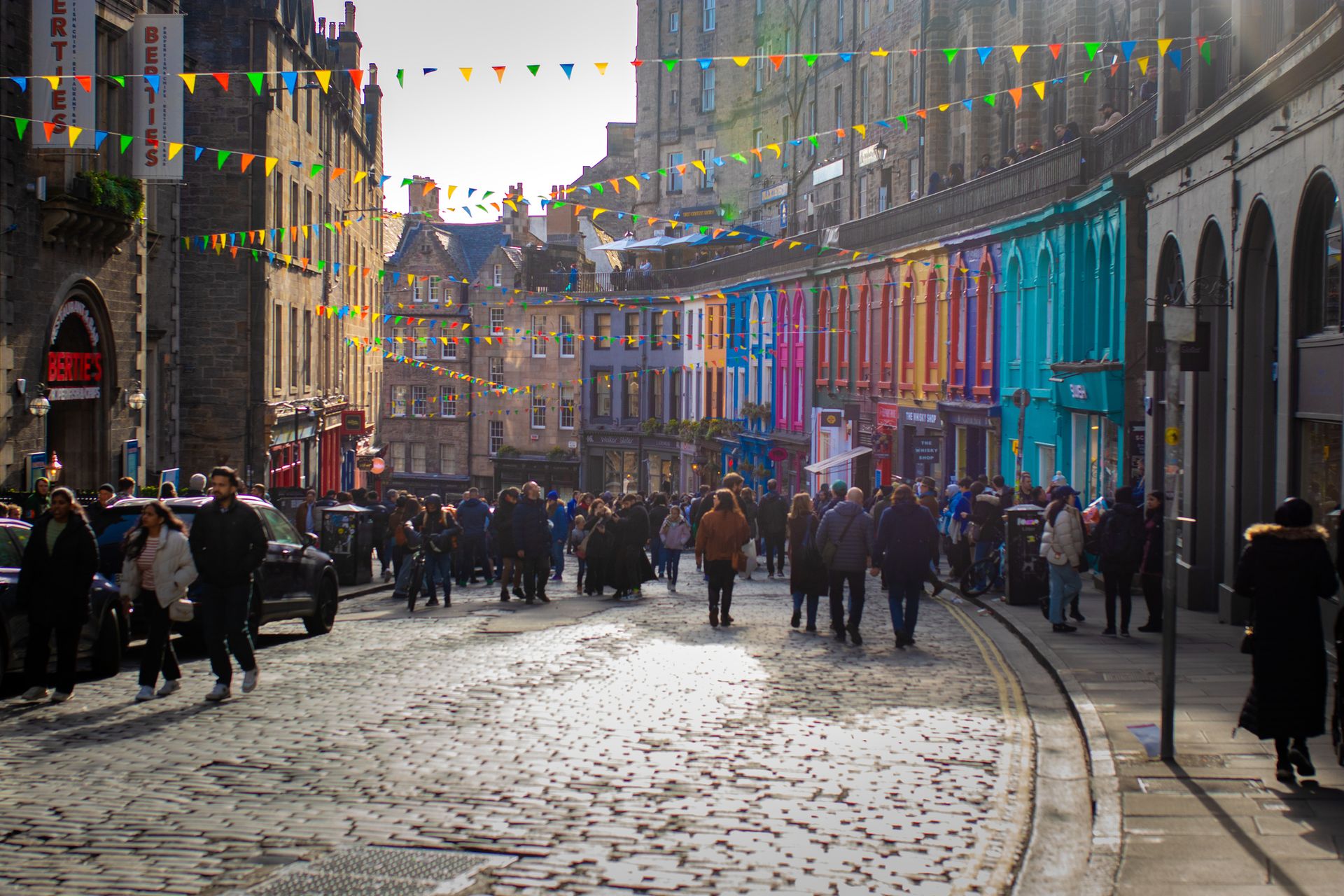
Soahom Chakraborty / Getty Images
Edinburgh occupies a peculiar and enviable position in the British dining landscape. It is old enough to carry centuries of culinary tradition — game, cured fish, whisky, oats, root vegetables pulled from cold northern soil — and dynamic enough to absorb waves of culinary talent and international influence without losing its identity. The city’s Georgian townhouses, its castle-crowned skyline, and its basement-heavy architecture give the physical setting for a meal in Edinburgh a character that few other cities in the British Isles can match. A dinner here is rarely just a meal. It takes place against a backdrop that makes the experience of eating feel continuous with the city's history.
The dining scene has evolved substantially over the past decade. Edinburgh now hosts a concentration of Michelin-recognized restaurants unusual for a city of its size, and the range of what those restaurants offer spans from tasting menus with wine pairings to casual sharing plates priced for a neighborhood audience. The arrival of international chef-owners who chose Edinburgh specifically — not landing here by default — signals that the global culinary community has identified the city as worth relocating to. At the same time, the restaurants that have operated in Edinburgh for years continue to develop and deepen, producing cooking that draws more extensively on Scottish produce with each passing season. The result is a dining culture that justifies dedicated travel in a way that would have been harder to argue a generation ago.
The 10 restaurants below come from the Michelin Guide’s selection of the best restaurants in Edinburgh, which evaluated each property based on the quality of its cooking, the distinctiveness of its identity, and its place within Edinburgh’s broader dining culture. The list spans Michelin-Starred fine dining, neighborhood gastropubs, wallet-friendly sharing-plate operations, and Italian casual spots, covering the full geographic and price-point range of the city’s restaurant scene.
1. Avery brought the Californian technique to Edinburgh in 2024
Credit: Avery Edinburgh
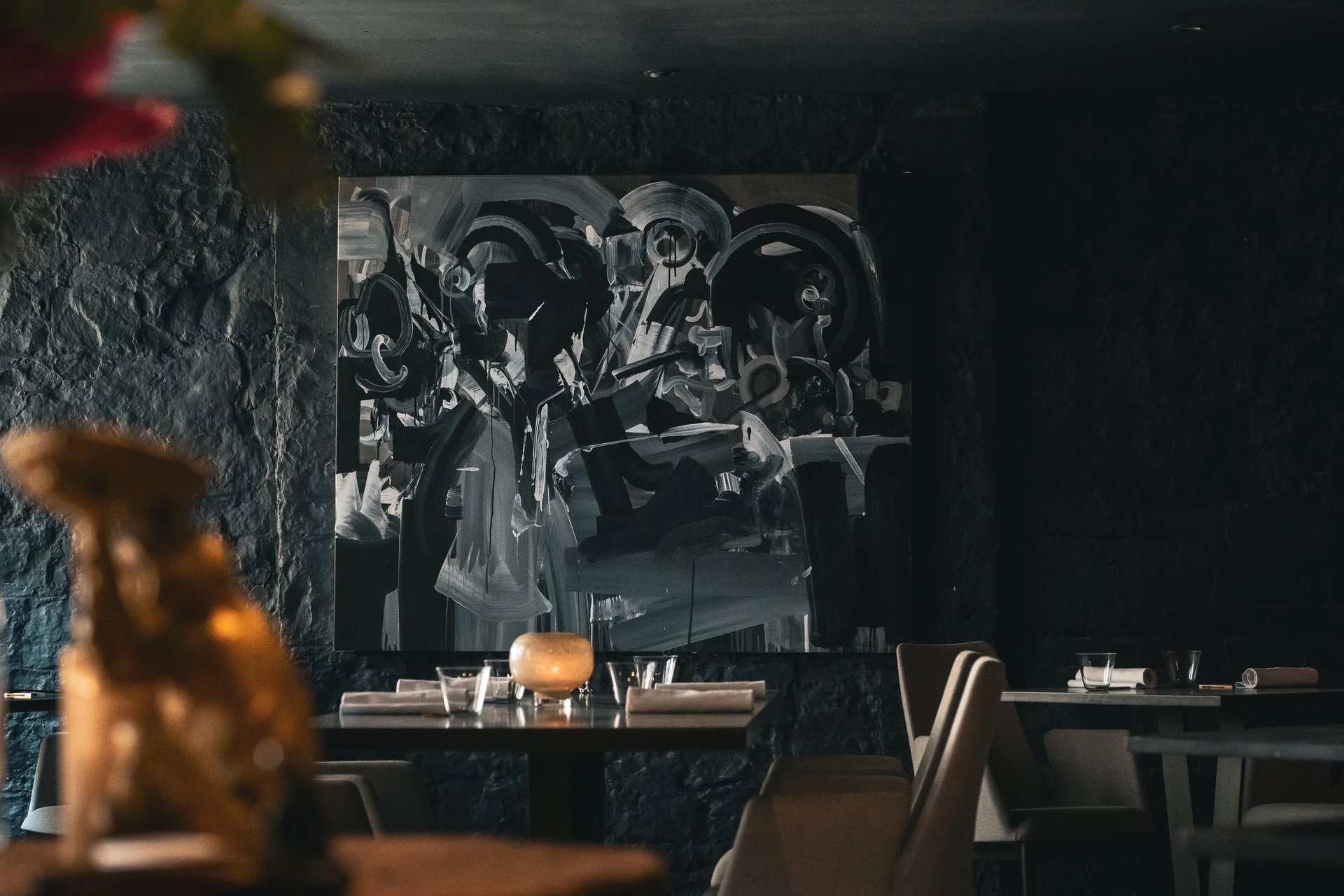
Avery arrived in Edinburgh in 2024 as the most recently Michelin-Starred restaurant in the city, with a backstory that gives it an identity distinct from every other property on this list. Chef-Owner Rodney Wages and his family relocated from San Francisco to Edinburgh after falling for the Scottish capital, bringing their restaurant concept with them across the Atlantic. The source describes Wages as having taken to Scotland like a duck to water. The rapid and complete integration expresses itself in the cooking through the incorporation of high-quality local Scottish produce into a culinary framework that still carries the lightness of touch the source identifies as distinctly Californian.
The tension between the California sensibility and the Scottish larder gives Avery’s menu a specific creative dynamic. The dishes achieve technical impressiveness while maintaining restraint. The source characterizes this balance as providing plenty of flavour without heaviness. In a city whose culinary heritage leans toward richness and substance, a Michelin-Starred kitchen that brings West Coast lightness to Scottish ingredients gives Edinburgh a voice in its dining scene that it did not previously hold at the same level.
The restaurant’s position as the newest of Edinburgh’s Michelin-Star properties gives it a freshness that its longer-established peers cannot match. The integration between Wages’s San Francisco culinary background and the ingredients he now works with daily in Edinburgh reflects a chef who chose this city, not one who defaulted to it, which gives every dish on the menu a biographical dimension rooted in a deliberate creative decision. Avery’s trajectory since 2024 — from transplant to Michelin-Starred Edinburgh fixture in a single year — makes it among the most compelling restaurant openings the city has seen in recent memory. The story of a chef who arrived from California, fell for Edinburgh, and immediately began cooking Scottish produce at Michelin-star level is the kind of narrative that gives a restaurant a character that most kitchens spend decades trying to develop.
2. Condita conceals its menu behind ingredient sketches
Credit: Condita
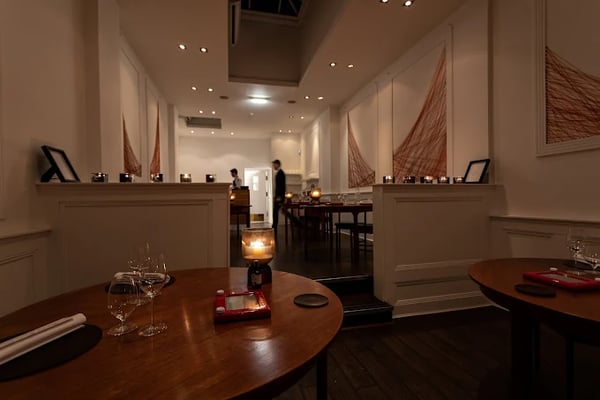
Condita, on the university side of Edinburgh near Holyrood Park and the path up to Arthur’s Seat, operates as a One-Michelin-Star restaurant with just six tables. The scale makes it the smallest and most intimate of the Starred properties on this list. The surprise menu concept defines every aspect of the guest experience: the restaurant makes a sustained effort to conceal the nature of each dish until it arrives, and the only document given to diners is a set of drawings depicting ingredients that will feature in the meal. The content of the food is withheld from the diner as a deliberate creative act, replacing the standard menu-reading ritual with a sequence of surprises.
The kitchen uses playful elements throughout the meal, and the source identifies this playfulness as well-judged. The fun does not undermine the seriousness of the cooking but works alongside it. The chef’s highest skill manifests in elevating seemingly simple ingredients and pairings to unexpected heights, a quality the source specifically calls out as the kitchen’s finest achievement. A small dining room, a suppressed menu, and cooking that finds complexity in apparent simplicity together give Condita a concentrated intensity of experience that larger restaurants with more transparent menus cannot replicate.
Condita’s six-table scale means that every service receives a level of kitchen attention that scales inversely with seat count. The location near Holyrood Park and Arthur’s Seat positions the restaurant in a part of Edinburgh that carries its own geographic drama — volcanic geology, the palace, the Parliament — giving guests arriving on foot from the Old Town a physical approach to the meal that reinforces the sense of occasion. For diners who want a Michelin-Starred Edinburgh experience built entirely around discovery and controlled surprise, Condita is the most purpose-built option on this list. Its six tables, its concealed menu, and its location beside the path up to Arthur’s Seat give the meal a sense of occasion that begins before the first course arrives.
3. LYLA puts Scottish seafood at the heart of a tasting menu
Credit: LYLA Restaurant & Rooms
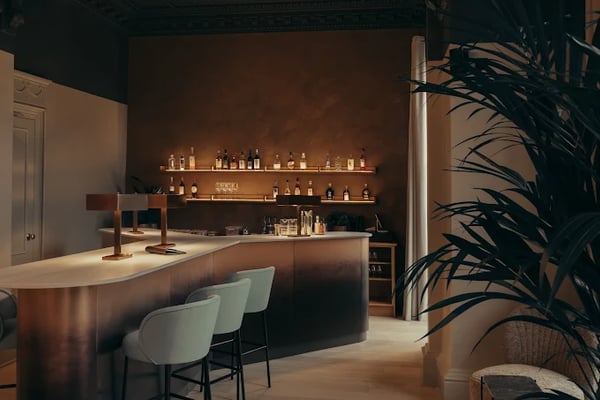
LYLA, on the Royal Terrace in Edinburgh’s New Town, is the Michelin-Starred centerpiece of Stuart Ralston’s four-restaurant Edinburgh portfolio. The source describes it as the crown jewel of his operation. The restaurant focuses its tasting menu on Scottish seafood and, more broadly, on Scottish produce, with seasonality driving the menu’s evolution throughout the year. The tasting format, which the source notes allow for greater responsiveness to seasonal availability, positions LYLA as a restaurant where the ingredient calendar shapes the experience more directly than at à la carte operations, where dishes rotate less frequently.
The source acknowledges that LYLA is expensive and frames the price point against what it buys: expertly prepared luxury ingredients. The Royal Terrace address adds a physical dimension to the value proposition that cooking alone cannot account for. The source specifically notes that guests who appreciate Edinburgh’s grand Georgian townhouse architecture will find the setting an added bonus. The restaurant sits in one of the city’s most architecturally distinguished residential streets, giving diners a sense of inhabiting the city’s heritage in a way that a purpose-built restaurant building cannot reproduce.
Ralston’s position in the Michelin Guide with four Edinburgh properties gives LYLA a specific context within his larger culinary enterprise: it is the most ambitious and most expensive of his restaurants, carrying the Starred designation that his other properties approach from different directions. The Scottish seafood focus is not merely a thematic choice but a commitment that aligns the restaurant’s identity with the marine larder the Scottish coastline offers, at a level of quality few other regions in the British Isles can match. LYLA’s stellar setting, seasonal tasting format, and central position in Edinburgh’s most significant multi-restaurant culinary enterprise together make it the highest-stakes dining option in the city. For travelers who plan a trip to Edinburgh specifically around a Starred tasting menu, LYLA’s Scottish seafood focus and the Royal Terrace address give the meal the most complete sense of place among the Starred options on this list.
4. Noto serves pan-Asian small plates at accessible prices
Credit: Noto
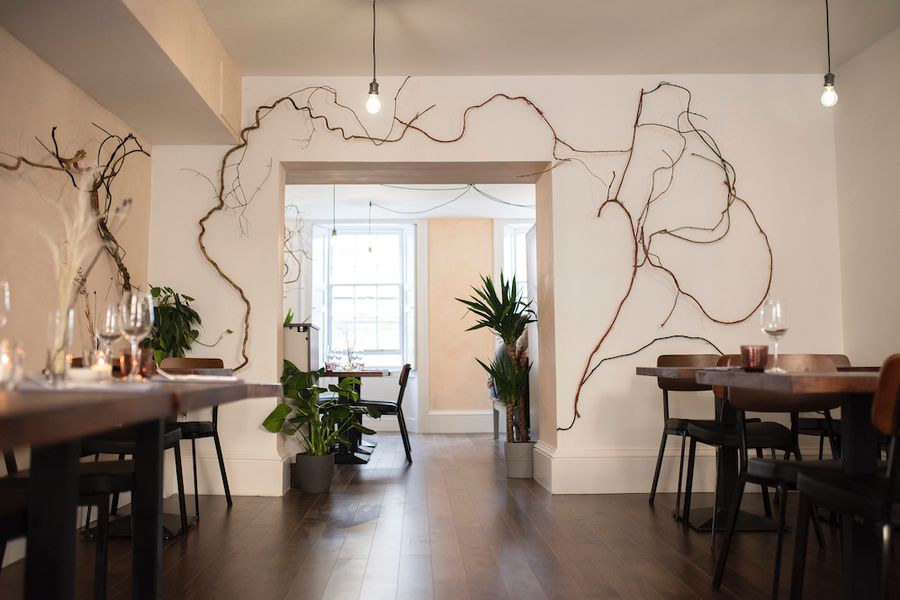
Noto, on Thistle Street in Edinburgh’s New Town, is Stuart Ralston’s wallet-friendly counterpoint to LYLA. The source categorizes it as inspired by Ralston’s international experience, with a pan-Asian influence that produces dishes like temaki and prawn toast at a price point accessible to diners who cannot afford the tasting menu at his flagship. The cooking, the source describes, is uncomplicated and appealing, with fresh, well-balanced flavours delivering straightforward pleasure that does not require the interpretive effort that fine-dining tasting menus demand.
One specific dish has achieved signature status at Noto since the restaurant opened: the chocolate-and-miso dessert. The source identifies it as perfect for diners seeking a rich close to the meal, and its longevity on the menu — unchanged since opening — gives it a continuity that speaks to a dish that found its audience immediately and has held it. The pairing of chocolate’s sweetness with miso’s fermented depth is a Japanese-influenced flavour logic that reflects the pan-Asian foundation the restaurant builds on throughout the menu.
Noto’s positioning within Ralston’s portfolio is deliberate and distinct from LYLA. The two restaurants serve the same chef’s culinary sensibility at different price levels and with different registers of formality, giving diners in Edinburgh two points of entry into Ralston’s cooking without requiring the same financial commitment for both. Noto sits a 10-minute walk from the Kimpton Charlotte Square $SQ hotel, which gives visitors staying in that part of the New Town a convenient walk between accommodation and a well-regarded evening out. For diners who want quality Edinburgh cooking without a tasting-menu price tag, Noto delivers the best value on this list. The chocolate and miso dessert’s unbroken run on the menu since opening confirms that the kitchen found its signature dish early and has rightly refused to change it. Japanese fermented depth paired with chocolate sweetness is a flavour logic that justifies the dessert’s longevity on the menu.
5. Purslane blends classical French cooking with creativity
Credit: Purslane
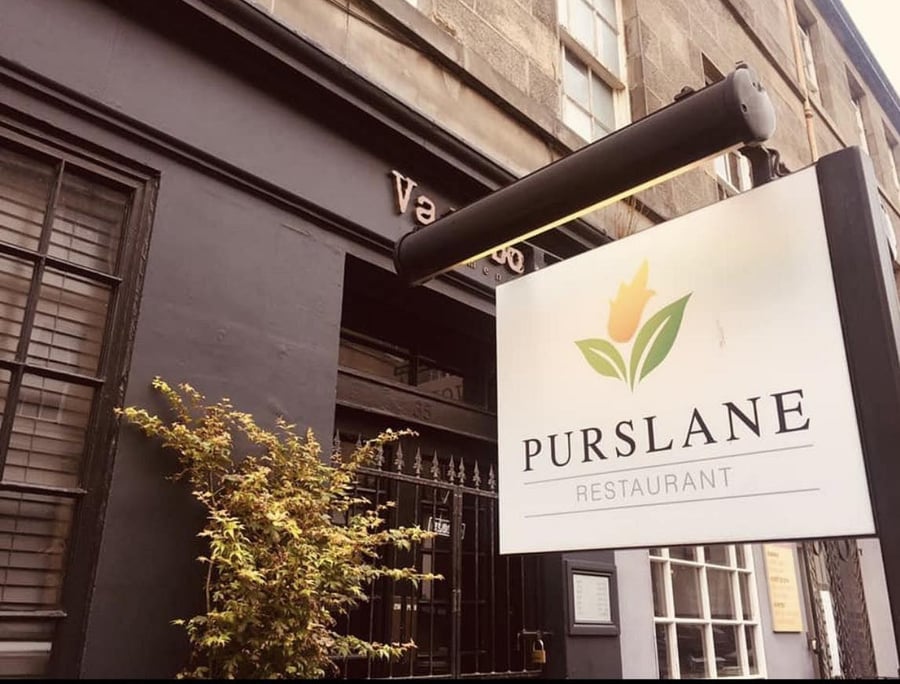
Purslane, in a basement on St. Stephen Street in the Stockbridge neighborhood, runs its kitchen on a classical French foundation with a creative dimension that gives the cooking a dual identity, the source describes as distinct. The setting — the lower level of a fine period house near the Royal Circus — provides the kind of intimate, enclosed atmosphere that Edinburgh’s Georgian townhouse architecture generates more reliably than most other urban building types in Britain. The source notes that the restaurant is run with real pride and a big heart, suggesting a warmth of hospitality that technical precision alone cannot account for.
The lunch service operates as a fixed-price menu, which the source identifies as great value for money, giving daytime diners a more accessible financial entry point than the evening tasting menus. Dinner offers two tasting menus of different lengths, alongside two tiers of wine pairing, allowing guests to calibrate the level of commitment they bring to the experience across both food and beverage. Local, seasonal produce drives the cooking throughout, connecting Purslane to the broader Scottish ingredient philosophy that defines Edinburgh’s most considered kitchens.
The Stockbridge location places Purslane in Edinburgh’s most restaurant-dense neighborhood outside the Old Town and the central New Town. The proximity to Nira Caledonia, a Michelin Guide hotel three minutes’ walk from the restaurant, creates a natural pairing for guests who want to stay and eat within the same compact geographic area. For diners seeking a classical European technical base with creative ambition at a price point below Edinburgh’s Michelin-Starred tasting menus, Purslane offers the most complete version of that experience on this list. The fixed-price lunch in particular gives first-time visitors a low-commitment way to assess the kitchen before committing to the longer evening format. Two tasting menu lengths and two wine pairing tiers for dinner mean returning guests can deepen their experience on subsequent visits without exhausting the restaurant's offerings.
6. Skua delivers unfussy British plates below street level
Credit: Skua
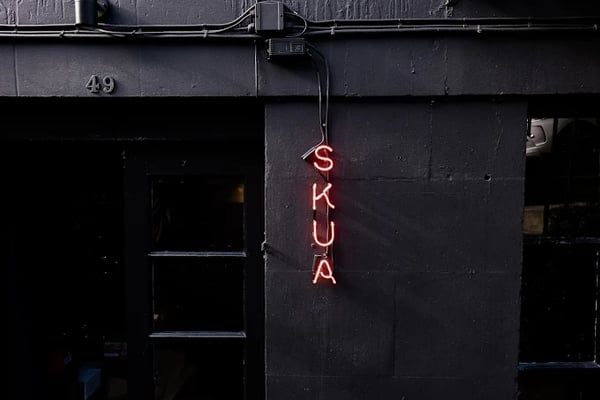
Skua, on St. Stephen Street in Stockbridge — steps from Purslane on the same street — operates from a basement-level dining room that the source identifies as a product of Edinburgh’s Georgian townhouse architecture, which lends itself naturally to intimate spaces just below street level. The restaurant comes from the same team behind nearby Cardinal, giving the Stockbridge dining cluster a connected culinary identity across multiple addresses. The cooking at Skua centers on quality British ingredients and maintains what the source calls a refreshingly unfussy approach. The kitchen trusts the ingredient over the technique and delivers satisfaction without requiring elaborate presentation.
The menu of small plates is designed for sharing, which gives the format a social and financial advantage that the source makes explicit: the shareable structure keeps the experience gloriously good value. The word “gloriously” in the source’s assessment carries genuine weight in a city where the pricing pressure of a tourist economy can push restaurant costs above what the local market sustains comfortably. Skua’s commitment to value through the sharing plate format positions it as one of the most financially accessible dining experiences on this list, while still operating from a considered culinary foundation.
The Stockbridge location, combined with the shared ownership connection to Cardinal, gives Skua a neighborhood character that restaurant operations in central Edinburgh’s tourist corridors often sacrifice for footfall. Diners who arrive knowing the address — not passing by and stepping in on impulse — tend to find the experience more rewarding because the restaurant’s identity is built for repeat visitors who live nearby, not for first-time tourists navigating by review app. Skua’s basement intimacy, its focus on British produce, and its value-oriented sharing format make it the strongest casual option in the Stockbridge cluster on this list. Its position on St. Stephen Street, steps from Purslane, means that a neighborhood known for serious cooking also produces one of Edinburgh’s most relaxed and affordable evenings at the same address.
7. The Scran & Scallie anchors Stockbridge with a fish pie
Credit: The Scran & Scallie
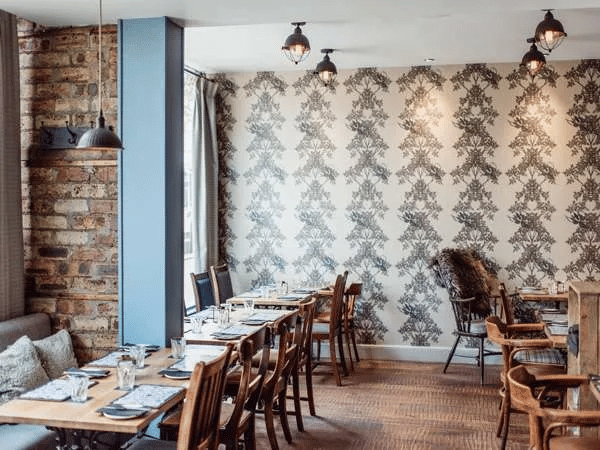
The Scran & Scallie, a gastropub at the edge of Stockbridge on Comely Bank Road, has maintained consistent popularity since its opening day. The source describes it as perennially busy and advises booking in advance to guarantee a table. The kitchen grounds its cooking in Scottish ingredients throughout, producing hearty pub food that the source frames as unfussy, comforting, and thoroughly enjoyable at very reasonable prices. The signature fish pie has become the dish most associated with the restaurant, and the source’s emphasis on it reflects a kitchen confident enough in a straightforward preparation to build its identity around it.
The dessert course receives specific praise from the source, which identifies it as where the kitchen often shines brightest. The source frames the final course as the meal’s high point, not its formulaic conclusion. The family-friendly credentials of The Scran & Scallie are reinforced by a dedicated children’s menu, which the source confirms the restaurant uses to welcome young diners alongside adults without the usual gastropub compromise of a perfunctory kids option appended to an otherwise adult-oriented menu.
The Scran & Scallie occupies a specific and important niche in Edinburgh’s dining landscape: a Michelin-recognized gastropub that delivers genuine quality at prices that allow regular visits without financial strain. The Stockbridge location’s neighborhood warmth, the Scottish ingredient commitment, the accessible price point, and the proven track record of the fish pie together give the restaurant a reliability that newer, more experimental operations cannot match. For visitors who want to eat well in Edinburgh without formal dining protocols, The Scran & Scallie is the most proven option on this list. The children’s menu, the signature fish pie, the dessert course that regularly outperforms the preceding dishes, and the perennially busy dining room together describe a restaurant that has found the specific thing it does best and has committed to it without distraction.
8. The Spence holds the Exceptional Cocktails Award of 2024
Credit: Gleneagles Hotel
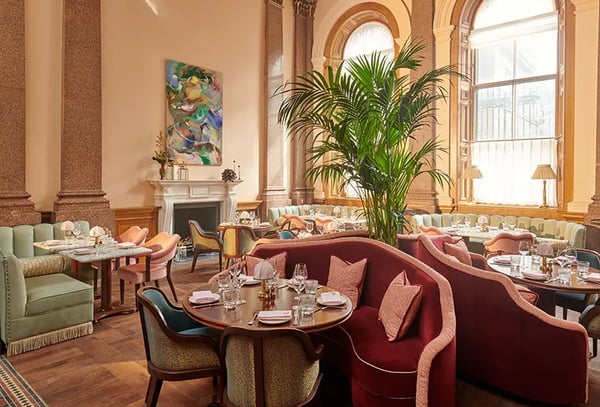
The Spence, the restaurant inside the Gleneagles Townhouse hotel on St. Andrew Square $SQ, is housed in a Victorian building that served as the Royal Bank of Scotland headquarters, and the source confirms that much of the original architectural grandeur has been preserved in the restaurant’s current configuration. The Michelin Exceptional Cocktails Award, which the team received in 2024, distinguishes The Spence from every other restaurant on this list by adding a formal recognition for beverage service alongside the food offering. The source recommends arriving early enough to drink at the bar before the meal, treating the cocktail program as a destination in its own right, not a preamble to be abbreviated.
The name “The Spence” draws on a Scottish term for the larder or pantry, which encodes the restaurant’s culinary philosophy directly in its identity: Scotland’s finest produce should be the foundation of the cooking, executed through classical technique. The source notes that an eye-catching presentation adds a visual dimension alongside flavor precision, giving the kitchen a complete expression across both senses and sight. The Gleneagles Townhouse hotel, which holds one Michelin Key, provides The Spence with a hospitality context that extends the restaurant experience into accommodation for guests who want to remain in the same building after dinner.
The St. Andrew Square location in Edinburgh’s financial district gives The Spence a setting that complements the building’s banking heritage. The environment is formal, architecturally assertive, and designed for occasions that require grandeur. For diners who want Edinburgh’s most deliberately glamorous dining environment alongside Scottish produce cooked with classical precision, The Spence delivers both with the added credential of an award-winning cocktail program that no other restaurant on this list can claim. The Victorian banking hall setting and the Exceptional Cocktails Award together make The Spence the most ceremoniously complete evening in Edinburgh’s restaurant landscape. A grand historic space, award-winning bar service, and Scottish produce elevated through classical technique are available at the same address, nowhere else on this list.
9. Timberyard extracts bold flavors near Edinburgh Castle
Credit: Timberyard
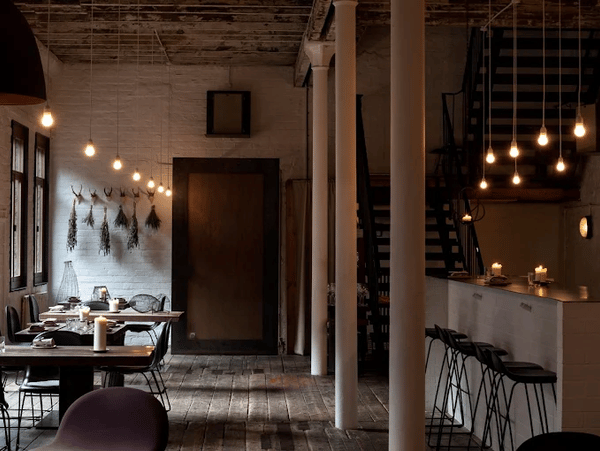
Timberyard, near Edinburgh Castle on Lady Lawson Street in the Old Town, occupies a building that the source identifies as a former warehouse for storing theatrical sets. The restaurant has retained the visual character of that industrial origin. The space is raw, spacious, and textured in a way that contrasts with Edinburgh’s Georgian formality. The red doors that mark the entrance give the building a striking street presence in a neighborhood where the competition for visual attention includes one of Europe’s most recognizable castle silhouettes. Inside, the cooking operates on a philosophy of restraint and precision: extracting substantial flavor from a small number of ingredients, with the source noting that the skill involved is considerable despite the apparent simplicity of the results.
The wine list at Timberyard earns specific mention for its range across natural and low-intervention options, which gives the restaurant a distinct positioning within Edinburgh’s wine-drinking community alongside its food identity. Natural wine’s relationship with minimal-intervention cooking — both philosophies sharing a preference for ingredient expression over technique imposition — gives the Timberyard experience an internal coherence across the plate and the glass that restaurants with more conventional wine lists do not automatically achieve.
The Old Town location gives Timberyard proximity to Edinburgh’s most visited historical sites, including the castle, the Royal Mile, and the Grassmarket, while the restaurant’s identity as a destination for considered, skilled cooking — not tourist convenience — gives it a genuine local following alongside visiting diners. The Virgin Hotel Edinburgh, recommended by the source for guests wanting nearby accommodation, is a 10-minute walk away. For diners who want the most compelling marriage of Edinburgh’s industrial heritage, restrained modern cooking, and a serious natural wine program, Timberyard is the strongest option on this list. The red doors and the warehouse interior give the restaurant a visual identity that the Georgian city around it cannot replicate. The cooking inside earns every bit of the attention the building’s exterior attracts.
10. Tipo brings homemade Italian pasta to Hanover Street
Credit: Tipo
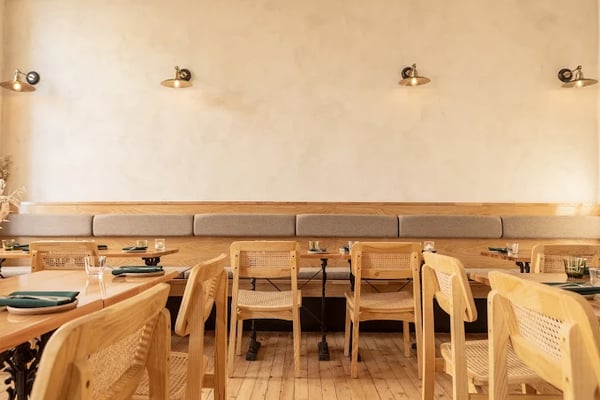
Tipo, on Hanover Street in Edinburgh’s New Town, is the third Stuart Ralston restaurant on this list — and the one where his brother Scott leads the kitchen — giving the operation a family dynamic that distinguishes it from AVERY and Noto while maintaining the consistent quality standard that characterizes Ralston’s Edinburgh portfolio. The restaurant’s Italian orientation gives it a culinary identity separate from LYLA’s Scottish seafood focus and Noto’s pan-Asian framework, completing a trio of restaurants by the same owner that cover three distinct culinary traditions without overlap.
The pasta program is the kitchen’s primary identity statement. Homemade pappardelle with crab and chilli represents the kind of dish that uses handmade pasta as a vehicle for Scottish coastal produce. The pairing positions itself within Edinburgh’s broader Scottish ingredient conversation despite its Italian format. A selection of small plates and occasional larger ones extends the menu beyond the pasta-focused core, giving the format the flexibility a purely pasta-driven operation would not.
The source describes the cooking as straightforward, fresh, and full of flavour, at a reasonable price. The formulation places tipo in the same accessible register as Noto while using a completely different culinary language. The Hanover Street location is described as a stone’s throw from Noto, meaning diners who have eaten at one Ralston restaurant and want to compare it with another in the portfolio can do so within a very short walk. The Intercontinental Edinburgh The George, mentioned by the source as nearby, offers visitors a hotel option within the same central New Town area. Tipo’s fresh pasta, approachable pricing, and position as the family-operated member of the Ralston portfolio give it a distinct warmth that stands out amid Edinburgh’s fine-dining concentration. Three Stuart Ralston restaurants on this list — LYLA, Noto, and Tipo — reflect how thoroughly one chef’s culinary enterprise has shaped the character of Edinburgh’s contemporary restaurant scene.