Martyn Lucy / Getty Images
The assumption that driving fun and fuel efficiency belong in separate categories has not stood up to contact with the modern car market. Performance and economy once occupied opposite ends of the automotive spectrum, with engineers generally treating one as a sacrifice made for the other. That trade-off still exists at the extremes — a purpose-built track car burning through gasoline at racing pace has no real interest in fuel costs — but at the level of cars that enthusiasts actually buy and drive daily, the gap between exciting and efficient has narrowed substantially. Electric powertrains in particular have rewritten the rules, delivering acceleration figures that combustion engines need far more displacement to match, while returning efficiency numbers that gasoline cars cannot approach.
The economics of the shift matter. A sports car that earns good fuel economy ratings does not just save money at the pump. It makes it easier to sustain the case for buying the car. A driver who can honestly describe a purchase as both enjoyable and efficient faces less internal resistance than one who has consciously decided to prioritize excitement over responsibility. The cars on this list offer buyers both arguments at once. Some achieve that through electric powertrains that convert energy at extraordinary rates. Others get there through turbocharged four-cylinder engines that extract more performance per gallon than the V8s they replaced. A few simply demonstrate that a light, well-engineered car with modest power can be engaging to drive without burning much fuel.
U.S. News & World Report selected the vehicles below based on performance scores and fuel-economy ratings. The list spans a wide price range, from a roadster priced below $30,000 to a luxury electric sedan approaching a quarter-million dollars in its most extreme configuration. All mpg figures reflect EPA combined ratings. Electric vehicles use MPGe, which converts electrical energy consumption into a miles-per-gallon equivalent for comparison purposes.
1 / 8
Khosrork / Getty Images
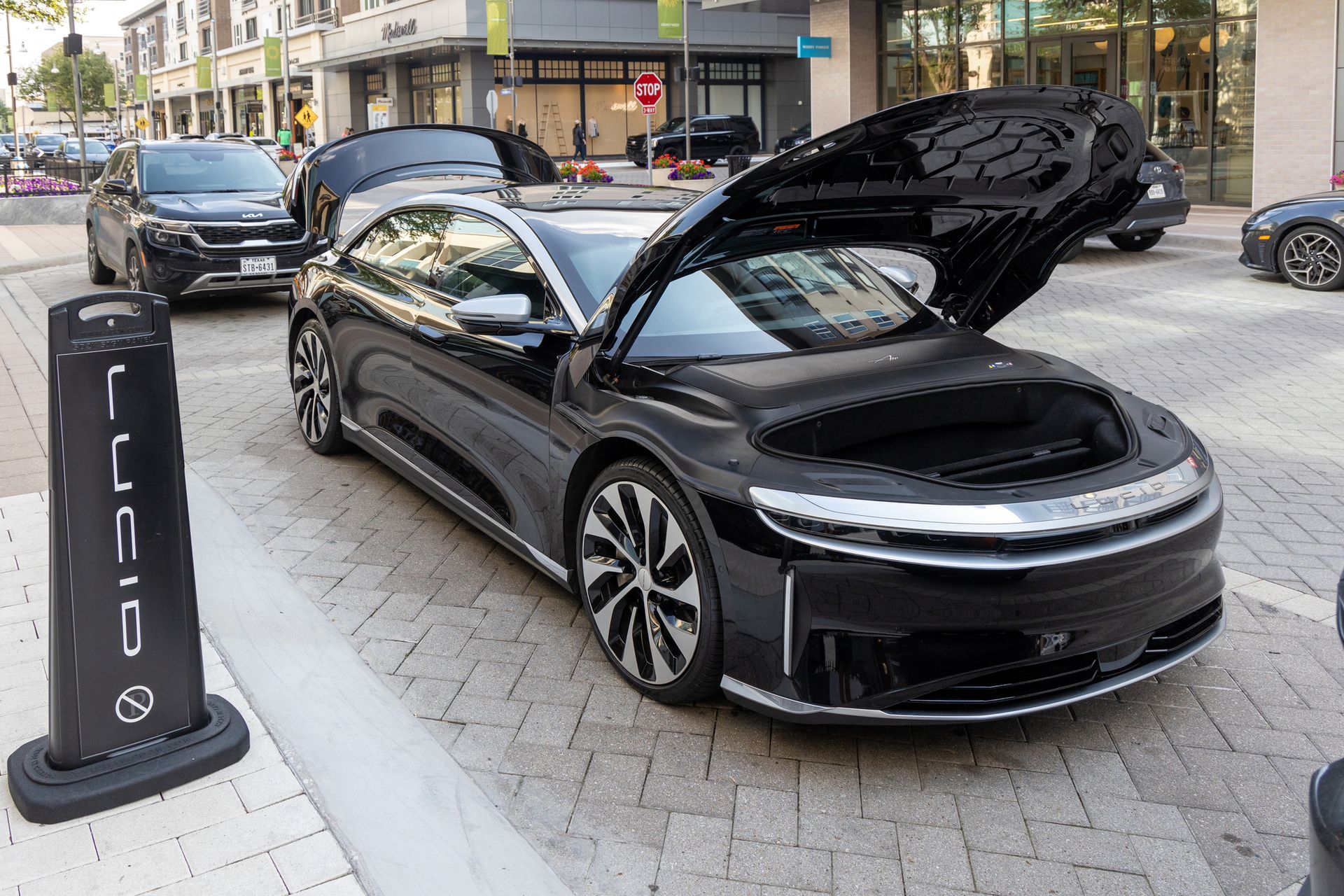
The 2026 Lucid $LCID Air leads this list with a combined fuel economy rating of 146 MPGe, the highest figure of any vehicle on the market, and backs that efficiency up with performance numbers that most combustion-powered supercars cannot match. The entry-level Pure trim starts at $70,900 and delivers well-tuned steering that makes the large sedan feel nimbler than its executive-class dimensions suggest. The Pure trim covers 420 miles on a single charge, and the Grand Touring extends that range to 512 miles, effectively eliminating range anxiety on all but the most extreme long-distance trips.
The top-end Sapphire trim exists in a category entirely its own. Priced just under $250,000, it develops 1,234 combined horsepower from three motors, reaches 60 mph in under two seconds, and completes a quarter mile in around nine seconds. Those numbers place it in direct comparison with purpose-built supercars from manufacturers that have spent decades and invested significantly more engineering resources to reach similar figures. The Sapphire does it using no gasoline at all.
U.S. News Managing Editor Alex Kwanten describes the Air’s position in its class directly: “The Air just dominates its class, and that was the goal.” The performance score of 9.3 out of 10 reflects a vehicle that succeeds across the full range of measures that matter to driving enthusiasts: acceleration, handling response, and the precision that separates a well-engineered sports sedan from a fast but disconnected one. The Air’s efficiency and its performance exist on the same car without compromise, which is precisely what makes it the appropriate choice to top this list. The entry-level Pure trim’s steering calibration deserves special mention: reviewers note that it makes the large sedan feel like a compact, meaning the driving experience scales down to a connected, responsive character that its executive-class dimensions would not suggest. Buyers who want the efficiency number without the Sapphire trim’s price will find the Pure trim at $70,900 delivers the steering and feel that define the Air across the full lineup.
2 / 8
jetcityimage / Getty Images
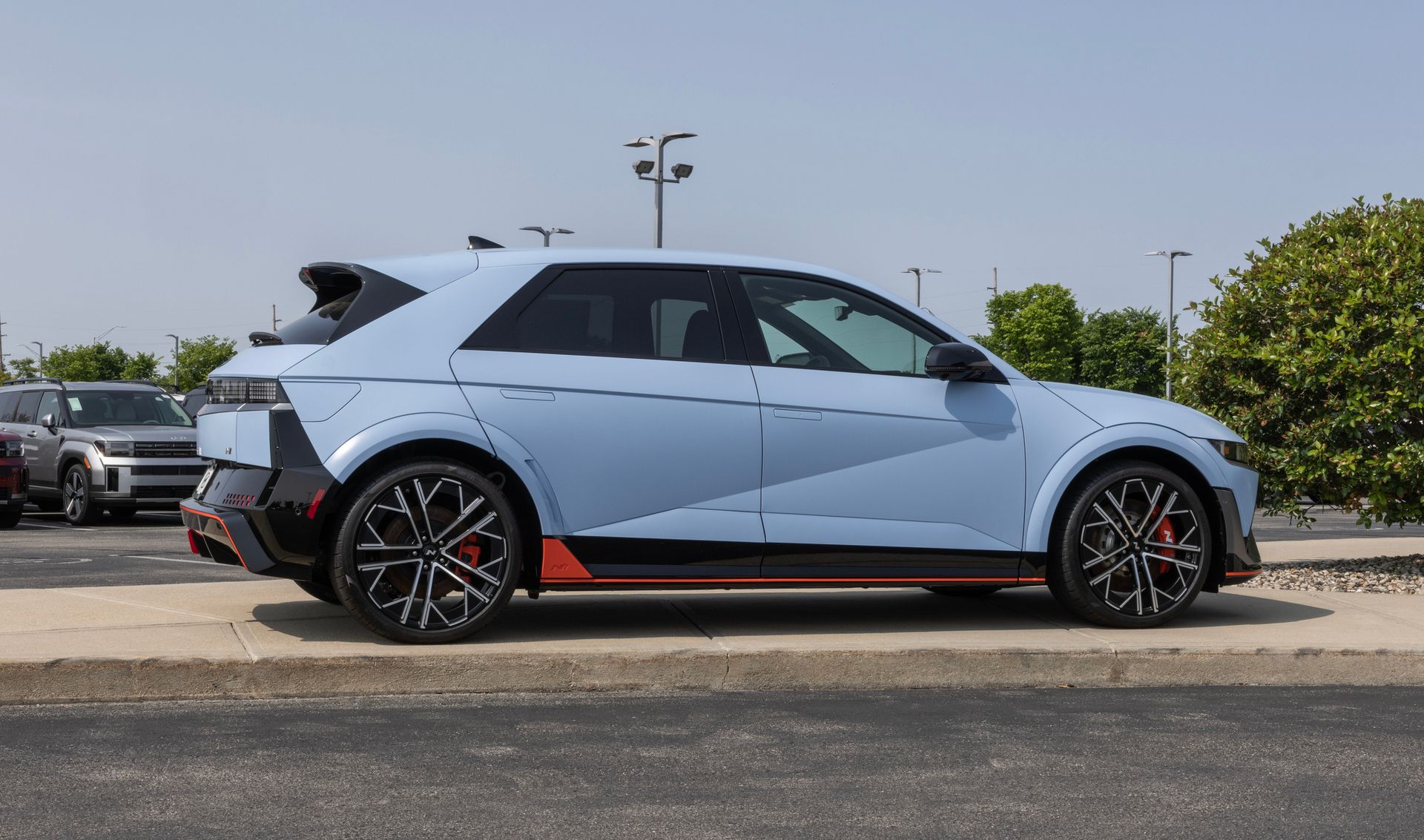
The 2026 Hyundai Ioniq 5 N produces 641 horsepower and returns 78 MPGe combined, making it one of the most powerful and efficient vehicles on this list, outside of the Lucid $LCID Air. The starting price of $66,200 puts it in the upper tier of this list’s price range, but the driving experience the Ioniq 5 N delivers for that price is among the most distinctive of any electric vehicle. Reviewer Zach Doell describes it as genuinely feeling like a sports sedan from behind the wheel despite being fully electric.
The detail that sets the Ioniq 5 N apart from most performance EVs is its simulated gearshift behavior. The car mimics the sound and feel of an internal combustion engine changing gears, complete with simulated redline behavior, even though it has neither a gearbox nor an engine. The feature is explicitly designed for drivers whose emotional connection to performance cars runs through the engagement of shifting gears and the acoustics of an engine under load. Hyundai has replicated that sensory experience in a car that produces none of it through conventional means.
The Ioniq 5 N’s one genuine weakness is its range. A full charge delivers 221 miles of driving, a number that trails several competitors at a similar price point and that will require more frequent charging stops on longer journeys. Drivers who use the vehicle primarily for commuting and spirited weekend driving will find the range workable. Those planning extended road trips without access to fast-charging infrastructure along their route will need to account for this limitation before committing. The 641 horsepower and the simulated shift experience make the 221-mile range a trade-off worth knowing about in advance. Hyundai positions the Ioniq 5 N as one of the most lively and enjoyable EV driving experiences available today at any price, a claim that the 641-horsepower output and the engineered sensory feedback together support.
3 / 8
Credit: Mazda
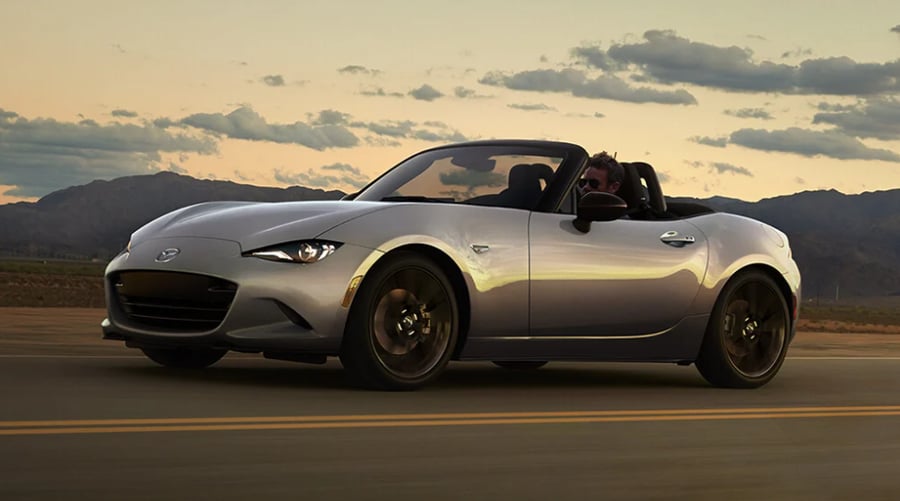
The 2026 Mazda MX-5 Miata starts at $29,530, the only car on this list priced below the $30,000 mark, and achieves 29 mpg combined. The Miata has served as the benchmark for affordable sports-car engagement for decades, and the current generation maintains the formula that established the model’s reputation: responsive steering, taut handling, and a lightweight body built on the principle that removing mass improves driving feel more reliably than adding power.
The manual transmission available on the Miata is a specific highlight. Reviewers describe the six-speed unit as one of the finest manual gearboxes on sale at any price point, not just within the category. The enthusiasm that qualification carries matters: a manual transmission praised without price qualification is competing against the best gearboxes from Porsche, BMW, and Ferrari $RACE, and the fact that the Miata’s unit earns that comparison speaks to the quality of the mechanical experience it provides. Critically, manual-equipped Miatas achieve the same 29 mpg combined rating as automatic versions, removing the efficiency trade-off that sometimes leads buyers toward automatic transmissions.
John Vincent’s assessment, “If smiles per mile were a measure, this car’s ranking would have been off the charts,” captures the Miata’s specific appeal in a way that specification sheets do not. The performance score of 8.8 out of 10 reflects a car that outscores several more expensive options on this list in the driving engagement category. The Miata does not win on outright power or straight-line speed. It wins on the quality of the communication between driver and car: the feedback through the steering wheel, the precision of the shifter, and the sense that the vehicle participates in the driving experience. The 29 mpg combined figure means that engagement comes without a meaningful fuel economy penalty, giving the Miata the most honest case among the gasoline cars on this list for combining driving pleasure with reasonable running costs.
4 / 8
ASphotowed / Getty Images
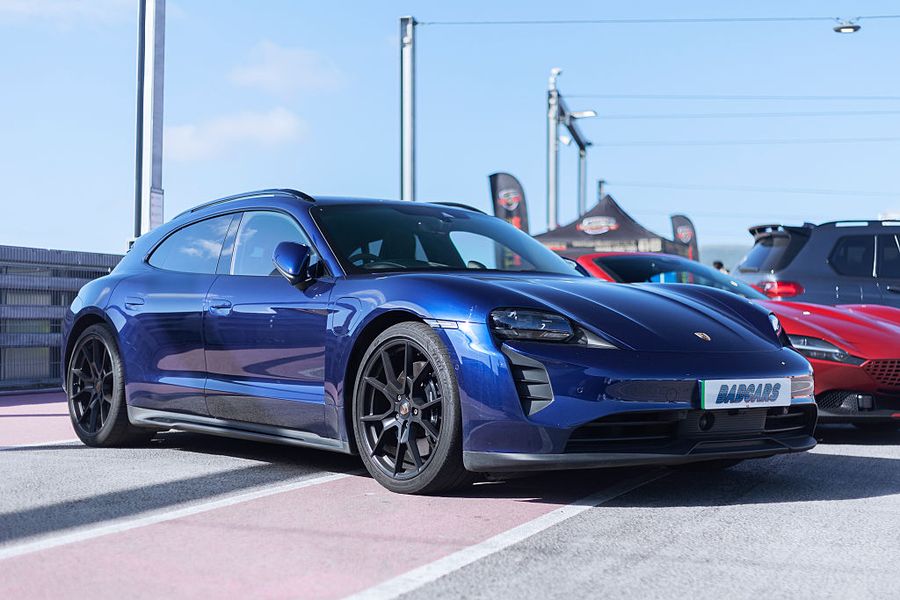
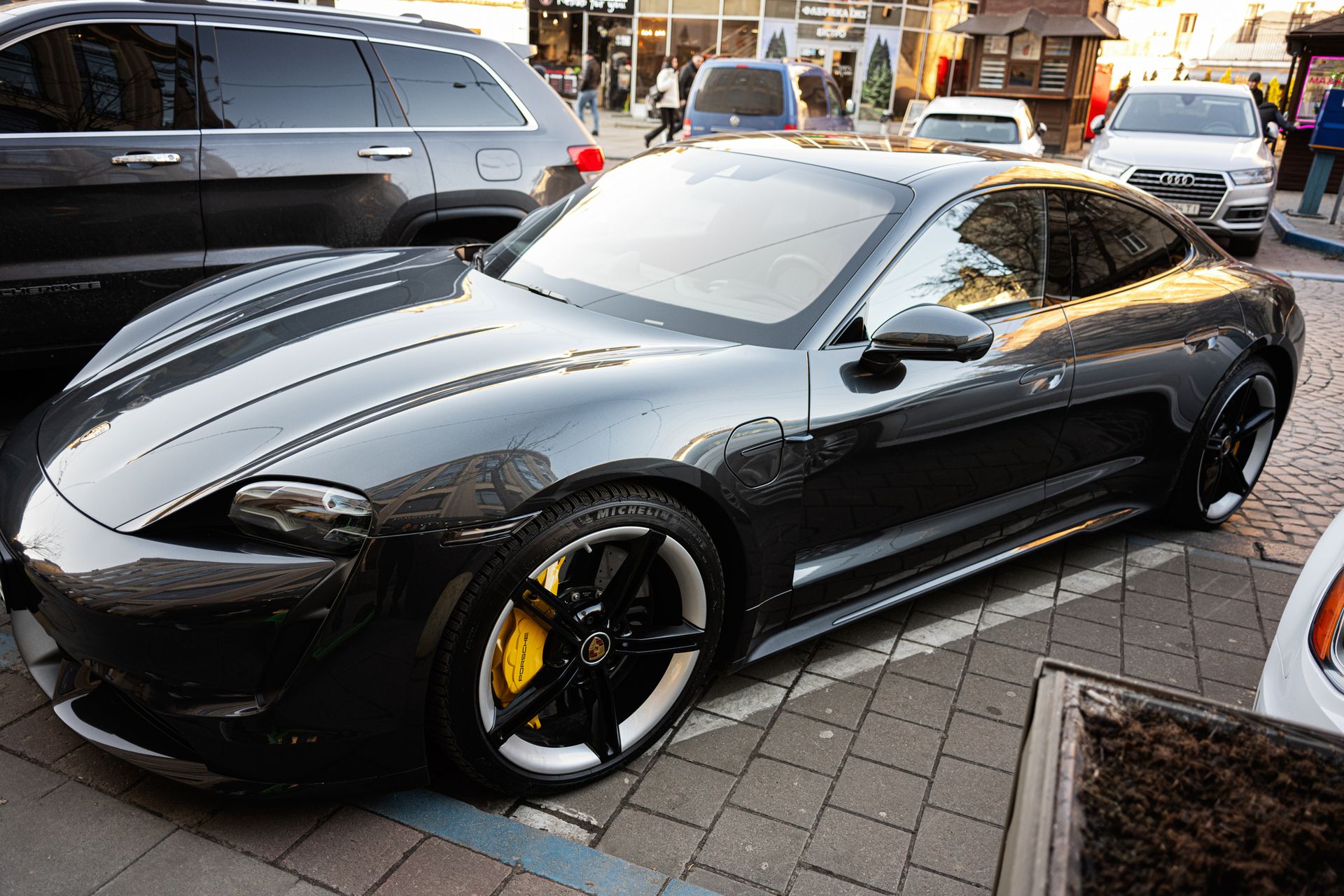
The 2025 Porsche Taycan earns a performance score of 9.5 out of 10, the highest on this list, and delivers 93 MPGe combined at a starting price of $99,400. Reviewer Mark Takahashi describes the Taycan’s handling behavior with a specific comparison: the car moves through corners with the same liveliness as Porsche’s iconic 911, a benchmark that the brand’s engineers have spent decades refining. The Taycan extends Porsche’s performance philosophy into the electric segment without diluting what makes a Porsche feel distinctive.
Takahashi’s full assessment positions the Taycan as a vehicle where handling matters as much as straight-line pace. “Power and acceleration are only part of the equation,” he writes. “Handling is just as essential, and the Taycan knives through turns with similar liveliness as Porsche’s iconic 911.” The Taycan also delivers up to 318 miles on a charge, providing usable range for most driving scenarios. Speed-focused buyers who track vehicles using Nürburgring lap times will find the Taycan competitive in that metric as well.
Two genuine limitations temper the Taycan’s case. Trunk space in sedan configuration measures 14.3 cubic feet, a figure that trails most vehicles at this price point and limits practicality for buyers who expect a $99,400 luxury sedan to carry meaningful cargo. The Taycan’s range estimates also fall below those of less expensive competitors: the Tesla $TSLA Model S and the Lucid $LCID Air both offer more miles per charge at lower prices. Buyers who cross-shop on range alone will find the Taycan undercuts itself against those rivals. The case for the Taycan rests on its driving character. Buyers who weigh that above cargo volume and range will find the 9.5 performance score makes a credible argument. The Taycan’s Nürburgring lap time performance gives it a documented competitive benchmark for buyers who evaluate performance vehicles through track metrics, and the sedan’s 318-mile range gives it enough real-world usability that the range gap with cheaper rivals is a consideration, not a dealbreaker.
5 / 8
jetcityimage / Getty Images
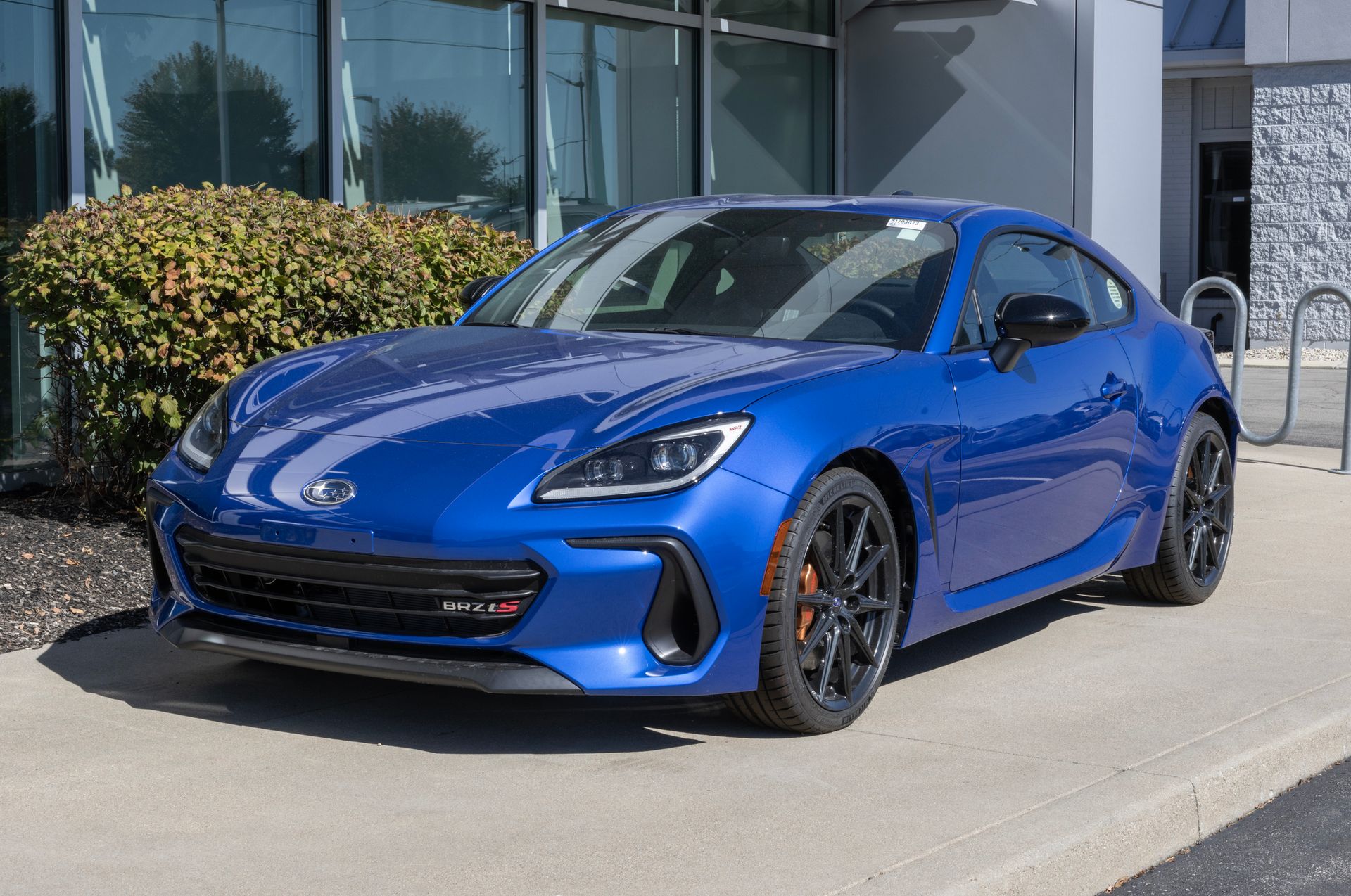
The 2025 Subaru BRZ starts at $33,210, achieves 25 mpg combined in automatic transmission form, and delivers what the source describes as “a shining example of what a modern sports car should be: Engaging, peppy, and still usable for your commute.” The BRZ uses a naturally aspirated, high-revving four-cylinder engine, sends power exclusively to the rear wheels, and keeps the body weight low through intentional engineering decisions that prioritize handling balance over interior volume or feature density.
The naturally aspirated engine is a deliberate choice that shapes the driving experience. Turbocharged engines produce their peak torque at low rpm, which creates a surge of power that can feel dramatic but also blunts the connection between engine speed and vehicle response. The BRZ’s naturally aspirated four-cylinder requires revving higher to reach peak output, which rewards drivers who engage the engine aggressively and produces a more linear power delivery that communicates what the car is doing more clearly. The rear-wheel-drive configuration amplifies that engagement, giving skilled drivers greater control over how the car rotates through corners.
The interior acknowledges its priorities. The source describes the cabin as basic, framing that assessment as an honest feature, not a compromise: a driver focused on the road ahead needs less of an elaborate center stack. The front seats are comfortable and offer adequate room, while the rear seats serve primarily as storage or occasional seating for small passengers. The limited rear seat utility is a standard feature of the two-door sports car format. Buyers who want the BRZ’s mpg figure alongside its fuel economy should choose the automatic transmission, which achieves the 25 mpg combined rating. The manual version produces slightly lower fuel economy numbers. The BRZ’s positioning within Subaru’s lineup as the brand’s dedicated sports car also means the model receives engineering attention focused specifically on driving dynamics, rather than being split between sporting character and the family-hauling priorities that define most other vehicles in Subaru’s range.
6 / 8
Credit: Ford
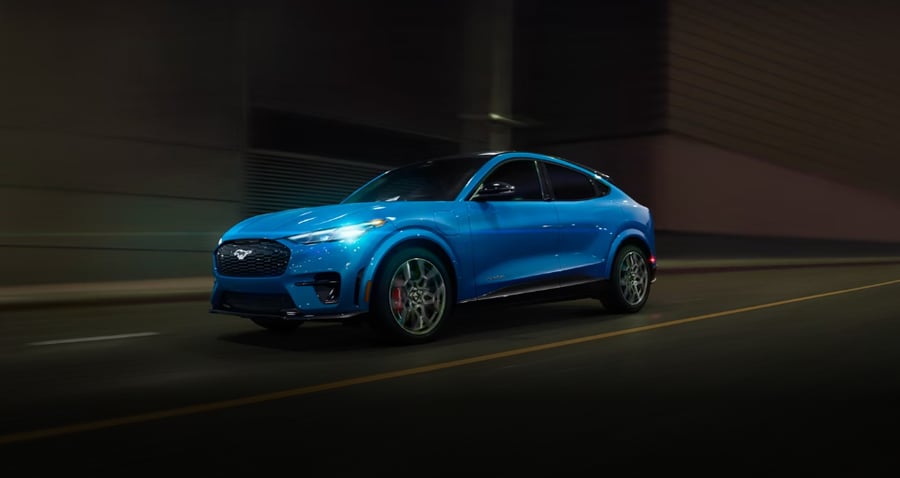
The 2026 Ford $F Mustang starts at $32,320 and returns 26 mpg combined with its standard turbocharged four-cylinder engine, a result that would have seemed improbable in earlier generations. The Mustang’s survival as a nameplate while the Chevrolet Camaro and Dodge Challenger went out of production reflects, at least in part, its willingness to adapt. The standard turbocharged four-cylinder represents the most commercially significant adaptation the model has made. The V8 remains available for buyers who want it, but the four-cylinder version delivers the fuel economy that puts the Mustang on this list.
The turbocharged four-cylinder variant, known informally as the EcoBoost among Mustang buyers, carries a performance score of 8.0 out of 10 and delivers the driving experience that Mustang customers expect through the turbocharged four-cylinder’s power output, not the V8’s displacement. The engine produces enough output to make the Mustang feel genuinely sporty on public roads while returning mpg figures that the V8 cannot approach. The trade-off is the absence of the V8’s auditory character, which remains a defining part of the Mustang’s identity for a segment of its buyer base.
Practical capability accompanies the performance. Test drivers note that the EcoBoost Mustang offers substantial cargo volume for daily use, making it a more functional vehicle than its sports car positioning suggests. The rear seat provides limited legroom for adult passengers, a consistent limitation of the Mustang’s pony car proportions, but the cargo and everyday usability give the EcoBoost an argument for daily driving that the V8 version, with its higher fuel costs, has to work harder to make. Buyers who want a Mustang but drive it on regular roads will find the four-cylinder version best balances the nameplate’s appeal with the practical realities of ownership, including the fuel-cost advantage that separates it from the V8 by a meaningful margin over time.
7 / 8
jetcityimage / Getty Images
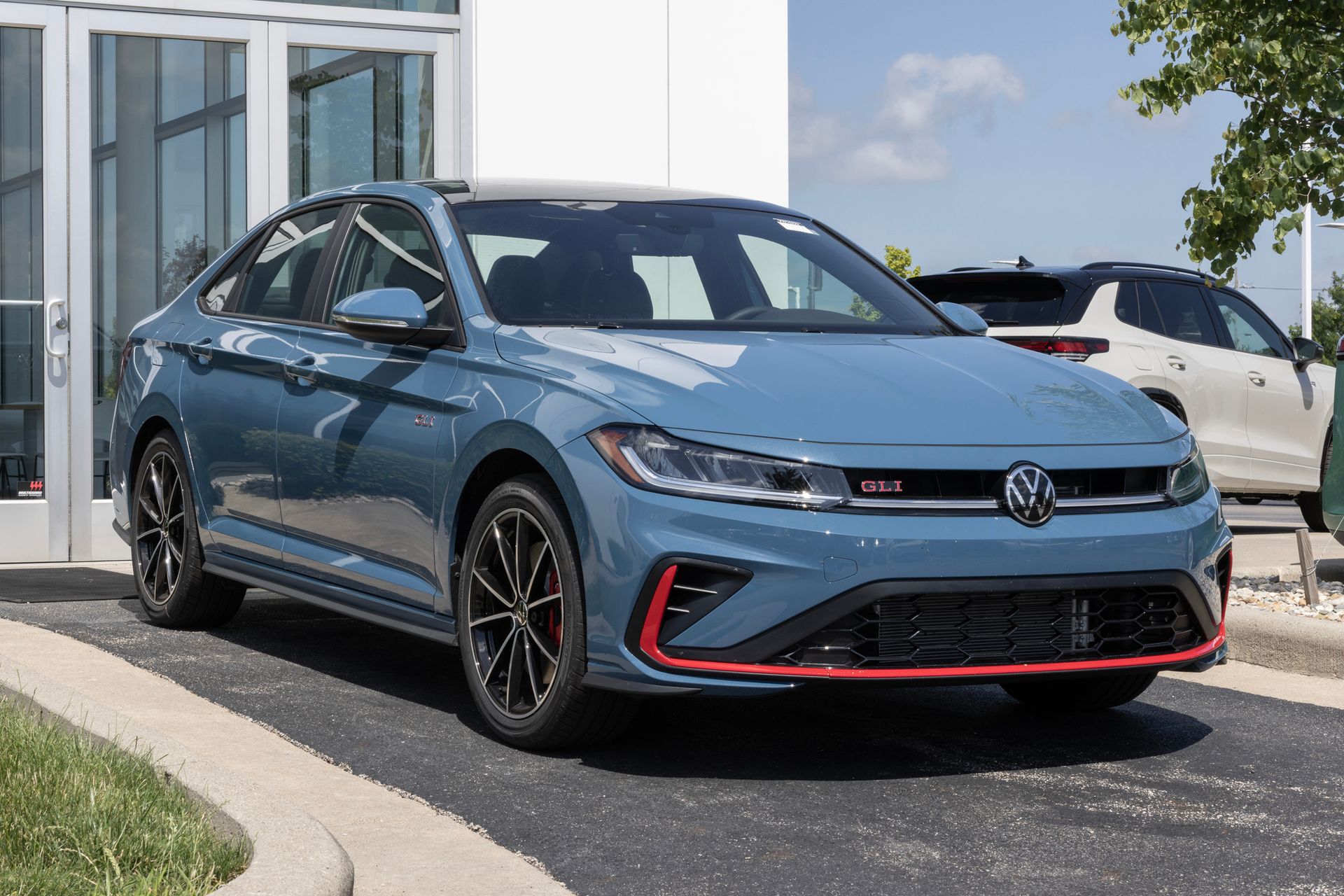
The 2025 Volkswagen Jetta GLI achieves 30 mpg combined with its optional seven-speed dual-clutch automatic transmission, edging out the six-speed manual version in fuel economy and placing it ahead of several sportier-seeming competitors on this list. The Jetta GLI scores 6.7 out of 10 on performance — the lowest on this list — but its efficiency credentials and cabin quality make a case that pure performance numbers don’t capture. The starting price of $32,715 positions it competitively against the Miata and the BRZ.
The source describes the Jetta GLI as a sleeper pick, noting that its performance characteristics overlap substantially with those of the Volkswagen GTI hatchback. The GLI’s fuel economy advantage over the GTI stems from tuning differences between the two vehicles, not a fundamental difference in powertrain design. The dual-clutch transmission delivers extra efficiency by managing gear selection more precisely than a conventional automatic and more optimally than most drivers achieve manually. Buyers who choose the manual version trade a small amount of fuel economy for the engagement of direct gear selection.
The interior distinguishes the Jetta GLI from its GTI sibling in a direction that some buyers will prefer. The source notes the Jetta GLI’s button-heavy physical controls as an advantage over the GTI’s touch-capacitive interface, which requires the driver to press virtual buttons without tactile confirmation. The cabin design philosophy differs between the two vehicles in ways that matter during daily driving, particularly for users who find touch-capacitive controls distracting while in motion. Buyers drawn to the GTI’s performance but frustrated by modern touch-heavy interfaces may find the Jetta GLI’s cabin a more comfortable long-term environment alongside its fuel economy advantage. The GLI’s 30 mpg combined figure also places it ahead of the Ford $F Mustang EcoBoost on this list, making it one of the stronger performers in the gasoline-powered segment of the ranking relative to its performance score.
8 / 8
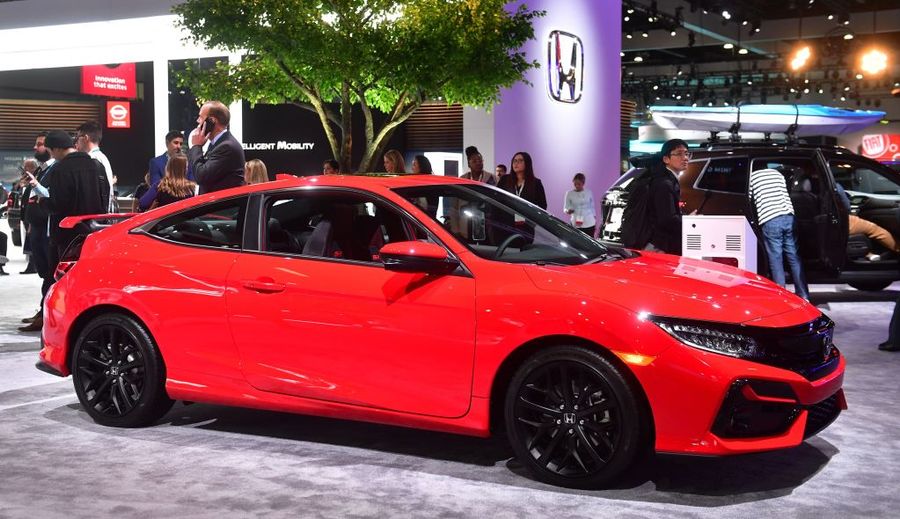
FREDERIC J. BROWN / Getty Images
The 2026 Honda $HMC Civic Si returns 31 mpg combined at a starting price of $30,995, placing it among the most affordable and efficient vehicles on this list outside of the Miata. Reviewer Perry Stern describes it as offering excellent driving dynamics alongside interior space that exceeds most competitors in the compact performance segment, making it one of the few vehicles on this list capable of serving as a practical family car without abandoning the driving characteristics that classify it as a sports sedan.
The Civic Si carries a performance score of 8.1 out of 10 and draws its appeal from a specific set of qualities: it shares the standard Civic’s strong design and interior quality while adding sport-specific elements, including a red-and-black interior trim, heated sport seats with bolstering calibrated for performance driving, and a chassis tuned for more engagement than the regular model. The result is a car that rewards drivers who push it while remaining comfortable and composed in ordinary use. The characteristic has made the Si a consistent fixture in tuner culture for years.
The distinction between the Civic Si and the Civic Type R is worth understanding for buyers considering either. The Type R prioritizes outright performance capability over everyday usability, while the Si occupies the adjacent space: genuinely sporty and tuner-friendly, but with four proper doors, a practical back seat, and fuel economy figures that make it viable as a primary vehicle. Stern’s observation that the Si provides more interior room than most competitors confirms that the car does not sacrifice passenger space for its performance character. Buyers who want a sports car that doubles as responsible transportation will find the Si the most complete case on this list. The 31 mpg combined figure and the $30,995 starting price together place the Civic Si among the most cost-efficient vehicles on this list for buyers who want both economy and engagement from a single daily driver.
