From RFID-blocking wallets that guard against airport digital theft to packing cubes that squeeze an extra day's worth of clothes into a carry-on
Gabrielle Henderson / Unsplash
Deciding what to pack in a carry-on bag for a flight can feel both genuinely fun and considerably overwhelming at the same time. With a little planning and a concise list covering everything from essential medications to in-flight conveniences, travelers can maximize limited space while staying genuinely prepared for whatever the journey brings, whether that means a short domestic hop or a lengthy international flight.
Packing strategically matters considerably more than simply cramming a bag full of random items, since a well-organized carry-on saves genuine time and stress at security checkpoints and throughout a flight. Thinking through each item’s actual purpose beforehand helps travelers avoid both overpacking and, worse, forgetting something genuinely essential once already at the airport.
The 10 items below appear in U.S. News & World Report, covering must-have carry-on essentials recommended for nearly any trip. Each one addresses a genuinely specific travel challenge, from protecting documents to staying comfortable during a long flight. Building a personal packing routine around these essentials, instead of starting from scratch before every trip, saves genuine time and mental energy over the long run. A traveler who packs the same carry-on in the same organized way trip after trip develops muscle memory for what goes where, cutting down considerably on the last-minute scramble that so often precedes an early flight. Reviewing this list before each trip and swapping in destination-specific items, such as extra sunscreen for a beach vacation or heavier layers for a winter trip, keeps the core system intact while still adapting to whatever a particular journey actually requires. Even experienced travelers benefit from occasionally revisiting a packing checklist, since gear preferences and travel needs shift gradually over time in ways that are easy to overlook without a periodic review. A five-minute check saves genuine hassle later.
Emil Kalibradov / Unsplash
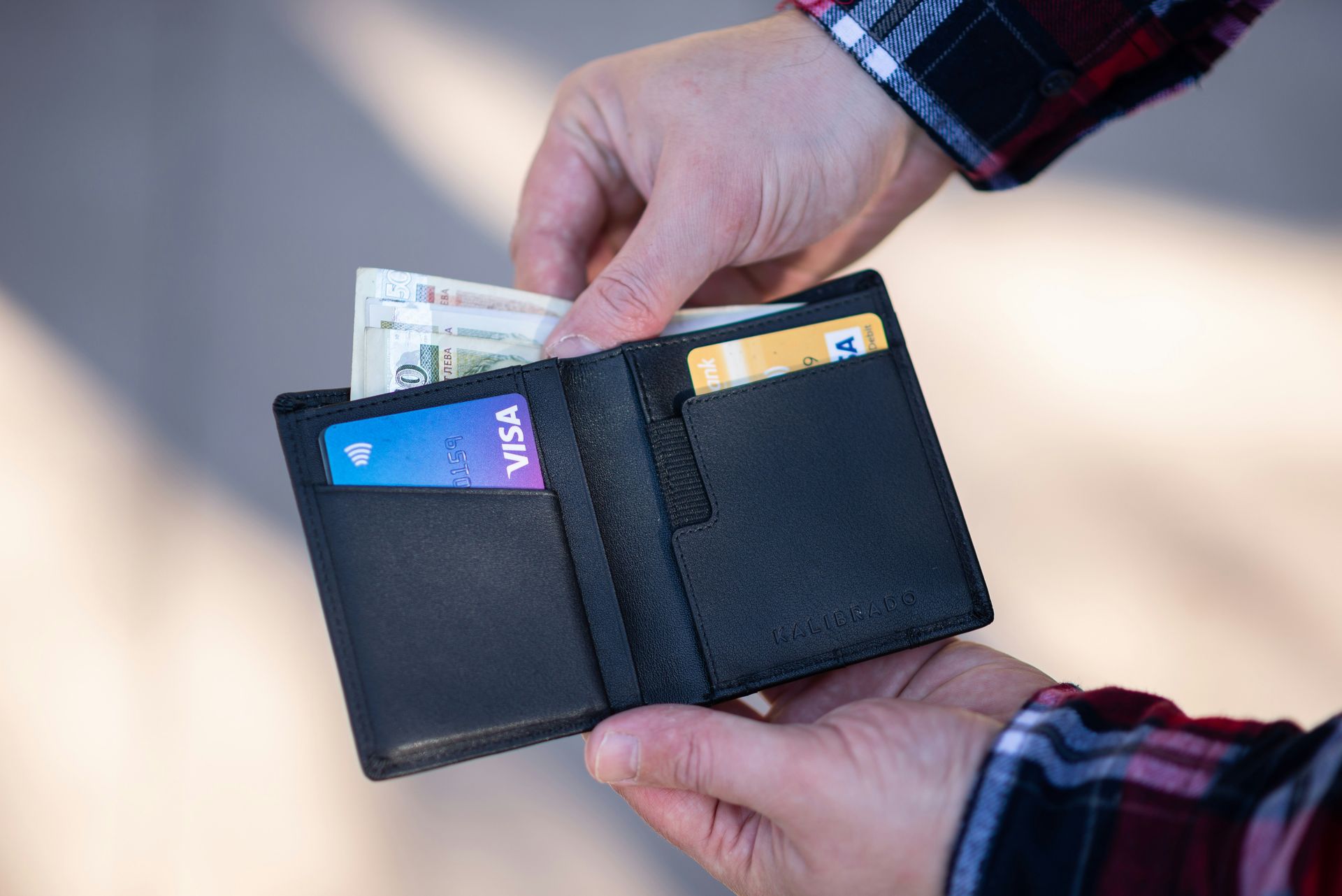
Protecting credit cards and cash with a genuine RFID-blocking wallet prevents scammers from wirelessly stealing personal information while traveling through crowded airports and unfamiliar cities. Options such as the Travelon RFID Blocking Single Zip Wallet give travelers a genuinely practical way to guard against this specific kind of digital theft.
This particular travel wallet proves especially useful since it can also hold most smartphones, consolidating several essential items into a single, easy-to-grab pouch instead of scattering cards, cash, and a phone across multiple bag pockets. This consolidation genuinely helps travelers move through security lines and boarding gates without fumbling through an overstuffed bag.
RFID-blocking technology specifically protects against a genuinely modern travel risk, since contactless payment cards and passports increasingly carry chips vulnerable to wireless scanning in crowded public spaces. A dedicated travel wallet gives these cards a genuine layer of protection beyond what a standard wallet or purse typically offers.
Travelers $TRV should specifically look for a travel wallet sized to fit comfortably in a jacket pocket or bag’s outer compartment, since easy access matters considerably when moving quickly through security or boarding a flight at the last minute. Travelers should also test that a chosen wallet actually fits their specific phone model before a trip, since screen sizes vary considerably across different smartphone brands. Choosing a wallet with a bright or distinctive color also helps travelers spot it quickly at the bottom of a busy bag, reducing the time spent digging for it at a checkout counter or security line. Travelers should also check the wallet’s material for durability specifically, since cheaper fabrics can wear through considerably faster given how frequently a travel wallet gets handled during a trip. A slim profile also helps considerably given how much other gear typically shares the same bag pocket. Checking the wallet’s card capacity against a traveler’s actual number of cards also helps avoid buying something either too cramped or unnecessarily bulky for typical daily use.
Inkredo Designer / Unsplash
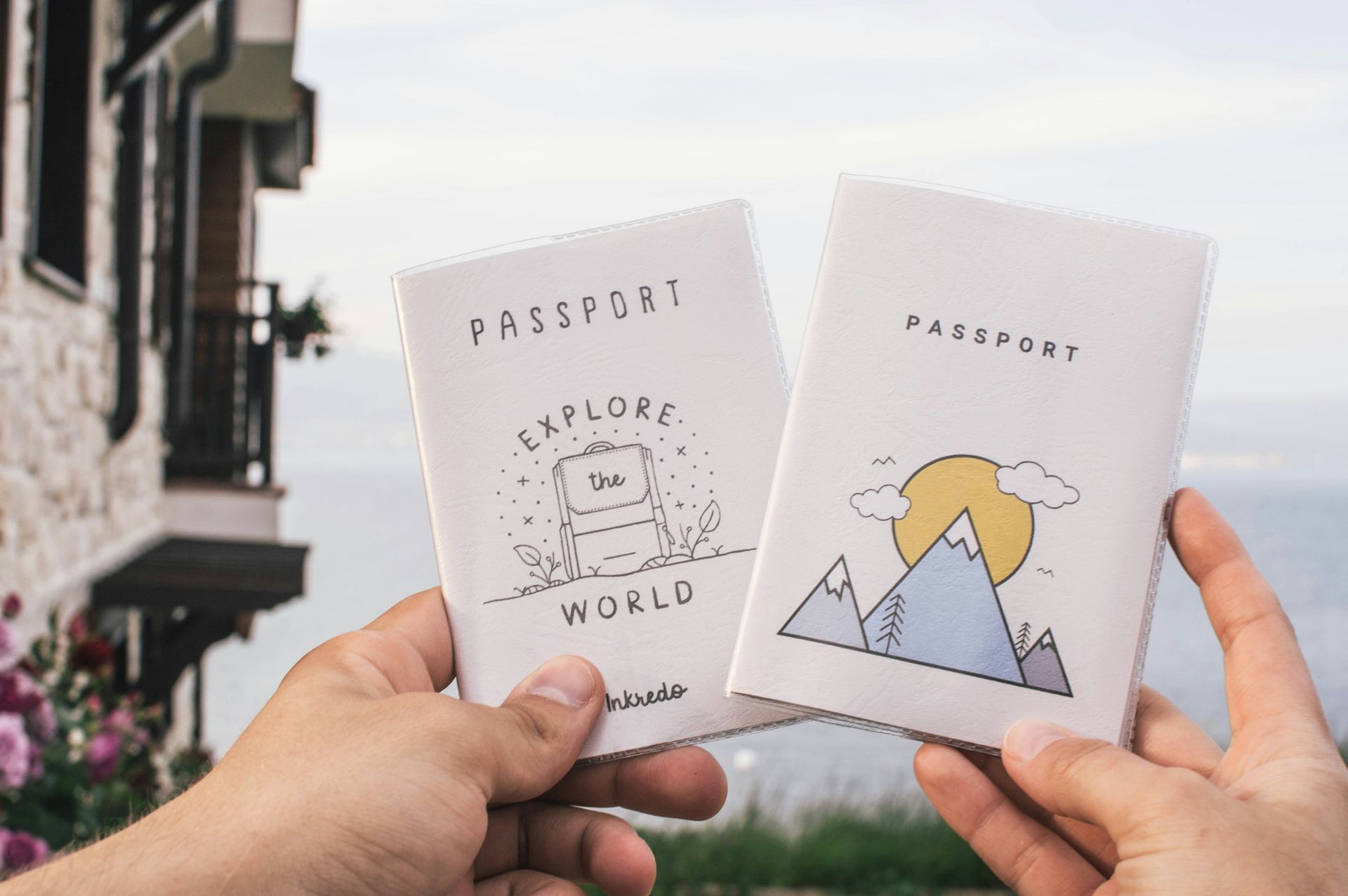
Travelers $TRV heading internationally should genuinely consider an option such as the TIGARI Passport Holder, which protects a travel document while making it considerably easier to locate within a busy carry-on bag. Quick access to a passport matters throughout a trip, since travelers need it at airport security, when boarding the plane, and when filling out entry forms upon arrival.
Keeping the passport holder alongside a pen within easy reach genuinely simplifies the process of filling out entry forms, since fumbling for a pen while holding up a boarding line creates genuine stress for both the traveler and everyone waiting behind them.
Once arriving at a destination, storing the passport wallet somewhere safe at the lodging often makes more sense than carrying it around all day. Travelers who feel inclined to keep it with them throughout the day should stow it in a travel purse, belt bag, or backpack to keep it genuinely secure while exploring.
This pairing of document protection and genuine ease of access gives a dedicated passport holder real value beyond simply tossing a passport loose into a bag pocket, where it can easily get lost among other items. Travelers should also confirm the holder includes space for any additional required documents, such as visa paperwork or vaccination records, depending on the specific destination. Travelers should also consider a holder with a wrist strap or lanyard attachment specifically for busy transit hubs, since keeping the passport physically tethered reduces the risk of accidentally leaving it behind. Travelers should also confirm the holder’s exact dimensions match their specific passport size, since some countries issue passports in slightly different formats than the standard US booklet. A subtle color also helps avoid unnecessary attention in crowded transit hubs. Checking whether a holder includes a dedicated slip for boarding passes also helps, since juggling loose paper alongside a passport at the gate creates unnecessary fumbling. Small habits like these genuinely add up over a full trip.
Annie Spratt / Unsplash
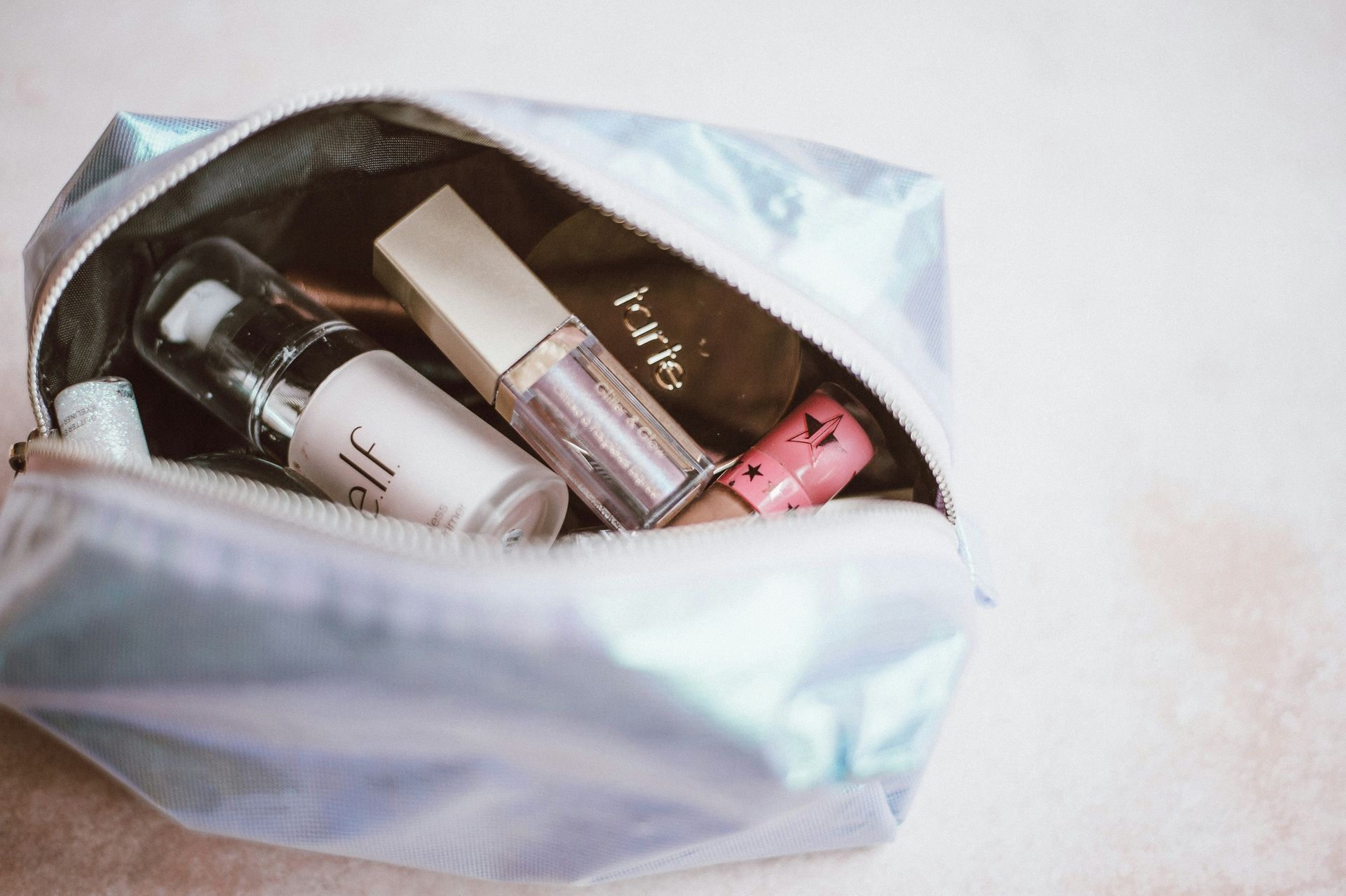
Packing a toiletry bag directly in a carry-on lets travelers freshen up easily during a flight and ensures access to essentials such as toothpaste and deodorant should checked luggage get lost in transit. Considering toiletries specifically useful for travel, particularly given the notoriously dry air found on planes, matters even for products not part of a traveler’s typical daily routine at home.
Including a facial moisturizer and a body lotion in a toiletry bag genuinely helps combat skin that tends to dry out considerably during flights, giving travelers a way to soothe their skin mid-journey instead of waiting until landing. A facial spray also helps travelers freshen up directly after a flight, and this kind of product works well both during and after travel as a genuine pick-me-up on long travel days.
This attention to skin-specific travel products, beyond a traveler’s standard toiletry routine, reflects just how differently plane cabin air affects skin compared with everyday conditions at home. Packing a few extra hydrating products specifically for the flight itself genuinely pays off for travelers prone to dry skin.
Travelers $TRV should pack toiletries in travel-size containers specifically to save space, keeping the bag compact enough to fit easily alongside other carry-on essentials. Travelers should also double-check that all toiletry containers meet current size restrictions before heading to the airport, since oversized containers can get confiscated at security. Packing a small, refillable spray bottle specifically for facial mist also helps travelers avoid checking a larger bottle, since travel-size versions of favorite products aren’t always readily available for purchase. Choosing a bag with a waterproof or wipeable lining also helps considerably, since leaks from shampoo or lotion bottles happen more often than travelers expect during turbulent flights. A compact size also helps considerably given how little space most carry-ons actually offer. Checking whether a bag includes separate compartments for wet and dry items also helps, since damp items packed directly against dry ones can create genuinely unpleasant messes.
Credit: Walmart
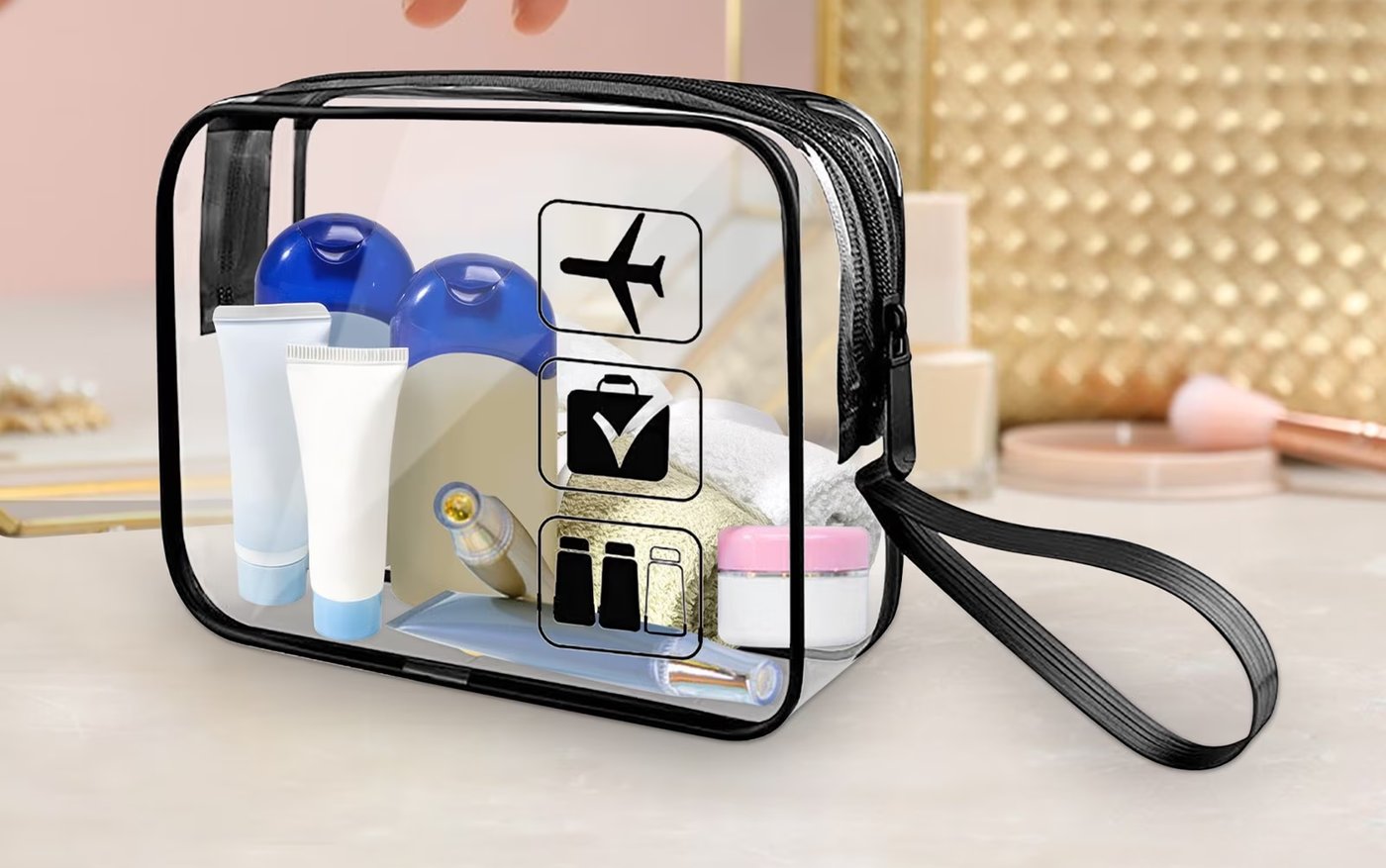
Packing a carry-on bag for a flight requires having a clear, quart-sized bag that meets Transportation Security Administration guidelines for liquids and gels. Some Dopp kits or toiletry bags include a removable bag specifically designed for travel-size liquids, though travelers can also purchase a dedicated reusable TSA-approved clear bag separately if needed.
Any liquids or gels being carried, including shampoo, lotion, liquid makeup items, and hand sanitizer, need to go directly into this specific bag instead of scattered loosely throughout the rest of the carry-on. All liquids and gels must stay in travel-size bottles or containers measuring 3.4 ounces or less to meet current security requirements.
Travelers $TRV need to remove this clear quart-sized bag from their carry-on at security, so packing it in an external pocket or an easy-to-find spot within the suitcase genuinely speeds up the screening process. Fumbling through a disorganized bag to find this specific item creates unnecessary delays for both the traveler and everyone else waiting in line.
This particular packing habit, keeping liquids organized and genuinely accessible, ranks among the most impactful small changes travelers can make to move through airport security considerably faster. Travelers should also check current TSA rules before departure, since specific liquid allowances occasionally shift and vary slightly between domestic and international flights. Travelers should also consider packing a second, smaller liquids bag specifically for the return trip home, since duty-free purchases or destination souvenirs often need their own dedicated space. Travelers should also consider a bag with a wide zipper opening specifically, since narrow openings make it considerably harder to quickly remove and repack items during the actual screening process. A sturdy zipper also helps considerably given how frequently this particular bag gets opened. Checking whether a bag includes reinforced seams also helps, since standard plastic bags tend to tear considerably faster with repeated use across multiple trips. Small habits like these genuinely add up over a full trip.

Laurynas Me / Unsplash
Prescription medications should never travel in checked baggage, since replacing them while already traveling can prove extremely challenging or even impossible if luggage gets lost or delayed. Keeping medications directly in a carry-on ensures continuous access regardless of what happens to checked luggage during a trip.
Travelers $TRV taking multiple medications should genuinely consider a dedicated travel pill sorter, such as the EZY Dose Pill Organizer, to keep daily doses organized and considerably easier to manage throughout a trip spanning multiple time zones or daily schedules.
This organization matters especially for travelers managing several different medications with different dosing schedules, since keeping track of what to take and when becomes considerably more complicated while dealing with jet lag, time zone changes, and disrupted daily routines.
Travelers should also pack a printed copy of prescriptions or a doctor’s note specifically for any controlled substances, since some destinations enforce genuinely strict rules around bringing certain medications across international borders. Travelers should also research destination-specific medication rules before departure, since some countries restrict or require special documentation for certain common medications. Keeping medications in their original labeled packaging also helps considerably at security checkpoints and international customs, since unlabeled pills can sometimes raise unnecessary questions from officials. Travelers managing chronic conditions should also pack slightly more medication than the trip technically requires, since flight delays and unexpected itinerary changes can extend a trip beyond its original planned length. A spare copy of prescriptions also helps considerably if originals somehow get lost. Checking specific airline and destination rules about medication quantities also helps, since some countries impose stricter limits than travelers might expect for otherwise common prescriptions. Checking rules before departure, instead of after arrival, genuinely prevents avoidable stress. A quick call to a pharmacy or an embassy website usually clears up any lingering uncertainty well before a scheduled flight. Peace of mind genuinely matters considerably more than most travelers initially tend to realize.
Tamara Bellis / Unsplash
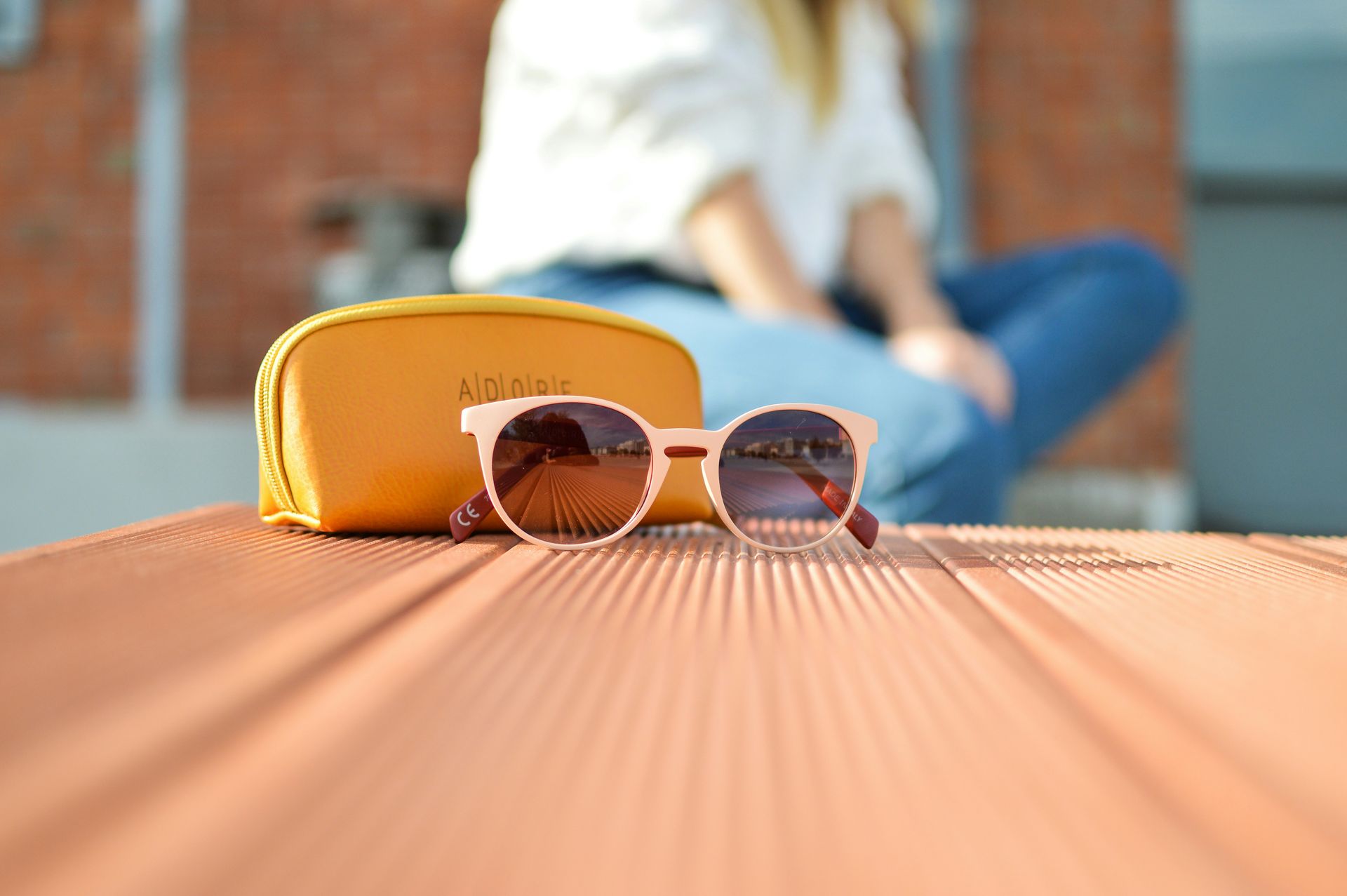
Whether wearing glasses for vision correction or packing a favorite pair of sunglasses, keeping them genuinely protected while stowed in a carry-on matters considerably given how easily lenses can scratch or frames can bend inside a crowded bag. A dedicated glasses case prevents this kind of damage far more reliably than simply tucking glasses into a random pocket.
Travelers $TRV bringing multiple pairs should consider a case such as the foldable Dagne Dover Remi Glasses Case, which can hold up to three pairs at once, giving travelers genuine flexibility to bring both prescription glasses and sunglasses without needing separate cases for each.
Alternatively, an option such as the MoKo Double Eyeglass and Contact Lens Case offers space for both glasses and contacts together, along with a built-in mirror, consolidating several vision-related essentials into a single compact case.
This kind of consolidation genuinely helps travelers who rely on corrective lenses throughout a trip, since losing or damaging glasses while traveling creates a genuinely significant inconvenience compared with most other misplaced carry-on items. Travelers should also consider packing a small lens-cleaning cloth alongside the case, since airplane cabin air tends to leave lenses genuinely smudged more quickly than usual. Travelers who wear both regular glasses and sunglasses during a trip should consider packing both cases together in the same section of a bag, making it easier to swap between them throughout the day. Travelers should also check that a chosen case includes a hard outer shell specifically, since soft cases alone don’t always protect against the pressure of other items packed tightly around them. A bright color also helps considerably when quickly locating the case inside a bag. Checking whether a case includes a built-in cleaning cloth also helps, since smudged lenses become a genuine daily annoyance during longer trips without easy access to cleaning supplies. Small habits like these genuinely add up over a full trip. Little details end up mattering considerably more than most travelers expect.

Credit: Muji
Resting throughout a journey helps travelers feel genuinely refreshed upon reaching their destination and makes the overall travel time pass considerably quicker. Nothing quite cramps a travel day like a stiff neck from sleeping awkwardly, though, making a proper travel pillow genuinely worth the extra carry-on space it occupies.
Choosing a comfortable neck pillow such as the top-rated Cabeau Evolution S3 or the more budget-friendly MLVOC Travel Pillow gives travelers genuine support during long flights without needing to spend heavily on premium options. Both styles offer meaningfully better neck support than simply resting a head against a hard airplane seat or window.
Travelers $TRV hoping to save even more space should consider a travel pillow that doubles as a packing cube, such as the Tube pillow, which offers genuine dual functionality, holding up to three days’ worth of clothing while still functioning as a comfortable pillow when needed.
This kind of multipurpose gear genuinely rewards travelers packing light, since every item serving two functions frees up meaningful space for other carry-on essentials. Travelers should also test a travel pillow’s specific shape before a long flight, since neck support preferences vary considerably from person to person. Attaching a travel pillow directly to the outside of a carry-on with a clip or strap also helps free up internal packing space, since inflatable versions specifically deflate down to a genuinely small size. Travelers should also consider a pillow with a removable, washable cover specifically, since regular travel use means the pillow will need cleaning considerably more often than most travelers initially expect. A compact, packable design also helps considerably given how little space it should ideally take. Checking a pillow’s specific fill material also helps, since memory foam and inflatable versions offer meaningfully different support depending on personal comfort preferences. Small habits like these genuinely add up over a full trip. Little details end up mattering considerably more than most travelers expect. A little extra care upfront genuinely pays off during a long journey.
Credit: Amazon
Packing cubes serve considerably more purposes than simply organizing clothing and shoes within a suitcase. These handy travel compartments genuinely maximize available space throughout a carry-on bag, letting travelers compress soft items into a considerably smaller footprint than loose packing would allow.
Eagle Creek’s Pack-It line features some of the top-rated compression packing cubes currently on the market, though many travelers also swear by the more affordable Veken Packing Cubes as a genuinely solid budget alternative. Both options give travelers real flexibility depending on specific budget priorities for this particular piece of gear.
Travelers $TRV hoping to maximize space even further should consider Bagsmart’s Compression Packing Cubes, since these compress clothing considerably more than standard packing cubes through an added zippered compression mechanism.
This kind of deliberate compression genuinely helps travelers pack more efficiently within a limited carry-on footprint, letting them bring more items without exceeding size or weight restrictions imposed by most airlines. Travelers should also measure their specific carry-on dimensions before buying packing cubes, since ill-fitting cubes can actually waste space instead of saving it. Color-coding packing cubes by category, such as tops, bottoms, and undergarments, also helps travelers find specific items quickly without needing to unpack an entire bag while searching. Travelers should also check the specific fabric weight of chosen packing cubes, since heavier materials add unnecessary bulk that partially cancels out the space savings the cubes are meant to provide. Consistent sizing across cubes also helps considerably when stacking them neatly inside a bag. Checking whether cubes include a mesh top panel also helps, since visibility into each cube saves considerable time compared with fully opaque options during a quick repack. Small habits like these genuinely add up over a full trip. Little details end up mattering considerably more than most travelers expect. A little extra care upfront genuinely pays off during a long journey of any real, meaningful length overall for most people.

Johnathan Francisca / Unsplash
Travelers $TRV planning to bring jewelry, watches, or other items that would prove genuinely difficult to replace should always pack these directly in a carry-on bag, since checked items carry real risk of getting misplaced or lost entirely during a flight. This simple habit protects irreplaceable items far more reliably than trusting checked baggage handling.
Jewelry specifically benefits from a compact case that stays genuinely easy to spot, such as the Lug Mini Swizzle, which works well for rings, cufflinks, or earrings, keeping small, valuable items organized and considerably less likely to get lost loose within a larger bag.
This kind of dedicated storage matters especially for travelers bringing sentimental or expensive items on a trip, since the emotional and financial cost of losing such items far outweighs the minor inconvenience of carrying them personally instead of checking them.
Travelers should also photograph valuable items before a trip specifically, since having documentation genuinely helps in the rare event an item does get lost or stolen despite these precautions. Travelers should also check their travel insurance policy’s coverage for valuables specifically, since standard policies sometimes cap reimbursement well below an item’s actual value. Travelers should also avoid drawing unnecessary attention to valuable items in public spaces, since discreet handling matters just as much as simply keeping items in a carry-on instead of checked luggage. Travelers should also consider a small combination lock specifically for the compartment holding valuables, since even a basic lock adds a meaningful deterrent against opportunistic theft in crowded spaces. A padded interior also helps considerably given how easily delicate jewelry can scratch. Checking a case’s specific closure mechanism also helps, since a simple snap closure can pop open more easily than a proper zipper during rough handling. Small habits like these genuinely add up over a full trip. Little details end up mattering considerably more than most travelers expect. A little extra care upfront genuinely pays off during a long journey.
Tai Bui / Unsplash
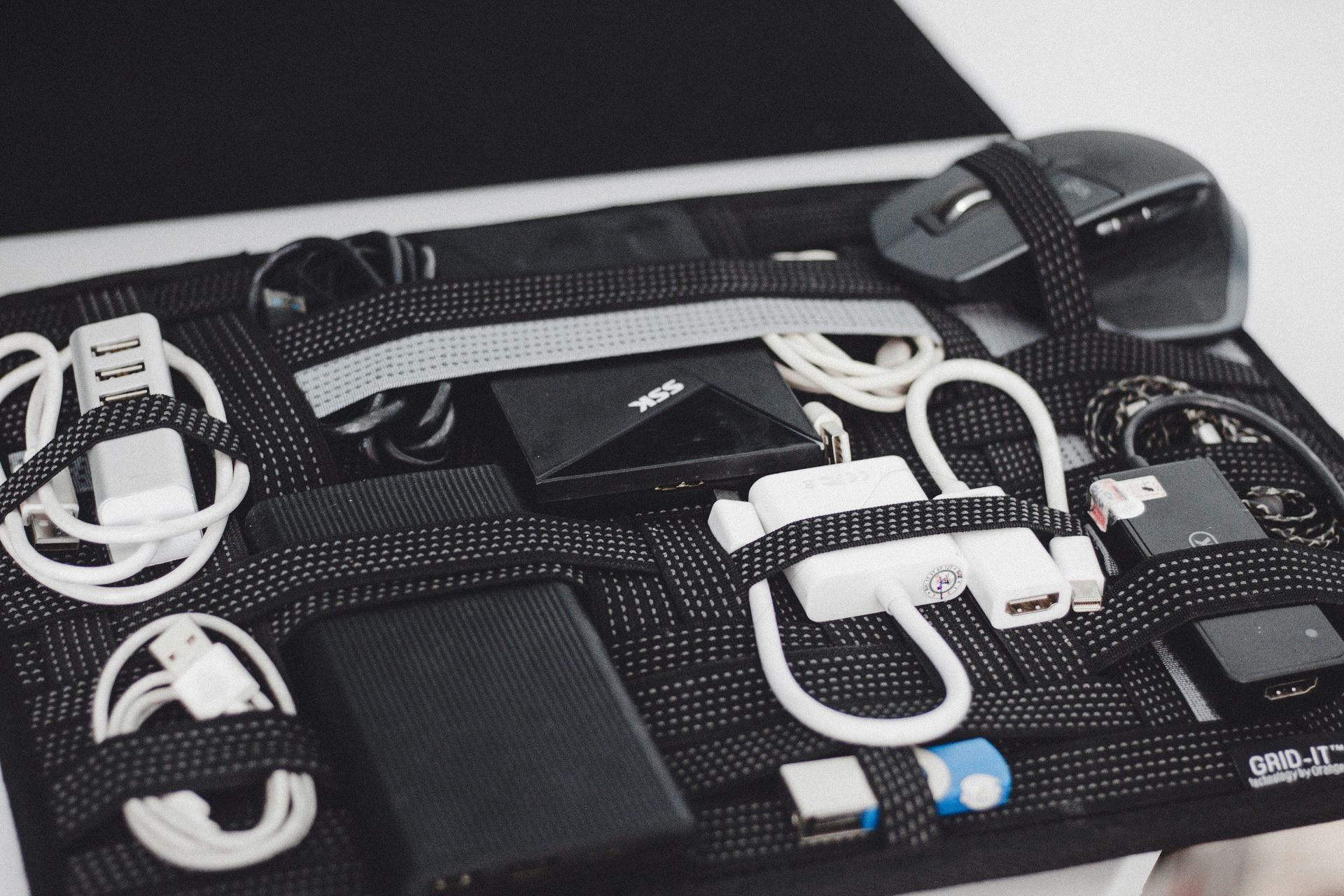
Charging cords easily get lost at the bottom of a bag, and headphones tend to tangle somewhere within a tote without a dedicated system for keeping them organized. A handy tech organizer, such as the CALPAK Tech Organizer or the BAGSMART Electronic Organizer, genuinely helps reduce these tangled messes throughout a trip.
These organizers typically feature zippered compartments and dedicated sections for specific cords, considerably reducing the need to search blindly for essentials within a tight airplane cabin, where space and time are both genuinely limited. This organization matters especially during boarding and disembarking, when digging through a disorganized bag holds up everyone else nearby.
This kind of dedicated tech storage also protects cords and small electronics from the general wear and tear of being tossed loosely among clothing and other items throughout a trip, extending the genuine lifespan of these often-expensive accessories.
Travelers $TRV carrying multiple devices should choose an organizer with enough dedicated compartments for each specific cord and accessory, since an organizer too small for the actual number of items just creates a new, smaller version of the same tangled mess. Travelers should also label cords individually within the organizer, since even a well-organized case can still create confusion when multiple similar-looking cables sit side by side. Bringing a small backup charging cable specifically in a separate pocket also helps, since a single misplaced cable can otherwise leave an entire device without any way to charge during a trip. Travelers should also check that a chosen organizer includes a dedicated slot for a laptop charger specifically, since this particular cord tends to run considerably bulkier than standard phone or earbud cables. A see-through panel also helps considerably when quickly identifying which cord sits where. Checking an organizer’s overall weight when empty also helps, since some heavily padded designs add unnecessary bulk before a single cord even gets packed inside. Small habits like these genuinely add up over a full trip.
