
From a Utah desert drive-in built among classic cars to a 37,000-acre Montana ranch with hot-air balloon rides and a dedicated kids' camp
Toa Heftiba / Unsplash
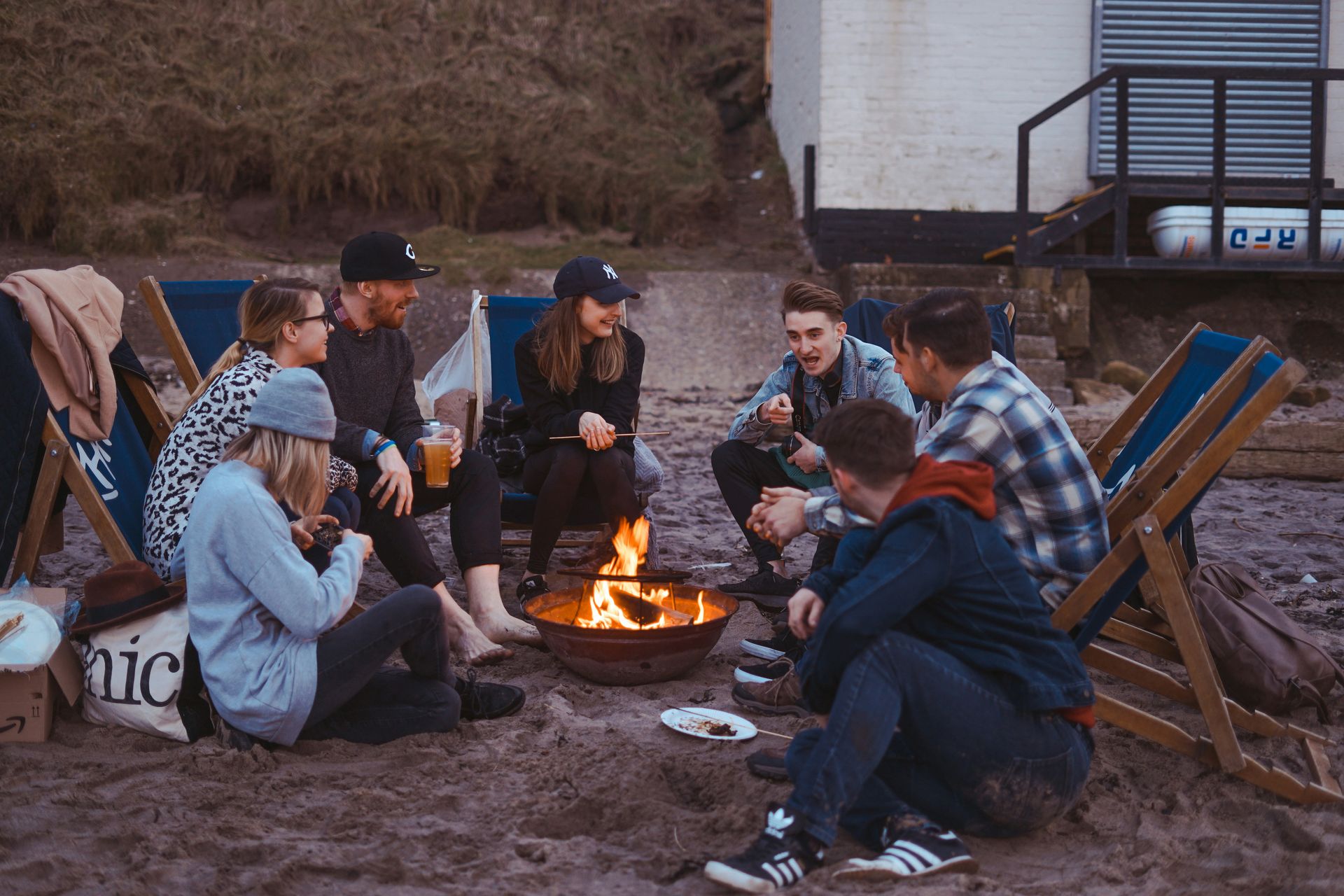
A certain kind of summer vacation used to mean the same lodge, the same lake, and the same dining hall bell every single year, and a handful of family camps across the United States are reviving that tradition for a new generation of travelers. These properties blend nostalgic touches, such as fire pits, communal dining, and old-fashioned games, with modern comforts that keep every generation of a traveling family comfortable at once. Parents get a break from constant planning, kids get built-in activities, and grandparents get a porch to relax on, all without anyone needing to negotiate what the group does next. The result feels less like booking a hotel and more like joining a tradition that already has its own rhythm, established well before any single family shows up for the first time.
The appeal of these camps goes beyond convenience alone. Returning to the same property summer after summer lets a family build genuine traditions, the kind that come from knowing exactly which trail to hike or which dock to jump off before anyone even unpacks. This familiarity turns a single vacation into an annual ritual, and many of these camps have cultivated loyal, multigenerational followings precisely because guests keep coming back instead of searching for something new each year. Choosing the right one comes down to matching a family’s preferred pace and scenery, since a rugged Montana ranch and a coastal Maine glampground deliver very different versions of the same throwback promise. Budget, driving distance, and the age range of the kids involved all factor into that decision just as much as scenery does, and no single camp on this list suits every family equally well.
The seven camps below appear in Lonely Planet and cover family-oriented resorts and campgrounds recommended across the American West, Northeast, South, and Rocky Mountains.
Credit: Ofland Escalante
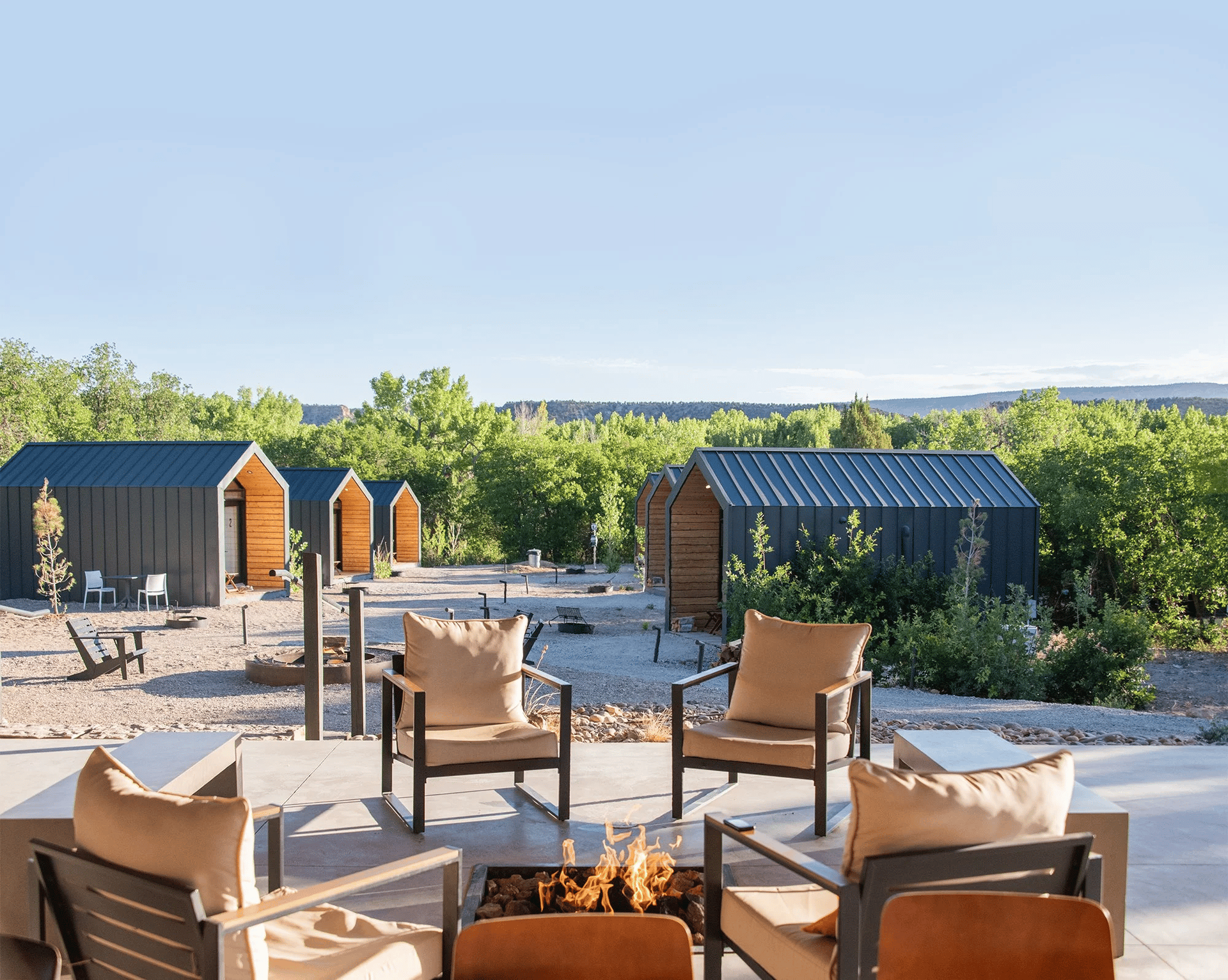
Ofland Escalante sits in the remote southern Utah desert, pairing retro Western style with a deliberately minimalist design that includes an on-site drive-in movie theater permanently populated with classic cars parked in front of the screen. Families can settle into that vintage setting for an evening screening, then retreat to private outdoor showers that add a touch of luxury rarely found this deep into the desert wilderness. The overall effect balances rugged surroundings against genuinely comfortable amenities, a combination that has made the property a standout among Western family camps.
Food plays a bigger role at Ofland than many visitors expect from a remote desert property. The on-site general store and food truck turn out dishes strong enough that repeat orders, including a well-regarded portobello burger, have become something of a running theme among returning guests. A chic community dining area gives families a shared gathering space beyond the fire pit and drive-in screen, rounding out an experience built as much around food and atmosphere as around the desert itself.
Grand Staircase-Escalante National Monument sits within easy reach of the property, offering some of the most famous hiking trails and slot canyons in the American Southwest. Local vendors in the town of Escalante arrange equipment rentals and guided tours, including horseback riding, fishing, and ATV excursions, giving families a range of ways to explore the surrounding wilderness beyond hiking alone.
Ofland operates only in spring and fall, closing entirely during the winter months when temperatures in the surrounding desert become far less hospitable. Those cooler shoulder seasons also happen to be the most comfortable time to visit, and the property draws enough demand from both families and solitude-seeking travelers that advance booking during peak periods makes a real difference. Reaching Ofland requires flying into Las Vegas or Salt Lake City and driving roughly five hours to Escalante, a long stretch of road that passes through some of the most striking scenery in the country and ends with the property’s lights appearing in the desert after dark.
Credit: The Graham & Co.
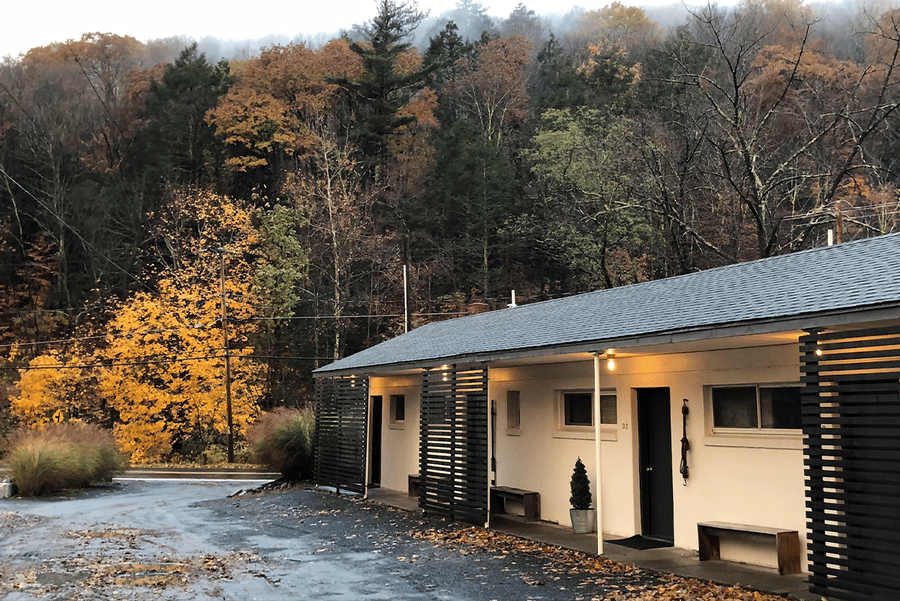
The Graham & Co. occupies a renovated motel in Phoenicia, in New York’s Catskill Mountains, blending summer-camp simplicity with boutique-hotel polish since it opened in 2013. The property has built a devoted following among both Brooklyn-based travelers and out-of-state families drawn to its design-forward but unpretentious style, a combination that has kept the Graham relevant well over a decade after its debut.
Summer days at the Graham revolve around hiking, biking, and swimming in the region’s rivers, activities that take full advantage of the Catskills’ warm-weather scenery. The property itself offers an outdoor pool, yoga sessions, a fire pit reserved for evening s’mores, and live music on select nights, giving families a mix of active and low-key options without leaving the grounds. Kayaking on the nearby Esopus Creek is a popular half-day excursion, and the nearby Phoenicia Diner serves elevated comfort food that has become a destination in its own right for guests staying at the Graham.
Winter transforms the property into a base for nearby skiing, extending its appeal well beyond the warm months that define most family camps on this list. Fall foliage season draws some of the heaviest demand of the year, given the Catskills’ reputation for autumn color, and travelers hoping to visit during that window should book earlier than they might for a typical summer stay.
Getting to the Graham involves several viable routes depending on a traveler’s priorities. Albany’s airport is 90 minutes away, offering the shortest drive, while flying into a New York City airport such as JFK or LaGuardia adds roughly a 2.5-hour drive but opens up a far wider selection of flights. Amtrak service to nearby Rhinecliff and bus service from Manhattan’s Port Authority both offer car-free alternatives, and while a car makes exploring the surrounding area easier, multiple visitors have completed the trip entirely by bus. This range of transportation options makes the Graham one of the more accessible camps on this list for families without a car, a rarity among properties set deep in mountain terrain.
Credit: Yellowstone National Park
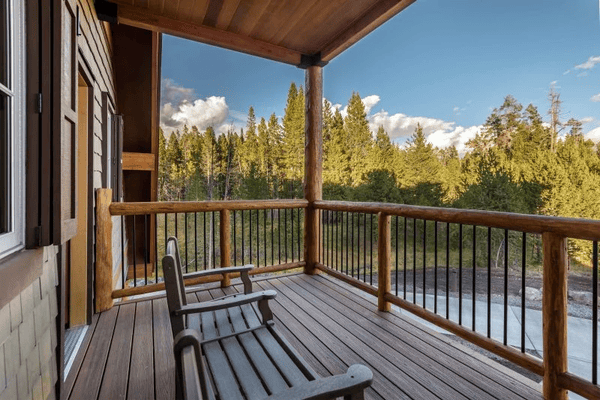
Canyon Lodge & Cabins places guests directly inside Yellowstone National Park’s protected wilderness, putting bison, osprey, and bears within view without requiring a lengthy drive to reach the park’s most iconic sights. The lodge itself keeps things rustic but comfortable, built around a no-frills, authentic feel and a convenient on-site cafeteria that simplifies meal planning for families juggling early starts and long days outdoors.
Old Faithful and Yellowstone’s other geothermal features sit within easy striking distance of Canyon Lodge, making it a practical home base for exploring the park’s signature attractions. Guided hikes, geyser tours, and dawn animal-spotting excursions in Hayden Valley, arranged through local operators such as Austin Adventures, give families structured ways to see wildlife and geology they might otherwise miss on their own. Kids traveling with the family can also work toward becoming a Junior Ranger through the park’s educational programming, an activity that regularly ranks among the most memorable parts of a Yellowstone trip for younger visitors. Pairing guided excursions with self-directed ranger programming gives families with children of different ages a way to structure each day around activities suited to every member of the group.
Summer brings the heaviest crowds to Yellowstone, and travelers who value a quieter experience should consider late spring or early fall instead, when visitor numbers drop, and rates become more affordable across the park’s lodges. This shoulder-season trade-off, cooler weather in exchange for thinner crowds, tends to suit families who prioritize wildlife viewing over guaranteed warm weather.
Reaching Canyon Lodge typically means flying into Bozeman, Montana, and driving roughly 2.75 hours through dramatic mountain scenery to reach the park. Billings-Logan International Airport offers a more affordable alternative for both flights and the drive itself, adding about an hour to the trip but opening the option of tacking on extra nights in Billings, a city many visitors find surprisingly worth the detour. Weighing that extra driving time against the savings on flights often comes down to how much a family values arriving quickly versus stretching the trip into a longer road journey through the surrounding Montana landscape.
Credit: Camp Fifmo
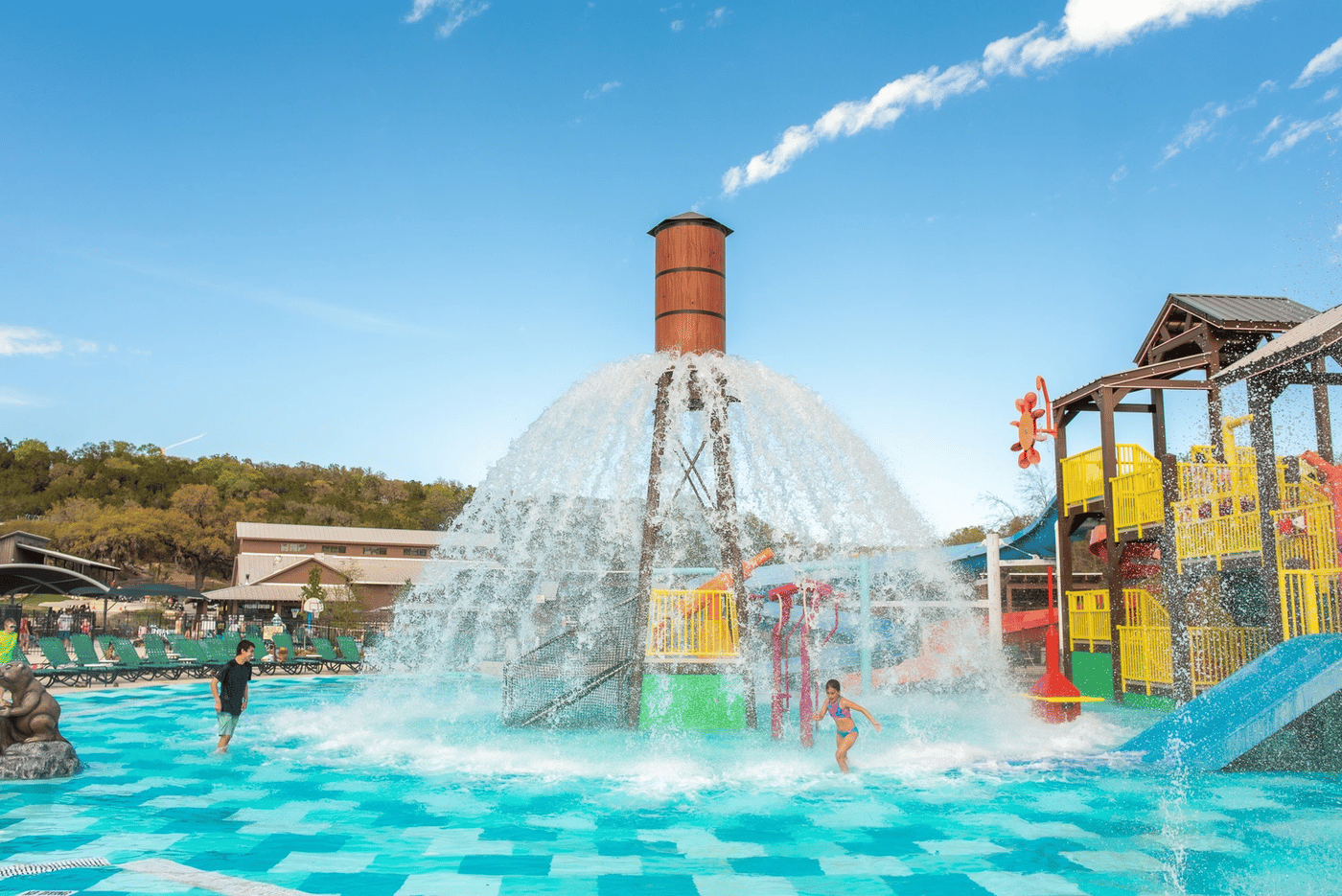
Camp Fimfo blends Southern hospitality with KOA-style camping in New Braunfels, Texas, adding a lively water park and a long list of elevated amenities that set it apart from a typical campground. Families can choose among a cabin, an RV site, or an affordable tent site, giving the property flexibility to accommodate groups with very different comfort expectations and budgets under one roof.
The sheer range of activities at Camp Fimfo makes it difficult for any one family to try everything during a single stay. Tubing down the Guadalupe River pairs naturally with the on-site water park, while zip-lining and gem hunting round out the more adventurous end of the activity list. A mini-golf course and basketball courts offer younger kids and teenagers options that don’t require water, and a bar, restaurant, and pioneer-themed coffee cart keep parents fed and caffeinated throughout the day. Few campgrounds pack this many distinct activities into a single property, which helps explain why families often return with a completely different itinerary from one visit to the next.
Texas summer heat drives peak demand at Camp Fimfo, since the season lines up directly with the water park’s busiest and most enjoyable window. Spring and fall bring noticeably milder temperatures and thinner crowds, a trade-off that appeals to families who prioritize comfort over having every attraction fully staffed and operational. Families traveling with very young children often find the shoulder seasons more manageable overall, since shorter lines and cooler afternoons make the property’s non-water attractions easier to enjoy at a relaxed pace.
Getting to Camp Fimfo is more straightforward than reaching many of the other camps on this list. Flying into San Antonio and renting a car leads to an easy 45-minute drive to New Braunfels, making the property one of the more accessible options for families without the time or interest in a longer road trip. This short drive time, paired with the property’s wide range of lodging types, makes Camp Fimfo a practical choice for families planning a shorter getaway instead of a full weeklong vacation.
Credit: Sandy Pines Camping
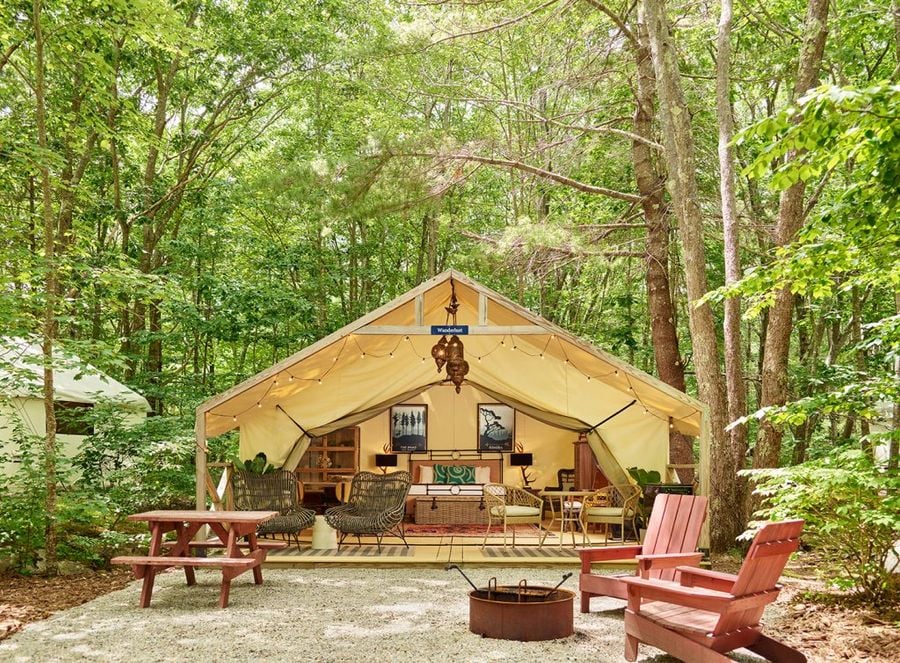
Sandy Pines Campground sits within a tranquil salt marsh in Kennebunkport, Maine, functioning as a glampground where classic New England summer charm meets air-conditioned comfort. A retro general store anchors the property, stocking everything from alcohol to lobster roll fixings, while a heated saltwater pool, notably clean bathhouses, and a modern lounge stocked with board games and a fireplace give families comfortable options regardless of the coastal weather. This mix of rustic setting and genuine comfort has helped Sandy Pines stand out among Maine’s coastal campgrounds, appealing to families who want the feel of camping without giving up reliable air conditioning on a humid summer night.
Activities at Sandy Pines cover a wide range of paces and interests. Biking, hiking, and arts and crafts fill the more active hours, while fishing and paddleboarding offer families water-based options beyond the pool. A private beach adds swimming, kayaking, and beach games to the mix, rounding out a property that feels both rustic and fully equipped.
The campground’s location puts guests within easy reach of Kennebunk and Kennebunkport, twin seaside towns known for boutiques, well-regarded seafood restaurants, and sandy beaches such as Goose Rocks. Lobster boat tours and whale-watching excursions give families a way to get out on the water beyond what the campground itself offers, adding a distinctly Maine flavor to a stay that already leans heavily into coastal tradition.
Summer remains the busiest and most popular season to visit Sandy Pines, though spring and fall offer their own appeal, combining lower rates with quieter grounds. Reaching the property means flying into Portland, Maine, roughly 30 minutes away, and while a rideshare can cover the final stretch, renting a car makes exploring the surrounding towns and beaches considerably easier during the stay. Families who split their time between the campground and the nearby coastal towns tend to get the fullest sense of what makes this stretch of Maine worth visiting beyond the property’s own amenities.
Credit: Paws Up Montana
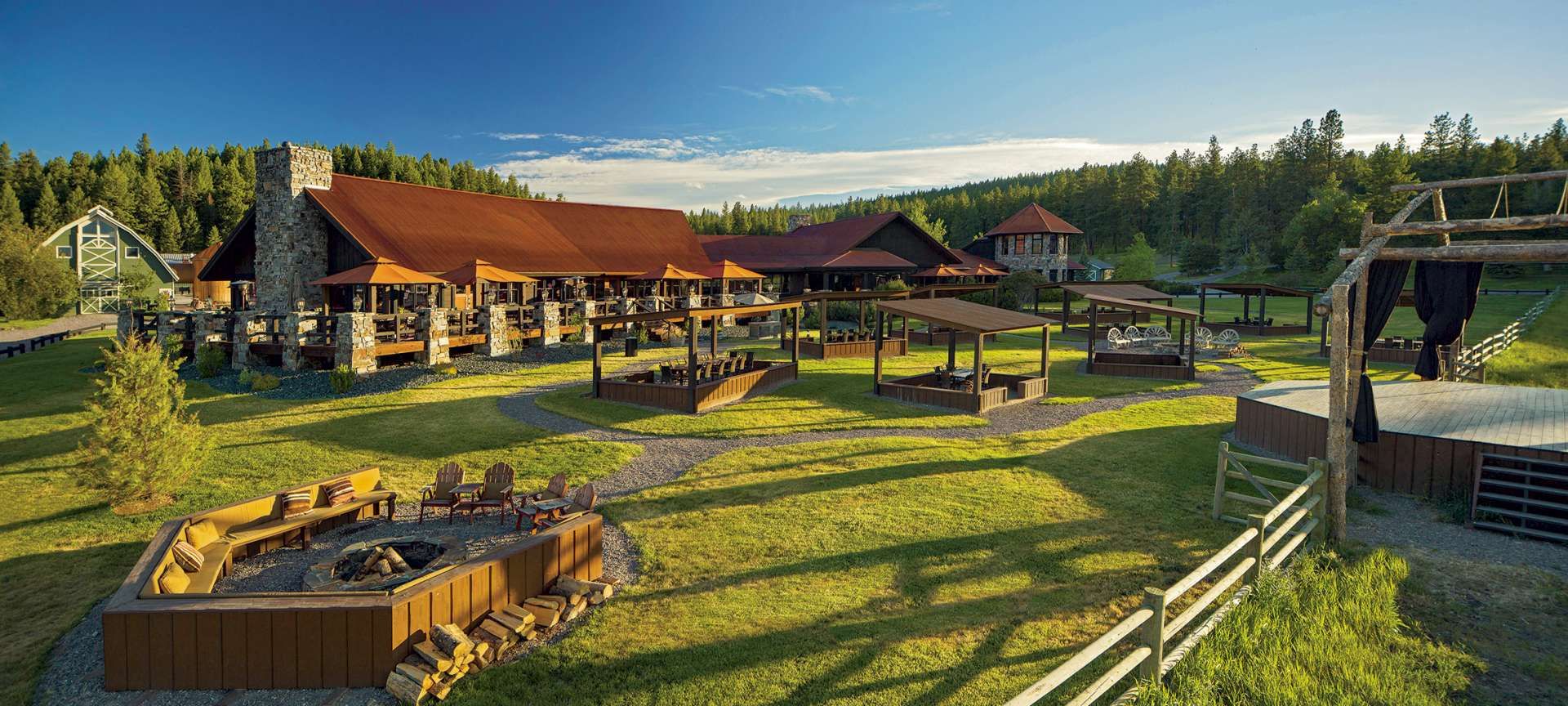
Paws Up spans 37,000 acres of Montana wilderness, applying a glamorous sensibility to classic cowboy culture that appeals equally to high-energy outdoor enthusiasts and guests who would rather sit by a fire pit all afternoon. This range makes the ranch particularly well-suited to multigenerational groups, since grandparents and grandchildren alike can find an activity level that matches their preferences without anyone feeling shortchanged. Few properties on this list manage that same balance between genuine adventure and genuine relaxation within a single stay.
The property’s activity list reads as a checklist of classic Western adventures reimagined with upscale touches. Horseback rides cross expansive meadows, hot-air balloon rides offer sweeping views of the ranch’s scale, and white-water rafting gives more adventurous guests an adrenaline option, while the Tree Haus provides a quieter retreat for anyone who prefers to unwind above the treeline instead. A dedicated kids’ camp lets younger guests explore nature, complete arts-and-crafts projects, and pick up outdoor skills in a supervised setting built specifically for them.
Evenings at Paws Up lean into the ranch’s Western identity, with family barbecues held under open skies and Western-style cookouts offering a more formal alternative on select nights. This structure gives every day at the ranch a clear rhythm, active adventure during daylight hours, and communal, cowboy-themed dining once the sun goes down.
Summer delivers the widest range of activities and the most reliable weather at Paws Up, though the ranch stays open through winter with options such as snowshoeing and dogsledding for families willing to trade warm-weather adventure for a snowier version of the same setting. Getting to the property means flying into Missoula, which is roughly 35 minutes from the ranch in Greenough. While a car remains necessary to reach the property independently, Paws Up can also arrange airport transfers for guests who would rather skip the rental car altogether. This flexibility in transportation mirrors the ranch’s broader approach to hospitality, offering guests the option to plan every detail themselves or hand over the logistics entirely.
Credit: Sundance Mountain Resort
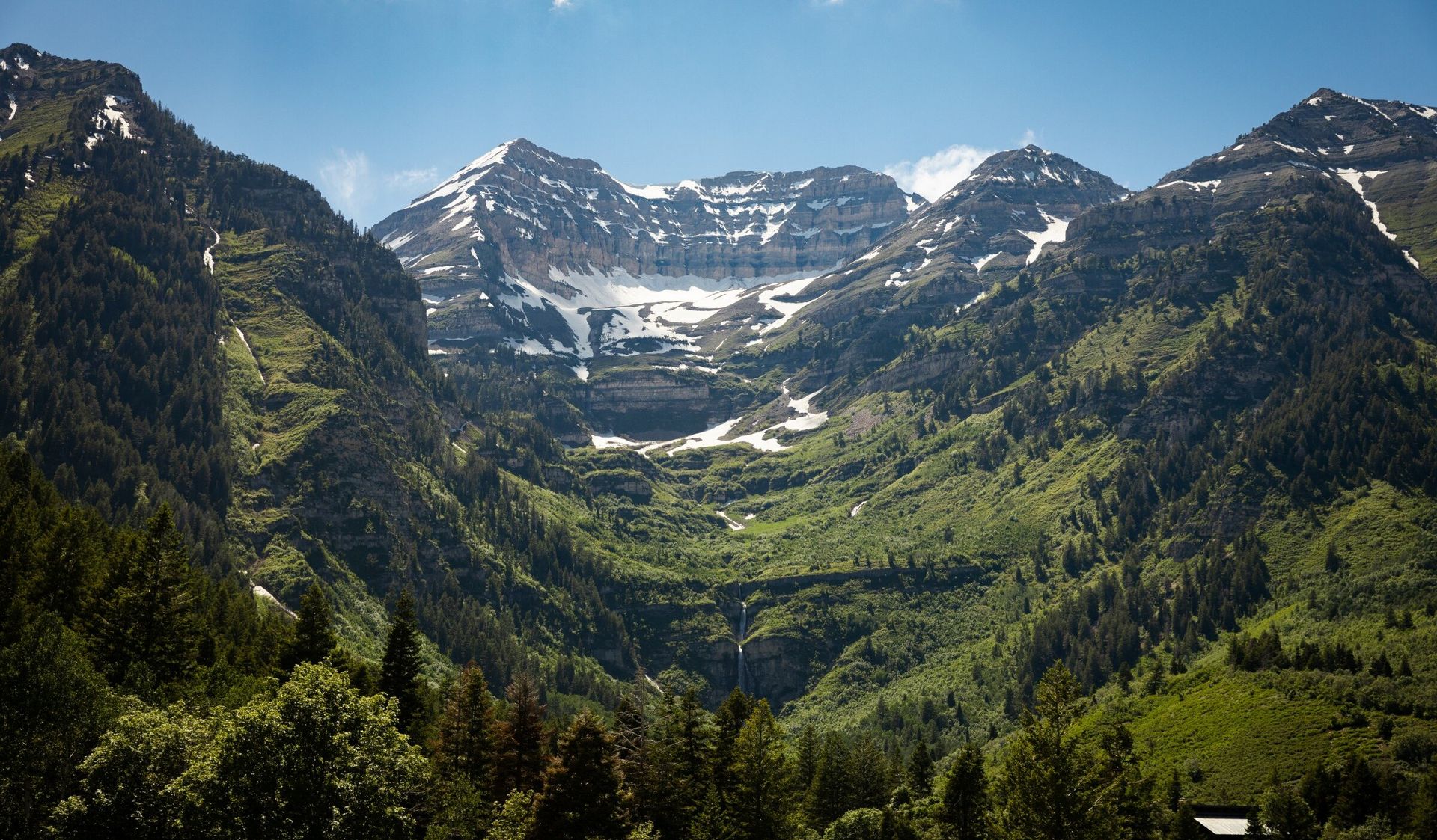
Sundance Mountain Resort sits at the base of Utah’s Wasatch Mountains, carrying the name recognition of Robert Redford’s film festival and institute into a family-friendly retreat built around sustainability and the arts. Wood beams, working fireplaces, and mountain views define the property’s aesthetic, and the overall atmosphere leans outdoorsy and slightly bohemian rather than polished or formal, an approach that directly reflects the resort’s stated commitment to environmental stewardship.
Winter at Sundance revolves around skiing, snowboarding, and snowshoeing across the surrounding Wasatch terrain, drawing on the same mountain access that first built the resort’s reputation. Warmer months shift the focus entirely toward hiking, mountain biking, fly-fishing, zip-lining, and wildlife watching, giving the property a genuinely different identity depending on the season a family chooses to visit. An on-site art studio and gallery round out the year-round experience, hosting hands-on workshops ranging from pottery to painting for guests seeking a creative outlet alongside the outdoor activities. Few ski resorts maintain this level of year-round programming, which helps explain why Sundance draws return visitors well outside the traditional ski season.
Sundance’s appeal holds up throughout the calendar rather than concentrating in a single peak season, and the resort itself encourages visits at any time of year, provided guests book early regardless of timing. December through March suits skiing-focused trips, while June through August offers the clearest window for a warm-weather family gathering built around hiking and the resort’s art programming.
Reaching Sundance means flying into Salt Lake City and driving roughly an hour to the resort itself. Renting a car is worth the extra step for the flexibility it provides, since the drive through the surrounding mountains counts as part of the experience, and having a vehicle on hand makes it easier to explore nearby trails and towns beyond the resort’s immediate grounds. Families who treat that drive as the start of the vacation instead of a chore tend to arrive already in the unhurried mindset the resort is built around.