
Crying may reduce stress, improve connection, affect hormones, and help the body recover after intense emotional moments

Claudia Wolff / Unsplash
Crying has an image problem. Public tears are usually treated as evidence that someone is overwhelmed, emotionally unstable, or losing control in a meeting that should have been an email. Wellness culture loves resilience, and crying looks messy by comparison.
Science is a little more forgiving.
According to The Healthy, crying appears to affect the body and brain in surprising ways. It may help regulate stress, strengthen emotional bonds, and shift the nervous system out of a fight-or-flight state. It can also leave people with headaches, swollen eyes, and the temporary feeling that they absolutely should not have opened up in front of coworkers.
That contradiction is part of what makes crying so interesting. Humans are the only species known to cry emotional tears, yet researchers still do not fully understand why the behavior evolved or why it can feel both relieving and exhausting at the same time.
The Healthy points to experts who describe crying as a biological reset of sorts. Emotional tears often arrive after moments of intense physiological arousal, when the body begins moving from stress mode back toward a calmer state. That may explain why people cry during grief, frustration, relief, joy, or even while watching an aggressively sentimental commercial about a rescue dog.
Crying also functions as social communication. Babies use it to get attention long before they can speak. Adults never entirely stop doing that, although the method becomes slightly more complicated with age and social expectations.
Here are five ways crying can affect your body and mind.

Photo by Caleb Woods on Unsplash
A good cry can feel physically draining, but researchers think that may be part of the point.
The Healthy notes crying as something that often happens after the peak of emotional stress, when the nervous system begins shifting out of fight-or-flight mode. During that process, sympathetic nervous system activity decreases while the calmer parasympathetic system starts taking over. In practical terms, the body appears to move from high alert toward recovery.
That may explain why people sometimes feel strangely tired after crying, even if the emotional situation itself has not changed. The body has already spent energy ramping itself up through stress hormones, elevated heart rate, and physical tension. Crying may function as part of the comedown.
The timing matters, though. The Healthy notes that people do not always feel instantly better afterward. Some studies found mood initially worsened immediately after crying before improving later. Relief may arrive eventually, just not always on schedule.
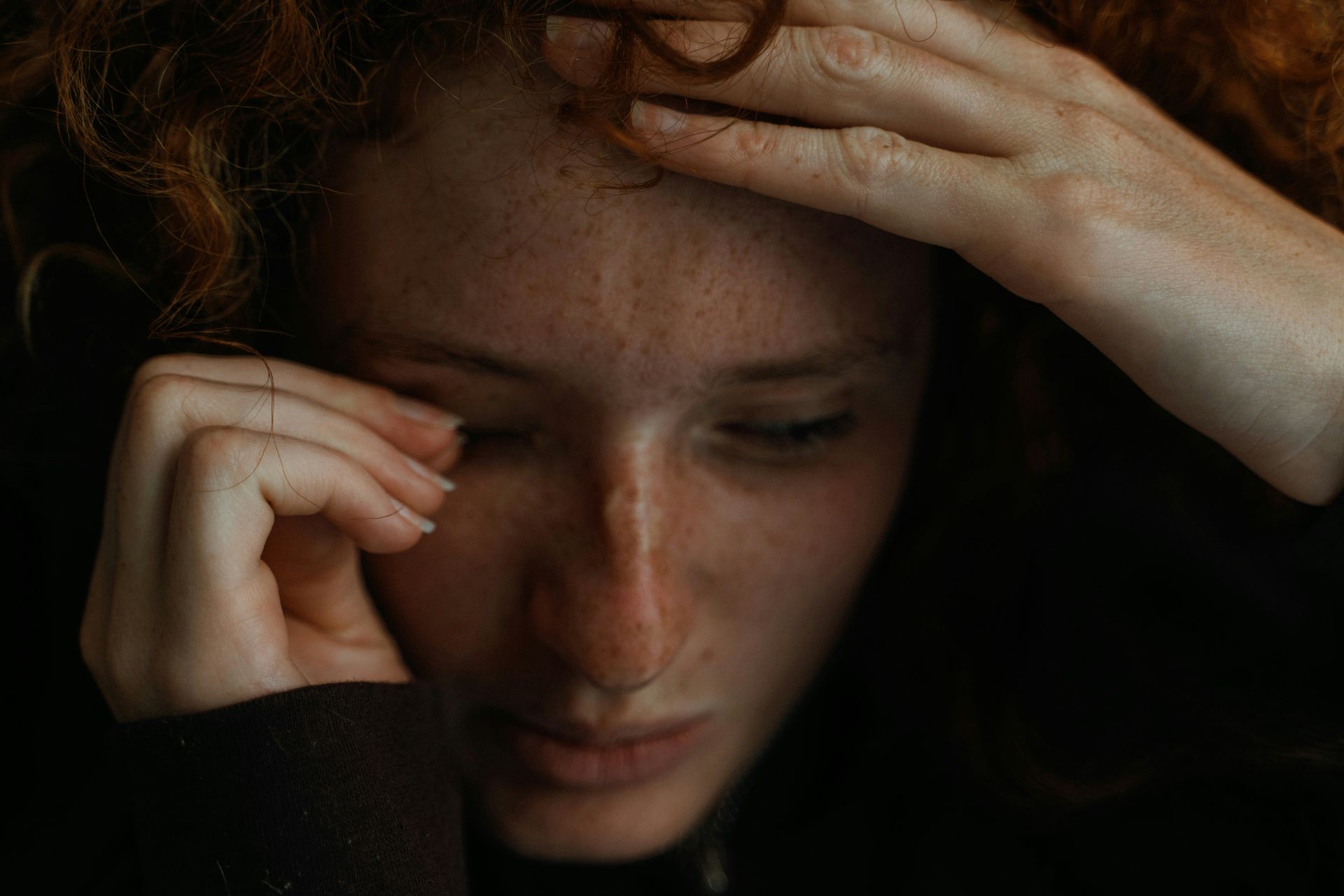
Photo by Tom Caillarec on Unsplash
Popular culture treats crying as either deeply therapeutic or deeply embarrassing, depending on the movie genre. Reality seems more mixed.
The Healthy references research showing that around two-thirds of people report feeling better after crying. That sounds convincing until researchers point out that memory and emotion are unreliable narrators. In controlled lab settings, the mood-boosting effects of crying appear less dramatic than people often remember.
Social context seems to matter more than the tears themselves. According to the article, people feel better after crying when others respond with comfort and understanding. Supportive reactions create emotional relief. Judgment tends to do the opposite.
That dynamic helps explain why crying with close friends can feel cathartic while crying during a staff meeting can trigger the immediate desire to disappear into another dimension.
Crying may not magically solve emotional problems, but it does appear connected to emotional processing in ways researchers are still trying to fully understand.

Photo by Zachary Kadolph on Unsplash
Humans spend enormous amounts of time trying to hide vulnerability. Crying tends to override that strategy almost immediately.
The Healthy explains that tears evolved partly as communication. Babies cry because they are helpless and need attention from caregivers. Adults continue using tears in more emotionally complex situations, often as a signal that they need comfort, support, or understanding.
According to the article, crying can be the opposite of aggression. Rather than triggering fight-or-flight behavior, tears can reduce hostility and encourage empathy from other people. In some situations, crying may even help diffuse conflict by shifting the emotional tone of an interaction.
That does not mean every emotional breakdown is socially beneficial. Timing and environment still matter. Crying around supportive people tends to strengthen connection. Crying around judgmental strangers usually feels much worse.
The Healthy also notes that people are selective about where they cry. Most adults avoid crying in front of strangers and reserve emotional vulnerability for people they trust. That instinct may help explain why crying often strengthens personal bonds. Tears signal emotional openness in a way words sometimes cannot manage.

Photo by Beniamin Şinca on Unsplash
Emotional crying may start in the brain, but the body gets heavily involved.
The Healthy notes that crying can trigger elevated heart rate, sweating, headaches, shaking, blotchy skin, and a runny nose. Researchers describe the process as highly physically arousing, especially in the short term. In other words, sobbing is not just an emotional expression. It is a full-body event.
Part of that reaction comes from stress physiology. Crying often follows intense emotional states, so the body is already operating under elevated arousal. According to the article, crying may eventually help shift the nervous system toward rest, but the immediate experience still places physical demands on the body.
That explains why people sometimes feel exhausted afterward. The body has essentially run through a stress response and recovery cycle in a condensed period of time.
The Healthy also points out that tears serve important biological functions beyond emotion. Tears keep the eyes lubricated and help protect them from debris and irritation. Emotional tears appear to have evolved from that basic protective mechanism into something more socially and psychologically complex.
Crying may feel emotionally abstract in the moment. Physiologically, it is surprisingly concrete.

Photo by Valeriia Miller on Unsplash
The body does not seem particularly interested in separating joy from grief when emotions become intense enough.
The Healthy notes that crying can happen during moments of awe, happiness, relief, and wonder in addition to sadness or frustration. Weddings, reunions, newborn babies, and even sunsets occasionally trigger tears because the nervous system responds to emotional intensity itself, not just negative feelings.
According to the article, crying often occurs just after peak emotional arousal, once the body begins releasing tension. That pattern appears consistent across both positive and negative experiences.
The overlap helps explain why people sometimes cry during moments they are genuinely enjoying. The body is still processing heightened emotion, even if the emotion itself is positive. Tears become part of the release valve.
The Healthy also notes that hormones and brain chemicals may play a role. Crying appears connected to endorphin release, which could help explain why emotional tears sometimes leave people feeling calmer afterward, regardless of what triggered them.
It is an oddly elegant system. The same biological response that shows up during grief can also appear during joy, relief, love, or overwhelming beauty. Human emotions, unfortunately for anyone trying to appear composed in public, are not especially interested in staying neatly categorized.