
Gardening supports heart health, reduces stress, sharpens the brain, and turns exercise into a habit people actually enjoy
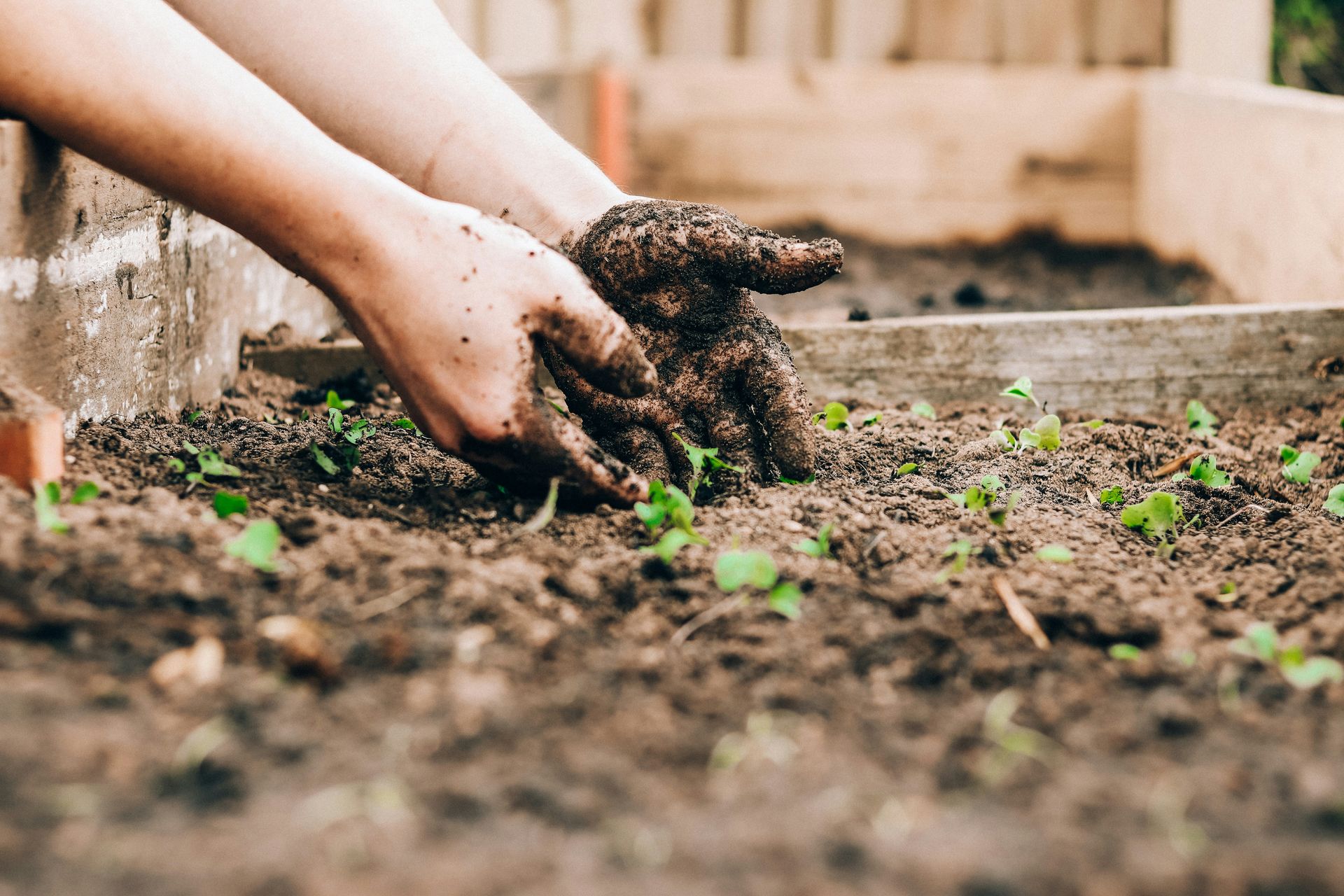
Sandie Clarke / Unsplash
Wellness culture has a tendency to overcomplicate basic human behavior. A simple walk becomes “zone two cardio,” and sleeping requires an app subscription. Hydration now comes with branding.
Gardening, meanwhile, still mostly involves dirt, sunlight, and the occasional argument with a tomato plant that refuses to cooperate.
According to The Healthy, gardening delivers a surprisingly broad range of physical and mental health benefits. It gets people moving without making exercise feel punishing. It encourages healthier eating habits almost by accident, and it also creates the kind of low-level daily routine that many wellness trends promise but rarely sustain.
The activity occupies a strange corner of health culture because it does not look especially ambitious. Nobody talks about “optimizing” their basil. There are no productivity metrics attached to watering cucumbers. Yet gardening combines fresh air, movement, stress relief, and cognitive engagement in a way that feels more practical than performative.
According to the article, gardening is connected with lower body mass index, reduced stress, stronger memory function, and improved heart health. The benefits of which come from physical work, and spending more time outdoors and away from screens.
A garden will not replace a healthcare system or solve burnout culture. It may still be one of the more convincing wellness habits available because it asks for consistency instead of intensity. That is a harder sell on social media, but probably a more sustainable one in real life.
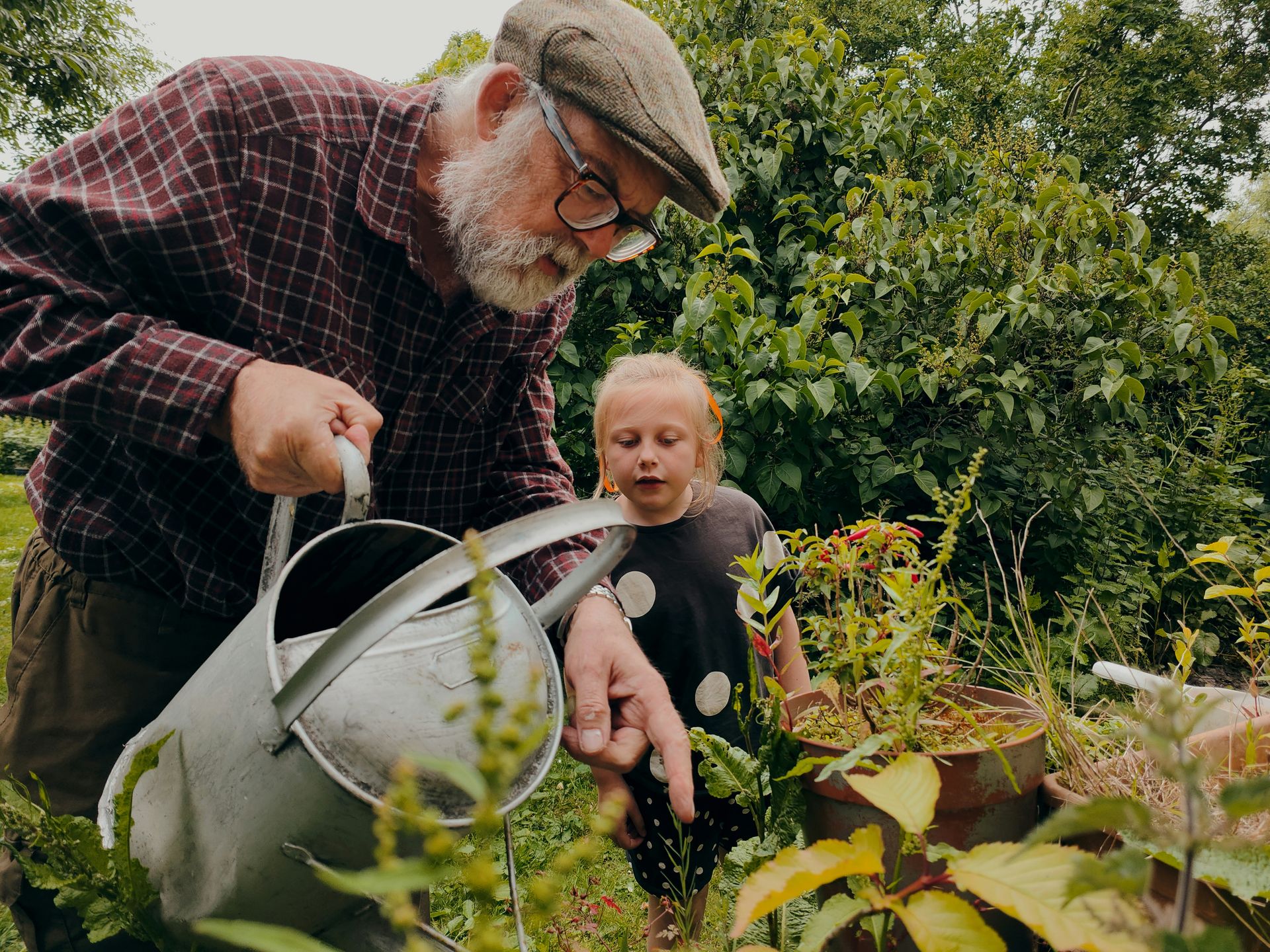
Photo by OPPO Find X5 Pro on Unsplash
Traditional exercise often struggles against one basic problem: many people do not enjoy it enough to keep doing it consistently. Gardening sidesteps that issue by attaching movement to a visible outcome. Pulling weeds or hauling mulch may still be work, but the effort produces something tangible by the end of the afternoon.
The Healthy notes that gardening involves a surprisingly wide range of physical activity, including digging, planting, mowing, lifting, and pushing equipment. According to the article, those tasks contribute to a legitimate full-body workout. The difference is that gardening rarely feels as repetitive as a treadmill session or as transactional as counting gym reps.
The activity also encourages longer stretches of movement because attention shifts toward the task instead of the discomfort. Someone trying to finish a garden bed may spend an hour squatting, lifting, and walking around without constantly checking the clock.
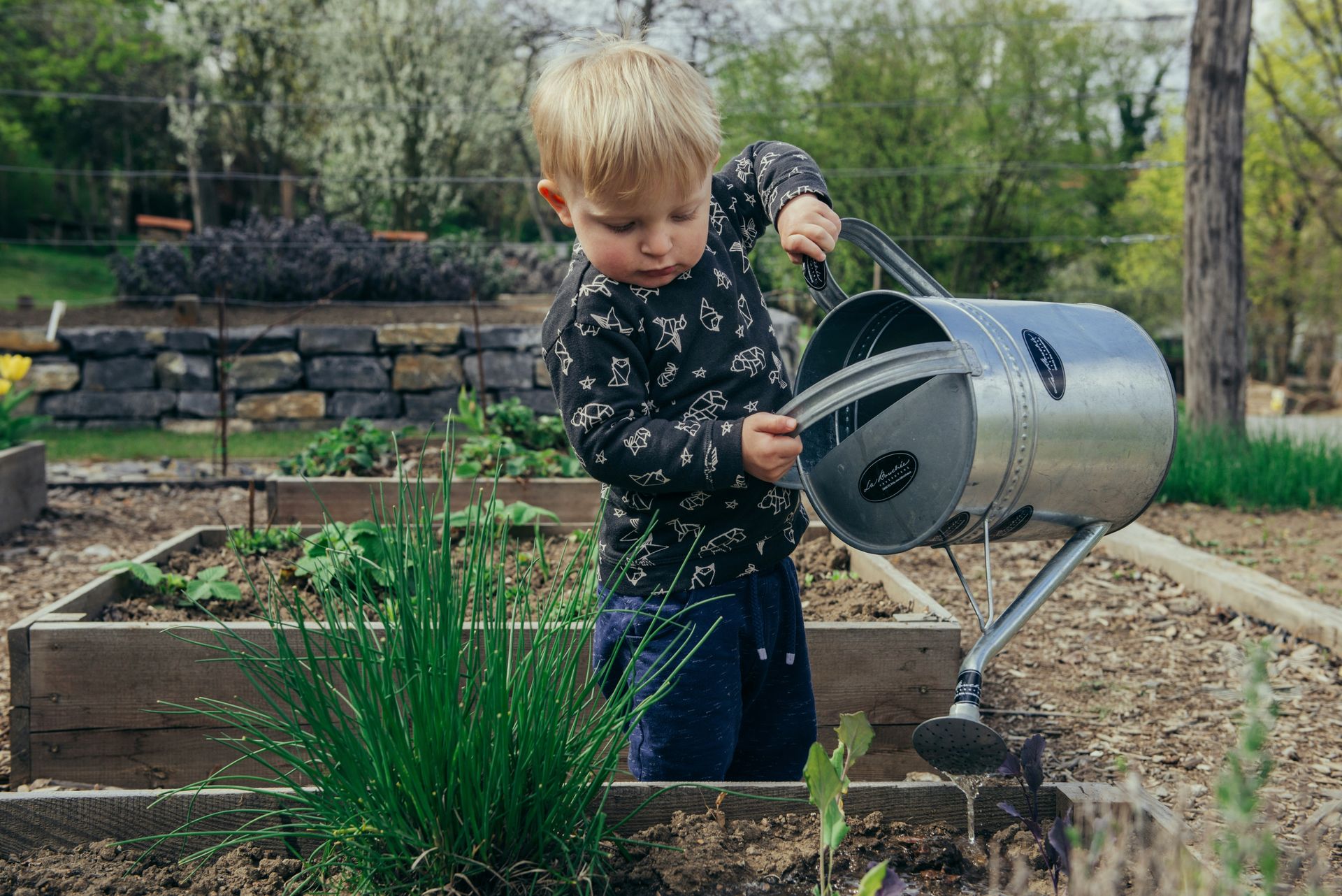
Photo by Filip Urban on Unsplash
Nutrition advice often sounds like a punishment disguised as self-improvement. Gardening changes the equation slightly because it builds emotional investment before it introduces discipline.
A homegrown tomato carries a level of personal attachment that grocery store produce usually cannot compete with. Gardening reconnects meals to the process behind them, which is increasingly rare in modern food culture. Herbs and vegetables stop feeling like abstract health obligations and start feeling like the result of effort.
The effect appears to extend beyond children. The Healthy notes that adults who grow food themselves may become more willing to try vegetables they previously ignored. Familiarity lowers resistance. Convenience helps too. People are more likely to eat greens when those greens are sitting a few feet outside the kitchen door.
Gardening will probably not turn every picky eater into someone enthusiastically roasting kale. It may still nudge eating habits in a healthier direction without relying on guilt or restriction, which is more than many diet trends manage to accomplish.
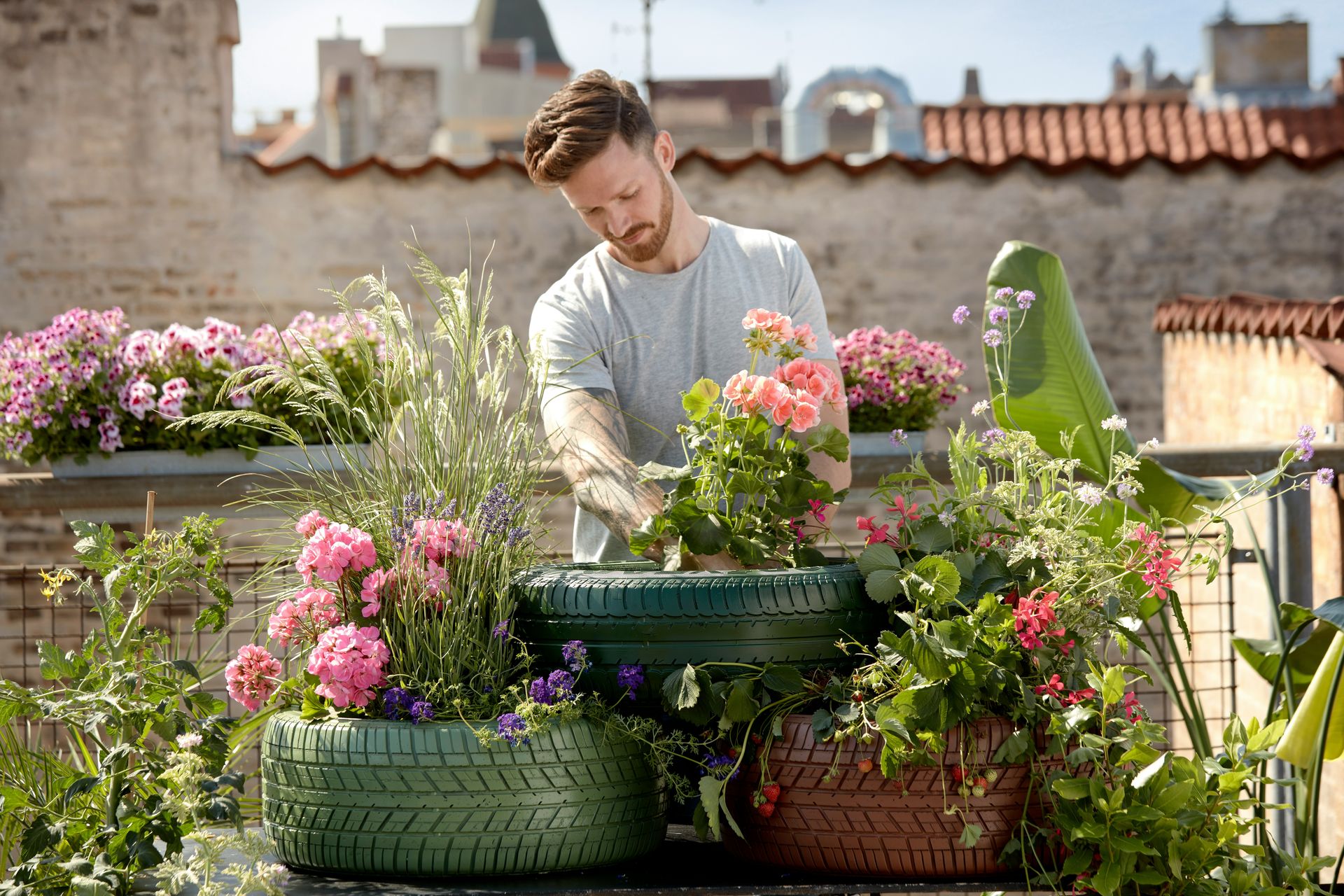
Photo by Pelargoniums for Europe on Unsplash
The stress-management industry increasingly treats relaxation as another form of labor. Meditation apps send notifications reminding users to calm down, and wellness retreats market silence as a luxury product. Gardening feels considerably less theatrical.
Part of the benefit may come from the structure of gardening itself. The work requires enough focus to interrupt anxious thought patterns without demanding total mental exhaustion. Watering, pruning, and planting occupy the brain in a steady, repetitive way that many people find calming.
Gardening also creates visible progress. That matters more than it sounds. Much of modern work happens digitally and leaves little physical evidence behind. A garden responds to effort in concrete ways, like empty beds filling up with vegetables, and tiny seedlings becoming something edible. Even pulling weeds can feel oddly satisfying because the result is immediately visible.
The Healthy also notes that gardening reconnects people with the natural world, which may help explain why the activity feels restorative without aggressively branding itself as therapy. It turns out spending time outside while doing something mildly useful can still improve a person’s mood.
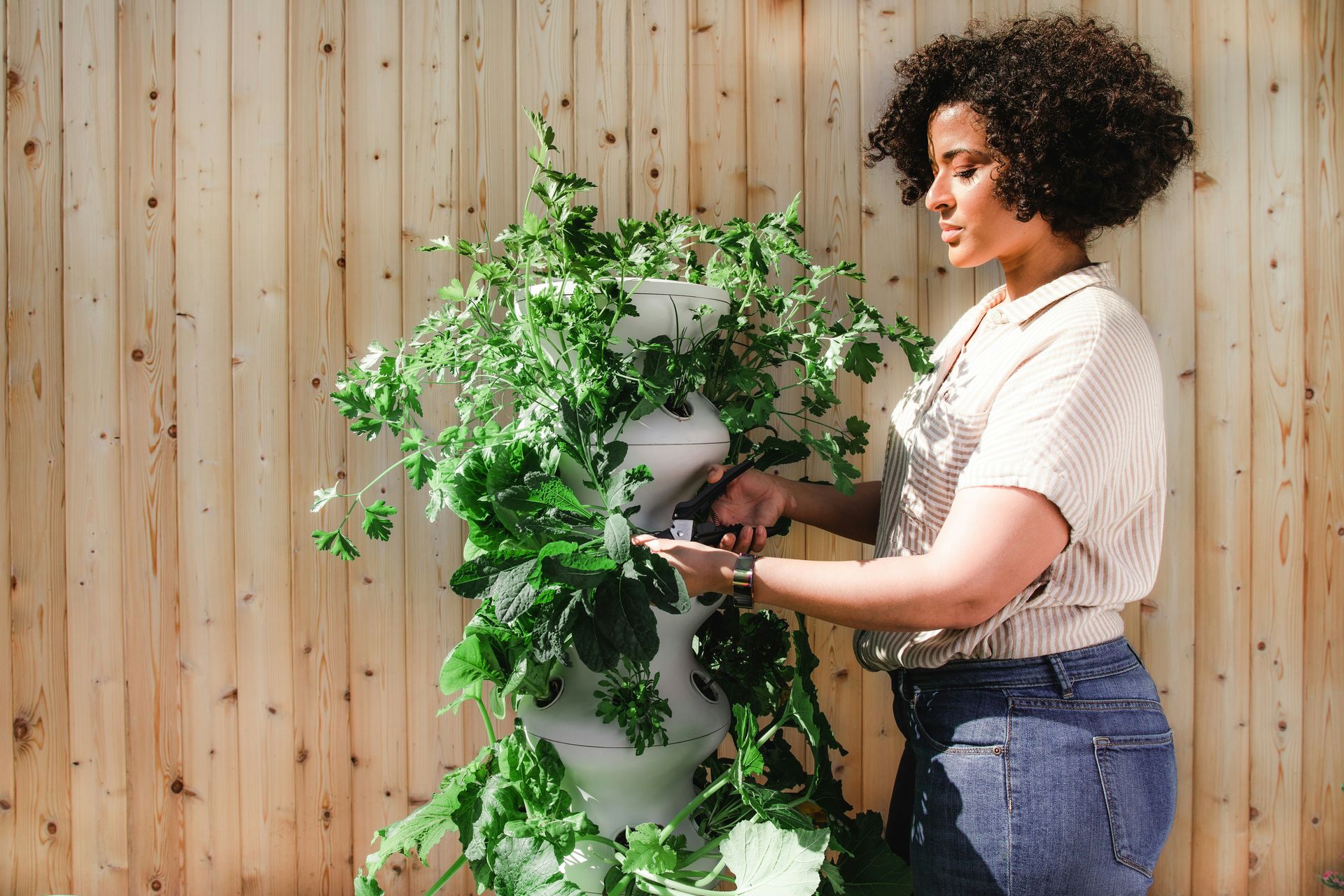
Photo by Ona Creative on Unsplash
Cardio culture often treats exhaustion as proof of effectiveness. Gardening makes a different argument.
According to the article, gardening might lower the risk of heart attack and stroke. That finding stands out because gardening rarely resembles traditional endurance training. Nobody finishes planting herbs and immediately posts their split times online.
The cardiovascular benefits likely come from consistency more than intensity. Gardening keeps people moving through digging, lifting, carrying, bending, and walking, often for longer periods than they realize. The physical effort is steady but manageable, which may make it easier to sustain over time.
Stress reduction probably plays a role too. Chronic stress contributes to heart problems through elevated blood pressure and poor sleep patterns. Gardening appears to address both physical activity and mental strain at the same time, which gives it an advantage over wellness habits focused on only one area of health.
The activity is also unusually accessible. People do not need elite fitness levels or expensive memberships to start gardening. A few containers on a patio still create movement and routine.
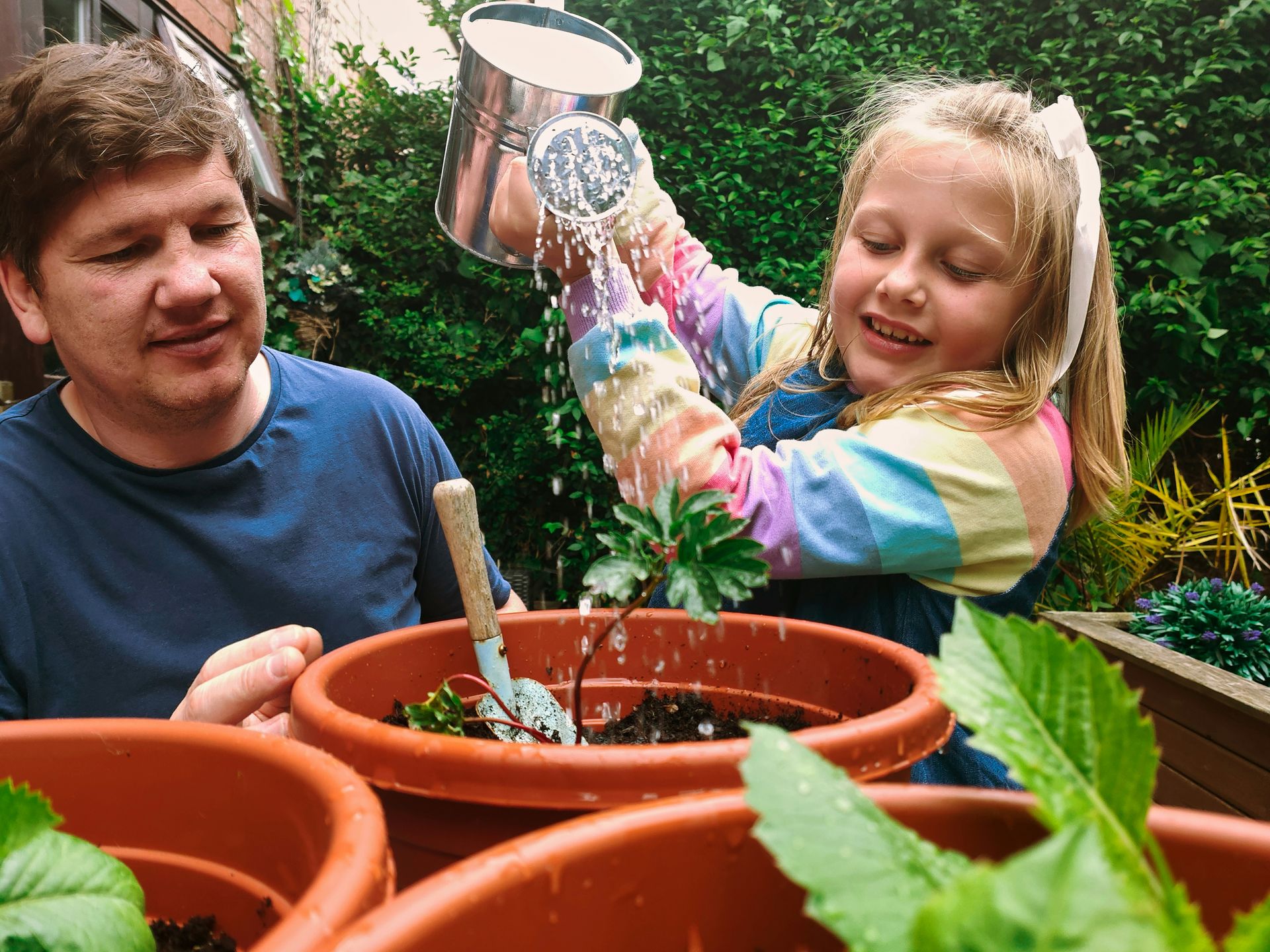
Photo by OPPO Find X5 Pro on Unsplash
Many hobbies become passive over time. Gardening tends to do the opposite because living things refuse to behave predictably.
The Healthy notes that gardening works as mental exercise as much as physical exercise.
A successful garden requires constant adaptation. Weather changes unexpectedly, plants respond differently to soil conditions, and pests appear without warning. Gardeners spend much of their time observing, adjusting, and solving problems, often without realizing how cognitively active the process actually is.
The Healthy also highlights the idea that gardening encourages lifelong learning. There is always another technique, plant variety, or seasonal challenge to figure out. That ongoing curiosity may help explain why experienced gardeners rarely seem completely finished learning the hobby.
There is also something mentally healthy about investing attention in slow progress. Gardening rewards patience instead of immediacy, which increasingly feels like a countercultural skill.