Jason Briscoe / Unsplash
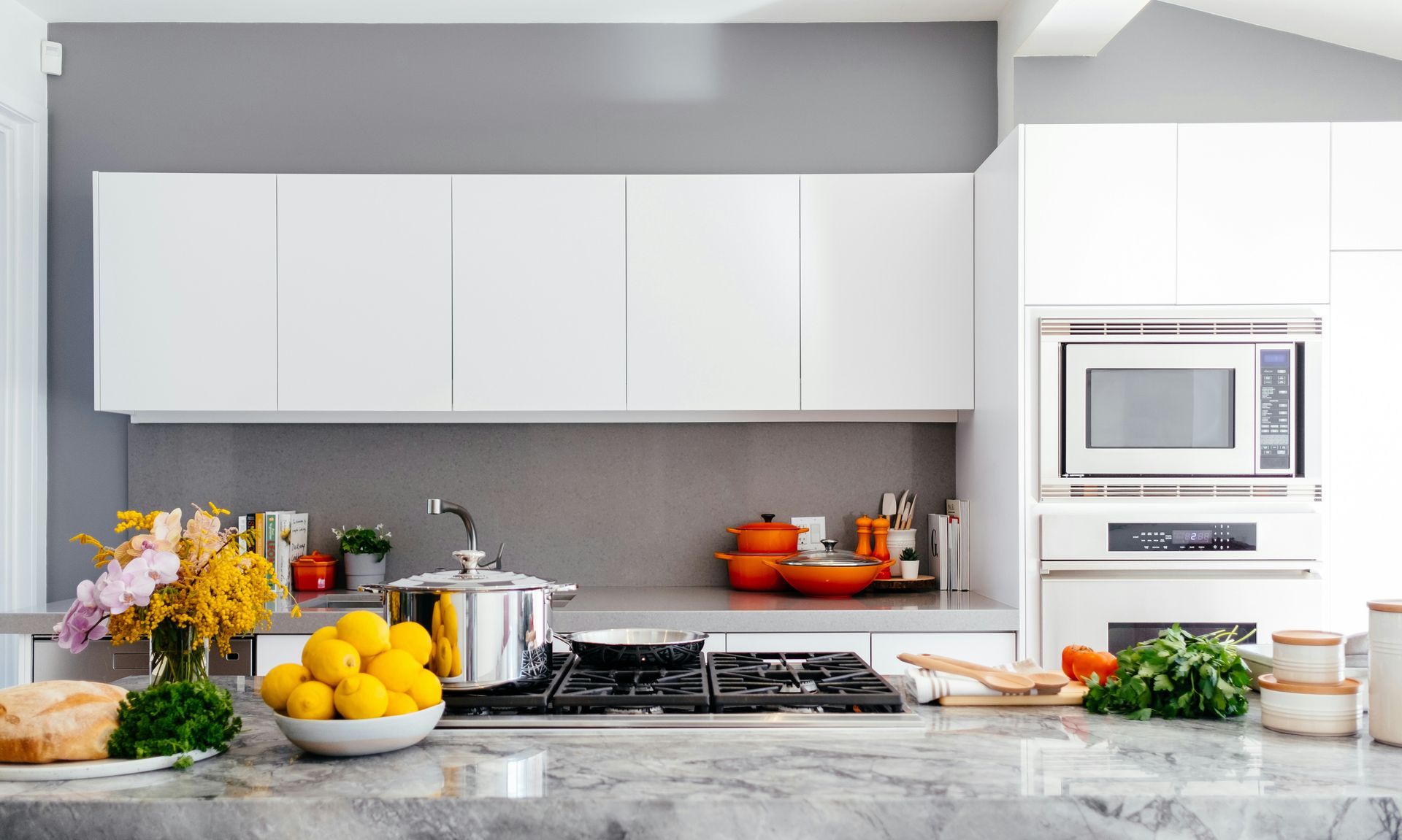
A well-organized kitchen almost never appears overnight. It comes together slowly, shaped by small adjustments that make everyday tasks feel easier. The goal is not a picture-perfect space that looks untouched. It is a kitchen that works naturally, where cooking, cleaning, and gathering happen without constant rearranging or searching for things.
The most successful kitchens are built around real habits rather than ideal ones. Many people start by organizing for appearance and end up frustrated when the system falls apart after a busy week. A kitchen functions better when it reflects how people actually move through it. Think about where you stand when you chop vegetables, how often you reach for certain tools, or which surfaces attract clutter by the end of the day. A report by Reader’s Digest highlights one consistent idea: placement should follow use.
Today’s kitchens carry more responsibility than they once did. They double as workspaces, homework stations, gathering spots, and unofficial entryways where bags, mail, and devices land first. With more activity comes faster clutter, and a little organization can help bring intention back into the space. Every item should have a reason to stay and a clear place to live.
When tools are easy to reach and surfaces stay clear, the room feels calmer even during busy evenings, cooking moves faster, and cleanup feels manageable. People gather comfortably without navigating piles of clutter.
Here are five ways to organize your kitchen today.
1 / 5
Becca Tapert / Unsplash
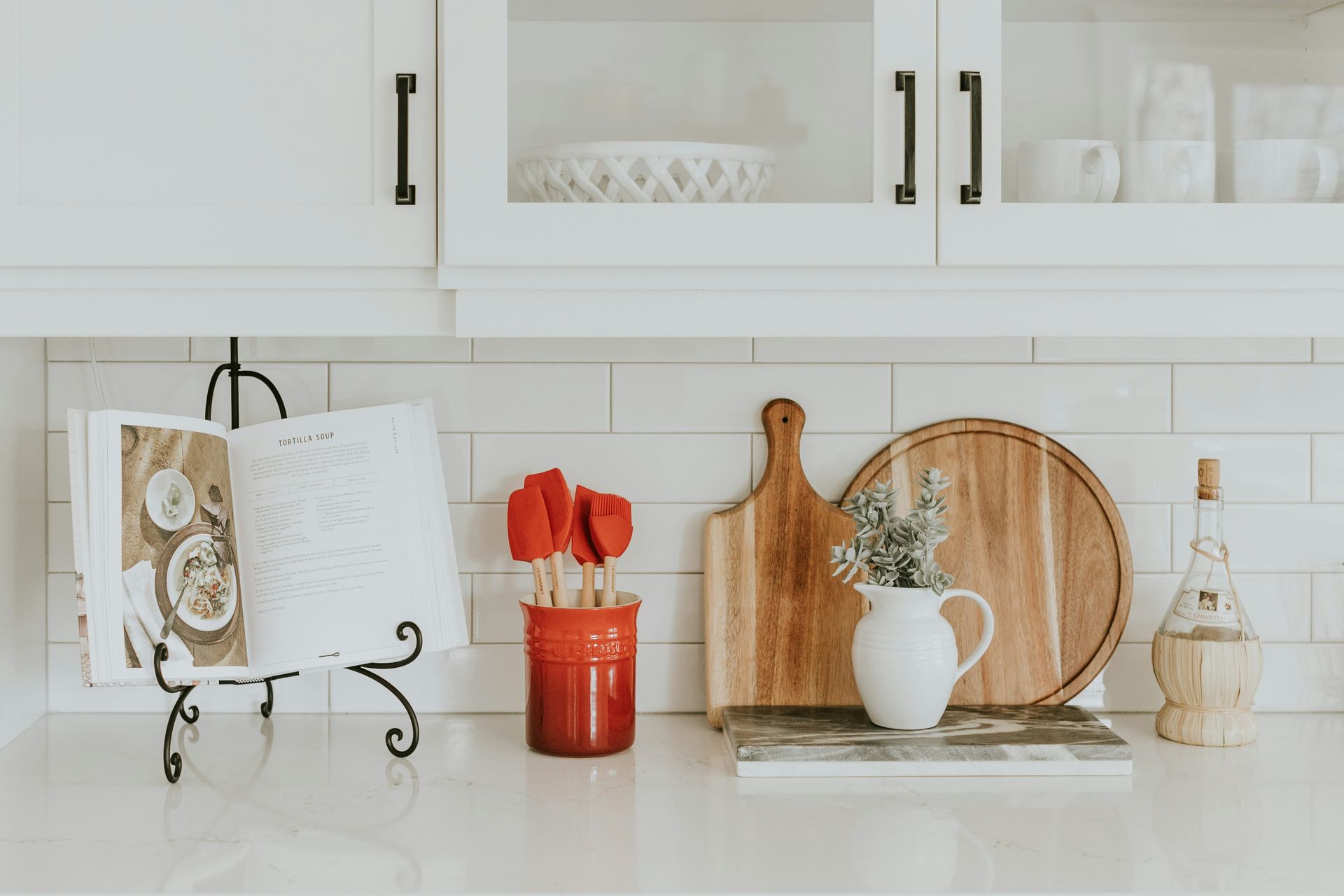
The simplest way to reduce chaos is to divide the kitchen by activity instead of by object type.
When mugs live near coffee equipment and prep tools sit close to cutting surfaces, movement becomes intuitive rather than exhausting. This approach eliminates the constant back-and-forth that wastes time and energy during routine tasks.
Zoning works because it mirrors real behavior. Morning routines stay contained when coffee supplies occupy one cabinet. Dinner preparation improves when knives, mixing bowls, and oils live within arm’s reach of the prep area. Serving pieces belong near plates and storage containers instead of scattered across unrelated drawers. The kitchen begins to feel smaller in the best possible way because everything needed for a task stays nearby.
The method also helps households share the space. Family members or guests can find tools without opening every cabinet. Cleanup becomes faster because returning items has an obvious destination. According to the Reader’s Digest guide, an organized kitchen invites people to spend time there, reinforcing how layout affects atmosphere as much as appearance.
Creating zones requires observation more than effort. Watch where you stand when cooking, notice repeated steps, then move objects closer to where they are used. The transformation feels immediate because the kitchen finally aligns with daily habits rather than fighting them.
2 / 5
Orgalux / Unsplash
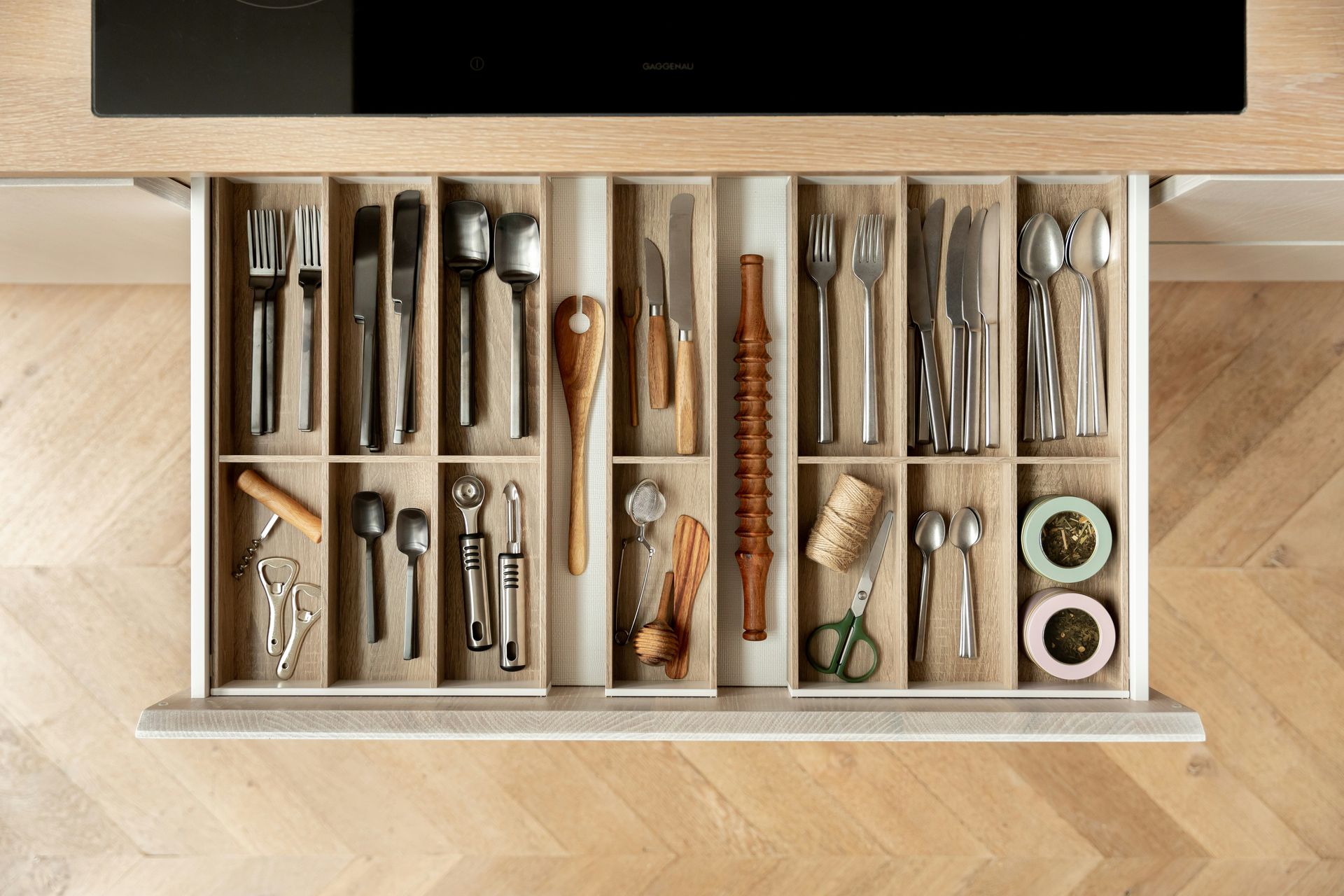
Countertop clutter often begins with good intentions. Keeping tools visible feels efficient until the collection grows beyond usefulness. Reader’s Digest recommends storing only frequently used utensils beside the stove while moving the rest into drawers.
Utensil containers work best when they remain selective. Spatulas, a wooden spoon, and tongs may earn permanent counter space because they support daily cooking. Specialty tools rarely deserve that visibility. Leaving everything out creates visual noise and makes cleaning harder.
Limiting countertop tools also encourages awareness of what actually gets used. Many households accumulate duplicates or gadgets purchased for single recipes. When space becomes intentional, unnecessary tools reveal themselves quickly. Removing them restores clarity without requiring additional storage solutions.
A pared-down utensil setup also makes everyday cleaning easier. Counters clear quickly with a single wipe, and cooking mess stays manageable instead of spreading around extra tools. The space feels calmer because fewer objects demand attention. Even in a busy home, a clear counter gives the impression of order the moment someone walks into the kitchen.
The idea applies to more than utensils. Every surface improves when it carries only what you actually use. Keep the items that support daily routines and move everything else out of sight. Organization often comes from removing excess rather than adding more storage.
3 / 5
S'Well / Unsplash
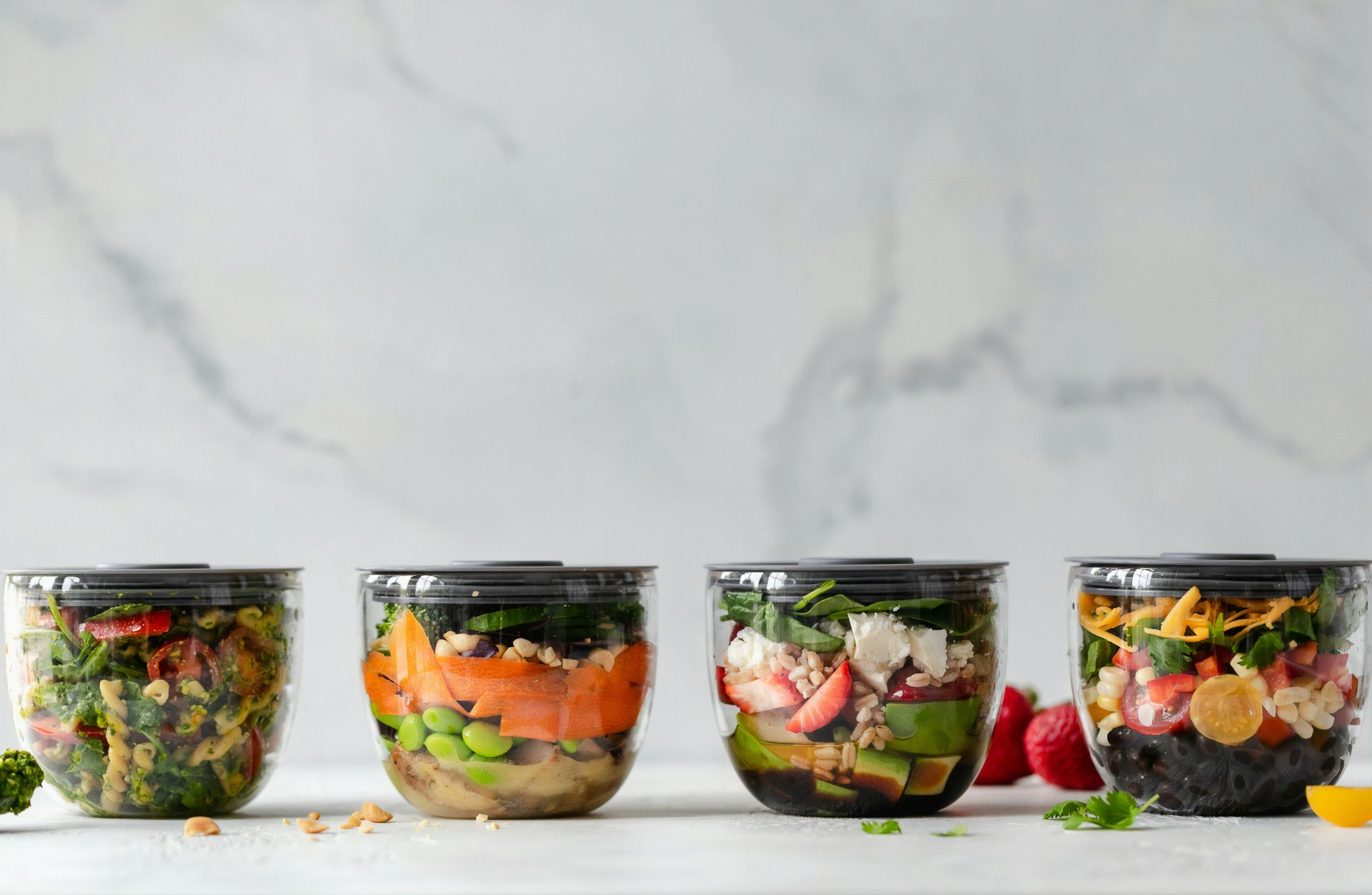
Few kitchen frustrations rival searching for the correct container lid. Reader’s Digest proposes a surprisingly simple solution: store containers with lids already attached. This adjustment removes the most common source of cabinet disorder and turns leftover storage into a predictable system.
Detached lids create chaos because they multiply independently. Stacks collapse, mismatched pieces accumulate, and valuable cabinet space disappears. Keeping containers assembled allows them to stack cleanly while guaranteeing that every piece remains usable. The system prevents the slow buildup of random lids and unusable bases.
Reader’s Digest points out that smart storage usually comes down to fewer decisions, not more systems. Complicated sorting rules sound impressive but rarely survive a busy week. Remove the step that creates confusion and the whole process gets easier.
Over time, that small adjustment changes behavior. Cabinets stay neater because everything goes back as a complete set. Other people in the household follow the system without needing instructions because it makes sense at a glance. Cleanup stops feeling like a reset after every meal and starts feeling automatic.
4 / 5
Jonathan Cosens Photography / Unsplash
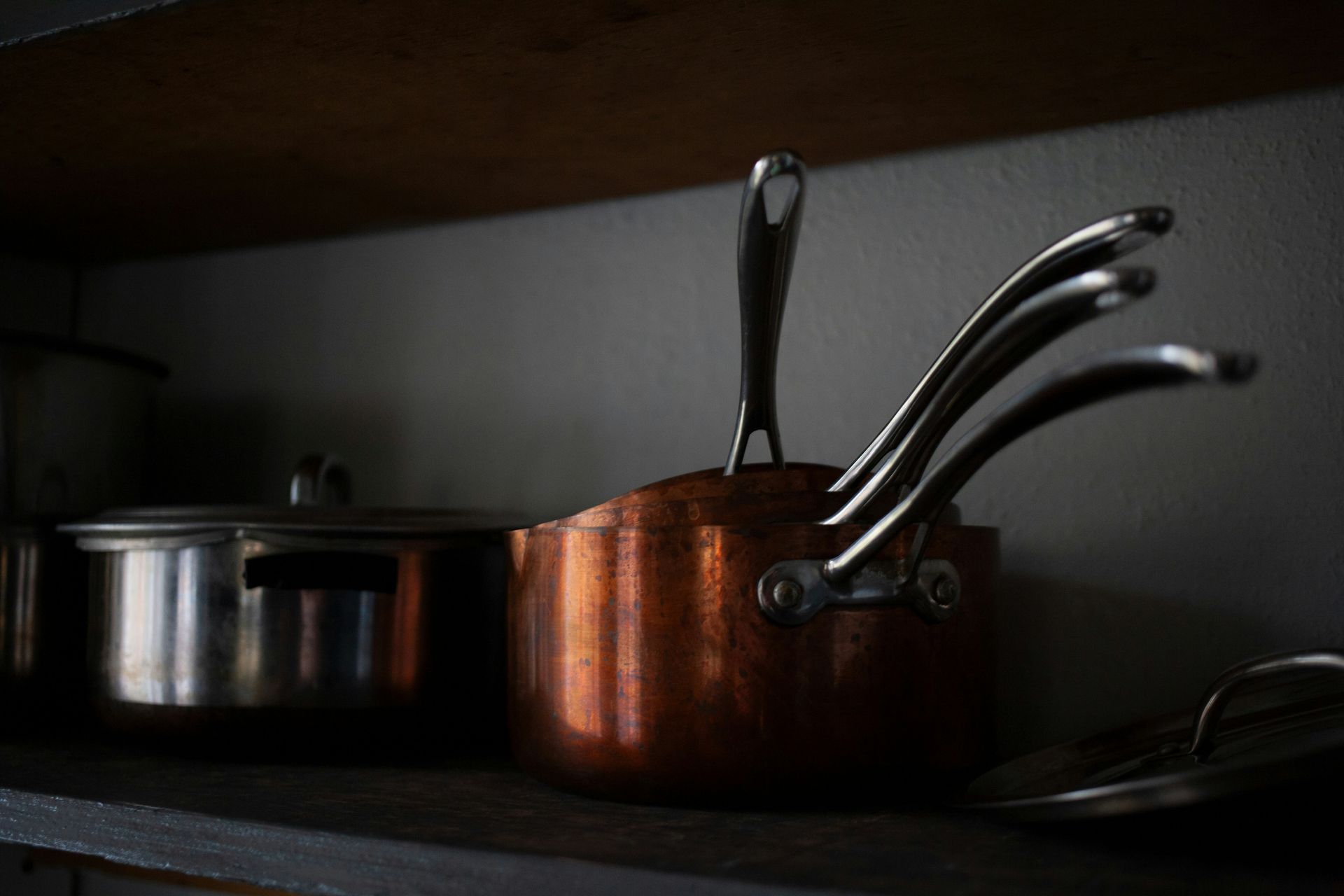
Flat items waste enormous amounts of cabinet space when stacked horizontally. Reader’s Digest recommends storing trays, baking sheets, and pot lids vertically to improve both visibility and accessibility. Standing items upright transforms deep cabinets from cluttered piles into easy reference systems.
Horizontal stacking forces constant lifting and rearranging. The needed pan always hides at the bottom. Vertical storage removes that problem entirely. Each item becomes visible at once, allowing quick selection without disturbing surrounding pieces.
Adjustable racks or simple dividers create instant structure. Even narrow cabinets become functional storage zones, and this method works particularly well for baking enthusiasts or households with multiple serving trays.
Vertical storage does more than save space. It also helps protect cookware. When trays and pans are stored upright instead of stacked, they avoid scratches and everyday wear. Each piece stays easier to grab, easier to return, and ready when you need it. The kitchen starts to feel more intentional because tools stay accessible instead of turning into a heavy pile you have to dig through.
The same idea works for more than baking sheets. Cutting boards, cooling racks, and serving platters all benefit from standing upright. Thinking vertically changes how much a kitchen can hold without adding cabinets or starting a renovation. The space is already there. It just needs to be used in a smarter way.
5 / 5
Danilo Rios / Unsplash
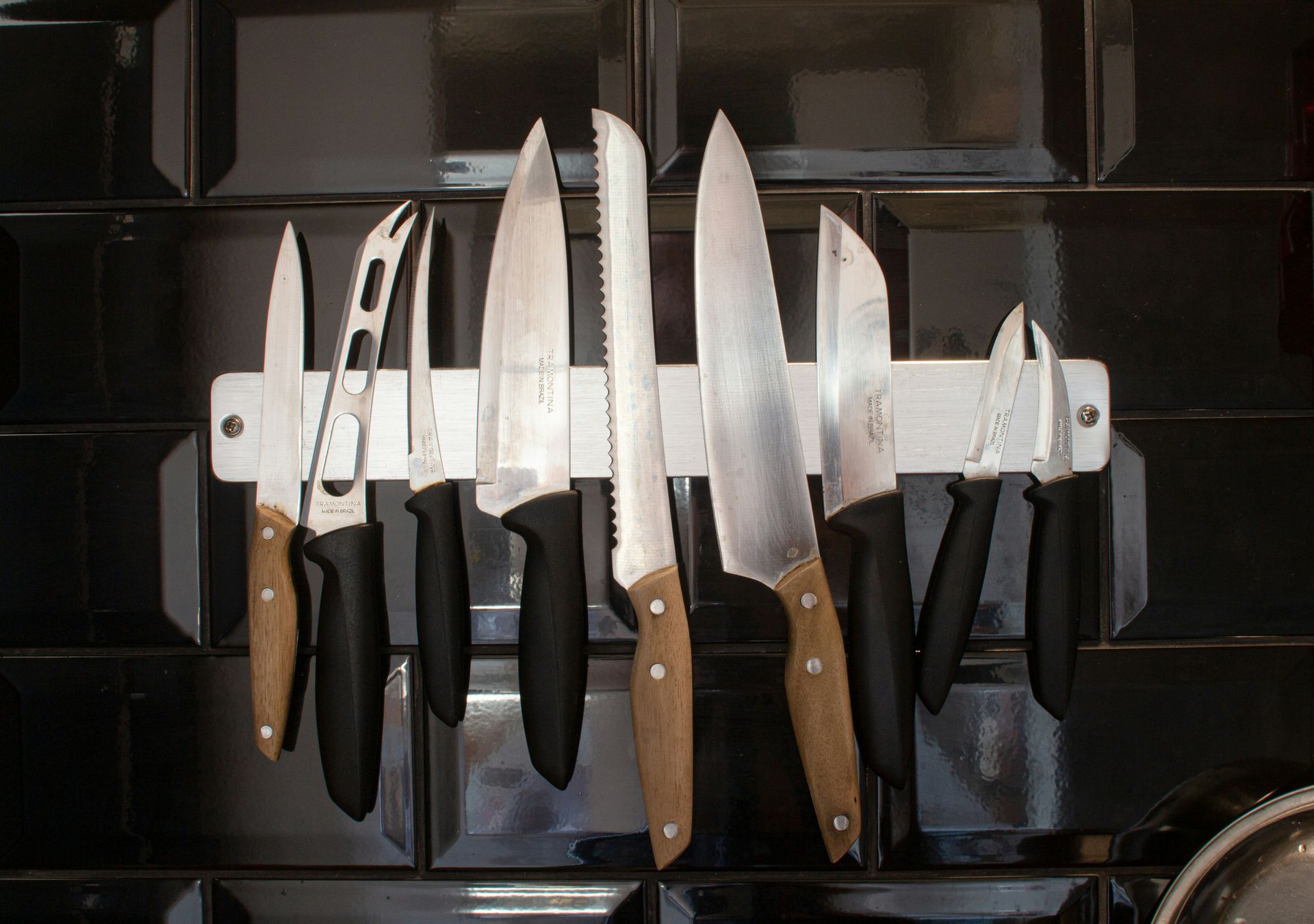
Countertop knife blocks consume valuable workspace while hiding tools inside bulky wood housings. Reader’s Digest suggests replacing them with a magnetic wall strip that keeps knives visible and accessible. This single change often creates immediate counter space without sacrificing convenience.
Wall-mounted knife storage shifts tools into unused vertical areas. Counters regain openness, making food preparation easier and safer. Visibility also improves efficiency. Cooks select the right knife instantly instead of pulling several from a block.
Safety improves when knives remain organized. Magnetic strips prevent blades from knocking together in drawers, reducing dulling and accidental cuts. Proper spacing keeps edges protected while allowing airflow that helps blades dry after washing.
The visual difference matters, too. A magnetic knife strip instantly makes a kitchen feel cleaner and more intentional. Knives stay within reach without crowding the counter, which is often where clutter builds fastest.
Installation is simple, but the impact is big. Moving tools onto the wall frees up workspace and makes the room feel more open.
