
President Donald Trump on Thursday postponed the signing of an executive order that would have required AI companies to provide the federal government with previews of models before their public release.
Under the draft order, AI developers would be required to give federal officials access to models before releasing them publicly
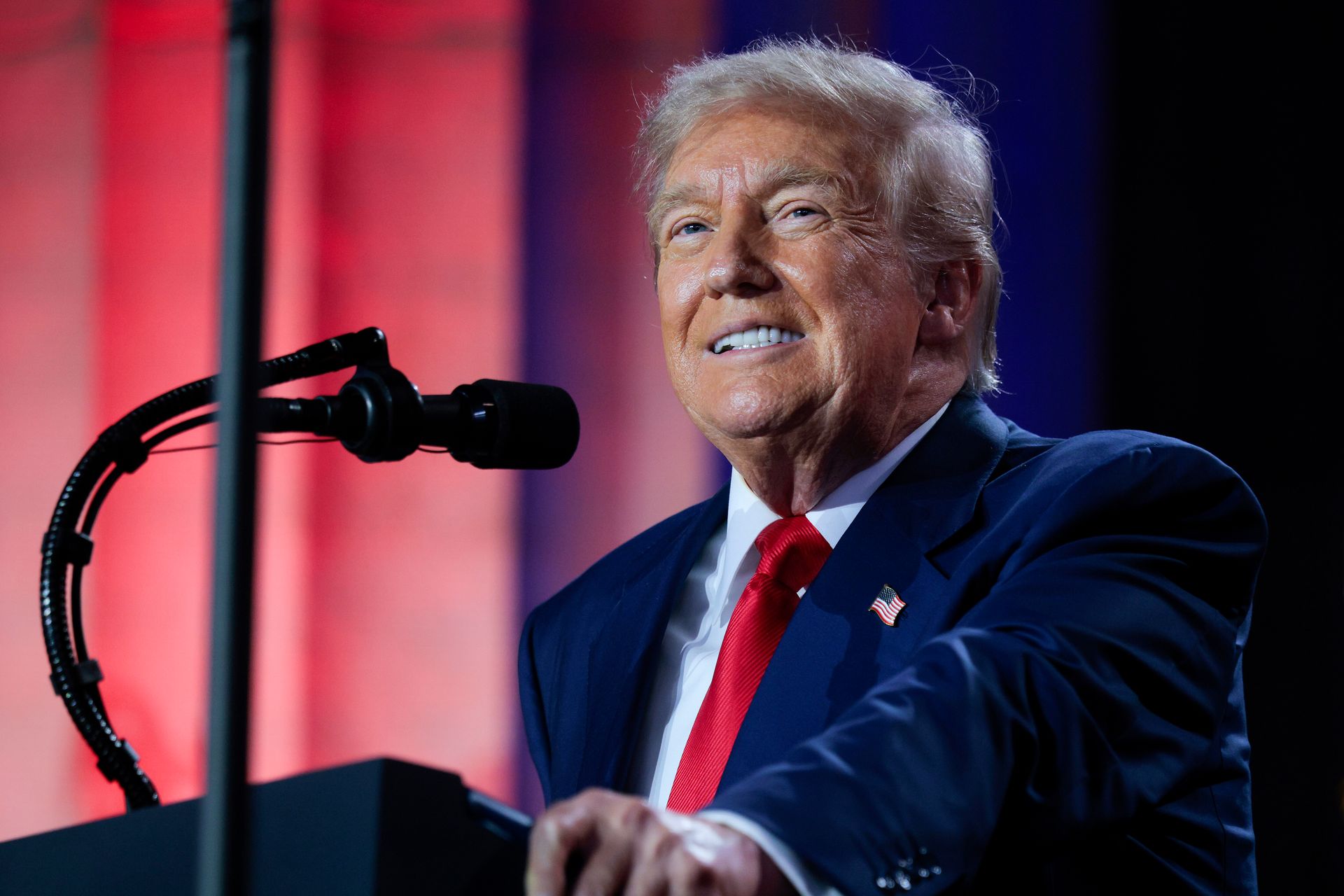
Chip Somodevilla / Getty Images
President Donald Trump on Thursday postponed the signing of an executive order that would have required AI companies to provide the federal government with previews of models before their public release.
Speaking to reporters in the Oval Office, Trump cited his dissatisfaction with the order as the reason for the delay, according to CNBC. He said the signing ceremony for the order, originally on his schedule for that afternoon, was called off "because I didn't like certain aspects of it." Concerns about competitive standing drove the decision, Trump suggested, warning that the measure risked undermining the country's position against China and describing it as something that "could have been a blocker."
Under the draft order, AI developers would be required to give federal officials access to models before releasing them publicly. Executives from across the technology industry had been expected to attend the ceremony. Axios first reported on the order being postponed.
The delay marks a turn from what had appeared to be a shift in the administration's posture toward AI oversight. The White House had been considering an executive order that would establish a government review process for AI models before they are made publicly available, with executives at Anthropic, Google $GOOGL, and OpenAI among those briefed on aspects of the proposal. One option under consideration was a framework modeled on the U.K.'s approach, which distributes responsibility for confirming AI safety benchmarks across multiple government agencies.
That discussion represented a notable departure for an administration that moved to dismantle AI regulatory guardrails after Trump took office. An earlier Biden administration requirement — under which AI developers had to perform safety assessments and flag models that could be used in military contexts — was among the measures Trump eliminated. The White House had also released a legislative framework in March calling on Congress to pass federal rules that would supersede state-level AI laws, though states have continued advancing their own measures.
For Trump, the decision fit into a broader argument he has consistently made about the stakes of the AI race. At the Oval Office appearance, he described the technology as "causing tremendous good" and positioned the United States as the global leader, ahead of China.
Join 500,000+ readers who start their day with Quartz.
By subscribing, you agree to our Terms of Service and Privacy Policy.