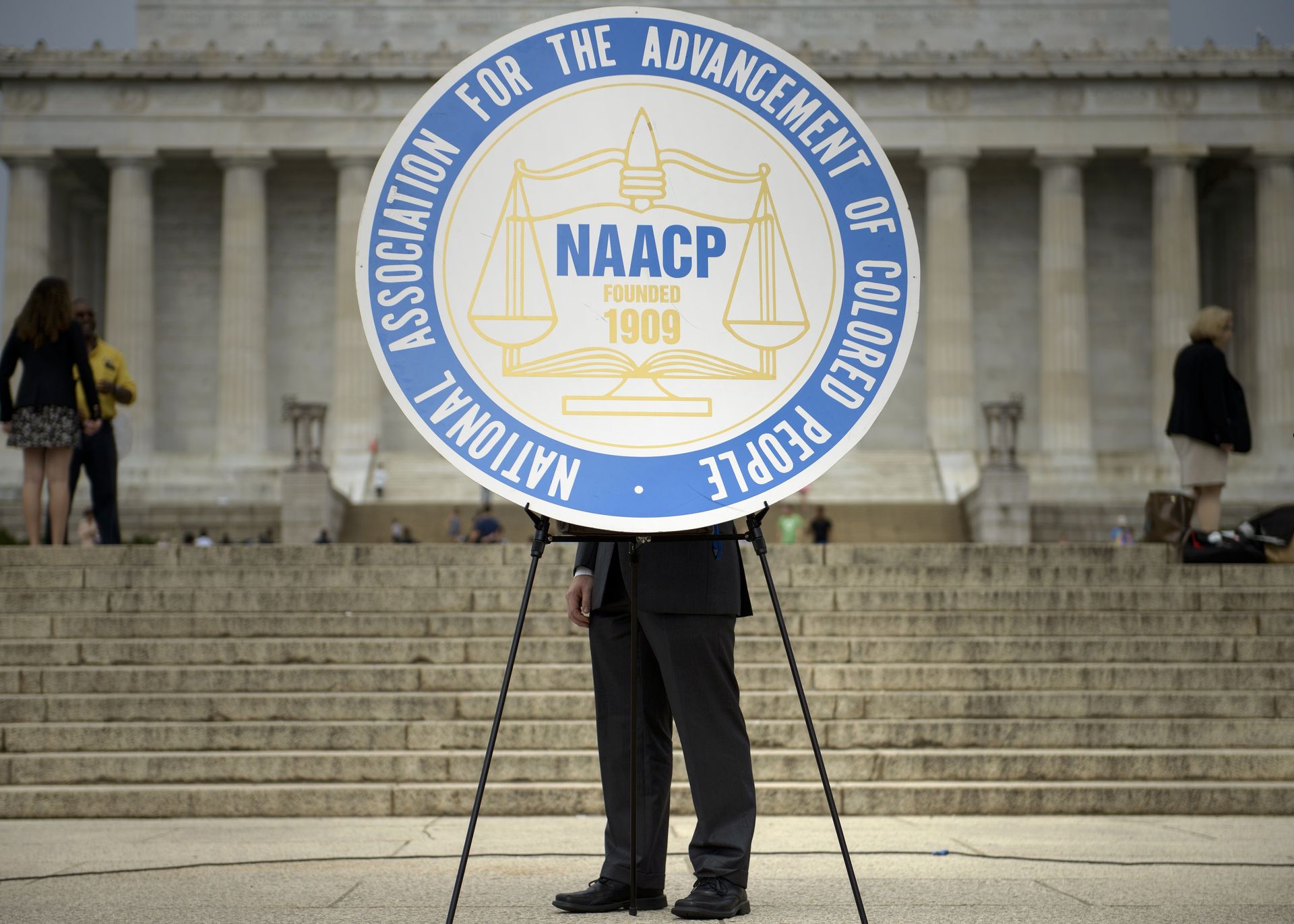
The Justice Department filed a motion to intervene and dismiss a Clean Air Act lawsuit brought by the NAACP against Elon Musk's xAI, arguing that the civil rights organization's effort to shut down power to an AI data center in the Memphis area poses a threat to national security.

Filed in April, the NAACP's suit centers on allegations that xAI erected 27 natural gas turbines in Southaven, Mississippi, to supply power to the Colossus 2 data center without ever securing the required air pollution permits. According to the suit, residents near the turbines face exposure to harmful emissions associated with conditions ranging from asthma and respiratory illness to heart disease and certain cancers, with the complaint also drawing attention to the fact that Black people make up a disproportionate share of the surrounding population relative to national averages. The NAACP has since asked the court to issue an injunction barring xAI from operating the turbines pending a ruling.
Attorneys for the department, in their U.S. District Court filing, charged that the NAACP's lawsuit threatens "American national, economic, and energy security by seeking to shut off the power supply for artificial-intelligence innovation that supports the Department of War's military operations." Separately, the filing invoked the Constitution to assert that decisions about when to pursue or forgo enforcement of federal law rest exclusively with the executive branch, a power the department said cannot be overridden by private litigation.
In its own court filings, xAI has pointed to Mississippi's classification of the turbines as mobile — rather than stationary — pollution sources as justification for forgoing the permitting process altogether, according to The Hill.
A sworn declaration attached to the DOJ's motion from Cameron Stanley, who oversees AI policy at the Pentagon, described how Grok had been leveraged during the war with Iran to strike over 2,000 distinct targets with more than 2,000 munitions in a span of 96 hours, according to Al Jazeera. Stanley's declaration warned that any curtailment of the energy powering Grok's infrastructure could leave a wide range of Defense Department systems unable to function as intended.
The NAACP's legal representatives, Earthjustice and the Southern Environmental Law Center, issued sharp criticism of the DOJ's intervention, with the Southern Environmental Law Center describing it as a "massive power grab." Laura Thoms, director of enforcement for Earthjustice, said in a statement that "there is no moral or legal precedent for this." Abre' Conner, who directs the NAACP's Environmental and Climate Justice program, added in a statement that "polluting industries don't get to benefit at the expense of the health of Black communities."
Speaking to Al Jazeera, UCLA School of Law environmental law professor Ann Carlson characterized the DOJ's legal theory as a radical one, warning that accepting it would mean allowing "polluters off the hook even for blatant violations of the law."
