
President Donald Trump said he regrets not seeking a larger ownership stake in Intel $INTC on behalf of the U.S. government, telling Fortune magazine he underestimated how much the investment would be worth.
The government's 9.9% stake in Intel, acquired for $8.9 billion last August, has grown to be worth more than $50 billion
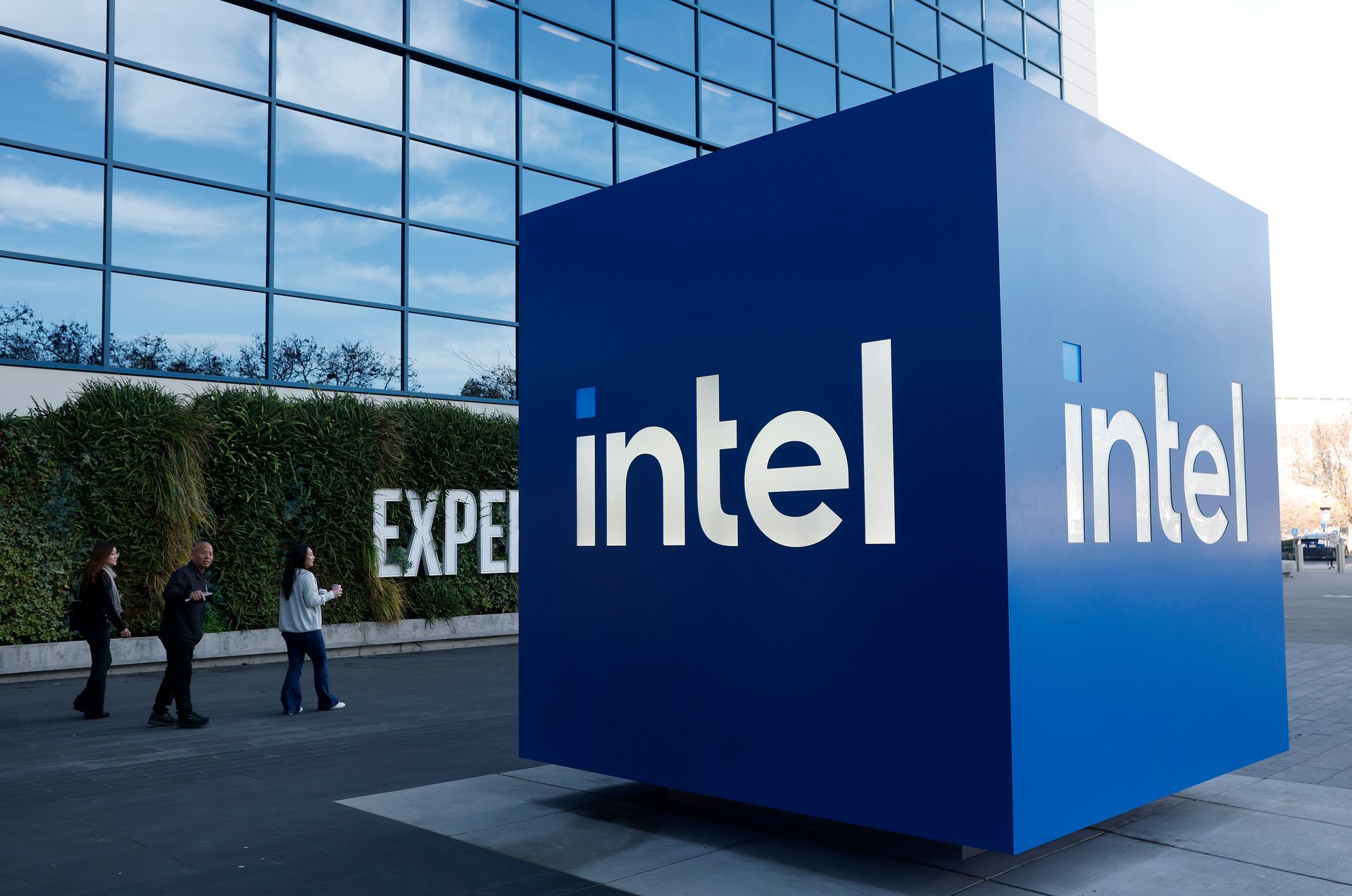
Justin Sullivan / Getty Images
President Donald Trump said he regrets not seeking a larger ownership stake in Intel $INTC on behalf of the U.S. government, telling Fortune magazine he underestimated how much the investment would be worth.
"I said, 'Give the country 10% ownership for free in Intel,'" Trump told Fortune, describing his conversation with Intel CEO Lip-Bu Tan. "He said, 'You have a deal.' I said, 'S---, I should have asked for more.'" Trump also told the magazine he wants to help American companies, adding: "There's nothing in it for me other than I want companies to do well."
The Trump administration reached an agreement with Intel in August, under which the U.S. government agreed to purchase 433.3 million shares of Intel common stock at $20.47 per share — equivalent to a 9.9% stake — funded by $5.7 billion in CHIPS Act grants that had been awarded but not yet paid and $3.2 billion from the Secure Enclave program, according to Intel. The total government investment in the chipmaker, including $2.2 billion in previously dispersed CHIPS Act grants, reached $11.1 billion.
Since the deal closed, Intel shares have surged more than 300%, pushing the value of the government's holdings past $50 billion, according to Reuters.
On the question of an exit strategy, Trump told Fortune that offloading shares gradually would allow the government to unwind its position without depressing Intel's stock price. He also claimed that earlier access to the presidency would have changed Intel's fortunes entirely, saying tariffs on imported chips would have kept foreign competition at bay. "If I had been president when all these companies started sending their chips in from China, I would have put a tariff on that would have protected Intel," he said, according to CNBC.
Trump also expressed doubt that the public recognized his role in the investment, asking Fortune: "Do I get credit for it? Does anybody even know I did that?"
Under the terms of the August agreement, the government's ownership stake is passive — it carries no board representation, governance rights, or access to company information, according to Intel. The government also agreed to vote with Intel's board on matters requiring shareholder approval, with limited exceptions.
Join 500,000+ readers who start their day with Quartz.
By subscribing, you agree to our Terms of Service and Privacy Policy.