
President Donald Trump announced a trade deal with Japan late Tuesday, the second self-proclaimed agreement in a day following an earlier one with the Philippines.
The agreement, if confirmed, signals a broader protectionist shift in policy that's establishing the highest U.S. tariffs in a century
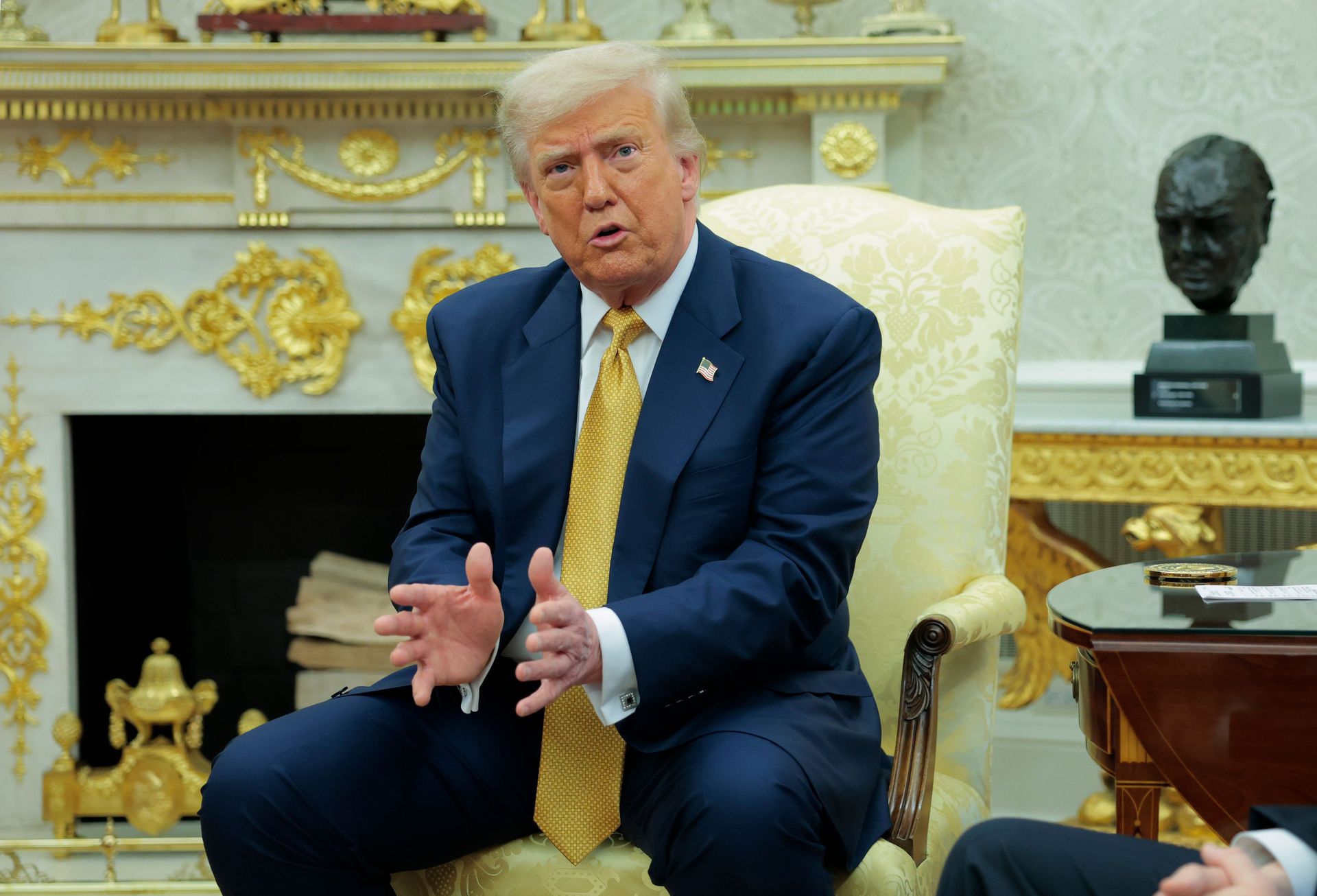
(Anna Moneymaker/Getty Images)
President Donald Trump announced a trade deal with Japan late Tuesday, the second self-proclaimed agreement in a day following an earlier one with the Philippines.
The president said the trade deal would set a 15% tariff on Japanese imports to the U.S. and compel Japan to purchase $550 billion worth of U.S. products.
“We just completed a massive Deal with Japan, perhaps the largest Deal ever made,” Trump wrote in a social media post. “Japan will invest, at my direction, $550 Billion Dollars into the United States, which will receive 90% of the Profits.”
“Perhaps most importantly, Japan will open their Country to Trade including Cars and Trucks, Rice and certain other Agricultural Products, and other things,” he added.
No further details on the agreement were available and the Trump administration has at times been slow to share formal terms. The White House did not immediately respond to a request for comment. Trump touted the deal during an evening reception at the White House.
“They had their top people here, and we worked on it long and hard. And it’s a great deal for everybody,” Trump said.
The Japanese Embassy in Washington didn't respond to a request for comment. Tokyo's main negotiator Ryosei Akazawa posted on X $TWTR "mission accomplished."
Other Trump administration officials praised the agreement on Wednesday. Commerce Secretary Howard Lutnick touted the new $550 billion investment fund, which appears set to be directed by Trump himself. He said it will use equity, loans, and loan guarantees to finance U.S projects.
"The Japanese are going to give America the ability to choose the projects, decide the projects, and execute the projects," Lutnick told Bloomberg TV, adding that 90% of the profits will go towards the U.S. and the rest to Japan. "They basically bought down their tariff rate by this commitment of 'We will back what you the president and what you America want to build.. that are key to national security concerns."
The agreement signals a broader protectionist shift in policy that’s establishing the highest U.S. tariffs in a century. Japan is the sixth-largest U.S. trading partner with imports totaling $192 billion in 2024, per federal data. U.S. exports to Japan amounted to $129 billion last year.
The first Trump administration signed a limited trade agreement with Japan in 2020. That deal saw Tokyo shrink or get rid of tariffs on U.S. pork, cheese, and other agricultural products. In exchange, Washington agreed to do the same for certain manufactured Japanese goods such as bikes and musical instruments.
That deal went out the window in early April when Trump imposed a 24% import tax to kick off his global “reciprocal tariff” campaign. Those levies including Japan’s were later paused to allow time for negotiations to play out.
Trump later brought up Japanese car exports and rice sales as contentious pieces of the talks. Eventually, Japanese Prime Minister Shigiru Ishiba received a letter threatening a 30% tariff on Japanese products if no agreement was reached by August 1.
Earlier in the day, Trump also announced a deal with the Philippines that left in place a 19% tariff on products imported from there. Philippine President Ferdinand Marcos was among the two dozen world leaders to receive a letter warning of steep tariffs this month. It’s just below the 20% tariff threatened in Trump’s letter.
Join 500,000+ readers who start their day with Quartz.
By subscribing, you agree to our Terms of Service and Privacy Policy.