
The Trump administration is moving to take control of decisions about which companies and entities can access the most powerful artificial intelligence models from Anthropic and OpenAI, according to CNBC.
A new clearinghouse program would put the White House in charge of approving which companies and entities can use the most powerful AI systems
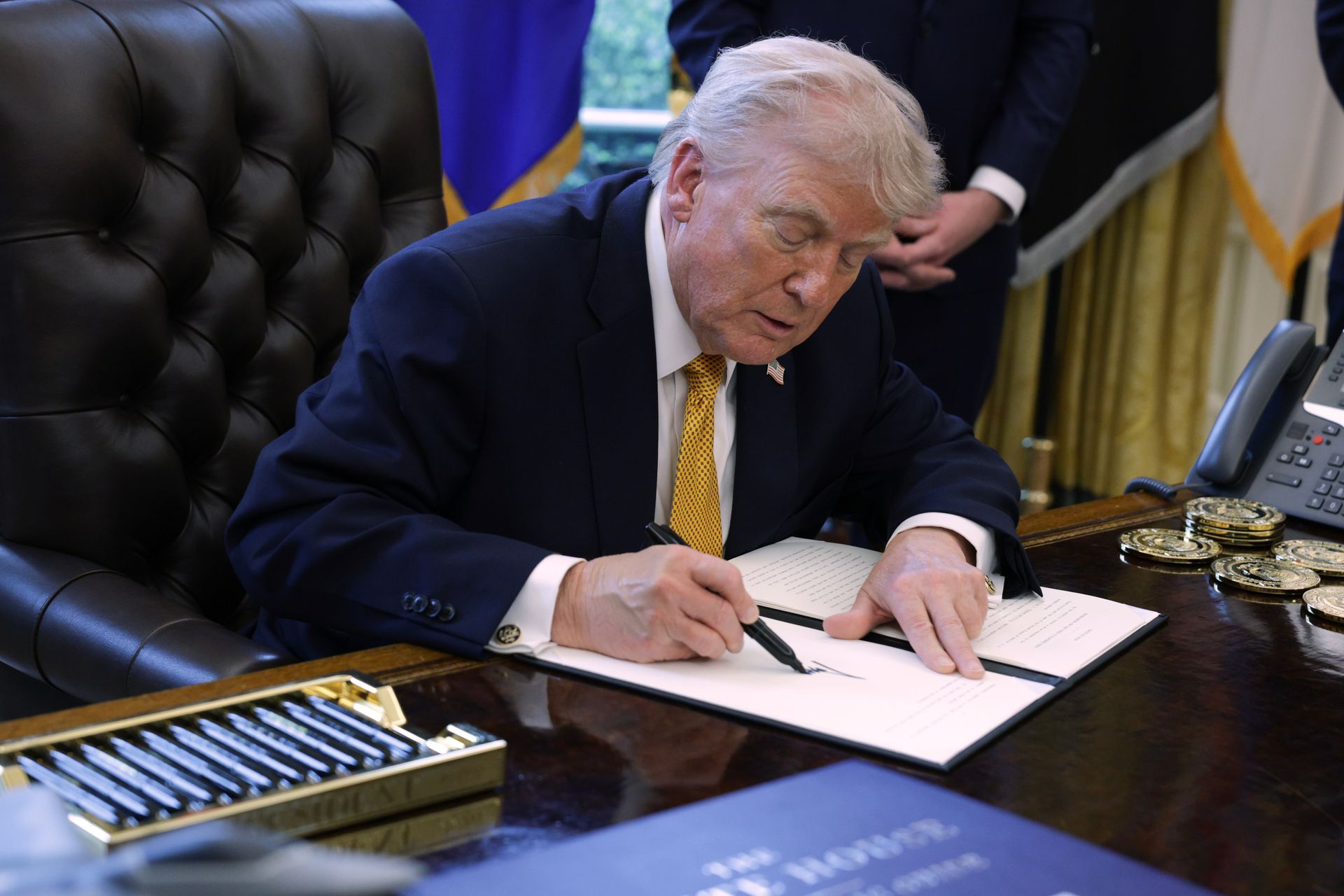
Alex Wong / Getty Images
The Trump administration is moving to take control of decisions about which companies and entities can access the most powerful artificial intelligence models from Anthropic and OpenAI, according to CNBC.
According to CNBC, citing a person familiar with the matter, the newly launched "Gold Eagle" program would create a centralized government body with authority to determine which partners gain access to new AI model rollouts. Under the new framework, companies would need Washington's sign-off before bringing partners into any model launch, a shift that throws the viability of existing efforts like Anthropic's Project Glasswing and OpenAI's Daybreak consortium into question.
Previously, Anthropic and OpenAI exercised independent judgment over who could use their most capable models, with large enterprise customers among the most common beneficiaries. Anthropic had structured Project Glasswing as a selective rollout of its Mythos model to a curated set of cybersecurity-focused partners. OpenAI established a similar consortium called Daybreak for its own cybersecurity model and restricted its recent GPT-5.6 release to a government-vetted set of partners after the administration asked it to gate the launch.
A White House official said that the administration does not provide approvals for AI releases from private companies, and that any government engagement with labs is voluntary. "Decisions on timing and scope of releases rest entirely with the companies," the official said.
The administration's moves have escalated well beyond the voluntary framework President Donald Trump established in a June executive order, which asked companies to submit new models for government review before release. The GPT-5.6 situation in particular went further, resulting in a state-curated access list that OpenAI agreed to only after federal officials pressed it to delay.
The administration's intervention in AI model access has its most direct precedent in the Anthropic episode that unfolded last month. A Commerce Department export control order compelled Anthropic to pull both Fable 5 and Mythos 5 from all users globally over national security concerns about the models' safety guardrails. Commerce Secretary Howard Lutnick later restored access to Mythos 5 for roughly 100 approved organizations, while Fable 5 remains restricted.
The administration is navigating competing pressures on AI policy. Moonshot AI, a Chinese startup, debuted its Kimi K3 model last week, with results showing it closing in on Fable 5 and GPT-5.6 and surpassing both on at least one independent benchmark. David Sacks, the Craft Ventures founder who previously served as the administration's AI czar, described Kimi K3's performance as "concerning," writing: "This is how you lose the AI race."
Join 500,000+ readers who start their day with Quartz.
By subscribing, you agree to our Terms of Service and Privacy Policy.