
The 7 most underrated cities in Europe for first-time visitors
These seven underrated cities in Europe offer first-time visitors rich history, walkable centers and fewer crowds than Paris, Rome or Barcelona
Credit: Sergey Guk / Pexels
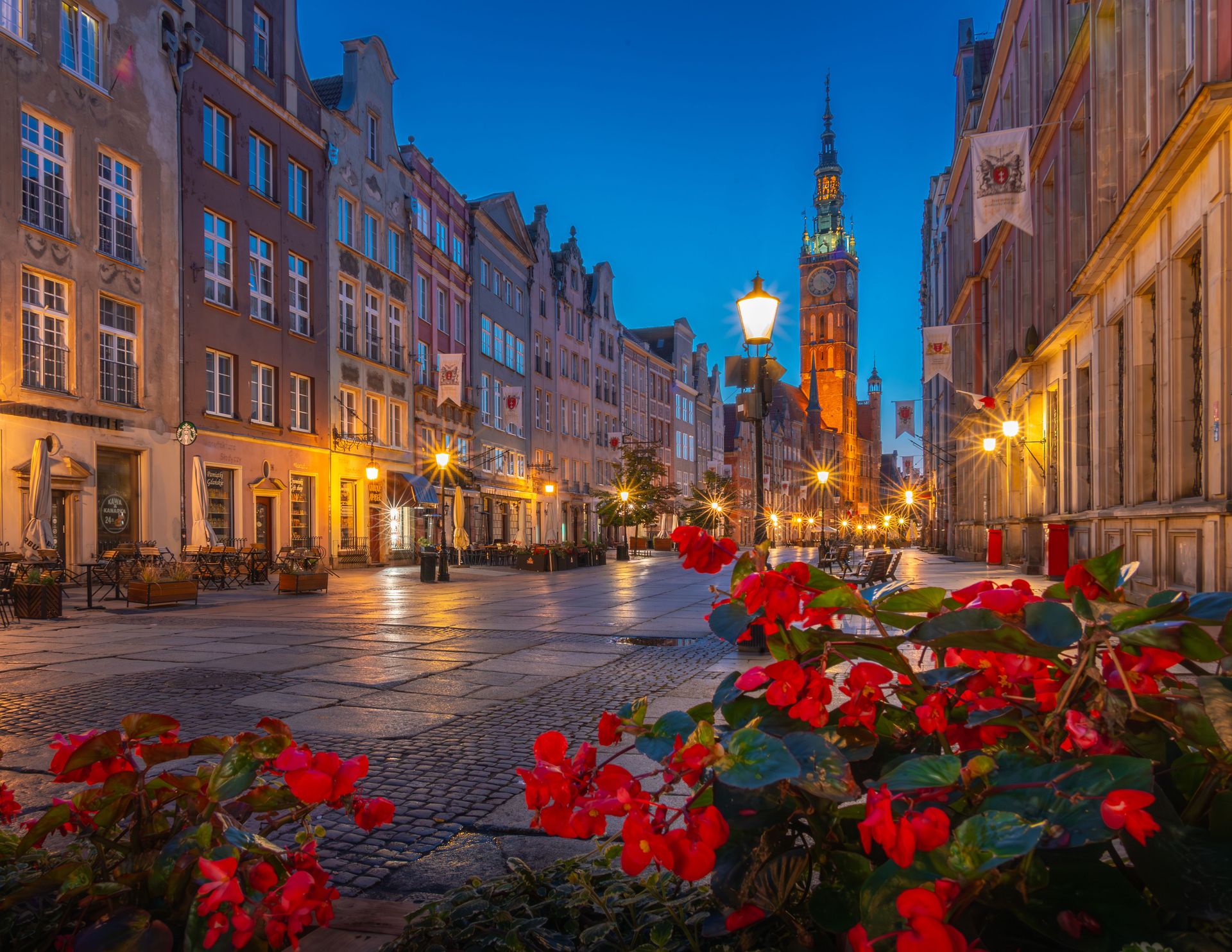
Underrated cities in Europe rarely stay underrated for long, but the seven below still deliver what first-time visitors actually want: real history, a walkable center and prices that do not require a second mortgage. Most guidebooks steer new travelers toward the same handful of names — Paris, Rome, Barcelona, Amsterdam, Prague, Vienna, London — and those cities earn their reputations. But first-timers who go only to the obvious stops often skip cities that offer just as much substance with a fraction of the crowds.
Porto, Ljubljana, Bologna, Gdansk, Valencia, Ghent and Graz share a few traits that make them well suited to a first trip to Europe. Each has a compact, walkable old town that does not require a car or a long metro ride to explore. Each is built around a defining local product or tradition — port wine, a car-free river walk, the oldest university in the Western world, a historic amber trade, the birthplace of paella, a medieval altarpiece, a modern art museum — which gives a visit a clear focus instead of an overwhelming list of sights. And each city costs meaningfully less than the more famous one nearby: a meal in Porto costs a fraction of one in central Lisbon, and a hotel room in Ljubljana runs well below Vienna rates for a comparable standard.
None of these cities demands advance planning or a local guide. A traveler can land, walk from a central hotel to the main sights in under twenty minutes, and see everything worth seeing over two or three unhurried days. That makes each one useful as a standalone trip or as an addition to a larger itinerary — Porto slots in before or after Lisbon, Ghent before or after Bruges, Graz as a stop between Vienna and Ljubljana.
What follows covers what each city is actually known for, what a first-time visitor should prioritize, and how it compares to its more famous neighbor. None of it requires insider knowledge, just an itinerary that goes one stop past the obvious one.
Porto brings Portugal's history without Lisbon's crowds
Credit: Clive Kim / Pexels
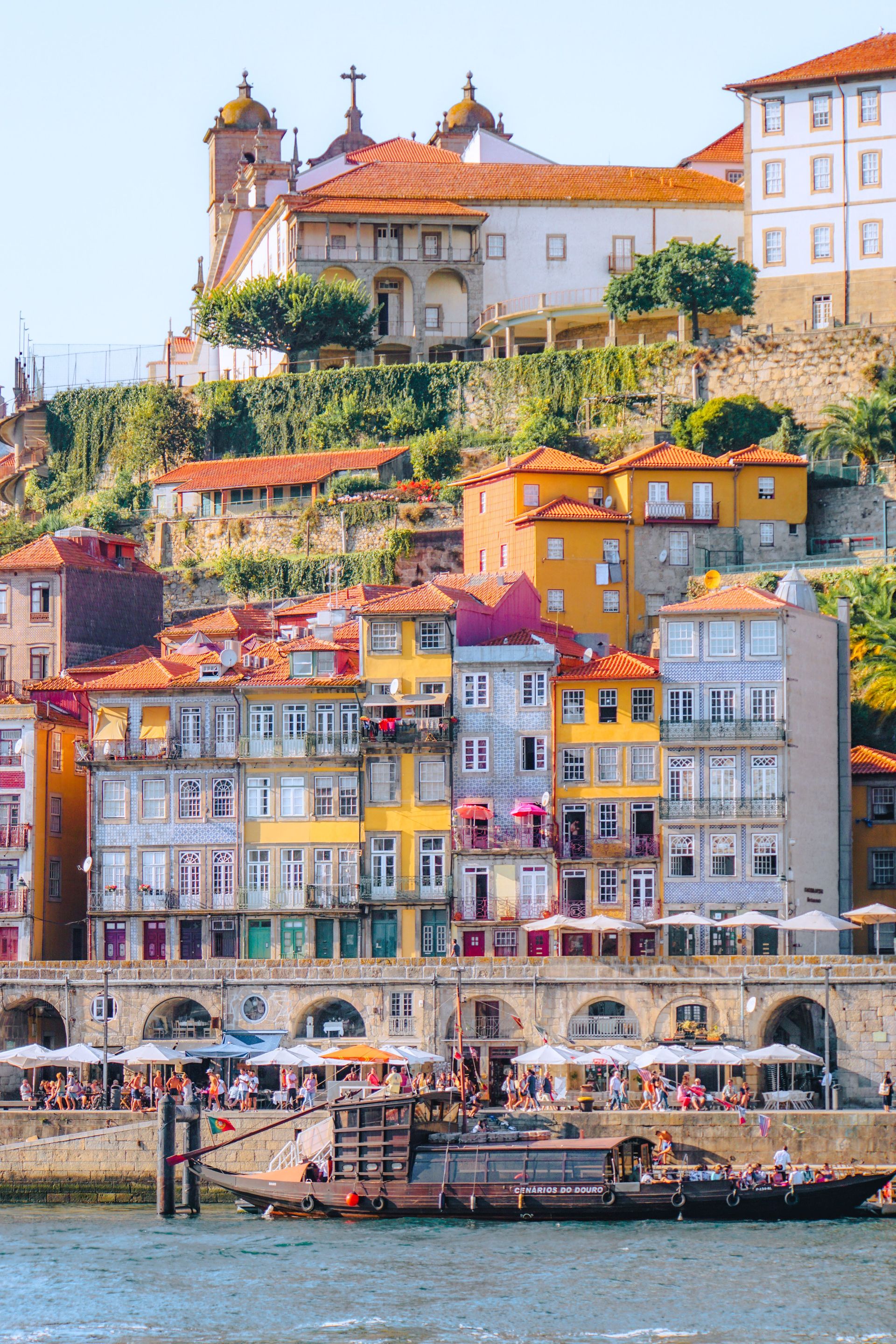
Porto is Portugal's second city, and it offers the same tiled facades, steep hills and river views as Lisbon at a lower price and with far fewer visitors. The Ribeira district, a UNESCO World Heritage site along the Douro river, is the natural starting point: narrow medieval streets drop straight down to the water, where colorful houses stack on top of one another and small boats once carried barrels of port wine downriver from the vineyards.
Port wine itself gives Porto a built-in reason to visit that most European cities cannot match. The wine takes its name from the city, and the lodges across the river in Vila Nova de Gaia — Taylor's, Graham's, Sandeman and dozens of others — offer tours and tastings that explain how the fortified wine is made and aged in oak barrels for years or decades before bottling. A short walk between lodges, with tastings along the way, fills an afternoon without any advance booking required.
Porto's other defining feature is its tilework. Azulejos, the blue-and-white ceramic tiles found across Portugal, appear on building facades throughout the city, but the most striking display is inside São Bento train station, where a full wall of tile panels depicts scenes from Portuguese history. The tiles are functional as well as decorative, since they were originally used to reflect heat and resist moisture in a coastal climate.
Compared with Lisbon, Porto is smaller, flatter to navigate in its historic core and considerably cheaper for food and lodging. A first-time visitor can walk from the Ribeira waterfront up to the Clérigos Tower, an 18th-century bell tower with panoramic views, in under fifteen minutes. The Livraria Lello bookstore, known for its carved wooden staircase and stained-glass ceiling, sits along that same route and remains one of the most photographed interiors in the country.
Porto works well as a two- or three-day addition to a Lisbon trip, connected by a high-speed train that takes under three hours, or as a standalone weekend built around river views, port wine and a manageable, walkable footprint that rewards visitors who arrive with no fixed itinerary at all.
Ljubljana pairs a car-free old town with Slovenia's best day trips
Credit: detait / Pexels
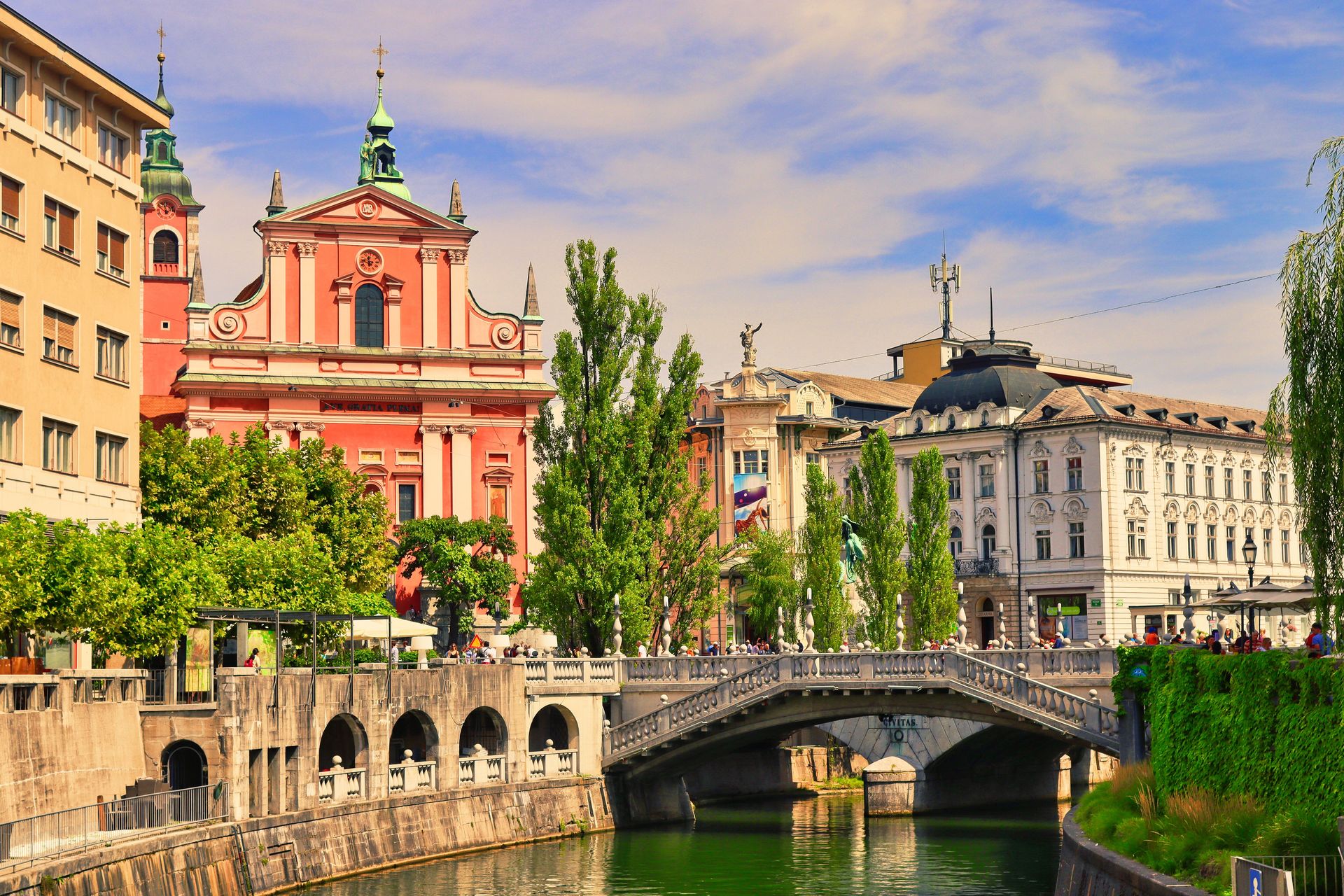
Ljubljana is one of the few European capitals where the entire historic center is closed to private car traffic, which makes it unusually easy to explore on foot in a single day. The Ljubljanica river cuts through the middle of the old town, lined with outdoor cafes and crossed by several bridges, including the Triple Bridge, a set of three connected pedestrian spans designed by architect Jože Plečnik in the 1930s.
Ljubljana Castle sits on a hill above the old town and is reachable by a funicular that runs every ten minutes. From the castle grounds, the view stretches over the terracotta rooftops of the city and, on clear days, toward the Julian Alps in the distance. The castle also houses a small museum on Slovenian history, giving first-time visitors context for a country that only became independent in 1991.
The city earned recognition as European Green Capital in 2016, a designation tied to its pedestrian-first planning, extensive parks and low-emission public transit. That distinction shows up in daily life: Tivoli Park, a large green space just west of downtown, connects directly to the old town on foot, and bike-share stations are common throughout the center.
What sets Ljubljana apart from most European capitals is how easily it functions as a base for day trips. Lake Bled, with its cliffside castle and small island church, is roughly 30 miles northwest and reachable by bus or train in under an hour. Lake Bohinj and the Vintgar Gorge are both accessible on similar day-trip timelines, meaning a visitor can split a stay between city sightseeing and Slovenia's mountain scenery without switching hotels.
Ljubljana costs noticeably less than Vienna or Salzburg, its nearest well-known neighbors, while offering comparable architecture, a strong cafe culture and a compact scale that makes it possible to see the entire old town on foot in an afternoon. For a first European trip, that combination of walkability, affordability and easy access to the Slovenian Alps is difficult to match elsewhere on the continent.
Bologna offers Italy's oldest university and its most authentic food
Credit: Canva Images
Bologna is home to the University of Bologna, founded in 1088 and widely recognized as the oldest university in continuous operation in the Western world. That academic history shapes the entire city: a large student population keeps prices lower than in Florence or Venice, and the university quarter around Via Zamboni is filled with independent bookshops, student bars and lecture halls open to visitors.
The city's defining architectural feature is its porticoes, covered walkways that line more than 24 miles of streets and were recognized as a UNESCO World Heritage site in 2021. They let visitors walk across most of the historic center without stepping into direct sun or rain, and they were originally built to expand living space above street level while keeping the ground floor passable.
Bologna is also the source of several dishes that get diluted or renamed abroad. Ragù alla bolognese, the meat sauce, is traditionally served with tagliatelle rather than spaghetti, and tortellini, small ring-shaped pasta filled with meat, is native to the city and traditionally served in broth rather than with sauce. The Quadrilatero market district, just off Piazza Maggiore, is the best place to see and taste both, along with mortadella, the cured pork product that is Bologna's other namesake export.
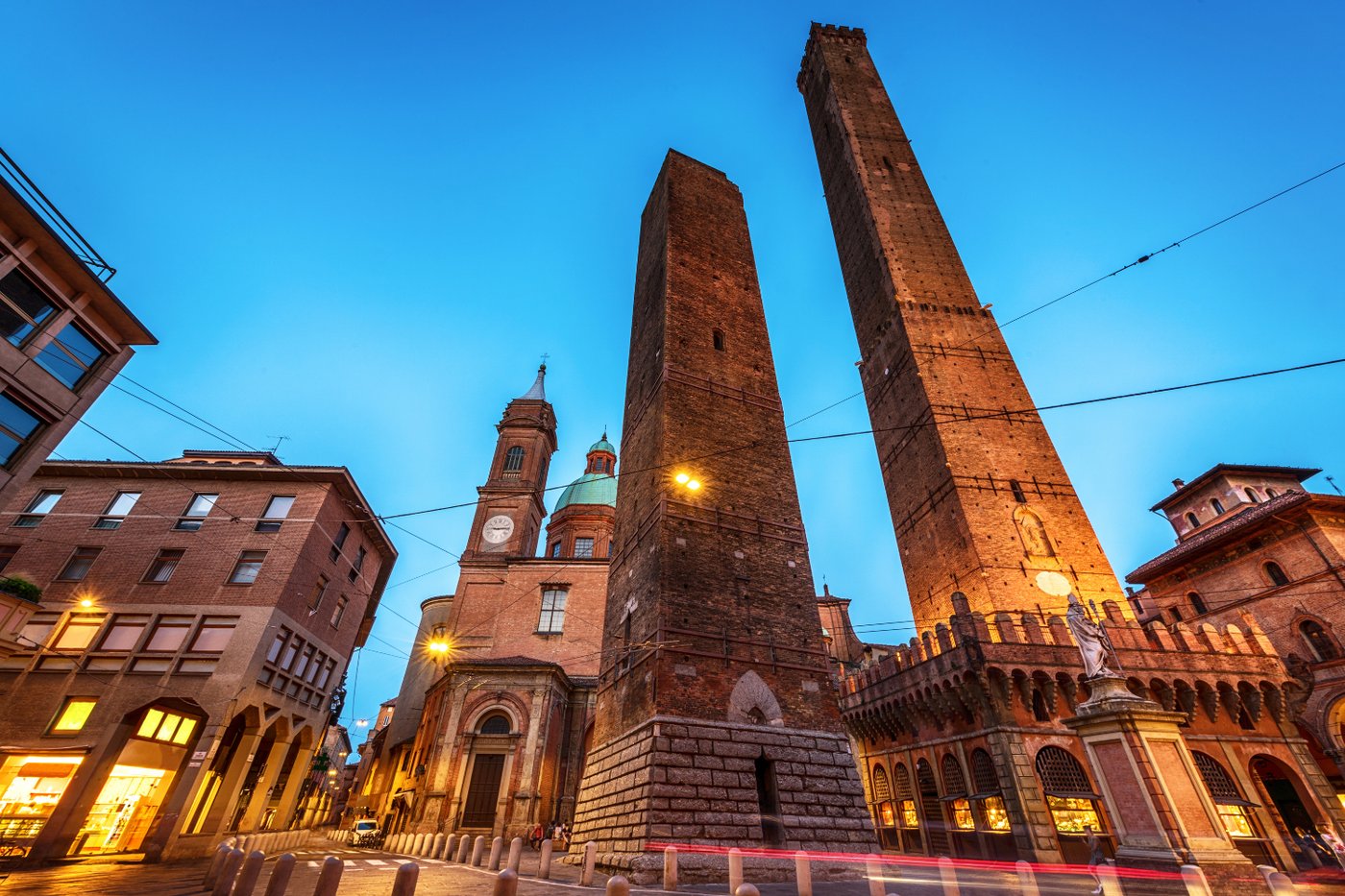
Piazza Maggiore anchors the historic center, flanked by the Basilica of San Petronio, one of the largest churches in Italy, and the Palazzo d'Accursio. A short walk away, the Due Torri, two leaning medieval towers, mark what was once the city's skyline of over 100 defensive towers built by rival noble families, of which only a couple of dozen still stand.
Bologna receives far fewer international visitors than Florence, Venice or Rome despite sitting on the same high-speed rail line that connects all three, which makes it an efficient stop for a first Italy trip rather than a detour. A traveler can add a day or two here between Florence and Venice and see a functioning university city with some of Italy's most defended regional cooking, rather than a city built primarily around tourism.
Gdansk mixes Baltic amber trade with Poland's Solidarity history
Credit: Sergey Guk / Pexels
Gdansk built its wealth on amber, and the city still calls itself the amber capital of the world, with more workshops and dealers concentrated in its old town than anywhere else in Europe. Ulica Mariacka, a single cobblestone street lined with amber shops housed in Gothic townhouses, is the easiest place for a first-time visitor to see raw and polished amber side by side and understand why the Baltic coast has supplied it for centuries.
The Long Market, or Długi Targ, forms the center of the historic core and is lined with merchant houses rebuilt after extensive damage in the Second World War. Their facades, in shades of green, pink and gold, reflect Gdansk's history as a wealthy Hanseatic League port that traded grain, timber and amber across northern Europe from the 14th century onward. The Neptune Fountain and the Gothic town hall, both reconstructed after the war, sit at the center of this stretch.
Gdansk also carries a more recent and consequential history. Westerplatte, a peninsula just outside the city center, is where the Second World War began on September 1, 1939, when German forces opened fire on a Polish military depot. Decades later, the same shipyards where that history unfolded became the birthplace of the Solidarity movement, the independent trade union founded in 1980 under Lech Wałęsa that helped end communist rule in Poland. The European Solidarity Centre, a museum built at the shipyard gates, documents that movement in detail.
Between those two historical bookends, Gdansk remains a working port city rather than a museum piece. The Motława river runs through the old town, lined with outdoor restaurants, and the medieval crane, once used to load cargo and mast ships, still stands as one of the largest surviving examples of its kind in Europe.
Compared with Warsaw or Krakow, Gdansk sees a fraction of the international visitors despite offering comparable architecture, a lower cost of living and direct access to Baltic beaches just a short tram ride from the center. For a first-time visitor to Poland, it offers a compact old town, a clear historical narrative from the Hanseatic era through the 20th century, and a coastal setting that neither Warsaw nor Krakow can provide.
Valencia balances futuristic architecture with paella's origin story
Credit: Nikola Čedíková / Pexels
Valencia is where paella originated, and the dish is still cooked there the traditional way: over a wood fire, in a wide shallow pan, with rice, rabbit, chicken, snails and green beans rather than the seafood-heavy versions served elsewhere. Restaurants in the Malvarrosa and Ruzafa neighborhoods serve versions closer to that original recipe, and Sunday afternoon is traditionally when Valencians eat it, often as a shared, unhurried meal rather than a quick lunch.
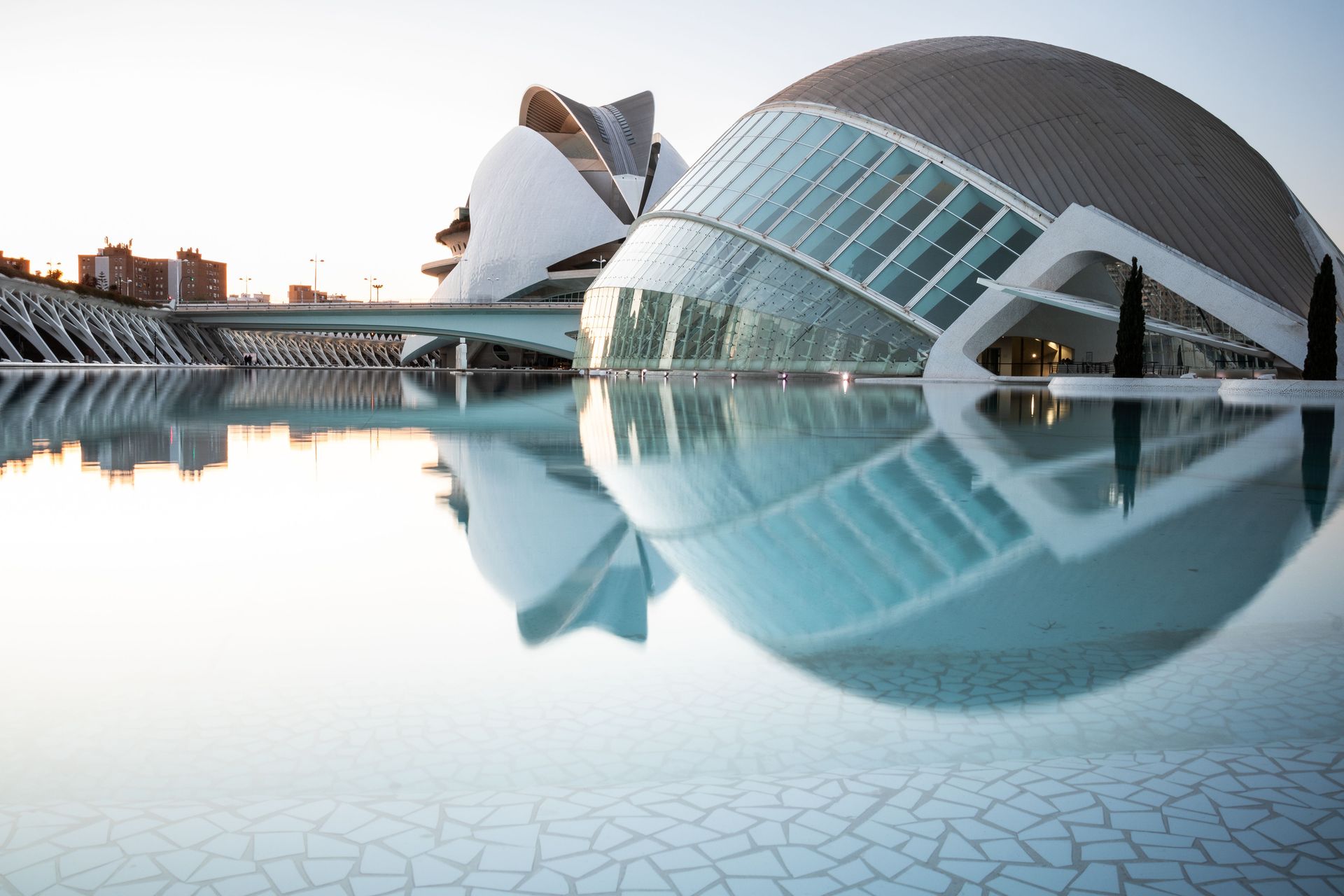
The City of Arts and Sciences, a complex of five structures designed largely by architect Santiago Calatrava, sits at the opposite end of Valencia's identity from its old town. Built along the dry bed of the former Turia riverbed starting in the 1990s, it includes an opera house, a science museum, a planetarium shaped like a giant eye, and Europe's largest aquarium, L'Oceanogràfic. The complex gives Valencia a modern architectural landmark on par with anything in Barcelona or Bilbao, without the crowds either city now draws.
That former riverbed is now the Turia Gardens, a 5.5-mile park that runs through the city after the Turia river was diverted following a severe flood in 1957. The park connects the old town to the City of Arts and Sciences on foot or by bike, and it functions as Valencia's main green space, used daily for running, cycling and informal sports fields.
Valencia's old town retains a separate, older character built around the Central Market, a covered iron-and-glass market hall completed in 1928 that remains a functioning food market rather than a tourist attraction, and the Llotja de la Seda, a Gothic silk exchange recognized as a UNESCO World Heritage site.
Set against Barcelona and Madrid, Valencia offers lower prices, shorter lines at its major sites and a beach within walking distance of downtown. For a first-time visitor to Spain, it combines a defining regional dish, a landmark modern architectural complex and an old town small enough to see without a rigid schedule.
Ghent delivers Bruges-style canals without the tour buses
Credit: flickch / Unsplash
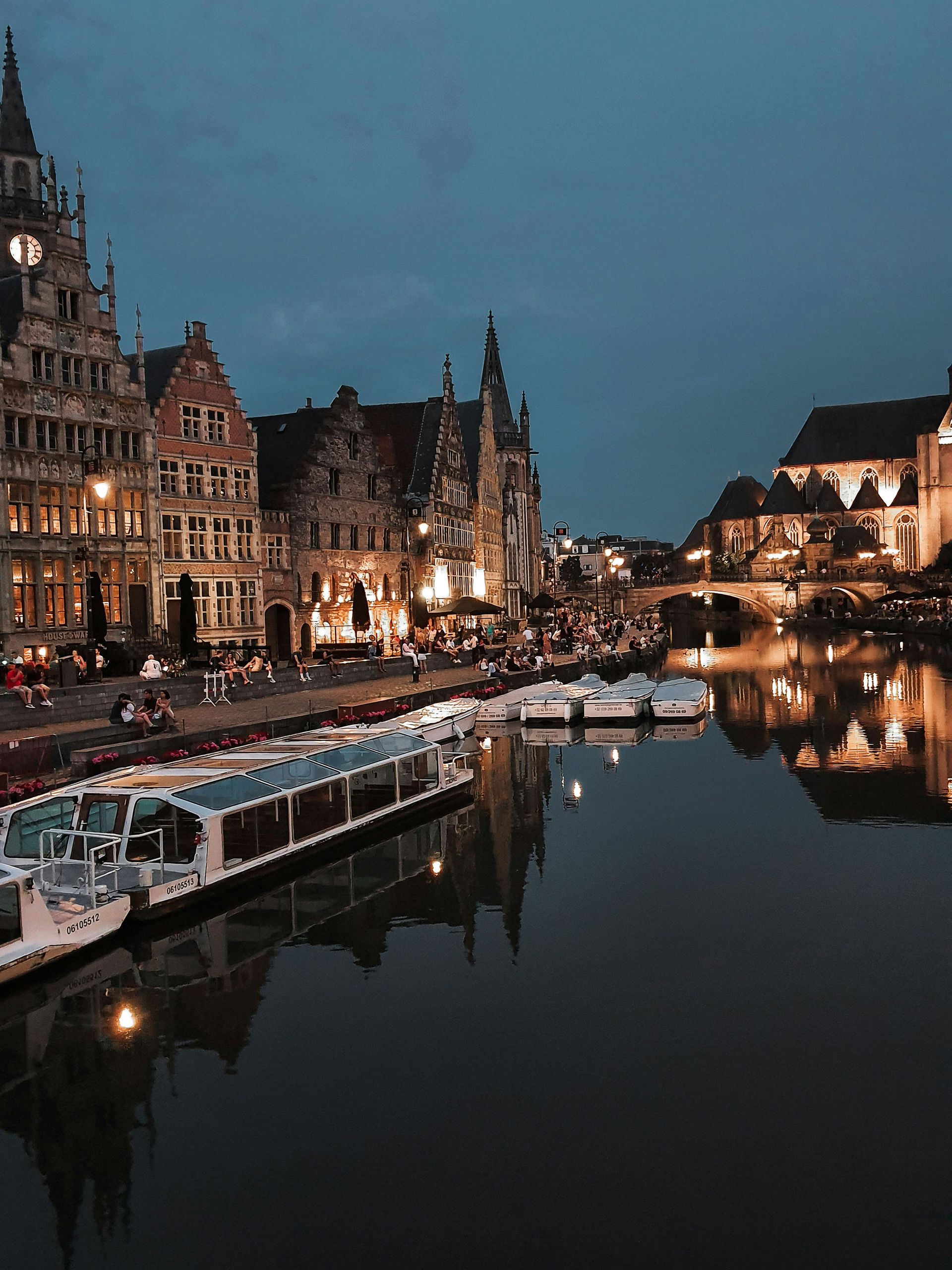
Ghent has the same medieval canals, guild houses and Gothic spires as Bruges, its more famous neighbor 30 minutes away, but receives far fewer day-trip tour groups. Graslei and Korenlei, two quays facing each other across the Leie river, are lined with restored guild houses from the 12th through 17th centuries and form the most photographed stretch of the city, especially at night when the facades are lit.
Gravensteen, a moated medieval castle built in 1180, sits directly in the city center and remains open to visitors, with an audio guide that covers its history as both a residence for the counts of Flanders and, later, a prison and factory. Unlike many European castles that sit outside city limits, Gravensteen is a ten-minute walk from Ghent's main square, making it easy to fit into a short visit.
Saint Bavo's Cathedral houses the Ghent Altarpiece, a 15th-century polyptych painted largely by Jan van Eyck and considered one of the most influential works in the history of Western painting. The altarpiece was restored over more than a decade and is now displayed in a dedicated, climate-controlled chapel within the cathedral, with a separate ticket required to see it up close.
Ghent is also a university city, home to Ghent University and a student population that keeps prices lower and nightlife more active than in Bruges, where much of the historic center empties out after day-trippers leave in the late afternoon. The Vrijdagmarkt square and the surrounding streets host bars and restaurants that stay busy well past the hours when Bruges quiets down.
For a first-time visitor to Belgium, Ghent offers the same canal-side architecture and Gothic landmarks that draw people to Bruges, combined with a functioning city center that does not shut down once the tour buses leave, and at a lower cost for both food and lodging.
Graz showcases Austria's second city and its modern art museum
Credit: Chris / Pexels
Graz is Austria's second-largest city after Vienna, and its old town was recognized as a UNESCO World Heritage site in 1999 for the density of well-preserved architecture spanning the Gothic, Renaissance, Baroque and Art Nouveau periods within a compact center. Unlike Vienna's imperial scale, Graz's old town can be walked end to end in under half an hour.
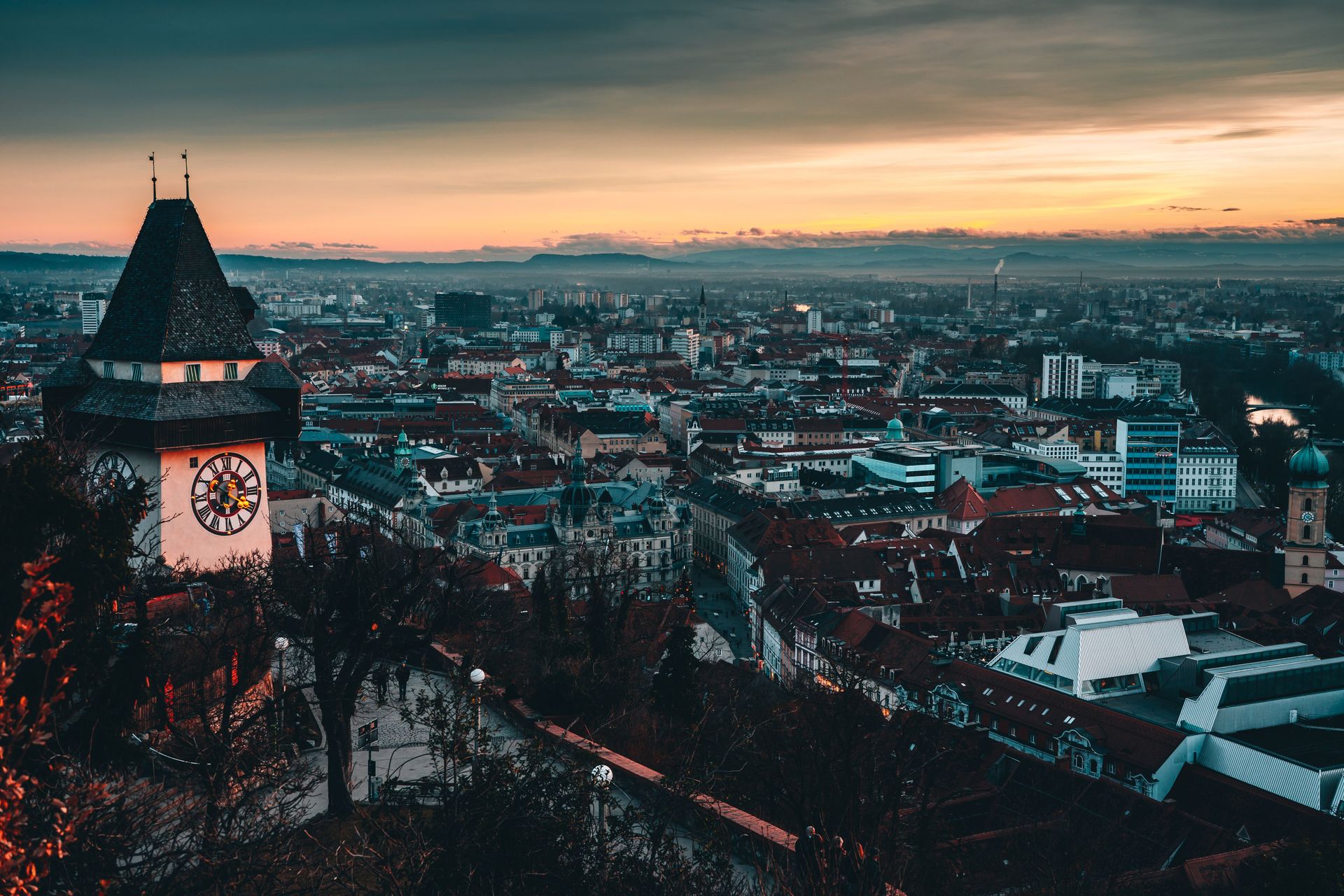
The Schlossberg, a hill rising directly above the old town, is reachable by funicular or a set of stairs cut into the rock, and offers a view over the terracotta rooftops below along with the clock tower, the Uhrturm, that has become the city's unofficial symbol. The clock tower's hour and minute hands are reversed in size from a standard clock, a quirk dating to when the larger hand indicated the hour so it could be seen from farther away.
Kunsthaus Graz, a biomorphic contemporary art museum built in 2003, gives the city a modern counterpoint to its historic core. Locals nicknamed it the friendly alien for its bulbous blue exterior, and it sits directly across the Mur river from the old town's Renaissance and Baroque buildings, creating a contrast that has become one of the more discussed pieces of contemporary architecture in Austria.
Graz sits in Styria, a wine and food region known for pumpkin seed oil, a dark, nutty oil pressed from roasted pumpkin seeds and used across Austrian and Slovenian cooking. The city's weekly farmers markets, particularly around Kaiser-Josef-Platz, sell the oil alongside Styrian produce, and it appears on menus throughout the old town drizzled over salads and soups.
As a university city with two major institutions, Graz keeps prices below Vienna's while offering a comparable density of historic architecture in a much smaller area. For a first-time visitor to Austria, it works either as a standalone two-day stop or as a link between Vienna and Ljubljana, both roughly two and a half hours away by train.