Credit: Canva Images
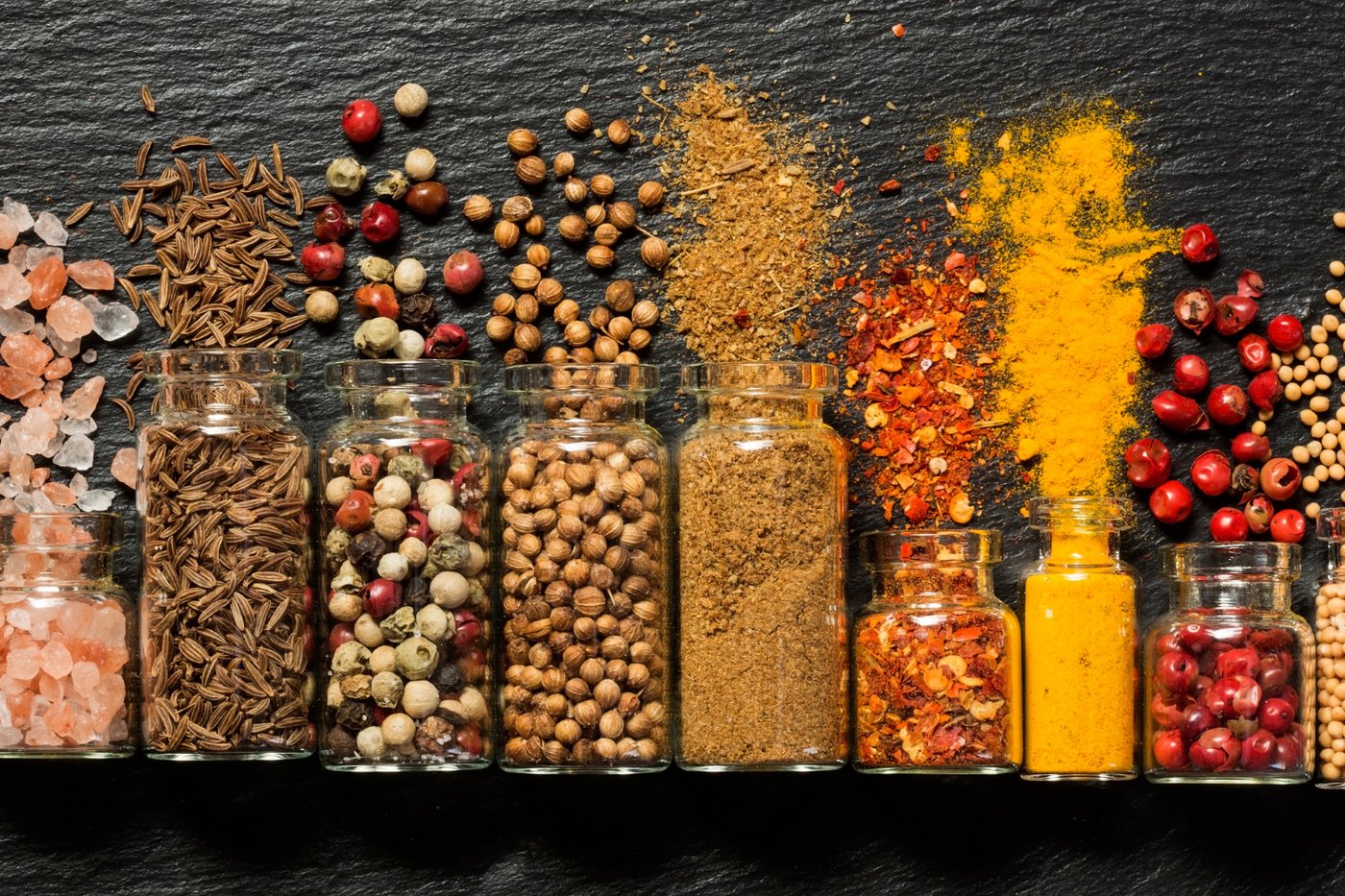
Most home kitchens run on a rotation of perhaps 20 ingredients. Olive oil, garlic, onions, chicken, pasta, canned tomatoes, a few dried herbs — the same cast appears night after night. That rotation isn't a failure of imagination so much as a failure of information. Plenty of ingredients sit within arm's reach at an ordinary supermarket, cost a few dollars, keep for months and can transform a weeknight dinner. Home cooks skip them because nobody ever explained what they do or how to start.
Professional kitchens don't have this problem. Restaurant cooks reach constantly for anchovies, fish sauce, miso, sherry vinegar and dried mushrooms — not because these are exotic, but because they solve a specific problem: depth. Home cooking often tastes flat compared to restaurant cooking, and the gap usually isn't technique. It's the absence of ingredients that carry glutamates, acid, salt and aroma in concentrated form. A teaspoon of the right condiment does the work of an hour of simmering.
The 25 ingredients that follow share a few traits. Almost all are shelf-stable or long-lasting in the refrigerator, so buying one is a low-risk experiment rather than a race against spoilage. Almost all are inexpensive relative to the flavor they deliver. And every one of them is genuinely versatile — not a single-recipe novelty, but a building block that works across cuisines and across the week. Some are pantry staples in other parts of the world that never earned a permanent spot in U.S. kitchens. Others are familiar items, like cabbage or citrus zest, that cooks buy and then use at a fraction of their potential.
Each entry below explains what the ingredient actually contributes — the chemistry and the flavor logic — and then gets concrete: what to buy, how to store it and at least three or four specific ways to put it to work. None of these require special equipment or advanced technique. The point is not to complicate dinner. It's to make the dinner you already cook taste noticeably better, one small addition at a time.
1 / 25
Credit: alleksana / Pexels
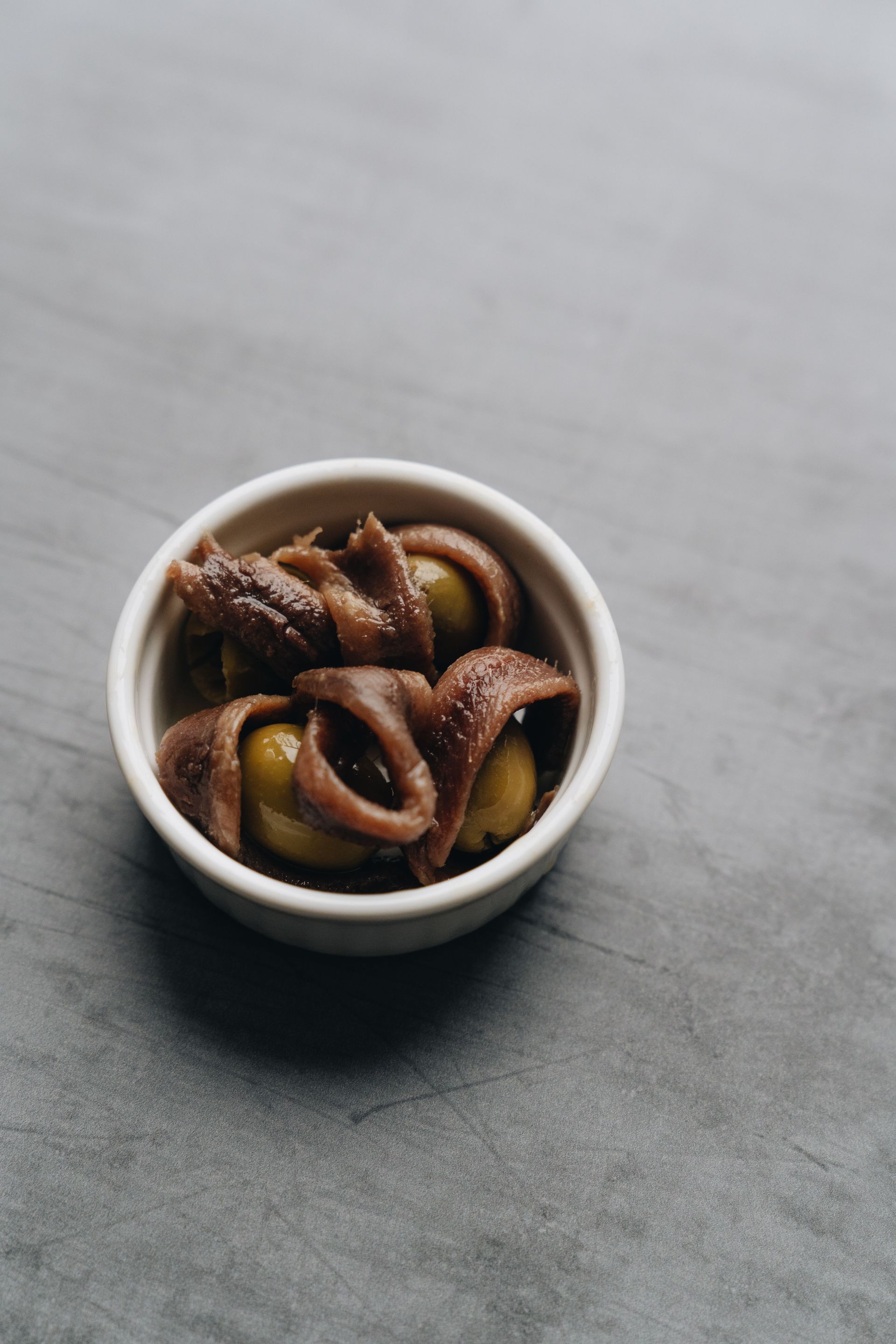
Anchovies suffer from a branding problem. Most Americans know them only as the polarizing pizza topping, which is the single worst way to meet them. Used correctly, anchovies don't taste fishy at all. They dissolve into sauces and dressings, leaving behind a deep, savory backbone that most eaters identify as "rich" rather than "fish."
The reason is chemistry. Curing anchovies in salt breaks their proteins down into free glutamates and nucleotides, the compounds responsible for umami. A single fillet melted into a pan of warm olive oil delivers the same savory depth as a long-simmered stock, in about 90 seconds.
Buy oil-packed fillets in a jar rather than a tin. Jars reseal, keep for months in the refrigerator and let you fish out one fillet at a time. Anchovy paste in a tube works too, though it's slightly less nuanced; a half-teaspoon of paste roughly equals one fillet.
Start with pasta. Warm a few tablespoons of olive oil over medium-low heat, add two or three fillets and stir until they disintegrate, then add garlic and red pepper flakes. Toss with spaghetti and a splash of pasta water and you have a version of the classic Italian dish that takes 15 minutes. From there, expand. Mash a fillet into vinaigrette for bitter greens like escarole or radicchio. Add one to the pot when braising lamb or beef — it deepens the sauce without announcing itself. Blend a couple into softened butter for steak or roasted vegetables.
Anchovies are also the quiet engine behind foods people already love. Caesar dressing depends on them. So does Worcestershire sauce, and so do many puttanesca and Bolognese recipes. Anyone who enjoys those flavors already likes anchovies. The jar in the refrigerator door just makes the connection official, and it turns dozens of ordinary dishes into noticeably better ones.
2 / 25
Credit: Matheus Bertelli / Pexels
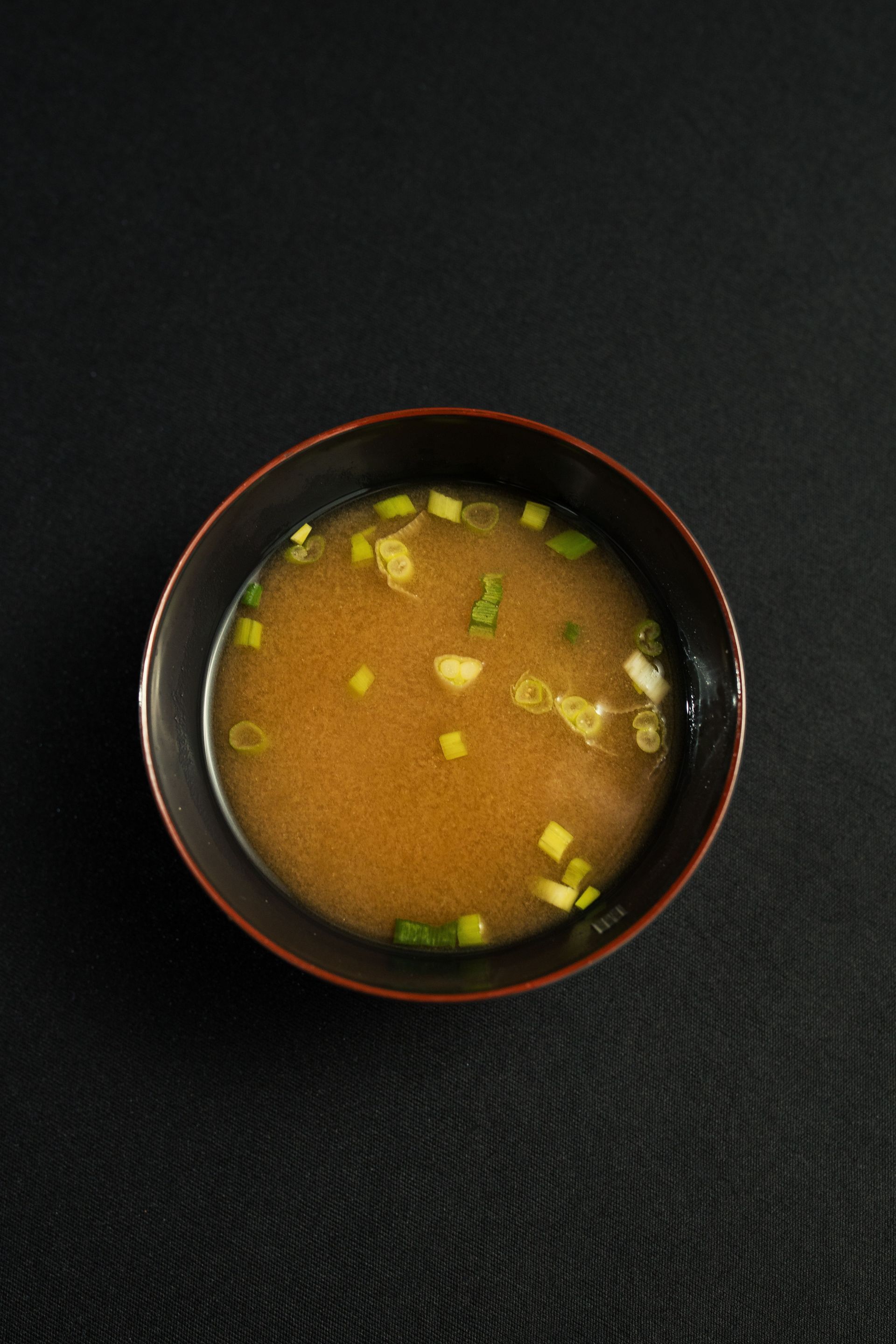
Miso is fermented soybean paste, and it belongs in far more than soup. Fermentation loads it with glutamates, salt and a subtle sweetness, which makes it one of the most efficient flavor concentrates a cook can own. A spoonful stirred into almost any savory dish adds depth that would otherwise take hours to build.
Start with white miso, sometimes labeled shiro. It's the mildest and sweetest variety, fermented for a shorter time, and it plays well in both Japanese and Western dishes. Red miso is stronger and saltier, better suited to hearty stews and marinades. A tub keeps in the refrigerator for a year or more, so the initial purchase is a long-term investment.
The most direct application is a glaze. Whisk white miso with a little mirin or honey and a splash of water, brush it on salmon, chicken thighs or thick slices of eggplant, and broil until the surface caramelizes. The sugars in the miso brown quickly and produce a lacquered, savory-sweet crust with almost no effort.
Miso also excels where nobody expects it. Whisk a small spoonful into butter and toss it with corn, roasted potatoes or steamed green beans. Add a teaspoon to caramelized onions for French onion soup. Stir it into peanut sauce, salad dressing or even mac and cheese, where its saltiness sharpens the cheddar. Bakers have caught on as well: miso caramel and miso chocolate chip cookies use the paste the way other recipes use flaky salt, to balance sweetness with a savory undertone.
One rule governs all of it. Miso's aroma is delicate, and hard boiling dulls it. When making soup or sauce, dissolve the paste in a ladle of warm liquid and stir it in near the end of cooking. Treat it as a finishing ingredient rather than a base and it will repay the attention.
3 / 25
Credit: Canva Images
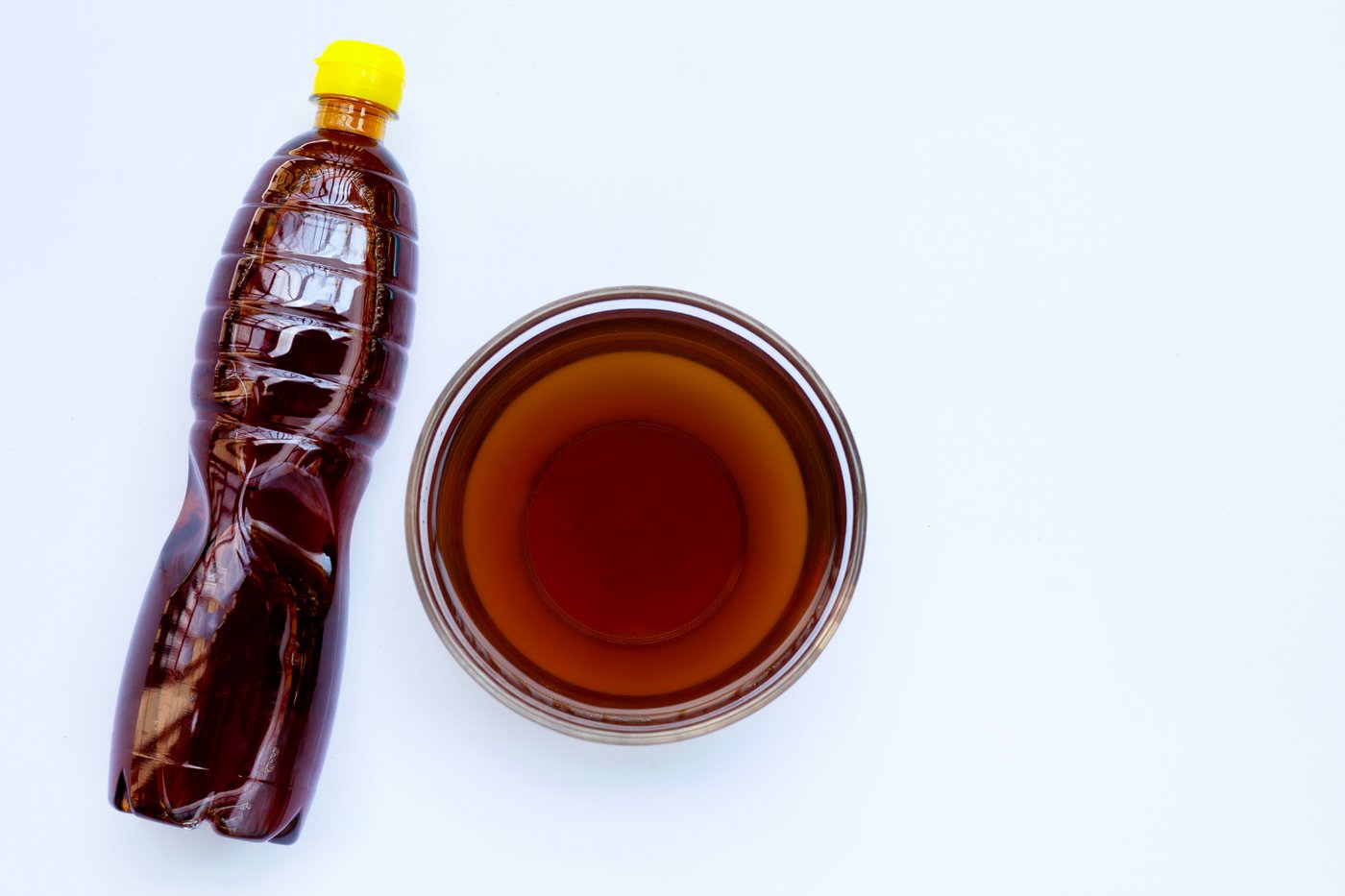
Fish sauce is the liquid backbone of Thai and Vietnamese cooking, made by fermenting anchovies with salt for a year or more. Out of the bottle it smells aggressive. Diluted in a dish, it disappears entirely, leaving behind salt and a wave of savory depth that no other single ingredient replicates.
The trick is dosage. A teaspoon or two in a dish serving four people won't taste like fish. It will taste like the dish was cooked by someone more experienced. That's because fish sauce carries an enormous concentration of glutamates, the same compounds found in parmesan, tomatoes and cured meat.
Look for a bottle listing only anchovies, salt and perhaps sugar. Widely available brands like Red Boat, Three Crabs and Squid all work. Store it in a cool cupboard; it lasts indefinitely.
Use it first where it belongs. A dipping sauce of fish sauce, lime juice, sugar, water and chiles — the Vietnamese nuoc cham — dresses grilled meat, rice noodles and salads. A splash goes into pad thai, fried rice and nearly every Southeast Asian stir-fry. But its real value to a home cook is off-script. Add a teaspoon to beef stew, chili or Bolognese and the meat tastes meatier. Whisk a few drops into a Caesar or tomato salad dressing. Add it to a marinade for steak or pork chops, where its salt penetrates and seasons the interior.
Fish sauce also rescues vegetarian dishes that taste thin, though strict vegetarians should note it is an animal product; some brands now make convincing versions from seaweed and mushrooms. Roasted brussels sprouts tossed with fish sauce, lime and a little sugar became a modern restaurant standard for a reason.
If a dish tastes complete but somehow hollow, fish sauce is often the missing floor underneath the other flavors. Start small, taste and adjust. It's cheap insurance against blandness.
4 / 25
Credit: Canva Images
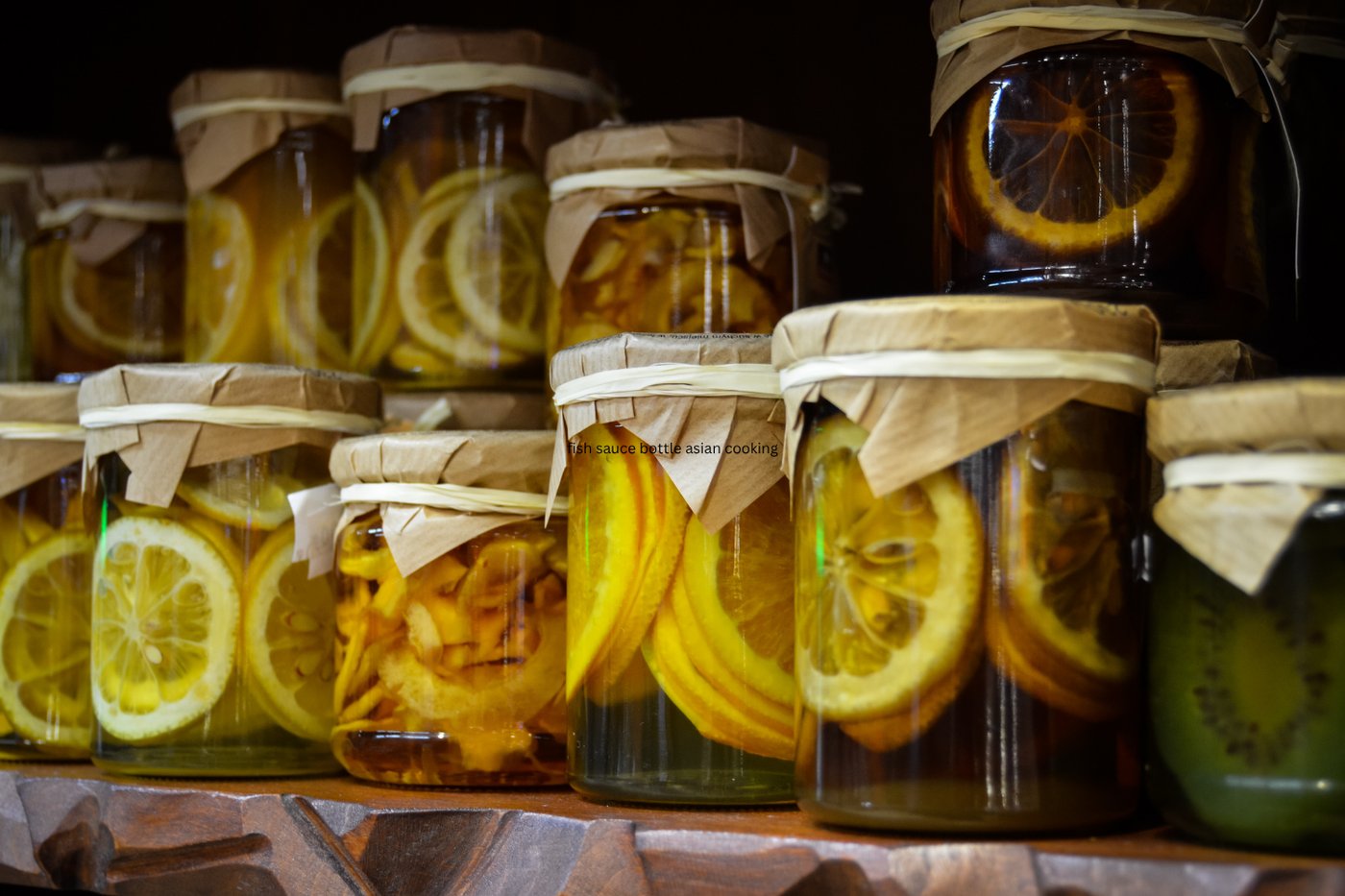
Preserved lemons are whole lemons packed in salt and left to cure for weeks, a staple of Moroccan and broader North African cooking. The salt and time transform the fruit. The harsh acidity mellows, the bitterness of the peel fades and what remains is an intensely lemony, floral, slightly funky condiment unlike fresh lemon in any form.
The peel is the prize. Most recipes call for scraping away the soft flesh, rinsing the rind and mincing it fine. A tablespoon of minced preserved lemon peel perfumes an entire pot of food. The flesh and the salty brine are useful too — the brine works like a citrus-forward soy sauce in dressings and marinades.
The classic application is chicken tagine with olives, where preserved lemon supplies the dish's signature brightness. But the ingredient ranges much further. Stir minced peel into couscous, rice pilaf or grain salads. Fold it into yogurt with garlic for a sauce that suits grilled lamb, roasted carrots or falafel. Add it to a vinaigrette for kale or shaved fennel. Chop it into gremolata with parsley and garlic and scatter it over braised short ribs or osso buco.
It also earns a place in weeknight staples. Mash a little into butter for roast chicken. Blend it into hummus. Toss it with pasta, olive oil, parmesan and black pepper for a 10-minute dinner with unusual depth. A small amount cuts through rich, fatty dishes the way capers or vinegar do, but with a rounder, more aromatic character.
Jars are sold at Middle Eastern grocers, many supermarkets and online, and they keep in the refrigerator for a year. Making them at home requires only lemons, salt, a clean jar and about a month of patience. Either way, one jar covers dozens of dishes, because the flavor is so concentrated that a single lemon goes a long way.
5 / 25
-1400x933.png)
Credit: Canva Images
Tahini is sesame paste — nothing more than hulled sesame seeds ground until they release their oil. Most U.S. home cooks buy a jar to make hummus, use three tablespoons and let the rest solidify in the refrigerator. That's a waste of one of the most flexible ingredients in the pantry, one that moves fluently between savory and sweet.
Good tahini pours like heavy cream and tastes nutty with a gentle bitterness. Brands made from Ethiopian sesame seeds, common among Israeli and Palestinian producers, tend to be smoother and less bitter than older supermarket standbys. Stir the jar well before each use, since the oil separates, and store it in a cool cupboard or the refrigerator.
The foundational move is tahini sauce. Whisk tahini with lemon juice, a crushed garlic clove, salt and cold water. The mixture will seize and thicken at first; keep whisking in water until it loosens into a pale, pourable sauce. That sauce belongs on far more than falafel. Spoon it over roasted cauliflower, sweet potatoes or broccoli. Drizzle it on grain bowls, grilled chicken or seared salmon. Thin it further and it becomes a salad dressing that handles sturdy greens better than most vinaigrettes.
Sweet applications may be even more underused. Tahini behaves like peanut butter with more sophistication. Swirl it into brownie batter before baking. Blend it into banana smoothies or milkshakes. Drizzle it over vanilla ice cream with a pinch of flaky salt, or over yogurt with honey and toasted sesame seeds. Tahini cookies — essentially peanut butter cookies with sesame swapped in — have become a bakery standard.
It also enriches without dairy. A spoonful whisked into vegetable soup adds body the way cream does. Stirred into oatmeal, it adds fat and protein. For anyone cooking for people with peanut allergies, tahini is the most direct substitute available, and often the better-tasting one.
6 / 25
Credit: Canva Images
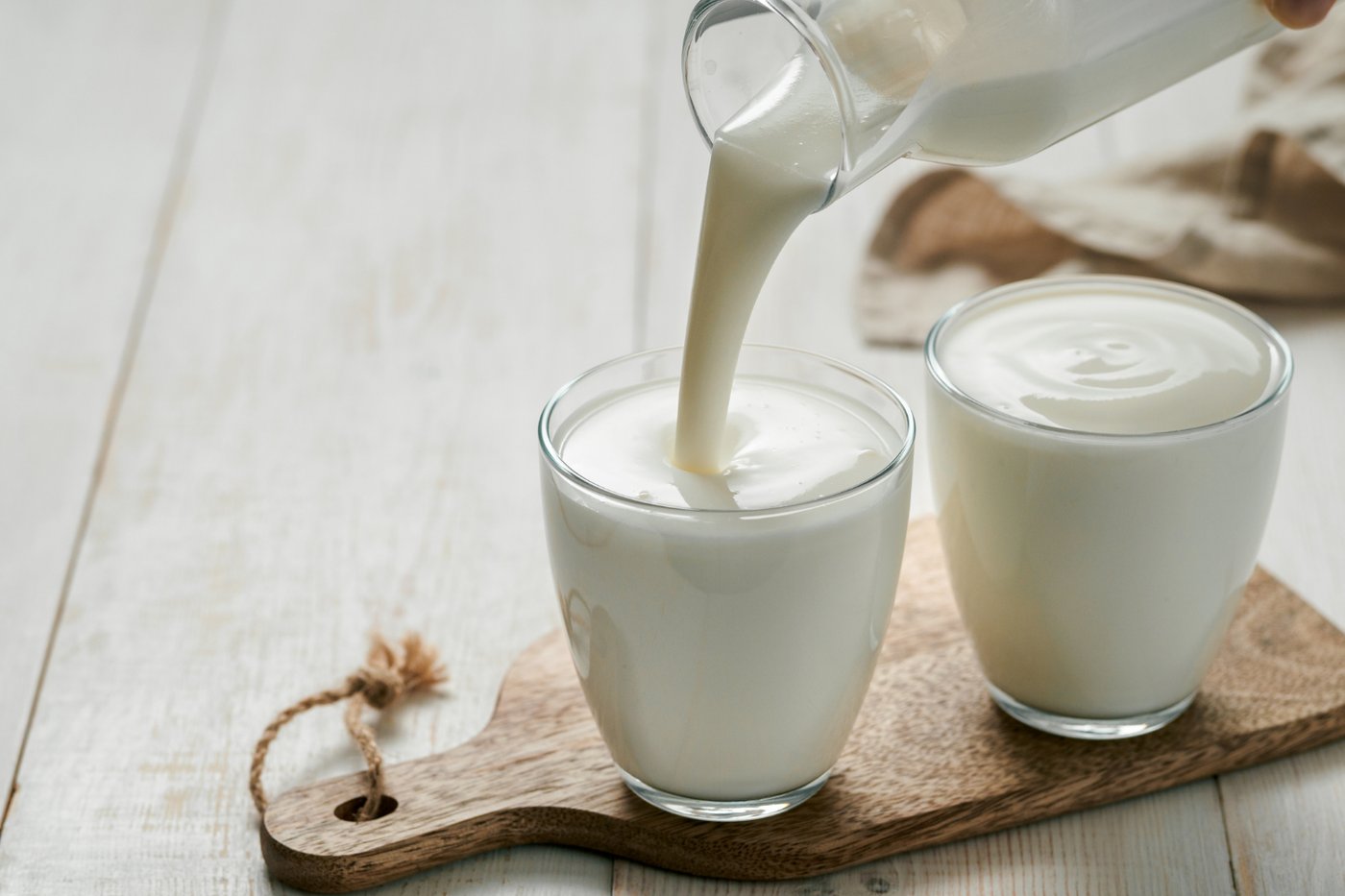
Buttermilk lingers in the dairy case as a biscuit ingredient, bought once a year and poured half down the drain. Modern buttermilk is cultured low-fat milk, tangy and slightly thick, and its acidity makes it a workhorse in three separate jobs: tenderizing, leavening and dressing.
Tenderizing comes first. Buttermilk's mild acid and calcium break down proteins slowly, which makes it the classic marinade for fried chicken. Soak chicken pieces in salted buttermilk for four to 24 hours and the meat emerges seasoned and tender, with a surface that grips flour beautifully. The same logic applies to a whole roast chicken: a day in a buttermilk brine, drained and roasted, produces deeply browned skin and juicy meat with almost no active work.
Leavening is the second job. Buttermilk's acid reacts with baking soda to produce carbon dioxide, which is why it appears in pancakes, biscuits, scones, cornbread and many cake recipes. Swapping buttermilk for regular milk in pancakes, with a bit of baking soda added, yields a lighter texture and a pleasant tang that plain milk cannot provide.
The third job is the most overlooked. Buttermilk makes outstanding dressings. Whisk it with mayonnaise or sour cream, garlic, herbs and lemon and you have ranch dressing that bears little resemblance to the bottled version. Thinned with olive oil and vinegar, it dresses tomato salads, cucumbers and butter lettuce. Blended with feta or blue cheese, it becomes a dip for vegetables or wings.
Buttermilk also keeps far longer than sweet milk — often three weeks or more after opening, because its acidity resists spoilage. Leftovers can go into smoothies, chilled soups, mashed potatoes or a quick soda bread. Buy one carton and assign it several jobs in the same week; almost nothing else in the dairy aisle works this hard for the price.
7 / 25
Credit: Canva Images
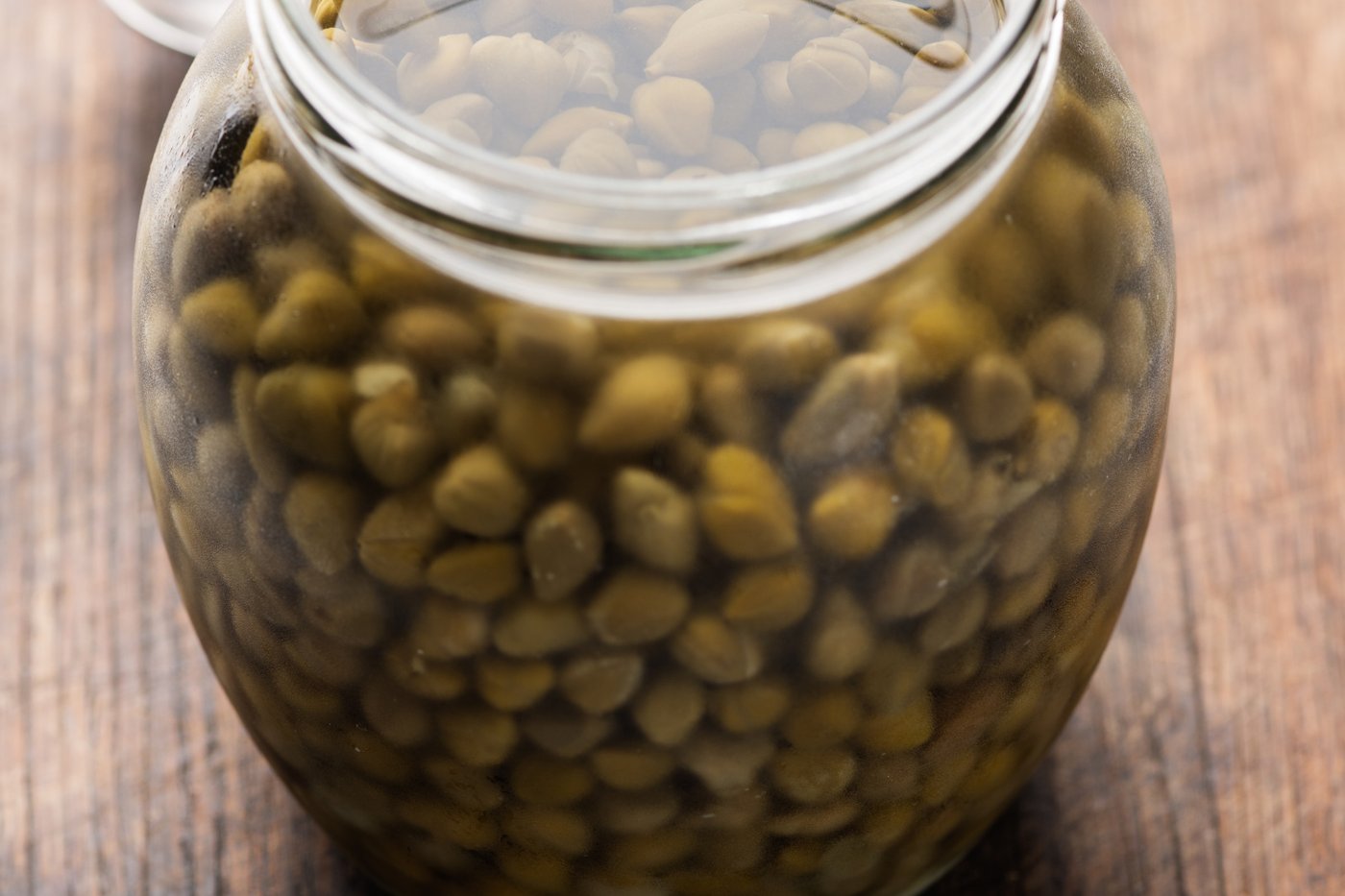
Capers are the pickled flower buds of a Mediterranean shrub, and they deliver three things at once: salt, acid and a pungent, almost mustardy bite. Most home cooks encounter them in chicken piccata and on smoked salmon bagels, then let the jar sit untouched for a year. The jar deserves more work.
Two forms appear in stores. Brined capers, packed in vinegar and salt water, are ready to use straight from the jar. Salt-packed capers have a purer, more floral flavor but need a brief rinse and soak. Smaller buds, labeled nonpareil, are more delicate; larger ones are more assertive and benefit from chopping. Both keep in the refrigerator nearly indefinitely.
Their most obvious role is in pan sauces. After searing chicken, fish or pork, deglaze the pan with wine or stock, add a spoonful of capers, finish with butter and lemon, and the sauce acquires brightness and structure. They are also essential to puttanesca, tartar sauce and salsa verde — the Italian herb sauce of parsley, capers, anchovy, garlic and olive oil that improves nearly anything grilled.
Less expected uses are where capers earn their keep. Fried capers add a crisp texture that the brined bud alone can't offer: pat them dry, sizzle them in a shallow pool of olive oil for a minute or two until they burst open and crisp, then scatter them over pasta, salads, roasted fish or deviled eggs like savory confetti. Chopped capers sharpen egg salad, chicken salad and potato salad, doing the work of pickles with more complexity. A few stirred into browned butter make an instant sauce for cauliflower, skate or gnocchi.
Think of capers as punctuation. Rich, soft or mild dishes — anything creamy, buttery or starchy — read as flat sentences without them. A teaspoon supplies the comma and the exclamation point at once.
8 / 25
Credit: Canva Images
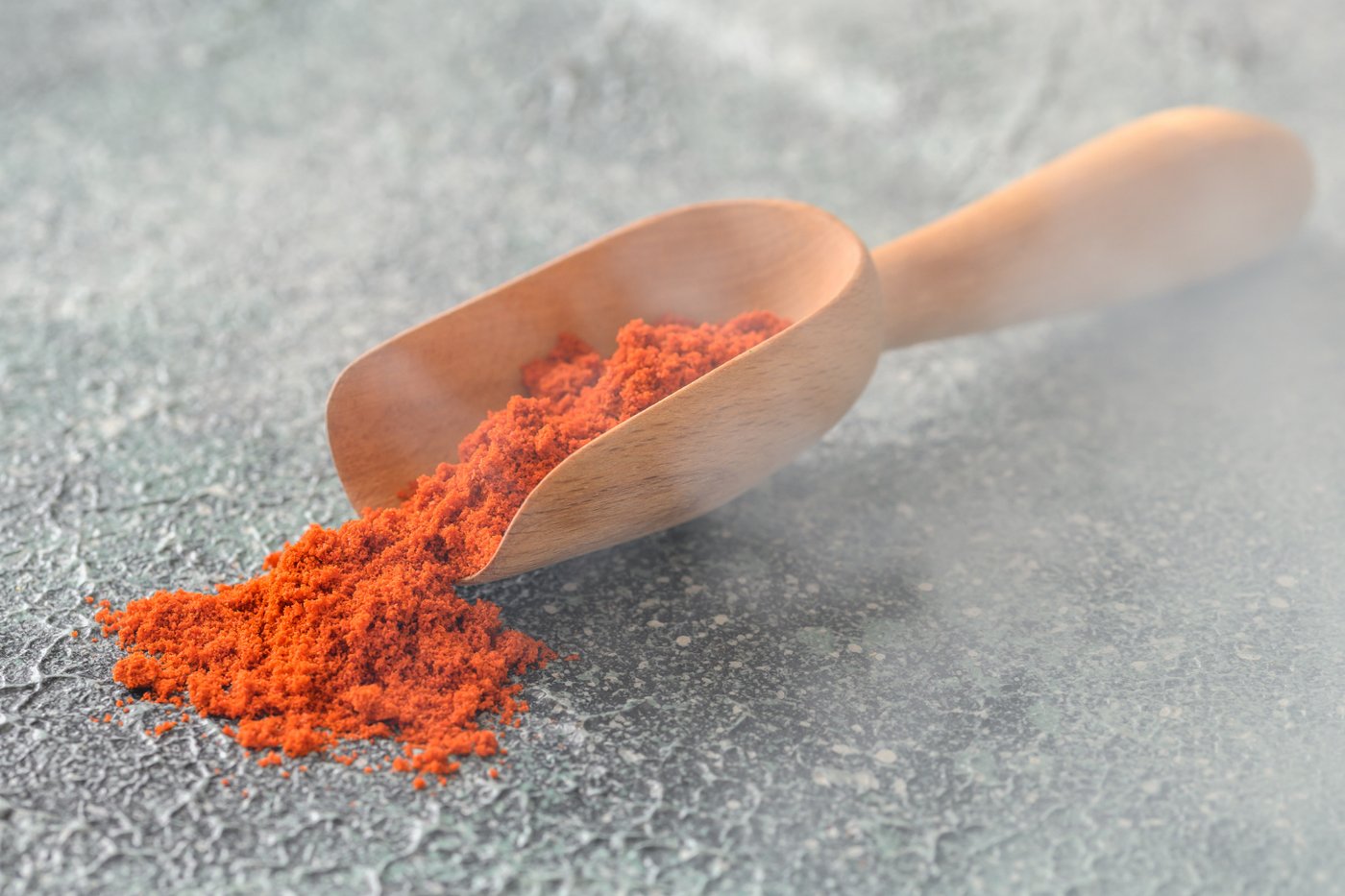
Smoked paprika, or pimentón, is made from peppers dried slowly over oakwood fires in Spain before grinding. The process infuses the powder with genuine smoke, which means a half-teaspoon can suggest bacon, grill char or wood fire in dishes that never went near a flame. For home cooks without a smoker, it's the cheapest smoke money can buy.
It comes in three styles: dulce (sweet), agridulce (bittersweet) and picante (hot). Sweet is the most versatile starting point, since it adds smoke without heat. The spice loses potency within a year or so, like all ground peppers, so buy small tins and replace them rather than letting one fade in the cupboard for a decade.
Spanish cooking gives the obvious applications. Smoked paprika defines chorizo, colors patatas bravas and seasons the garlic shrimp dish gambas al ajillo. Paella depends on it. But its usefulness in an American kitchen goes far beyond Spanish recipes.
Vegetarian and vegan cooking benefits most. A pinch in lentil soup, black bean chili or collard greens supplies the smoky depth those dishes traditionally get from ham hocks or bacon. Roasted chickpeas tossed with smoked paprika, cumin and olive oil become a crunchy snack with real presence. Scrambled tofu, mushroom tacos and vegetarian gravy all gain from it.
It also improves familiar staples. Add it to deviled eggs instead of plain paprika, which contributes color but little else. Mix it into mayonnaise for sandwiches and fries. Rub it with brown sugar, salt and garlic powder onto pork shoulder, chicken thighs or salmon before roasting. Dust it over popcorn with melted butter.
One caution: heat it gently. Ground paprika scorches fast in a hot, dry pan and turns bitter. Add it to dishes with some liquid or fat already present, or bloom it briefly in warm oil off the heat, and its flavor stays sweet and round.
9 / 25
Credit: Melike B / Pexels
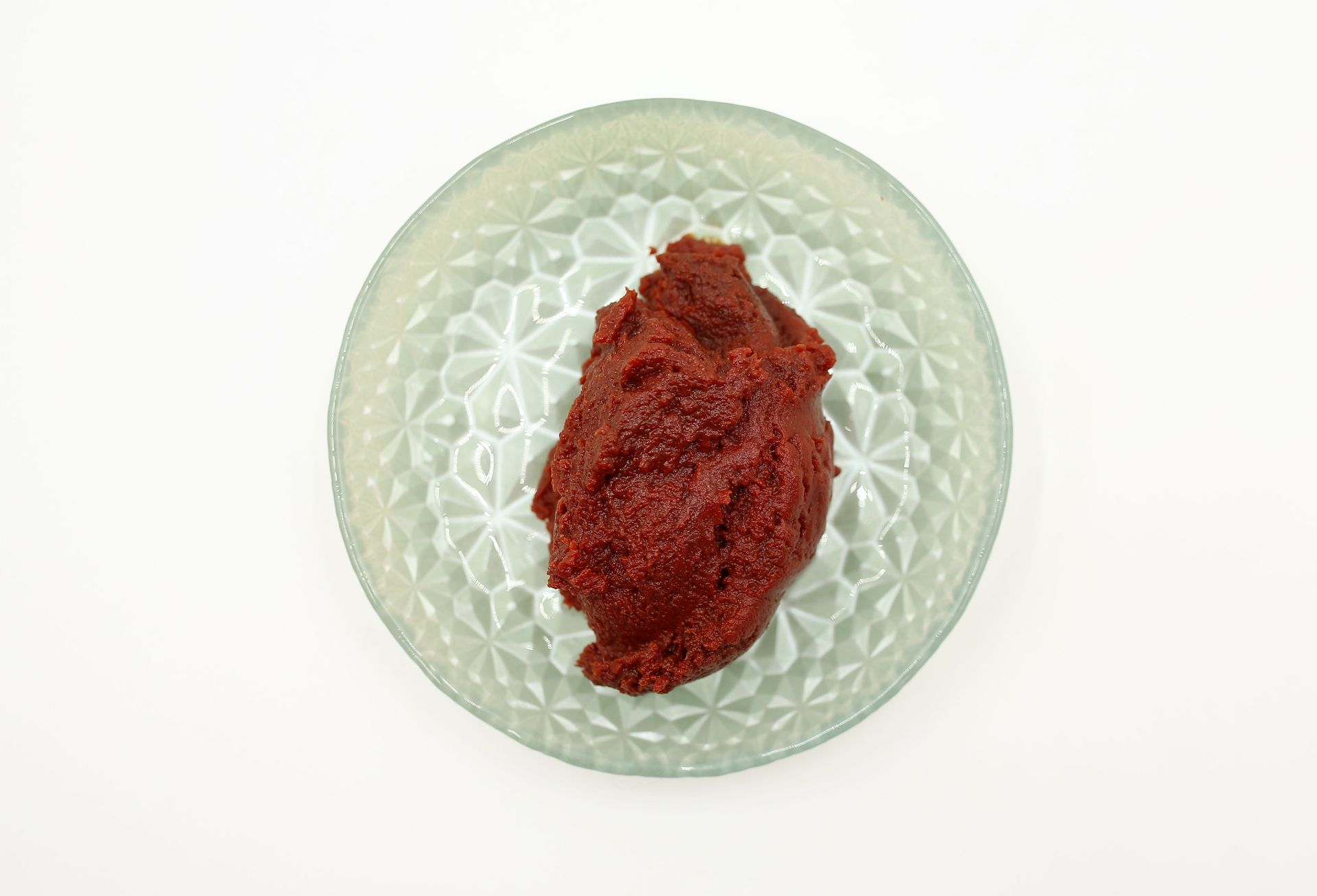
Gochujang is Korea's fermented red chile paste, built from chile powder, glutinous rice, fermented soybeans and salt. The result is thick, brick-red and unusual among hot condiments: it is simultaneously spicy, sweet and deeply savory, with the rounded funk that only fermentation produces. Sriracha delivers heat; gochujang delivers heat with architecture.
Tubs of it are now stocked in most large U.S. supermarkets, usually near the soy sauce. It keeps in the refrigerator for a year or longer. Heat levels vary by brand and are usually marked on the package, so mild starters exist for cautious cooks.
In Korean cooking, gochujang anchors bibimbap sauce, marinates spicy pork bulgogi and seasons stews like budae jjigae. Tteokbokki, the beloved street dish of chewy rice cakes, simmers in a gochujang sauce. Any of these is a worthwhile project. But the paste adapts readily to non-Korean cooking, which is where underuse really shows.
Whisk a spoonful with honey, soy sauce, rice vinegar and a little sesame oil and you have a glaze that transforms chicken wings, salmon, pork tenderloin or roasted brussels sprouts. Stir a teaspoon into mayonnaise for burgers, fries or fried chicken sandwiches. Add it to a pot of chili or a braise of short ribs, where it plays the role tomato paste and chile powder usually split between them. Blend it into butter and melt it over grilled corn.
It also fixes weeknight food. A half-spoonful stirred into instant ramen, fried rice or plain noodles with sesame oil turns a five-minute meal into something with depth. Because the paste is thick and concentrated, it clings to food rather than pooling, which makes it better than most hot sauces for glazing and roasting.
Start with less than you think. The heat builds as the sweetness fades, and a little goes further than the tub's size suggests.
10 / 25
Credit: Canva Images
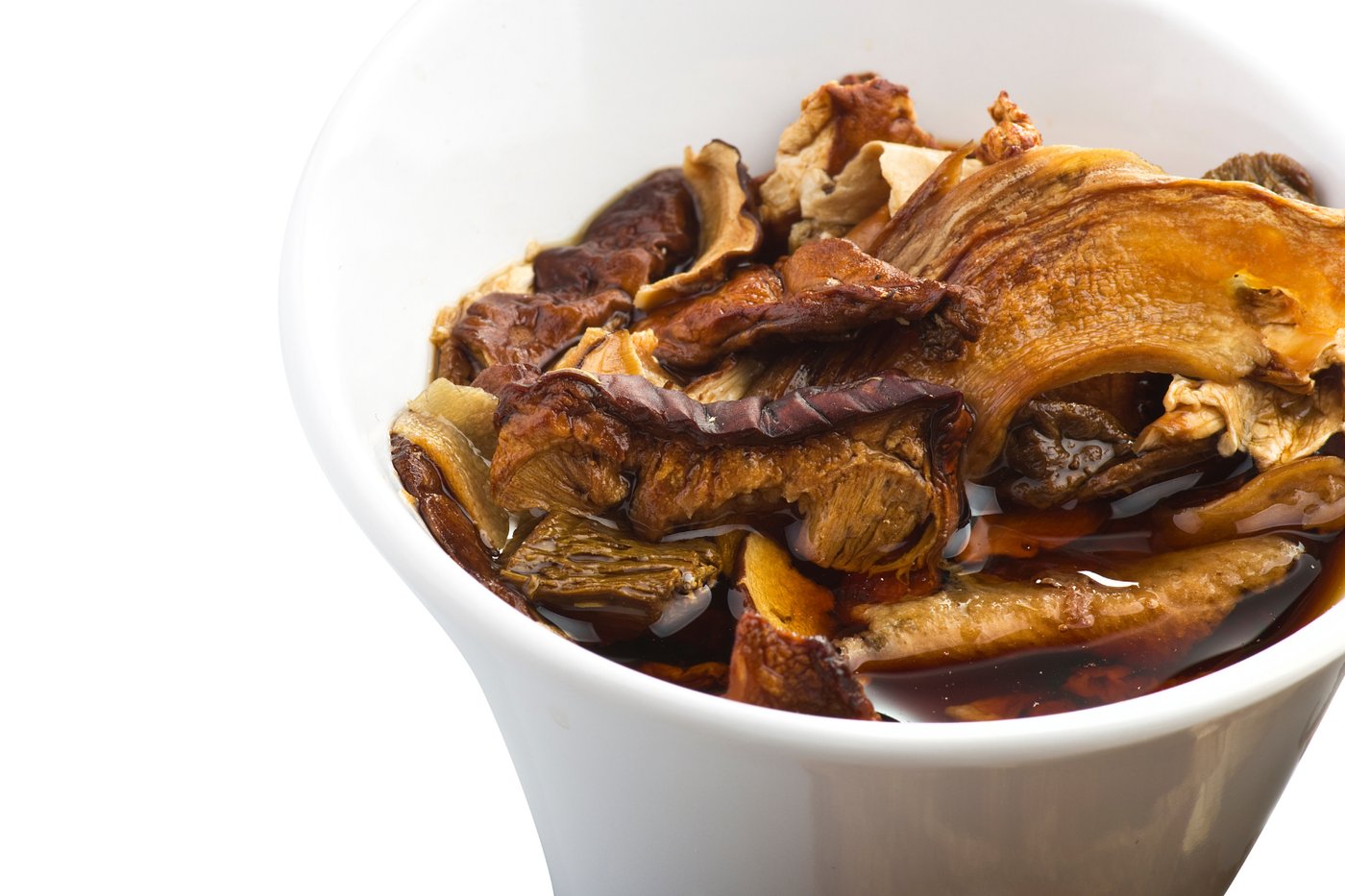
Dried porcini look unpromising — wrinkled brown slices in a small, expensive-seeming bag. They are one of the most concentrated savory ingredients in any store. Drying intensifies the mushrooms' glutamates and guanylates, compounds that amplify the savory taste of everything they touch. A half-ounce can deepen a pot of food for six people.
The standard method is a soak. Cover the dried slices with hot water for 20 to 30 minutes. Two ingredients emerge: the rehydrated mushrooms, which chop into risotto, pasta sauce or stuffing, and the soaking liquid, which is the real treasure. That amber liquid is essentially instant mushroom stock. Pour it through a fine strainer or a paper towel to catch grit, then use it as the liquid in risotto, gravy, French onion soup or braised beef.
The faster method skips soaking entirely. Grind dried porcini to powder in a spice grinder or blender. The powder becomes a seasoning: rub it with salt and pepper onto steaks before searing, stir a spoonful into meatloaf or burger mix, whisk it into gravy or dust it over popcorn and roasted potatoes. Because the powder dissolves into dishes, it adds depth without visible mushrooms — useful when cooking for people who claim to dislike them.
Porcini pair naturally with the flavors of a European winter kitchen: beef, red wine, thyme, cream, parmesan and polenta. A beef stew made with porcini soaking liquid tastes like it simmered twice as long. Mushroom risotto made with a mix of fresh button mushrooms and a handful of rehydrated porcini tastes far more of mushrooms than fresh alone can manage.
Stored airtight in a dark cupboard, dried porcini keep for years without losing much. The price per bag looks high; measured per pot of noticeably improved food, it is trivial. Buy one bag, grind half to powder and keep half whole, and the two forms will cover most of a winter's cooking.
11 / 25
Credit: Murielle Hunt / Unsplash
Canned sardines are cheap, shelf-stable, sustainably fished and dense with protein, omega-3 fats, calcium and vitamin D. In Portugal and Spain, tinned fish is a point of national pride, served proudly at bars. In the U.S., sardines mostly signal desperation food. That reputation costs home cooks one of the best values in the grocery store.
Quality varies, and it matters. Look for sardines packed in olive oil from Portuguese, Spanish or Moroccan producers; they tend to be firmer and cleaner-tasting than the cheapest tins. Skinless and boneless fillets exist for the squeamish, though the soft bones in whole sardines are edible and supply most of the calcium.
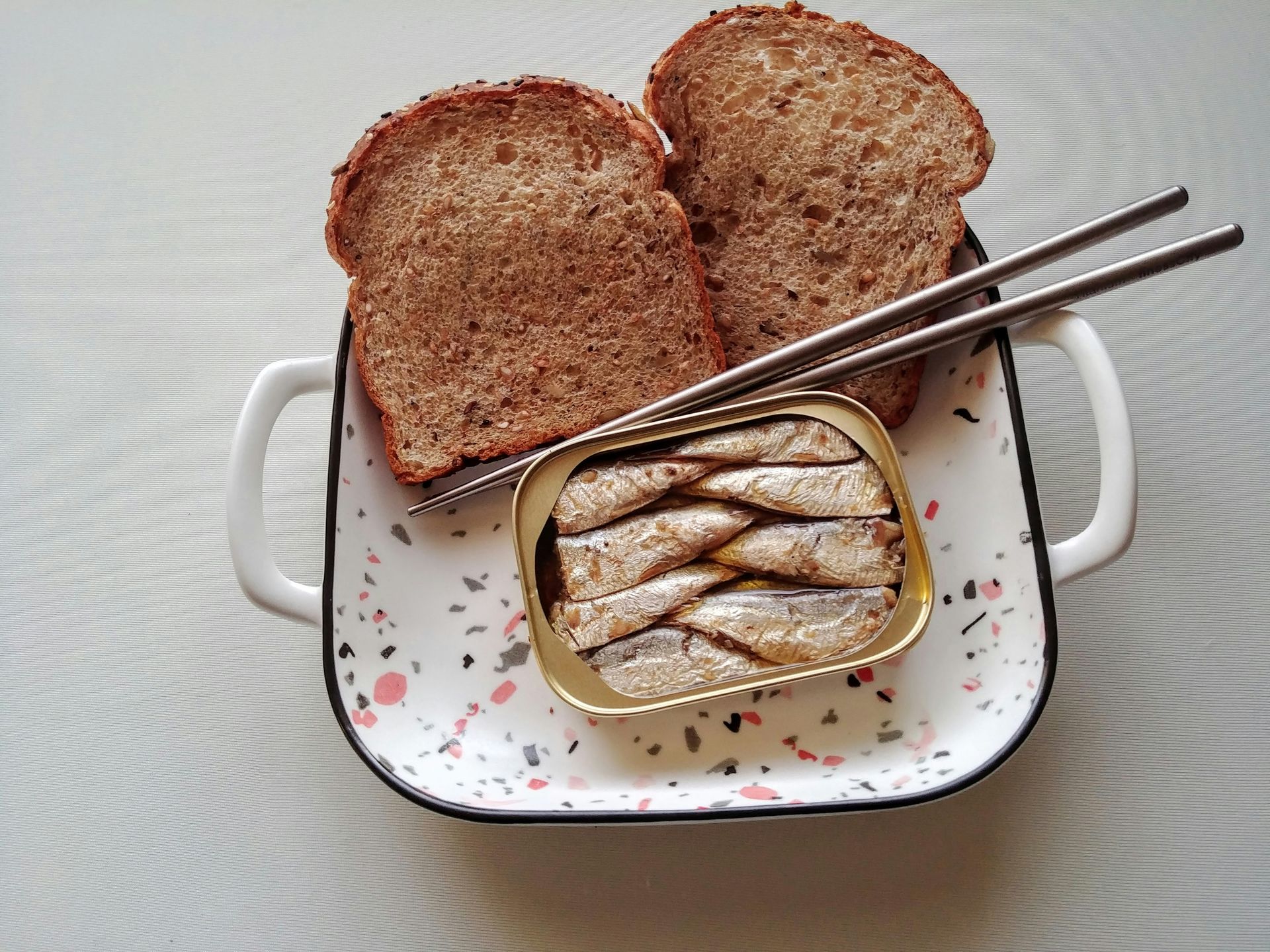
The simplest preparation is the best introduction. Lay sardines on good toast rubbed with garlic, add a squeeze of lemon, black pepper and maybe a few slices of raw onion or a smear of mustard. That's lunch in five minutes, and it's the standard by which to judge every fancier use.
From there, sardines slide into familiar formats. Flake them into pasta with garlic, chile flakes, lemon zest and breadcrumbs — the Sicilian template — for a pantry dinner that costs a few dollars. Mash them with mayonnaise, mustard, celery and lemon for a sandwich filling that outperforms canned tuna in both flavor and nutrition. Add them to a Niçoise-style salad with potatoes, green beans, olives and eggs. Chop them into fried rice or scatter them over a Caesar salad, where they echo the anchovy already in the dressing.
Even the oil in the tin has value. If it's olive oil, use it to dress the toast or wilt greens in the pan.
For anyone trying to eat more fish without the cost and planning that fresh fish demands, a stack of sardine tins in the cupboard is the practical answer. They wait patiently and never go bad before you get to them.
12 / 25
Credit: Alesia Kozik / Pexels
Fennel is the pale green bulb with celery-like stalks and feathery fronds that most shoppers walk past. Raw, it is crisp and juicy with a light anise flavor. Cooked, the licorice note fades almost entirely, leaving a sweet, silky vegetable closer to mild onion. That transformation means fennel is really two vegetables, and cooks who dislike licorice have only met the first one.
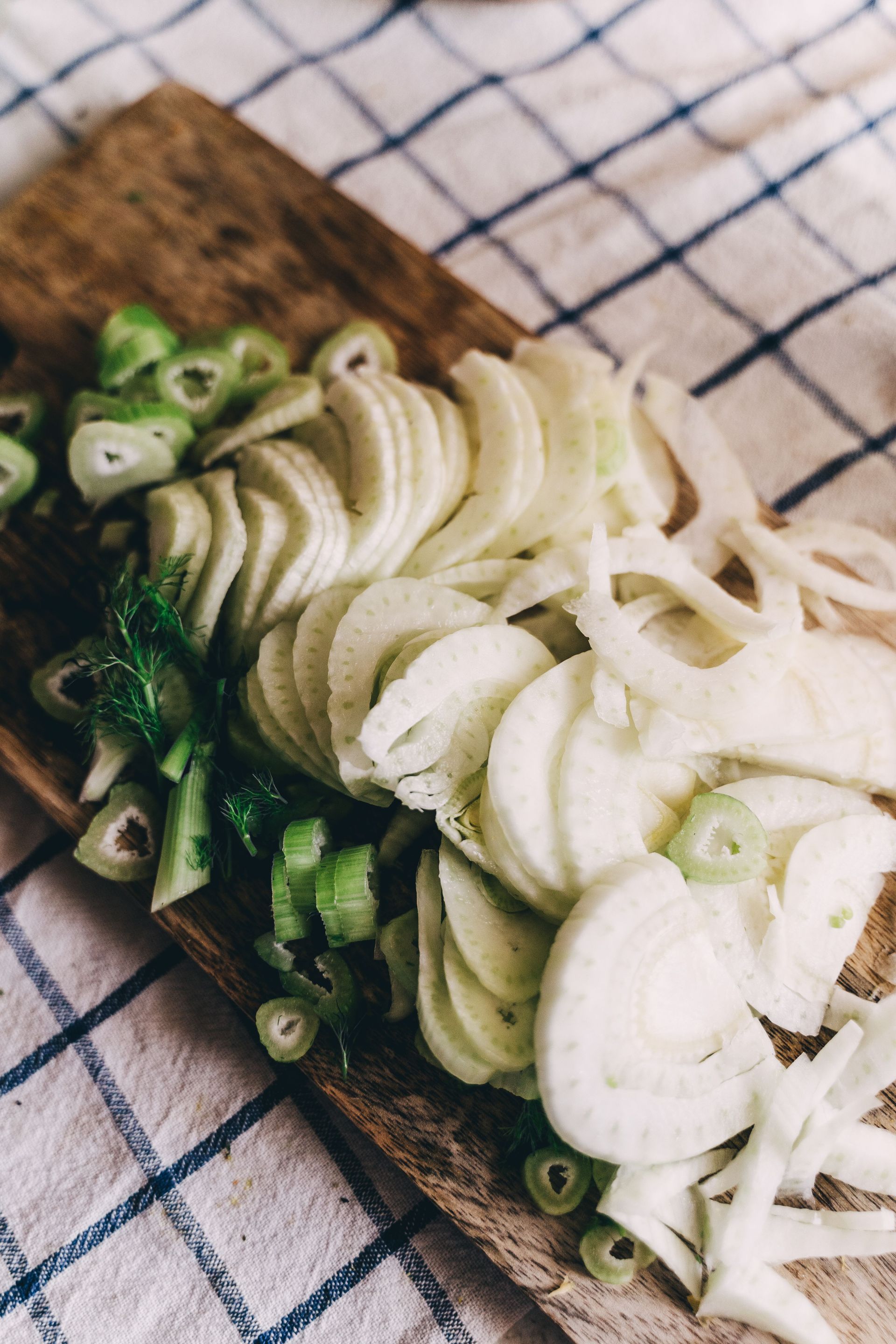
Buy firm, white bulbs with no browning. Cut off the stalks, halve the bulb, remove the core and slice. Every part has a job: the bulb is the main event, the stalks flavor stocks and soups, and the fronds work as a delicate herb scattered over finished dishes.
Raw fennel wants to be shaved thin — a mandoline helps, but a sharp knife works. Toss the shavings with lemon juice, olive oil, salt and shaved parmesan for a salad that stays crunchy for hours, which makes it a rare salad that can be made ahead. Add orange segments and olives for a Sicilian version. Slaw made with fennel and cabbage suits fish tacos and pulled pork.
Cooked fennel rewards patience. Cut the bulb into wedges, brown them in olive oil, then braise with a splash of white wine or stock until tender; finish with parmesan under the broiler. Roasted at high heat, fennel caramelizes at the edges and turns sweet. It melts into tomato sauce, pairs naturally with sausage in pasta and belongs in nearly any fish stew — it's a foundation of bouillabaisse for a reason.
Fennel also stretches the shopping trip. It keeps in the refrigerator for two weeks, far longer than lettuce, and one bulb yields a salad, a side dish and stock scraps. Few vegetables offer that combination of shelf life, versatility and distinctiveness for a couple of dollars, and even fewer taste this different raw versus cooked.
13 / 25
Credit: Canva Images
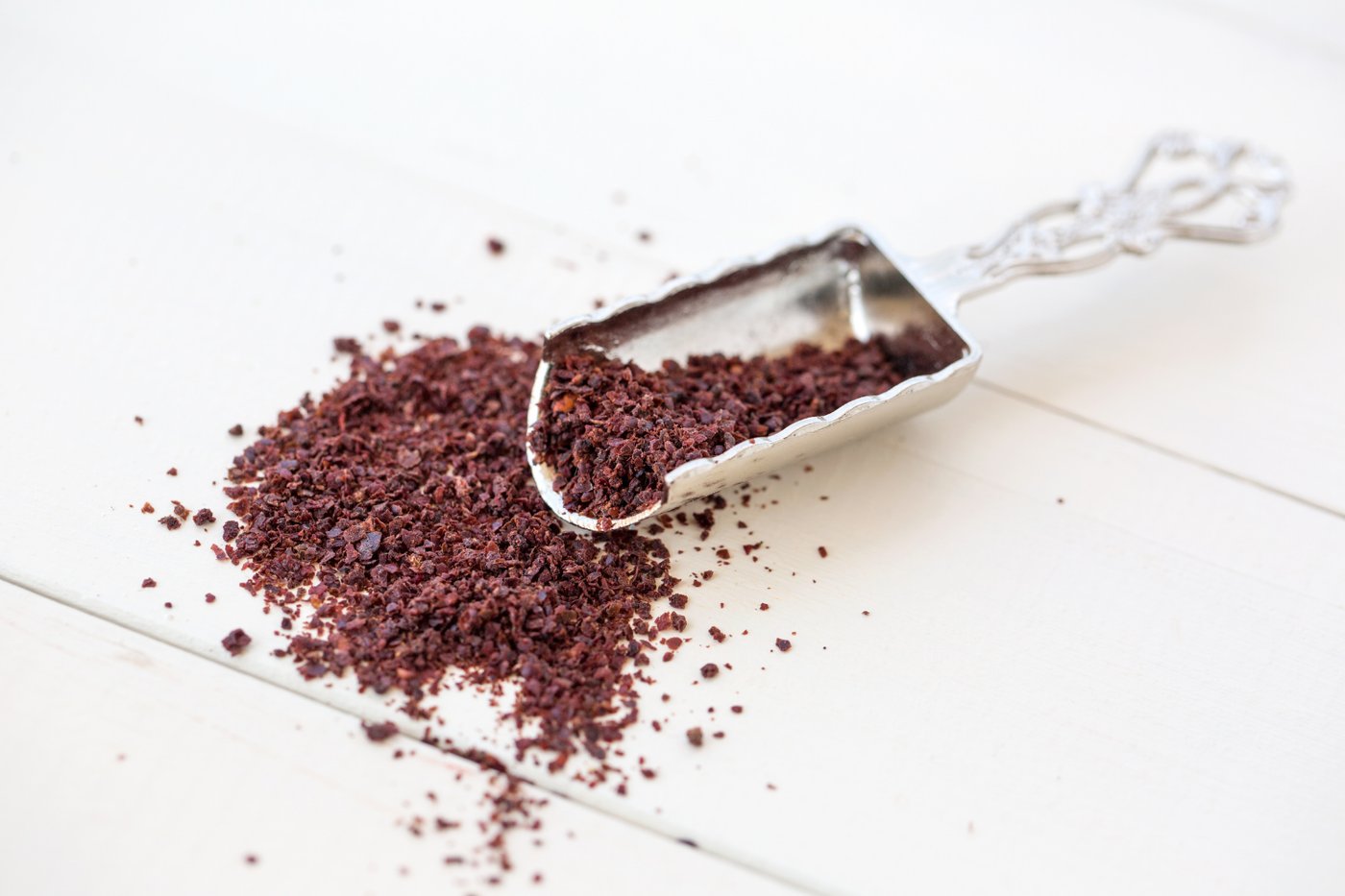
Sumac is a coarse, deep-red spice ground from the dried berries of a shrub that grows across the Middle East and Mediterranean. Its flavor is tart — clean, fruity sourness closer to lemon juice than to any other spice on the rack. That makes it unique among common seasonings: it adds acidity in dry form, brightening food without adding liquid.
That single property solves real problems. Squeezing lemon over crispy food makes it soggy. Dusting sumac over the same food adds the sour lift and leaves the crunch alone. Fried chicken, roasted potatoes, french fries and falafel all benefit. So do foods where liquid acid would break the texture, like hummus, labneh or deviled eggs.
In its home territory, sumac is everywhere. It's the sour engine of fattoush, the Levantine bread salad, and a key component of the spice blend za'atar. Musakhan, the Palestinian dish of roast chicken smothered in sumac-stained onions on flatbread, uses it by the spoonful rather than the pinch. Iranians shake it over rice and kebabs at the table the way Americans use black pepper.
A jar in a U.S. kitchen earns its place fast. Mix sumac with salt and sprinkle it over sliced tomatoes, cucumbers, avocado toast or watermelon. Whisk it into vinaigrettes and yogurt sauces. Rub it on chicken thighs or lamb chops with olive oil and garlic before grilling. Toss thinly sliced red onions with a generous pinch and a little vinegar; in 10 minutes they become the tangy pink onions that improve tacos, sandwiches and grain bowls.
Buy sumac from a Middle Eastern grocer or a reputable spice company, store it away from light and use it within a year while the color stays vivid. Once tartness becomes something you can sprinkle rather than squeeze, dish after dish across the week reveals it was quietly missing it all along.
14 / 25
Credit: Gu Ko / Pexels
Cabbage is not obscure. It's underused in a different way: bought for coleslaw or St. Patrick's Day, then ignored despite being one of the cheapest, most durable and most versatile vegetables sold. A single head weighs two or three pounds, costs a few dollars, keeps for weeks and adapts to nearly every cuisine on earth.
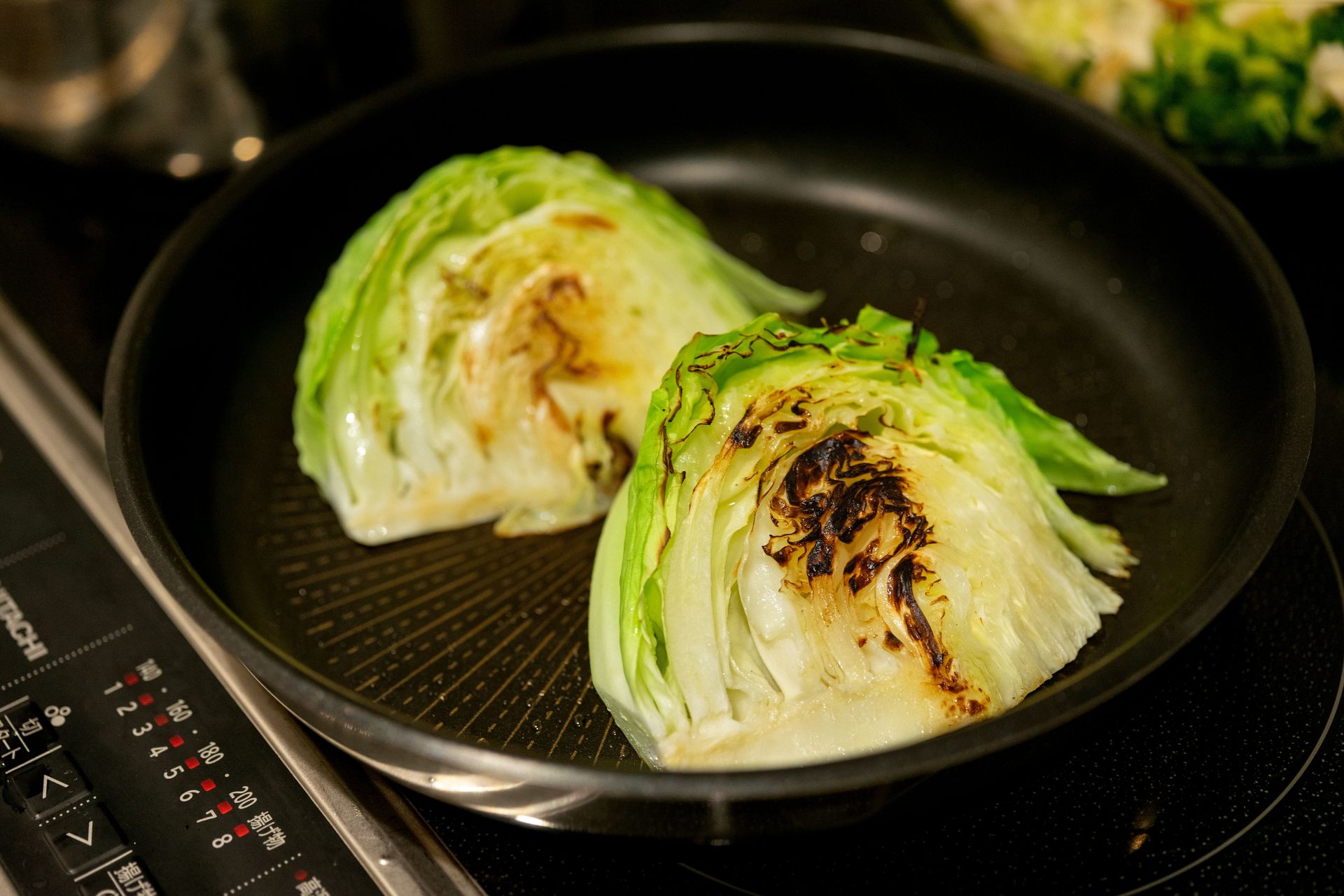
The modern case for cabbage rests on high heat. Roasting and charring transform it. Cut a head into thick wedges, keeping the core intact so they hold together, coat with oil and salt, and roast at high temperature until the edges blacken and the interior turns sweet and tender. Finish with lemon and parmesan, tahini sauce or chile crisp. Restaurants now sell this dish for the price of an entrée; at home it costs pocket change.
Seared cabbage "steaks" — thick cross-sections browned hard in a cast-iron pan, then finished in the oven — work the same magic faster. A pan sauce of butter, garlic and soy or fish sauce turns them into a main course.
Raw cabbage does more than mayonnaise slaw. Shredded fine and salted briefly, it softens into salads dressed with lime and fish sauce, with peanuts and herbs, or with sesame oil and rice vinegar. It bulks out tacos, banh mi and grain bowls with crunch that lettuce cannot sustain.
Then there is the wider world of cabbage cooking to borrow from: stir-fried with bacon and black pepper, folded into okonomiyaki, simmered in soups from borscht to caldo verde's cousins, braised slowly with apples and vinegar in the Central European style, or wrapped around fillings for stuffed rolls.
Cabbage's durability is a quiet virtue. A head in the crisper drawer is dinner insurance — still crisp two or three weeks after purchase, when more delicate vegetables have long since surrendered. Few purchases in the produce section stretch as far.
15 / 25
Credit: Canva Images
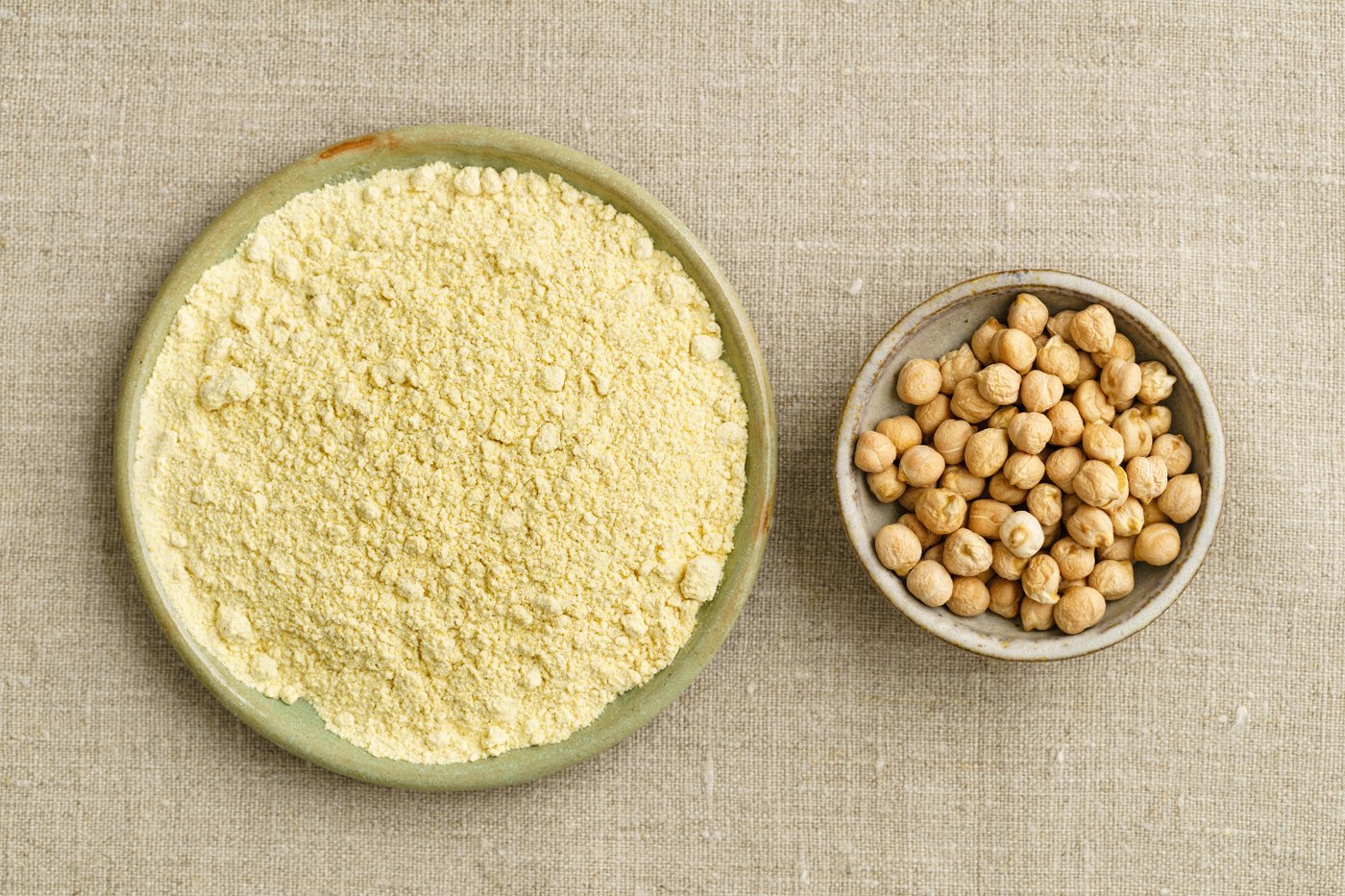
Chickpea flour — also sold as garbanzo flour, gram flour or besan — is nothing but dried chickpeas milled to powder. It is naturally gluten-free, high in protein and fiber, and it has been a staple across India, the Mediterranean and the Middle East for centuries. Most U.S. home cooks have never bought a bag, which means they're missing several nearly effortless dishes.
The gateway is socca, the chickpea pancake of Nice, known as farinata across the border in Liguria. Whisk equal volumes of chickpea flour and water with olive oil and salt, rest the batter briefly, then pour it into a hot, oiled skillet and cook until crisp at the edges. The result is a savory flatbread with a custardy interior — dinner or an appetizer from three pantry ingredients in 20 minutes. Topped with rosemary and black pepper, or with a salad piled on top, it's a complete meal.
Indian cooking uses besan constantly. It's the batter for pakoras, the vegetable fritters that make anything from onions to spinach fry up crisp and golden. Chilla, thin savory pancakes flecked with onion, chile and cilantro, cook like crepes and make a fast breakfast. The flour also thickens curries and binds kofta.
Chickpea flour solves practical problems, too. It binds veggie burgers and fritters without eggs, which matters for vegan cooking. Whisked with water, it substitutes for egg in some batters. Blended with water and cooked, then chilled and sliced, it becomes panisse — chickpea fries that crisp beautifully in oil.
One rule: cook it fully. Raw chickpea flour tastes bitter and beany; heat converts it to something nutty and sweet. Toasting the flour briefly in a dry pan before using it in batters deepens the flavor further. A bag keeps for months in an airtight container, longer in the freezer.
16 / 25
-1400x933.png)
Credit: Canva Images
Harissa is the chile paste of North Africa, especially Tunisia, built on dried red chiles blended with garlic, olive oil and warm spices — typically caraway, coriander and cumin. Unlike vinegar-forward hot sauces, harissa is rich and aromatic, closer to a spiced pepper pesto than to Tabasco. It supplies heat, but the heat arrives wrapped in smoke, sweetness and spice.
It's sold in jars, tubes and cans, and intensity varies enormously by brand — some are mild enough to eat by the spoonful, others are seriously hot. Rose harissa, a variation perfumed with rose petals, is gentler and more fragrant. Once opened, cover the surface with a thin layer of olive oil and refrigerate; it keeps for months.
The traditional uses are worth learning. Harissa seasons Tunisian stews, accompanies couscous and gets stirred into shakshuka, the eggs-poached-in-tomato-sauce dish where a spoonful transforms the sauce. Mixed with olive oil, it marinates chicken, lamb and fish before grilling.
Its adaptability is what earns pantry space. Whisk harissa into mayonnaise or yogurt for a sauce that improves sandwiches, roasted vegetables and grilled meat alike. Toss root vegetables — carrots, sweet potatoes, parsnips — with harissa and honey before roasting; the sugars caramelize and the spice blooms. Stir a spoonful into tomato soup, lentil soup or a pot of braised chickpeas. Rub it under the skin of a chicken before roasting. Swirl it into hummus or fold it into butter for corn and flatbread.
It even handles breakfast. A small spoonful in scrambled eggs or smeared on avocado toast wakes both up.
Harissa occupies the same slot as sriracha or chile crisp — the jar reached for when food needs heat — but its spice profile is distinct enough that it never feels redundant next to them. Most kitchens have room for all three.
17 / 25
Credit: Valeria Boltneva / Pexels
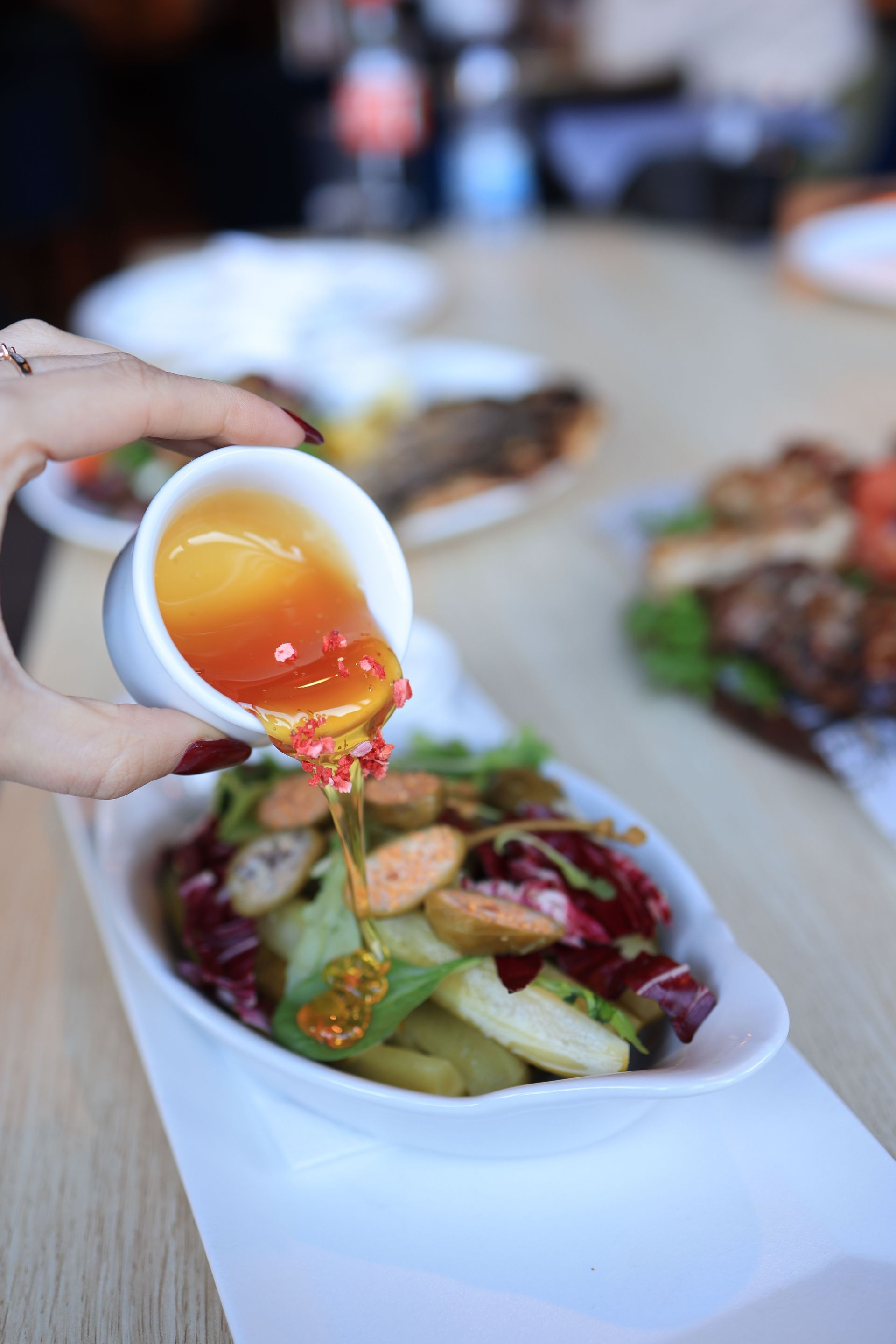
Sherry vinegar is the quiet aristocrat of the vinegar shelf. Made in Spain from sherry wine and aged in wooden barrels, it combines sharp acidity with nutty, caramel depth. Balsamic offers sweetness and supermarket red wine vinegar offers a one-note bite; sherry vinegar delivers complexity at a price that remains modest for what it is. Spanish and French professional kitchens use it constantly. Most U.S. home cooks have never owned a bottle.
Look for bottles labeled vinagre de Jerez, a protected designation that guarantees origin and barrel aging. Even entry-level bottles from that region outperform generic wine vinegars. A bottle keeps indefinitely in a dark cupboard.
Vinaigrette is the proving ground. Whisk sherry vinegar with Dijon mustard, a small spoonful of minced shallot, salt and olive oil. That dressing flatters bitter greens, lentil salads, roasted beets and sliced avocado, and its roundness means it needs less oil to taste balanced than harsher vinegars do.
Its second great use is finishing. A few drops added to a finished soup — gazpacho traditionally, but also lentil, black bean, mushroom or butternut squash — sharpen every other flavor in the pot. The same trick works on braises and stews: a teaspoon stirred into beef stew or braised greens just before serving makes the dish taste brighter without tasting sour.
Deglazing is the third. After searing pork chops, chicken or mushrooms, splash sherry vinegar into the hot pan, scrape up the browned bits, add a knob of butter and a little stock, and a serious pan sauce appears in a minute.
It also elevates small things: drizzled over ripe tomatoes with salt, shaken into a marinade for grilled peppers, or mixed with honey as a glaze for roasted carrots. Replace half the uses of lemon and balsamic in a kitchen with sherry vinegar for a month and the upgrade becomes obvious.
18 / 25
Credit: engin akyurt / Unsplash
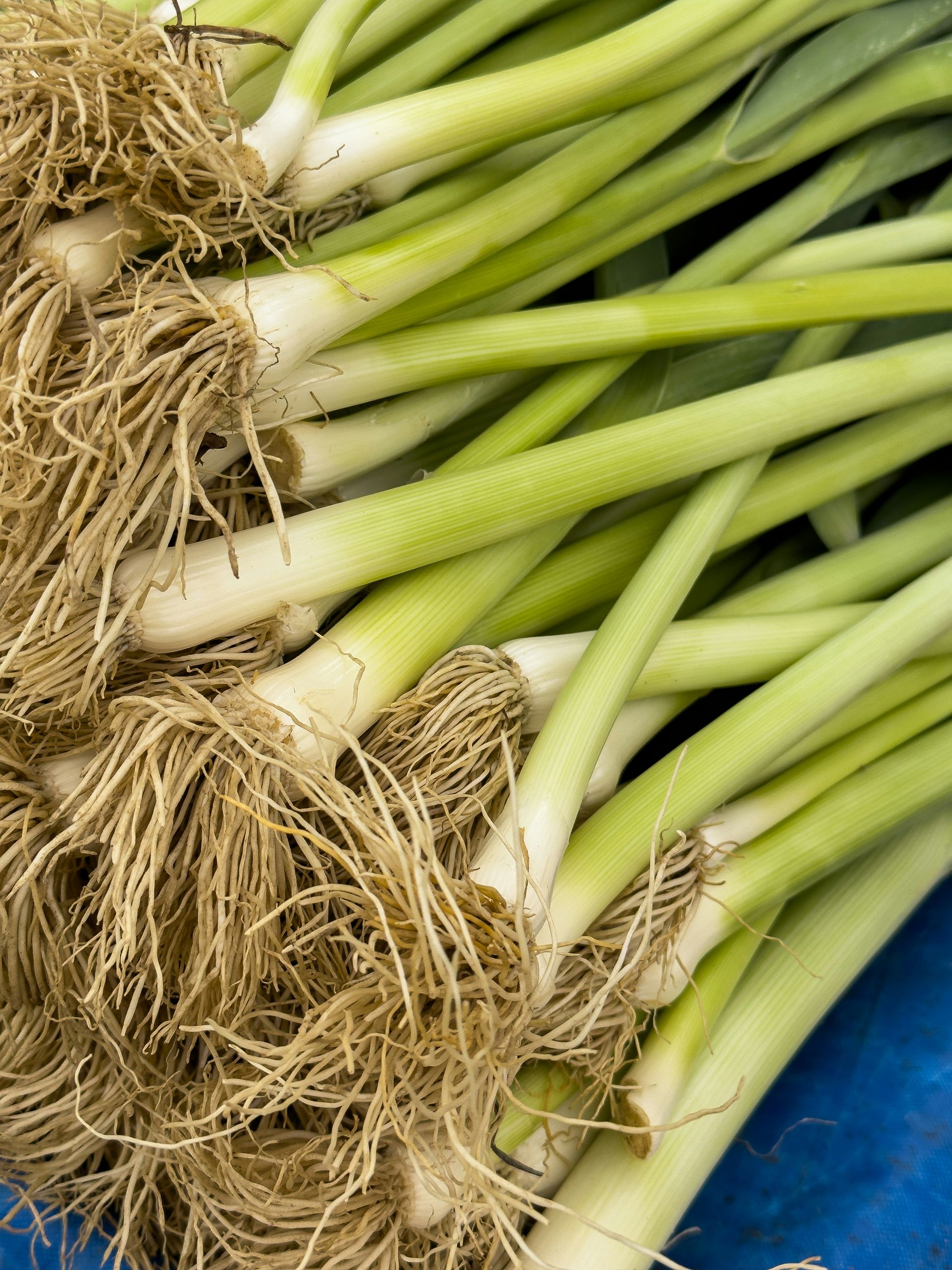
Leeks are the mildest, sweetest members of the onion family, and in France they're treated as a vegetable in their own right rather than a flavoring. U.S. home cooks mostly meet them in potato leek soup and nowhere else. That single-recipe reputation undersells a vegetable with an unusual talent: cooked slowly, leeks turn silky and sweet in a way onions never quite match.
Preparation scares some cooks off, but it's simple. Trim the root and the tough dark green tops, halve the stalk lengthwise and rinse thoroughly between the layers, where grit hides. The dark tops, too fibrous to eat, are excellent in stock.
The definitive preparation is melted leeks. Slice the white and light green parts, then cook them low and slow in butter with a pinch of salt for 20 to 30 minutes until they collapse into a sweet, silky tangle. That tangle is a sauce, a side and a building block. Spoon it over seared fish or chicken. Fold it into scrambled eggs, omelets, quiche or frittata. Stir it into risotto or mashed potatoes. Spread it on toast under a fried egg. Toss it with pasta, cream and parmesan.
Braised whole leeks are a classic French first course: simmer halved leeks in stock until tender, then dress them warm with mustard vinaigrette. Roasted leeks, cut in thick segments and cooked until browned, caramelize like their allium cousins.
Leeks also upgrade the everyday. Use them in place of onions in soups, stews and pot pies for a gentler, rounder base. They're particularly suited to seafood — mussels steamed with leeks and white wine, or chowder built on a leek foundation.
They keep for two weeks or more in the refrigerator, wrapped loosely in the crisper drawer. For cooks who find raw onion harsh or overpowering, leeks are the diplomatic alternative, delivering the allium foundation without the bite.
19 / 25
Credit: Canva Images
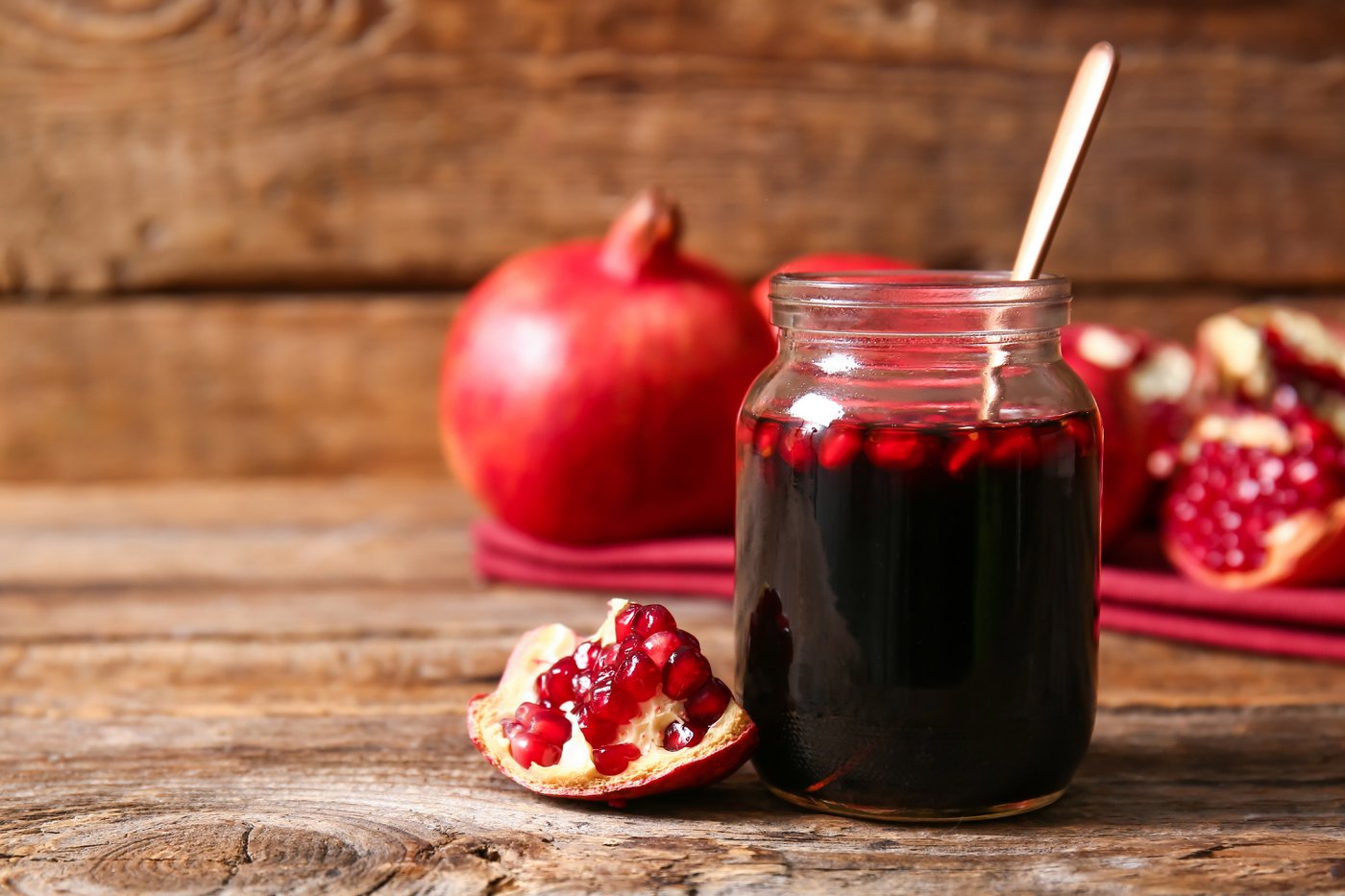
Pomegranate molasses is pomegranate juice reduced to a thick, dark syrup. Despite the name, it isn't primarily sweet. Reduction concentrates the fruit's acidity and tannins along with its sugar, producing a condiment that is intensely tart first, fruity second and sweet last. Middle Eastern cooking, particularly Lebanese, Syrian, Persian and Turkish, uses it the way Italian cooking uses balsamic — as a sour-sweet accent that sharpens everything nearby.
A bottle costs a few dollars at Middle Eastern grocers and increasingly at supermarkets, and it keeps in the cupboard for a year or more. Check the label; the best versions list only pomegranate juice, without added sugar or corn syrup.
The signature dish is muhammara, the Syrian spread of roasted red peppers, walnuts and pomegranate molasses that deserves a place beside hummus in every refrigerator. The syrup is also essential to Persian fesenjan, a stew of chicken simmered with ground walnuts, and to Turkish gavurdağı salad of tomatoes and walnuts.
Its everyday uses translate directly to a U.S. kitchen. Whisk a spoonful into vinaigrette with olive oil and a little mustard; the dressing suits any salad containing fruit, nuts or cheese. Drizzle it over roasted eggplant, carrots, squash or brussels sprouts in the final minutes of cooking so it caramelizes. Brush it on chicken wings, lamb chops or salmon as a glaze. Stir it into sparkling water for a homemade soda, or into a cocktail in place of grenadine — which was originally a pomegranate syrup anyway.
It handles dessert as well: drizzled over vanilla ice cream, yogurt with pistachios, or fresh fruit.
Anywhere a dish needs both brightness and depth — jobs usually split between lemon juice and honey — pomegranate molasses does both at once. That efficiency is why cooks who buy one bottle tend to keep buying it.
20 / 25
Credit: Raul Ling / Pexels
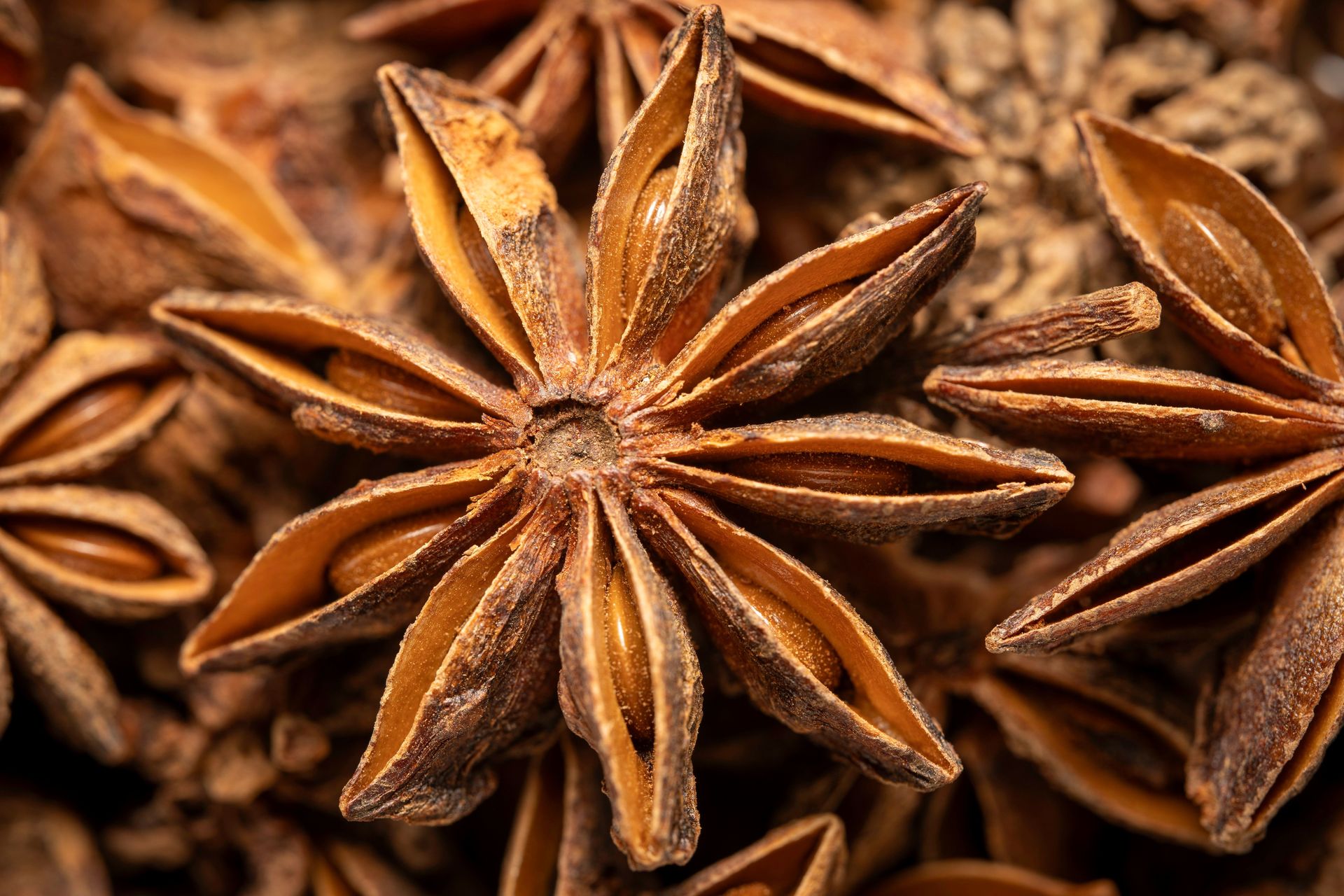
Star anise is the eight-pointed, mahogany-colored seed pod of an evergreen tree native to China and Vietnam. Its flavor is warm licorice with a sweet, woody depth, and its defining trait is potency: one or two whole pods can perfume an entire pot. Most U.S. spice racks skip it, even though it quietly shapes several dishes Americans already love.
Star anise is the dominant aromatic in Vietnamese pho broth and a core component of Chinese five-spice powder. Chinese red-braised dishes — pork belly or beef simmered with soy sauce, rice wine, sugar and aromatics — depend on it. Anyone who has enjoyed those dishes already likes star anise, whether they know it or not.
The whole pod is the form to buy. Drop it into simmering liquid, let it infuse and fish it out before serving, like a bay leaf. Two pods in a beef stew or short rib braise add a resonant background warmth that most eaters can't identify but definitely notice. One pod in the poaching liquid for chicken does the same.
Its affinity with fruit is the underused half. A pod simmered with poached pears, apple compote, cranberry sauce or plum jam adds a spiced dimension that cinnamon alone can't reach. Mulled wine and cider practically require it. A single pod steeped in the milk for rice pudding or crème brûlée perfumes the whole dessert.
Star anise also improves drinks. Steep a pod in chai or hot chocolate. Add one to the syrup for an old fashioned or to a batch of cold brew spices.
Restraint is the only rule. The flavor turns medicinal in excess, so start with one pod and remove it once the aroma is where you want it. Whole pods stored airtight keep their strength for a couple of years, making this one of the most durable spices in the cupboard.
21 / 25
Credit: engin akyurt / Unsplash
Lentils in general are underused in U.S. kitchens, but French green lentils — the small, slate-green variety grown famously around Le Puy in France — deserve specific attention. Unlike common brown lentils, which soften toward mush, these hold their shape through cooking. That structural integrity opens up an entire category of dishes that brown lentils can't do: salads, sides and plates where the lentils remain distinct, nutty and pleasantly firm.
They require no soaking. Rinse them, cover with water or stock, add a bay leaf and simmer 20 to 30 minutes until tender but intact. Salt near the end. From dry bag to finished dish is half an hour, which puts them in weeknight territory, and a pound costs a few dollars while delivering substantial protein, fiber, iron and folate.
The classic French preparation is a warm lentil salad: toss the just-cooked lentils with a sharp mustard vinaigrette, minced shallot and parsley. Eaten warm or at room temperature, it works as a side for sausages or salmon, a base for a poached egg or a standalone lunch that improves overnight in the refrigerator. Add goat cheese and roasted beets and it becomes a bistro staple.
They also anchor heartier cooking. Braise them with carrots, celery and a piece of bacon or a spoonful of miso for depth, and serve under roasted chicken thighs so the lentils catch the drippings. Fold them into grain bowls, pile them onto toast with ricotta, or simmer them into a rustic soup that keeps some texture.
Cooked lentils freeze well, so a double batch banks future meals. For anyone trying to eat less meat without resorting to processed substitutes, a pot of well-seasoned French lentils is the oldest and cheapest solution on the market. Beluga lentils, the small black variety, behave the same way and can substitute in any of these dishes.
22 / 25
Credit: Skyler Ewing / Pexels
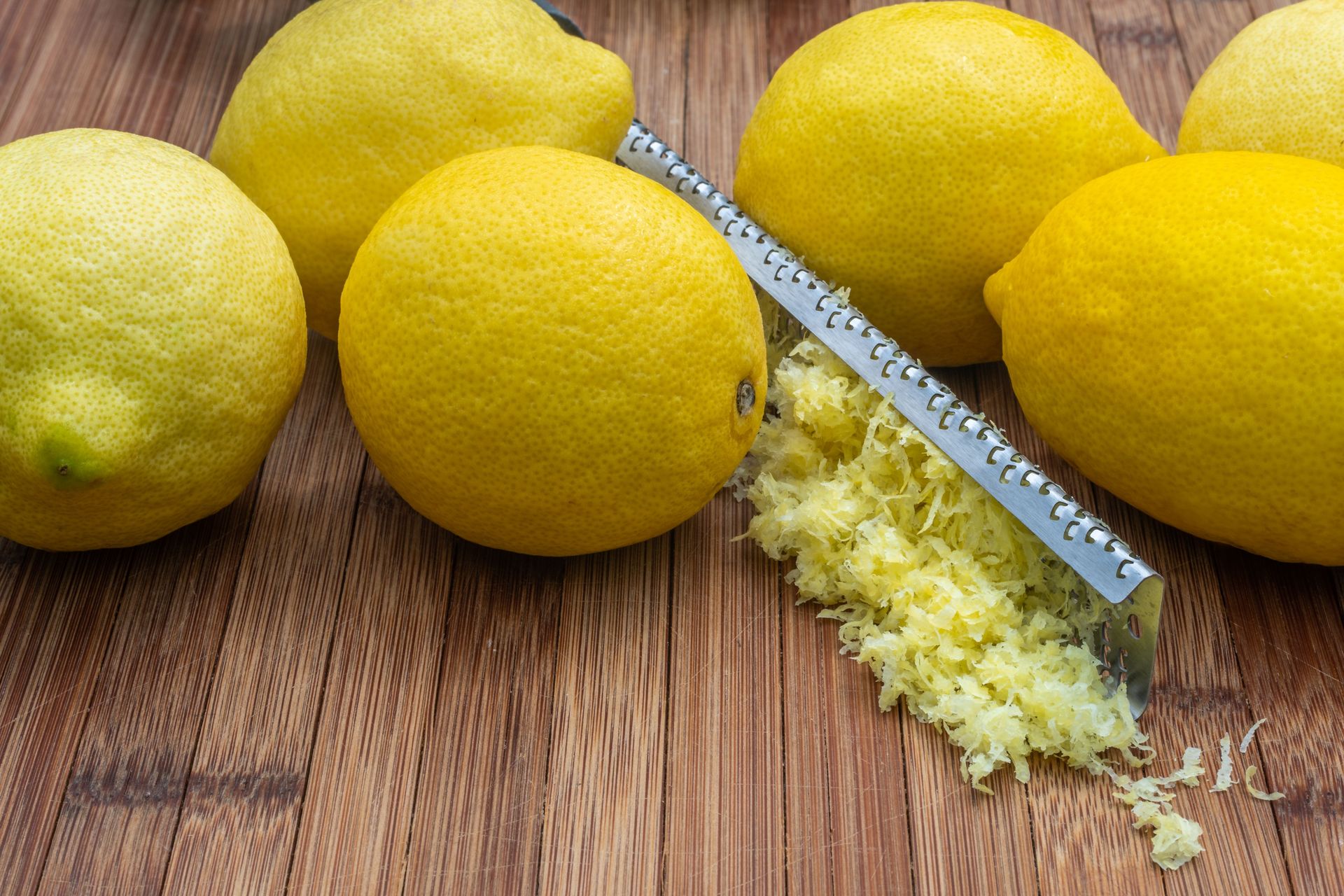
Citrus zest is the ingredient most home cooks already own and throw away. The colored outer skin of lemons, limes and oranges holds the fruit's essential oils, and those oils carry most of its aroma. Juice provides sourness; zest provides fragrance. A dish finished with both tastes far more of citrus than a dish finished with juice alone, and zest adds no liquid and no acid, so it can go places juice can't.
The tool matters. A rasp-style grater removes the flavorful colored layer in fine wisps while leaving behind the bitter white pith. Zest the fruit before juicing it — the reverse is nearly impossible — and zest it directly over the dish so the oils that spray out land in the food.
Savory uses are the underexploited half. Lemon zest grated over pasta at the end brightens cream and butter sauces without breaking them. Gremolata, the mix of lemon zest, garlic and parsley, wakes up braised meats, roasted vegetables and fish. Zest stirred into rice, couscous or breadcrumbs perfumes the whole pot. Lime zest belongs in guacamole, marinades and rubs for grilled chicken; orange zest deepens tomato sauce, beef stew, chili and fennel salads.
In baking, zest is often the difference between a dessert that tastes vaguely lemony and one that tastes vividly so. Rubbing zest into sugar with fingertips before creaming releases the oils and distributes them evenly through cakes, cookies and scones.
Zest also stores well. Grate the peels of spent citrus before discarding them and freeze the zest flat in a small bag; it keeps its aroma for months. Strips of peel, dried on the counter, flavor stews, mulled drinks and homemade bitters. Buying organic matters more here than for most produce, since the skin is what's being eaten, and the fruit should be washed either way. Once zesting becomes a habit, throwing away an unzested peel starts to feel like discarding half the fruit.
23 / 25

Credit: Marek Kupiec / Pexels
Monosodium glutamate may be the most unfairly avoided ingredient in the U.S. pantry. It is simply the sodium salt of glutamic acid, an amino acid abundant in parmesan, tomatoes, mushrooms and human breast milk. Decades of research, reflected in the position of the U.S. Food and Drug Administration, which classifies MSG as generally recognized as safe, have failed to substantiate the health scare that began with a single speculative letter to a medical journal in 1968. The stigma also carried an ugly undertone, attaching itself specifically to Chinese food while ignoring the same compound in Doritos and ranch dressing.
What MSG actually does is straightforward: it makes savory food taste more savory. A small pinch amplifies the meaty, brothy quality of soups, stews, stir-fries, marinades, burgers and vegetables. It contains about one-third the sodium of table salt, so cooks can use it to reduce total sodium while increasing perceived flavor — replacing some salt with a smaller amount of MSG makes food taste fuller with less sodium overall.
A shaker of it is sold in most supermarkets, often under the Ac'cent brand or in the international aisle. Use it like a finishing seasoning: a small pinch for a pan of food, an eighth of a teaspoon or so in a pot of soup. It dissolves instantly and has no aroma of its own.
The best places to start are dishes that taste thin. Vegetable soups and vegetarian chili gain the depth that meat usually provides. Scrambled eggs, roasted potatoes, popcorn and tomato sauce all sharpen with a pinch. A tiny amount in burger meat or meatballs intensifies the beef.
A small minority of people report sensitivity to large doses, and anyone who does can simply skip it. For everyone else, MSG is a precise, inexpensive tool that professional food manufacturers have used for a century while home cooks were told to fear it.
24 / 25
Credit: Canva Images
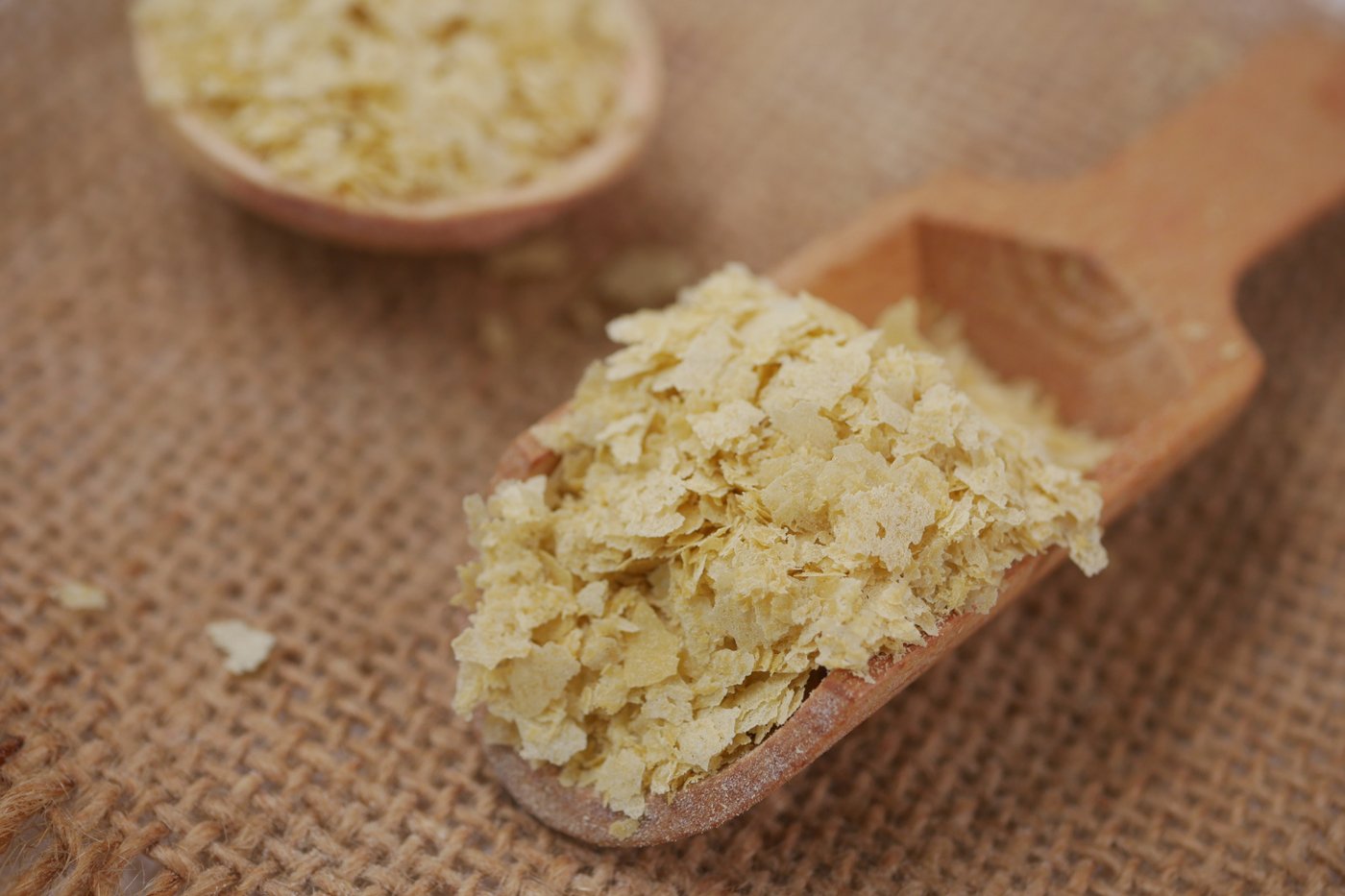
Nutritional yeast is deactivated yeast sold as golden flakes, and it has spent decades pigeonholed as a vegan cheese substitute. That framing undersells it. The flakes taste nutty, toasty and savory — genuinely reminiscent of parmesan — because the yeast is rich in glutamates and nucleotides, the same compounds that make aged cheese taste the way it does. It's a seasoning that happens to be vegan, not a seasoning only for vegans.
Most versions are also fortified with B vitamins, including B12, which is otherwise hard to obtain from plants. A canister keeps for a year or more in a cool, dark cupboard.
Popcorn is the classic entry point. Toss hot popcorn with melted butter or olive oil, salt and a generous shower of nutritional yeast, and the result is cheesy, savory and difficult to stop eating. From there, treat it anywhere grated parmesan would go when there's no parmesan in the house: over pasta, roasted vegetables, baked potatoes, salads and soups.
It also works as an ingredient rather than a garnish. Blend it into cashew-based sauces for vegan mac and cheese. Whisk it into scrambled eggs or tofu scramble for depth. Add a few tablespoons to breadcrumb coatings for chicken cutlets or roasted cauliflower, where it browns and intensifies. Stir it into mashed potatoes, polenta or risotto to reinforce their savoriness. Mix it with ground cashews or almonds and salt for a shelf-stable parmesan alternative that keeps for weeks.
A spoonful dissolved into vegetable soup or gravy performs the same trick as a parmesan rind, rounding out the broth. Because the flakes are dry, they also boost savory flavor in spice rubs and seasoning blends without adding moisture.
For households cooking for both dairy eaters and dairy avoiders, it's a bridge ingredient — one canister that serves everyone at the table.
25 / 25
Credit: makafood / Pexels
Kimchi, the Korean staple of vegetables fermented with chile, garlic and ginger, has moved from specialty stores into mainstream U.S. supermarkets over the past decade. Plenty of shoppers now buy a jar out of curiosity, eat it as a side dish a few times and let the rest age in the refrigerator door. The aging is fine — kimchi keeps for months and grows more sour over time — but the neglect misses the point. Kimchi is a cooking ingredient as much as a condiment, and older, sourer kimchi is actually better for cooking.
Napa cabbage kimchi is the standard, but radish and cucumber versions are common. Buy refrigerated jars, check labels if avoiding fish sauce or shrimp paste, and expect the jar to bubble and sharpen as it lives in the refrigerator.
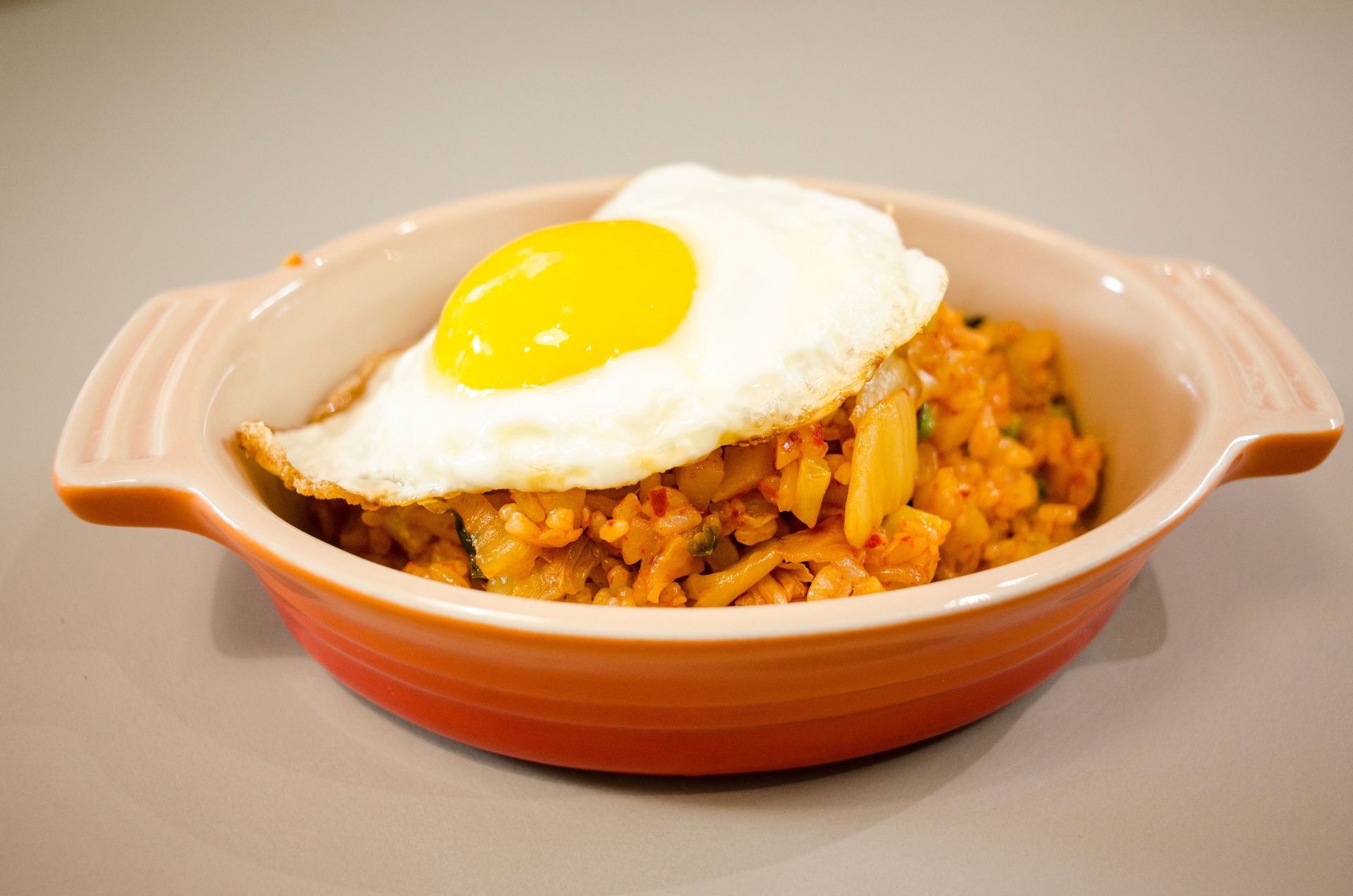
Kimchi fried rice is the essential recipe. Sauté chopped, well-fermented kimchi in butter or oil, add day-old rice and a splash of the kimchi's own juice, then top each serving with a fried egg. The dish takes 15 minutes and converts kimchi skeptics reliably. Kimchi jjigae, the bubbling stew of aged kimchi with pork and tofu, is the second essential — the standard Korean answer to a jar that has gone very sour.
Beyond Korean recipes, kimchi behaves like a sharper sauerkraut. Chop it into grilled cheese sandwiches or quesadillas, where its acidity cuts the fat. Pile it on hot dogs, burgers and tacos. Fold it into scrambled eggs, savory pancakes or potato hash. Stir the brine from the jar into Bloody Marys, salad dressings or a pot of braised greens.
As a fermented food, kimchi also delivers live cultures when eaten uncooked, along with fiber and vitamins from the vegetables. Few ingredients cover condiment, side dish, cooking base and beverage mixer from a single jar, which makes finishing one far easier than most first-time buyers expect.
